Backpacking Tents
Trekking Pole Tents vs Freestanding Tents: Two Affordable Picks Worth Considering
A practical comparison of trekking pole and freestanding backpacking tents, with one inexpensive option in each category and the trade-offs worth weighing before you buy.
Introduction
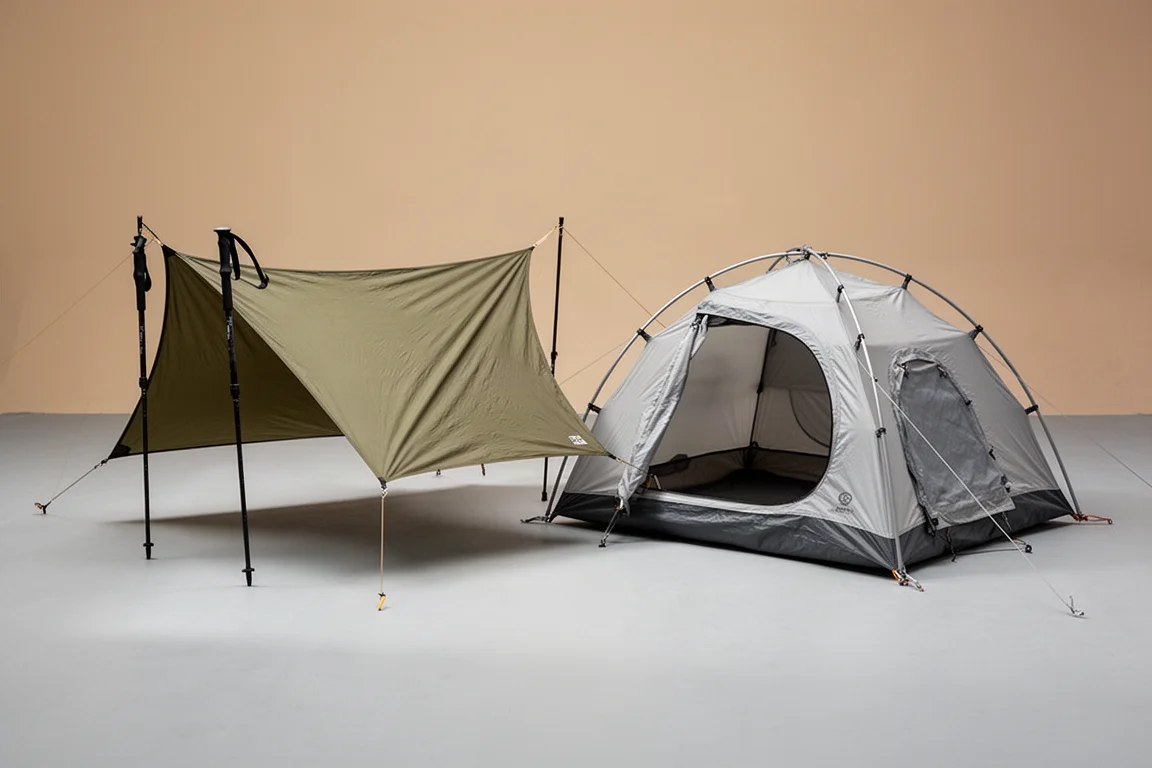
Choosing between a trekking pole tent and a freestanding tent is really a question about how you hike and where you sleep. The two designs trade weight and packability against living space and convenience, and neither one wins in every situation. This guide covers the strengths and trade-offs of each style, then points to one inexpensive option in each category so you can match the shelter to the trip you actually take.
Trekking Pole Tents: Strengths and Trade-Offs
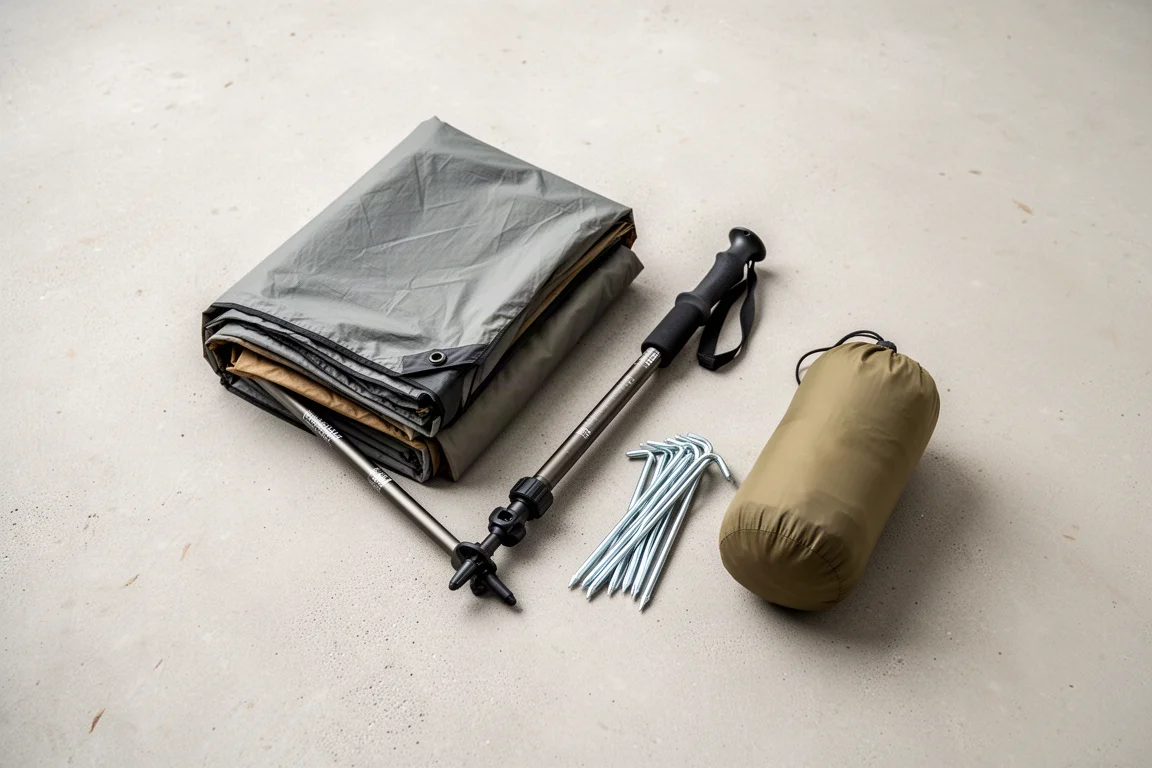
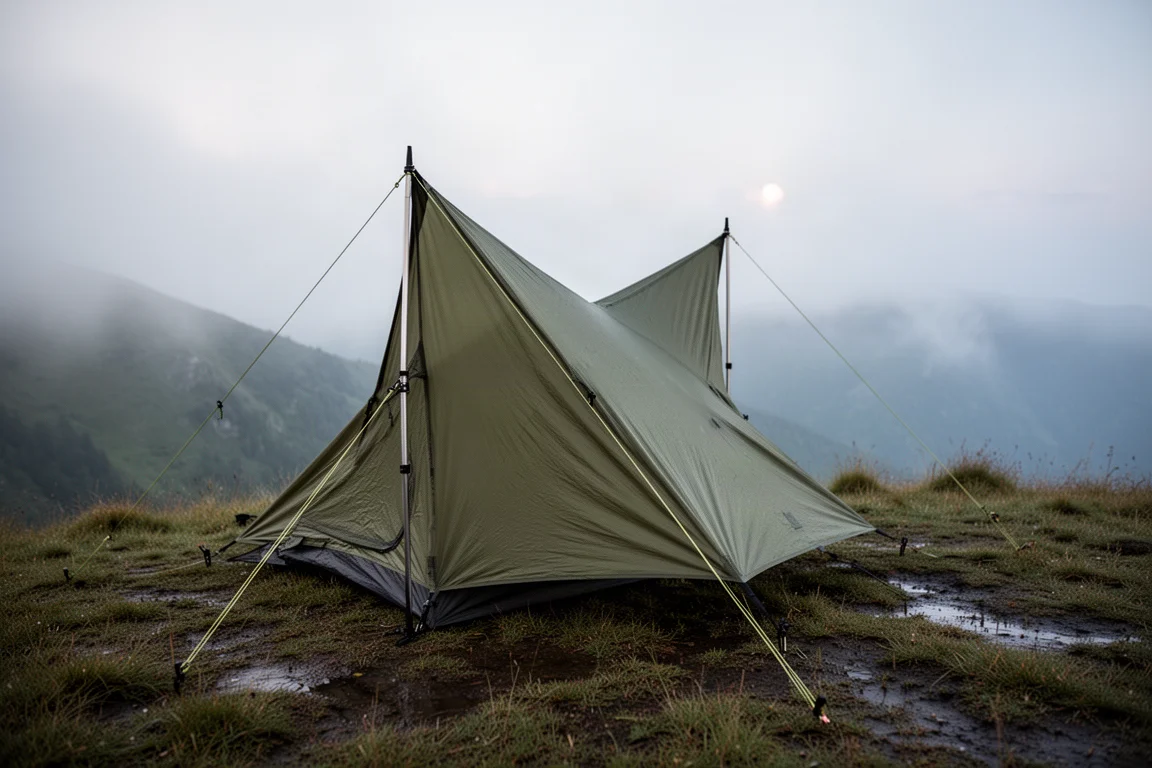
A trekking pole tent replaces dedicated tent poles with the trekking poles you may already be carrying. That removes the weight of a pole set entirely, and with less material overall the packed shelter is lighter and takes up less room in a backpack. Because there are no poles to buy, these tents are typically cheaper than freestanding equivalents.
There is a practical side benefit. A trekking pole shelter gives you a reason to actually use your trekking poles, which help keep you balanced on trail and move some of the load from your back onto your arms.
Pitching has a reputation for being difficult, but that usually comes down to limited practice. After a few setups in the yard or on trail, the process becomes quick and repeatable. Setup in rain is a genuine advantage: raise the roof with your poles first and the interior tends to stay dry while you finish the job.
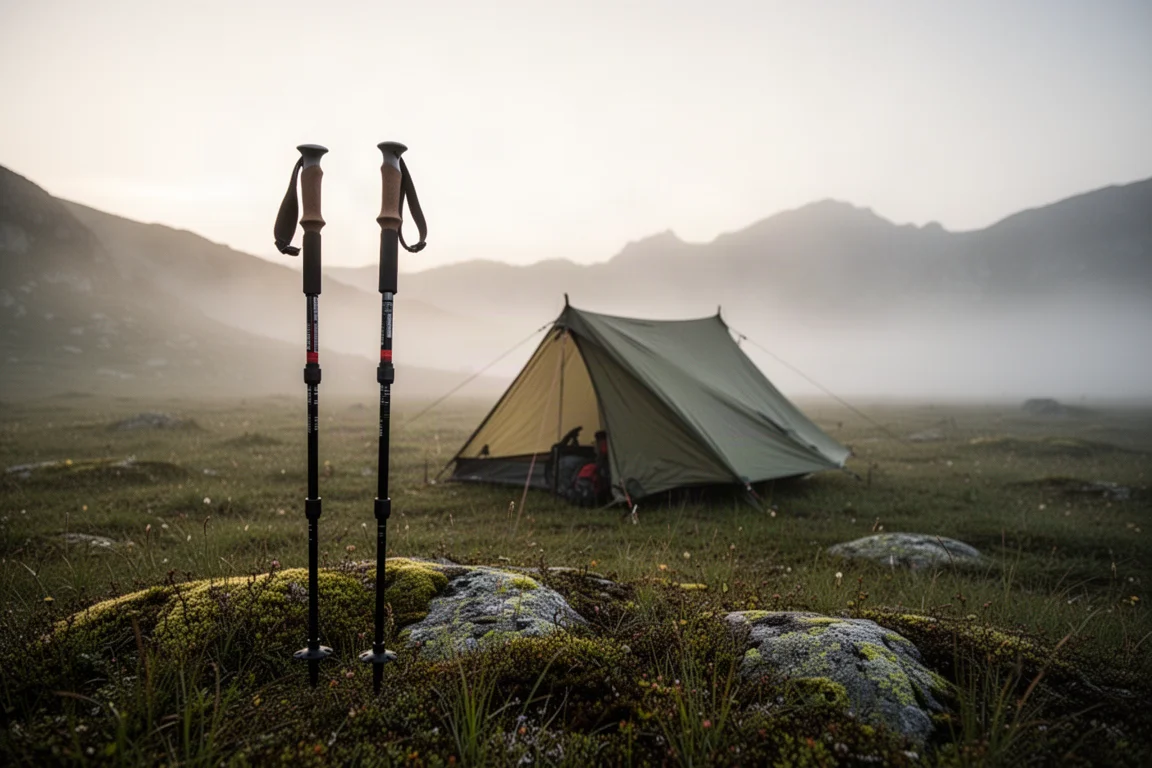
The trade-offs deserve serious attention. Trekking pole tents are usually single wall, which makes condensation a significant issue. Moisture forms on the inside of the shell, so anything touching that wall, including a sleeping bag or a pack, ends up wet. Pitching also depends on staking. A trekking pole shelter has to be staked out to hold its shape, and it uses more stakes than a freestanding design, which means hunting for rocks when the ground will not take a peg.
Living space is where the gap is widest. Most trekking pole tents skip gear lofts, pockets, and other extras, and because the structure relies on two near-vertical poles, headroom is limited. That makes waiting out a storm inside less comfortable and cleaning the floor more awkward. On many designs the pole sits directly in front of the door, which makes getting in and out harder. Some manufacturers offset the pole to work around this, but most do not.
Freestanding Tents: Strengths and Trade-Offs
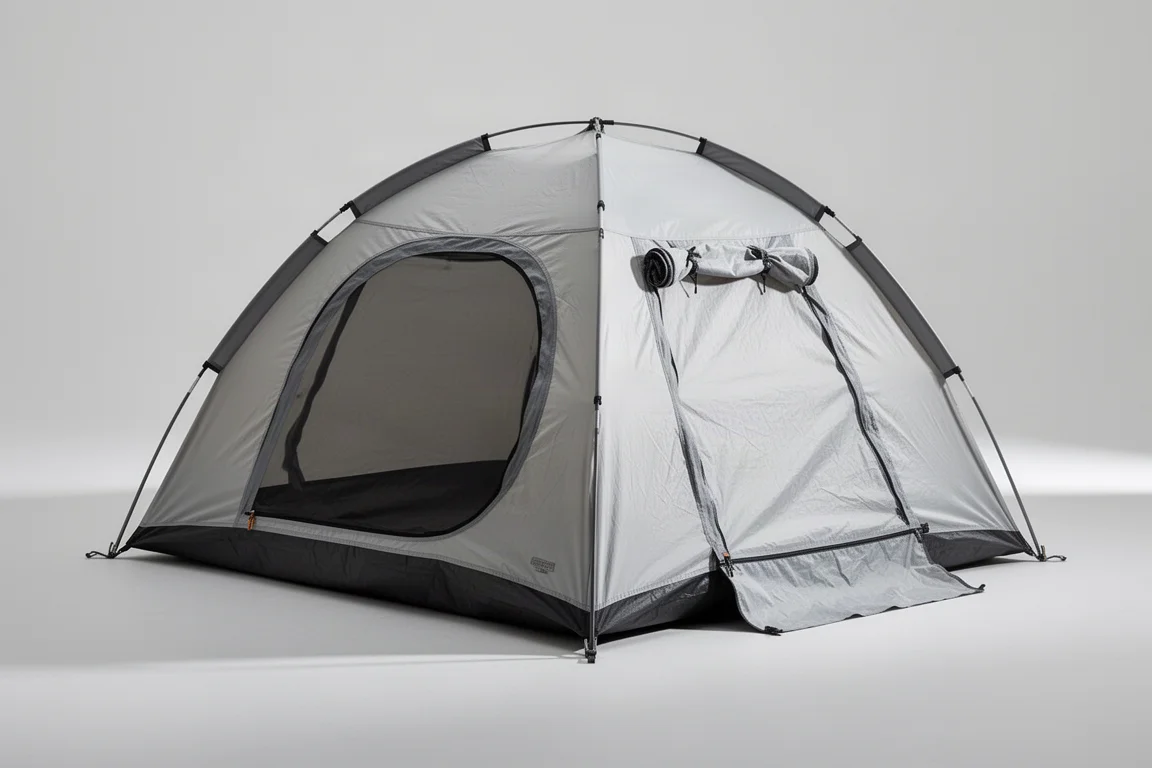
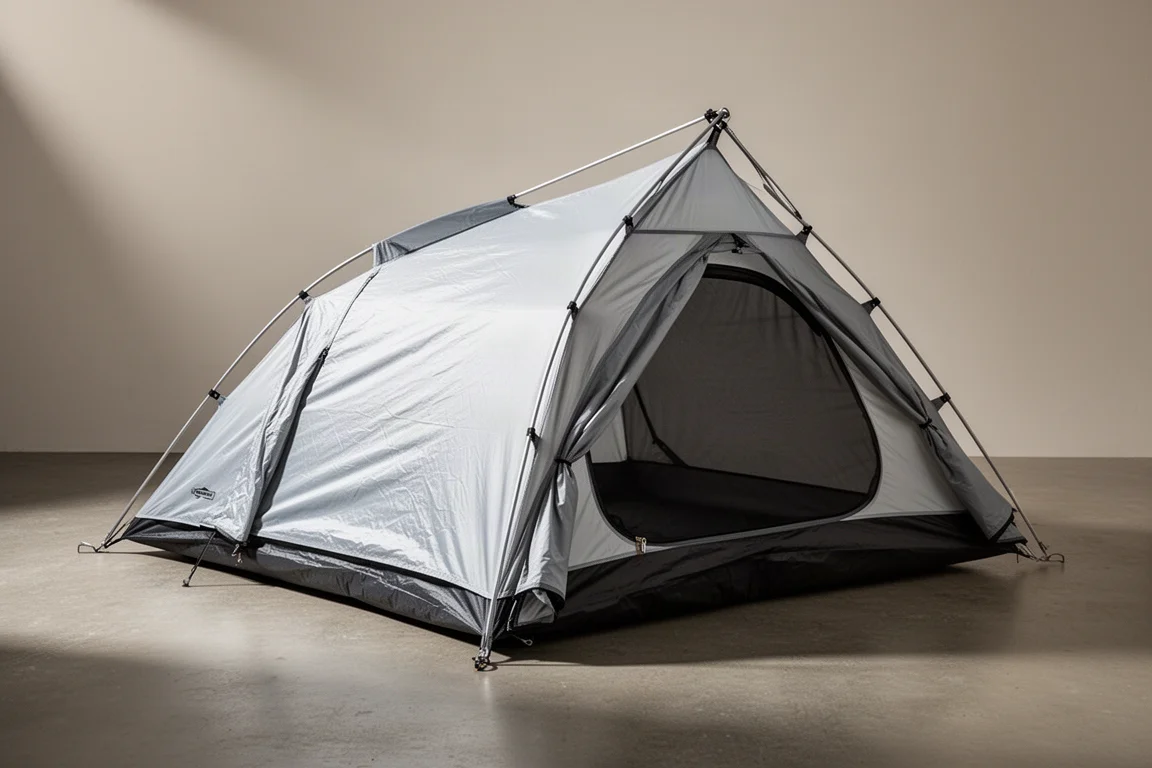
Freestanding tents lean toward comfort. They typically come with more accessories, pockets, and gear lofts, and a pole structure gives designers far more freedom in shaping the interior. The result is noticeably more headroom for sitting up, changing clothes, or waiting out weather.
Most freestanding tents are double wall, with an inner tent and an outer rain fly. The inner tent keeps you separated from the fly, which is where condensation collects, so you stay drier through the night. The two layers also add insulation. In wintry conditions, each wall can add roughly three to five degrees of warmth.
Trekking poles are not required, which is one less thing to carry. If you already bring trekking poles on backpacking trips, though, the tent poles become pure added weight, and a trekking pole shelter becomes the lighter choice for the same trip.
Staking is not strictly necessary on a freestanding tent, which is convenient when you want to pick it up and reposition it. Vestibules still need stakes to work properly. Freestanding designs also open up more campsite options, since they need fewer stakes and hold their shape on rocky terrain.
Semi-freestanding tents sit in between and are often misunderstood. In practice, the term means the shelter still uses a pole structure, but not every pole ends at a corner, so one or two stakes are usually needed to pitch it properly while the tent holds most of its shape on its own.
Best Trekking Pole Option: Durston X-Mid
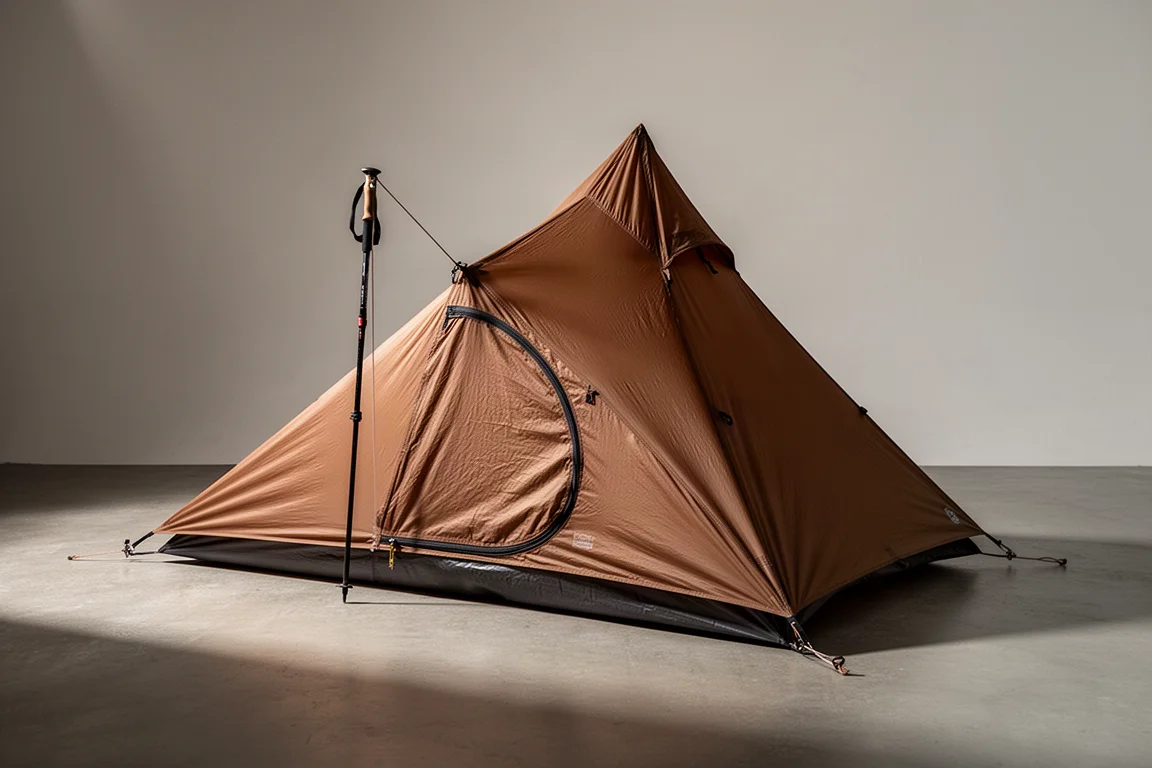
The Durston X-Mid is a convincing entry point into trekking pole camping. It weighs a little over 30 ounces, and trekking poles have to be added on top of that figure, but it is very easy to set up and the price alone makes it worth a serious look. For anyone who wants the weight and packability benefits of a pole-supported shelter without committing much money, this is the design to start with.
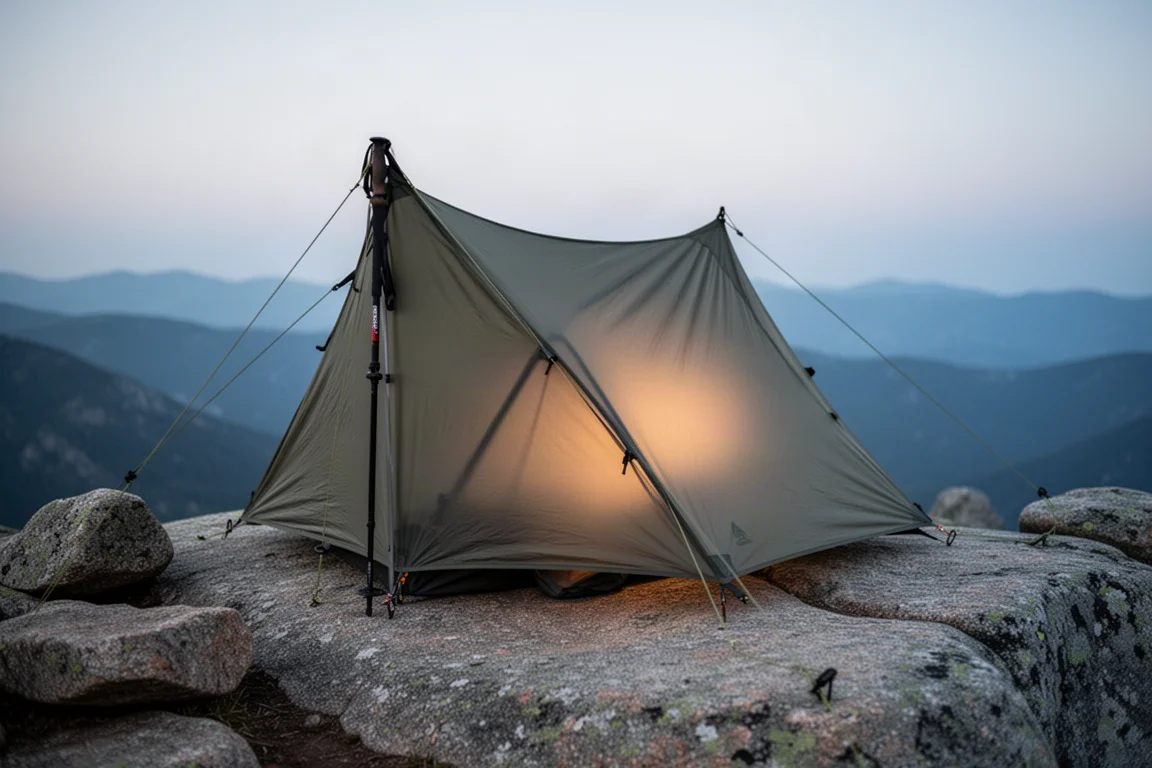
Because it is a single-wall shelter, plan on managing condensation the way you would with any trekking pole tent: keep sleeping bags and gear clear of the walls and ventilate when conditions allow. What sets this one apart is how little fuss the pitch requires, which is usually the part that puts people off trekking pole tents in the first place.
Best Freestanding Option: Paria Outdoors Bryce 1 Person Tent
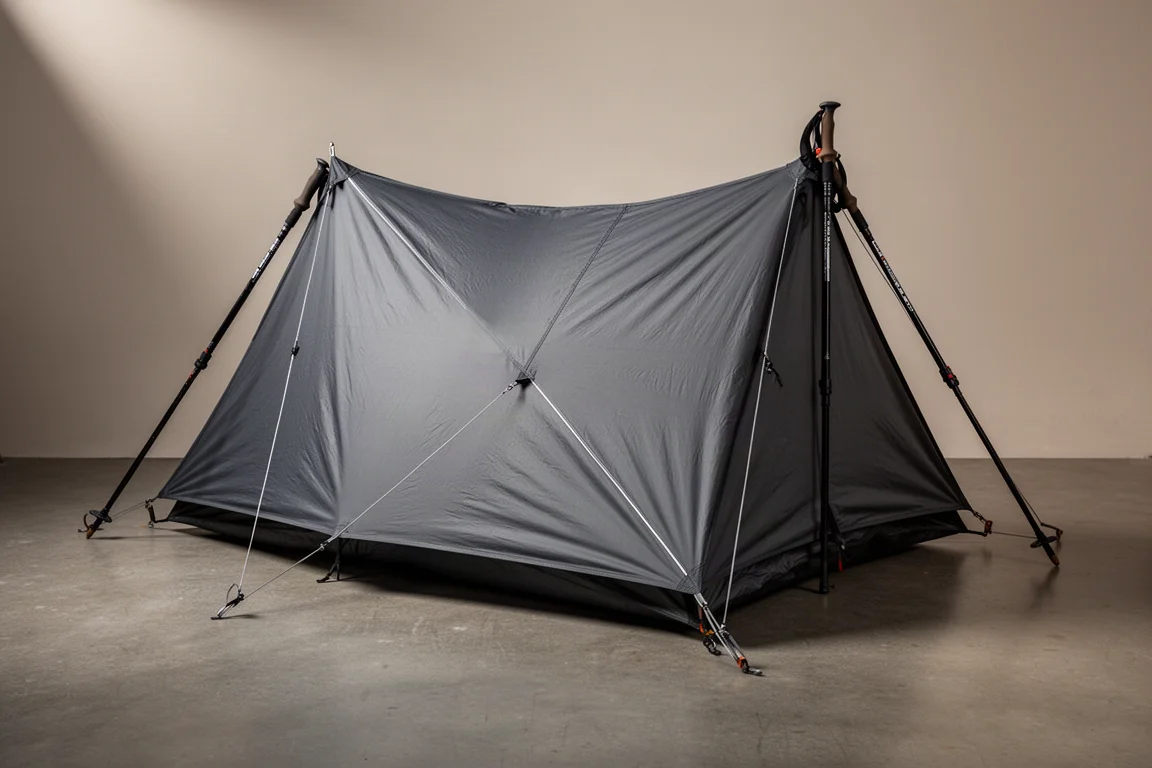
The Paria Outdoors Bryce 1 Person Tent is the freestanding pick, and it earns its place by being both fully freestanding and very inexpensive. That combination matters. You get the pole structure, easier campsite placement, and the option to reposition the shelter without staking it, at a price that makes it a reasonable first backpacking tent.
For a solo hiker who wants a simple, low-commitment freestanding shelter for shorter trips, it is a straightforward choice. Just weigh the usual freestanding penalty: more fabric, more parts, and more bulk in the pack than a trekking pole design.
Pitching, Campsite Flexibility, and Weather
The pitching difference shows up most clearly on difficult ground. A freestanding tent holds its shape on rock, hard-packed ground, or a wooden platform, and it can be lifted and shifted if the spot turns out to be uneven. A trekking pole tent needs stakes to become a tent at all, so campsite choice narrows, and a rocky pitch can turn into a search for heavy stones to anchor the corners.
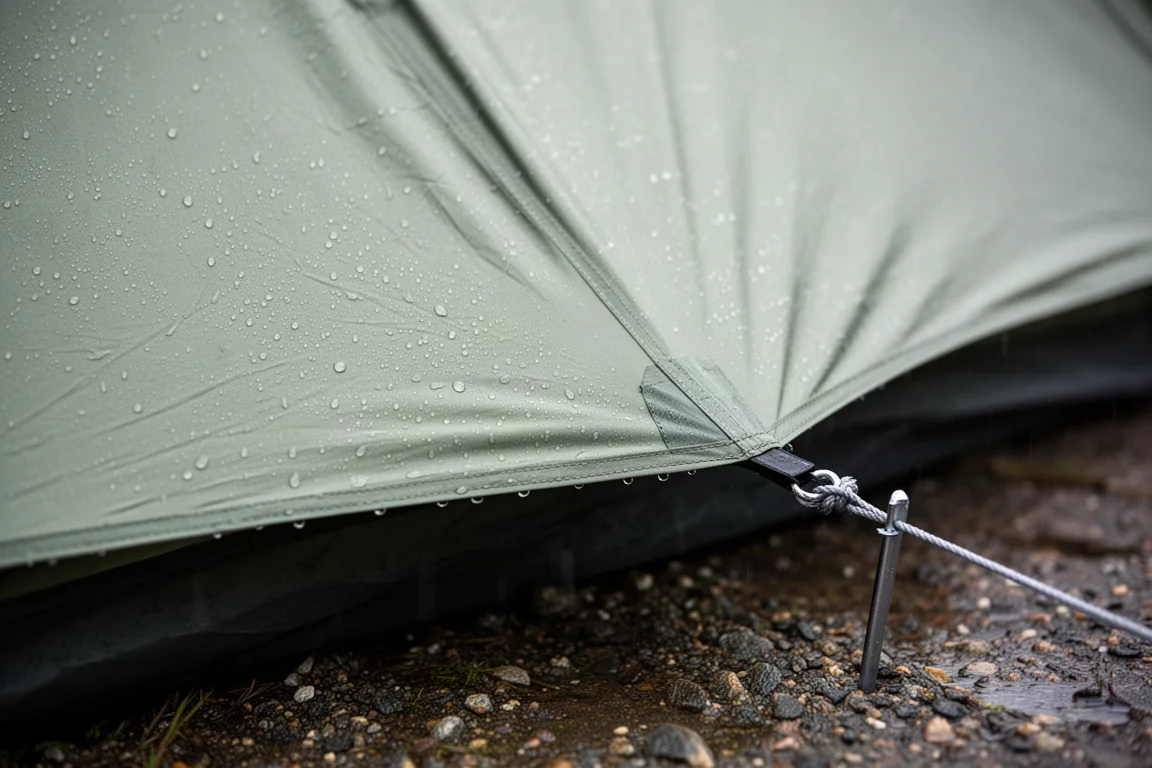
Weather changes the calculation too. Setting up a trekking pole shelter in the rain is often quicker and drier, because the roof goes up first and the interior stays protected. Sleeping in one through a wet, cold night is a different story: single-wall shelters collect condensation, and the double-wall construction of a freestanding tent adds a layer of insulation that can make a measurable difference in winter conditions.
Cost and Long-Term Value
Cost tends to favor trekking pole tents. You are buying fabric and stakes rather than a pole set, so the shelter itself is usually cheaper. Freestanding tents carry the added cost of poles, extra materials, and the features that make them comfortable, and replacement parts for that hardware can be expensive when something breaks.
Durability and failure points point in different directions. Freestanding tents have more components, and more components mean more things that can fail in the backcountry. Trekking pole tents have fewer parts, but they place the structural load on gear you are already depending on.
Overall Buying Advice
If you already carry trekking poles, a trekking pole shelter is the logical choice. You save the weight of a pole set, gain packability, and spend less, and the main costs are condensation management and a pitch that depends on staking. If your trips are short, your campsites are rocky or unpredictable, or you want headroom and a place to sit out bad weather, a freestanding tent is easier to live with, and the Paria Outdoors Bryce 1 Person Tent keeps that convenience inexpensive.
For a first purchase, pick the style that matches the trips you actually take rather than the one with the best numbers on paper. A shelter you pitch happily at the end of a long day is worth more than a weight saving you resent.
Conclusion
Trekking pole tents win on weight, packed size, and price, while freestanding tents win on space, condensation control, warmth, and campsite flexibility. The Durston X-Mid is the affordable way into the first category, and the Paria Outdoors Bryce 1 Person Tent is the affordable way into the second.
Further reading
Related Reviews
Backpacking Tents
3F UL Lanchan Pro 1 Review: A 1 lb 8 oz Single-Wall Trekking Pole Tent
A practical look at the 3F UL Lanchan Pro 1, a single-wall trekking pole shelter with a 1 lb 8 oz weight, 20D silnylon fabrics, and a roomy 90 x 31 x 49 inch interior.
Backpacking Tents
3F UL Taiji 2-Person Tent: A Convertible Backpacking Shelter Worth a Closer Look
A practical look at the 3F UL Taiji two-person tent, covering its materials, true two-person interior, fly-first pitching, and the seasonal inner swap that lets one shelter cover more of the year.
Backpacking Tents
3FUL Lanshan Twoerson Pro Review: A Light Trekking Pole Shelter That Struggled in Rain
A two-person trekking pole shelter with a 2026 redesign, pitched with sticks and put through a night of steady rain. Here is what worked, what did not, and what to check before buying.