Backpacking Tents
Trekking Pole Tents: What to Know Before You Buy
A practical look at trekking pole tents: how they save weight, what they demand at camp, and two shelters plus a stake set worth considering.
Introduction
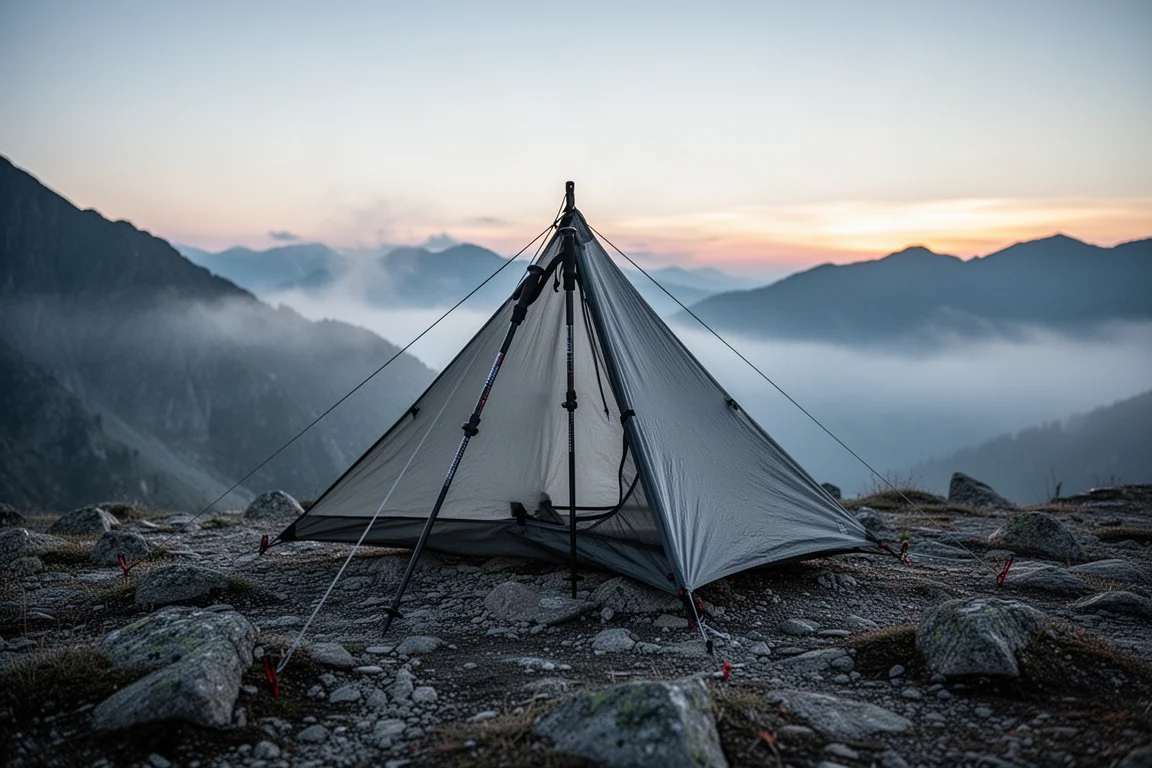
Trekking pole tents, often described as non-freestanding shelters, ask more of you at camp than a freestanding tent does. They need to be staked out before they will stand, and you bring your own poles. What you get in return is a meaningful drop in packed weight. This guide covers the things worth knowing before you commit to one, along with two shelters and one set of stakes that show how the approach works in practice.
Why Trekking Pole Tents Save Weight
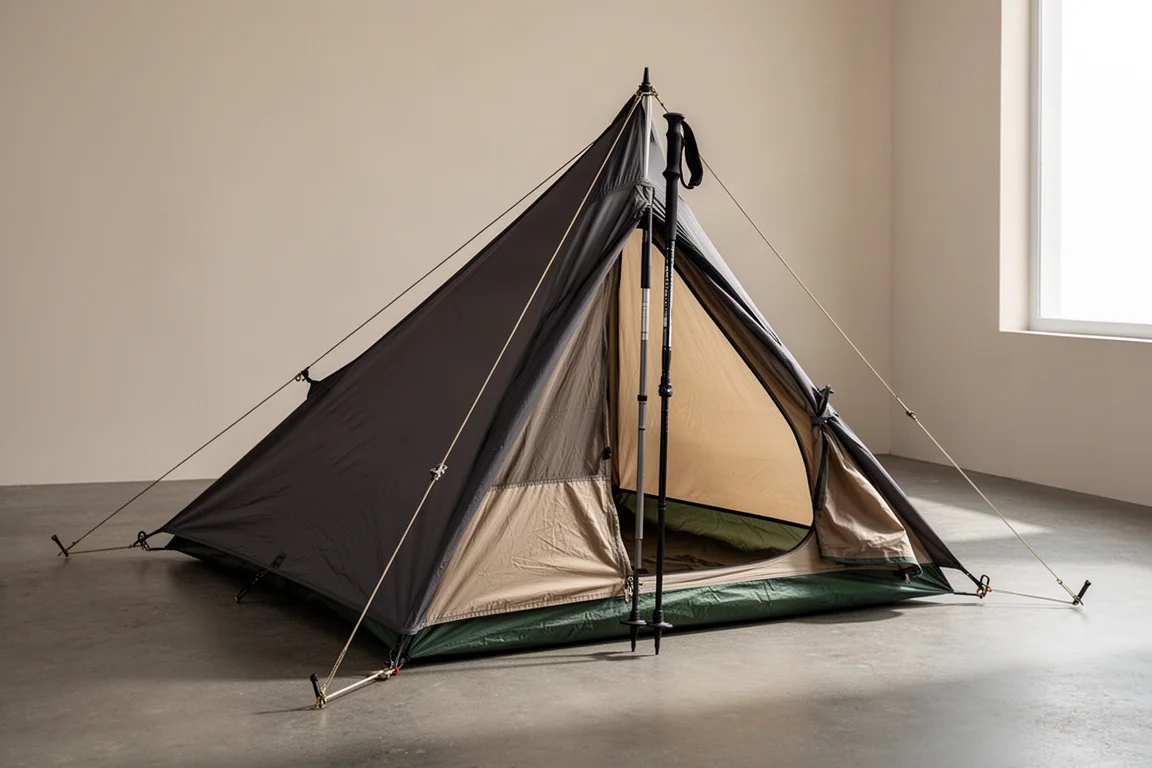
A freestanding tent carries its own pole structure, with frame sections running into every corner so the shelter stands on its own. A trekking pole tent removes that structure entirely. Your poles and a taut stake-out become the frame.
That single change accounts for most of the weight difference. These shelters are also more minimal by design, with fewer seams, less fabric and fewer components overall. A trekking pole shelter can come in under a single pound, which is very hard to reach with a freestanding design. If weight savings are the goal, this is the category that delivers them.
Zpacks Plex Solo: A Sub-One-Pound Shelter
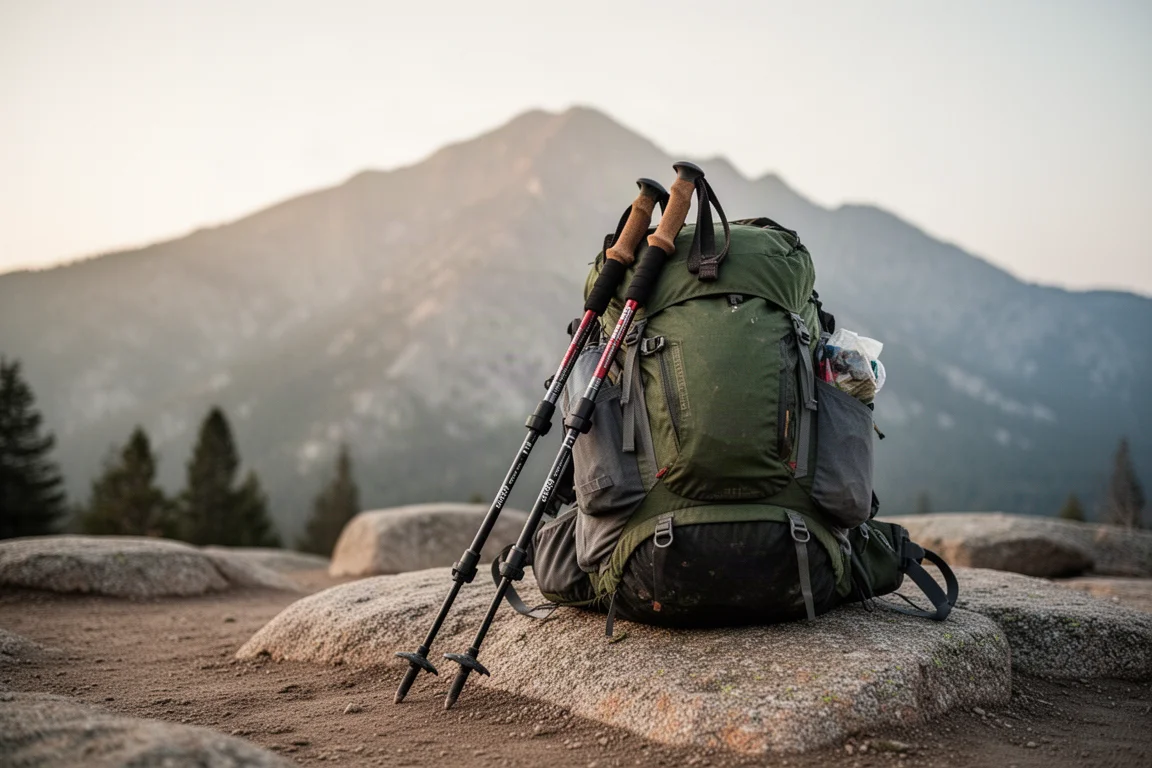
The Plex Solo is a Dyneema Composite Fabric tent that weighs under one pound. It is notably roomy for a one-person shelter, and it performs well across a wide range of weather conditions.
The clear trade-off is cost. It runs over $600, and it does not include stakes, so plan to buy those separately. For backpackers whose main aim is stripping weight out of the pack, it is one of the most direct ways to get there.
Outdoor Vitals 40th One-Person Tent: Stormworthy and Adjustable
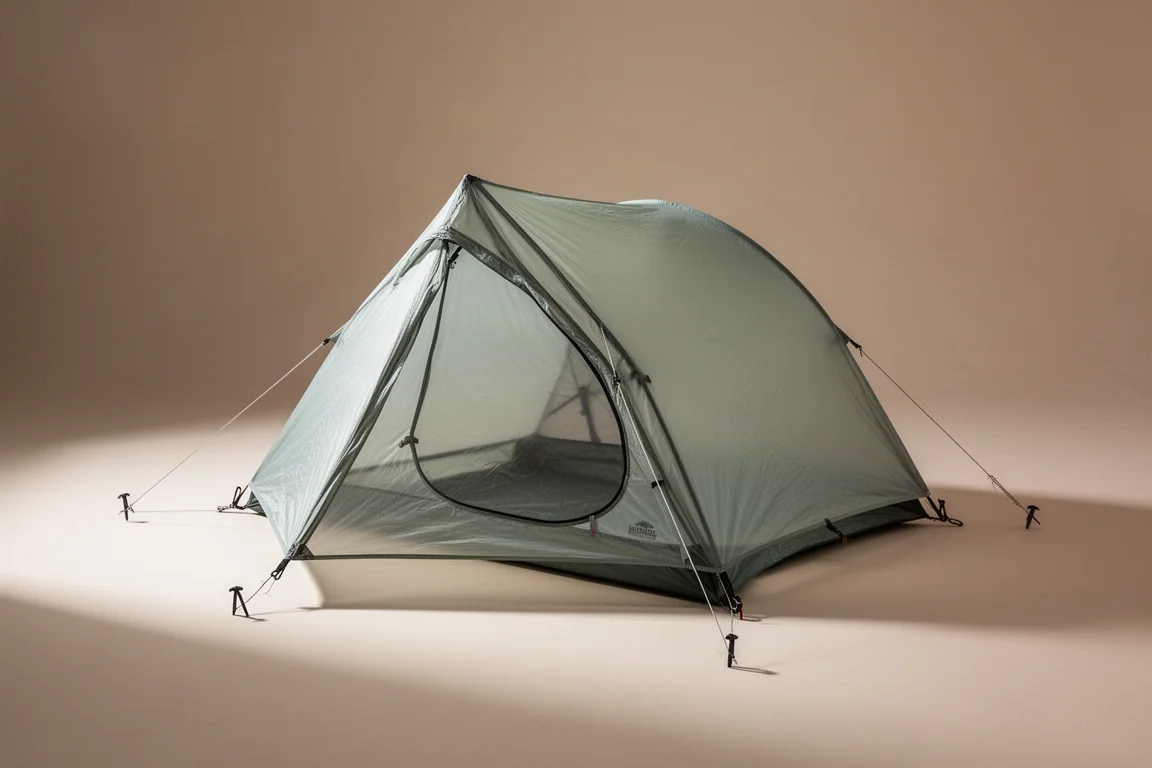
Steep walls are the defining trait here. Pitched facing the weather, the shelter moves wind around rather than catching it the way a broad domed wall can. Stake out every guy line and it becomes a genuinely stormworthy shelter, with a footprint that stays small.
The adjustable pole height adds a second layer of versatility. Raise the shelter and roll the doors back for maximum airflow on a calm night. Lower it and close things off when rain is likely to splash back off the ground, or when blowing sand and grit would otherwise drift under the door. That up-and-down control is something a fixed-height shelter cannot offer.
Getting the best from it comes down to the pitch, which takes a little practice before it becomes second nature.
MSR Mini Groundhogs: Getting the Stakes Right
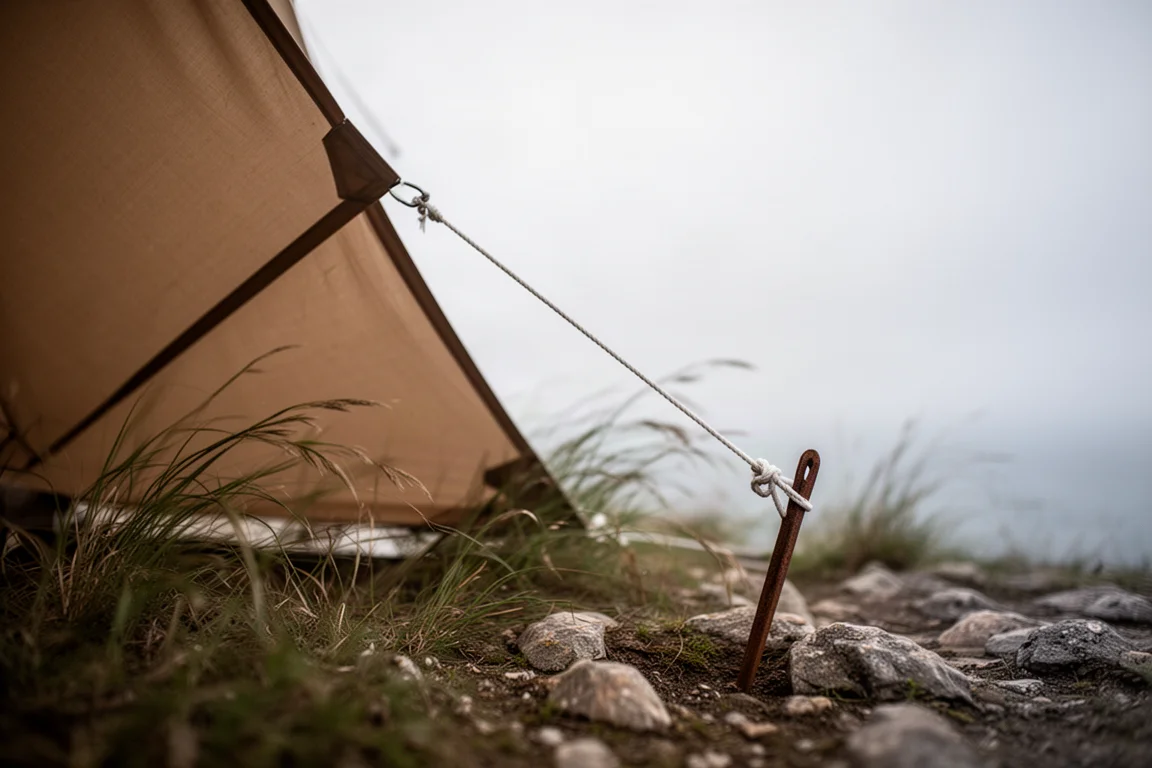
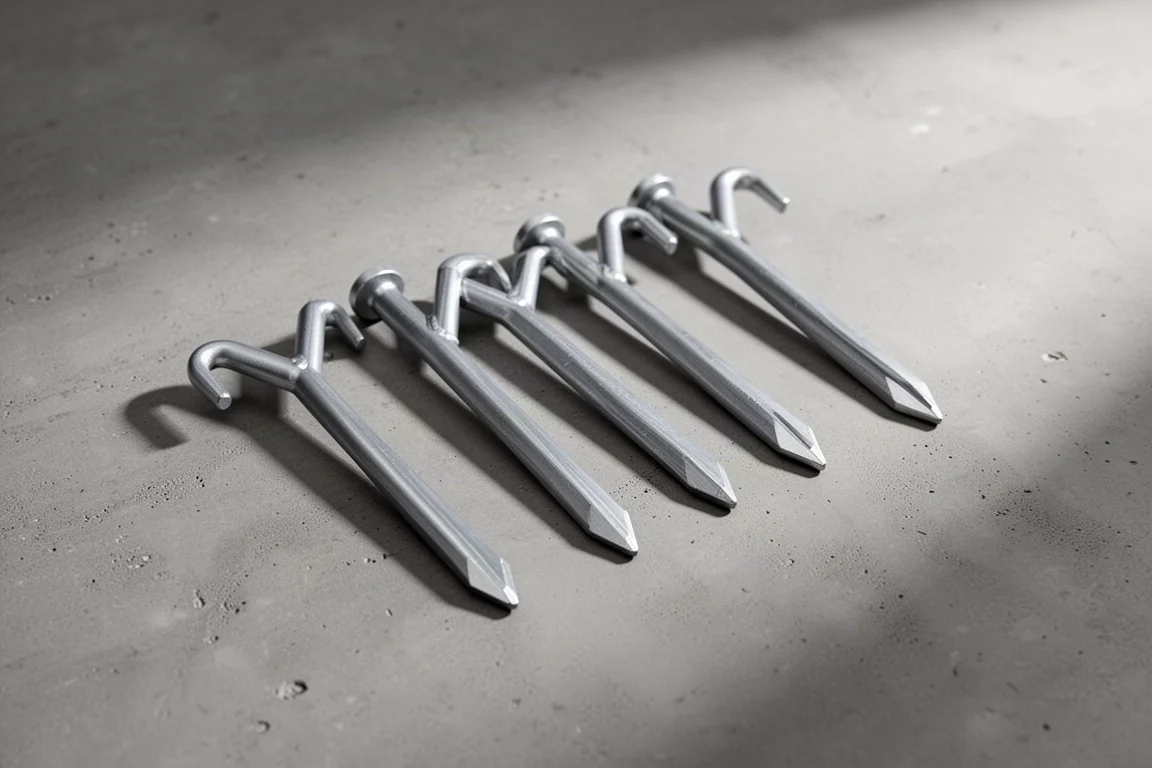
Because a non-freestanding shelter depends on its stake-out, stakes matter more here than they do on a freestanding tent. Many ultralight shelters, the Plex Solo included, do not come with stakes at all. That is partly because backpackers are particular about them: the right stake depends on the ground you expect to meet.
A cylindrical carbon fiber stake is very light, but it has less holding power in loose soil such as sand. A wider, angled stake like the MSR Mini Groundhogs bites more securely in those conditions. Picking the right style, and the right number of stakes, makes a real difference to how a shelter performs where you actually pitch it.
Pitch Quality Decides Everything
A trekking pole tent can be a miserable experience if you do not take the time to set it up properly. If the shelter is floppy, or the poles are not at the correct height, it will not hold in wind and it will not shed heavy rain well.
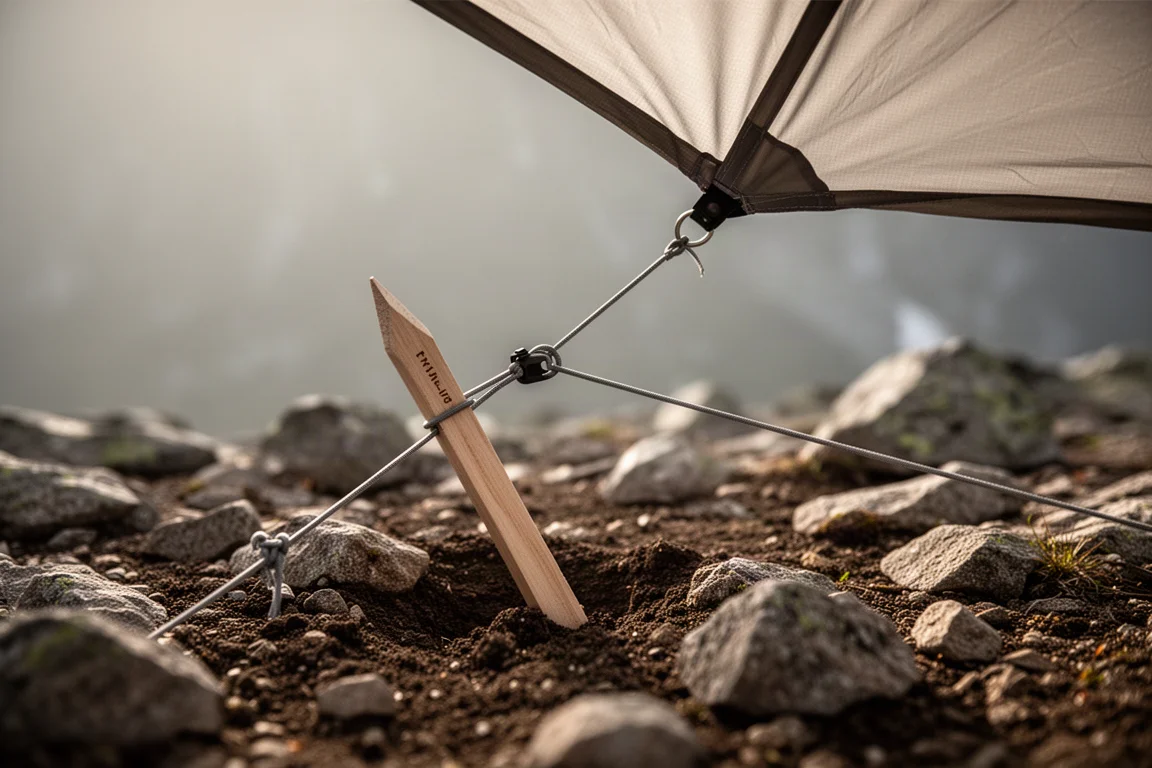
Each shelter has its own sequence and its own quirks, so set it up before your trip. Practise on uneven ground to see how the pitch changes, and learn how tight you can get the fabric. A taut pitch is what makes the design work, and that practice pays for itself the first time the weather turns.
What to Consider Before You Buy
- Staking is not optional. A non-freestanding shelter will not stand without it, so think about whether the places you camp allow stakes.
- Stakes are often sold separately. Factor the cost and the packed weight of stakes into your decision.
- Accessories are personal. Pole type, guyline and stake choice all change how a shelter pitches, and many backpackers swap them out.
- The lightest options are expensive. The biggest weight savings sit at the top of the price range.
- Practise first. This style of shelter rewards a careful pitch, and that takes a little time to learn.
Buying Advice: Matching the Shelter to Your Trips
If your priority is the lowest possible packed weight and you are comfortable with a higher price, the Zpacks Plex Solo goes furthest in that direction. If you want a one-person shelter that stays versatile when conditions change, the steep walls and adjustable height of the Outdoor Vitals 40th make it easier to tune for airflow or for a storm.
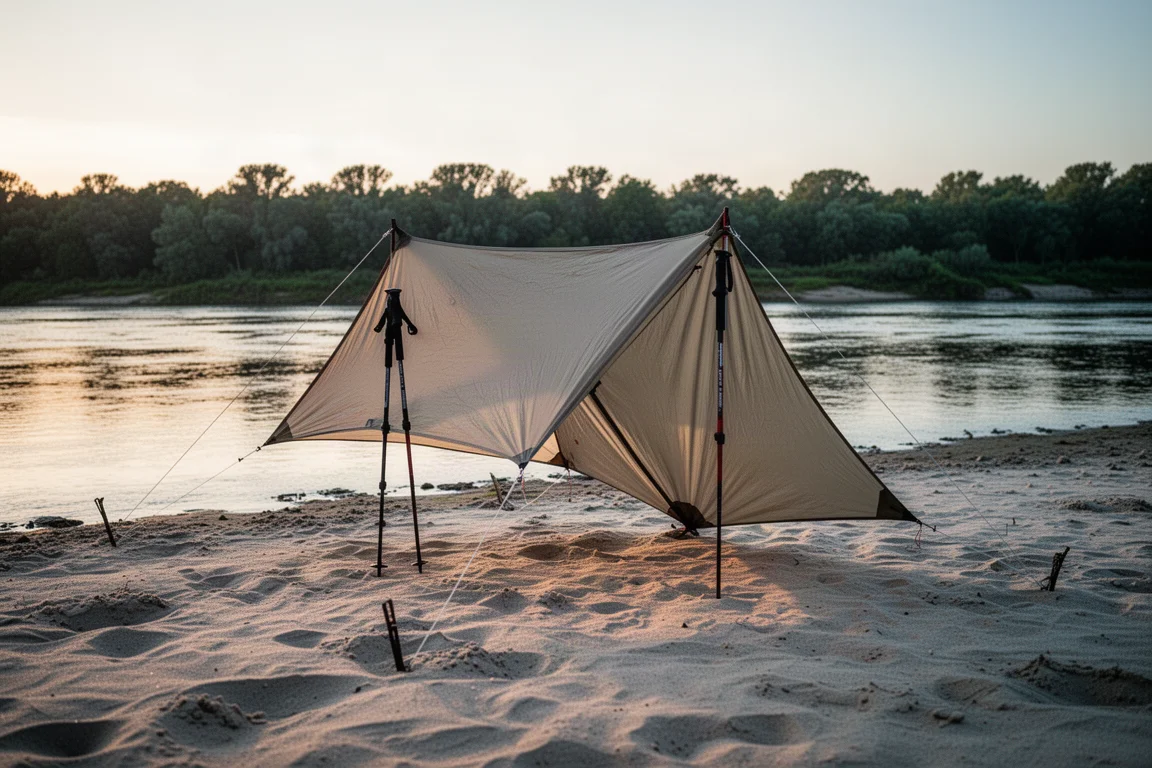
Either way, plan on buying stakes, and match them to the ground you camp on. The MSR Mini Groundhogs are a sound default where soil is loose or sandy, while a very light cylindrical stake may suit firmer ground where saving grams matters more than maximum grip.
Whichever shelter you choose, treat the first pitch as part of the purchase. Set it up at home, learn its shape, and you will spend less time fiddling at camp and more time enjoying the trip.
Conclusion
Trekking pole tents trade a little convenience at camp for a large saving in weight and packed volume. Learn the pitch, choose stakes for the ground you expect, and pick the shelter that matches your trips. Both the Zpacks Plex Solo and the Outdoor Vitals 40th are solid options, and the MSR Mini Groundhogs are an easy addition if your shelter arrives without stakes.
Further reading
Related Reviews
Backpacking Tents
3F UL Lanchan Pro 1 Review: A 1 lb 8 oz Single-Wall Trekking Pole Tent
A practical look at the 3F UL Lanchan Pro 1, a single-wall trekking pole shelter with a 1 lb 8 oz weight, 20D silnylon fabrics, and a roomy 90 x 31 x 49 inch interior.
Backpacking Tents
3F UL Taiji 2-Person Tent: A Convertible Backpacking Shelter Worth a Closer Look
A practical look at the 3F UL Taiji two-person tent, covering its materials, true two-person interior, fly-first pitching, and the seasonal inner swap that lets one shelter cover more of the year.
Backpacking Tents
3FUL Lanshan Twoerson Pro Review: A Light Trekking Pole Shelter That Struggled in Rain
A two-person trekking pole shelter with a 2026 redesign, pitched with sticks and put through a night of steady rain. Here is what worked, what did not, and what to check before buying.