Camp Cookware
Trangia Mess Tin and Roll Top Cover Review: Lightweight Camp Cookware for Very Little Money
A practical look at the Trangia Mess Tin in small and large sizes, plus the roll top cover, covering capacity, weight, heat source matching, and overall value.
Introduction
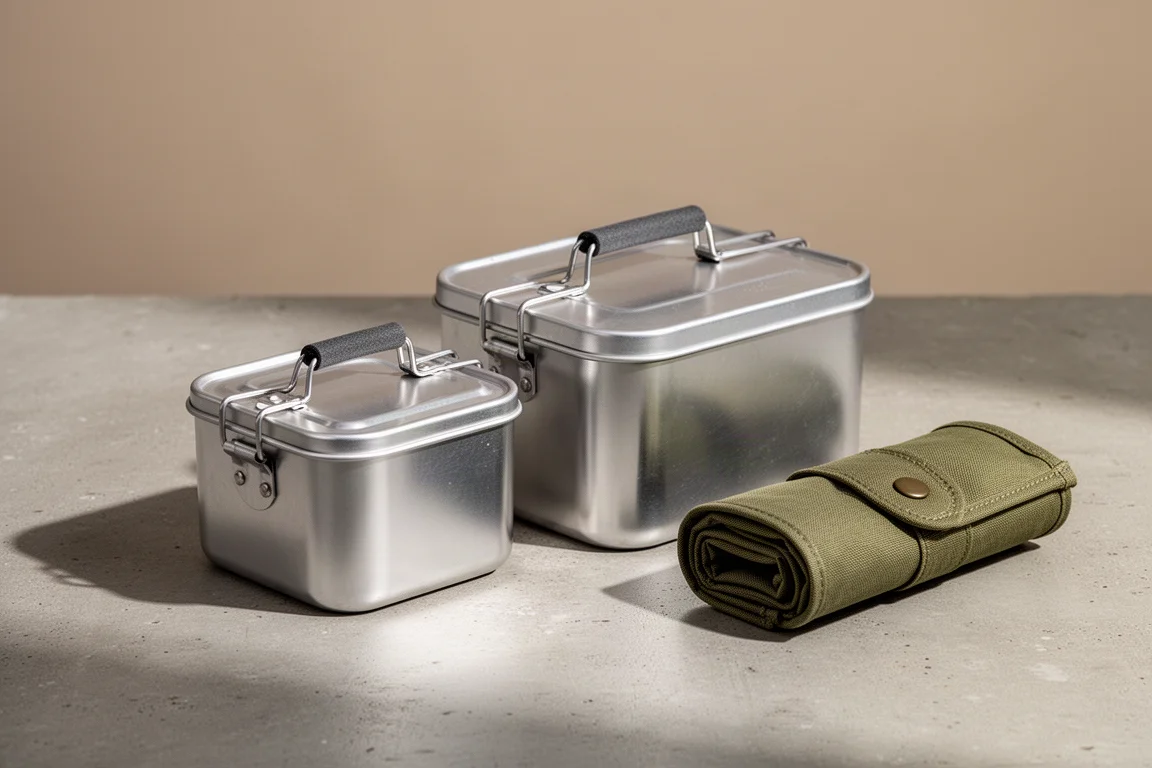
Simple camp cookware can be remarkably good value, and the Trangia Mess Tin is a clear example. It is a rectangular aluminum container with a snug lid, a short insulated handle, and a non-stick interior. It comes in two sizes, and an optional roll top cover turns either tin into a compact, ready-to-go cook kit.
This article covers what each size is for, how the two tins behave with different heat sources, what the covers add, and where the value sits. The short version: both tins and both covers are inexpensive, and the choice between them comes down to how much you cook and how light you want to travel.
Trangia Mess Tin: Two Sizes, One Simple Design
The small mess tin measures 6.5 inches long, 3.5 inches wide, and 2 inches deep, with a capacity of 0.75 liters. It weighs 5.7 ounces including the lid. The large mess tin measures 8 inches long, 5 inches wide, and 2.75 inches deep, with a capacity of 1.3 liters, and weighs 9.2 ounces with the lid. Both are unusually light for their size.
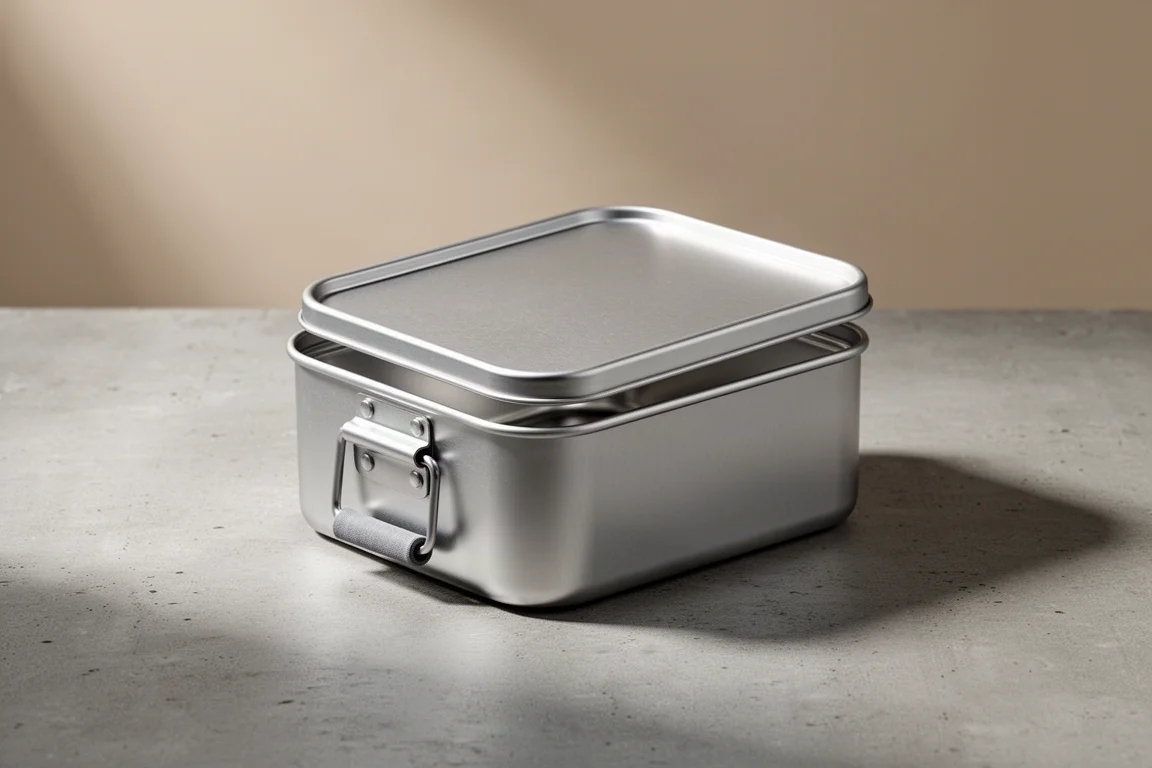
Both sizes share the same design. The handle is 5 inches long and carries an insulator, so the tin can be lifted off a hot stove or a fire without a cloth. The handle does not lock into place, which is a deliberate simplification rather than an oversight. The lid sits snugly, and the easiest way to release it is to rock it side to side. Inside there are no measurement markings at all, just a clean aluminum body with a non-stick coating.
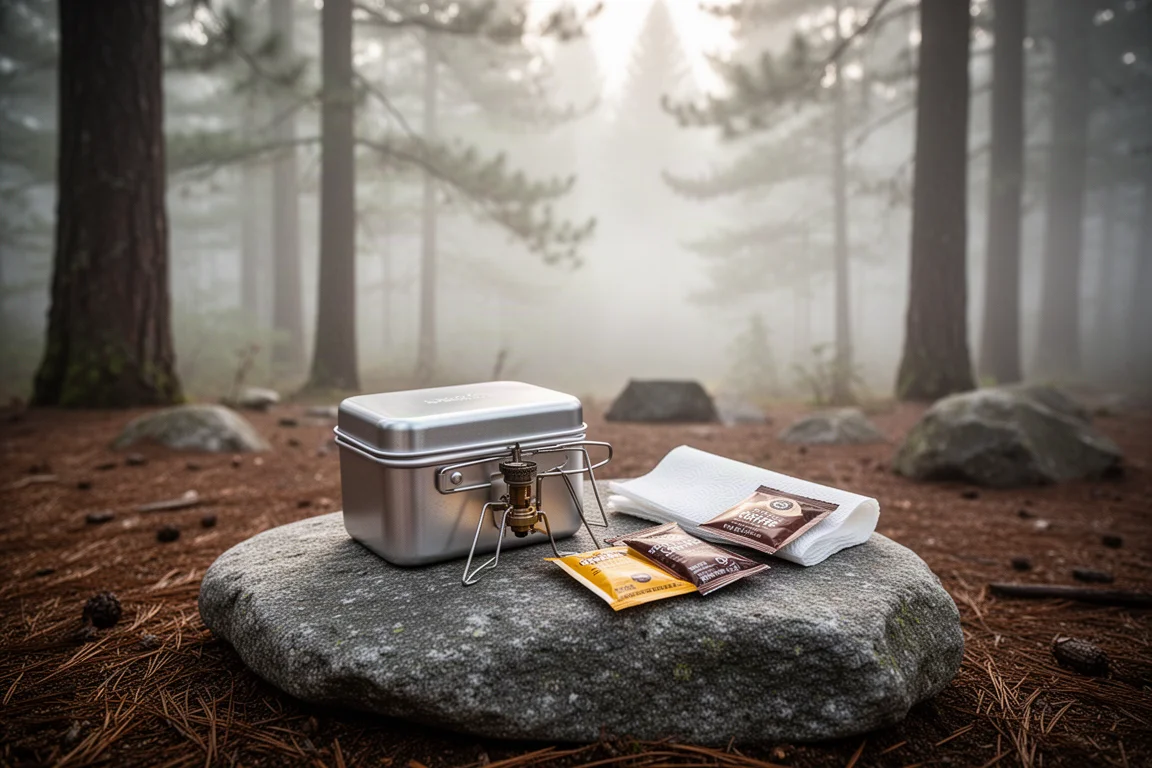
That minimal approach is what makes the tins flexible. There are no fixed compartments and no proprietary burner, so the interior can hold whatever a trip calls for: paper towels, a small alcohol stove, coffee packets, a cutlery set, matches, or a piece of foil used as a windscreen. The same tins can be kitted out for backpacking, bushcraft, or vehicle-based travel.
Pricing is where the design gets especially interesting. The small tin is around $12 and the large tin is around $9, which means the larger version actually costs less than the smaller one.
Trangia Roll Top Cover: Simple Protection and Easy Access
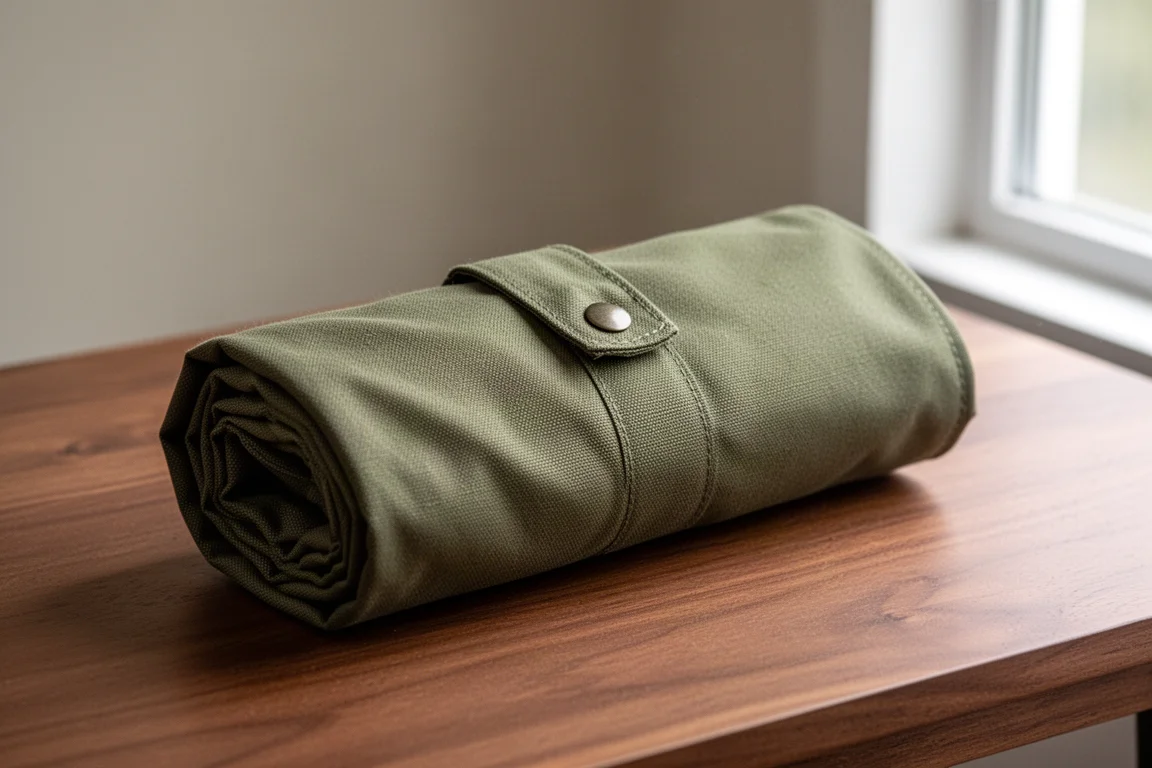
The roll top cover is the natural companion to either tin. It is made from a polycotton blend, 65 percent polyester and 35 percent cotton, and it is available in two sizes and two colors, green and black. The only real feature is the roll top closure with a snap, which is the same on both sizes.
Using it is straightforward: release the snap, unroll the top, and the tin lifts straight out. The small cover weighs 1.9 ounces and costs around $15, while the large cover weighs 2.7 ounces and costs around $18. The covers do not add meaningful weight to a pack, and they keep a loaded tin together as one tidy unit.
Heat Source Matching: Where the Large Tin Excels
Both tins are happy with alcohol stoves, canister stoves, solid fuel, and open fires, but the two sizes do not behave the same way. Alcohol stoves produce far less heat than canister stoves, and that difference matters most on the large tin.
The small tin works well with an alcohol stove. The burner is able to heat the base evenly enough that the contents come to a full boil. The large tin has considerably more surface area, and a single small alcohol burner cannot spread heat across all of it. The center will boil, but the sides and corners will not keep up.
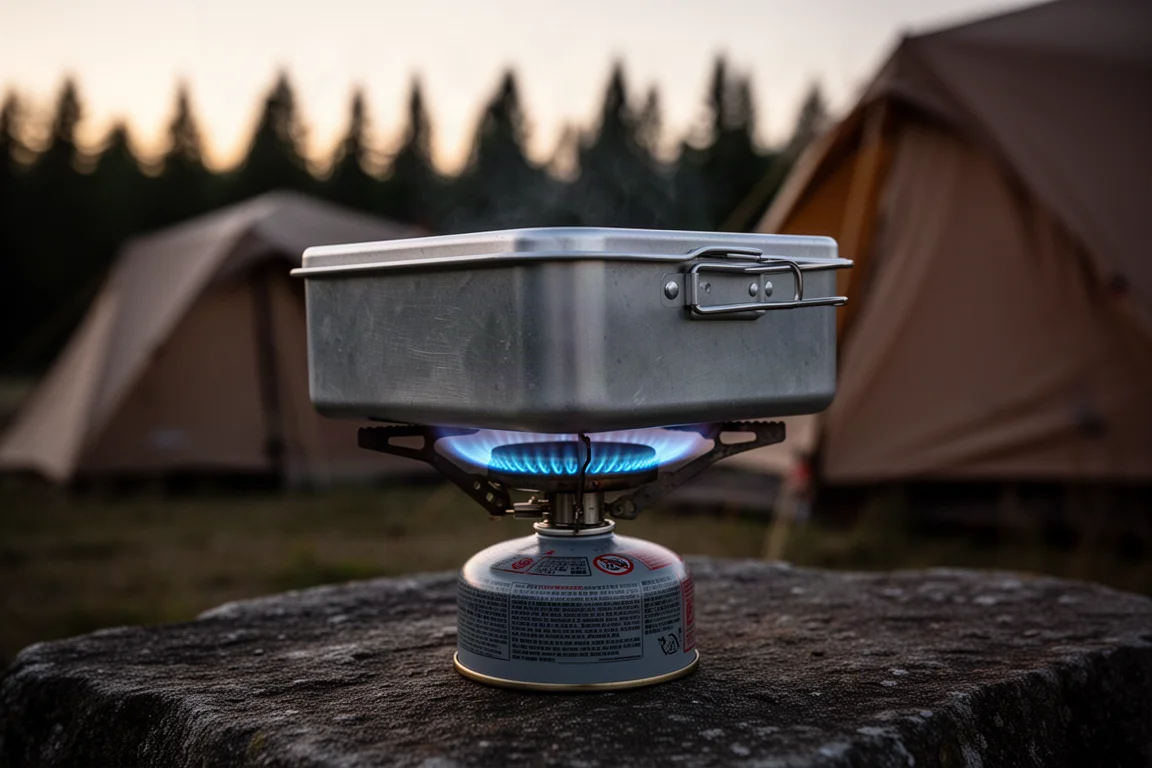
The practical fix is to match the large tin with a canister stove that has a wide burner head, since that spreads heat across the full base. Over a fire, the large tin is also in its element. If an alcohol stove is your only heat source, the small tin is the one to carry.
Durability and Long-Term Wear
The tins are built to take regular use. Aluminum will pick up light scratches over time, and the interior can develop a little staining, particularly in the corners. Neither affects how the tin cooks, and both are cosmetic rather than structural.
The one finish detail worth knowing is the rim. The edges are not sharp enough to cut, but they are slightly jagged if you run a finger along them. It is a minor point on a product at this price, and it does not interfere with the lid or the handle.
Cooking, Cleaning, and Everyday Handling
The non-stick coating does its job well. Food releases cleanly, which matters when the only washing option is a splash of water and a cloth at the end of a long day outdoors. The insulated handle stays comfortable, and the lid stays secure in a pack while still being easy to remove when it is time to cook.
The lids deserve particular credit. They hold on firmly enough that a loaded tin can be carried without the contents spilling, yet they come away with a simple rocking motion rather than a struggle.
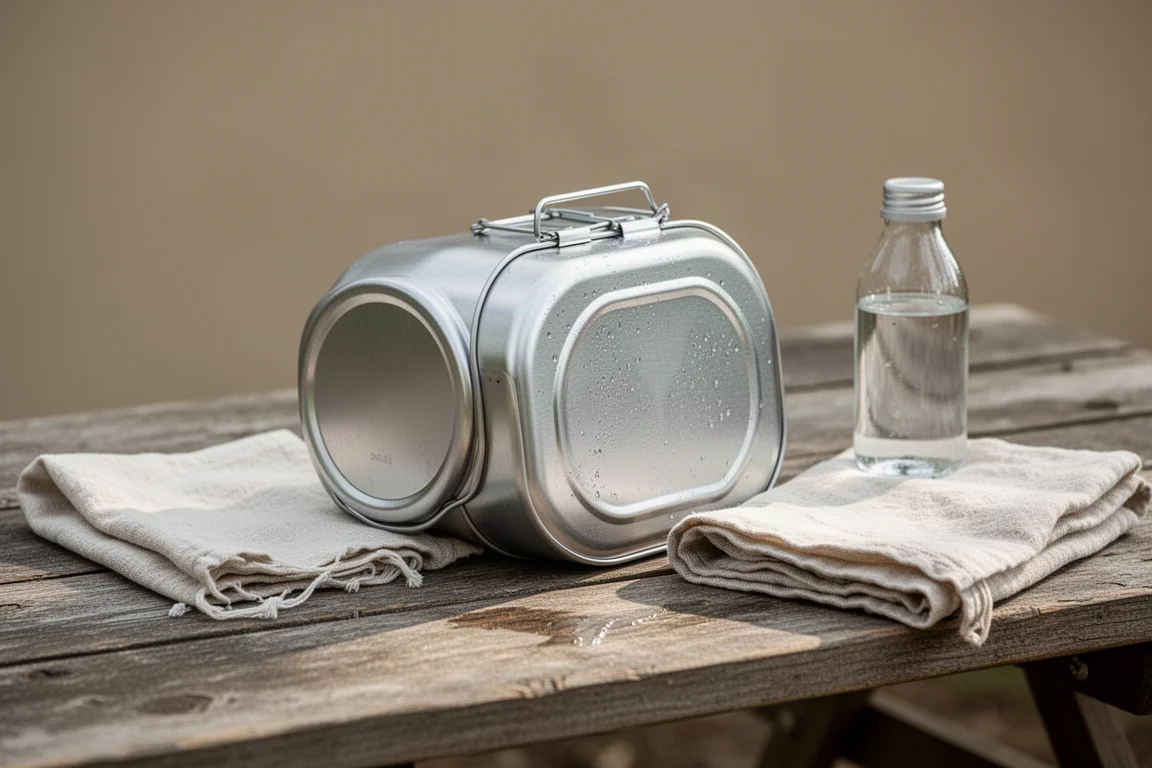
Because the tins are simple, adapting them is easy. A foil windscreen, a small stove, and a spoon are enough to turn either size into a complete cooking setup, and the non-stick surface means cleanup takes seconds rather than minutes.
Sizing and Packing for Different Trips
Both tins are compact enough for day trips as well as overnighters, and their light weight means the size penalty is small. They are somewhat bulky in shape, which is the trade-off for the generous cooking surface, but the low weight makes that easy to live with.
That compact rectangular form is also why the tins are widely used by European military forces. They slide into chest rigs and pouch-based carry systems, where a round pot would waste space. For civilian use, the same shape packs neatly against the back of a rucksack or into a food bag.
Value and Buying Advice
The decision between the two sizes comes down to capacity and portability. The small tin suits ultralight trips where an alcohol stove is the heat source and 0.75 liters is enough. The large tin suits trips where more cooking happens, and it pairs best with a canister stove that has a wide burner head or with a fire.
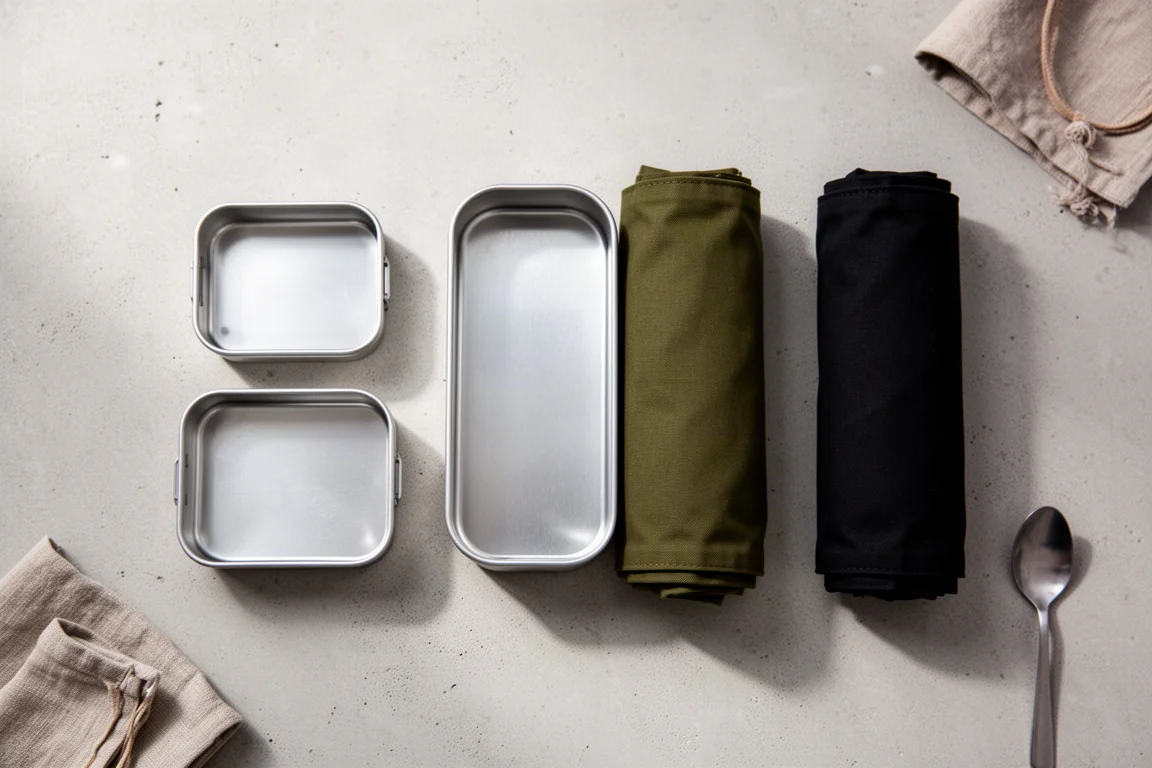
There is also a case for owning both. Because the tins and covers cost so little, a small and a large tin with their covers can be bought for roughly the price of a single premium pot. That makes it easy to pick the right size for each trip instead of compromising with one.
A few accessories are available alongside the tins, including cases and covers for the handles. The tins also come in versions without handles, and the handles are offered in black and red, so there is some room to match a setup to personal preference.
Conclusion
The Trangia Mess Tin is a reminder that camp cookware does not need to be complicated to work well. Both sizes are light, durable, easy to clean, and compatible with almost any heat source. The roll top cover adds protection and keeps a kit together for very little money. Choose the small tin for ultralight trips and alcohol stoves, the large tin for canister stoves and fire cooking, or both if you would rather match the tin to the trip.
Further reading
Related Reviews

Backpacking Gear
Building a 10 lb Base Weight: An Ultralight Backpacking Gear List
A practical walkthrough of the ultralight pieces behind a 10 lb base weight, from a 765 g pack and a roomy one-person tent to a full camp chair and a dependable water filter.

Road Bikes
10 New Road Bikes Worth Watching: Aero, Titanium, Steel and Endurance Standouts
A practical roundup of 10 new road bikes, from aero flagships chasing single-watt gains to titanium, steel and endurance platforms built for real roads.
Bikepacking Gear
11 Bikepacking Essentials for Long-Distance Cycling
Eleven bikepacking essentials for long-distance cycling, from a steel gravel frame and a two-person tent to helmet lights, packable gloves, and a frame bag that puts weight in the right place.