Camp Cookware
Sea to Summit Frontier Ultra 1.2L Review: A Ceramic-Coated Camp Pot Worth the Extra Weight
A 210 g ceramic-coated camp pot that boils, fries, and simmers, plus the one handle quirk to know about before you buy.
Introduction
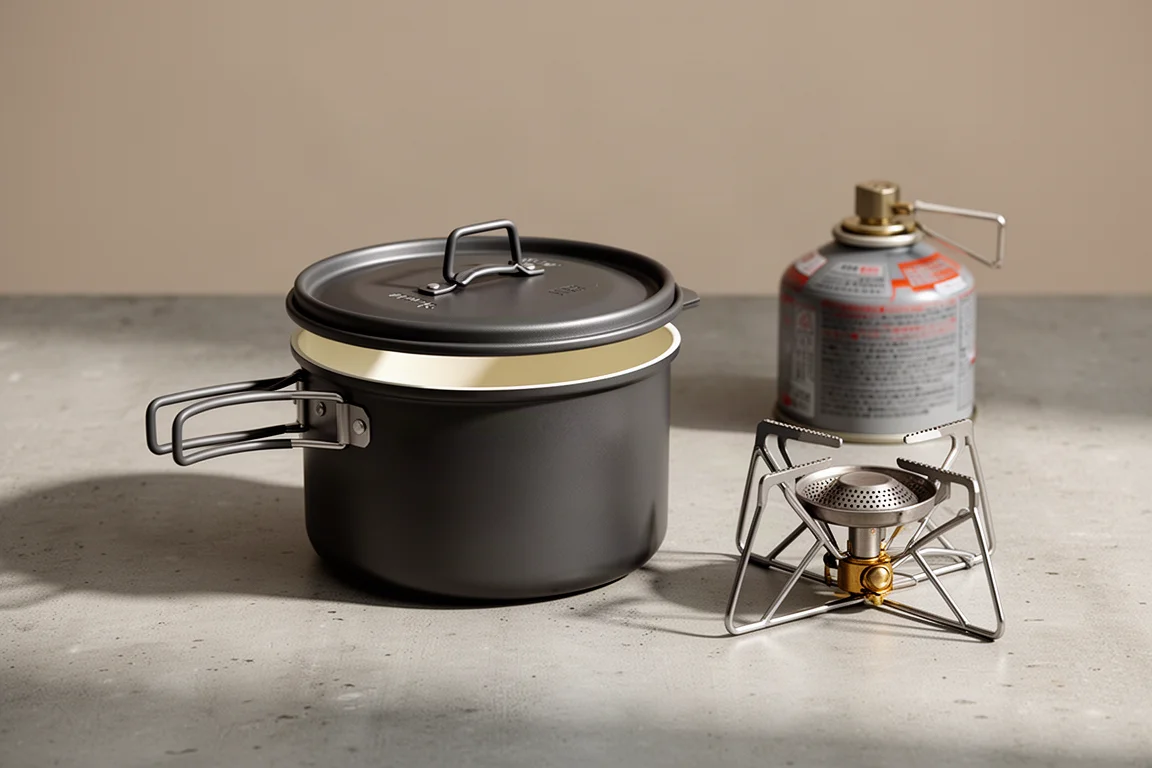
Multi-day trips usually force a choice in the cook kit: carry less, or eat better. A bare titanium pot of around 100 g will boil water and little else. The Sea to Summit Frontier Ultra 1.2 L sits on the other side of that trade. It weighs roughly 210 g, about 100 g more than an ultralight titanium pot, and in return it can genuinely cook: porridge, scrambled eggs, sautéed mushrooms, a fried egg, and a steak in batches.
This review covers what the pot does well, where the extra weight goes, and the one handling quirk worth knowing about before you buy.
Who This Product Is For
The Frontier Ultra 1.2 L suits solo backpackers and multi-day walkers who want a single pot that both boils water and cooks food. If you have been carrying a titanium pot for boiling plus a separate pan for anything else, this replaces both with one item.
It also makes sense for anyone who prefers to avoid Teflon nonstick coatings and would rather cook on a ceramic interior. It is not aimed at gram counters who only ever heat water, since a lighter titanium pot will always win on weight alone.
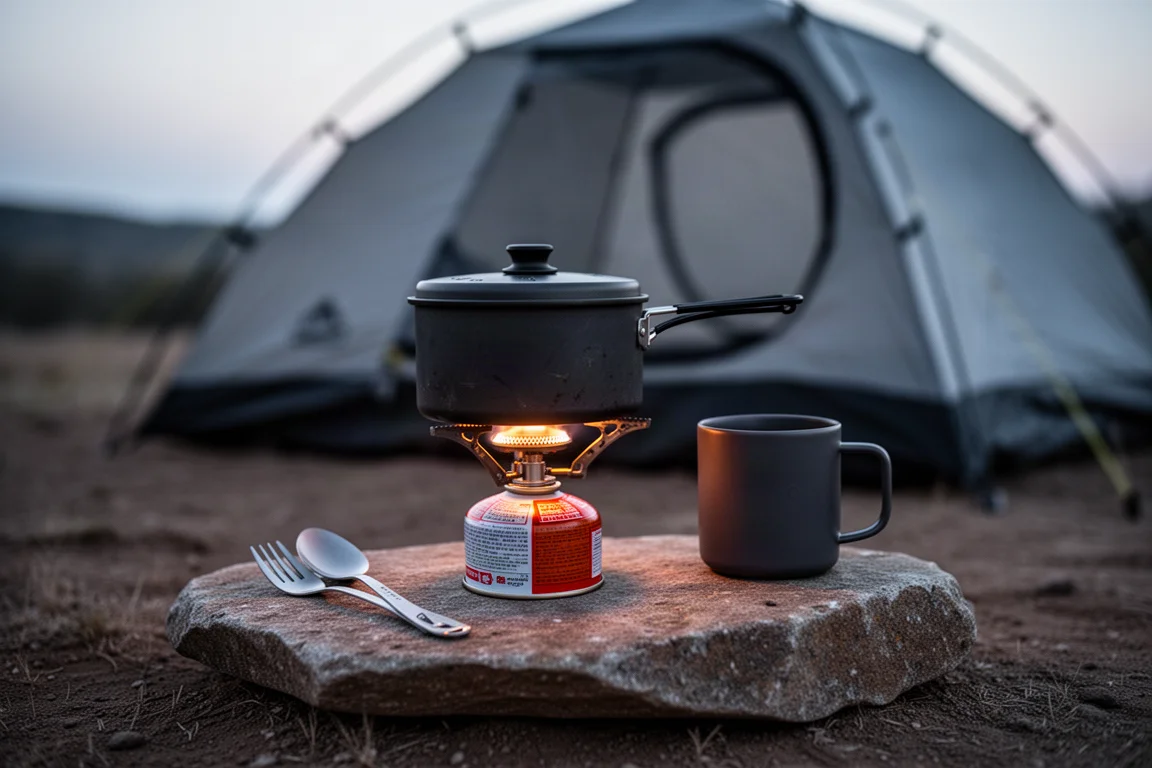
Capacity is 1.2 L, which is generous for one person and enough for a proper one-pot meal rather than just a rehydrated pouch.
Main Strengths: Ceramic Coating and Cooking Versatility
The defining feature is the ceramic coating on the inside of the pot. Unlike Teflon, which many people prefer to avoid, the ceramic finish is bonded permanently to the surface rather than applied as a layer that peels away with use.
That coating changes what the pot can do. Food releases cleanly, so a pot that would normally be limited to boiling becomes a frying pan, a saucepan, and a water boiler in one. After cooking mushrooms, a steak, and an egg in sequence, the interior was left with only a small amount of residue in the centre and nothing burnt onto the base.
The diameter helps as well. It is wide enough to sear and sauté rather than only simmer, which is the main reason titanium pots feel so limited once you try to cook a real meal in them.
Cooking a Real Meal in a 1.2 L Pot
The practical test is a full meal. Mushrooms go in with a high smoke point oil and caramelise without sticking to the base. A ribeye sears on both sides and comes out medium rare with colour on each face. A fried egg, the most delicate item in the sequence, cooks without sticking and is finished by adding a splash of water and putting the lid on, which steams the top of the egg so it sets without flipping.
Scrambled eggs and porridge work the same way. Nothing stuck to the pan through any of it.
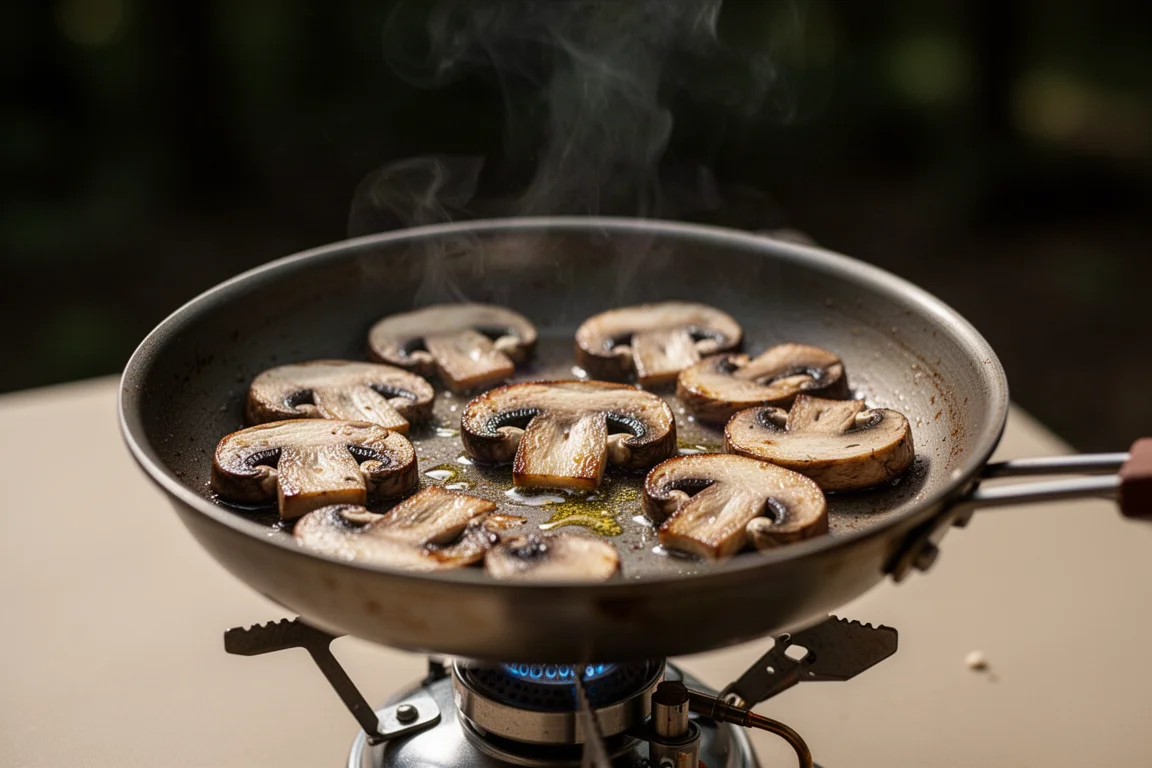
One caveat is size. A large steak will not fit in the pan in one piece, so bigger cuts need to be cooked in batches or sliced before they go in.
Weight, Capacity, and the Titanium Trade-Off
At around 210 g, the Frontier Ultra 1.2 L carries roughly 100 g more than an ultralight titanium pot of similar volume. That difference is the whole argument, and it comes down to what titanium can and cannot do.
Titanium is excellent for boiling water and poor for cooking. Food sticks to it, heat transfers unevenly, and the flame often cannot be turned low enough, so meals burn rather than simmer. Even a nonstick titanium pot struggles with the same problem, because the coating does not fix the way the metal moves heat.
The extra 100 g buys back real capability: a frying pan, a saucepan, and a kettle in one piece of kit, with a lid for steaming and simmering.
Things to Consider Before Buying
The one clear flaw is the handle. It is relatively heavy, and on an empty pot its weight can pull the pot over on the stove. The fix is simple: line the handle up with one of the stove arms so the pot stays balanced. A canister support is optional but adds a useful margin of stability.
The 1.2 L capacity is a one-person size, and the deeper sides make flipping a fried egg slightly more awkward than a shallow pan would, which is why the steam-and-lid method works better here.
It also pays to treat the ceramic coating like any quality cookware. It is described as permanently bonded and did not peel or flake during use, but metal tools and aggressive scrubbing are not the point of a finish like this.
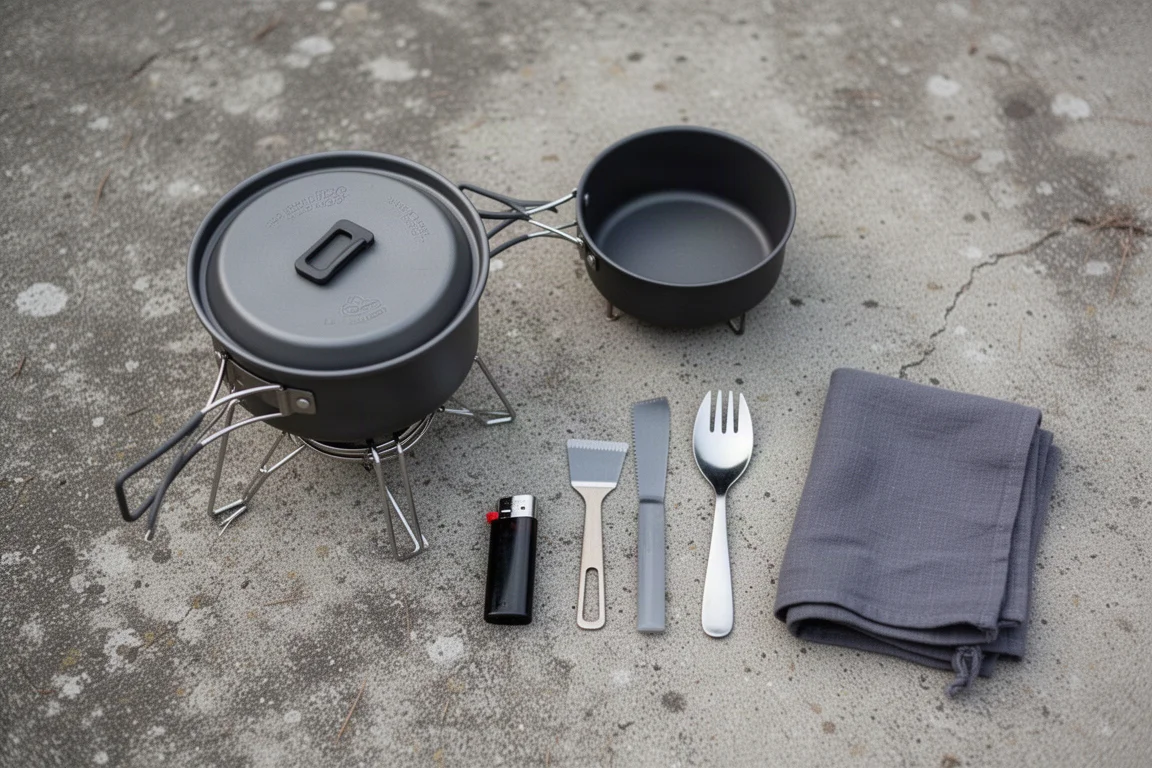
For most buyers the handle quirk is a small adjustment rather than a dealbreaker, and it is worth testing the balance at home before your first trip.
Cleaning and Care on the Trail
Cleanup is one of the quieter advantages. Because food releases from the ceramic surface, a small scraper is enough to lift anything left in the pan, followed by a rinse and a wipe. There is no need to scrub burnt-on residue off the base.
The pot also works as a serving vessel. Food can be moved to foil or an insulated pouch to stay warm while the pot is reused for the next course, which matters when you are cooking for two out of a single-person pot.
Buying Advice
If your trips involve nothing but boiled water, an ultralight titanium pot remains the lighter and simpler choice. If you want to cook properly, the roughly 100 g penalty is easy to justify: it replaces a second piece of cookware and makes meals you would otherwise skip.
Pair the pot with a stove that offers fine simmer control, such as the Soto WindMaster, since low, steady heat is what the ceramic coating and the food inside it respond to best. A stove that only runs hot will still work, but it will not let the pot show what it can do.
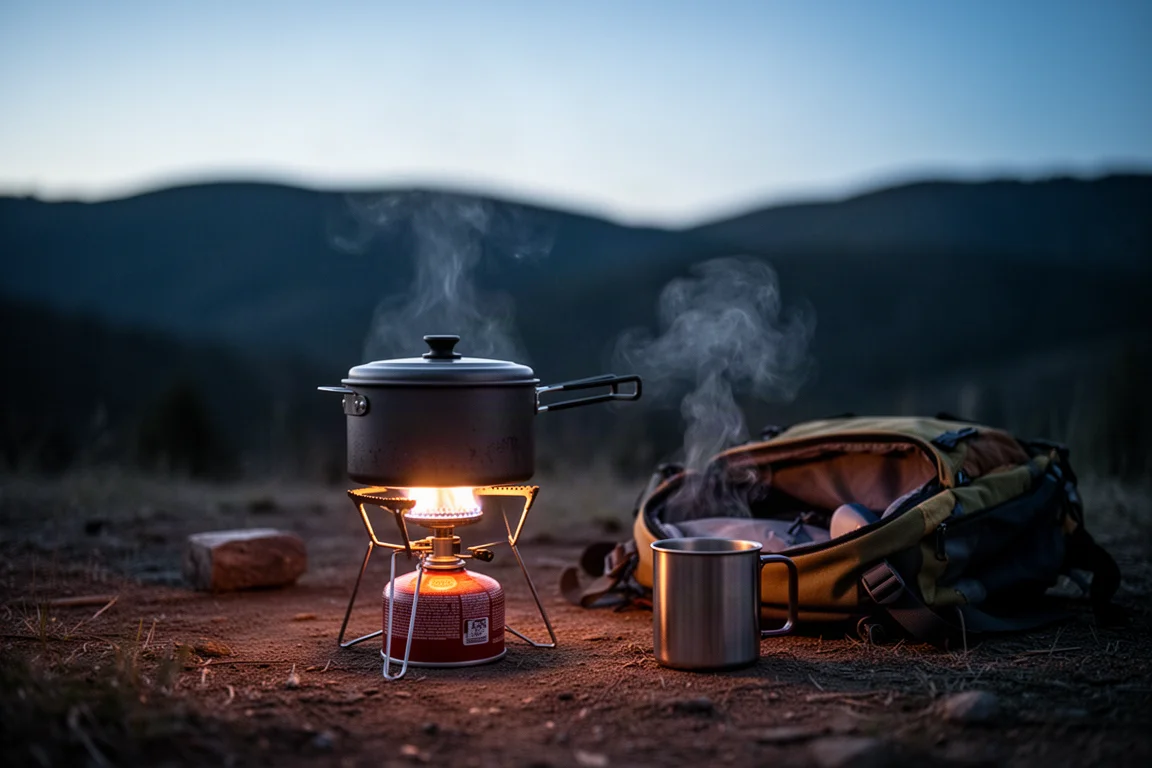
Also plan for one-person portions or batch cooking, and check that the pot balances on your stove with the handle aligned before you rely on it at camp.
Conclusion
The Sea to Summit Frontier Ultra 1.2 L is a straightforward proposition: about 100 g more than a titanium pot in exchange for a pot you can actually cook in. The ceramic interior releases food cleanly, the 1.2 L capacity covers a real meal for one, and the heavy handle is a manageable quirk rather than a flaw. For multi-day trips where eating well matters as much as packing light, it earns its place in the pack.
Product link
View more details for Sea to Summit Frontier Ultra 1.2L
This product is mentioned in the review. Check the specifications, options, and compatibility before buying.
View more details for Sea to Summit Frontier Ultra 1.2LFurther reading
Related Reviews
Camp Cookware
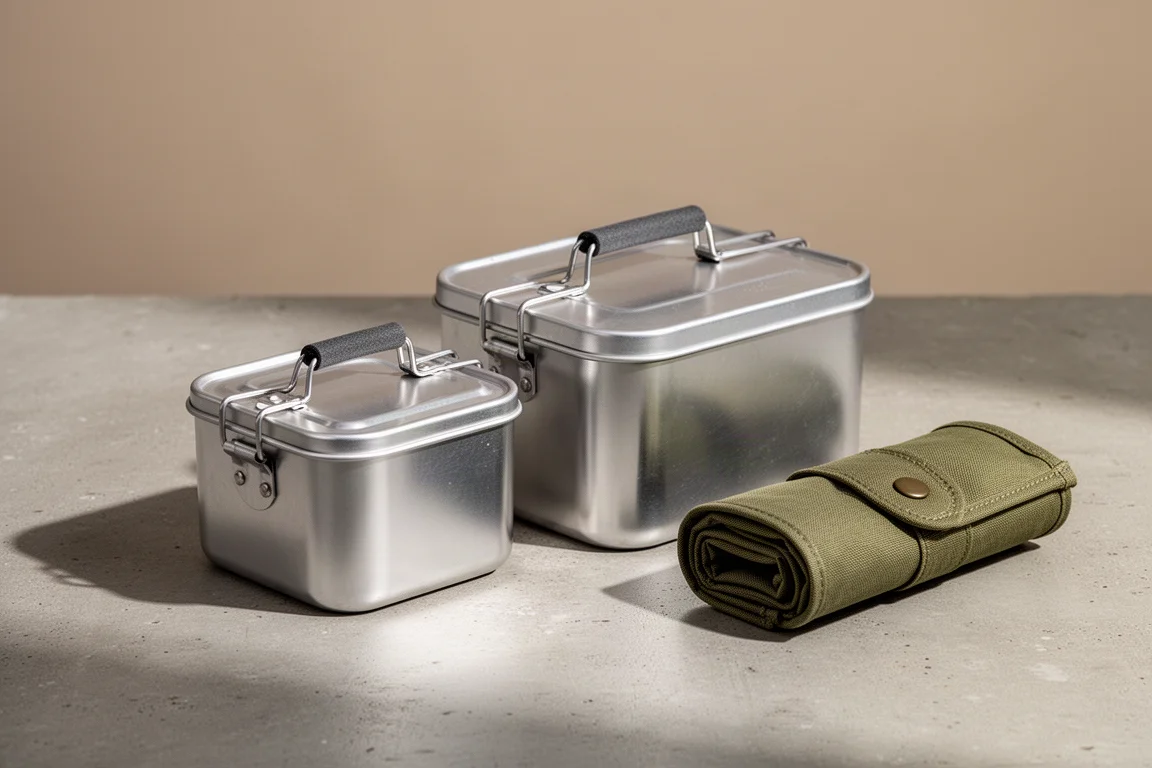
Trangia Mess Tin and Roll Top Cover Review: Lightweight Camp Cookware for Very Little Money
A practical look at the Trangia Mess Tin in small and large sizes, plus the roll top cover, covering capacity, weight, heat source matching, and overall value.
Camp Cookware
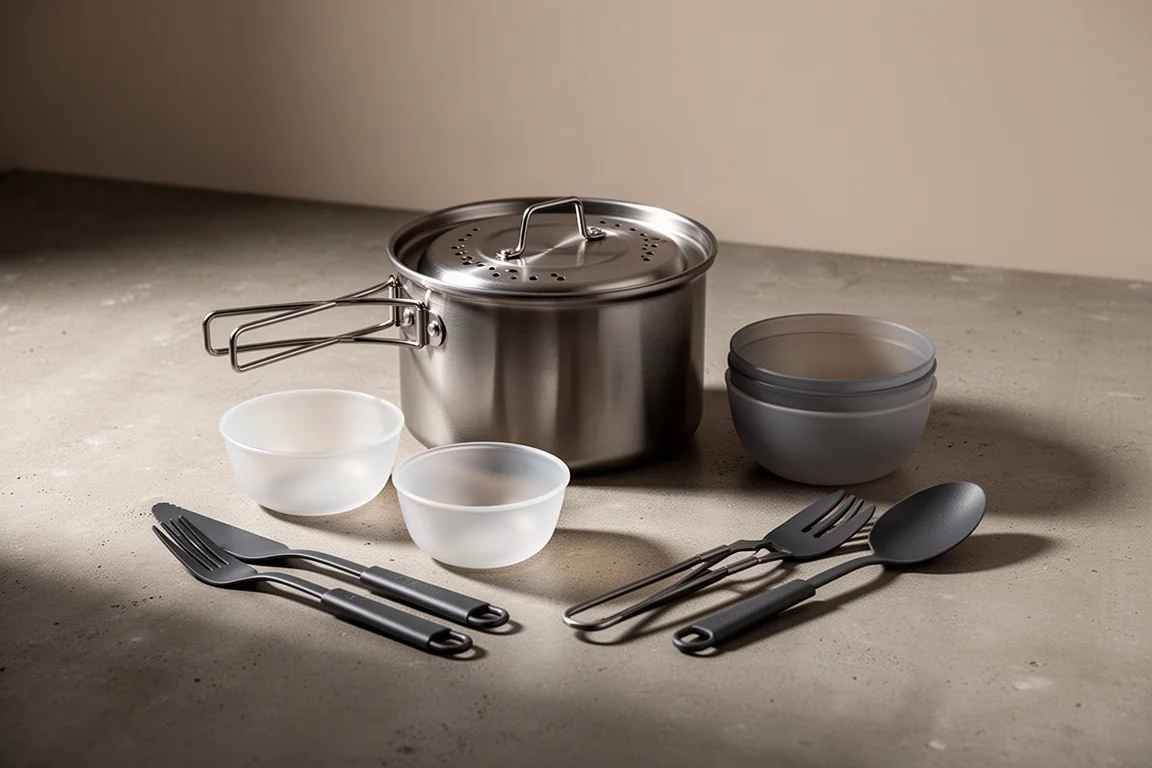
Stanley Wildfare Go 8-Piece Cook Set Review: A Sub-One-Pound Camp Kitchen
A close look at Stanley's eight-piece backpacking cook set, from its smart nesting design and stainless steel pot to the slick bowls and loose lid you should know about first.
Camp Cookware
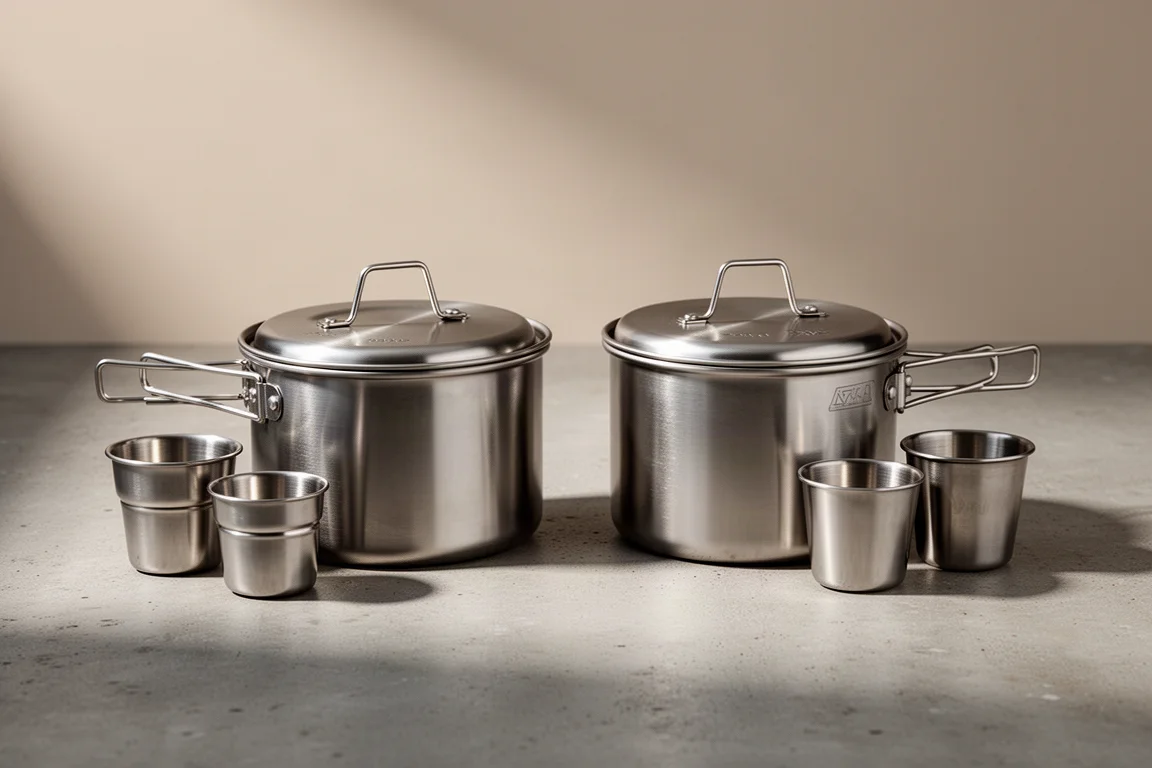
Stanley Wildfire vs Stansport Two-Person Backpacking Cook Set: Two Compact Camp Kits Compared
A close look at two compact stainless steel camp cook sets, covering pot size, stove stability, cup design, care, and which kit suits which camper.