Trail Running
Trail Shoes for Mixed Terrain: Four Options Compared
How four popular trail shoes handle everything from dry, compacted trails to wet, boggy mud, and which one suits your running conditions.
Introduction
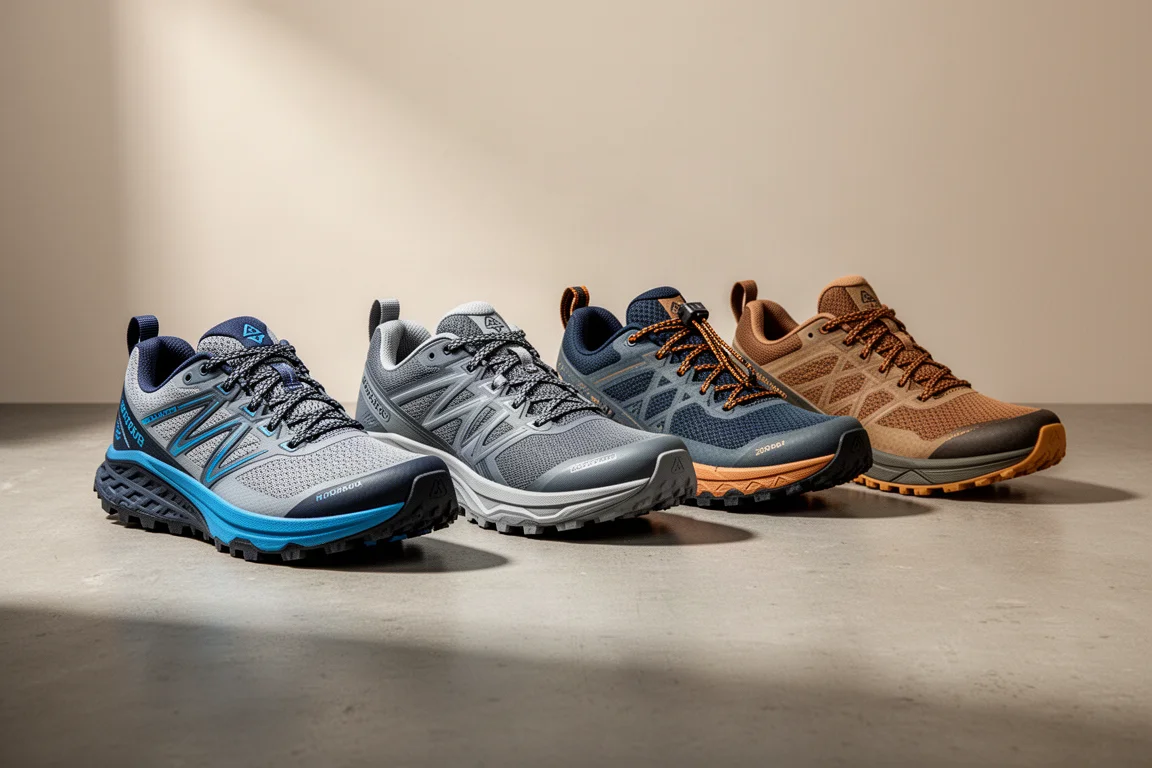
Not every trail shoe handles every trail. On a long mixed-terrain run over coastal paths, hills, and stretches of road, the difference between a shoe that grips and one that slips becomes very obvious very quickly. This comparison looks at four trail shoes through the lens of a genuinely challenging route: steep technical climbs, wet boggy ground, and rocky coastal trail.
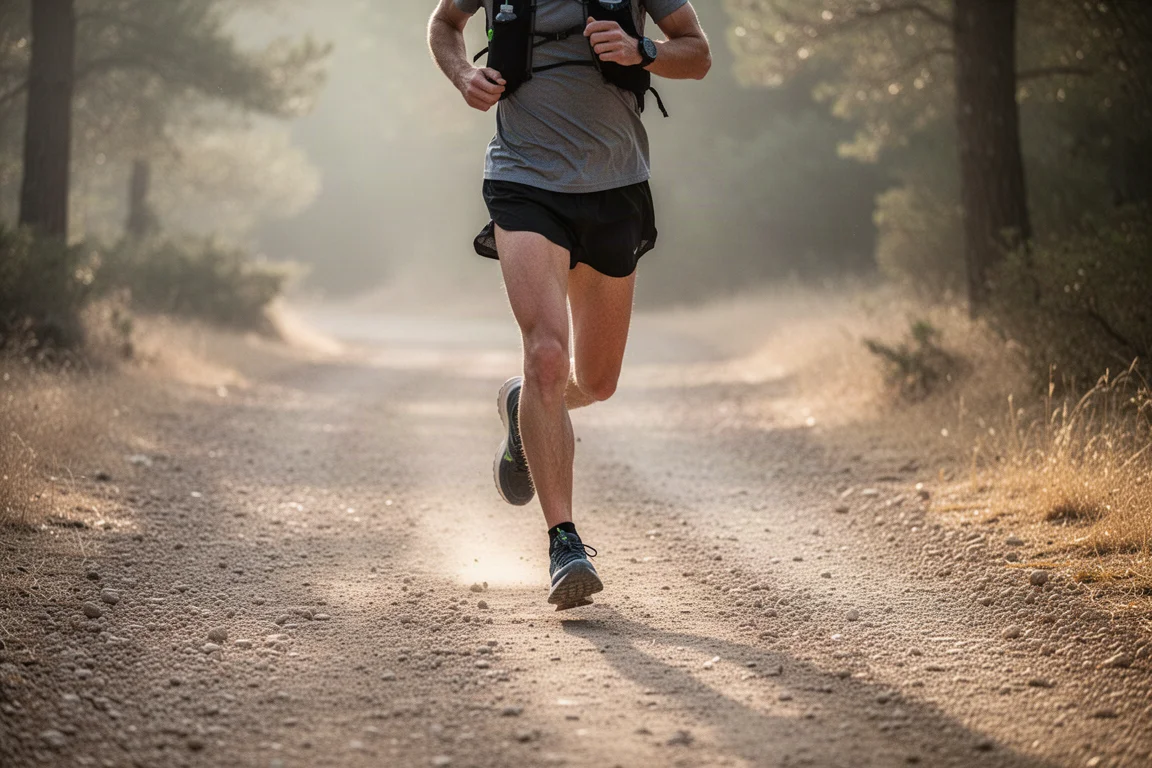
The takeaway from that kind of testing is simple. Cushioning and ride quality are only half the story. Lug depth and lug shape decide whether a shoe is usable once the trail turns wet and muddy.
What to Look For in a Mixed-Terrain Trail Shoe
Three things matter most when your routes swing between dry trails and sloppy ground. First, outsole compound: a sticky rubber on wet rock is invaluable on technical terrain. Second, lug depth and shape: depth alone is not enough, as the shape determines whether lugs dig into soft mud or smear over it. Third, midsole character: high-stack cushioning feels great on long, steady miles but reduces ground feel on technical sections.
Keeping those three factors in mind makes it much easier to see why each of these shoes earns its place in a different situation.
ASICS Trabuco Max 4: Great on Rock, Weak in Mud
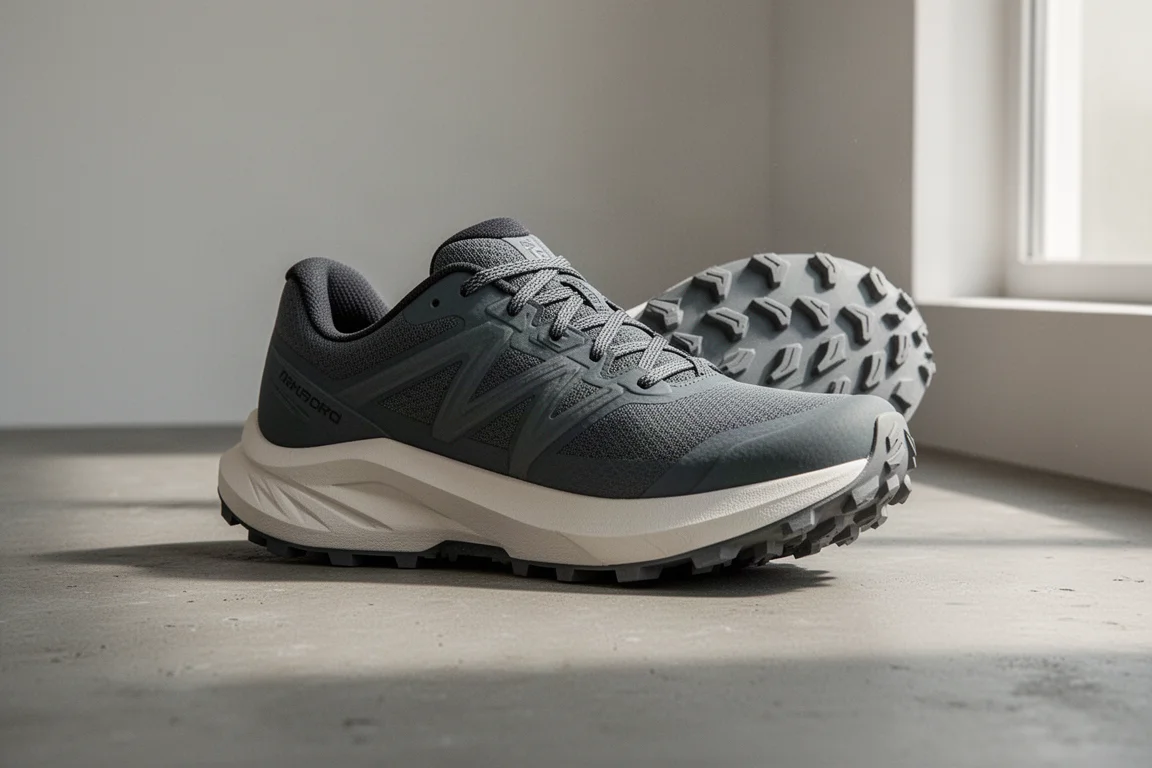
The Trabuco Max 4 is built around a deeply cushioned, high-stack midsole using ASICS FF Blast Plus Eco foam, with a wide midsole profile that keeps the shoe surprisingly stable on technical ground despite the cushioning. On compacted trails and sections of road, the ride is plush, efficient, and energetic, and the foam beds in nicely after a few runs to feel even more connected than the stack height suggests.
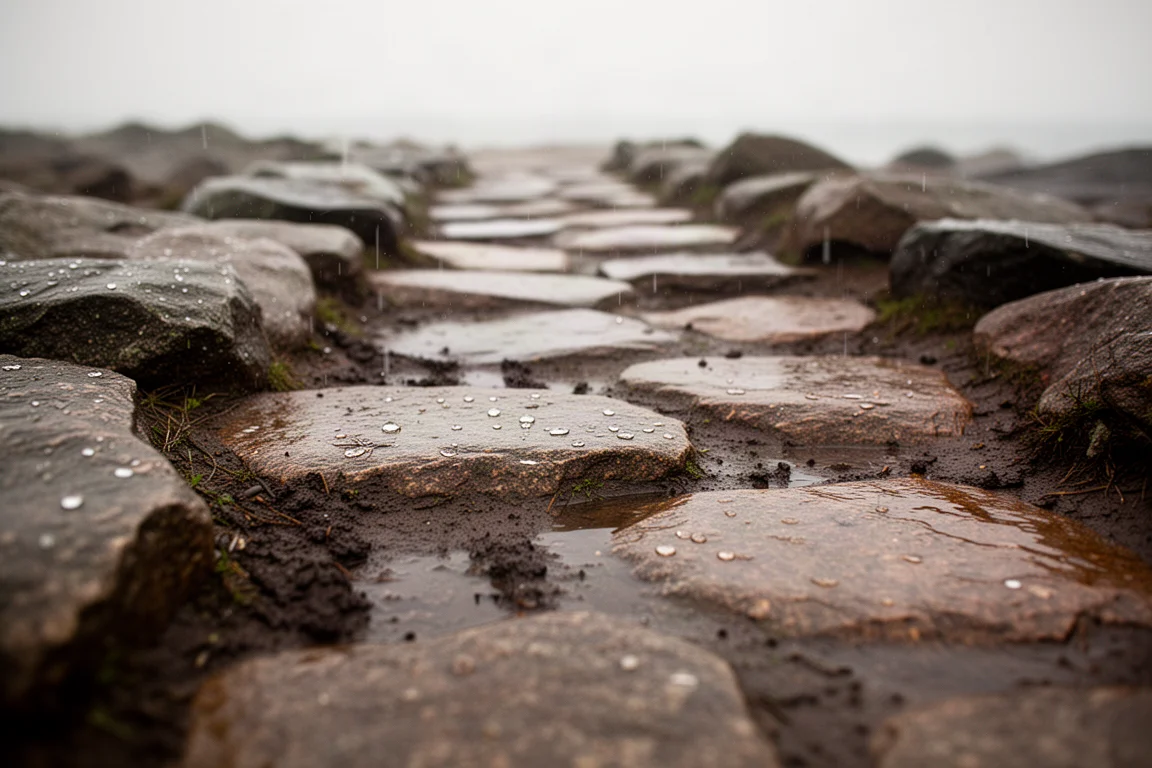
Where it truly shines is wet rock. The ASICSGRIP rubber outsole is genuinely sticky on rocky, wet terrain, and it stands comparison with Vibram Megagrip, which is high praise in the trail shoe world. On anything muddy, though, the story flips: the shallow, M-shaped lugs simply refuse to dig in, and traction feels almost nonexistent. On dry trails, fire roads, gravel paths, and road links, it is a genuinely enjoyable long-distance shoe. In a UK winter or on boggy ground, it becomes hard work.
Brooks Caldera 8: Better Traction in the Wet
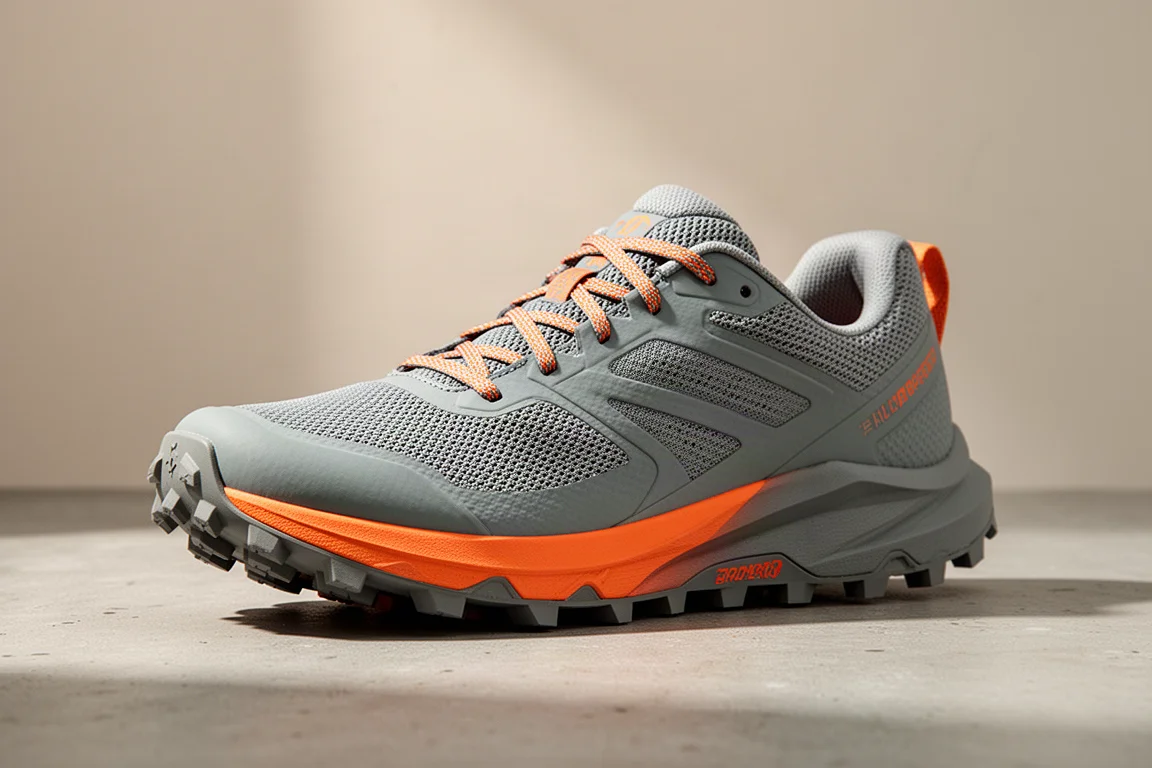
The Caldera 8 from Brooks also uses a four-millimetre lug outsole, but on wet, damp, boggy trails it delivers noticeably more traction than the Trabuco Max 4 despite a similar lug depth. That makes it a stronger pick for runners whose routes include softer, wetter ground rather than just compacted trails and rock.
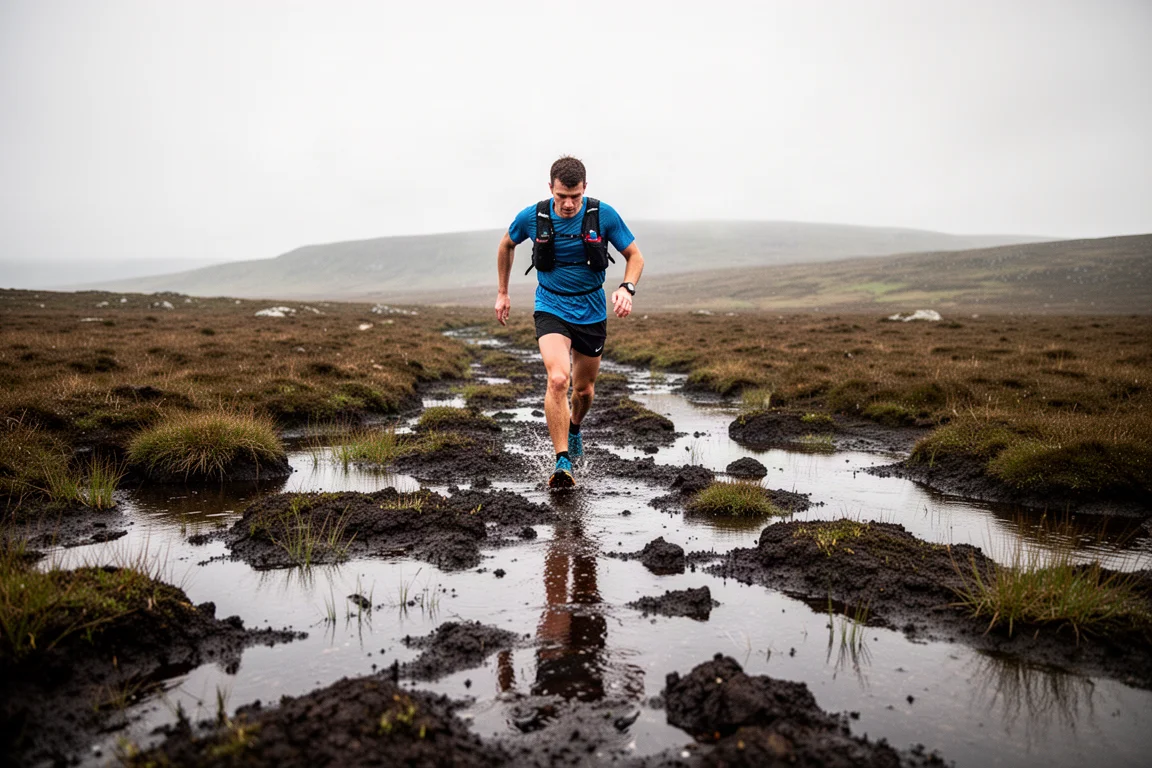
If your regular runs mix firm trail with patches of mud and wet grass, the Caldera 8’s outsole gives you a more forgiving margin for error without giving up the cushioned character the Caldera line is known for.
Salomon Ultra Glide 3: Confident on Softer Ground
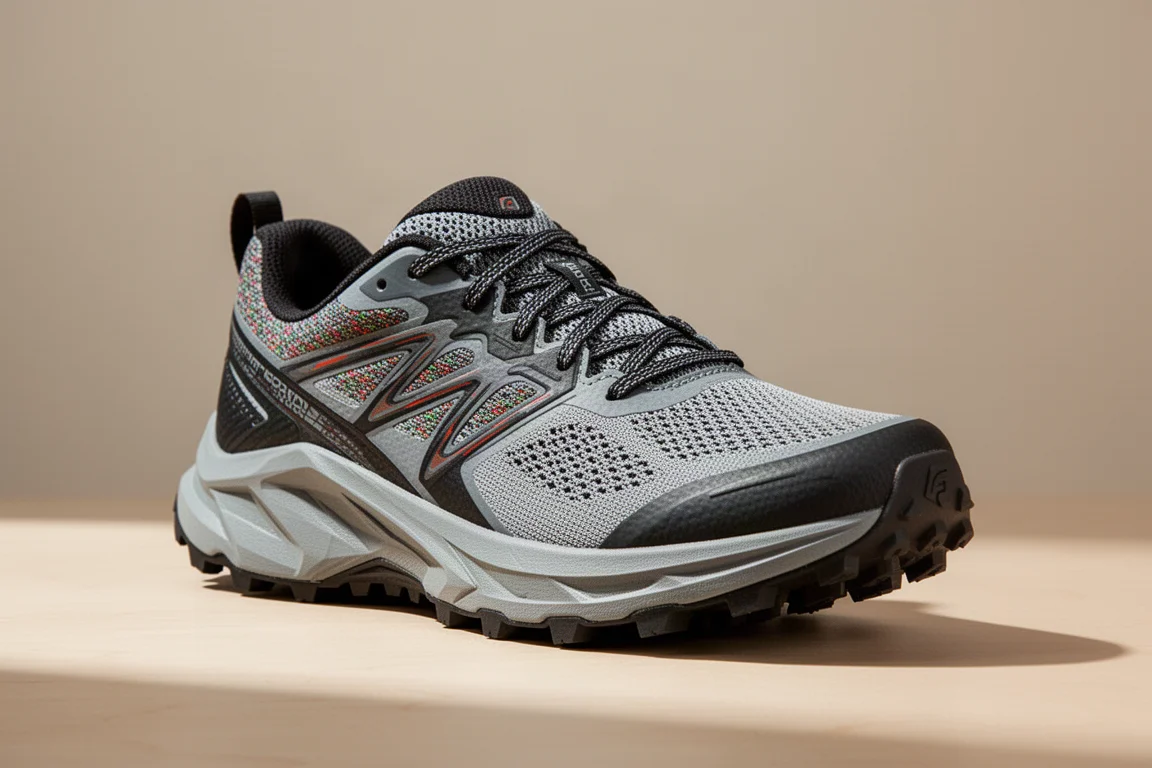
Salomon’s Ultra Glide 3 sits in the same lug-depth ballpark, and on wet mud it performs far better than the ASICS outsole. For a shoe aimed at smooth, gliding runs over mixed surfaces, that extra traction in sloppy conditions is a meaningful advantage, especially on long routes where conditions can change along the way.
Altra Lone Peak 9+: Trustworthy in Damp Conditions
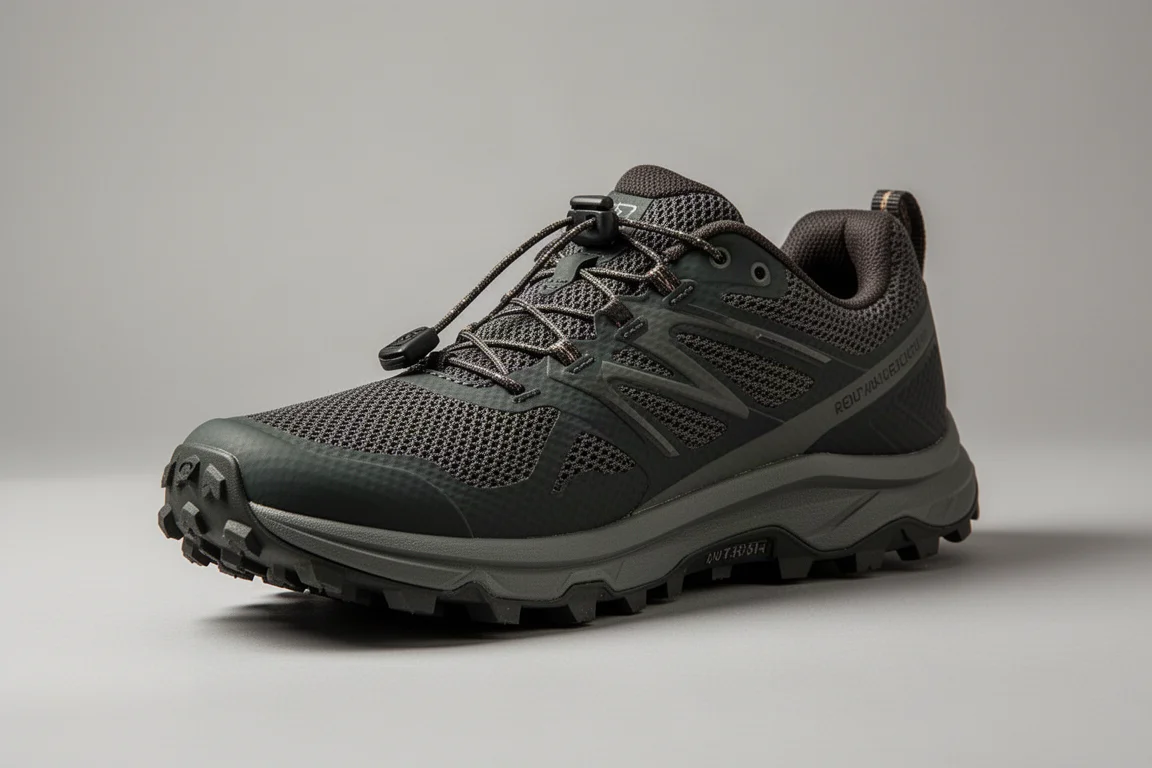
The Lone Peak 9+ from Altra is another four-millimetre lug shoe, and on wet, damp, boggy ground it also offered considerably more traction than the Trabuco Max 4. Its signature wide toe box and zero-drop platform make it a distinctive choice for runners who prioritize a natural foot position on longer trail days.
Buying Advice: Match the Shoe to the Conditions
If most of your running is on dry trails, gravel, fire roads, and road links, and you want maximum cushioning for long distances, the ASICS Trabuco Max 4 is a pleasure to run in, just keep it away from mud. The ASICSGRIP outsole will reward you on wet rock every time.
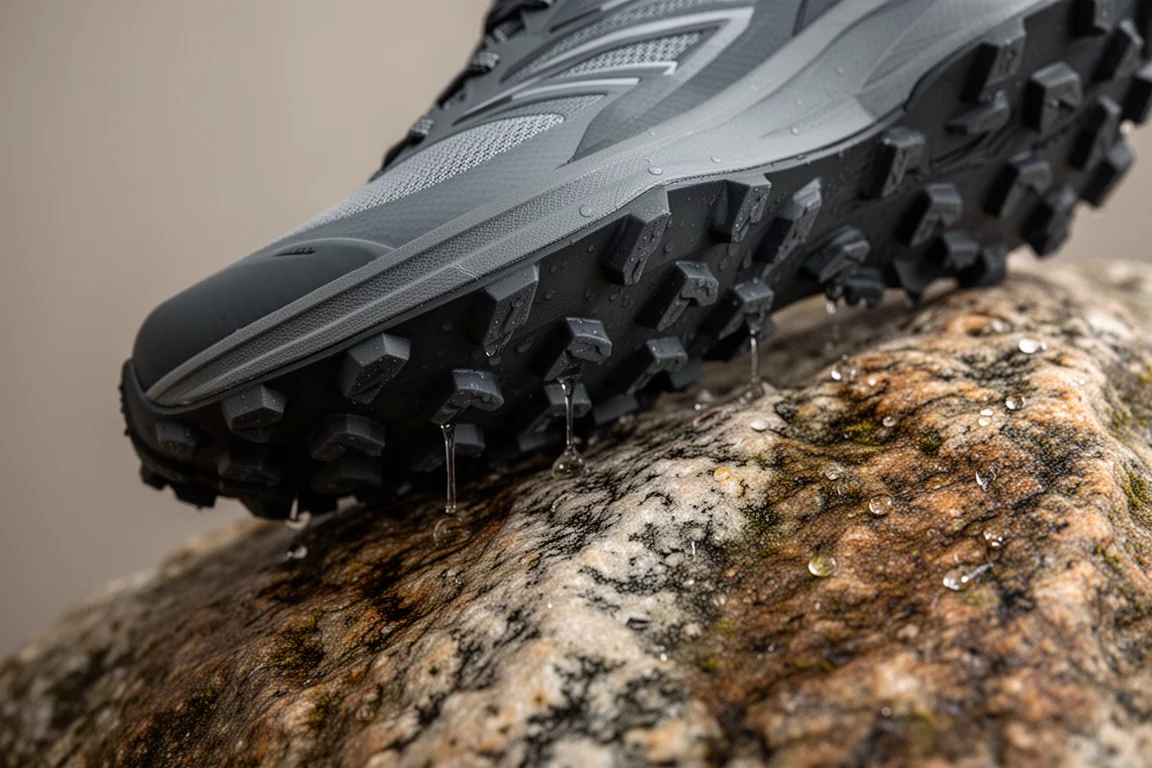
If your routes regularly turn wet, boggy, or muddy, choose one of the four-millimetre lug alternatives instead. The Brooks Caldera 8, Salomon Ultra Glide 3, and Altra Lone Peak 9+ all handled soft, damp ground with far more confidence, and the right pick among them comes down to whether you prefer a cushioned traditional ride, a smooth gliding feel, or a wide zero-drop platform.
Conclusion
There is no single best trail shoe, only the best shoe for your trails. The Trabuco Max 4 is a superbly comfortable, rock-gripping choice for dry, compacted routes with road sections mixed in. The Caldera 8, Ultra Glide 3, and Lone Peak 9+ all earn their place for runners who cannot avoid mud and want traction they can trust. Decide where you actually run, and the choice becomes much easier.
Further reading
Related Reviews
Trail Running
How to Choose Trail Running Shoes: A Guide to Shoe Type, Cushioning, and Drop
Learn the three most important factors when selecting trail running shoes: shoe type, cushioning level, and heel-to-toe drop.
Trail Running
Trail Running Poles: A Complete Guide to Technique, Fit, and Use
Learn why trail running poles redistribute workload, how to choose the right length and strap system, and master three essential climbing techniques for longer races.
Trail Running
Arc of Attrition Kit List: The Gear Worth Packing for a Winter Ultra
A practical look at the shoes, waterproofs, lighting, race vest and poles lined up for a brutal 100-mile winter coastal ultra, and why each piece earned its place.