Trail Running
Trail Running Essentials: The Kit Worth Carrying on Every Trail Day
Four trail-tested picks plus the small safety items that should never leave your pack, from GPS watches to mud-ready shoes.
Introduction
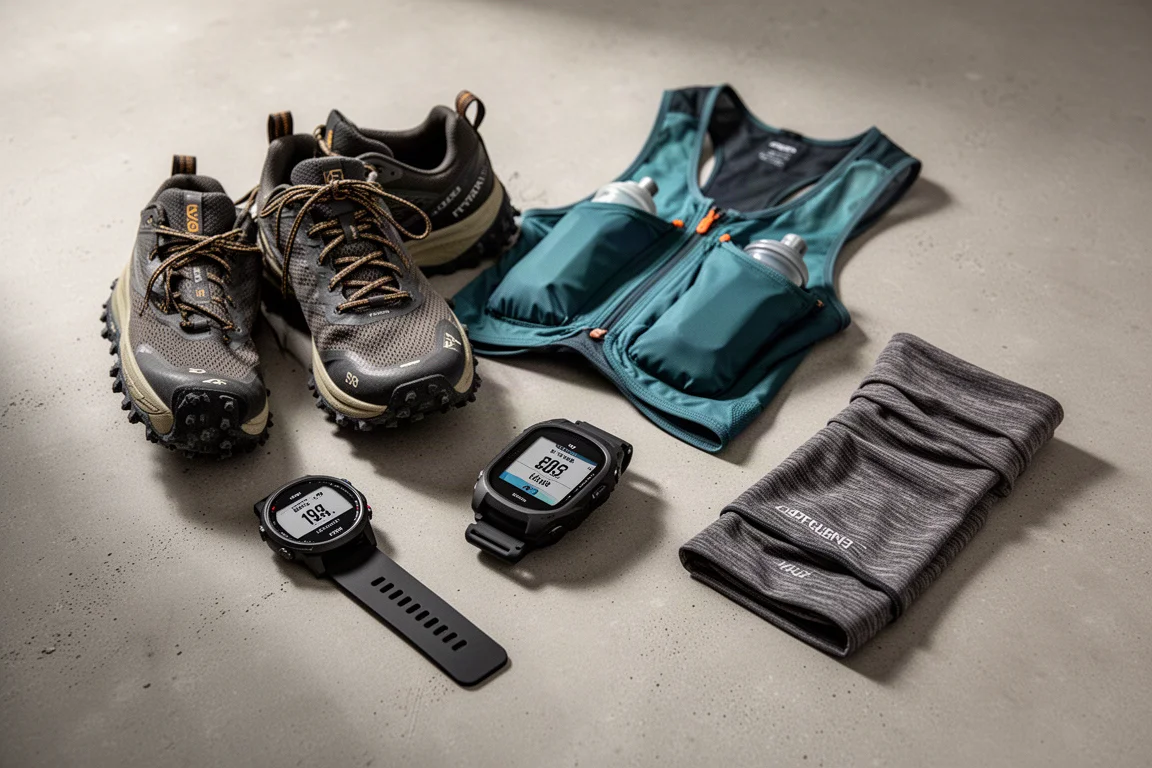
Trail running has boomed in recent years, with runners discovering new routes close to home and trail races appearing all over the world. After more than a decade of running coastal paths, muddy lanes, and rocky single-track, the kit list below has been refined through plenty of trial and error, including a few early mistakes like taking road shoes onto wet, rocky terrain in winter.
This guide covers four pieces of gear that consistently earn their place on long trail days, plus a few affordable items that no trail runner should be without.
A Reliable GPS Running Watch
A GPS watch is the most obvious training tool for gathering pace, distance, elevation, and heart-rate data, but for trail running it offers something more: navigation and safety. Many modern watches include route navigation, so you can follow a course on the watch screen instead of guessing at junctions on unfamiliar ground.

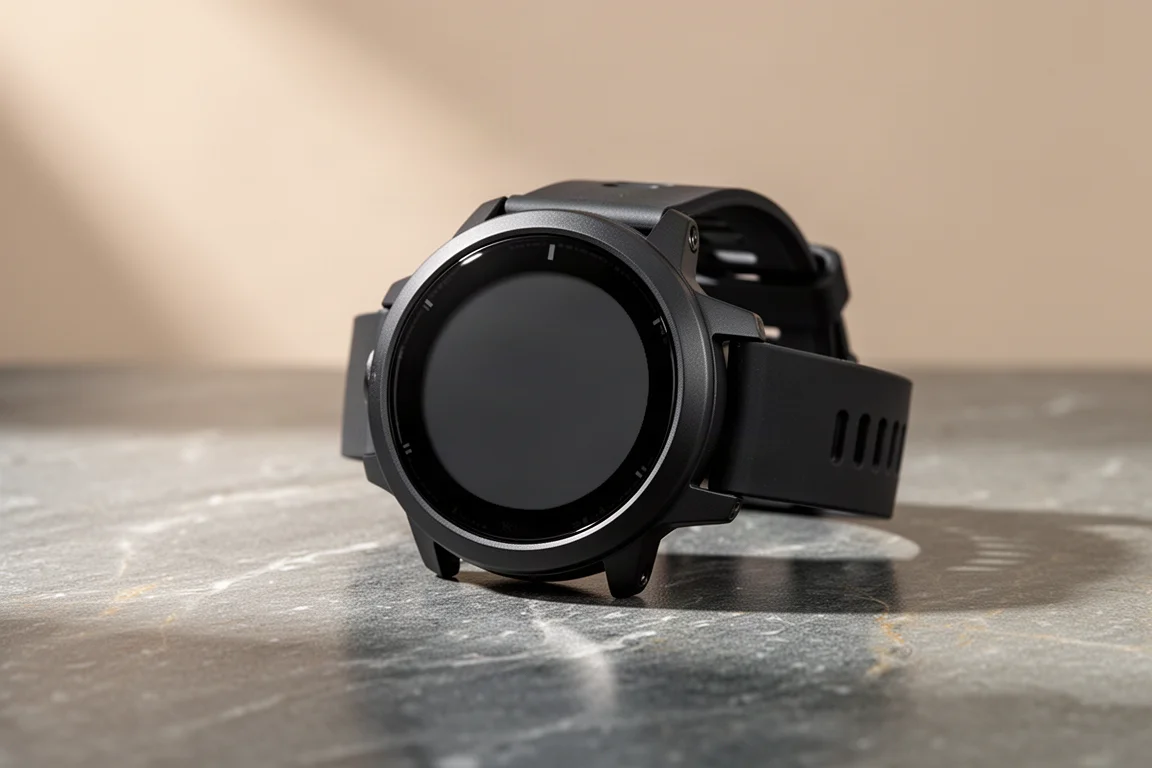
The Coros Apex Pro stands out here as a compact, comfortable option with an impressive 40 hours of battery life in full GPS mode. Its navigation accepts routes entered manually, a GPX file, or routes discovered through Strava’s explore feature, which surfaces routes in an area based on distance, elevation, and terrain. If bearings are ever lost mid-run, the Trackback feature leads you straight back to your starting point, which is genuine peace of mind when running alone in remote areas.
Choosing the Right Trail Shoes
Underfoot conditions on the trail can change within a single run: tarmac, wet grass, soft sand, rock, and slippery mud can all appear in quick succession. A dependable trail shoe is the single most important footwear decision, and choosing one is highly personal. Terrain type, season, foot shape, weight preference, and cushioning all matter, and the best shoe is the one that matches your running style and the trails you actually run.
The Daily Trail Workhorse
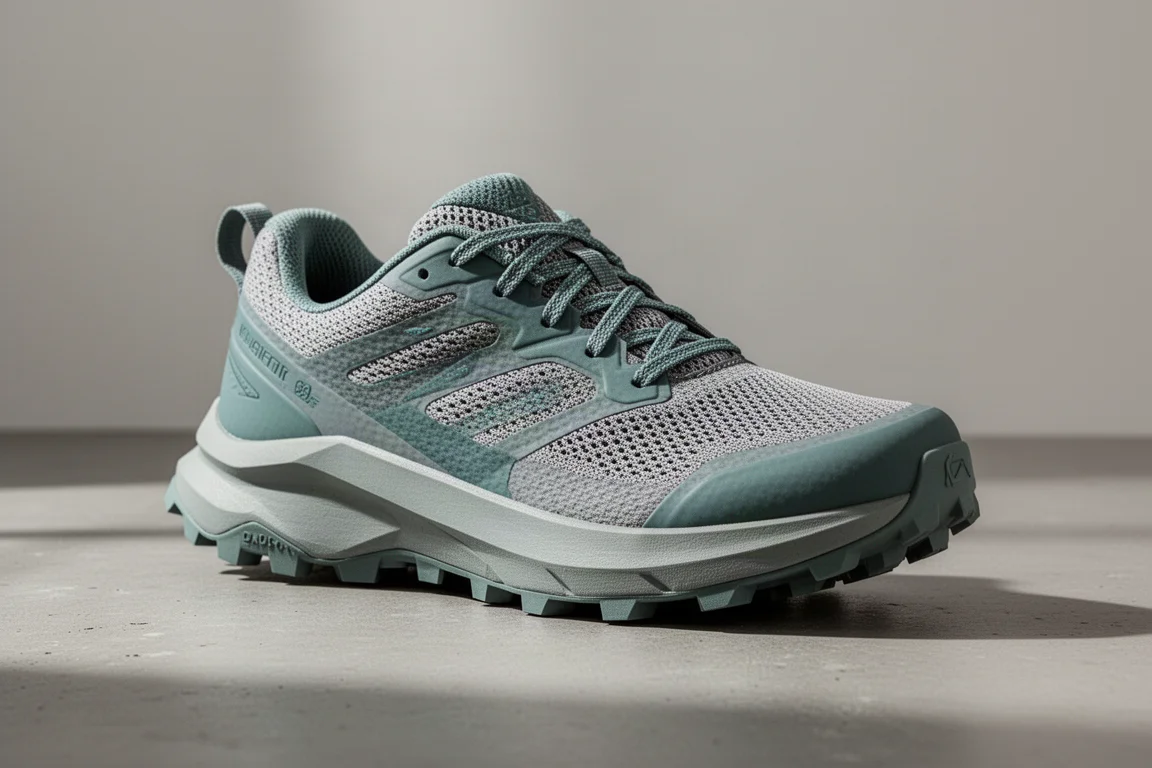
The Saucony Xodus Ultra has racked up countless training and racing miles without letting its wearer down. It works well for a broad range of trails and running styles, making it a strong default choice for general trail use where grip demands are moderate.
Grip for Wet Winter Trails
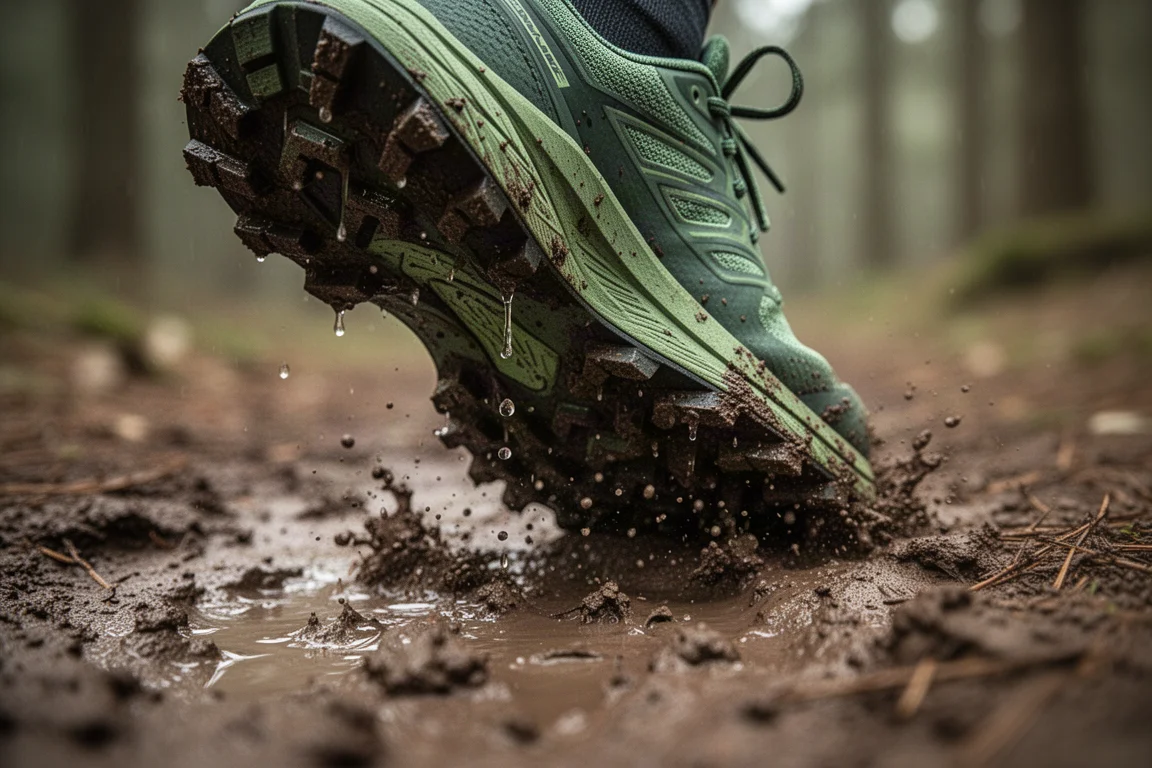
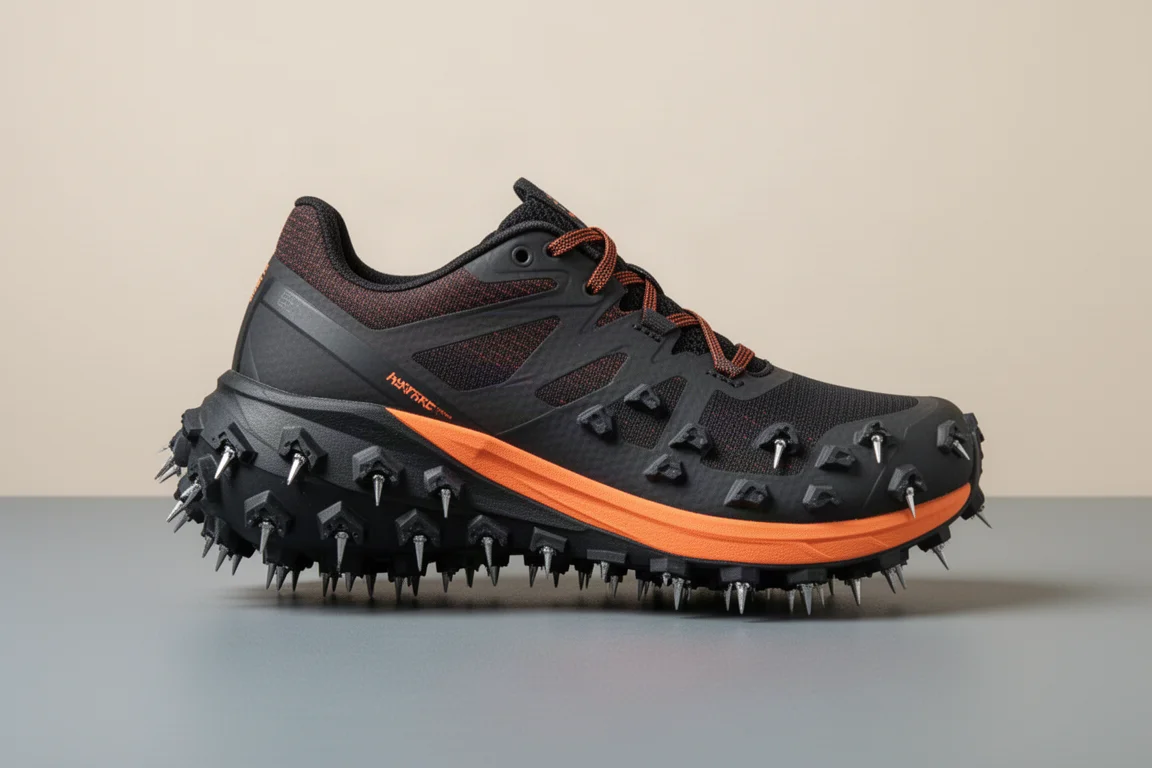
When conditions turn properly wet and muddy, more aggressive traction earns its keep. The Inov-8 X-Talon Ultra 260 v2 brings a very aggressively lugged 8mm outsole for exactly those situations. Pair it with the super-cushioned Boa footbeds and it also handles firmer trail sections and short stretches of tarmac surprisingly well, making it a solid seasonal second shoe rather than a niche purchase.
A Race Vest That Fits Properly
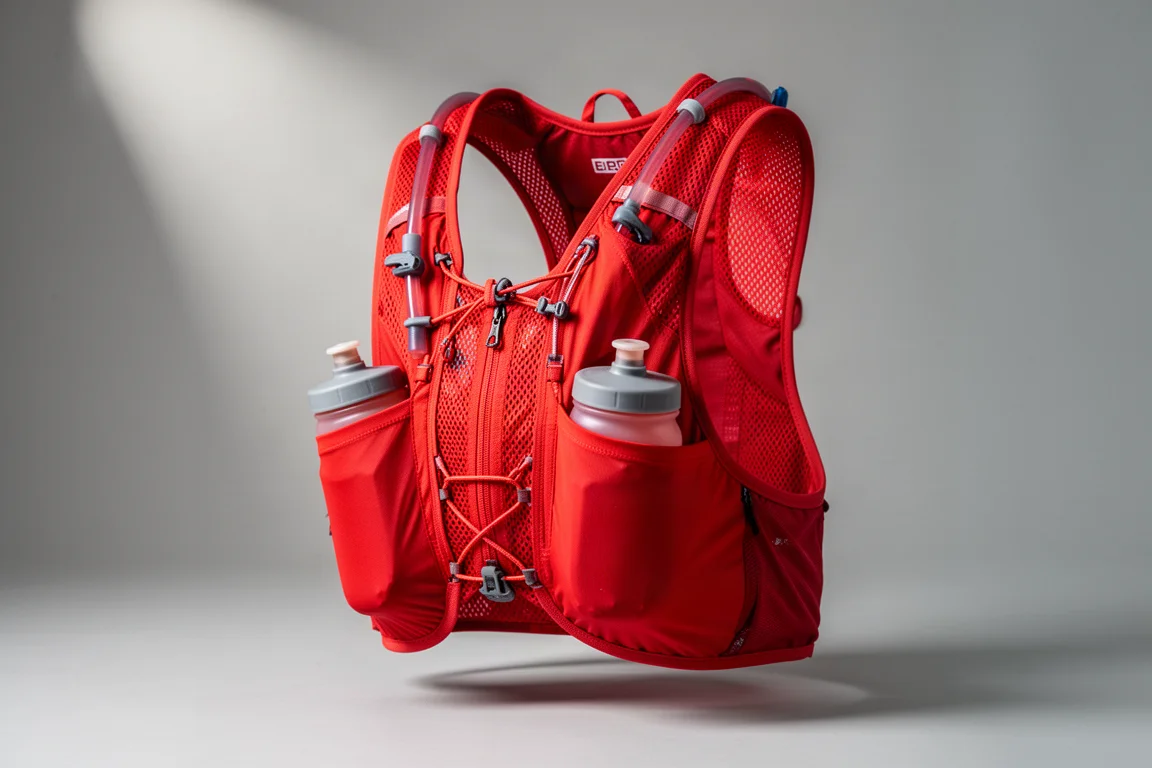
Trail running demands more carried kit than road running, which means you need somewhere to put it. The running vest market is crowded, but the Salomon Advanced Skin 12 Set has been the repeat choice through four generations of the design, which says a lot about how thoroughly Salomon has refined the concept.
The current version is comfortable over long periods and fits well because it comes in five specific sizes from extra small to extra large, rather than one-size-fits-all with adjustment straps. That means no flapping straps while you run, and a much more personal fit. It is lightweight, highly breathable even when loaded with kit, and the storage is arranged so essentials stay accessible on the move, without needing to take the vest off.
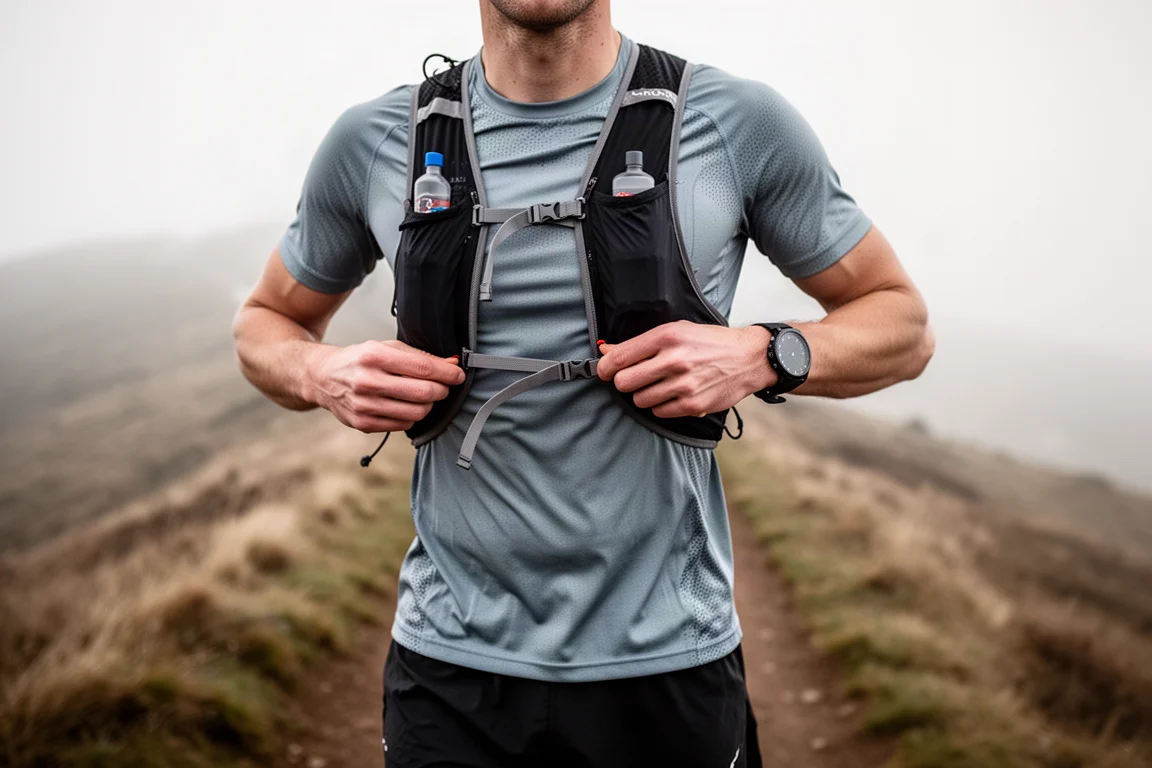
Versatility is another strength: the Advanced Skin 12 can cover anything from a half marathon up to 100 miles or more, making it a genuinely flexible piece of trail kit.
Safety Kit That Should Always Be Packed
Two items matter more than almost anything else on this list: a well-stocked compact first aid kit and a survival bag. Whether running familiar trails or somewhere completely new, these should always be in the vest.
The distinction between a survival bag and a foil blanket matters. If a fall leaves you or a running partner sitting out in the middle of nowhere with a sprained ankle waiting for help, a foil blanket offers almost nothing. A survival bag you can climb into could genuinely make the difference. The trail environment can be hostile depending on the location and the season, and tumbles happen easily. Being prepared for worst-case scenarios is a small investment that pays off the one time you need it.
Small Items That Earn Their Place: Cap and Multi-Wrap
A simple running cap is surprisingly functional. In summer it keeps sun off your head and sweat out of your eyes; flipped brim-forward it shades low sun; in rain it adds protection under a hood without a brim. In winter, a beanie takes over, keeping the head warm and making a head torch more comfortable to wear.
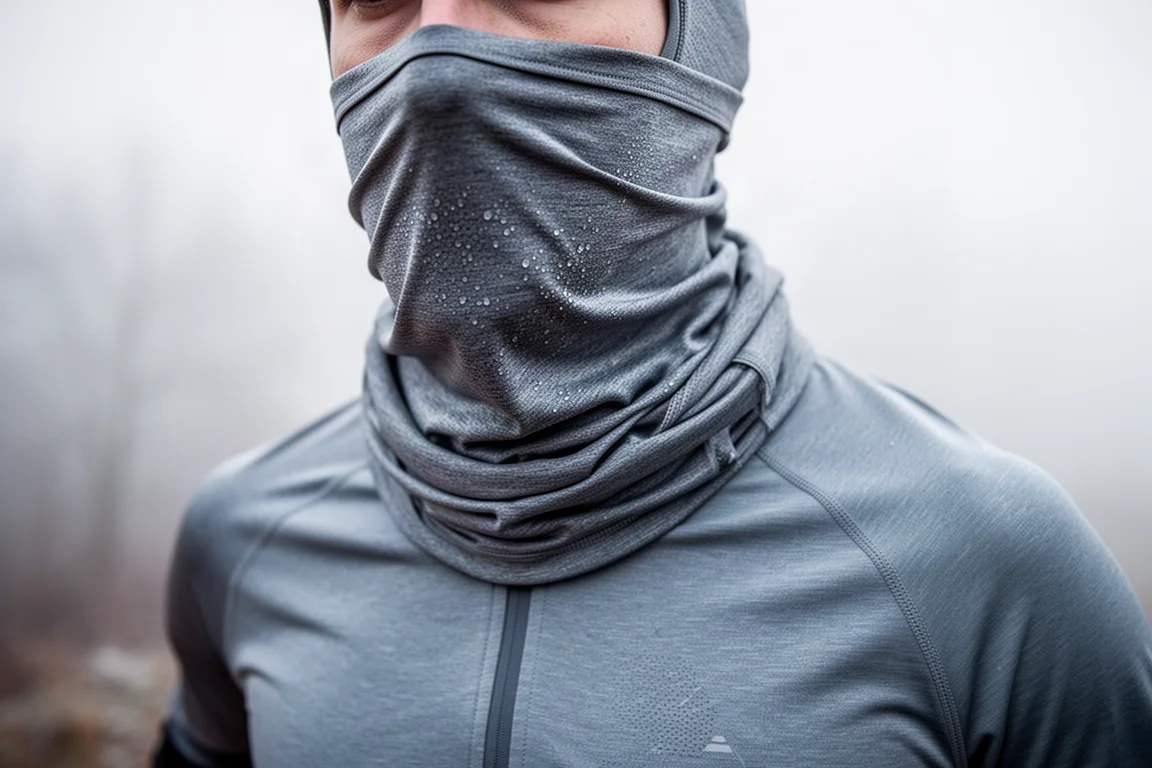
The bonus item worth adding to any beginner’s list is a buff or multi-wrap: a single tube of technical fabric that wicks moisture and can be worn around the neck for warmth, as a wristband for wiping sweat, as an improvised beanie in cold weather, or doubled over as a headband that keeps a head torch seated comfortably. When weather turns nasty, it pulls up over the face for protection and warmth. It is one of the simplest, most versatile items in trail kit.
Buying Advice
If you are building a trail kit from scratch, prioritize in this order: shoes matched to your local terrain, a survival bag and first aid kit before anything else, then a hydration vest sized to your torso, and finally a GPS watch with navigation if you run solo in unfamiliar areas. Add the cap and multi-wrap last; they are inexpensive and will outlast expectations.
The Saucony Xodus Ultra and Salomon Advanced Skin 12 set make excellent year-round defaults, while the Inov-8 X-Talon Ultra 260 v2 and the Coros Apex Pro cover the specific gaps of deep mud and remote solo navigation.
Conclusion
Good trail kit is less about owning more gear and more about matching each item to a real need: traction for the conditions you actually face, a vest you can forget you are wearing, navigation you can trust when the trail disappears, and safety items that stay packed on every run. Get those right, and the trails open up in every season.
Further reading
Related Reviews
Trail Running
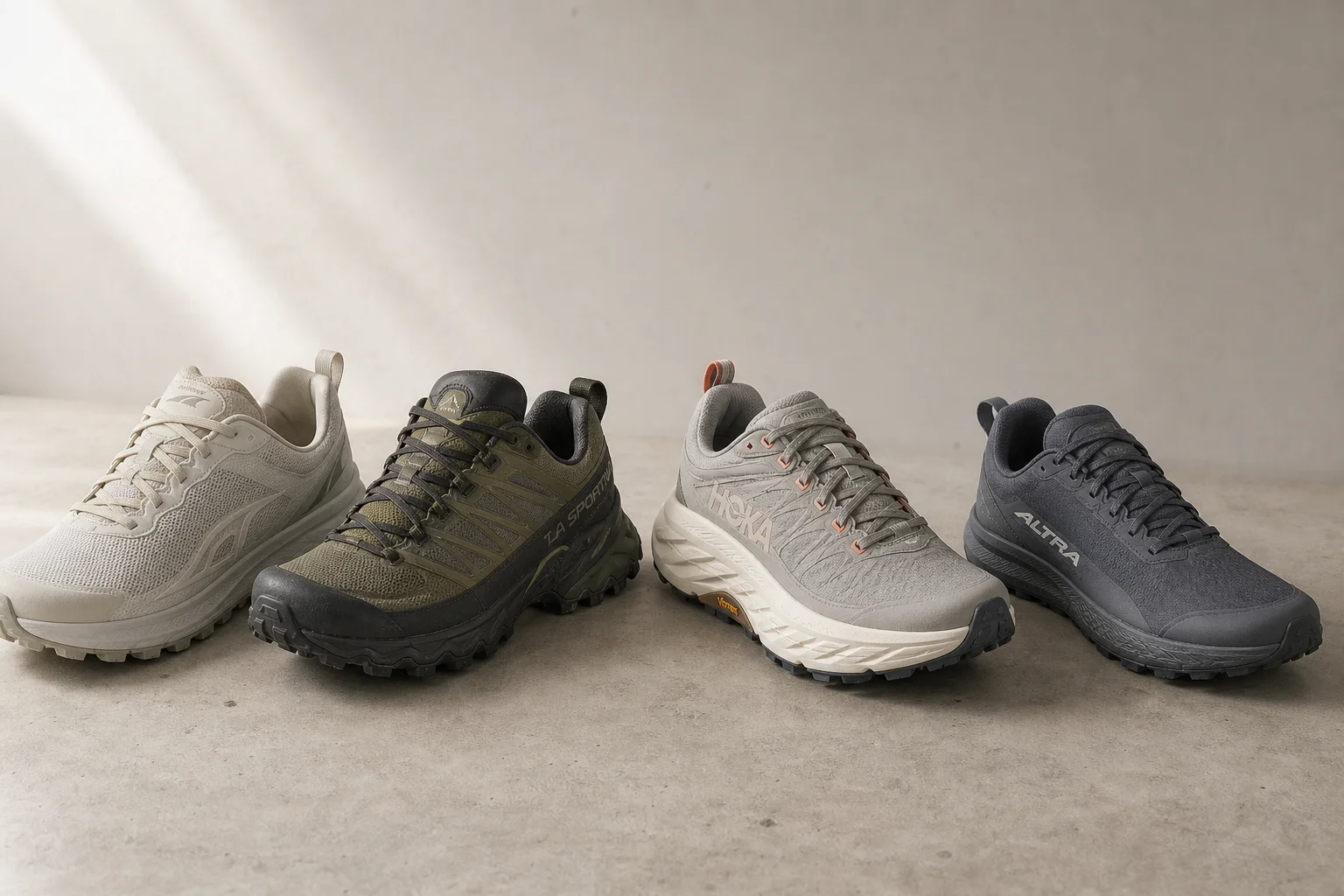
How to Choose Trail Running Shoes: A Guide to Shoe Type, Cushioning, and Drop
Learn the three most important factors when selecting trail running shoes: shoe type, cushioning level, and heel-to-toe drop.
Trail Running
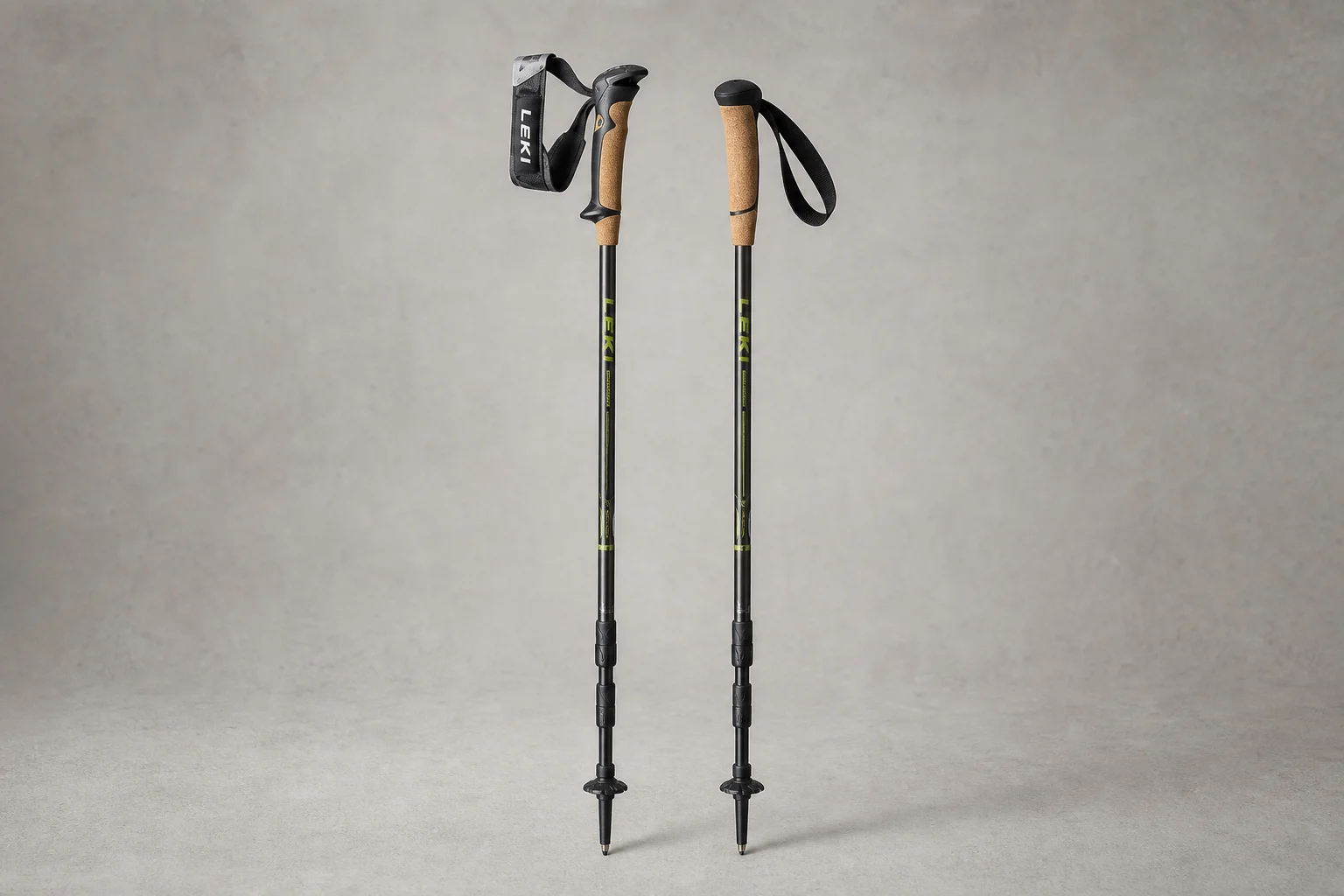
Trail Running Poles: A Complete Guide to Technique, Fit, and Use
Learn why trail running poles redistribute workload, how to choose the right length and strap system, and master three essential climbing techniques for longer races.
Trail Running
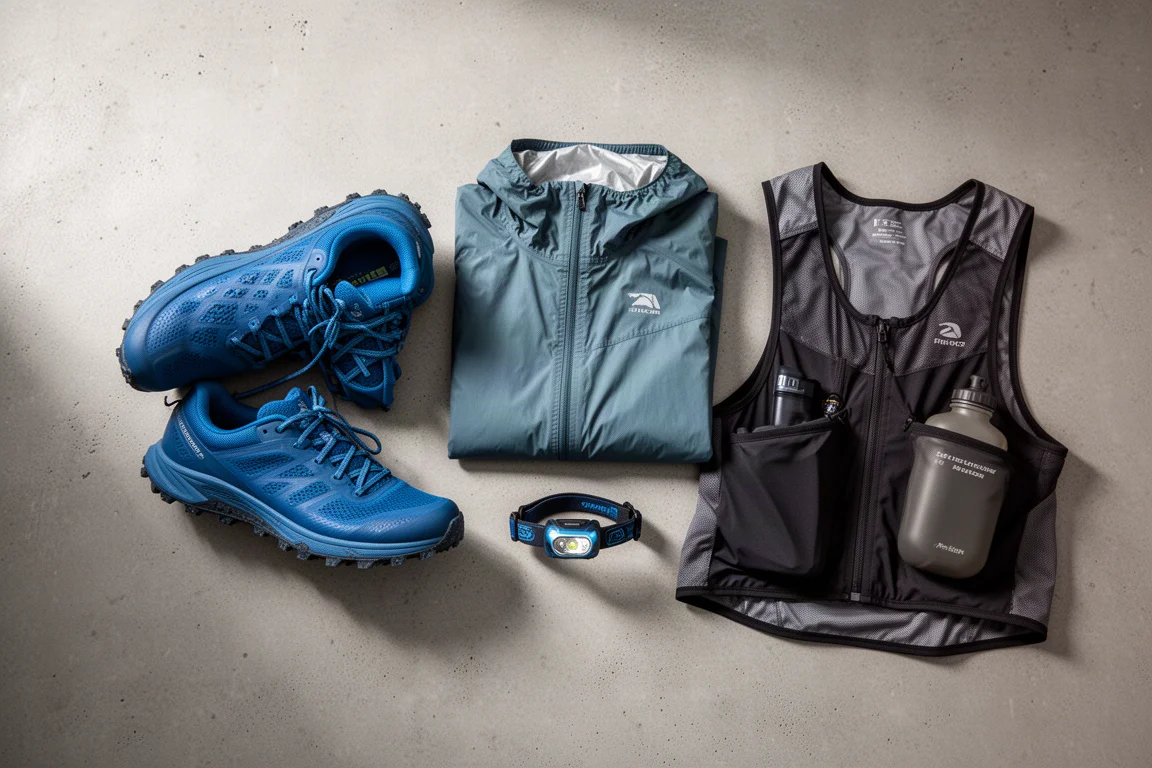
Arc of Attrition Kit List: The Gear Worth Packing for a Winter Ultra
A practical look at the shoes, waterproofs, lighting, race vest and poles lined up for a brutal 100-mile winter coastal ultra, and why each piece earned its place.