Trail Running Shoes
Favorite Trail Runners Compared: Altra Lone Peak 4.5 and Topo Athletic Terraventure 2
A practical look at two favorite trail runners, the Altra Lone Peak 4.5 and Topo Athletic Terraventure 2, plus the Inov-8 G260 and G270 trade-offs worth knowing before you buy.
Introduction
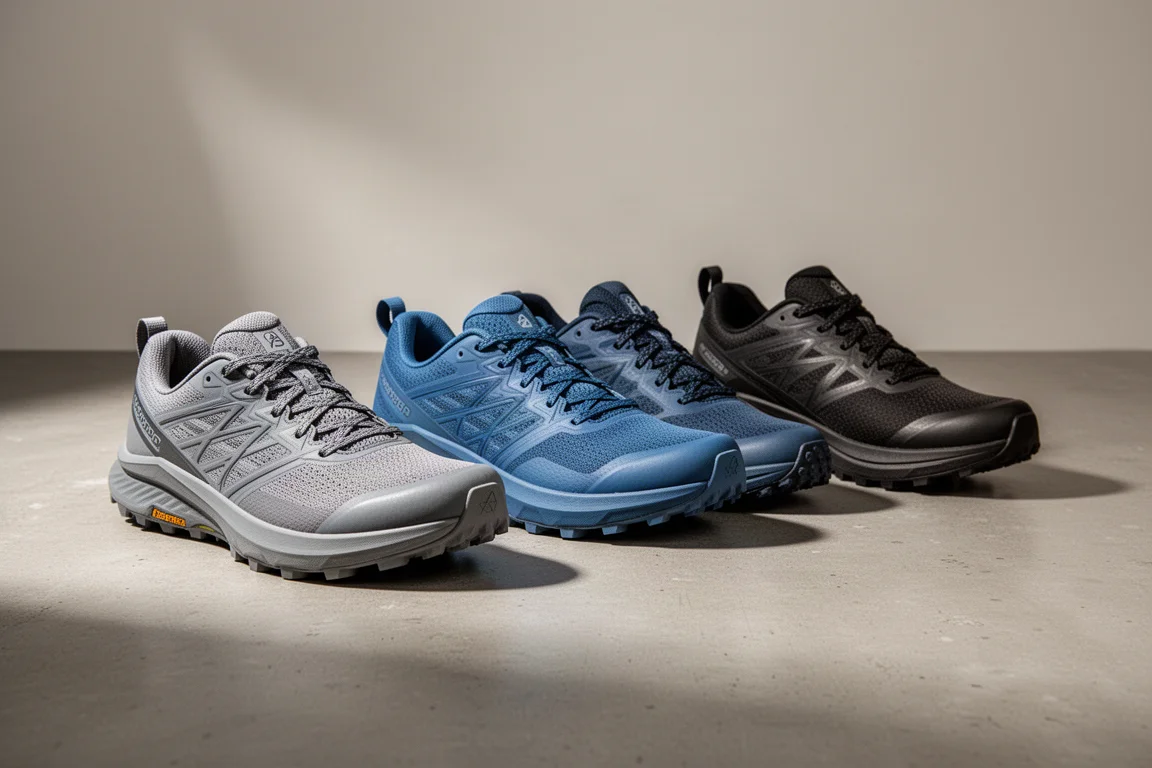
Choosing a trail runner is a negotiation between a few competing needs: enough room for your toes to splay, enough cushioning to protect your feet on hard ground, enough ground feel to read the terrain, and enough durability to survive a full season of long-distance walking. The Altra Lone Peak 4.5 and the Topo Athletic Terraventure 2 get that balance right in slightly different ways, and they remain the two most convincing options in this class. The Inov-8 G260 and Inov-8 G270 are also well-made shoes, with specific strengths and a few quirks that are worth understanding before you commit.
What to Look For in a Trail Runner
Start with the toe box. Over long distances feet swell and toes splay, and a narrow toe box is one of the most common causes of blisters under the toenails, lost toenails and ingrown nails later on. A wide toe box that lets toes spread naturally is the single most useful comfort feature on a long trail.
Heel-to-toe drop matters too. Zero drop keeps the heel and the toe at the same height above the ground, which suits feet that are already comfortable in that position. A shallow drop of a few millimetres can work just as well, and it may feel more natural to anyone transitioning from a conventional shoe.
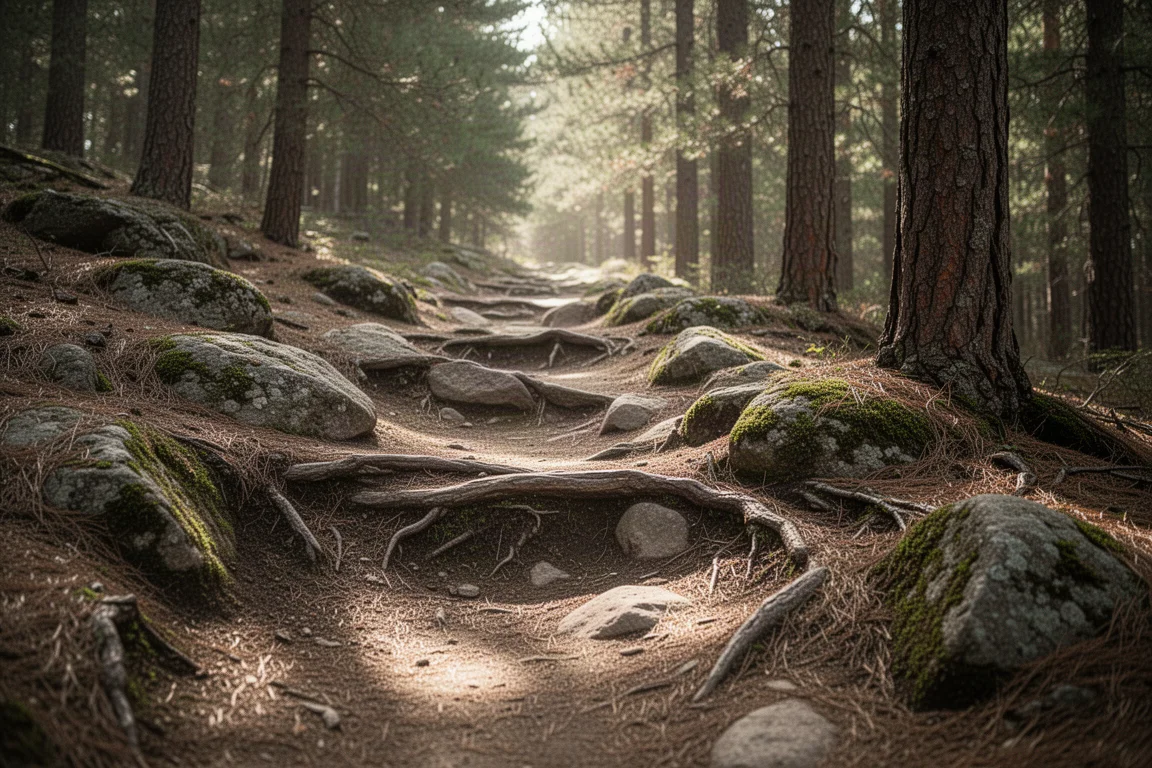
Cushioning is a personal trade-off rather than a straight upgrade. A moderately cushioned shoe with a stack height around 25 mm protects the foot on rocky ground and makes long road sections more comfortable, while a firmer, thinner ride lets you feel exactly what you are stepping on. Walkers who like to read the ground through their feet often prefer the firmer option; tender-footed hikers usually prefer more protection.
Two further factors are drying speed and durability. Shoes that drain and dry quickly are a real advantage on routes with frequent water crossings, and most trail runners reach the end of their useful support somewhere between 400 and 500 miles, after which the arch support fades and problems such as plantar fasciitis can return.
Altra Lone Peak 4.5: Zero Drop and a Wide Toe Box
The Lone Peak 4.5 defines the fit for a lot of long-distance walkers. It is a zero drop shoe, which means the toe and the heel sit at the same height from the ground, and it pairs that with a wide toe box that lets the toes splay the way they naturally want to. For anyone who has dealt with blisters under the toenails or ingrown nails after a long hike, that extra room is often the difference between finishing comfortably and limping into town.
It is a moderately cushioned shoe with a 25 mm stack height and grippy tread that holds well in wet and loose conditions. It also drains and dries quickly, which makes water crossings far less of a commitment than they are in a heavily padded shoe. Durability is solid, and each new generation has tended to fix the small weak points of the one before it, whether that was a toe tab peeling away or a hole wearing through the upper.
There are trade-offs. The Lone Peak is not the most comfortable shoe for road walking, because you can feel what is under your feet. That ground feel is a benefit on technical trail, where it helps you grip with your feet and tread carefully on slick rock, but it works against you on long stretches of pavement or on very rocky ground if you are tender-footed. The 4.5 typically sells for around $125, and it is often available at a meaningful discount.
Topo Athletic Terraventure 2: Cushion and Comfort on Road Walks
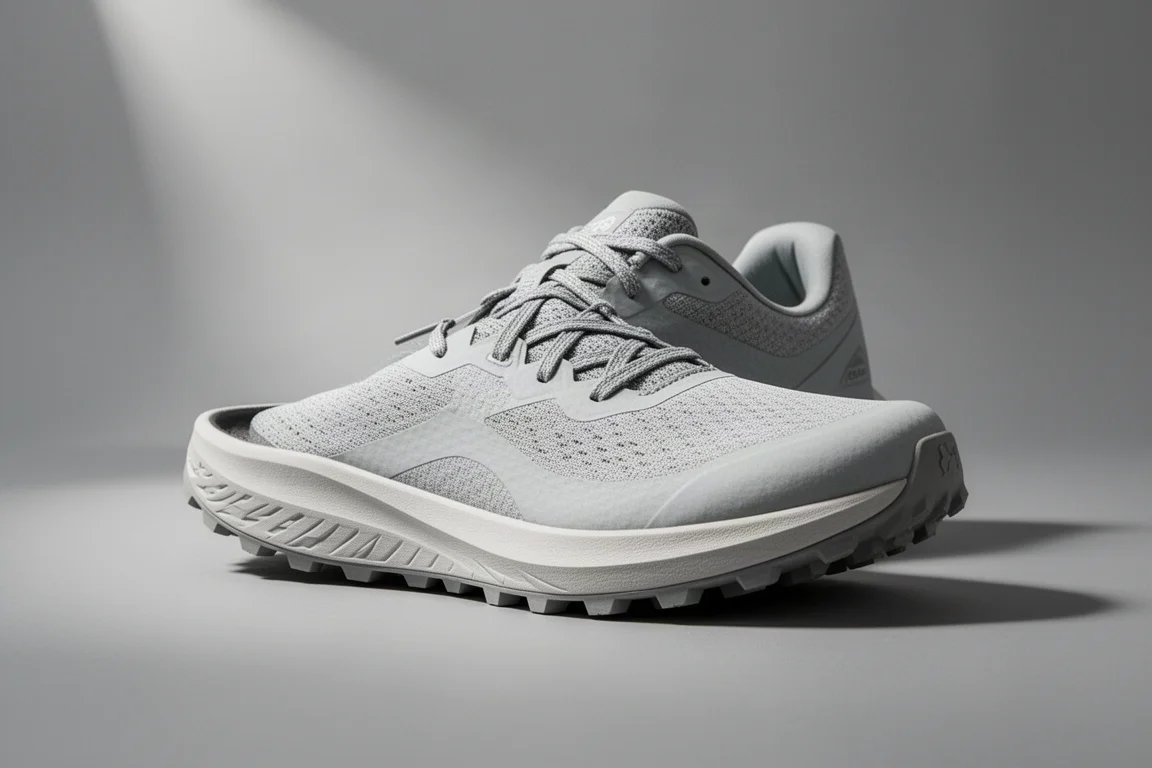
The Terraventure 2 is the closest thing to a direct rival to the Lone Peak. After roughly 100 miles of trail testing it showed very little wear, and its standout quality is comfort on road walks: it handles paved and hard-packed sections more comfortably than the Lone Peak and most other trail runners in this class.
It is not a zero drop shoe. There is a 3 mm drop between the heel and the toe, with the heel at 25 mm and the toe at 22 mm. That shallow offset did not cause any plantar fascia trouble, which suggests a small drop is easy to adapt to. The shoe is moderately cushioned, with a plusher ankle area than the Lone Peak, and the sole feels sturdier, so rocks are less noticeable underfoot.

The wide toe box gives toes the same room to spread, and it produced no ingrown toenail problems. The main compromises are water and styling. Because there is more cushioning, the Terraventure 2 holds onto water longer than the Lone Peak and takes more time to dry, though the breathable upper keeps that from being a deal breaker. The bigger complaint is appearance: the color selection is limited and the shoe is not especially attractive. The women’s versions are a little more appealing, but fit and function matter far more on the trail.
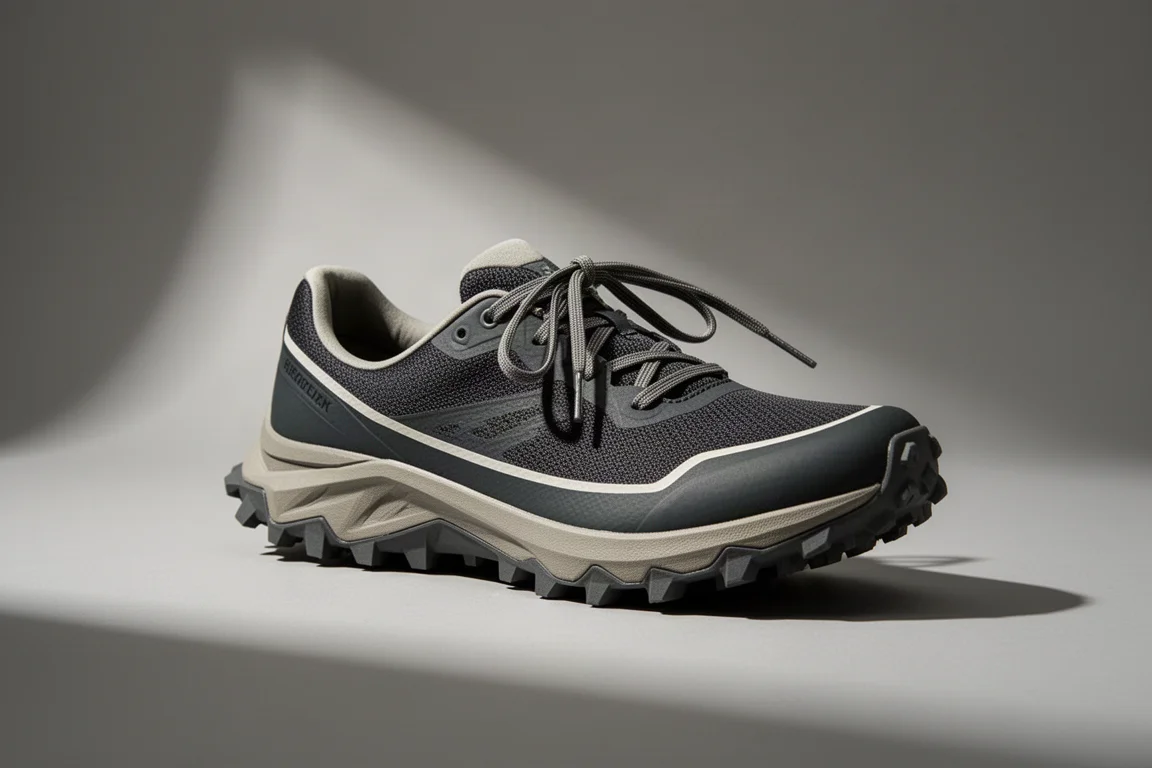
Inov-8 G260: Grippy Tread With Laces That Slip
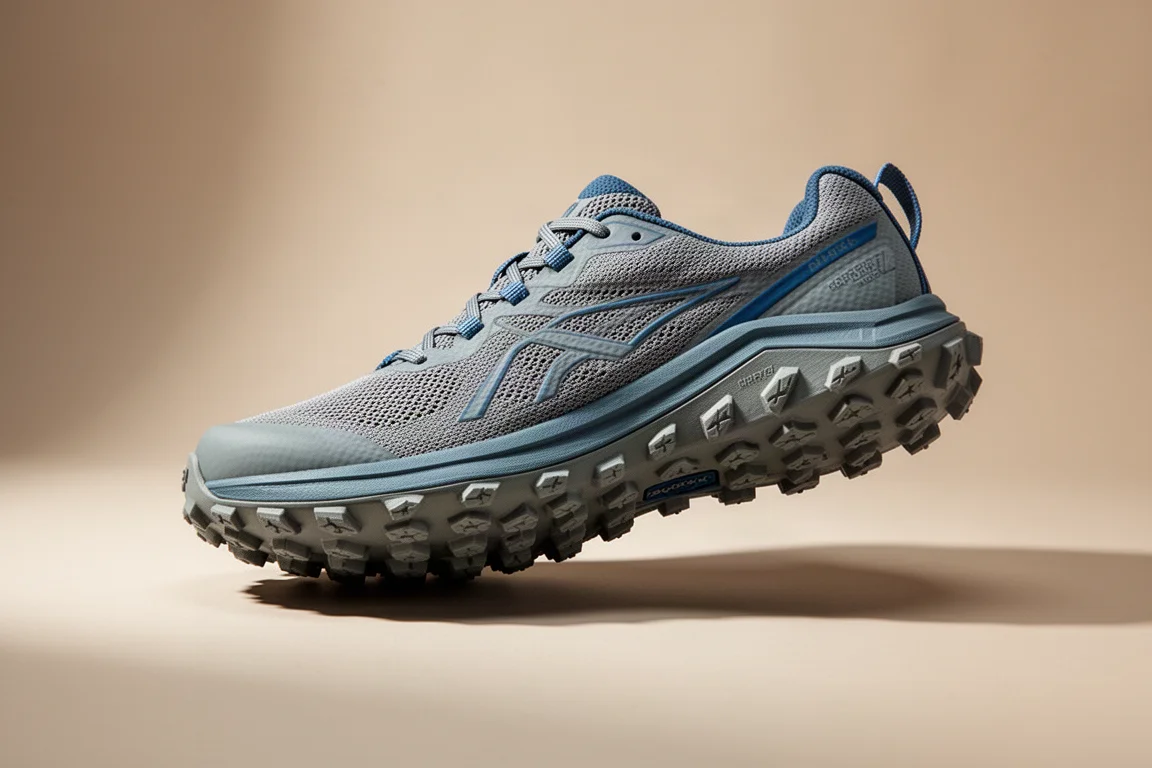
The G260 gets a lot right. The tread is genuinely grippy and the shoe looks good, with a clean shape that stands out from the more utilitarian options in this category. It is a quality shoe that will suit plenty of runners.
The frustration is the laces. They do not stay tied, which is the kind of small flaw that becomes a real annoyance over a long day out. Swapping in lock laces or double-knotting more carefully solves it, but it is worth knowing before you buy. The toe box is also more restrictive than the wide fit that makes the Lone Peak and Terraventure 2 so comfortable over distance.
Inov-8 G270: Tighter Lacing, Different Trade-Offs
The G270 fixes the lacing problem: the laces stay tight, which makes it a much less fiddly shoe to live with. It shares the quality construction of the G260 and the same general approach to grip.
The trade-offs show up elsewhere. The upper has a habit of wearing through ankle socks, so anyone who prefers low-cut socks may find it uncomfortable. There was also toe trouble toward the end of a long hike, with pressure on the left big toe and irritation around an ingrown toenail that did not appear in other trail runners. That kind of fit issue is individual, but it is worth testing carefully if you are prone to toenail problems.
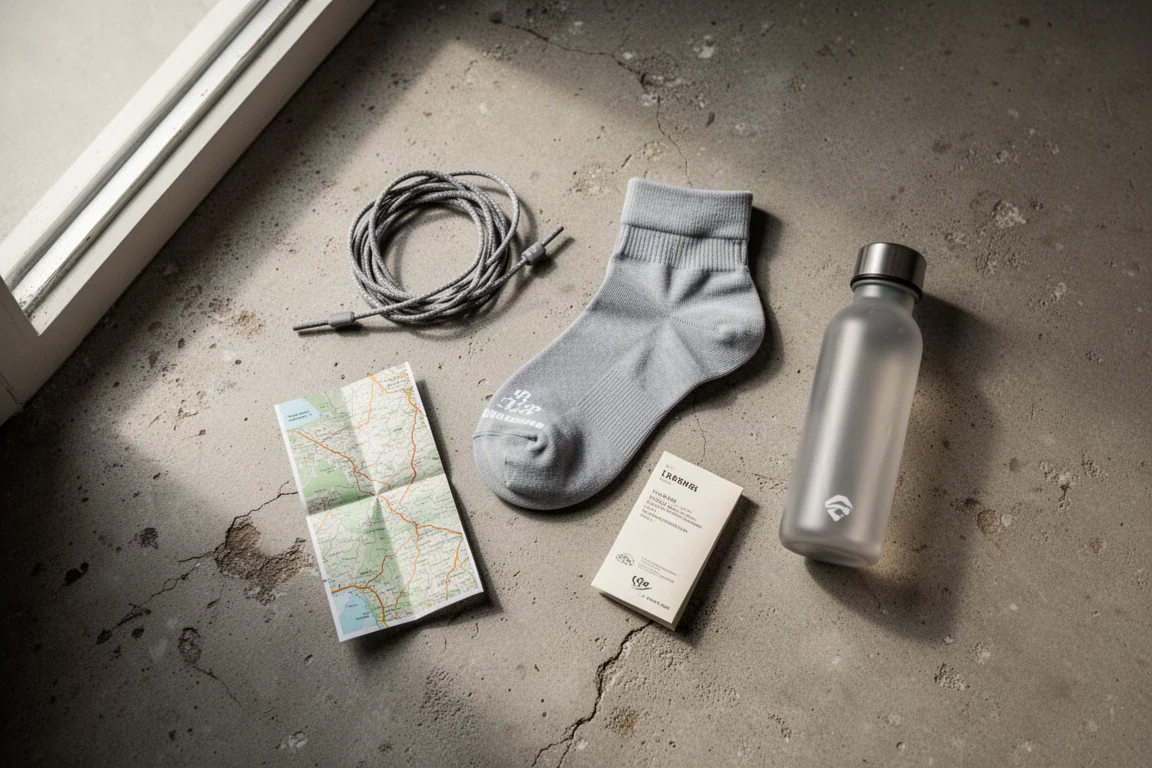
As with the G260, the G270 is a well-made shoe that will work well for some feet and not others. Neither Inov-8 model reached the top of this list, but both are reasonable choices for runners whose feet match their shape.
Matching the Shoe to the Trail
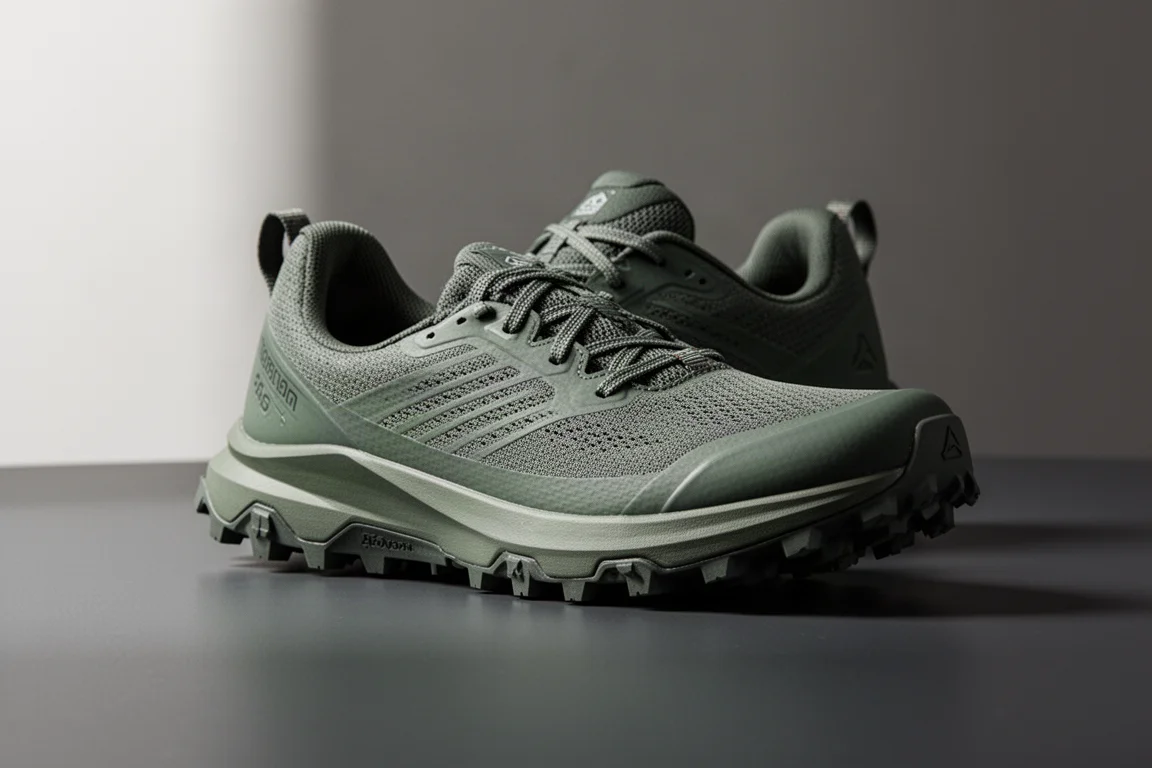
Terrain should drive the decision more than anything else. If your routes are mostly technical trail with rock, roots and slick surfaces, the Lone Peak’s ground feel and quick-drying build are an advantage: feeling the surface helps you place your feet and grip with them. If your routes include long road walks or hard-packed sections, the Terraventure 2’s sturdier sole and extra cushioning make those miles noticeably easier.
Water matters as well. On routes with frequent crossings or swampy ground, the faster-drying Lone Peak has the edge, which is exactly the kind of condition where quick drainage saves a day. The Terraventure 2 holds water longer, though its breathable upper keeps that from becoming a serious problem. Hikers who are tender-footed on rocky ground should lean toward the more cushioned option, while those who prefer to read the terrain through the shoe will be happier with the firmer ride.
Buying Advice Before You Commit
Plan on replacing trail runners somewhere between 400 and 500 miles. Once the support fades, the arch flexes more than it should and issues such as plantar fasciitis can return, so treating that mileage as the practical lifespan is a sensible approach rather than a pessimistic one.
It also helps to think in terms of a sequence rather than a single purchase. Wearing one pair through its full life before deciding on the next gives you a much clearer picture of how it wears, how it handles water, and whether the fit still works once the shoe is tired. If something fails earlier than it should, it is worth contacting customer service, which has been genuinely helpful in practice and matters a great deal to anyone spending long stretches on trail.
If you are weighing newer generations, note that a Lone Peak 5 now exists but has not been through the same long-distance testing, so the 4.5 remains the better-known quantity.
Conclusion
The Lone Peak 4.5 and the Terraventure 2 are close enough that the decision comes down to conditions: the Lone Peak for ground feel, fast drying and technical trail, the Terraventure 2 for cushioning, road walks and a plusher ride. Either one is a sound purchase. The Inov-8 G260 and G270 are worth considering for their grip and build quality, provided the lacing and the toe box suit your feet.
Further reading
Related Reviews
Trail Running Shoes
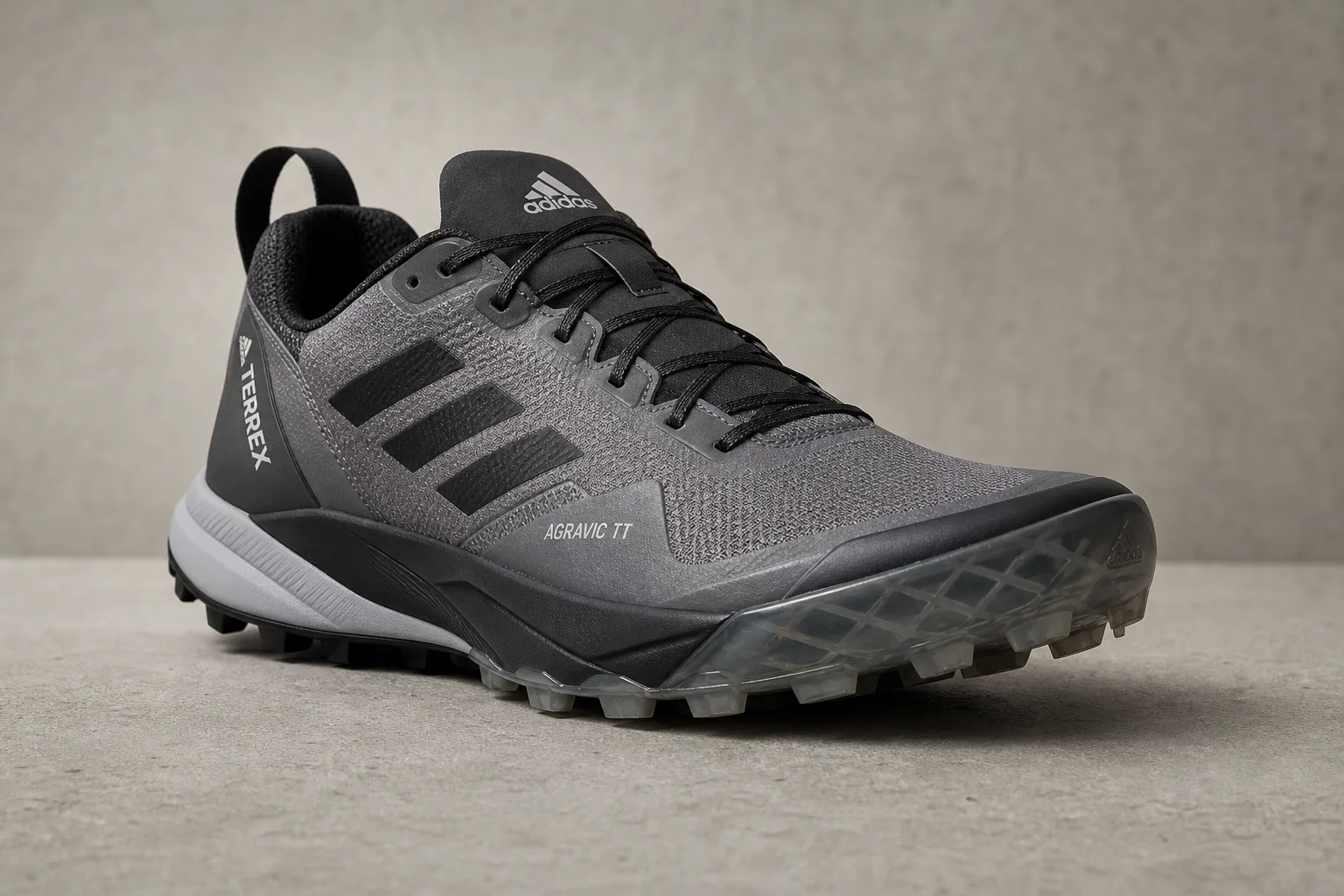
Adidas Terrex Agravic TT Review: A Technical Trail Shoe Built for Rocky Terrain
The Adidas Terrex Agravic TT combines a full-coverage rock plate with a firmer midsole to deliver protection and stability on technical, rocky trails. A capable choice for runners who prioritize underfoot defense over lightweight cushioning.
Trail Running Shoes
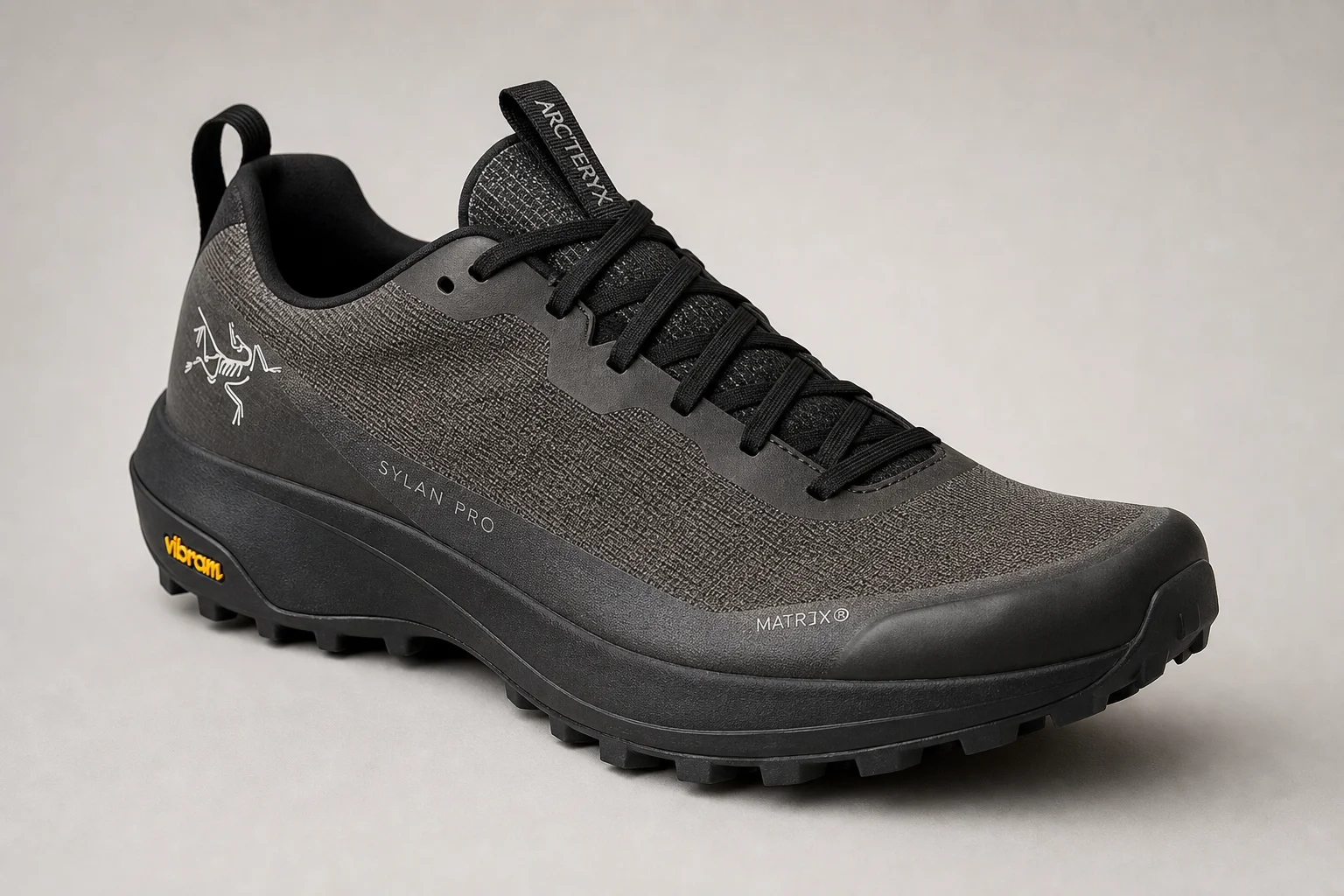
Arc'teryx Sylan Pro Review: A Rocker-Focused Mountain Running Shoe Tested on 20 Miles
The Arc'teryx Sylan Pro brings a pronounced rocker geometry and secure fit to mountain terrain. We tested it on a 20-mile Sawtooth loop to evaluate its climbing efficiency, protection, and handling of technical descents.
Trail Running Shoes
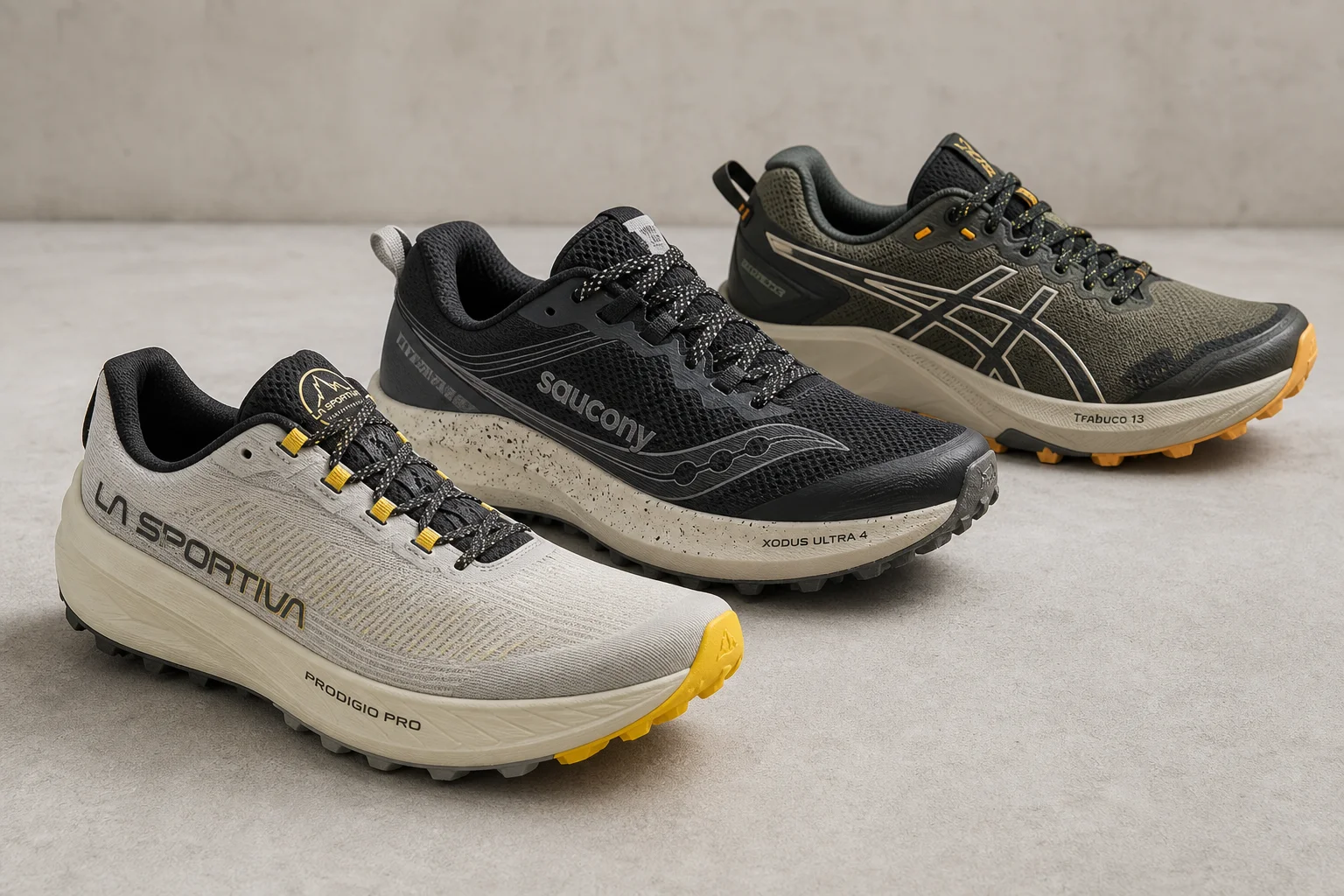
Best All-Mountain Trail Running Shoes: Three Versatile Options for Any Trail
A focused roundup of three all-mountain trail running shoes that handle technical terrain, long distances, and variable conditions with real strengths and practical trade-offs.