Running Shoes
Tracksmith Elliot Racer Review: A Racer With a Distinct Point of View
A 38 mm carbon-plated racer with a drop-in midsole, a snug precision fit, and a firmer ride than most race day shoes. Here is who it suits and who should look elsewhere.
Introduction
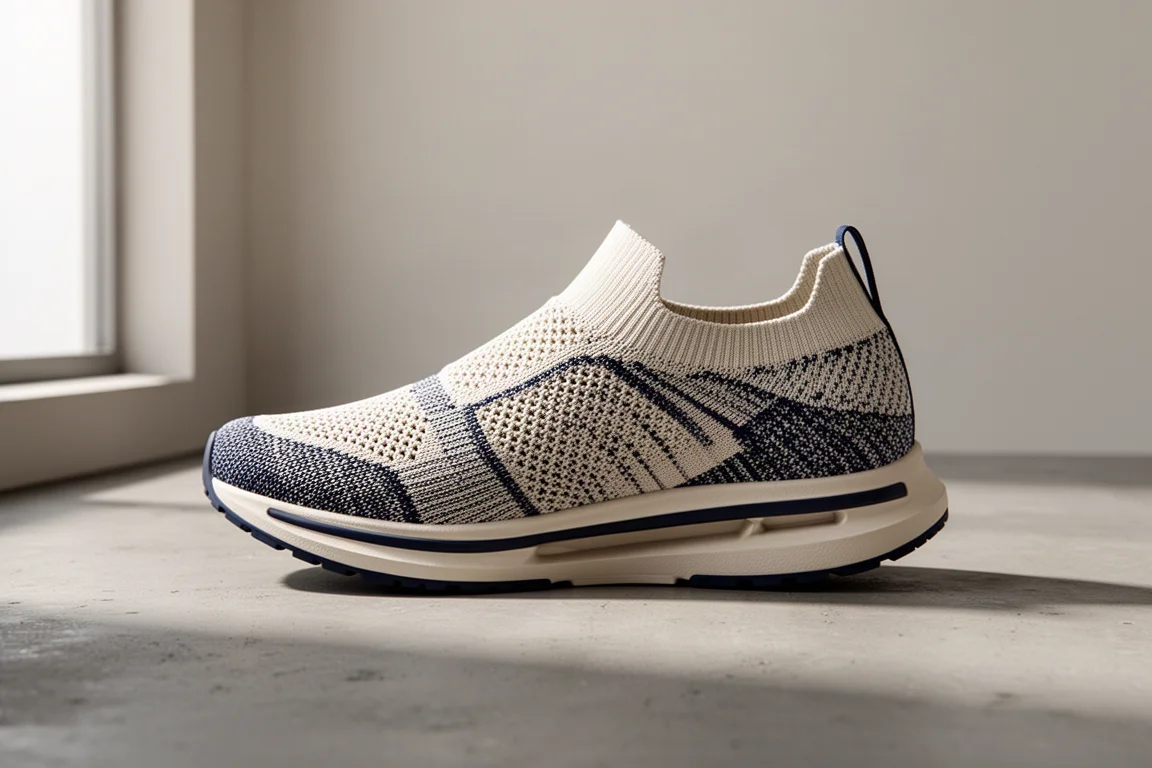
The Tracksmith Elliot Racer is the second shoe the apparel brand has released, following the Elliot Runner daily trainer. Tracksmith clearly has a strong point of view about what a race shoe should feel like, and the Elliot Racer delivers it with a precision fit and a construction approach you will not find everywhere. The question is whether it is good enough to appeal beyond the Tracksmith faithful. After running in it across marathon-to-threshold efforts, here is how it stacks up.
Who the Elliot Racer Is For
This is a racing and workout shoe with a clear idea of its own strengths. The fit is snug and precise, in the way European race products are often dialed in, and it will suit runners who want to feel in control of the shoe rather than be pushed by it. If your favorite efforts sit in the marathon effort to threshold range, this shoe cruises very well at those paces.
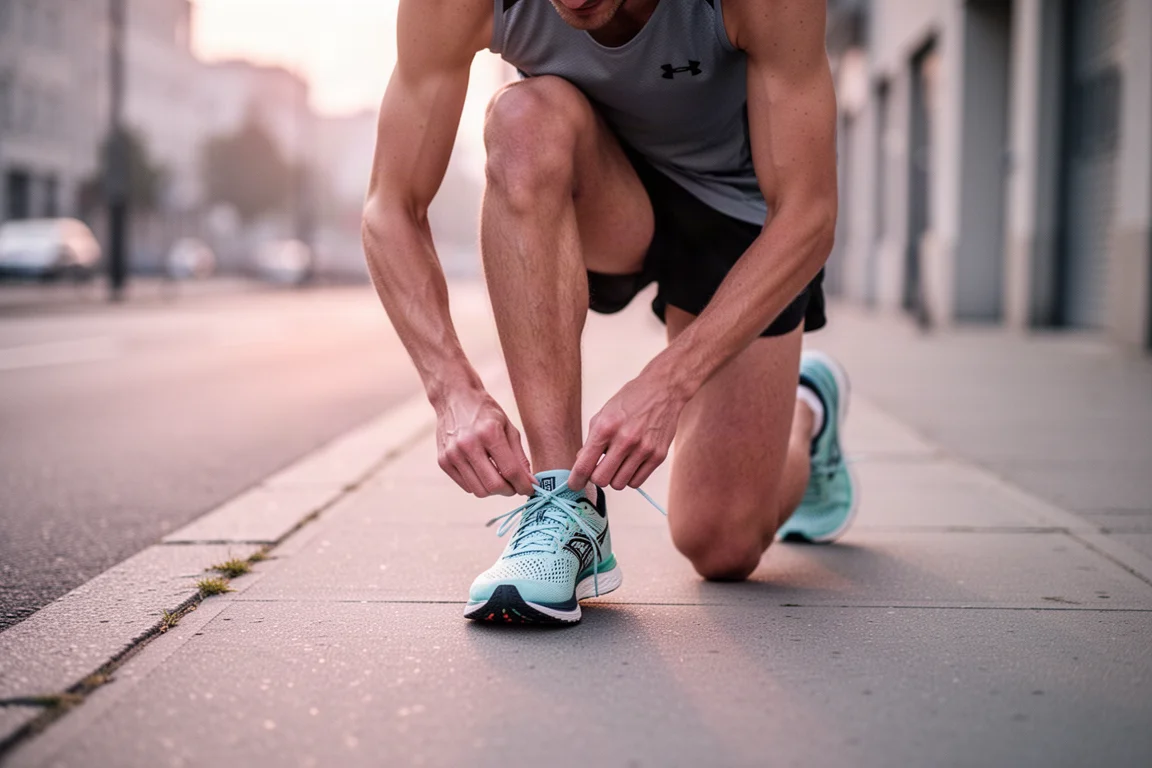
Runners chasing maximum squish should look elsewhere, but those who like a responsive, bouncy, firmer racer will find a lot to like.
Design and Drop-in Midsole Construction
On paper, the Elliot Racer uses a 38 mm heel stack with a 7.5 mm drop, which puts the forefoot at 30.5 mm. The midsole is built in three parts: a lower PEAX layer, an upper A-TPU layer, and a full-length carbon fiber plate between them.
The standout design feature is the drop-in midsole. Instead of standing on a thin insole over a strobel board, the drop-in unit slides into the shoe and your foot sits directly on midsole foam. Tracksmith’s own rationale is that it puts the foot as close to the good stuff as possible, with less glue and fewer construction elements taking up space inside the stack.
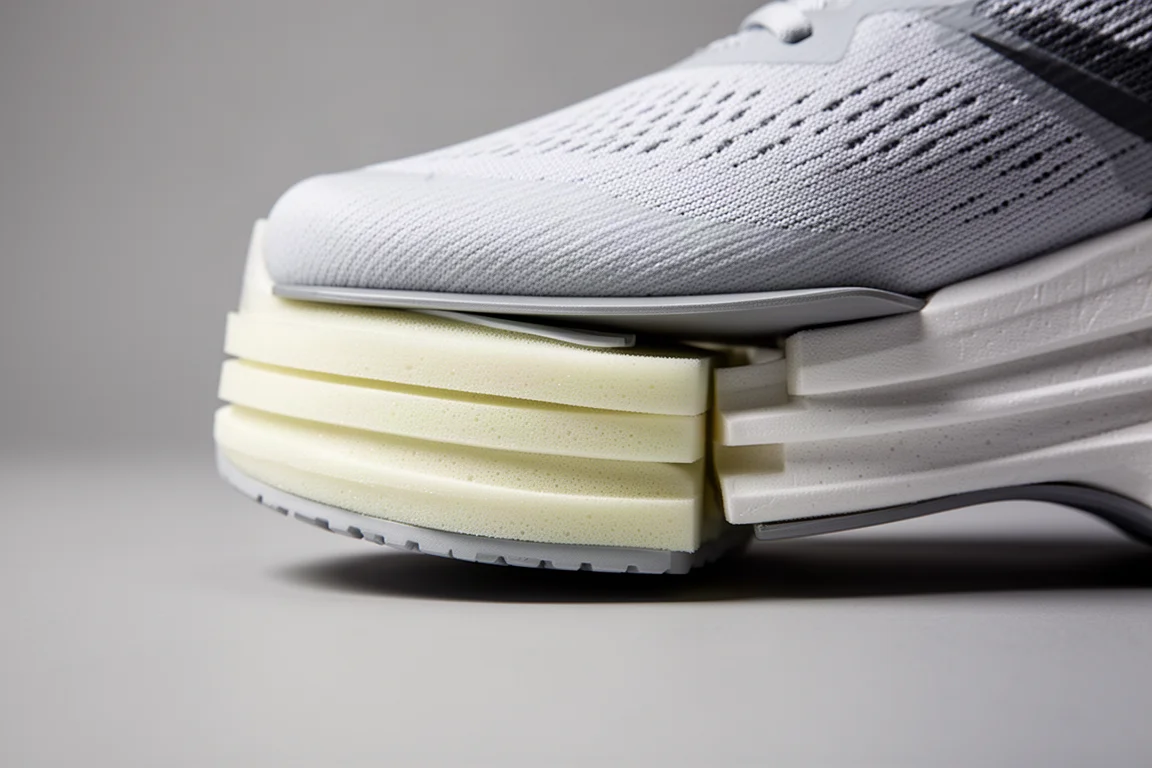
One practical note: unlike the Elliot Runner, this drop-in midsole is glued in and not removable, so the replaceability argument that sometimes surrounds drop-in designs does not apply here.
The upper carries the luxury trim. A micro suede lining inside the heel cup ends in a slight Achilles flare, the thin gusseted tongue keeps everything in place, and the Tracksmith sash works as both branding and a structural element to hold the foot. The outsole gets generous rubber coverage that is very thick where present, including an uninterrupted crash rail on the lateral side. The shoe weighs 7.7 oz or 218 g, reasonable for a racer, and our usual running shoe size worked well.
Ride and Performance
The ride is more firm than we would ideally like. The A-TPU top layer does not compress and decompress as dynamically as some foams, and that thick rubber outsole seems to mute some of the underfoot feel while contributing to the firmness. What you get in return is genuine responsiveness and bounce, exactly what you would expect from an A-TPU foam.

Do not let the understated look fool you. There is plenty of stack here, and the 38 mm heel is near the legal limit for racing shoes. It is a taller shoe than the earlier Tracksmith and Puma collaboration, and it feels as tall as its direct competitors. It simply does not feel as squishy, which fits the wider 2025 landscape where race shoes range from extremely soft to firm and responsive.
For a forefoot-biased stride with a large landing pad under the front of the shoe, it works very well. It never feels like the shoe is running you; you stay in command at race and tempo efforts.
Buying Advice and Alternatives
At $280, the Elliot Racer is priced like the premium racers it competes with, and you are paying a Tracksmith price for a Tracksmith product. For most runners, it will likely be a training companion alongside another favorite race shoe rather than a wholesale replacement, though some will absolutely switch.
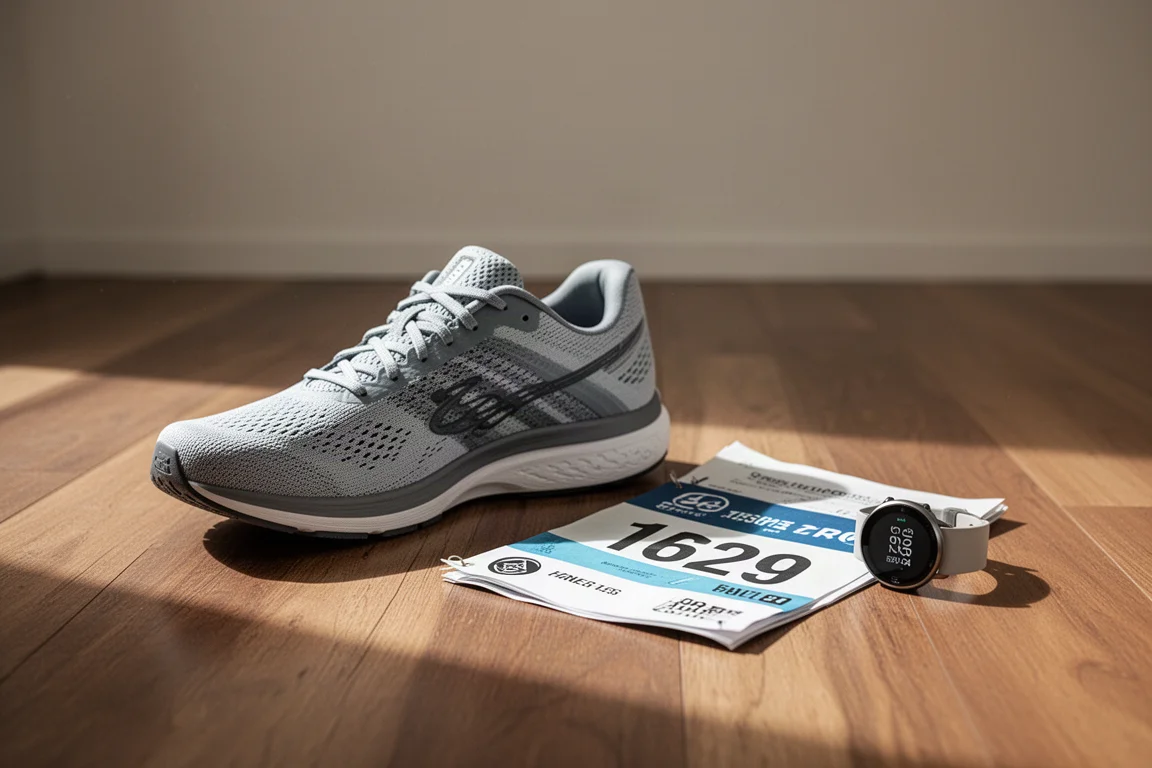
The most natural comparison is the On Cloudboom Strike, the other race day shoe using a drop-in midsole. Both are built for race day, both have tailored upper fits, and both cost $280. The geometries differ slightly: the Cloudboom Strike leans toward midfoot strikers, while the Elliot Racer suits a more forefoot strike. Runners preferring a softer, squishier experience should also try the Saucony Endorphin Elite 2, one of the softest race shoes available.
Conclusion
The Tracksmith Elliot Racer is far better than you might expect from an apparel brand’s second shoe. It offers a distinctive drop-in midsole, a precision luxury fit, a full-length carbon plate, and a tall but firm, bouncy ride. It is not for everyone, but runners whose tastes align with a firmer, more controlled racer will find it a genuinely compelling race day option.
Product link
View more details for Tracksmith Elliot Racer
This product is mentioned in the review. Check the specifications, options, and compatibility before buying.
View more details for Tracksmith Elliot RacerFurther reading
Related Reviews

Running Shoes
Best Road-to-Trail Running Shoes: Three Versatile Options for Mixed Terrain
A practical guide to three road-to-trail running shoes that handle both pavement and mild trails, with clear strengths and trade-offs for different runner types.

Running Shoes
Best Running Shoes for Achilles Tendonitis: Three Options Explained
Three running shoes with different heel drops and support features designed to help reduce Achilles tendon pain during walking and running.

Running Shoes
Best Running Shoes for Women: Five Top Choices Ranked
A ranked guide to five women's running shoes, from versatile daily trainers to high-performance racing options, with real strengths and trade-offs for each.