Running Shoes
Tracksmith Eliot Racer Review: A Softer Take on Race Day
Tracksmith's first race day shoe blends premium comfort with a clever replaceable insole, but it trades some propulsion for that plushness.
Introduction
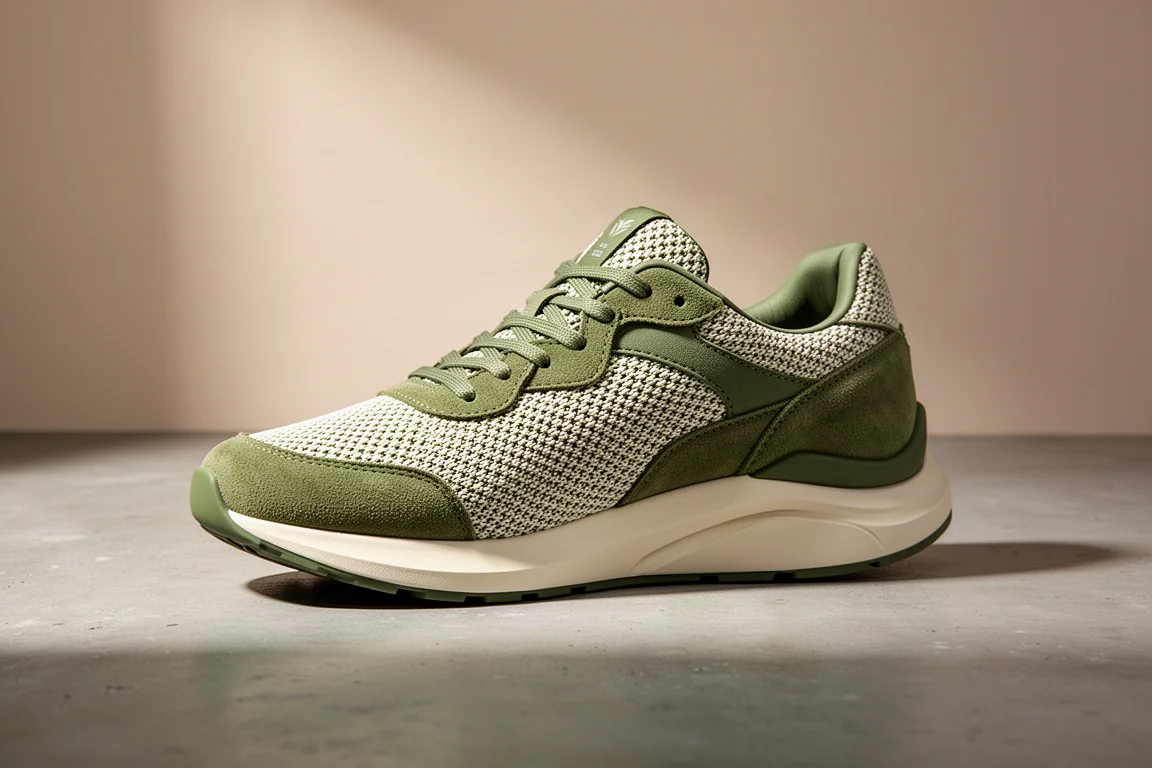
Tracksmith’s first race day shoe has been a long time coming, and the Eliot Racer finally arrives with a clear idea of what it wants to be. Rather than chasing maximum plate aggression, it leans into comfort, build quality, and a genuinely premium feel, which makes it an interesting option for runners who want the race day experience without the razor-edge ride of the fastest super shoes.
Upper and Fit: Where It Wins You Over
The Eliot Racer looks like a Tracksmith product immediately, and the suede collar is the detail that sells the step-in feel. It has real structure and padding around the heel and collar, which is unusual in a race shoe where uppers are usually stripped down as an afterthought. The engineered mesh breathes well over the vamp, and the logo overlays do a good job of locking the foot down. Fit is true to size, and the stretchy gusseted tongue stays put without any rubbing or hot spots.

The rubber-beaded laces hold a knot well without the sawtooth design some newer race shoes use. One minor caveat: the gusseted tongue can stretch slightly when you remove and replace the insole, so you need a little care doing it. Long runs in this shoe, including an 18-miler, left feet feeling fantastic, which says a lot for a shoe with race day intentions. Weight sits right in the race shoe zone: 8.36 oz (237 g) for a men’s 10.5 and 6.12 oz (172 g) for a women’s 7.5, in line with shoes like the Saucony Endorphin Elite 2 and Diadora’s carbon racers, though not down at the lightest tier.
The Removable Insole and Dual-Density Midsole
The standout design feature is the aliphatic TPU drop-in insole, the same material used in some Diadora race shoes. It is substantial, not a thin trim piece, and it gives the shoe a high-rebound, bouncy feel. The midsole stacks up at 38 mm in the heel and 30.5 mm in the forefoot for a 7.5 mm drop, and it looks slimmer from the side than it actually is once you press into it.
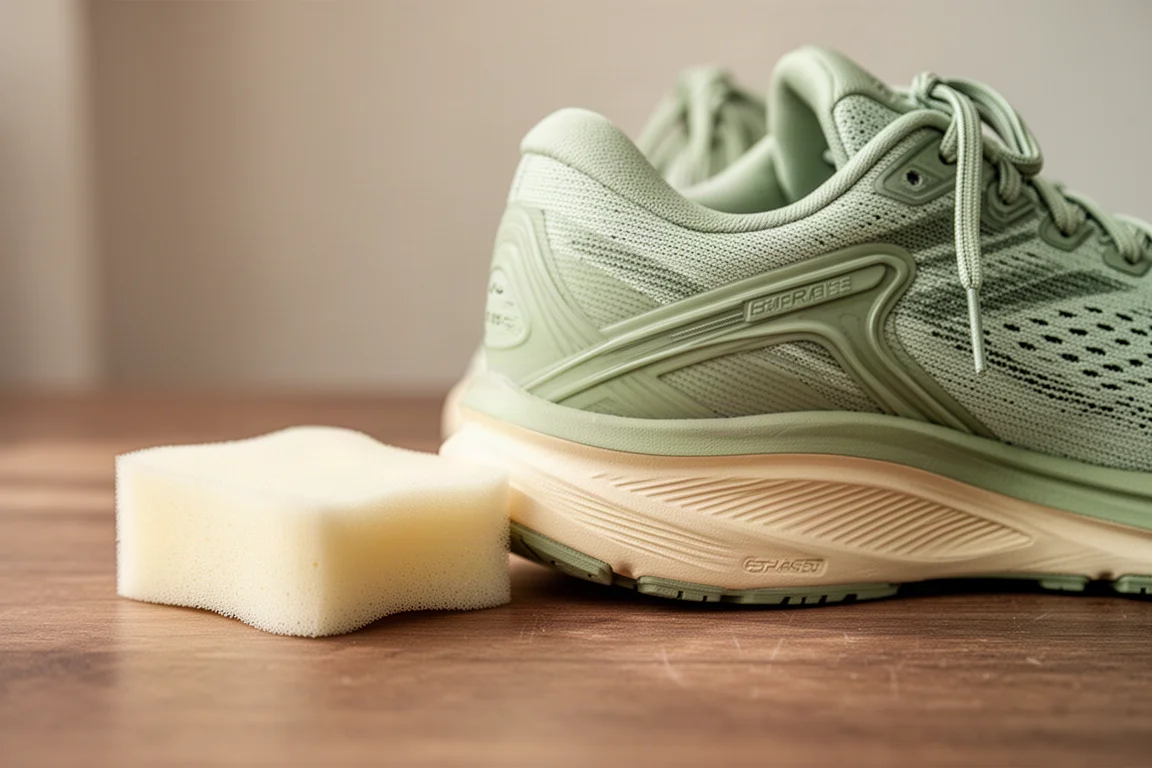
Tracksmith’s pitch is that you can train in the shoe and swap in a fresh insole for race day, effectively extending the shoe’s life and restoring that bouncy feel. Conceptually it is a clever idea, though realistically most people probably won’t want to race in a worn, dirty upper even with a fresh insole underneath. Whether you treat it as poetic patina or a problem is a matter of taste.
How It Rides: Comfortable, Not Aggressive
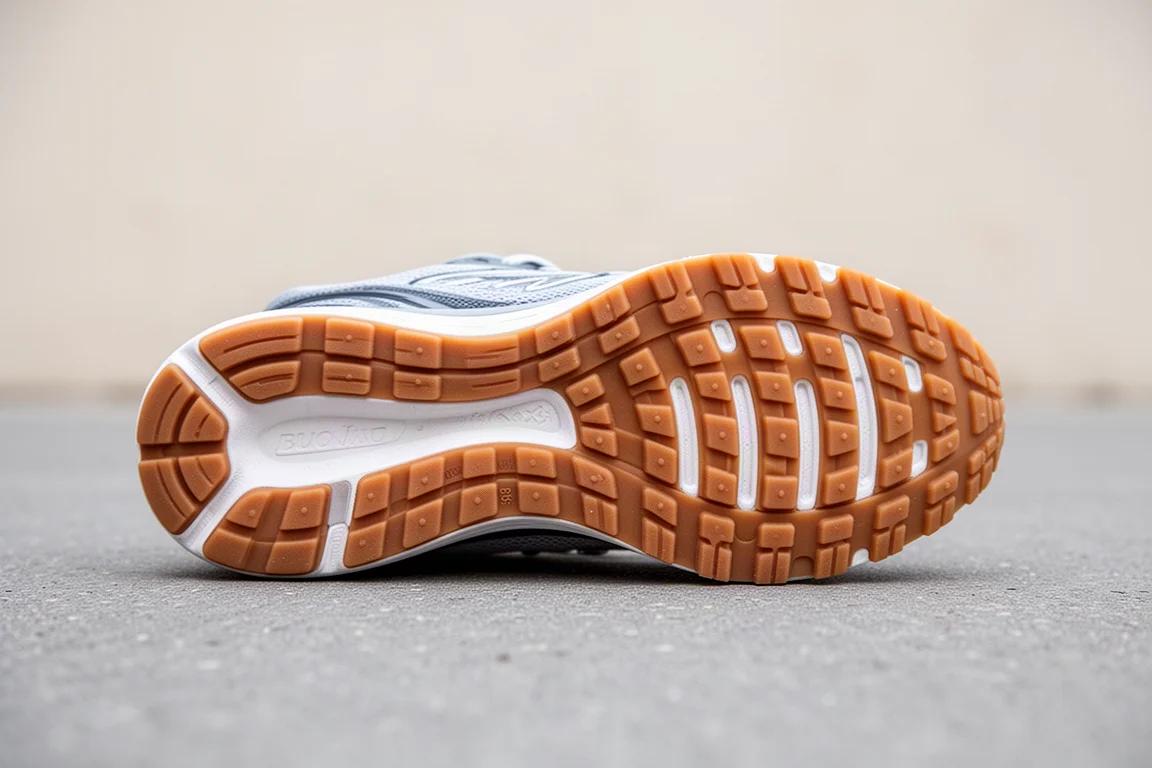
Underneath the insole sits a full layer of real PEBA foam with a visible carbon plate, plus full rubber coverage on the outsole. That durability-minded construction, along with the supportive upper, gives the shoe a slightly more daily-trainer character than a typical racer.
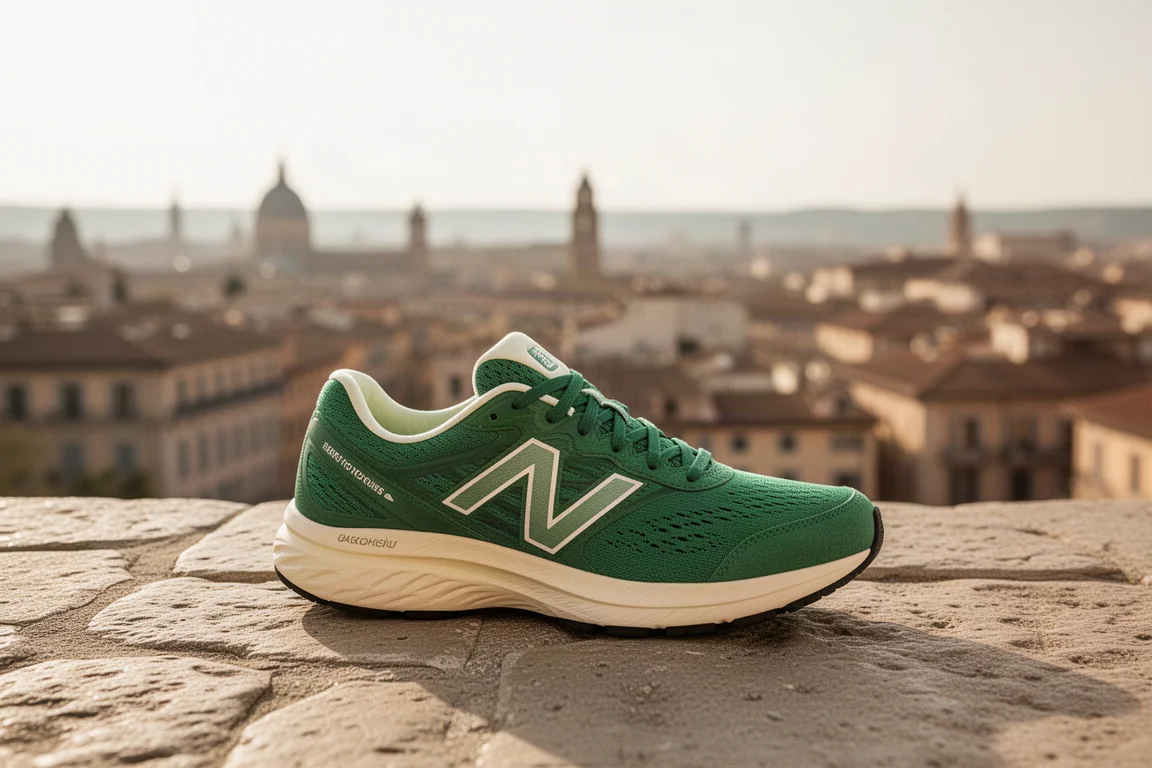
The trade-off shows up in the ride. The plate sits a little further from the foot than in the most aggressive race shoes, and it is not especially stiff, so plate activation is muted. The toe spring is fairly flat, so you don’t get the strong rocker kick off the toe that shoes like the Vaporfly deliver. It still moves well when you pick up the pace; it just lacks that sensory pop at toe-off. The upside is that it is a smooth, forgiving roll, which makes it a genuinely beginner-friendly entry into race day shoes.
Who Should Actually Buy It
The Eliot Racer works best as a comfortable, accommodating marathon shoe for runners who want to feel like it is race day without committing to the most aggressive super shoe geometry. If you are chasing a personal best at the front of the pack, it is probably not the first pick, but for a runner targeting a solid marathon time who finds something like the Vaporfly too minimal or intimidating, this is a very easy recommendation. It sits in the same accommodating zone as the SC Elite v4 or the original Celero X1, but it is much lighter than either.
Conclusion
With a final score of 13/15 (Form 5/5, Fit 5/5, Function 3/5), the Tracksmith Eliot Racer earns high marks for looks, fit, and comfort, with the only real caveat being that its ride is softer than the fastest race day options. At $280, it is a premium purchase, but for the right runner it could be the magic race day shoe: comfortable enough for the full distance, quick enough when you need it, and built with real care.
Product link
View more details for Tracksmith Eliot Racer
This product is mentioned in the review. Check the specifications, options, and compatibility before buying.
View more details for Tracksmith Eliot RacerFurther reading
Related Reviews

Running Shoes
Best Road-to-Trail Running Shoes: Three Versatile Options for Mixed Terrain
A practical guide to three road-to-trail running shoes that handle both pavement and mild trails, with clear strengths and trade-offs for different runner types.

Running Shoes
Best Running Shoes for Achilles Tendonitis: Three Options Explained
Three running shoes with different heel drops and support features designed to help reduce Achilles tendon pain during walking and running.

Running Shoes
Best Running Shoes for Women: Five Top Choices Ranked
A ranked guide to five women's running shoes, from versatile daily trainers to high-performance racing options, with real strengths and trade-offs for each.