Running Shoes
TR 2025: Every Brand's Best New Running Shoe
A full walk through the trade show floor: 24 new running shoes from the biggest and smallest brands, what changed, and what is actually worth watching in 2026.
Introduction
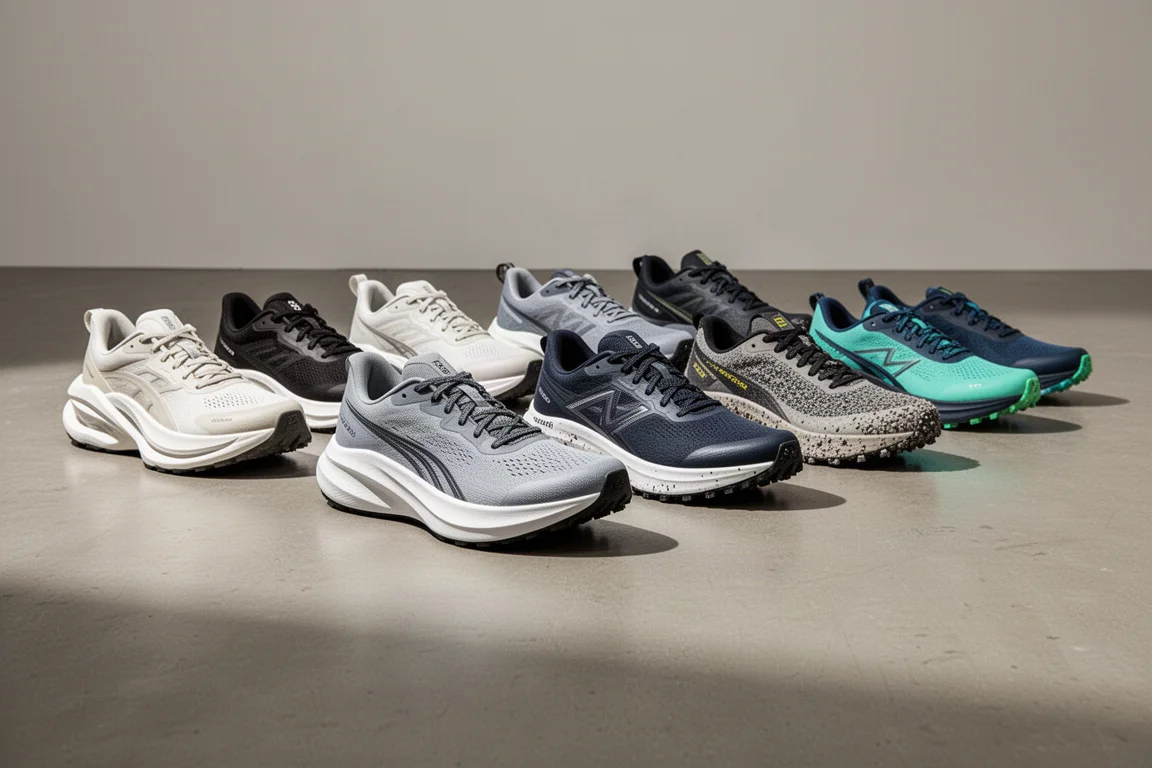
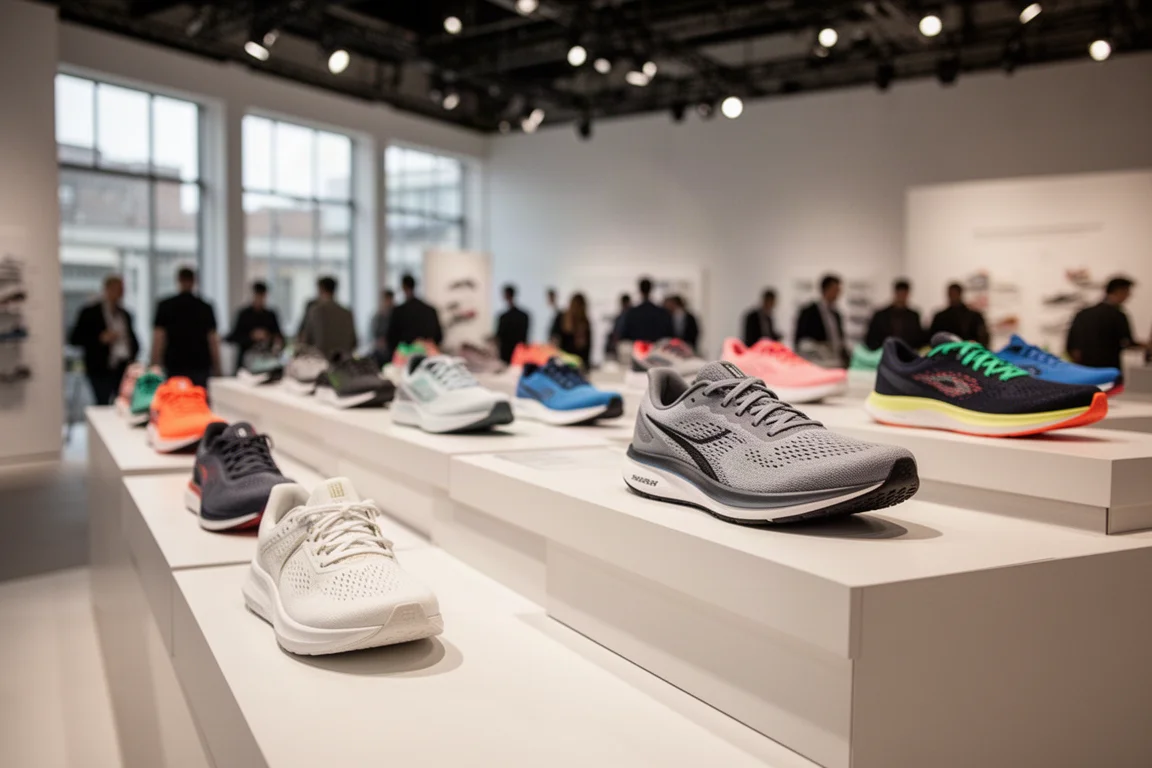
The Running Event is one of the biggest trade shows in the running industry, where performance brands show off their new daily trainers, race shoes, and everything in between. This year’s floor delivered a clear picture of where running shoes are headed in 2026: lots of solid, well-executed evolution, a few genuinely interesting new ideas, and no single earth-shattering breakthrough.
We spent the day working booth to booth through the shoe brands, big and small, focusing on the models the running community is most excited about. Here is every brand’s best new shoe, plus the trends that defined the show.
Five Big Takeaways From the Floor
1. Saucony won the show. They brought the most new shoes, listened to consumer feedback, and are evolving their core franchises without losing what made them great. Expect a big 2026.
2. Aliphatic TPU is the new frontier. From Puma to Saucony, Skechers, and brands you would not expect, supercritical aliphatic TPU is everywhere. That said, PEBA is not dead yet: Saucony and Mizuno are still using it in their race shoes.
3. Shaped and slotted plates are trending. Think of a spoon versus a fork: plates that articulate differently because of how cut out they are. Saucony’s articulated plate in the Endorphin Pro 5 and Skechers’ H plate in the new Razor are the clearest examples.
4. Innovation is evolutionary, not revolutionary. Most of what was shown builds on existing foams and constructions. Major breakthroughs tend to come every three to five years, and 2026 looks like a refinement year.
5. Max cushion is booming. The hottest segments were max cushion shoes and elevated daily trainers with race foam, while carbon racing shoes seemed to cool off.
ASICS Nimbus 28
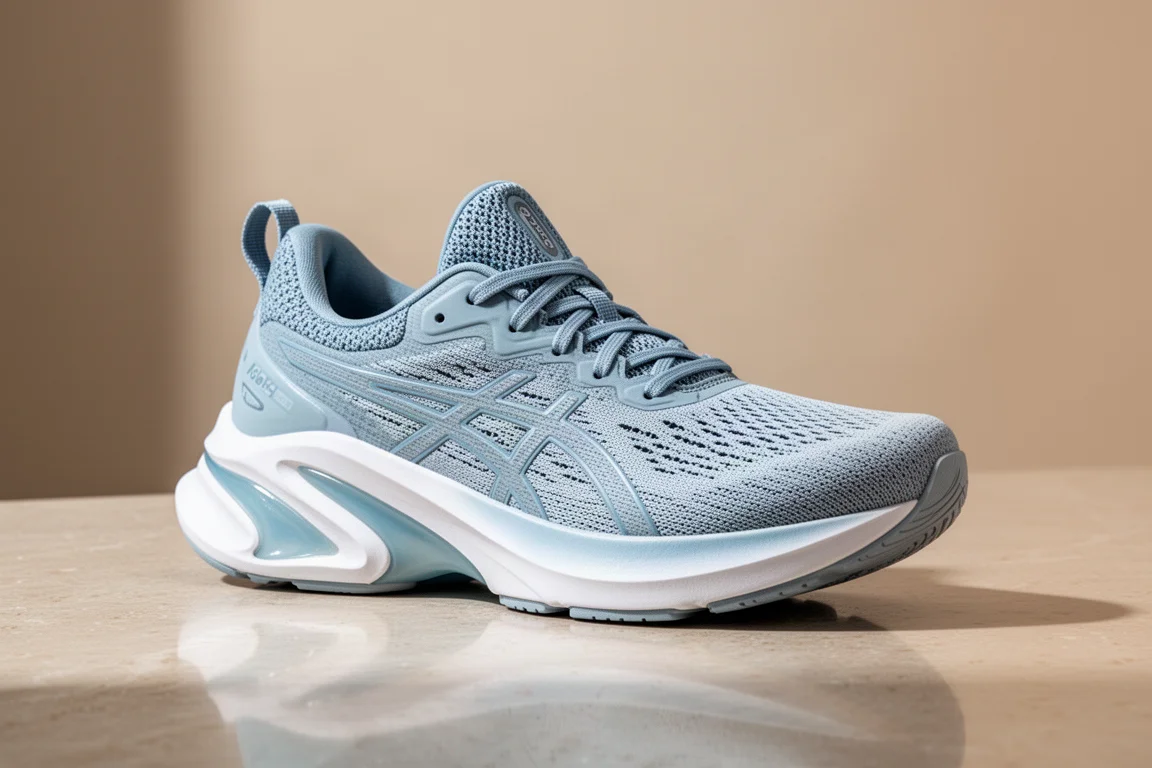
ASICS kept things typically quiet, with the Nimbus 28 as the only new shoe on the floor. It looks like a lighter version of the Nimbus 27 using the same FF Blast Plus foam compound, which is good news for anyone who already loves the franchise as a comfortable max-stack daily trainer and casual shoe. The Nimbus line has been one of the most consistently well-liked franchises in recent years, and the 28 seems positioned to continue that streak.
Brooks Ghost AMP
The Ghost AMP is a brand-new shoe designed to be a Novablast competitor: a peppy, lightweight daily trainer. Full specs were thin on the floor, but the positioning is clear and it looks like a serious entry into one of the most competitive daily trainer categories.
Brooks Glycerin Flex
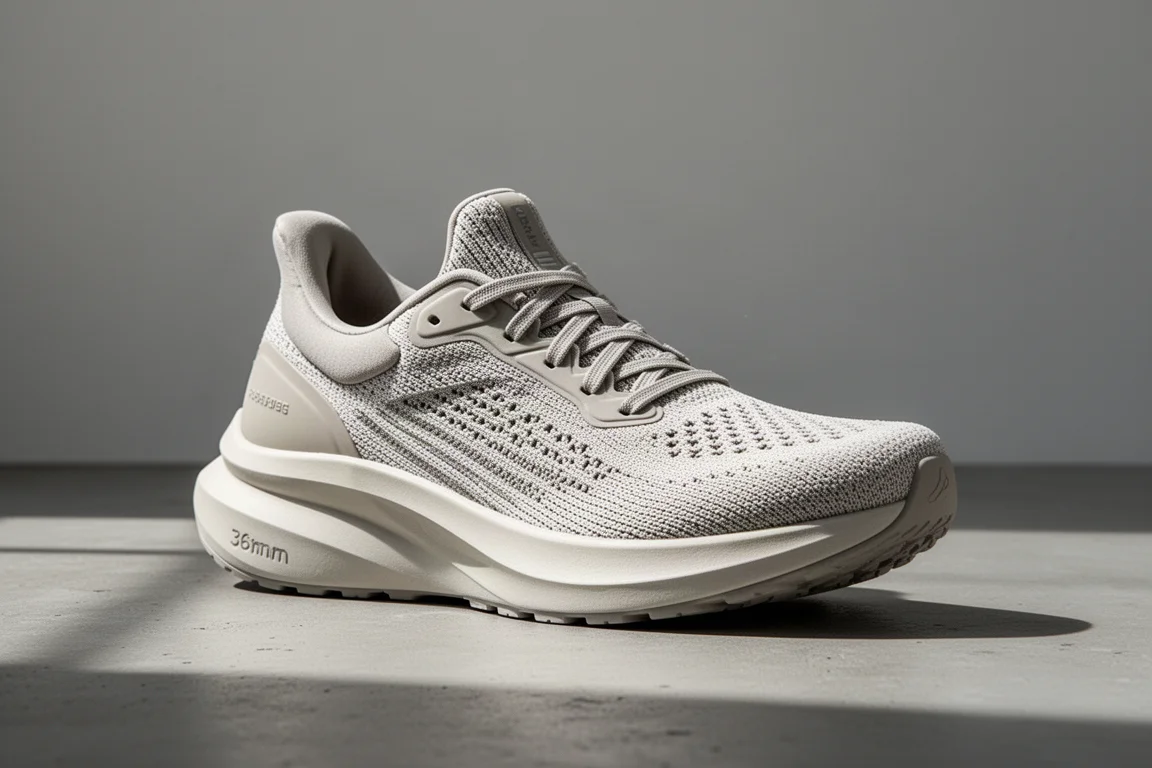
The Glycerin Flex channels an old-school Nike Free Run vibe modernized for 2026. It sits lower to the ground at 36mm in the heel and 30mm in the forefoot, with lots of flex and more cushion than those classic flexibility-first shoes. If you miss the feeling of a flexible, grounded daily trainer, this is one to watch.
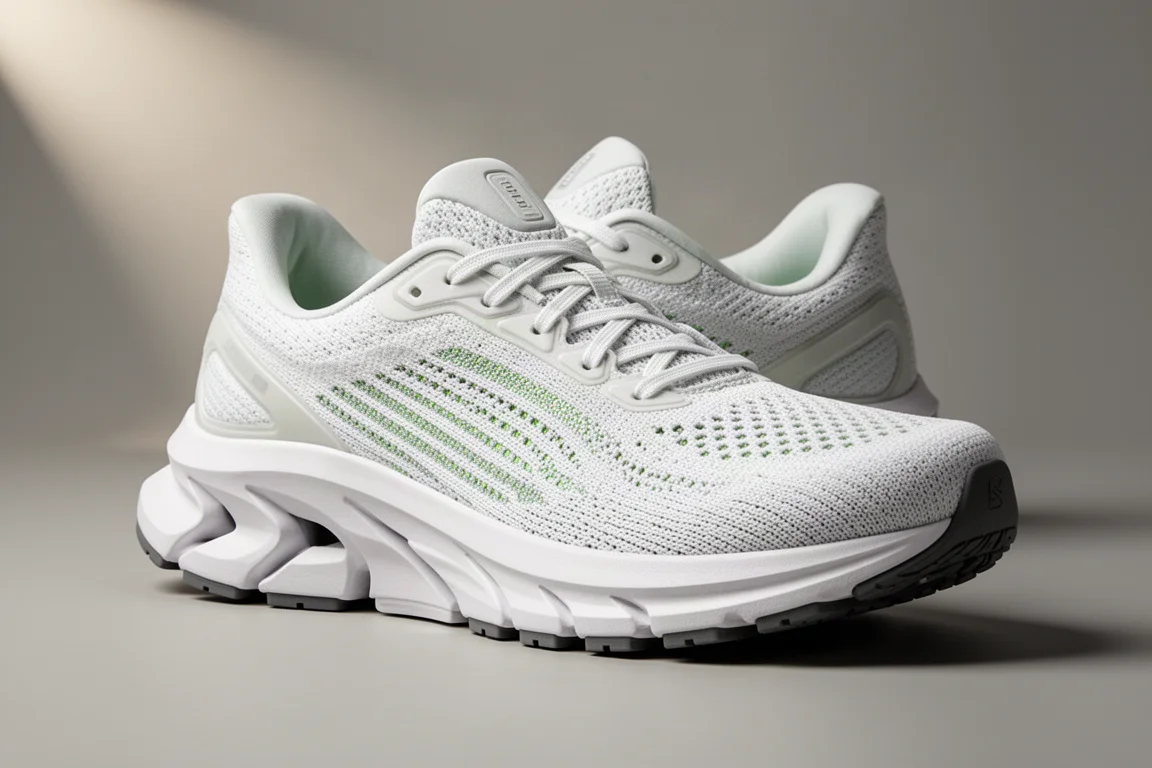
Brooks Hyperion Elite 6
The Hyperion Elite 6 gets a super soft PEBA midsole that feels noticeably softer under thumb pressure than the Hyperion Elite 5. Brooks is one of the brands still holding on to PEBA while much of the industry shifts toward aliphatic TPU, and the softer tuning should give their race day line a plusher ride.
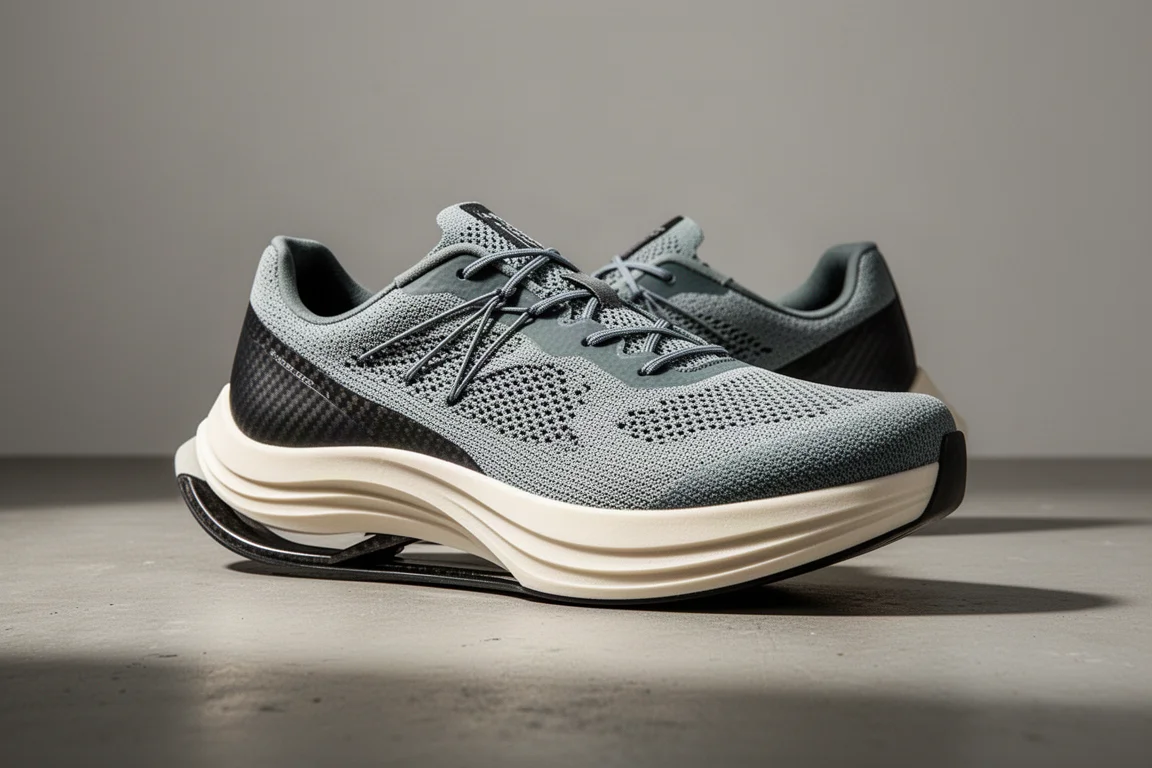
Craft Atmos Far
Craft is doing something they have never done before with the Atmos Far: a 50mm stack shoe in the heel built on supercritical TPE. It is designed to go after the MagMax and Glycerin Max type of shoe, high stack with bounce. If the fit and foam land in the right zone, this could easily become a fan favorite.
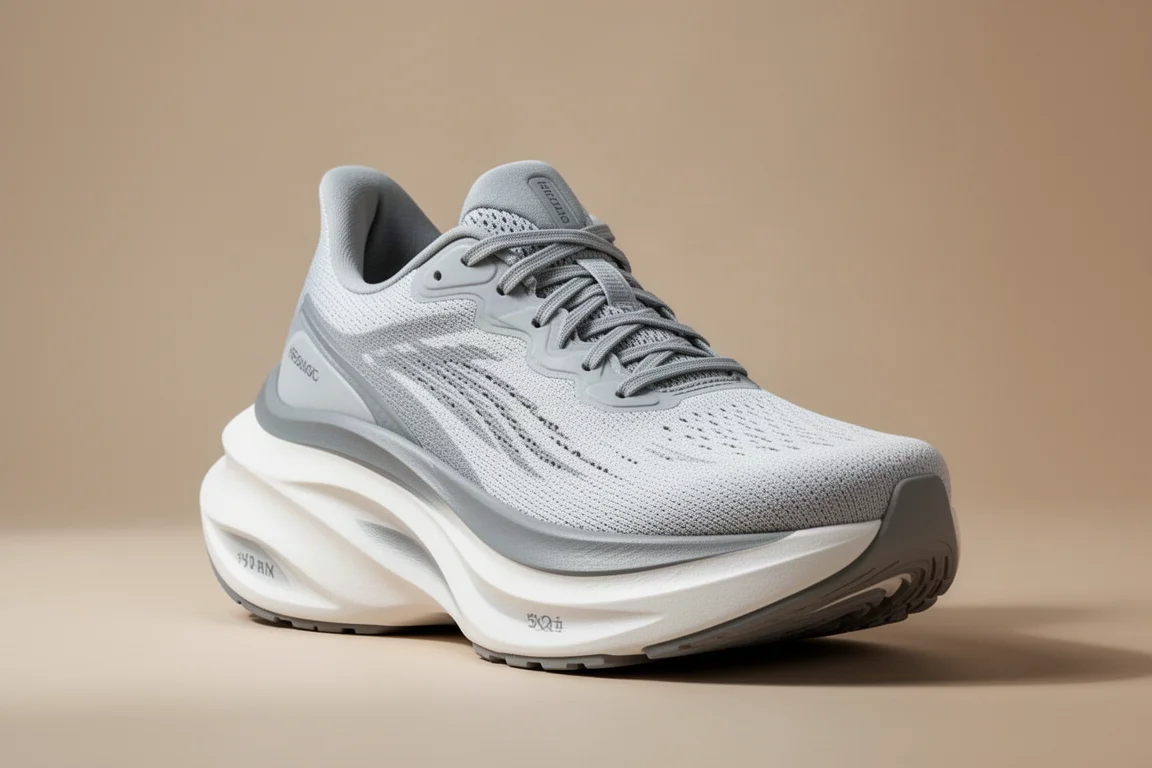
Diadora Garbon 3
Diadora teased the Garbon 3 as a raw prototype straight from the designer’s desk, complete with handwritten notes. It is getting significantly lighter, has a cutout in the foam on the bottom, stays with PEBA, and keeps the aggressively scooped plate developed with Ducati. Expect a very aggressive ride with plenty of foam above the forefoot, continuing the character of the Garbon OG and 2.
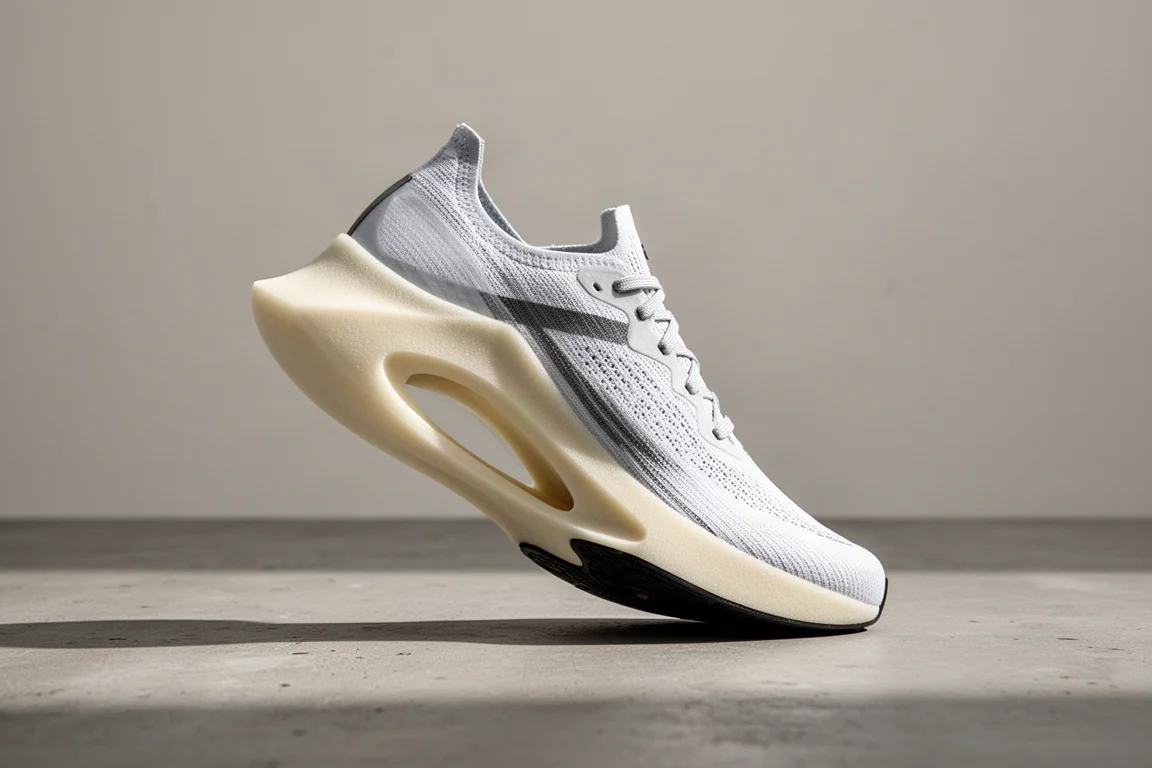
Hoka Mach 7 and Clifton 11
Hoka did not bring as much new product as hoped, with the Mach 7 and Clifton 11 as the road highlights. The Mach 7 keeps the same supercritical EVA formula as the excellent Mach 6 rather than moving to PEBA or aliphatic TPU like many competitors. It is a safe update to a shoe that did not need a dramatic change, even if the franchise could use a fresh direction.
Hylo Impact
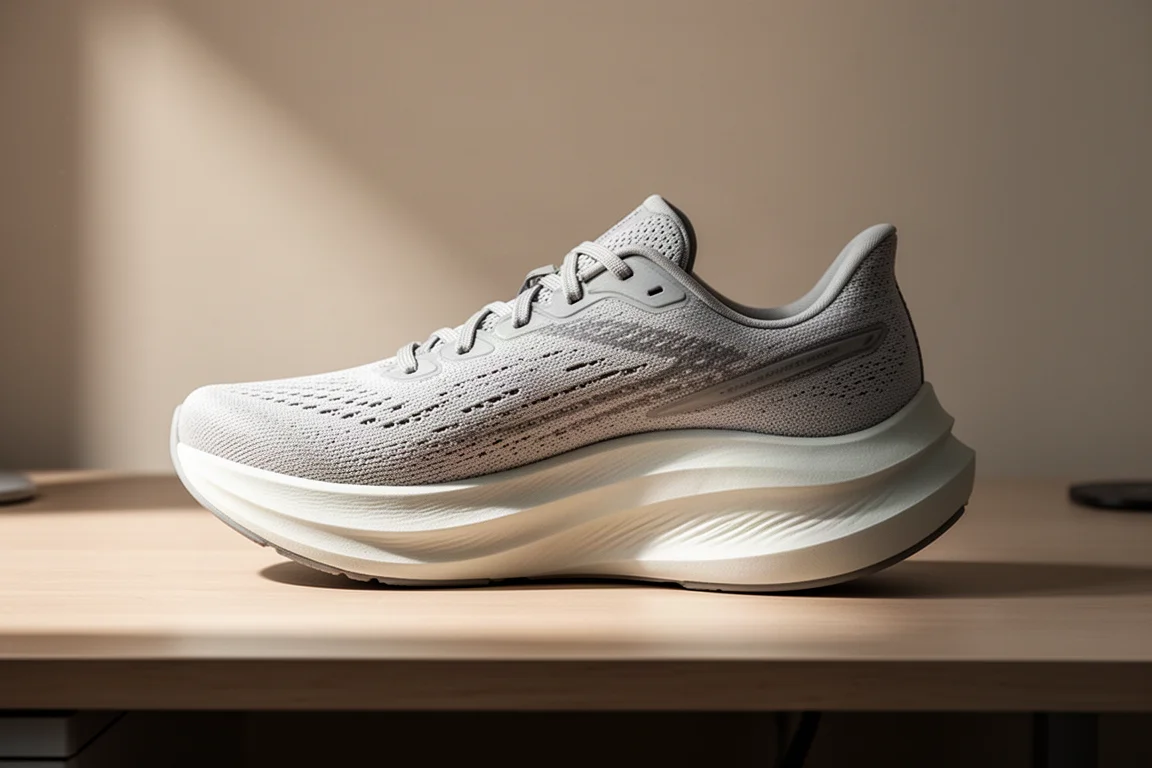
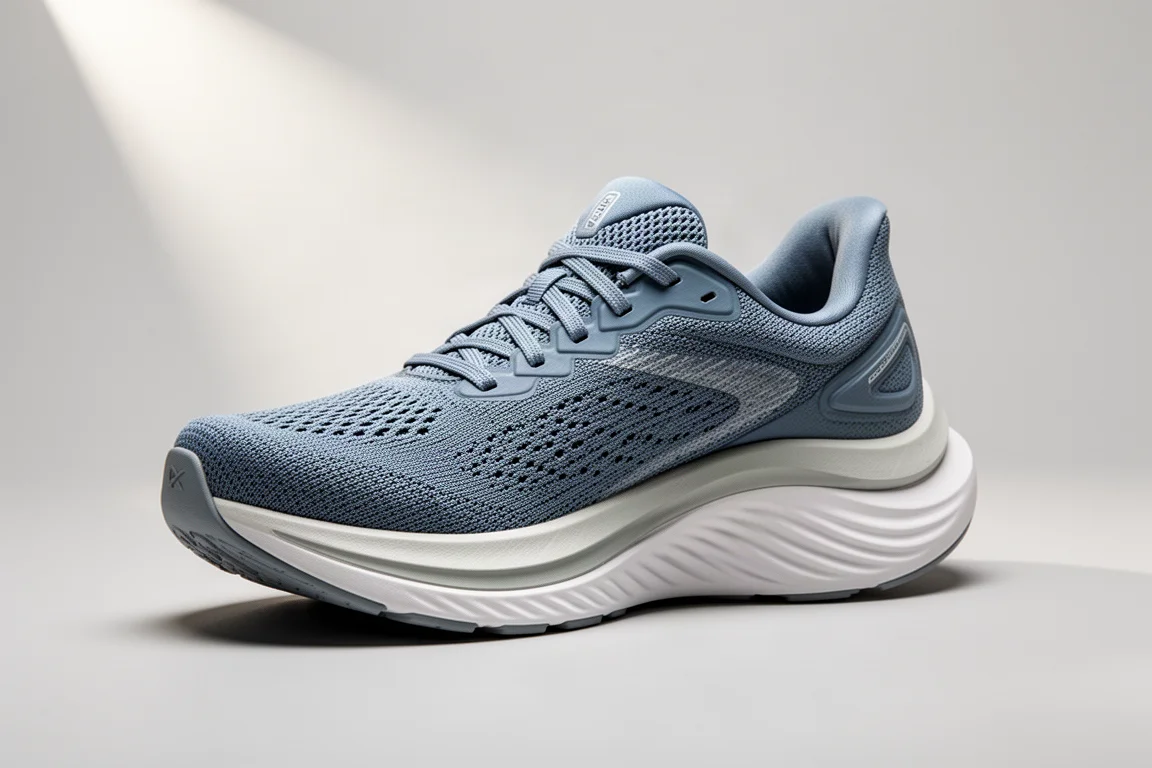
Hylo is an environmentally conscious new shoe brand with clean, simple design language. Their core Impact shoe, a soft and bouncy daily trainer in the Mach 6 territory, gets an update that shaves off the rear overhang at the heel, a design they called the shelf, which some people were catching on stairs. The stack stays the same and the bounce is kept.
View more details for Hylo Impact
Hylo Axis
Alongside the Impact update, Hylo is launching the Axis, a new stability shoe. The brand keeps evolving its use of bio-based materials, including sugar cane, so if environmental credentials matter to you, this is a lineup worth checking.
Mizuno Neozen 2
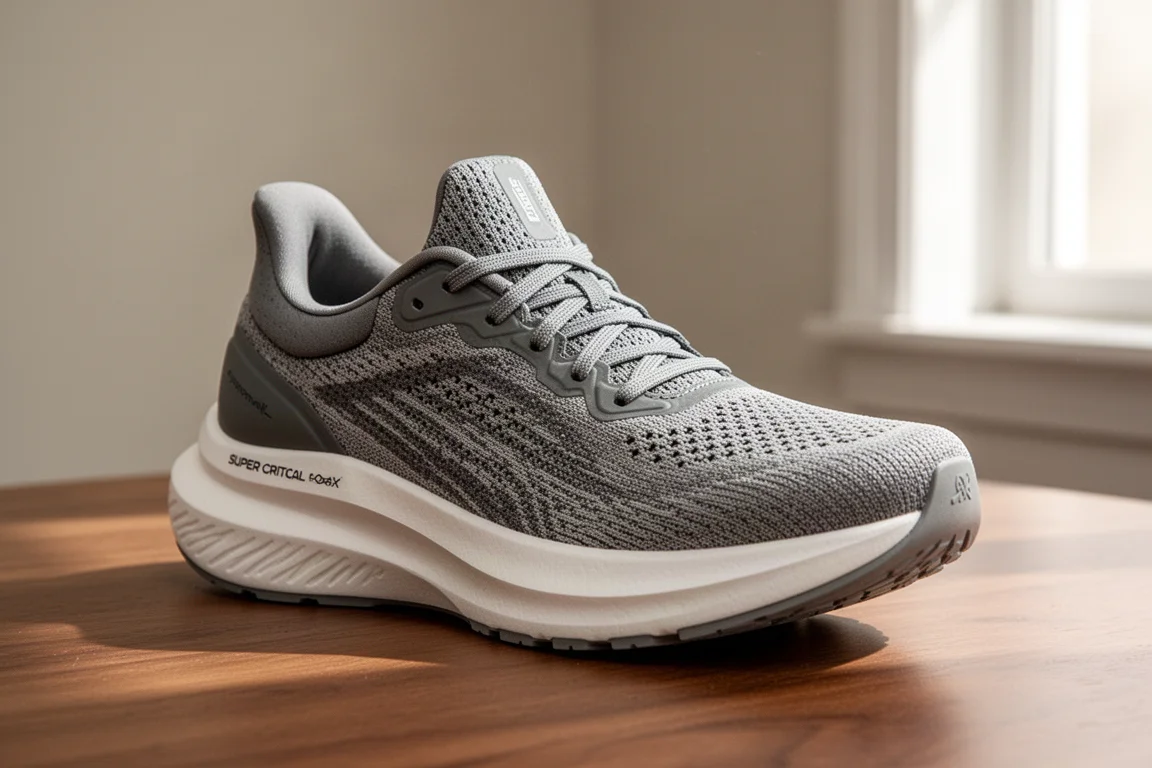
The Neozen 2 is 100% supercritical EVA foam, going in a firmer, more supportive direction than the very soft original. The goal is versatility, durability, and approachability: a higher forefoot stack with similar bounce, but a step-in feel that feels far more normal and makes it a more capable daily trainer. If you loved sinking into the original Neozen, this may feel like a different shoe, but it should open the franchise up to a much wider audience.
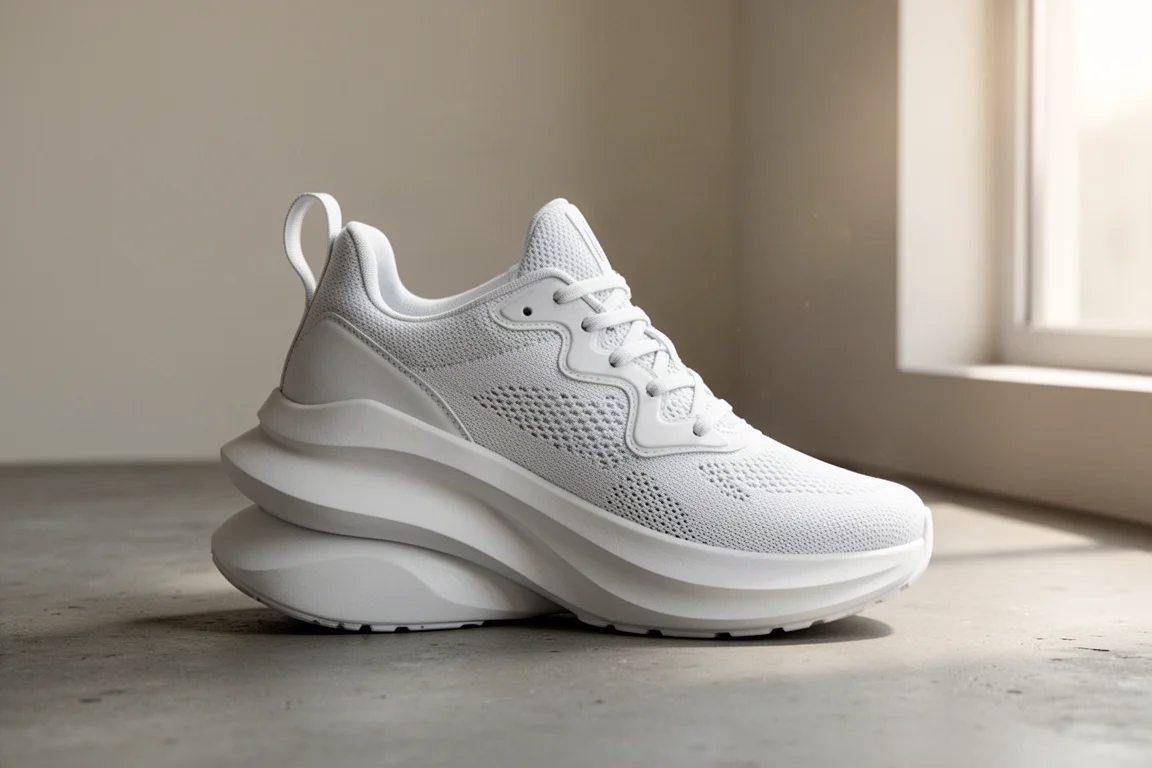
Nike Structure Plus
The Structure Plus is a rare thing: a support shoe with high-end race foam. It pairs a thick layer of ZoomX on the top, roughly 20 to 25mm, with a chunky heel and a medial support element. The 10mm drop is a welcome contrast to the industry’s 8mm drift, though some testers found the medial element too invasive at the midfoot, so fit that to your own needs.
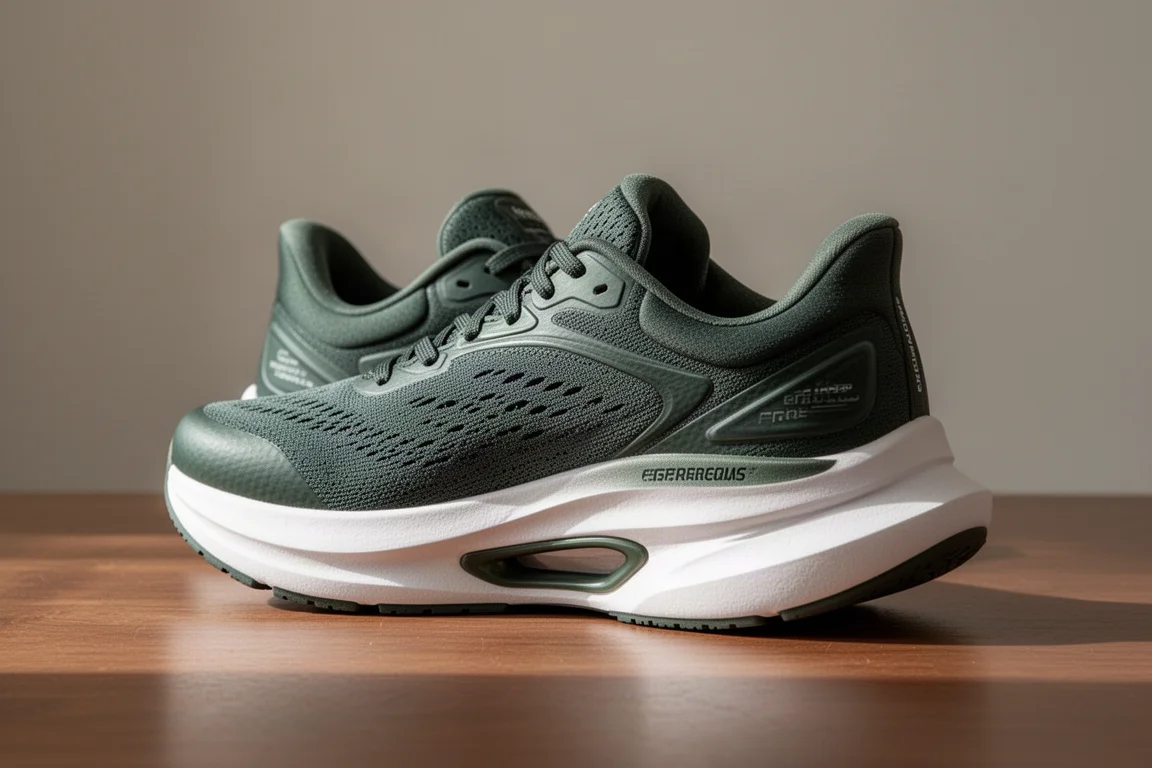
On Cloudmonster Hyper 3 LS
On skipped the confusing numbering and went from the original Cloudmonster Hyper straight to the Hyper 3 LS, with a LightSpray upper similar to the Cloudboom Strike LS. A quick fast treadmill session showed enough firmness and bite at speed, with more of the soft compression likely showing up at midfoot paces. At $240, you are partly paying for the swag factor, but it is one of the most exciting shoes of 2026.
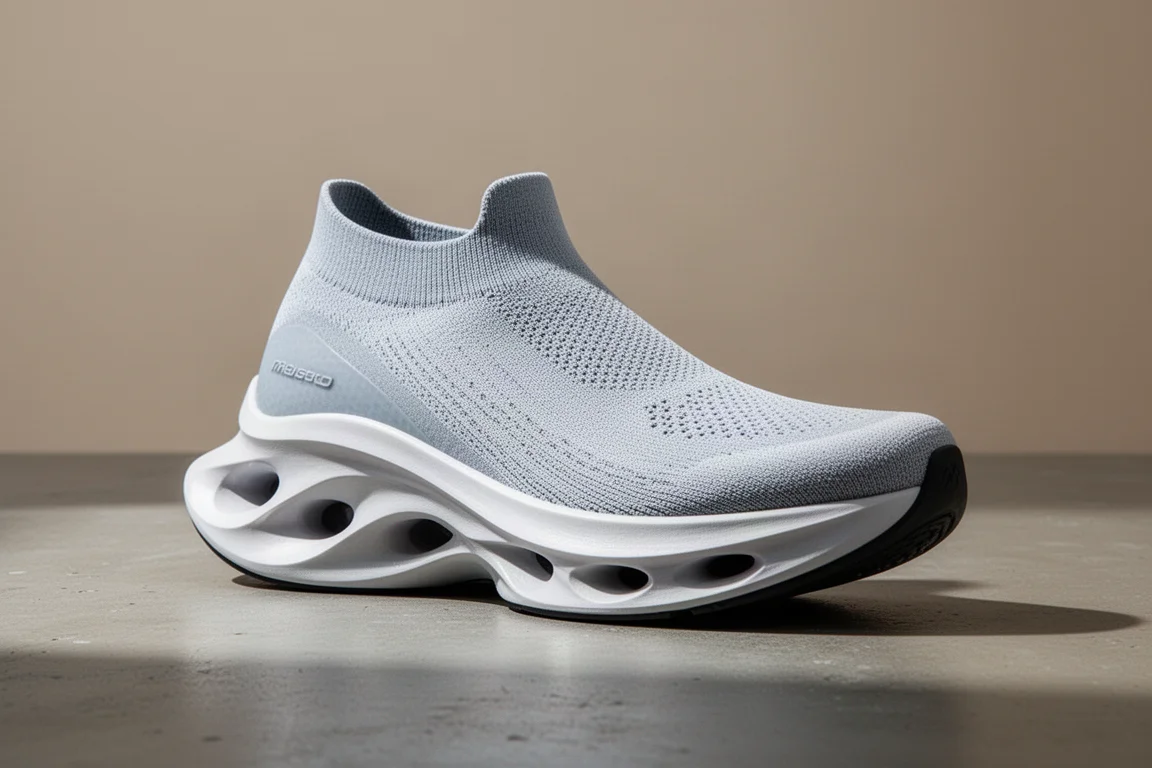
Puma MagMax 2
The MagMax 2 is supposed to be softer and bouncier while keeping what made the original great: a comfort cruiser with the ability to pick up the pace. Puma’s whole Nitro lineup keeps that signature bounce, and the brand also teased upcoming options for the non-max-cushion crowd who prefer a more moderate feel.
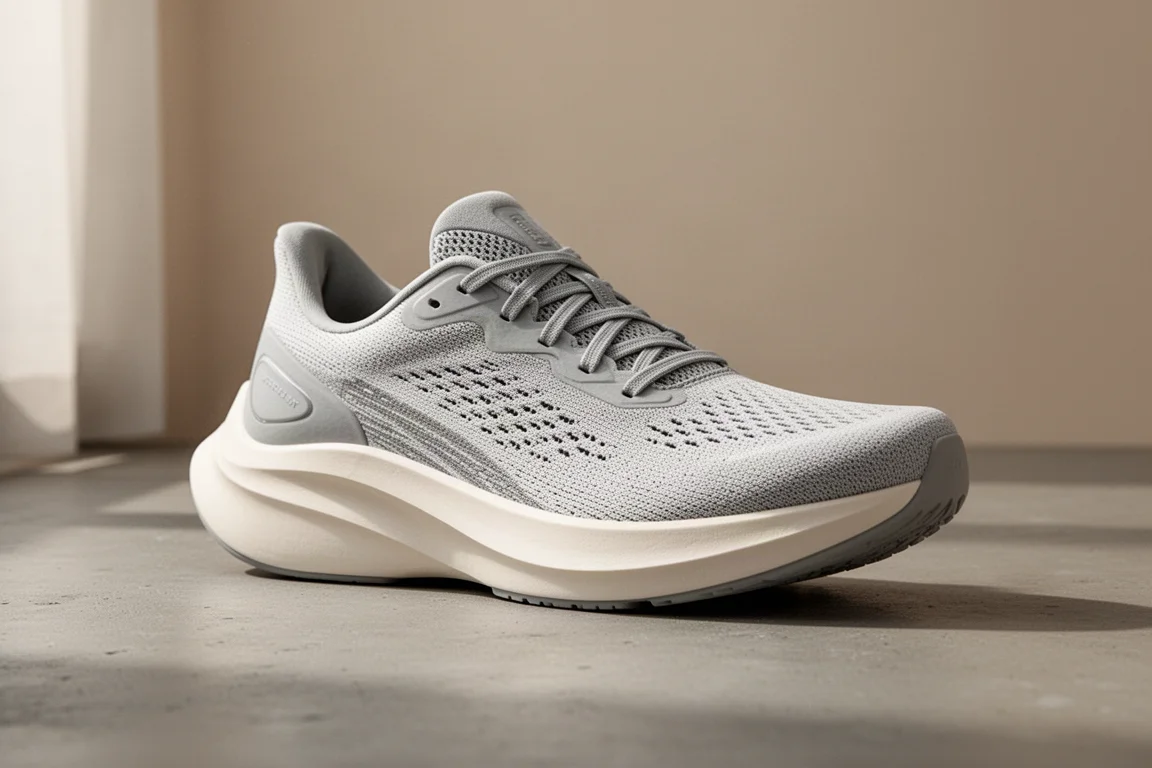
New Balance 1080 V15 and 860
New Balance kept things conservative with the 1080 V15 continuing its long evolution, and an update to the 860, a daily trainer that earned a lot of praise recently. The 860 keeps the spirit of the previous version intact with a slightly softer top layer of foam, a refinement that could bump it back into many rotations.
RAD Malo
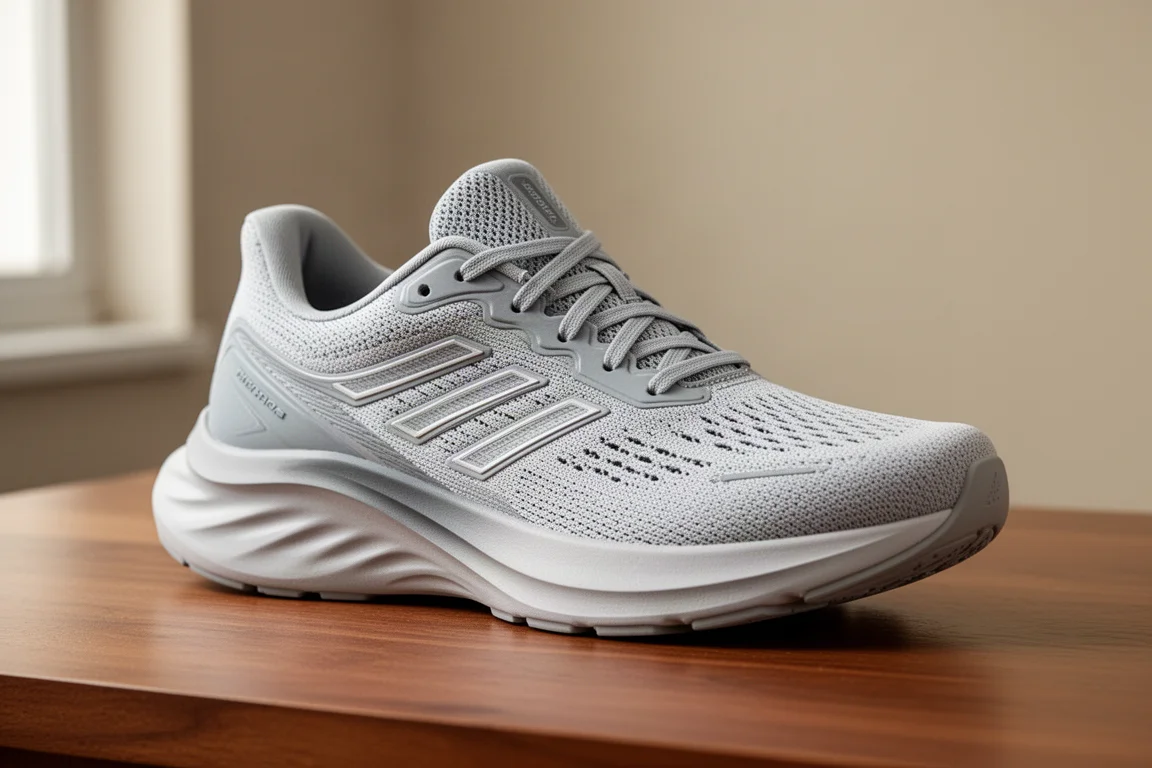
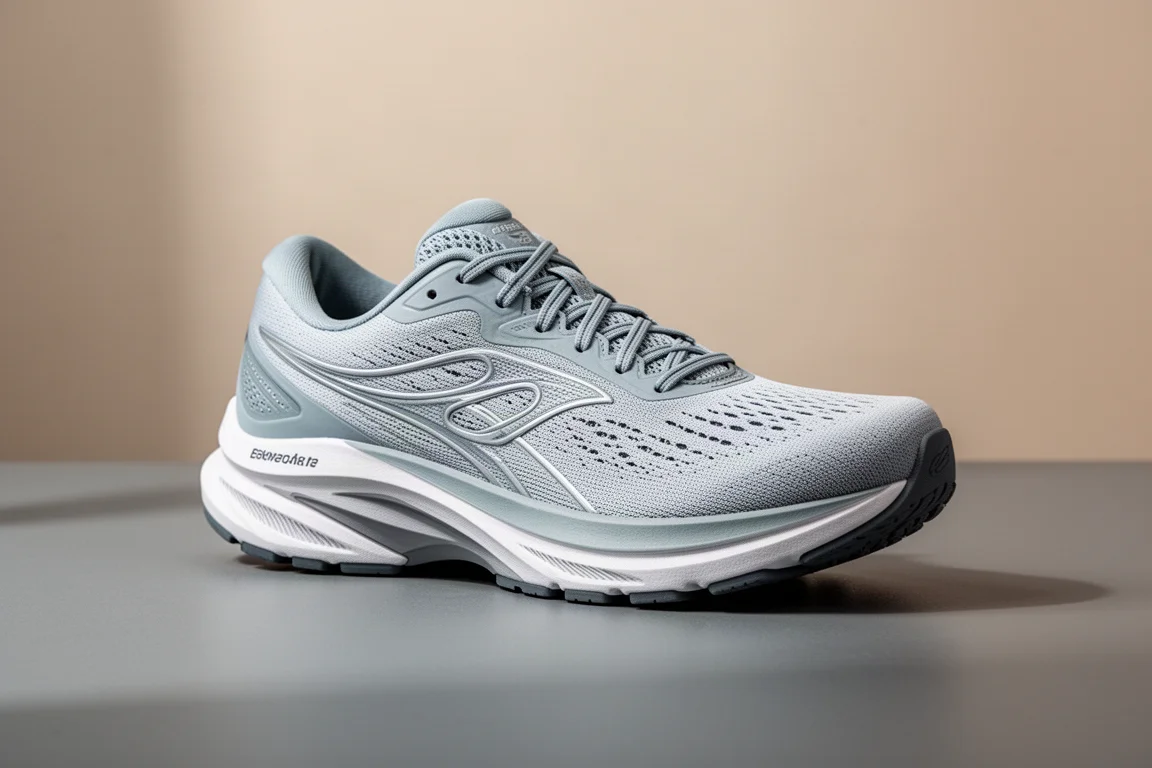
RAD’s Malo is a $140 daily trainer using a PEBA EVA blend, nearly max cushioned with a more supportive and durable feel. It lands at a standard price point while carrying the character that made the brand’s UFO such a standout, and it should be a great entry point into the brand.
Salomon AeroGoat 4 Gravel
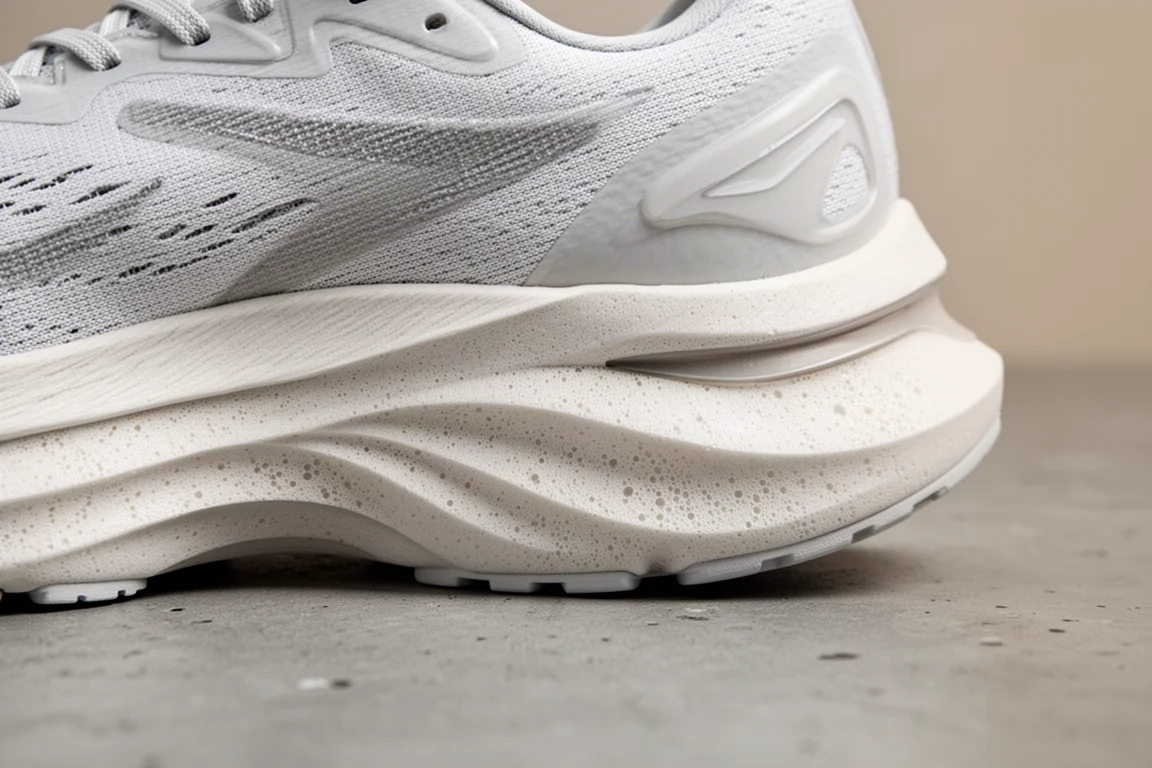
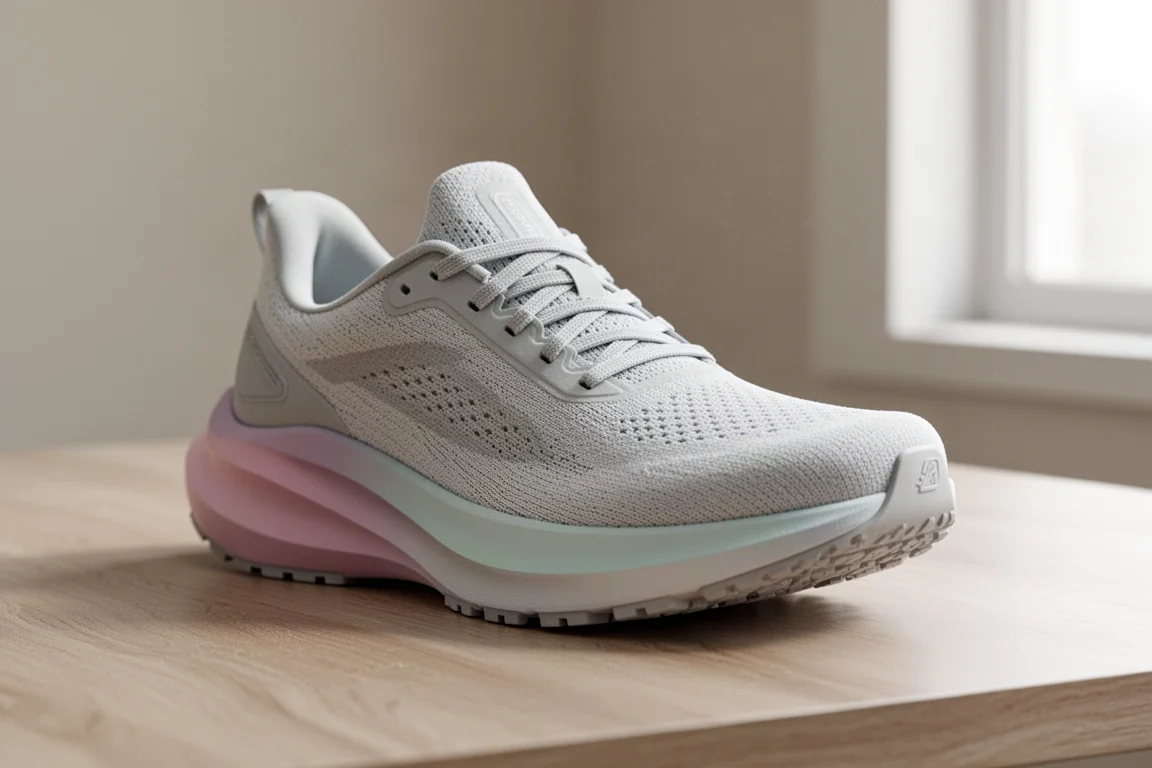
Salomon is debuting the AeroGoat 4 Gravel with an upper update, a new pull system, and the same outsole as the standard AeroGoat. The shoe pushes gravel running as its own blend of road and trail, and brings more of a lifestyle streetwear aesthetic onto a performance shoe, which suits the category well.
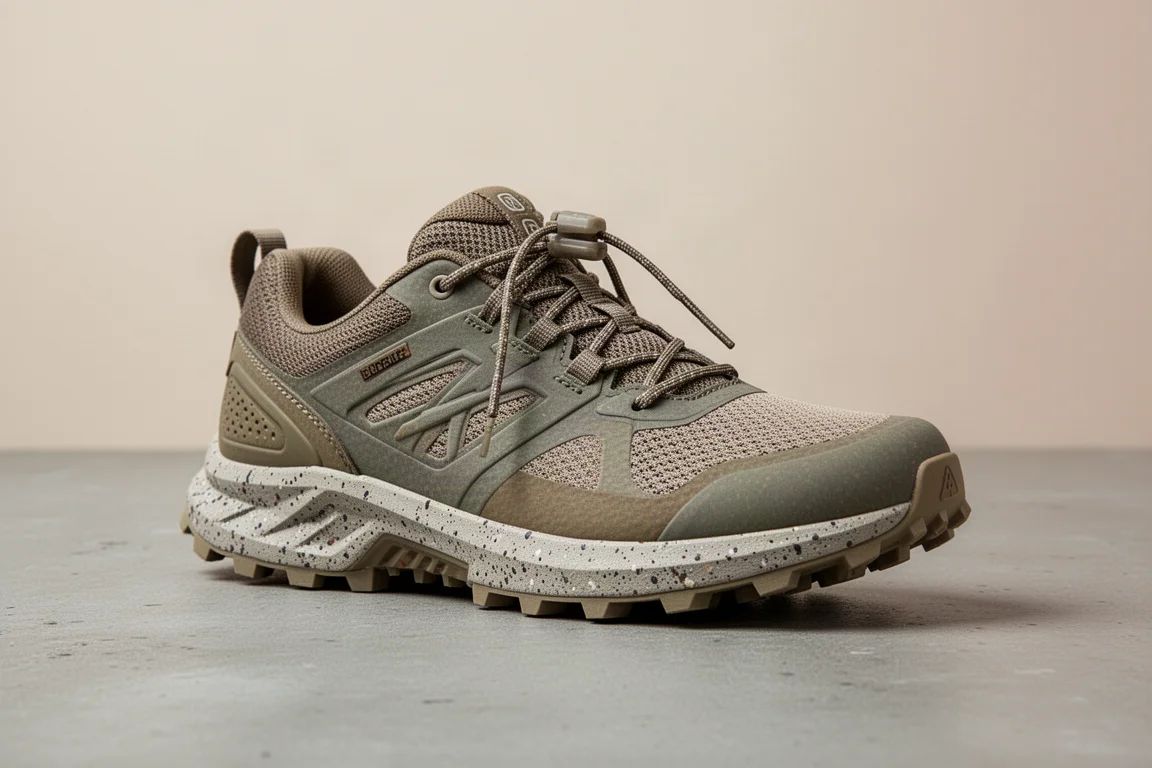
Saucony Triumph 24
The Triumph 24 moves to an aliphatic TPU midsole and drops to an 8mm heel-to-toe drop, which should return the franchise to its rightful place among the top daily trainers on the market. It was even called out as a favorite from the new lineup, and it is hard to see it not contending in next year’s daily trainer rankings.
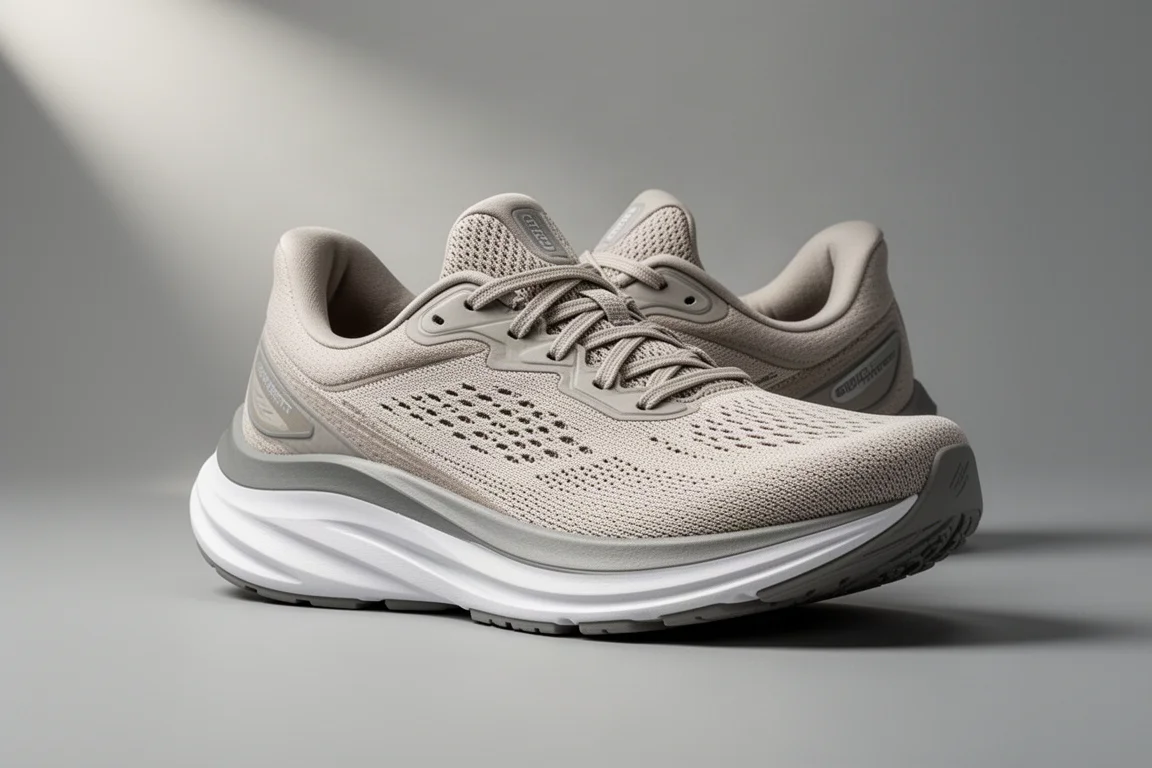
Saucony Paramount Max
The Paramount Max is a 100% non-plated shoe using the same very soft supercritical foam as the plated Endorphin Elite, with the carbon plate removed entirely. Stability presumably comes from a wider base and foam tuning. Expect it to be a comfort banger and pure comfort cruiser, while the Triumph remains the more versatile pick.
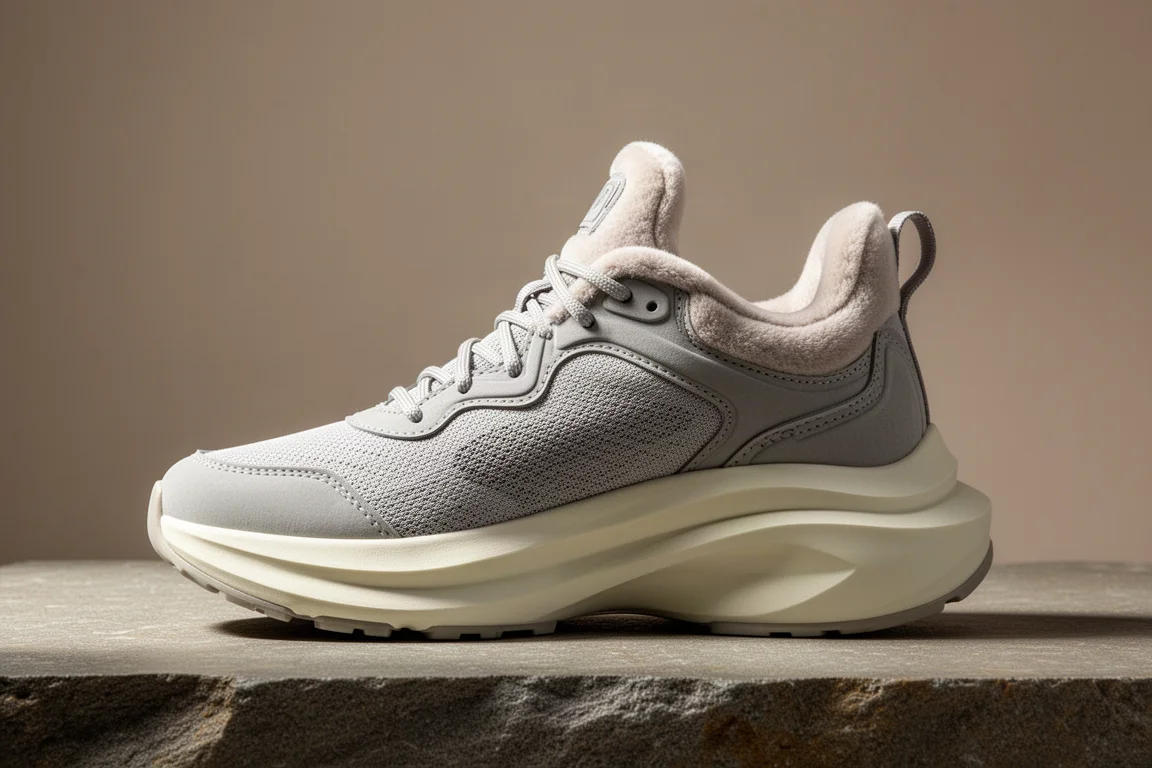
Skechers Aero Razor
Skechers is returning the Razor to what it used to be: a moderate to low stack speed shoe for tempo days and track sessions. It uses aliphatic TPU, has nice firmness, a good rocker, and a shaped H plate. Treadmill testing at faster paces felt positive, and for runners who do speed work in non-carbon shoes, it could be one of the best options in that style.
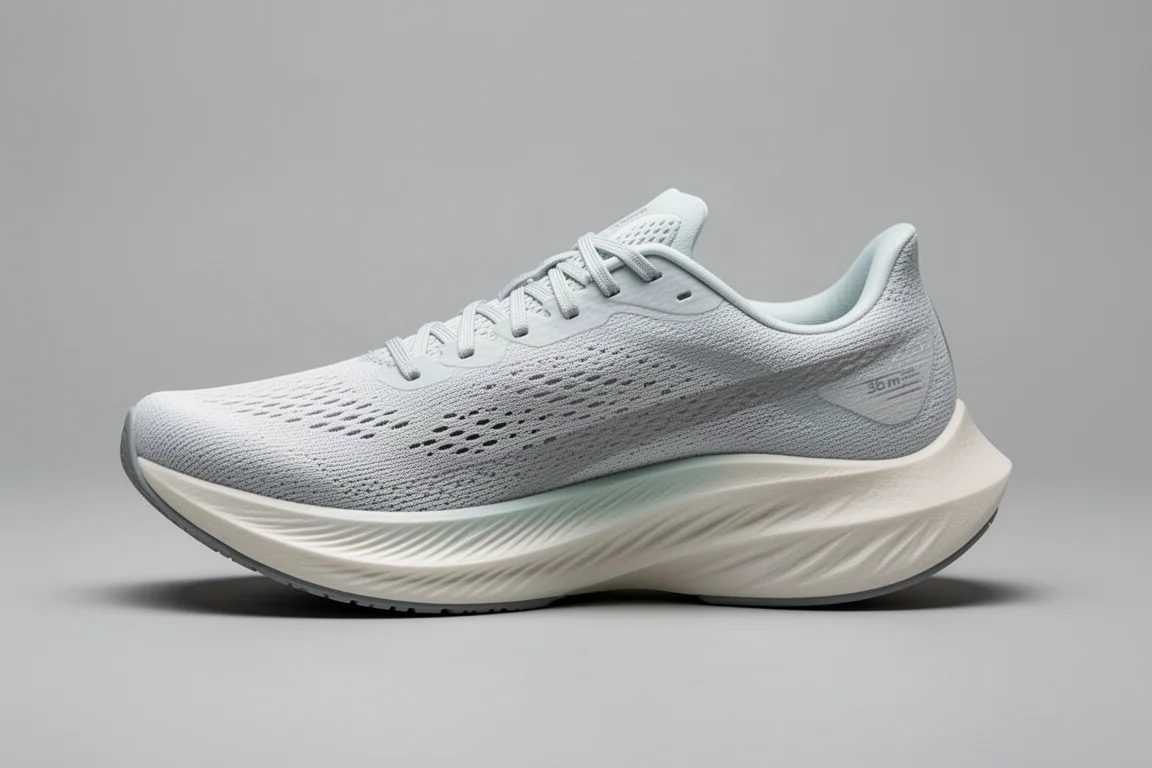
Topo Spectre 3
The Spectre 3 is 100% aliphatic TPU with a 5mm drop and a colorway that turned heads on the floor. The original Spectre was tuned slightly firmer than ideal for a soft, bouncy long run shoe, and this version looks set to deliver on that promise: a long run shoe capable of picking up the pace and handling a wide range of runs. It looks like one of the best long run shoes of 2026.
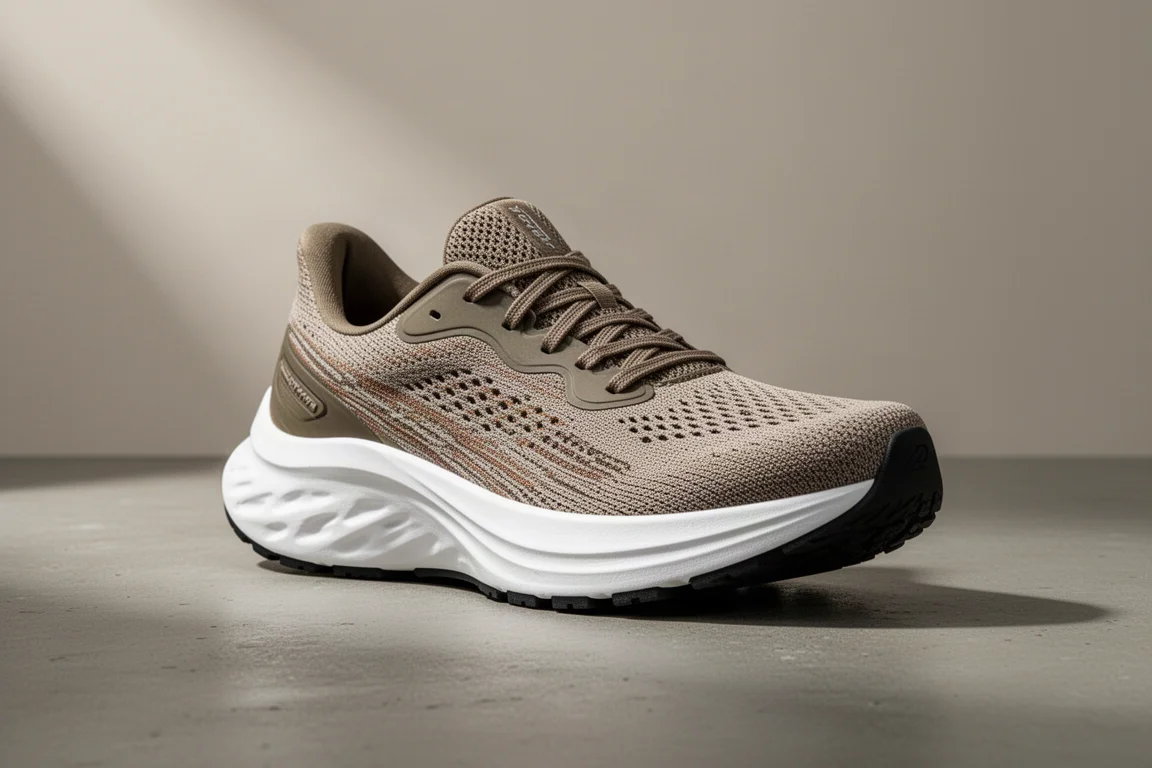
Tracksmith Elliot Ryder
Tracksmith debuted the Elliot Ryder, best described as a Glycerin Max competitor with a big roughly 50mm stack of foam plus a thick, bolted-down drop-in of soft supercritical PEBA, around 25mm of it. Visually it looks like a classic court shoe silhouette combined with max-stack height, and it is one of the most intriguing shoes of the show.
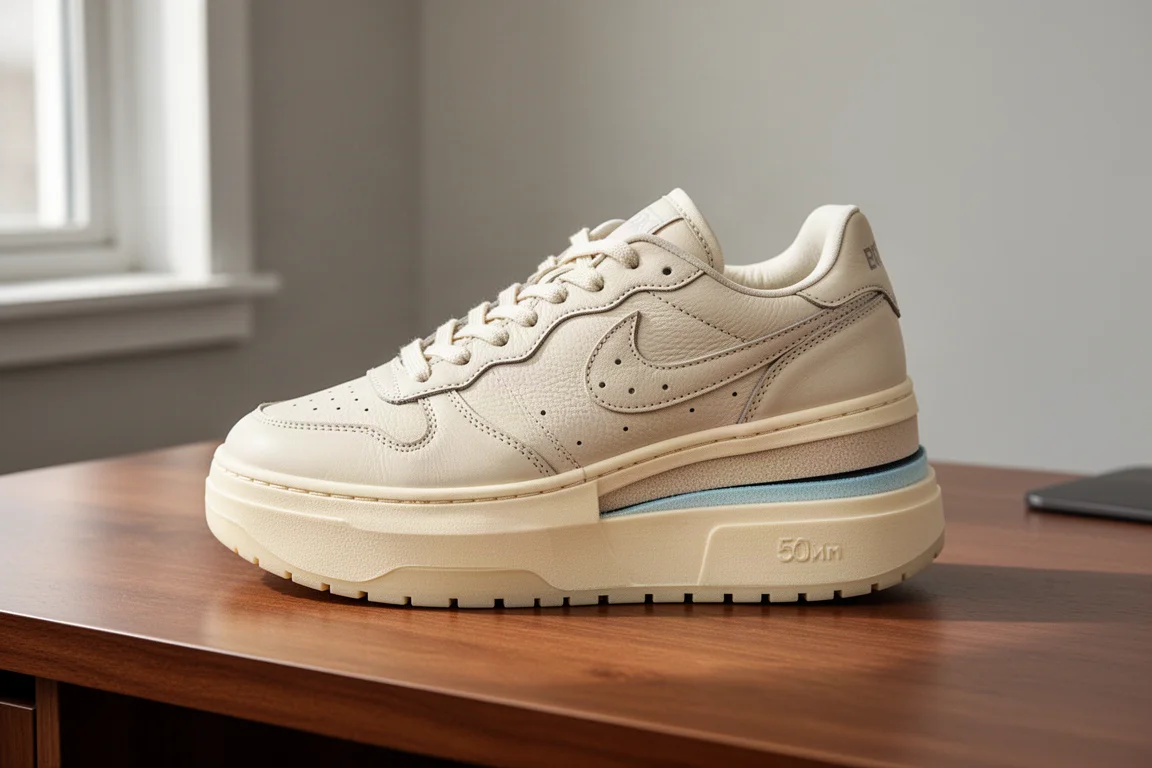
Tier Maverick
Tier was pushing new colorways of the Maverick rather than a new model. At around a hundred dollars, it is a PEBA EVA blend daily trainer that feels speedy and can pick up the pace, though the upper could use a more premium feel, something a future update may address. The brand also teased a max cushion prototype coming in late 2026 or early 2027.
Overall Buying Advice
If you are shopping in 2026, match the shoe to the run you actually do most. Max cushion fans have an unusually strong field, with the Craft Atmos Far, Saucony Paramount Max, Tracksmith Elliot Ryder, and On Cloudmonster Hyper 3 LS all pushing that segment forward. Everyday trainers are getting more versatile foam, with the Saucony Triumph 24 and Mizuno Neozen 2 as the safest bets, and stability runners finally get race-foam options like the Nike Structure Plus. Value hunters should watch the RAD Malo and Tier Maverick.
Conclusion
This year’s show was not about mind-blowing innovation. It was about brands refining what already works, leaning hard into aliphatic TPU and max cushion, and Saucony arriving with the deepest and most exciting lineup. If the shoes shown here deliver on the floor impressions, 2026 is shaping up to be a very good year for runners of every kind.
Further reading
Related Reviews

Running Shoes
Best Road-to-Trail Running Shoes: Three Versatile Options for Mixed Terrain
A practical guide to three road-to-trail running shoes that handle both pavement and mild trails, with clear strengths and trade-offs for different runner types.

Running Shoes
Best Running Shoes for Achilles Tendonitis: Three Options Explained
Three running shoes with different heel drops and support features designed to help reduce Achilles tendon pain during walking and running.

Running Shoes
Best Running Shoes for Women: Five Top Choices Ranked
A ranked guide to five women's running shoes, from versatile daily trainers to high-performance racing options, with real strengths and trade-offs for each.