Kitchen Tools
Tormek T1 Review: A Capable Home Knife Sharpener With a Few Trade-offs
A hands-on look at the Tormek T1 kitchen knife sharpener, covering sharpening speed, the angle guide, thin and thick blades, and who should skip it.
Introduction
The Tormek T1 is a compact, at-home kitchen knife sharpener from a Swedish company with a long history of building larger, commercial-grade sharpening machines. At roughly $600 Canadian dollars, it is positioned as a premium answer for home cooks who want genuinely sharp knives without learning freehand sharpening. We spent time with it on a variety of knives, from a beaten-up chef knife to thin steak knives and a thick outdoor blade, to see where it excels and where it does not.
First Impressions and Design
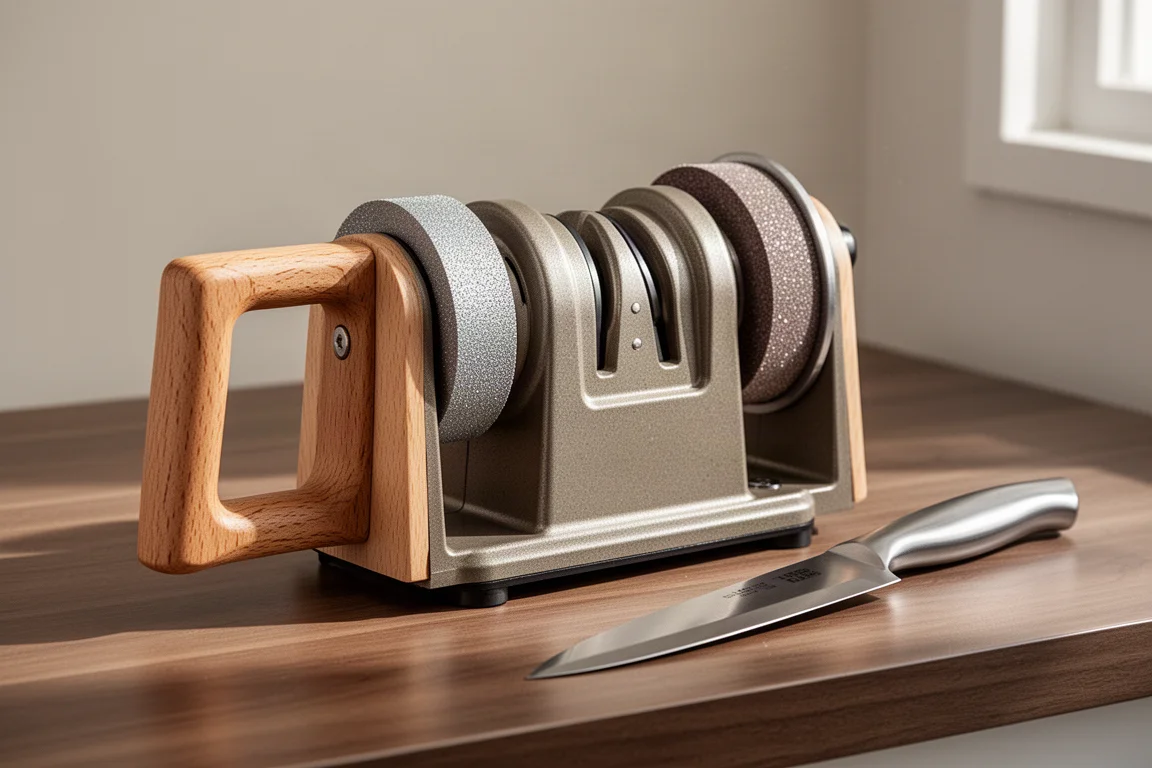
The T1 comes in a range of attractive color options, including a Swedish collaboration colorway made with Morakniv, the maker of Swedish kitchen knives. The body is full cast zinc with a sturdy dyed birch handle, and it feels like a downsized version of the company’s larger machines rather than a toy.
One side of the machine holds a conical fine-grained diamond grinding wheel. The other side holds a honing wheel with a polishing compound built into it for deburring. The kit also includes a marker for highlighting the bevel, extra felt for the angle guide, a quick-start sheet, an instructional booklet, and even a small kit of band-aids.
Sharpening Performance
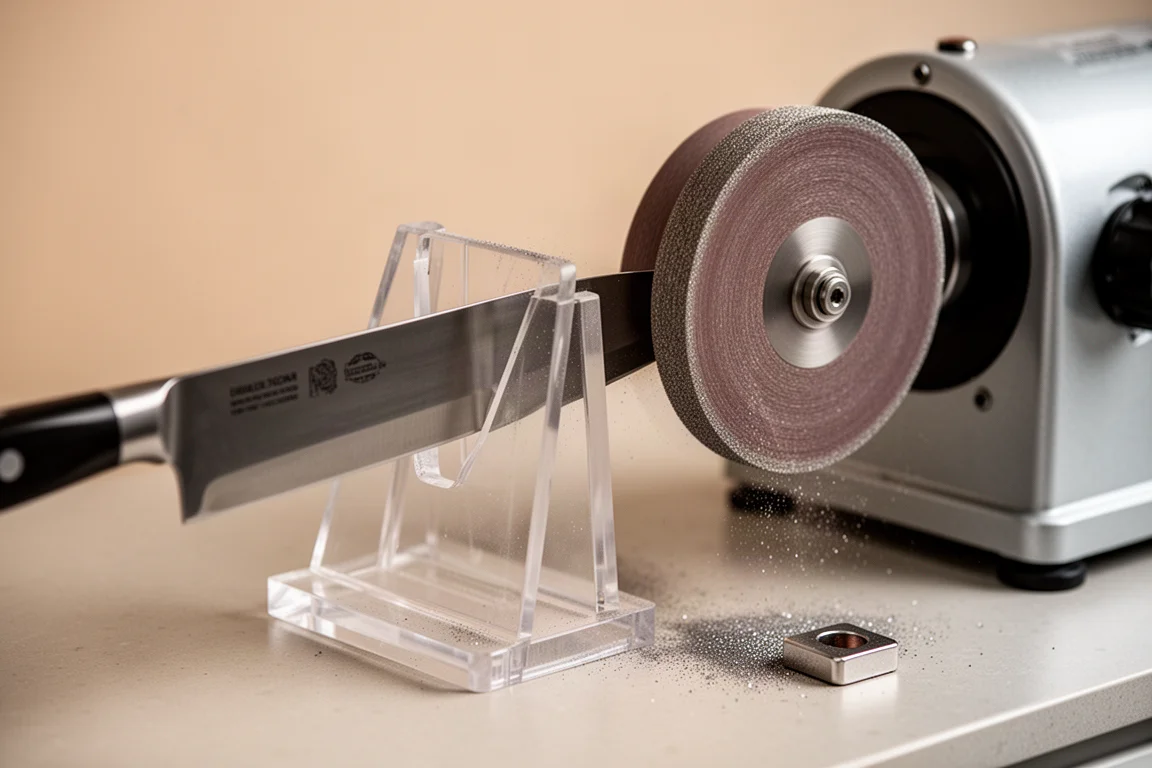
Setup follows the marker method recommended by Tormek: you color the secondary bevel with the included marker, set the angle guide to the angle you believe the blade is ground at, then take a few test passes and check where the marker is erased. If your angle is too shallow, you scratch above the marker line; if it is too obtuse, you never reach the top ridge of the marker. Once dialed in, jot the angle down so you can repeat it on future sessions.
The grinding process is fast. On a badly damaged German chef knife that could no longer cut paper, five passes per side were enough to feel a burr forming and see steel coming off the edge. A small magnet next to the sharpening guide catches most of the metal debris, keeping the machine relatively tidy.
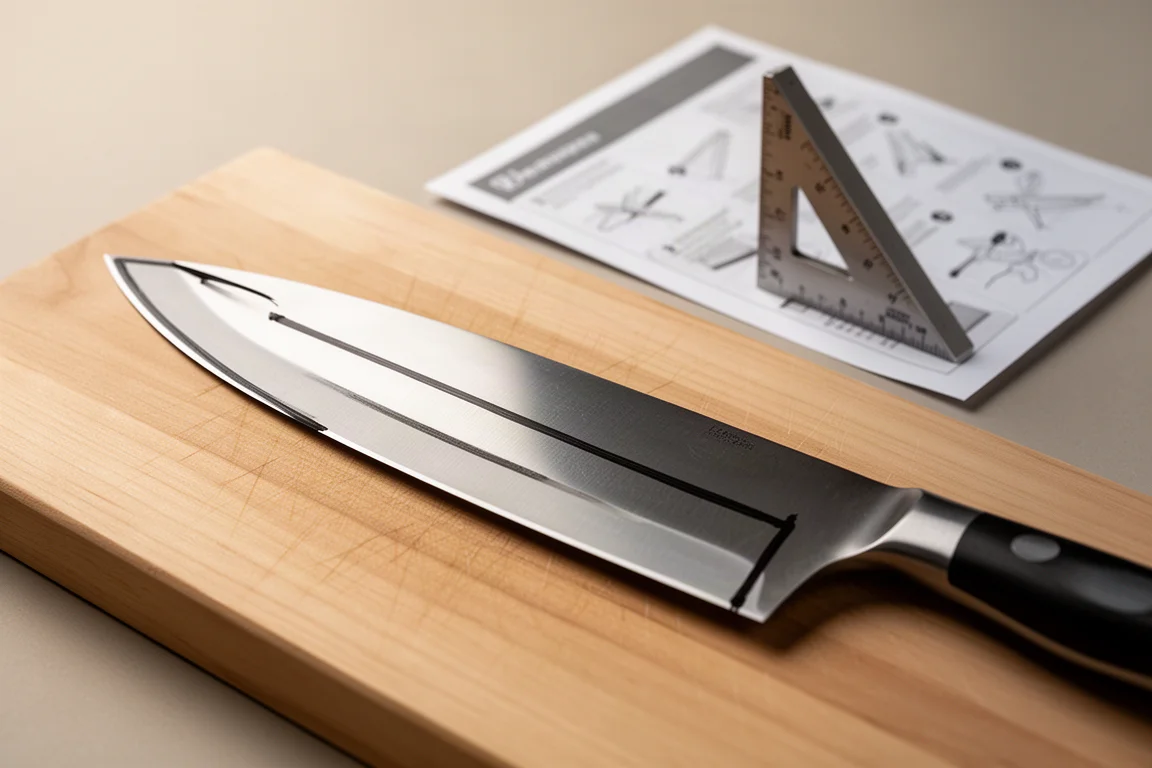
After stropping on the honing wheel, the previously ruined chef knife came back with a clean apex, a crisp edge you could hear, and no obvious edge damage left from its life on a titanium cutting board. For a beater knife, the result was genuinely impressive.
Thin Blades: Handle With Care
On very thin blades, the grinding wheel can be almost too aggressive. Tracing the exact bevel geometry while pushing forward and pulling back takes practice, and digging in near the tip is a real risk. A more controlled technique, drawing the blade back and repositioning it rather than working in one continuous back-and-forth motion, gives better results, especially as the blade gets lower in the angle guide near the tip.
It is also worth noting that the machine accepts knives with a spine thickness of up to 5 mm, and blades near that maximum sit very tightly in the angle guide. A thick, convex-edged outdoor knife was the least pleasant to sharpen of everything tested, though the job still got done.
Things to Consider Before Buying
The biggest design gripe is the honing wheel’s slight angle. When honing on a leather block or rod, the knife sits parallel to the surface, so holding the blade at an angle here feels awkward and full contact with the blade is hard to achieve. A flat, ground-parallel wheel would be a welcome redesign.
The grinding wheel also oscillates back and forth, which means tiny moments of no contact and potentially slight angle changes during a pass. It did not cause problems on the knives tested, but it is a consideration for delicate edges. Grinding close to the heel on full or partially bolstered knives is difficult as well.
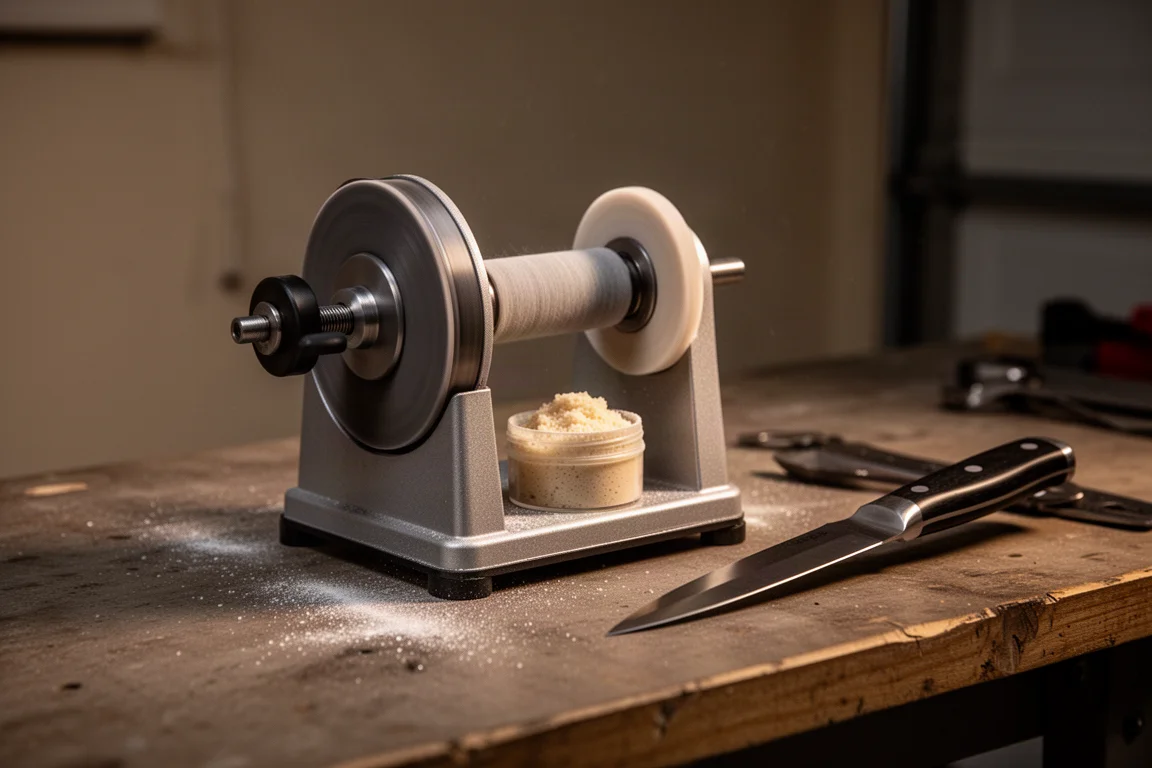
Finally, while the machine is marketed for home kitchen use and stays fairly self-contained, it still produces steel particles that most cooks will not want near food prep. A garage or workshop bench is the more realistic home for it.
Buying Advice
The T1 is best understood as a rescue and maintenance tool for workhorse knives: beater kitchen knives, steak knives, and thick-edged blades that are meant to be used, not babied. It is far more capable than its size suggests, and every knife tested came out sharper than it started, with minimal edge unevenness. Because diamond never behaves softly, we would not recommend it for thin, delicate handmade kitchen knives. The wheels should last a very long time in home use, which softens the likely cost of eventual replacements.
Conclusion
The Tormek T1 delivers fast, repeatable sharpening with a foolproof angle guide and a honing side that produces a clean, finished edge. Its limitations, including an awkwardly angled honing wheel, a tight fit for thick-spined knives, and an aggressive grinding wheel unsuited to fragile blades, are real but narrow. For cooks with durable everyday knives that need reviving, it is an easy recommendation.
Product link
View more details for Tormek T1
This product is mentioned in the review. Check the specifications, options, and compatibility before buying.
View more details for Tormek T1Further reading
Related Reviews
Kitchen Tools
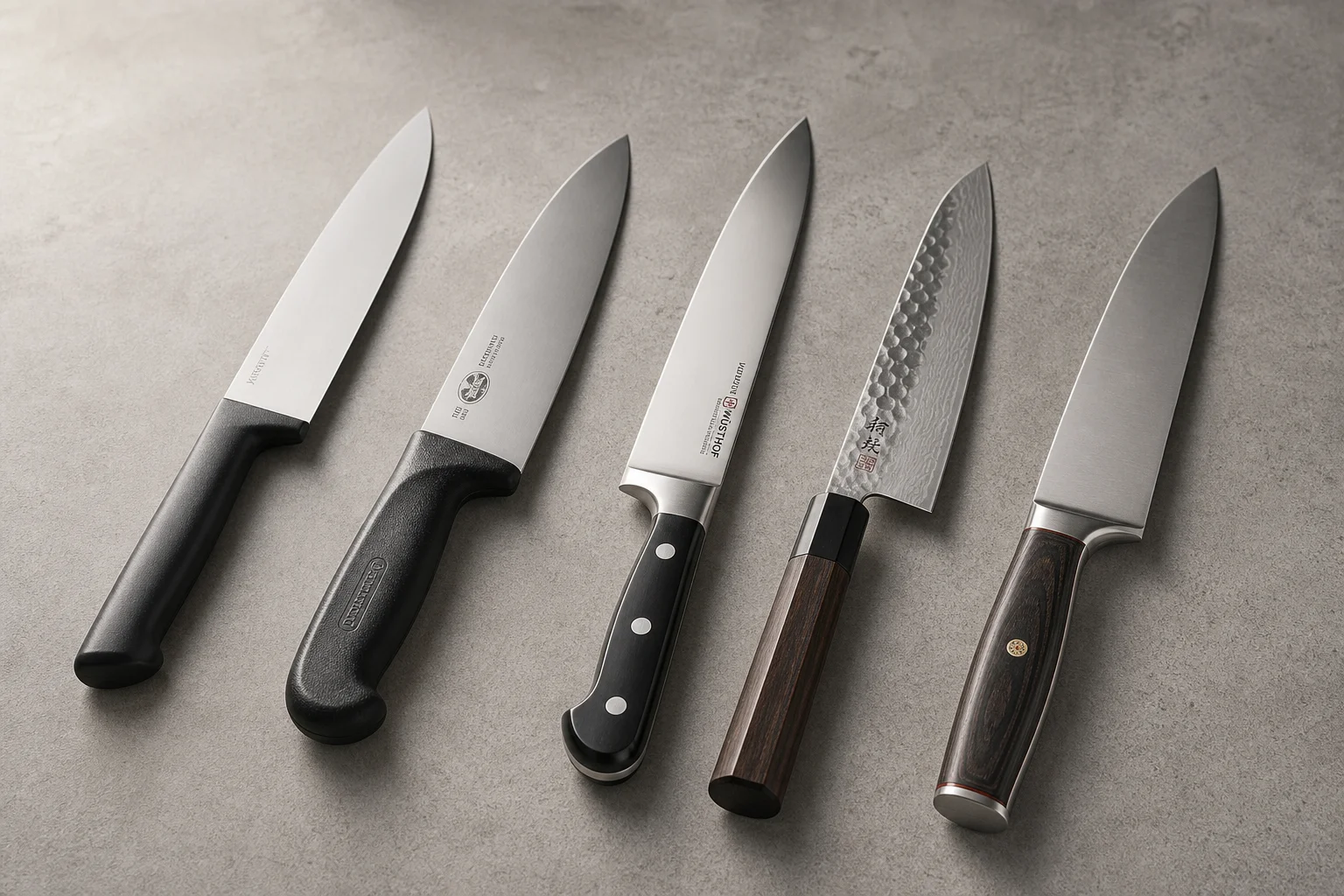
Amazon's Top-Rated Chef Knives Tested: Five Models from £11.50 to £200
We tested five of Amazon's highest-rated chef knives across sharpness, comfort, and versatility to see which delivers the best value and real-world performance.
Kitchen Tools
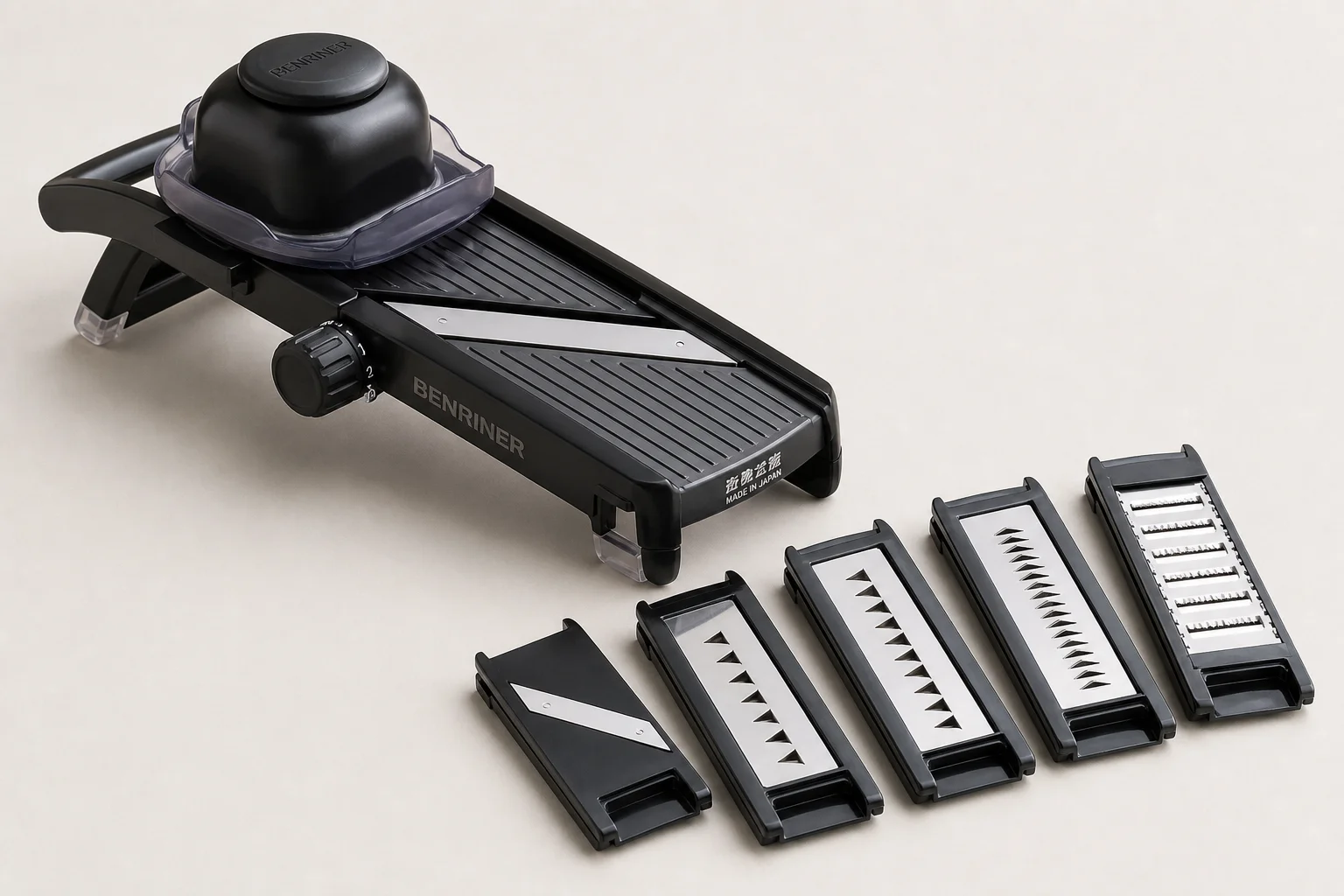
Benriner Japanese Mandoline Review: A Sharp Tool for Precise Vegetable Slicing
A practical guide to using a Japanese mandoline safely and effectively, with tips for achieving consistent, crisp results in the kitchen.
Kitchen Tools
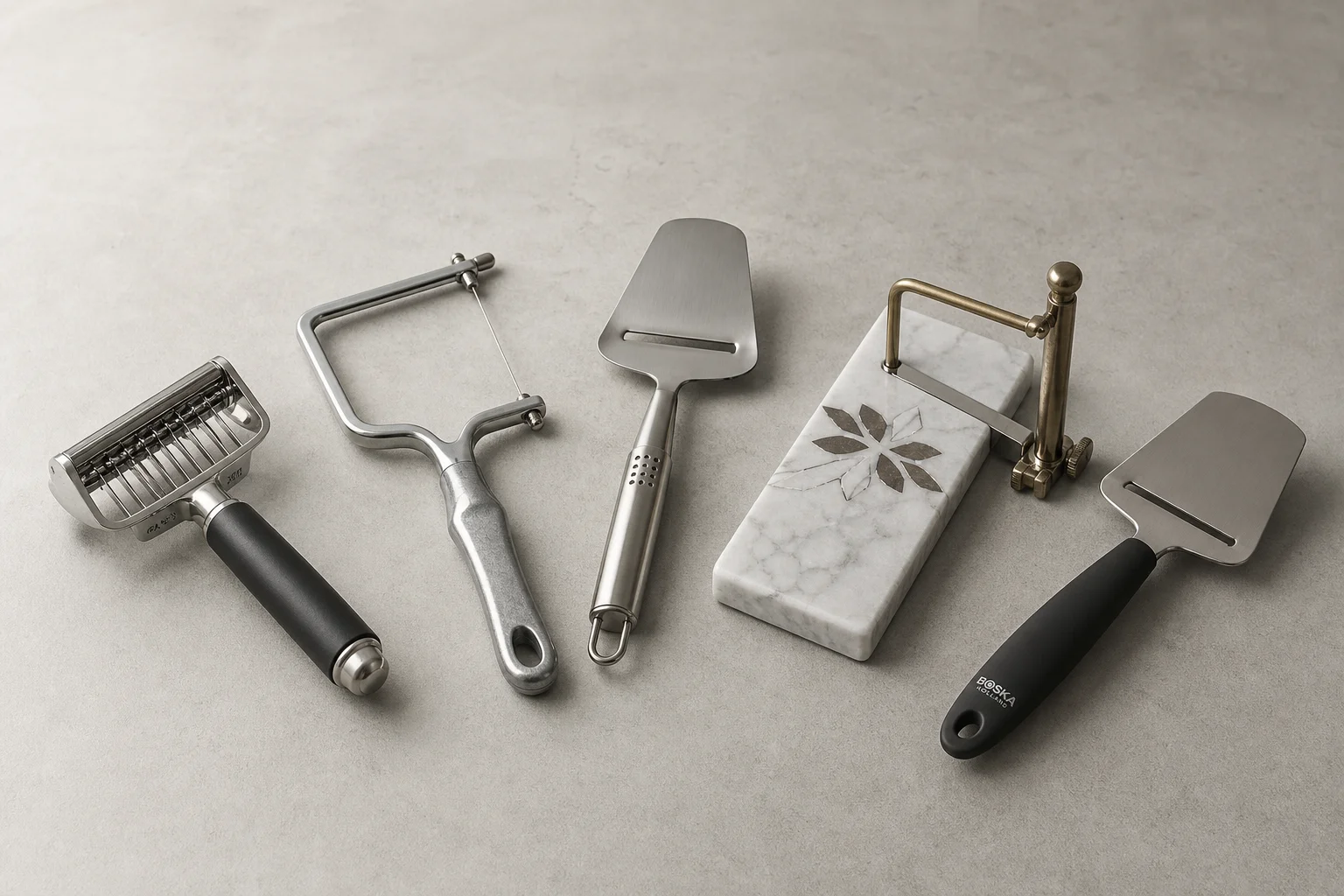
Best Cheese Slicers: Five Practical Options for Consistent Slicing
Five cheese slicers with different designs and features, from multi-blade versatility to wire-based precision, each suited to different kitchen needs and cheese types.