Running Shoes
Topo Specter Elite 2026: A New Carbon Racer, and the Shoes It Goes Up Against
Topo's first carbon road shoe takes on the Specter 3, Hoka Cielo X1 3.0 and Saucony Endorphin Elite 3. Here is how they compare for marathon training and racing.
Introduction
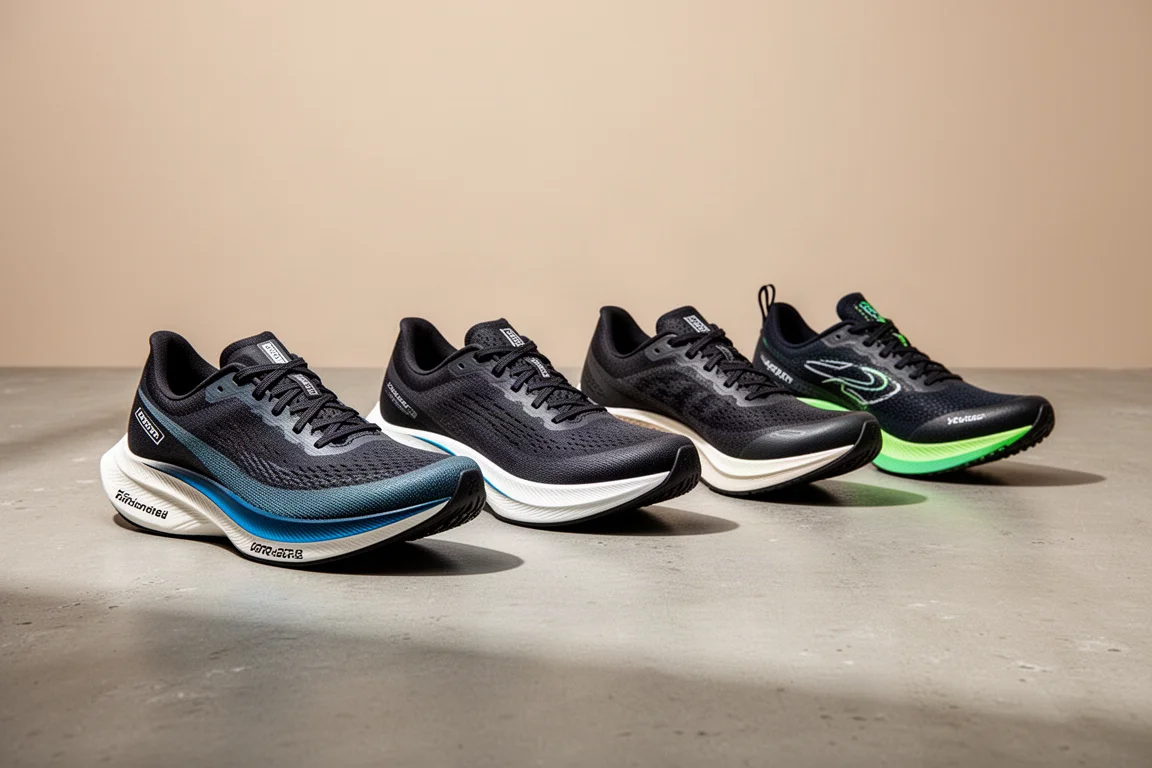
Topo has quietly become a brand that runners with wider feet keep an eye on, and 2026 is shaping up to be its biggest year yet. After releasing the ATPU-based Specter 3, the brand followed up with something entirely new: the Specter Elite, the first time Topo has put a carbon plate into a road shoe.
That immediately puts the Specter Elite in conversation with some of the most fun, bouncy midfoot-striker shoes on the market, including the Hoka Cielo X1 3.0 and the Saucony Endorphin Elite 3. And because the Specter 3 shares so much of the same design language at a lower price, Topo now effectively offers both a race-day weapon and a training companion.
Here is how all four fit together, and who each one is really for.
Topo Specter Elite: Specs and Design
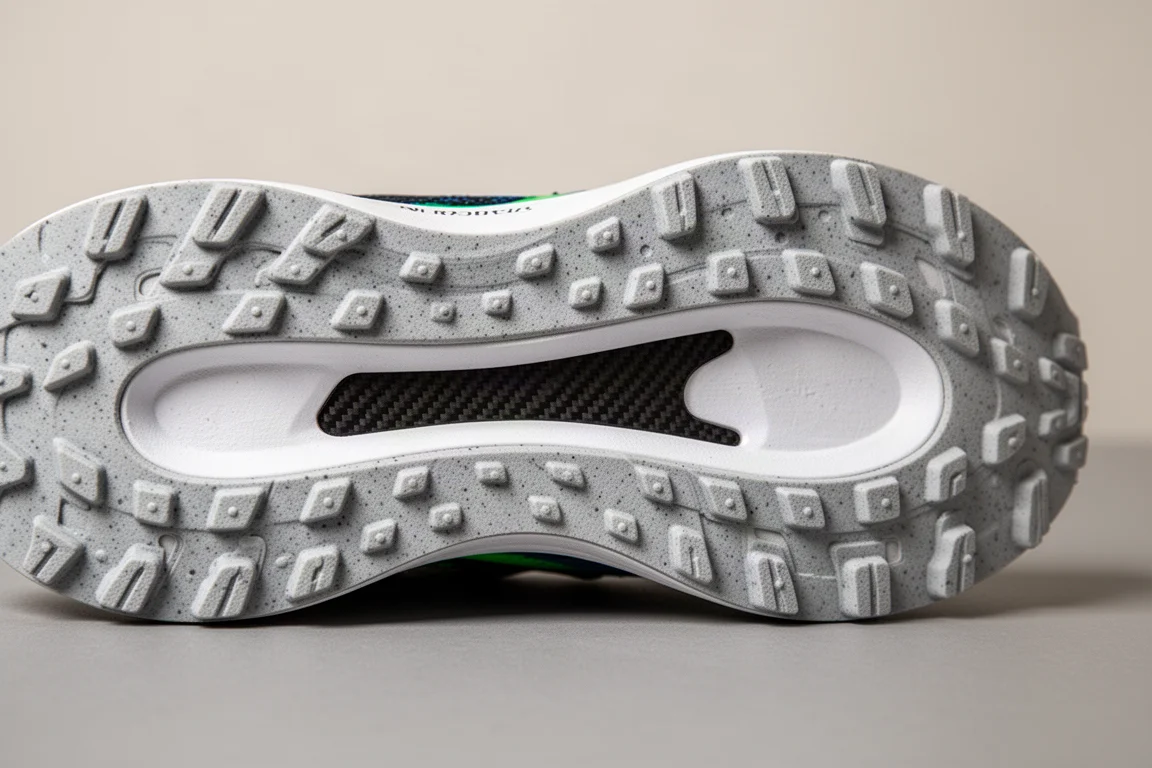
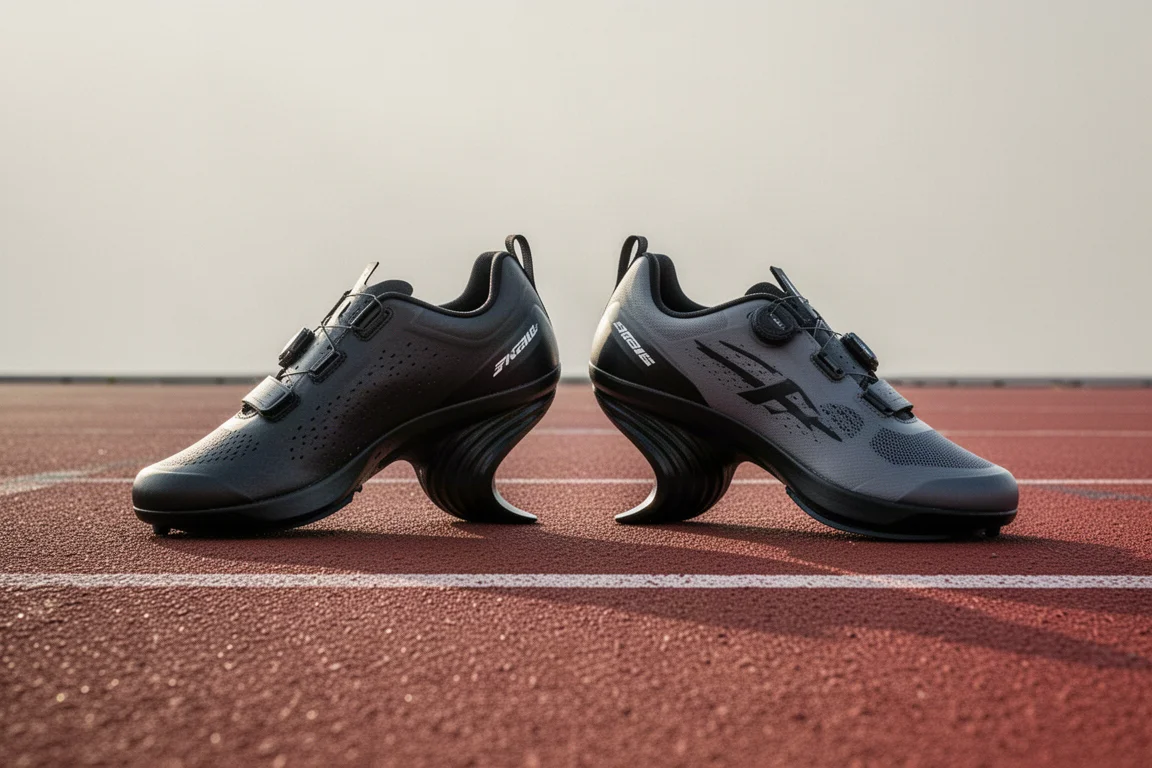
The Specter Elite is a 39 mm stack shoe with a 5 mm drop, putting 34 mm of foam under the forefoot. Two components matter most here: Rev foam, an aliphatic TPU that Specter 3 owners will recognize, and a carbon fiber plate, which you can actually see through a window at the bottom of the shoe. This is believed to be the first carbon road shoe Topo has produced.
The outsole has generous rubber coverage, with two skids of rubber at the heel, plenty of exposed midsole foam in the midfoot, and cutouts through the center of the shoe that help it flex more easily. The forefoot gets more rubber with additional cutouts exposing the foam.
The upper is a single-layer mesh similar to what many brands use in their race products: strong, wire-mesh-like coverage over the toe box that is also very breathable. The tongue is very thin, and Topo sticks to its signature lace-lasso design that keeps the tongue in place from the top rather than using side gussets, just done more subtly in matching black. The heel collar has more padding than you might expect from a racing shoe, plus a soft felt-like piece at the back over the Achilles.
Fit is classic Topo: a foot-shaped toe box that is wider than most running shoes, with plenty of vertical height in the toe box as well. True to size is the safe recommendation. Weight comes in at 7.3 oz (208 g) for a US men’s size 9, which is a touch heavier than ideal for marathon race-day product, likely a result of the volume of TPU foam and the extra heel padding.
On the road, this is a genuinely fun shoe. The aliphatic TPU delivers balance, good cushioning, and a strong sense of ATPU pop without feeling overly harsh. Because the widest part of the shoe sits behind the pads of the foot, it is ideally suited for midfoot strikers, and it works well for forefoot strikers too, though the aggressive rocker tapers noticeably toward the front third of the shoe, so less energy is on offer for those landing right at the toes. The sweet spot runs from moderate paces up to threshold work; at faster VO2 max-level efforts, the weight and the firmer front end start to work against you. It retails at $250 and was available from early August.
Topo Specter 3: The Training Companion
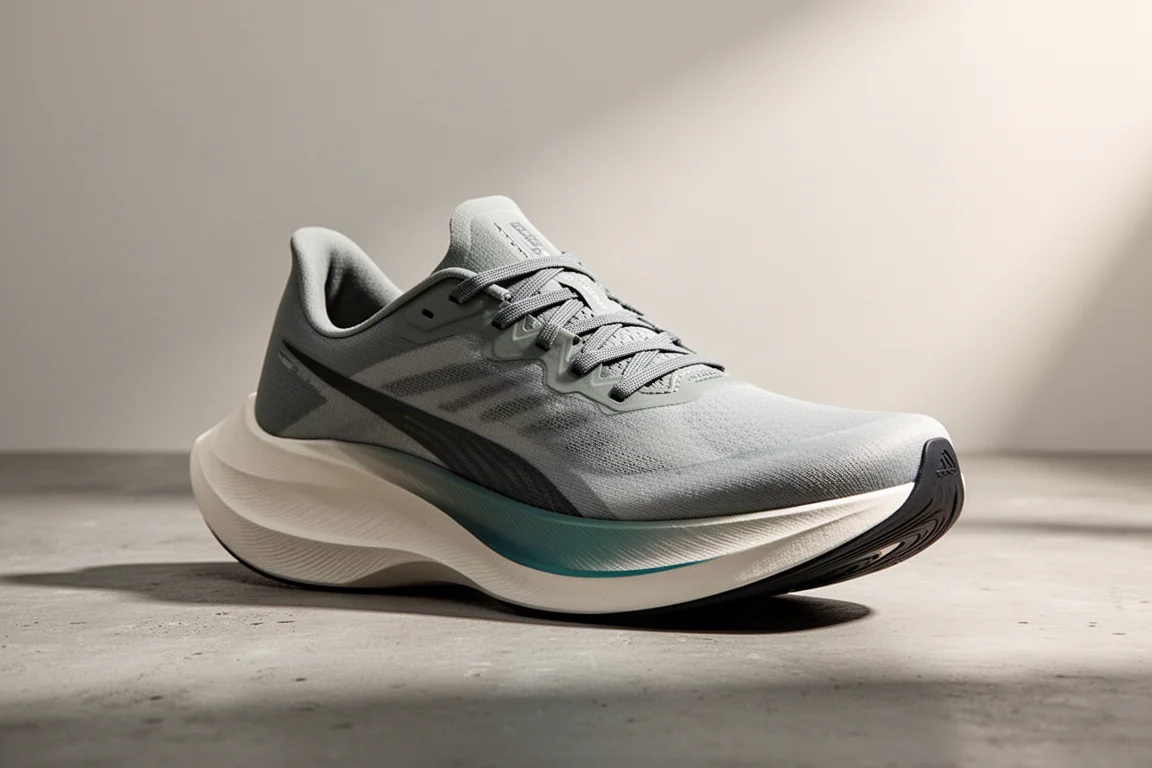
The Specter 3 shares a very similar design and spec sheet with the Specter Elite: the same 39 mm stack, 5 mm drop, and the same Rev foam, at least in name. It is suspected, though not confirmed, that the Elite uses a slightly different TPU formulation. What it does not have is the carbon plate.
Think of the pair this way: the Specter Elite is the racing shoe, and the Specter 3 is the true training companion. It is a fun, bouncy, speedy shoe for days when you do not want to reach for carbon but want a feel close to what you get on race day. It also adds comfort features in the upper and more durability in grip and rubber thickness, making it better suited to absorbing bulk mileage.
It shines on long runs with a faster pace, or any session that needs more aggression than an easy day. If you would rather skip carbon entirely, you can pick just the Specter 3 and save a lot of money: it retails for $170.

Hoka Cielo X1 3.0
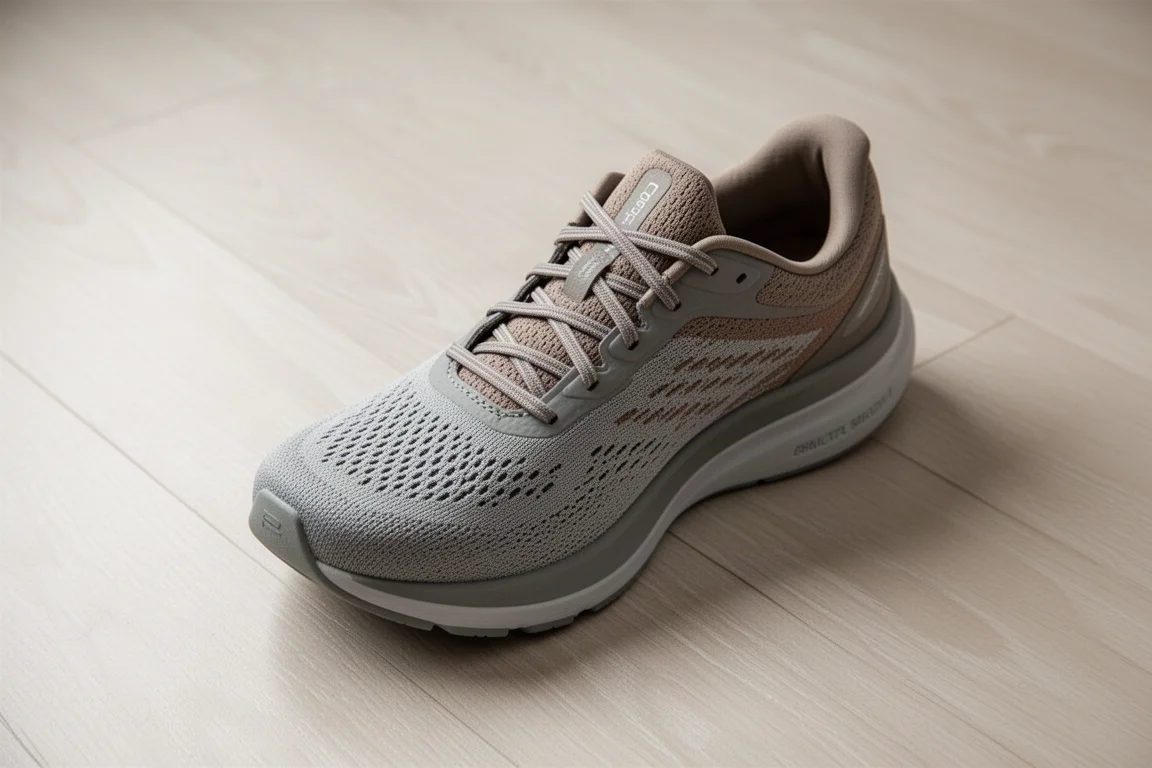
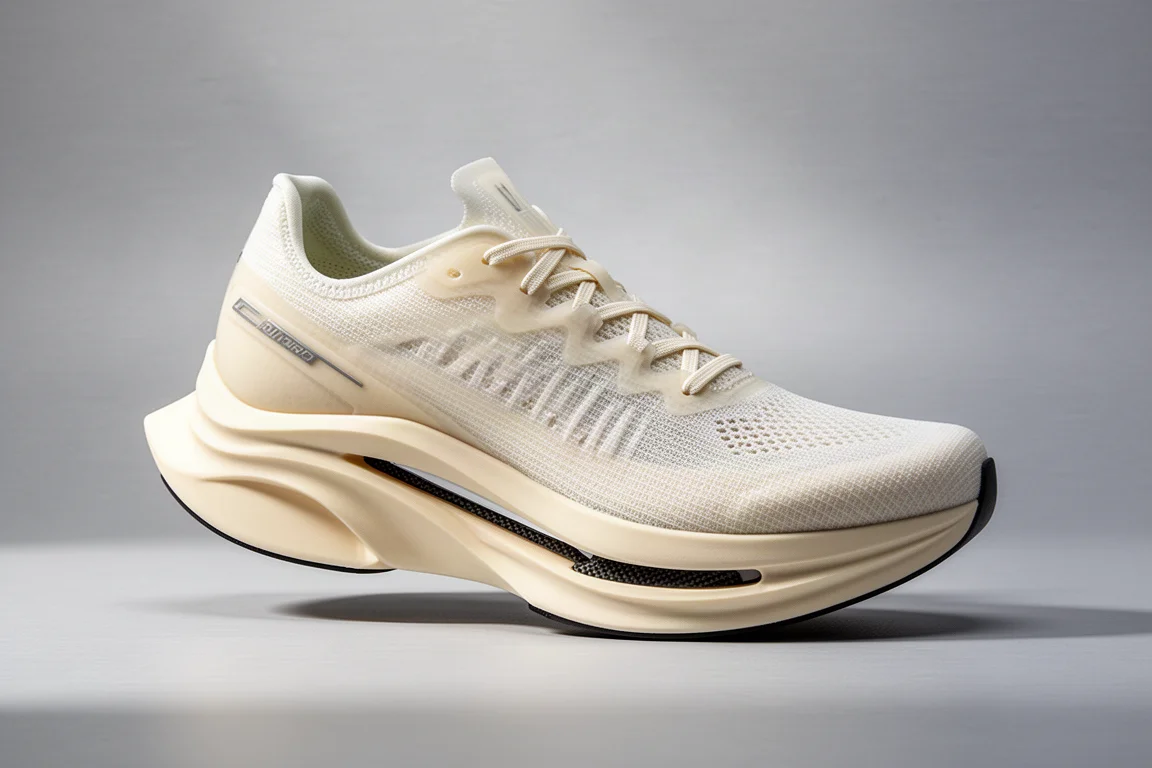
When it comes to fun and bouncy midfoot-striker shoes for 2026, the Hoka Cielo X1 3.0 is usually the first that comes to mind. It uses PEBA foam rather than the ATPU in the Topo, but the mechanics are strikingly similar: the widest point sits a little behind the pads of the feet, inviting midfoot strikers to land there and roll through a very aggressive rocker and tapered forefoot.
Forefoot strikers can run well in it, but it is ideally suited to midfoot strikers, just like the Specter Elite. The differences come down to feel. The Topo is softer, while the Cielo X1 3.0 delivers a more dynamic sensation: it compresses deeply and decompresses in an exciting, springy way. It also feels more stripped down and nimble, with a snugger fit around the foot, though there is still plenty of toe room.
If you want maximum dynamism and a closer-fitting race shoe, the Cielo X1 3.0 is the stronger pick, at $275.
Saucony Endorphin Elite 3
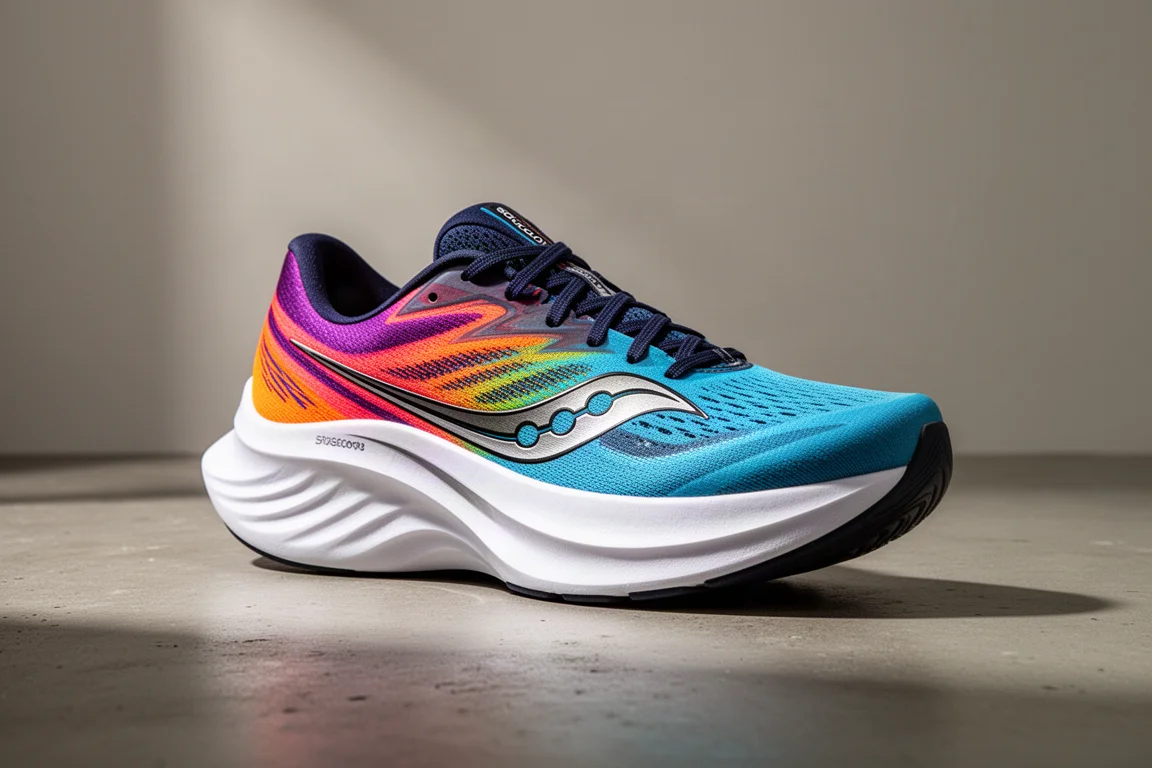
The Saucony Endorphin Elite 3 looks like a natural rival on paper: another TPU-based shoe with a very aggressive forefoot rocker and a similar silhouette. In practice, the two feel quite different.
The TPU in the Endorphin Elite is very squishy, arguably a little too squishy, and does not decompress fast enough. The result is a soft, fluid ride where the foot blows through the taper and compresses the foam, so the aggressiveness of the forefoot never really registers. The Topo compresses less and bounces back with far more energy, feeling bouncier and more rigid, which makes its taper something you can actually feel.
That said, the Topo could use a bit more of that compress-and-rebound quality in its own front end. Overall, if you prefer something more aggressive over something maximally soft, the Specter Elite is the stronger choice. But if the soft, fluid character appeals to you, be prepared to pay for it: the Endorphin Elite 3 retails at $290.
How to Choose Between These Four Shoes
For runners who have been waiting for a marathon racer built around an anatomical, foot-shaped toe box, the Specter Elite is an exciting arrival, and even runners who prefer a snugger fit should try it for the bounce alone. Pair it with the Specter 3 if you want a training shoe that mirrors the race-day feel without burning through your carbon plate mileage.

If you prioritize a dynamic, snappy compression and decompression feel and a snugger upper, the Cielo X1 3.0 is worth the step up in price. If you want the softest, most fluid ride of the group and do not mind a less aggressive forefoot, the Endorphin Elite 3 delivers that in spades.
Conclusion
Topo’s first carbon road shoe is a convincing one: bouncy, well-cushioned, and finally giving wide-footed runners a serious marathon racer. Whether you pair it with the Specter 3 for training, or line it up against the Cielo X1 3.0 and Endorphin Elite 3 depending on your ride preferences, 2026’s fun-and-bouncy racer market has never offered more choice.
Further reading
Related Reviews

Running Shoes
Best Road-to-Trail Running Shoes: Three Versatile Options for Mixed Terrain
A practical guide to three road-to-trail running shoes that handle both pavement and mild trails, with clear strengths and trade-offs for different runner types.

Running Shoes
Best Running Shoes for Achilles Tendonitis: Three Options Explained
Three running shoes with different heel drops and support features designed to help reduce Achilles tendon pain during walking and running.

Running Shoes
Best Running Shoes for Women: Five Top Choices Ranked
A ranked guide to five women's running shoes, from versatile daily trainers to high-performance racing options, with real strengths and trade-offs for each.