Running Shoes
Topo Specter Elite First Run Review: Topo's First Super Shoe Is a Monster
Topo enters the super shoe market with the Specter Elite, built on a new Rev Foam ATPEU compound and aggressive geometry, alongside the excellent Specter 3 super trainer.
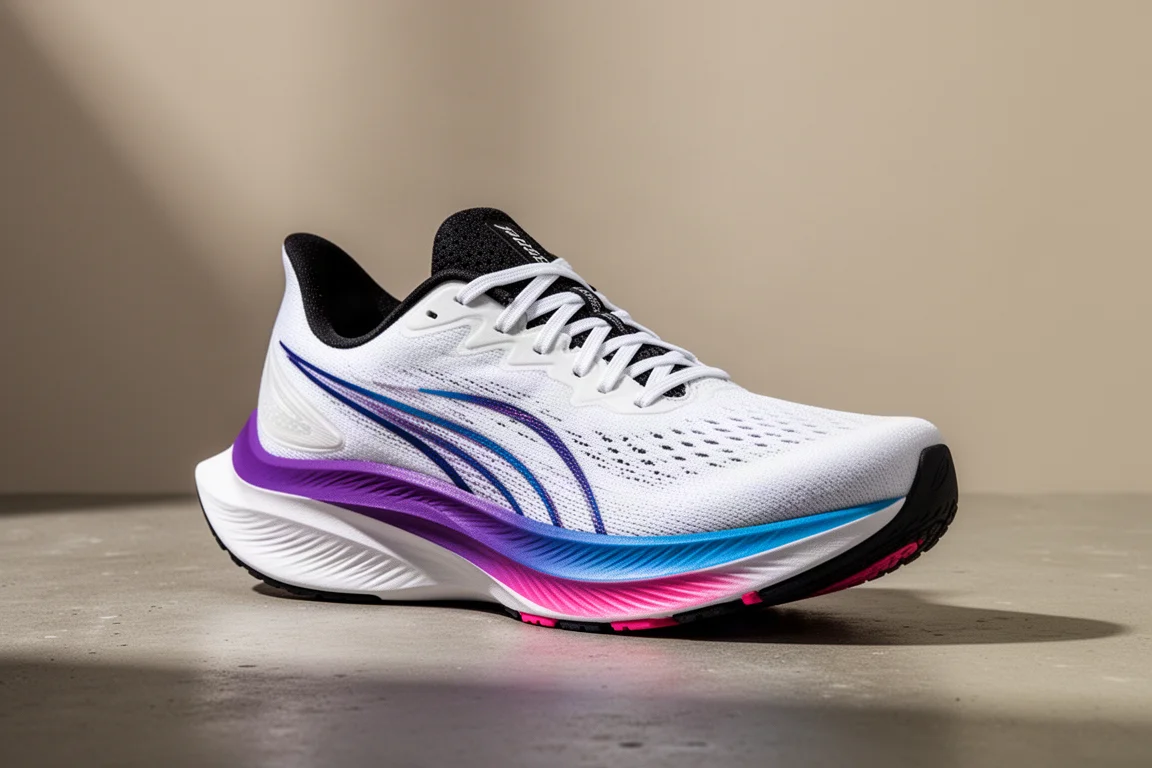
Introduction
Topo has spent years building a reputation on anatomical fit, low or zero drop, and steady improvement rather than headline-grabbing launches. With the new Pro series, that changes. The brand is stepping into the super shoe market for the first time with two releases: the Specter Elite, its first true race shoe, and the Specter 3, a super trainer that has quietly become one of the strongest daily trainers of the year.
After a first 10-mile run with strides and hill sprints in the Specter Elite, the early verdict is emphatic. This is not a cautious first attempt.
Inside the Pro Series: Why Topo Took Its Time
Making a competitive race shoe is much harder than making a good trainer. Most modern running shoes are serviceable to good, but race shoes live or die on snap, control, and top-end speed. Brands entering the market typically start with a trainer for exactly that reason. Topo, notably, took the longer route: it refined its training line for years, then debuted the Specter Elite with a brand-new midsole compound, Rev Foam ATPEU, a 100% aliphatic TPU construction.
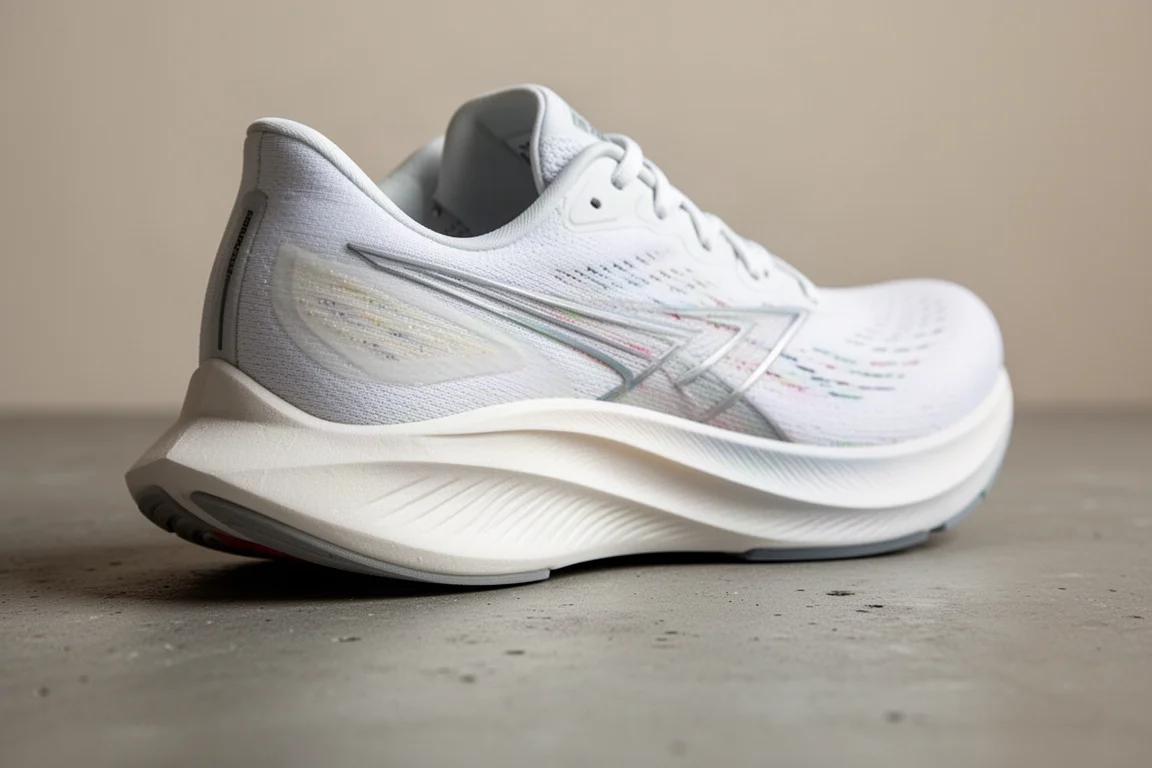
The geometry is the other half of the story. The shoe uses an aggressive rocker with a pronounced toe spring, a decoupled-looking midfoot, and a heel bevel that allows more foam in the heel than the traditional 40 mm stack rule would normally permit. A manual stack check put it around 42 mm in the heel, roughly 1 mm lower than the Hoka Cielo X1 3.0, with generous foam through the heel and midfoot. Eyeballing the forefoot, there is roughly 30 mm of cushion at the toe-off point, well above what traditional super shoes offer up front.
Fit and Feel on Foot
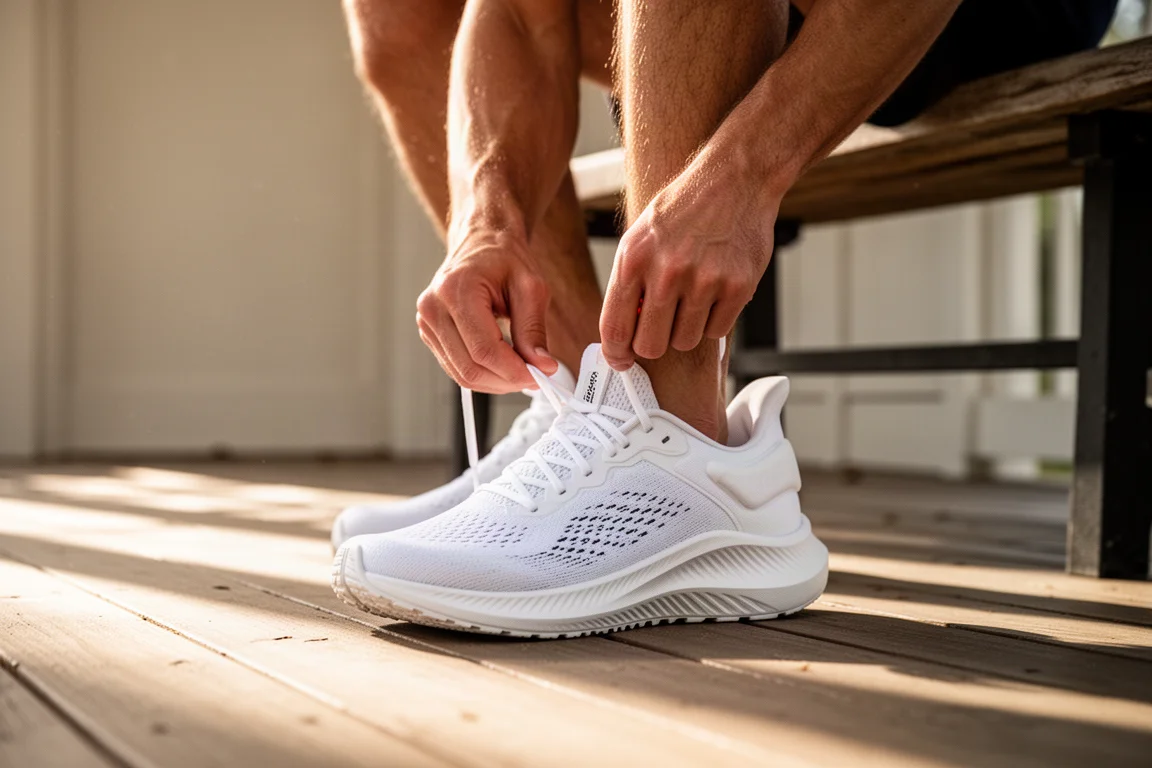
The Specter Elite keeps Topo’s signature wide toe box, though it feels slightly less extreme than the standard Specter. Toe cap room is adequate in true to size, an improvement over earlier Specter versions where the hard plastic toe cap could crowd the front. The heel feels secure, the tongue is thin and lightweight, and the sawtooth laces tie down nicely.
Step-in is a highlight. The top of the insole has a soft, almost satin-like material that gives a luxurious first impression, a clear contrast to shoes with exposed foam underfoot. The upper is a lightweight, canvas-like material with just enough padding around the heel collar. One early caveat: the rubber outsole did not show much grip on a damp, debris-covered walkway, though it is hard to say whether that surface would be slippery for any shoe.
Ride and Performance on a 10-Mile Test
The test run covered 10 easy aerobic miles, a hard one-minute uphill surge, and 10x10-second hill sprints. The foam is the star. Rev Foam ATPEU sits in a Goldilocks zone: not too soft, not too firm, with genuine bounce and a robust feel that gives something back when you push power through it. It compresses well, rewards harder effort, and comes alive at speed. Hill sprints in the low 4-minute per mile pace range felt quick and powerful, and the shoe stayed comfortable through the aerobic miles as well.

The ride is versatile in the way the best super shoes are. Land on the heel and the wide base catches you, sinks slightly, and rolls you forward. Land midfoot and the rocker puts you straight onto your toes. Stability is solid thanks to that broad heel platform, with the foot cradled in a soft but sturdy frame. The comparison that fits best is a slightly firmer Saucony Endorphin Elite, or a blend of cruiser comfort and bruiser speed similar to the Hoka Cielo X1 3.0.
The main trade-off is weight. At 224.5 g measured, it sits on the heavier end for a race shoe in 2026, closer to the On Cloudboom Strike 2 and Hoka Cielo than the 170 to 180 g lightweight cluster. But you get a lot of foam and a lot of bounce for that weight, which makes the mass easier to forgive.
Where the Specter Elite Fits in the Market
Race shoes broadly fall into three types: featherweight short-distance specialists, aggressive elite marathon pinnacles, and comfort-oriented hybrid racers. The Specter Elite lands squarely in the third category, alongside shoes like the Saucony Endorphin Elite, New Balance SC Elite v5, and Hoka Cielo X1 3.0. It has enough cushion and comfort for two to three hours on foot, and enough speed for threshold sessions and marathon pace work.
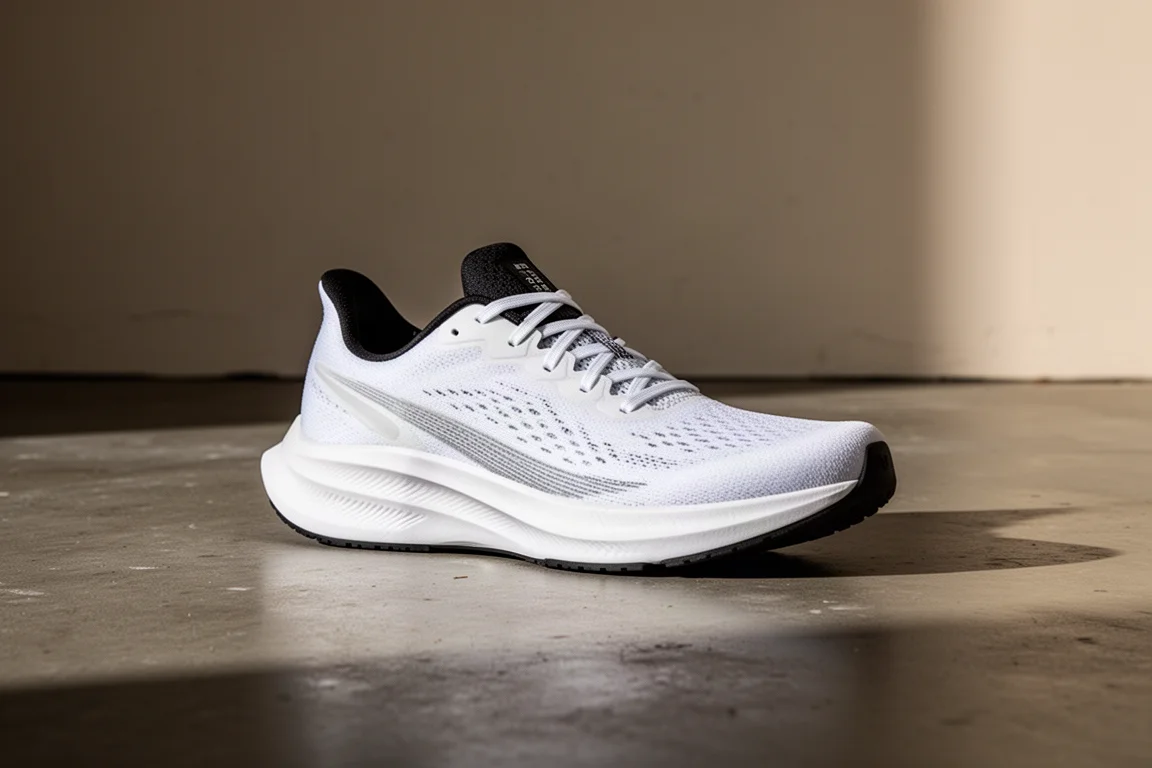
For 3-hour to 4:30 marathoners, the likely audience for a shoe like this, the combination of stability, cushion, and speed is close to ideal. The only realistic downside is for runners chasing all-out 5K speed or sub-3-minute 1K repeats, where this may feel like too much shoe. If you prefer minimal foam and a ground-feeling ride, it also will not suit you. For everyone else training with longer marathon pace work and threshold sessions, it has more than enough top end.
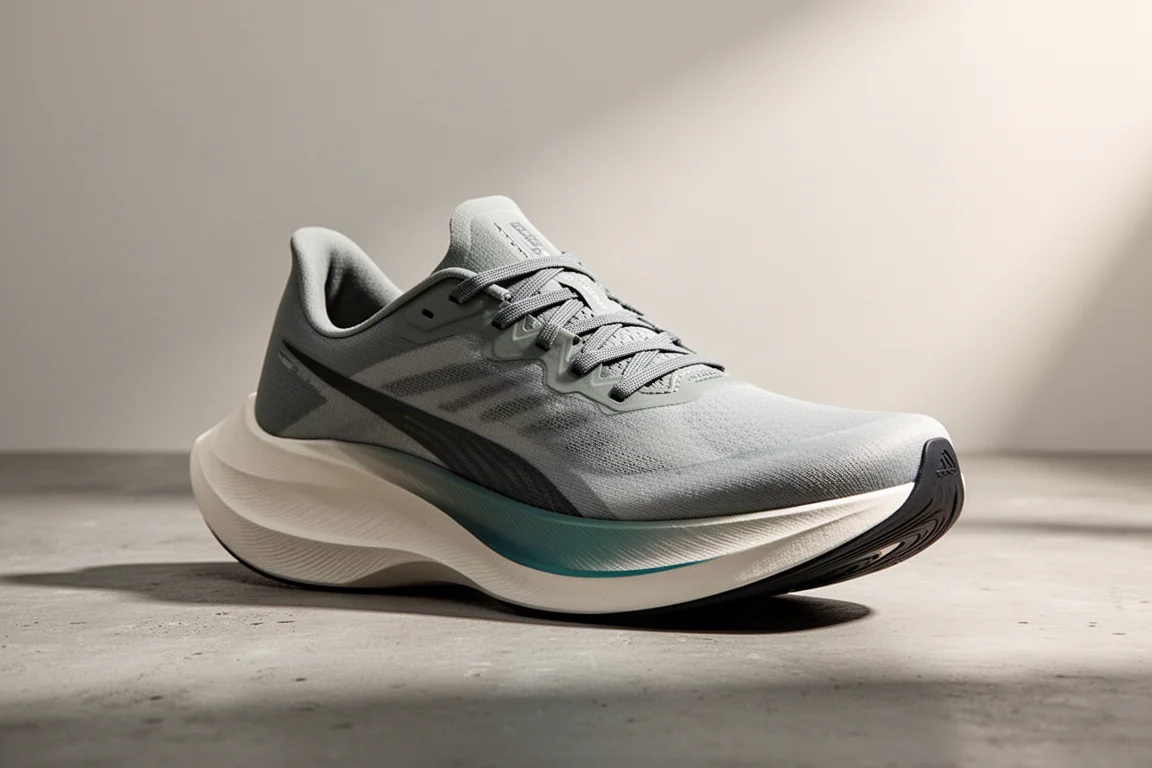
The Super Trainer: Topo Specter 3
The Specter 3 deserves its own spotlight because it is the other half of what makes the Pro series launch compelling. As a super trainer it weighs a competitive 240 g, uses an aliphatic TPU compound similar in spirit to the Specter Elite’s foam, and shares the same wide toe box, anatomical fit philosophy, and beautifully dialed rocker geometry. It handles easy miles comfortably and picks up the pace willingly, whether you land on the heel or push through the forefoot. It has already earned a place among the top training shoes of the year, and together with the Elite it gives Topo one of the best one-two punches of trainer plus racer in 2026.
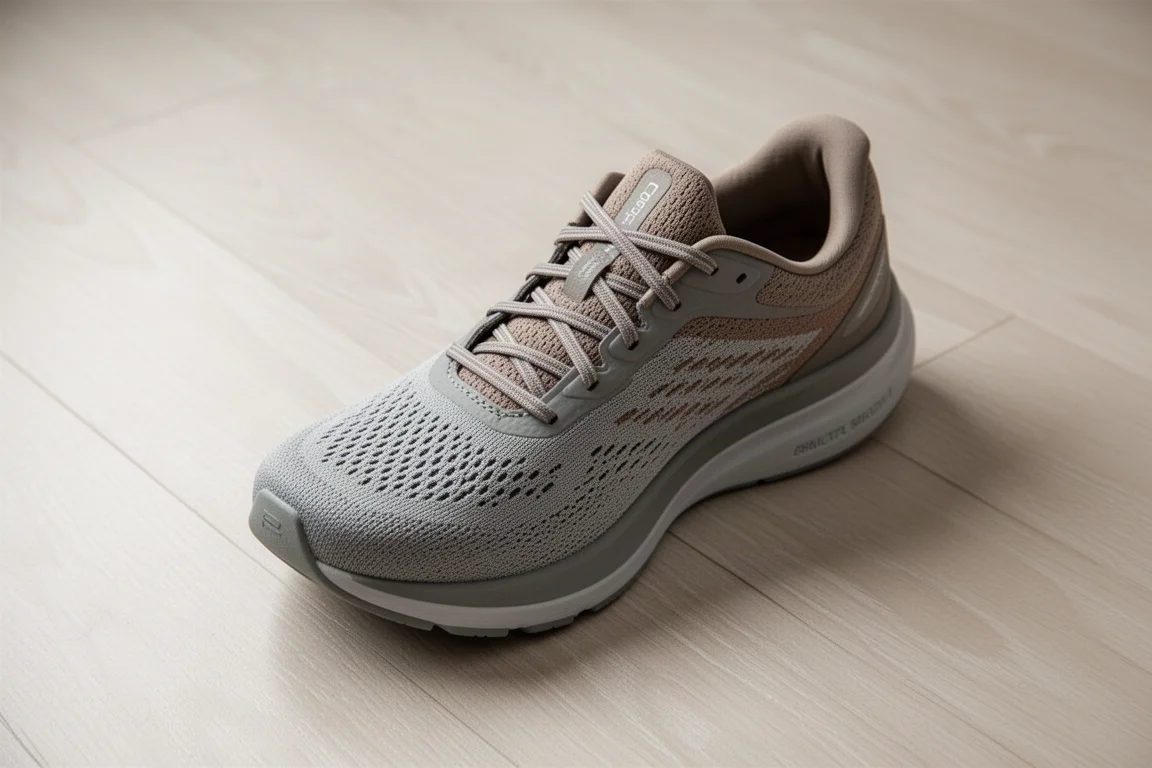
Buying Advice
Choose the Specter Elite if you want a marathon racer that blends speed with long-run protection: cushioned enough for hours on foot, energetic enough for hard sessions, and wide enough in the toe box for feet that expand over a long distance. Be aware of the heavier weight and the unproven outsole grip on damp surfaces.
Choose the Specter 3 if you want one shoe to handle the bulk of training, from easy miles to uptempo work, with modern TPU foam and Topo’s signature fit. It is the more versatile, higher-mileage option of the two.
The Specter Elite has potential to be one of the top racers of the year after a single run. A longer test will tell the full story, but the first impression is about as strong as a debut can get.
Conclusion
Topo did not ease into the super shoe market; it arrived with a fully modern foam compound, aggressive and effective geometry, and a fit that keeps its anatomical identity intact. The Specter Elite is a genuine race day option for marathoners, and the Specter 3 backs it up as one of the year’s best super trainers. If you are building a short list for a fall marathon, the Specter Elite belongs on it.
Further reading
Related Reviews

Running Shoes
Best Road-to-Trail Running Shoes: Three Versatile Options for Mixed Terrain
A practical guide to three road-to-trail running shoes that handle both pavement and mild trails, with clear strengths and trade-offs for different runner types.

Running Shoes
Best Running Shoes for Achilles Tendonitis: Three Options Explained
Three running shoes with different heel drops and support features designed to help reduce Achilles tendon pain during walking and running.

Running Shoes
Best Running Shoes for Women: Five Top Choices Ranked
A ranked guide to five women's running shoes, from versatile daily trainers to high-performance racing options, with real strengths and trade-offs for each.