Trail Running Shoes
Topo Pursuit Review: A Zero-Drop Trail Runner Built to Last
A long-term look at the Topo Pursuit, a zero-drop trail runner with a wide toe box, a 28 mm stack and durability that changes the cost-per-mile maths.
Introduction
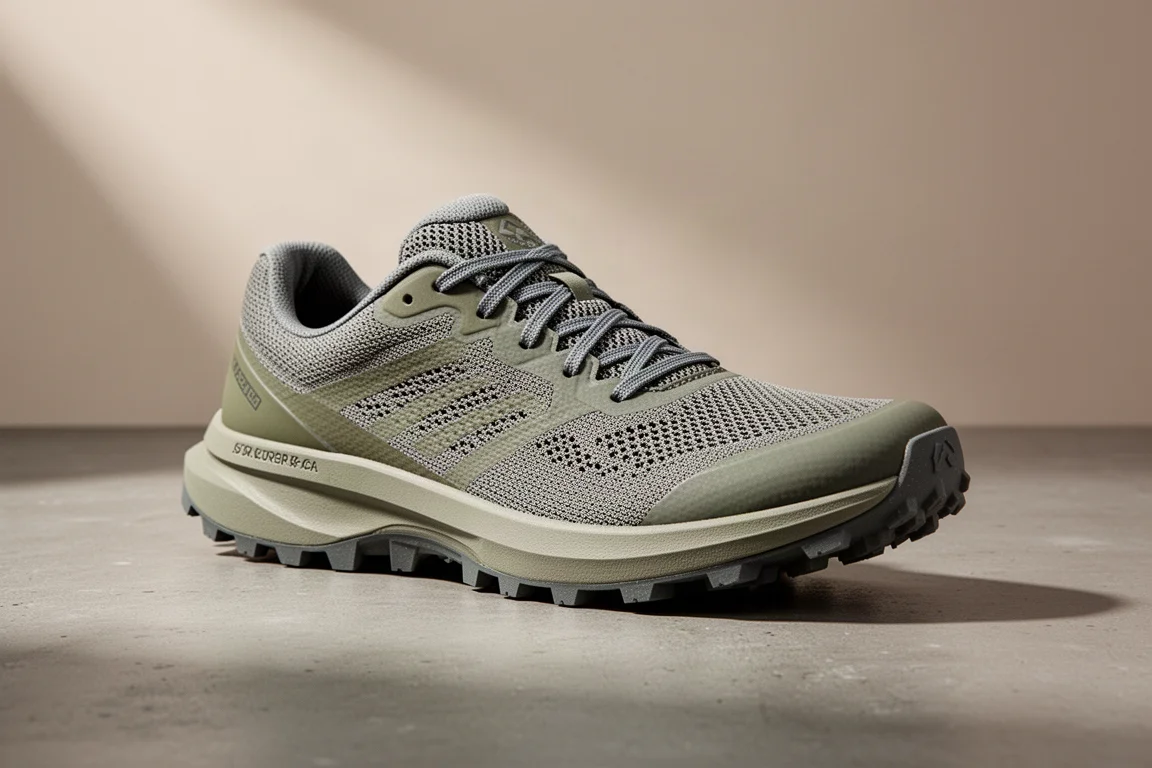
The Topo Pursuit is a zero-drop trail runner built around an extra wide toe box, a 28 mm stack height and the brand’s ZipFoam midsole. It is aimed squarely at hikers and runners who have spent years in wide, flat trail shoes and want something that keeps its shape for longer than a single season.
This assessment covers six months of heavy use: a long section of the Pacific Crest Trail through Washington and the Cascades, a ten-day Himalayan trek that reached Everest Base Camp, regular trail running on local trails, and climbing trips involving a lot of steep rock scrambling. Two pairs were bought at full retail for that testing, so nothing here rests on goodwill or a free sample.
The short version is straightforward. The midsole and the outsole are the standout elements, durability is the real argument for switching, and there are two or three quirks worth understanding before you order.
Who the Topo Pursuit Is For
The clearest audience is the long-distance hiker. A zero-drop platform, a wide toe box and a 28 mm stack that carries pack weight without feeling mushy add up to a shoe that suits big-mileage days on mixed terrain. Trail runners who prefer a natural foot position and a roomy forefoot will recognise the fit immediately.
It is also a sensible choice for anyone who has grown tired of replacing trail shoes every few hundred miles. The durability story here is the reason many people start looking at this model in the first place, and it holds up in practice.

There is no rock plate in the Pursuit, so underfoot protection comes from the foam and the stack height rather than a stiff plate. That is a deliberate design choice rather than a shortcoming, but it is worth knowing if you are used to a firmer, more protective ride underfoot. The shoe is also compatible with the brand’s own trail gaiters, which is a detail we will come back to.
Main Strengths
Three things separate the Pursuit from the average trail shoe: the foam, the rubber and the way both of them age.
Comfortable and Durable ZipFoam Midsole
Most trail midsoles start to break down after a couple of hundred miles. The foam compresses, the ride gets thinner, and every strike on rock or root becomes more noticeable. That is the usual pattern, and it is the reason so many long-distance hikers treat shoes as a consumable.
The ZipFoam midsole in the Pursuit has not followed that pattern. After a heavy six months the foam is still responsive, still cushioned, and still holding its volume rather than pancaking out. The 28 mm stack sits in a genuinely useful middle ground: enough cushion for hiking with a loaded pack, enough sensitivity for trail running, and not so much that the shoe feels vague or clunky. Rocks, roots and hard-packed ground stay muted rather than sharp.
Confident Vibram Megagrip Traction
The outsole uses Vibram Megagrip rubber with a well-spaced lug pattern. Megagrip is a familiar compound on trail shoes, but the combination of this rubber and this lug layout has proven to be the grippiest setup used in this category of testing.
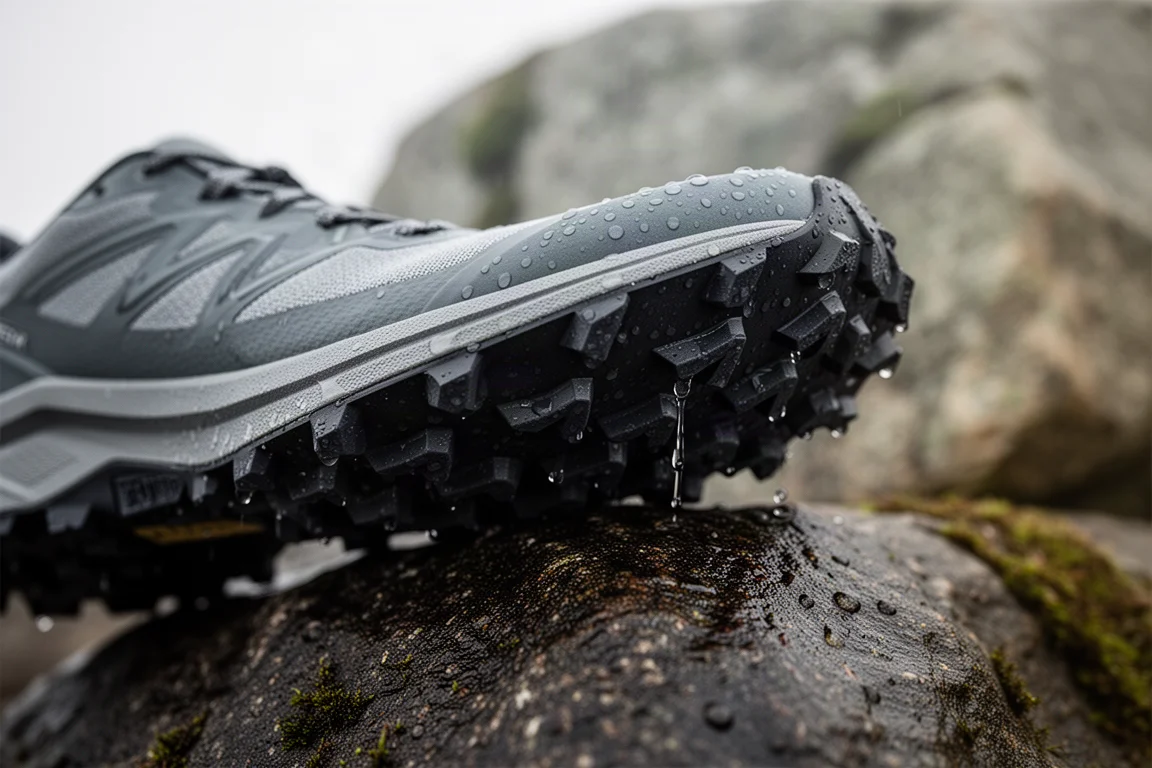
Wet rock, loose sandstone and glacier travel all fell within its comfort zone during testing in Nepal and the Cascades. Edges bite rather than smear, and the lugs clear reasonably well in soft ground. For anyone who spends time on technical, mixed terrain, this is the part of the shoe that inspires the most confidence on descents.
Durability That Outlasts Expectations
Durability is the headline. After months of rock scrambling, running and hiking across very different environments, there is no delamination, no holes in the mesh upper, and no foam squish-out. The shoe looks used, not worn out.
Only two areas show real age. The lugs have worn down slightly, as any outsole will, and on one shoe a small section of fabric near the foam has opened up after repeated contact with rock during scrambling. Both are cosmetic compared with the structural failures that usually end a trail shoe’s life. There is still a substantial amount of mileage left in this pair, and that is the strongest argument in the shoe’s favour.
Things to Consider Before Buying
None of the following are dealbreakers, but each one is worth factoring in before you commit.
Custom Insoles Need a Break-In
If you use aftermarket insoles, expect some work. The footbed shape and depth mean custom insoles do not seat cleanly on the first try, and getting them to sit properly involves trimming and repeated adjustment. Eventually they settle in, but the first few days are not comfortable.
The stock insoles are a different story. They are among the plushest and most comfortable insoles included with a trail shoe, so if you normally run the insole a shoe ships with, this concern disappears entirely. It only affects riders and hikers who bring their own.
The Proprietary Gaiter System
The Pursuit is gaiter compatible, but only with the brand’s own gaiters. The front of the shoe has a small attachment ring, while the heel uses a rubber bumper plate with hooks designed for that single system. There is not enough material at the back to glue on a Velcro patch, which makes third-party gaiters difficult to fit.
It is a familiar industry habit and a frustrating one. If you already own a gaiter setup you like, this is the detail most likely to annoy you.
Price and Value
The Pursuit retails at $140, which is steep for a trail runner and among the most expensive pairs in this category. The counterargument is lifespan: on the evidence of this testing, one pair of Pursuits covers the mileage that would previously have consumed two pairs of a less durable shoe. If you are replacing trail shoes every 300 miles, the effective cost per mile changes considerably. If you are not, the upfront price is simply high.
Buying Advice
Buy the Pursuit for the midsole and the outsole, and let the durability justify the price over time. It suits hikers and runners who want a wide, flat, natural platform and who put real mileage on their shoes rather than using them for occasional weekend walks.
Two practical points before ordering. If you rely on custom insoles, budget a few days of adjustment and be prepared to trim. If you want to run gaiters, plan on the brand’s own system rather than adapting your existing pair. Neither issue affects the core performance of the shoe, but both are easier to accept when you know about them in advance.

Conclusion
The Topo Pursuit earns its reputation as a serious alternative for anyone who has been loyal to a wide, zero-drop trail shoe and is tired of short lifespans. The ZipFoam midsole stays comfortable and supportive far beyond the point where most foams give up, the Vibram Megagrip outsole grips confidently across wet rock, loose stone and glacier terrain, and the upper has survived months of scrambling without delamination or tears in the mesh.
The trade-offs are narrow and specific: custom insoles take patience, the gaiter system is proprietary, and $140 is a real commitment. Weighed against a shoe that keeps performing long after the typical replacement point, that maths still works out for high-mileage hikers and trail runners. For long-distance routes where reliability matters more than saving money upfront, this is a shoe worth putting on your shortlist.
Product link
View more details for Topo Pursuit
This product is mentioned in the review. Check the specifications, options, and compatibility before buying.
View more details for Topo PursuitFurther reading
Related Reviews
Trail Running Shoes
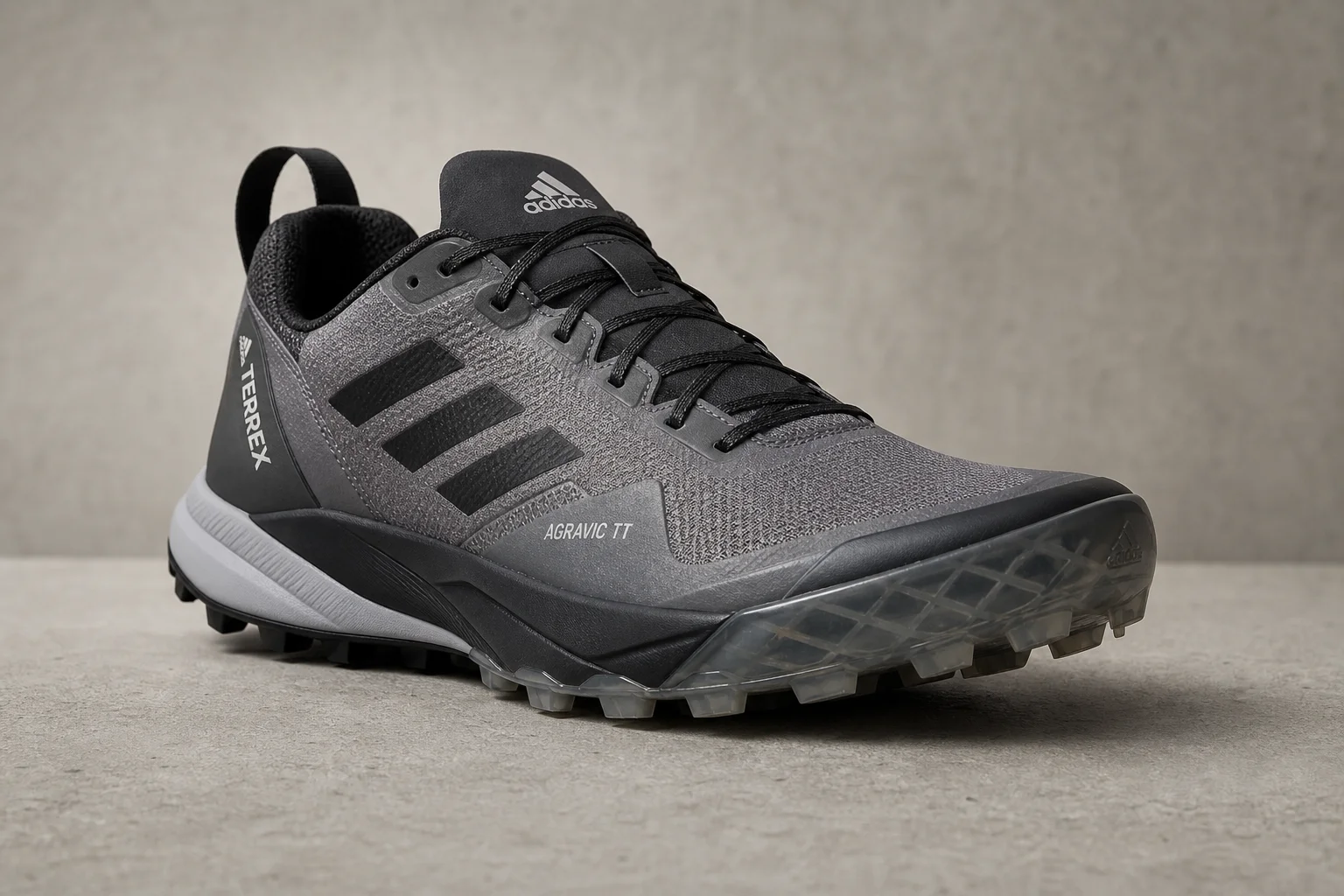
Adidas Terrex Agravic TT Review: A Technical Trail Shoe Built for Rocky Terrain
The Adidas Terrex Agravic TT combines a full-coverage rock plate with a firmer midsole to deliver protection and stability on technical, rocky trails. A capable choice for runners who prioritize underfoot defense over lightweight cushioning.
Trail Running Shoes
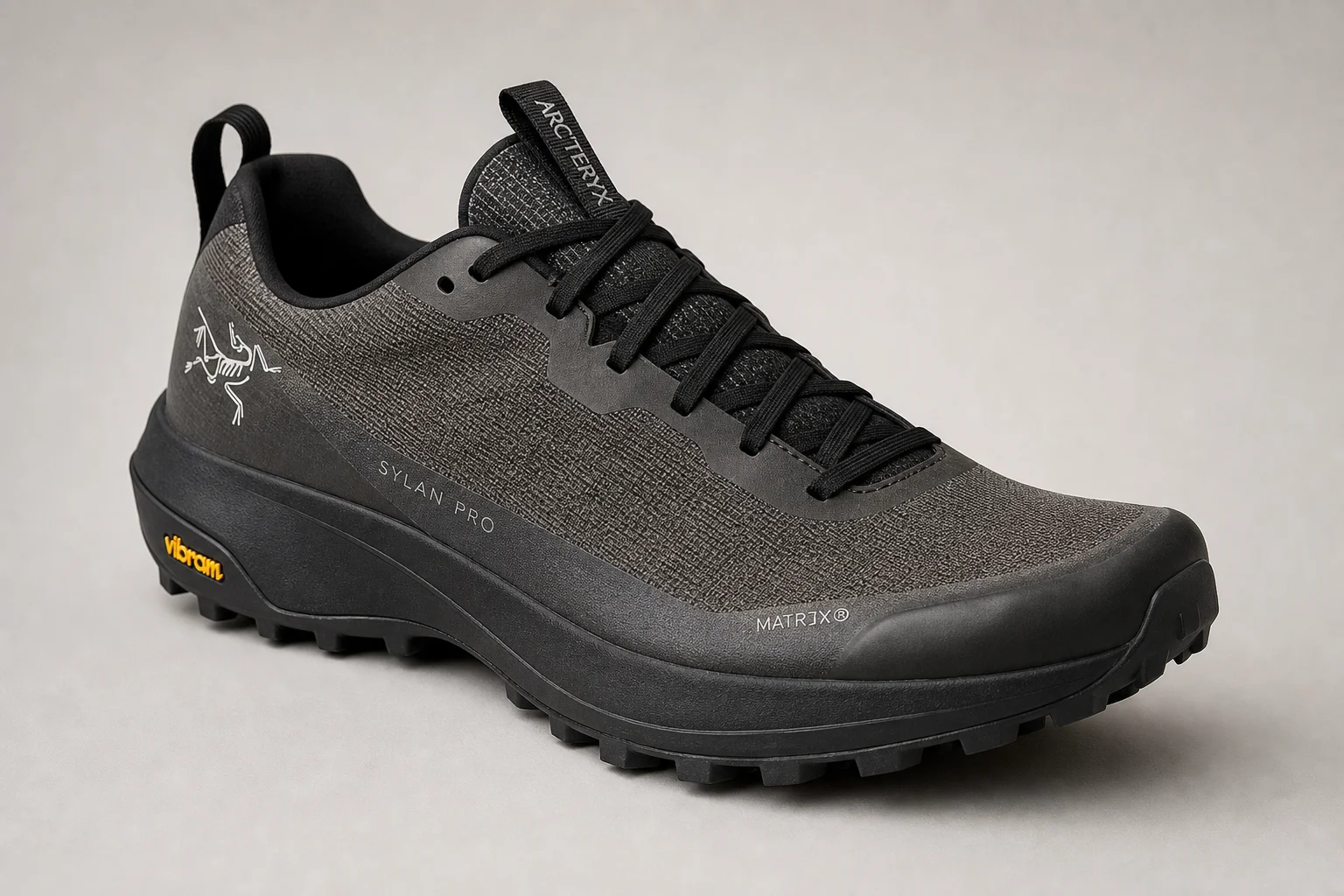
Arc'teryx Sylan Pro Review: A Rocker-Focused Mountain Running Shoe Tested on 20 Miles
The Arc'teryx Sylan Pro brings a pronounced rocker geometry and secure fit to mountain terrain. We tested it on a 20-mile Sawtooth loop to evaluate its climbing efficiency, protection, and handling of technical descents.
Trail Running Shoes
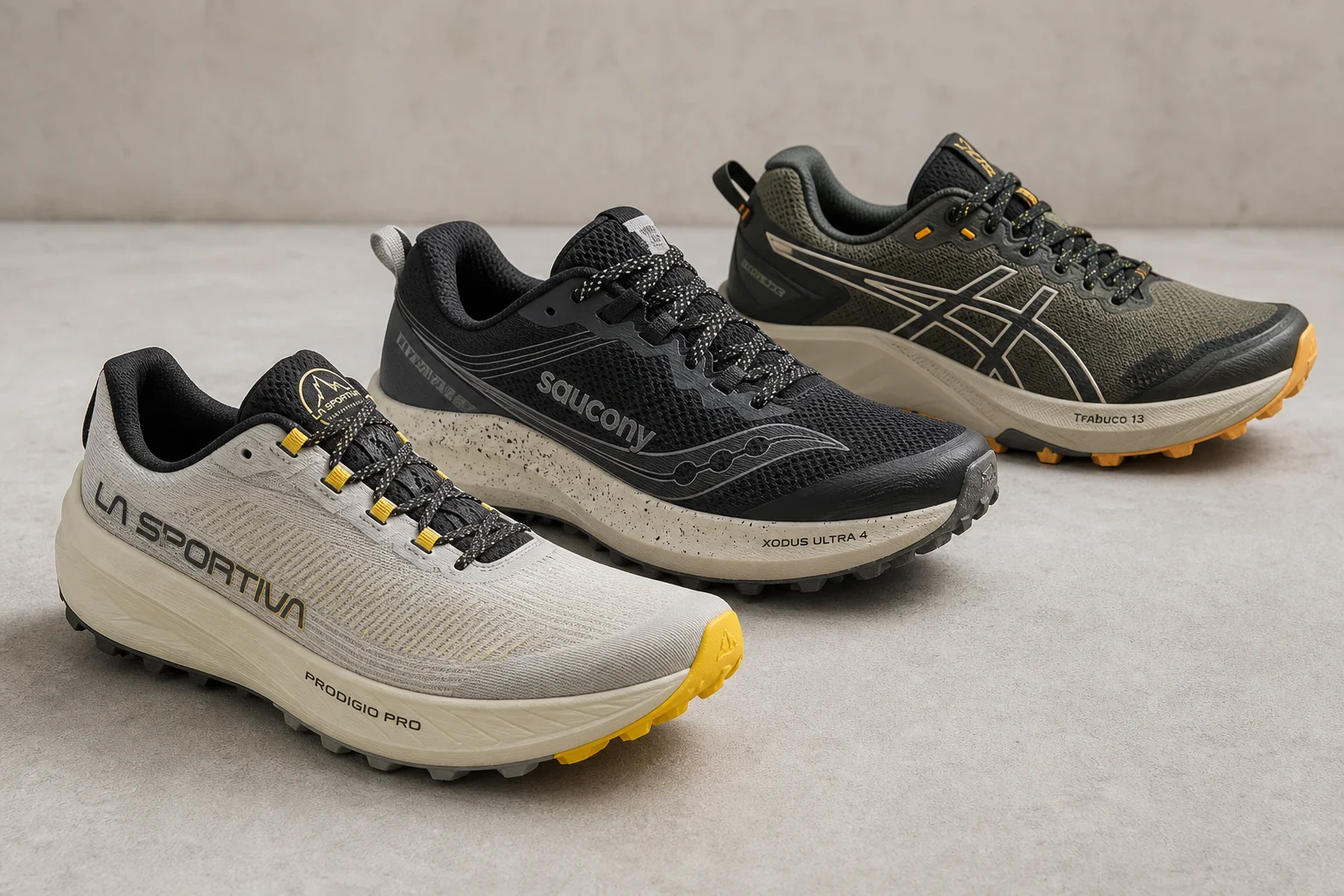
Best All-Mountain Trail Running Shoes: Three Versatile Options for Any Trail
A focused roundup of three all-mountain trail running shoes that handle technical terrain, long distances, and variable conditions with real strengths and practical trade-offs.