Trail Running Shoes
Topo Pursuit 2 Review: Long-Term Notes on the Updated Zero-Drop Trail Shoe
A long-term look at the Topo Pursuit 2, covering its unchanged midsole and outsole, the revised upper, the fit changes, and who should consider it.
Introduction
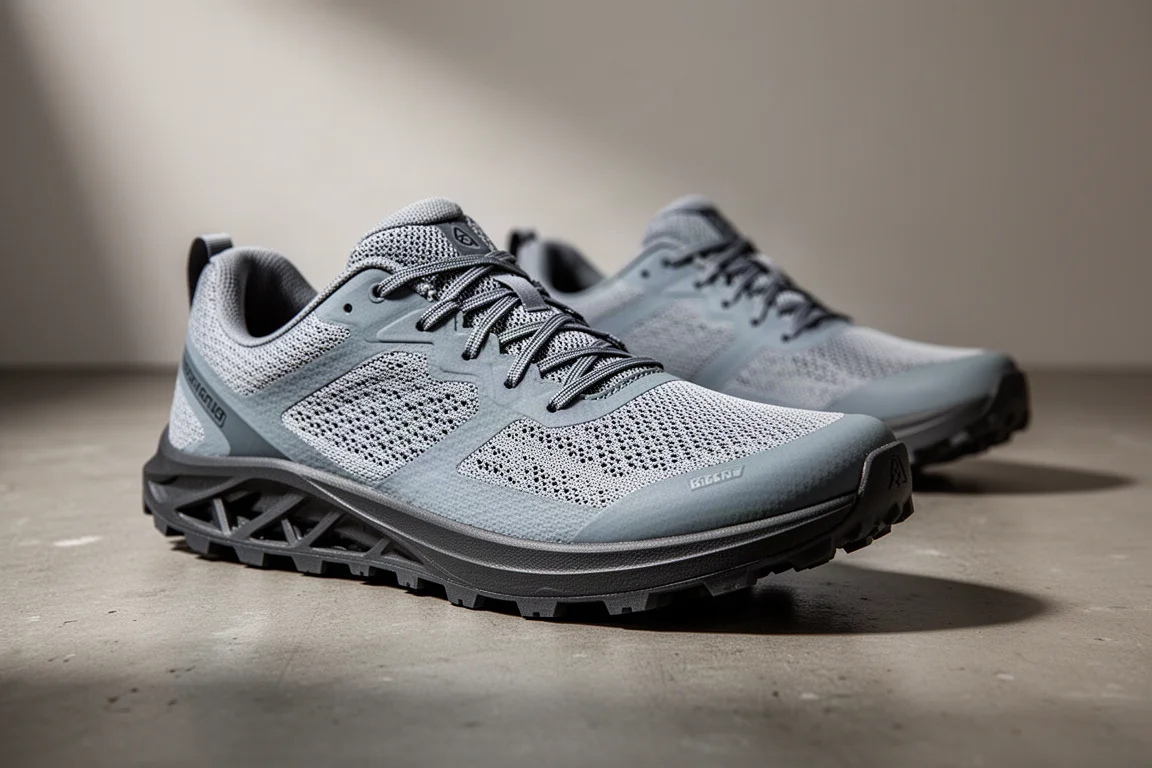
The Topo Pursuit 2 is a zero-drop trail shoe with an extra wide toe box, and it arrives as a deliberate revision rather than a full redesign. The midsole and outsole carry over unchanged from the original Pursuit. The upper is where the differences live: a new mesh, revised lamination around the toe bumper, and a slightly reworked heel cup.
That approach matters for anyone who liked the first version. When a favorite shoe gets updated, the usual worry is that the parts you relied on will change. Here, the components that decide how the shoe feels underfoot after hundreds of miles were left alone on purpose.
After roughly 400 miles of long-distance section hikes, trail running, fastpacking, a Himalayan trek that included a climb of Island Peak, and a full Tour du Mont Blanc, the story is consistent. The midsole and the outsole have held up well. The upper has not held up as well as the version it replaces.
The result is a shoe that stays easy to recommend for its ride, its grip, and the durability of its sole, with one clear caveat to weigh before buying.
Who the Topo Pursuit 2 Is For
The Pursuit 2 is a zero-drop trail runner with a 28 mm stack height and no rock plate. It uses Topo’s ZipFoam midsole and a Vibram Megagrip outsole, the same combination found on the original Pursuit. It is compatible with Topo’s own proprietary trail gaiter. A men’s size 12 weighs about 11 oz per shoe, a touch lighter than the previous version.
That specification list points to a specific kind of buyer. The shoe suits hikers and trail runners who want a level platform and a toe box that lets their toes spread naturally, a fit that has drawn many people to this line after years in other wide-fitting trail shoes.

It also suits long days more than short, fast efforts. The 28 mm stack keeps the foot close to the ground, which many hikers prefer on uneven terrain, and the absence of a rock plate gives a more direct feel underfoot on rocky ground.
What Changed From the Pursuit 1
The midsole and the outsole are the same as before. Every meaningful change sits in the upper.
The new mesh feels lighter and slightly softer than the previous material. The lamination around the toe bumper has been adjusted, and the heel cup is slightly wider and taller. The toe box is a little roomier as well. On the gaiter attachment plate, the lettering has been moved, which leaves a clear area where an aftermarket Velcro strip could be added. Price moved from $140 for the original Pursuit to $145.
That is a short list of changes, and it explains why the two versions feel so similar underfoot.
Main Strengths: Midsole, Outsole, and Grip
The ZipFoam midsole is the reason this shoe has a following. After roughly 400 miles, it has not compressed, squished out, or pancaked. It still rebounds, and the ride still feels close to how it felt when the shoes came out of the box.
That matters because foam breakdown is often the first thing to end a trail shoe’s useful life. When a midsole flattens, every rock becomes noticeable, particularly through the heel. A shoe that holds its shape for far longer than expected changes the math on what it costs per mile.
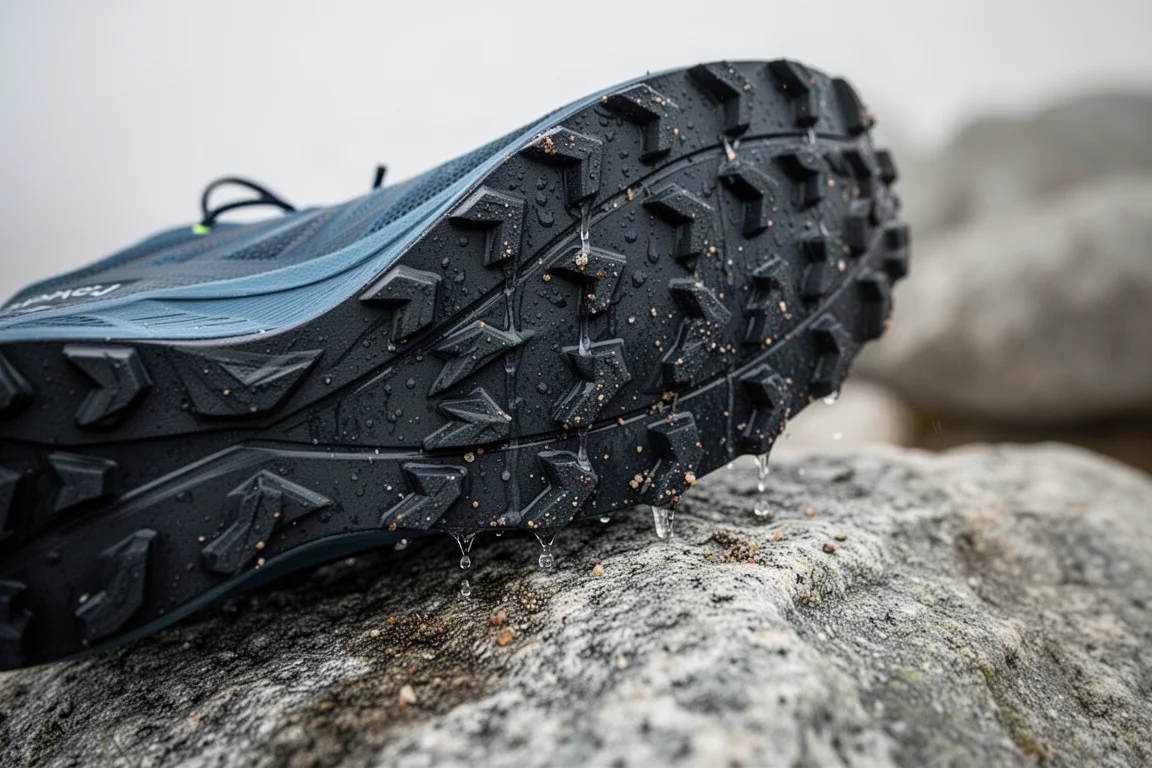
The Vibram Megagrip outsole is the second anchor. The lugs are well spaced and the rubber holds on rocky scree, boulder fields, and wet rock. Across a wide range of terrain, including long stretches in Nepal and the Alps, traction stayed consistent, and it held up even on wet surfaces where grip usually suffers first.
Main Strengths: Fit and the Stock Insole
The wide toe box is comfortable over long distances, and the zero-drop platform keeps the foot in a natural position without an elevated heel.
The stock insole deserves its own mention. It is made from a high-rebound foam, it is noticeably thick and cushioned, and it has a textured underside. It is the kind of insole many people would buy separately and slide into a shoe. For anyone who does not use a custom insole, it is comfortable straight out of the box, including on runs.
Sizing carries over from the previous version, which means a men’s 12 fits the same way it did before. If you already know your size in this line, you can order the Pursuit 2 with the same confidence.
Things to Consider Before Buying
The main trade-off is the upper. The new mesh uses a looser weave and a softer hand than the original. Over roughly 400 miles it developed several holes and began to separate from the midsole, a form of delamination the original upper did not show over a comparable distance. Lightweight breathable mesh is expected to wear over hundreds of miles of hiking, but the gap between the two versions is noticeable.
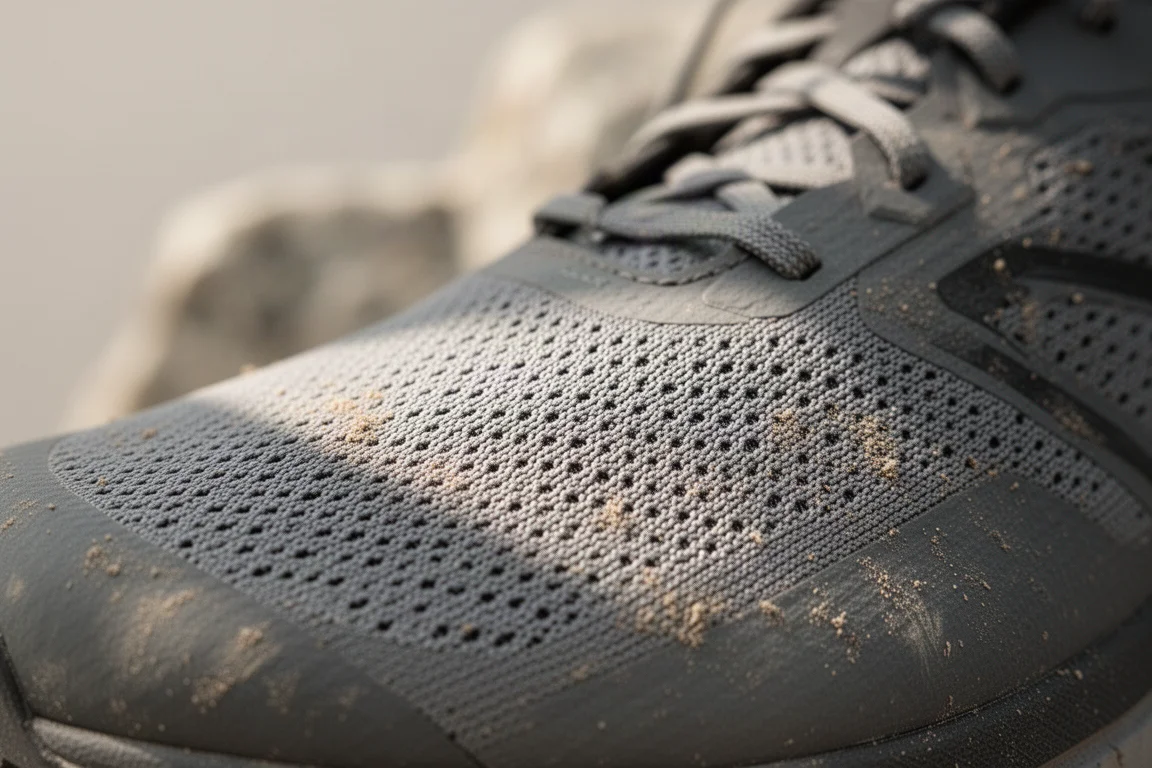
The wider toe box introduces a second issue. Because there is more room overall, the foot tends to drift toward the pinky-toe side of the shoe. On the outer edge, that produced a small hole where the toe rubs against the mesh, something the original version avoided entirely.
The heel cup is slightly wider and taller than before. Hikers with a broader heel are unlikely to notice, but those with a narrower heel may find less lockdown than they had in the first version.
Finally, the gaiter system is proprietary and designed for Topo’s own gaiter. The updated attachment plate leaves more clear space than before, so attaching an aftermarket Velcro strip is possible, but a universal system would be simpler for anyone who already owns gaiters.
Long-Term Value and Price
At $145, the Pursuit 2 sits above the price of the original, which was already described as an expensive option for a basic 28 mm trail runner without a tall stack or a lot of extra foam.
The counterargument is sole durability. If the midsole and outsole last roughly twice as long as a lighter-built alternative, the cost per mile can come out ahead even at the higher price. That is the calculation this shoe asks you to make, and it is a reasonable one for anyone who replaces trail shoes frequently.
Buying Advice
For anyone switching from another trail shoe and looking for a wide toe box, a zero-drop platform, and a 28 mm stack, the Pursuit 2 remains a strong option for trail running and long-distance hiking. Midsole and outsole durability is the core of that recommendation, and it is the reason this line has kept people from going back to their previous shoes.

If you already own a Pursuit 1 that is still in good shape, there is no urgent reason to replace it. The changes are concentrated in the upper, which is the part of this shoe that ages fastest, and the original mesh held up better in direct comparison. Waiting until your current pair is worn out costs nothing.
For everyone else, the decision comes down to how much value you place on a midsole that stays supportive. The upper will show wear over hundreds of miles. The sole is what keeps the shoe worth wearing while it does.
Conclusion
The Topo Pursuit 2 keeps what worked and leaves alone what did not need changing. The ZipFoam midsole and the Vibram Megagrip outsole are unchanged and remain excellent after roughly 400 miles. The revised upper is lighter and softer, but it is also less durable, developing holes and separating from the midsole where the original did not.
That trade-off does not change the verdict for most buyers. If you want a wide, zero-drop trail shoe that holds its shape across a long season, this is still one of the more convincing options available. If you own the first version and it is still going, keep hiking in it.
Product link
View more details for Topo Pursuit 2
This product is mentioned in the review. Check the specifications, options, and compatibility before buying.
View more details for Topo Pursuit 2Further reading
Related Reviews
Trail Running Shoes
Adidas Terrex Agravic TT Review: A Technical Trail Shoe Built for Rocky Terrain
The Adidas Terrex Agravic TT combines a full-coverage rock plate with a firmer midsole to deliver protection and stability on technical, rocky trails. A capable choice for runners who prioritize underfoot defense over lightweight cushioning.
Trail Running Shoes
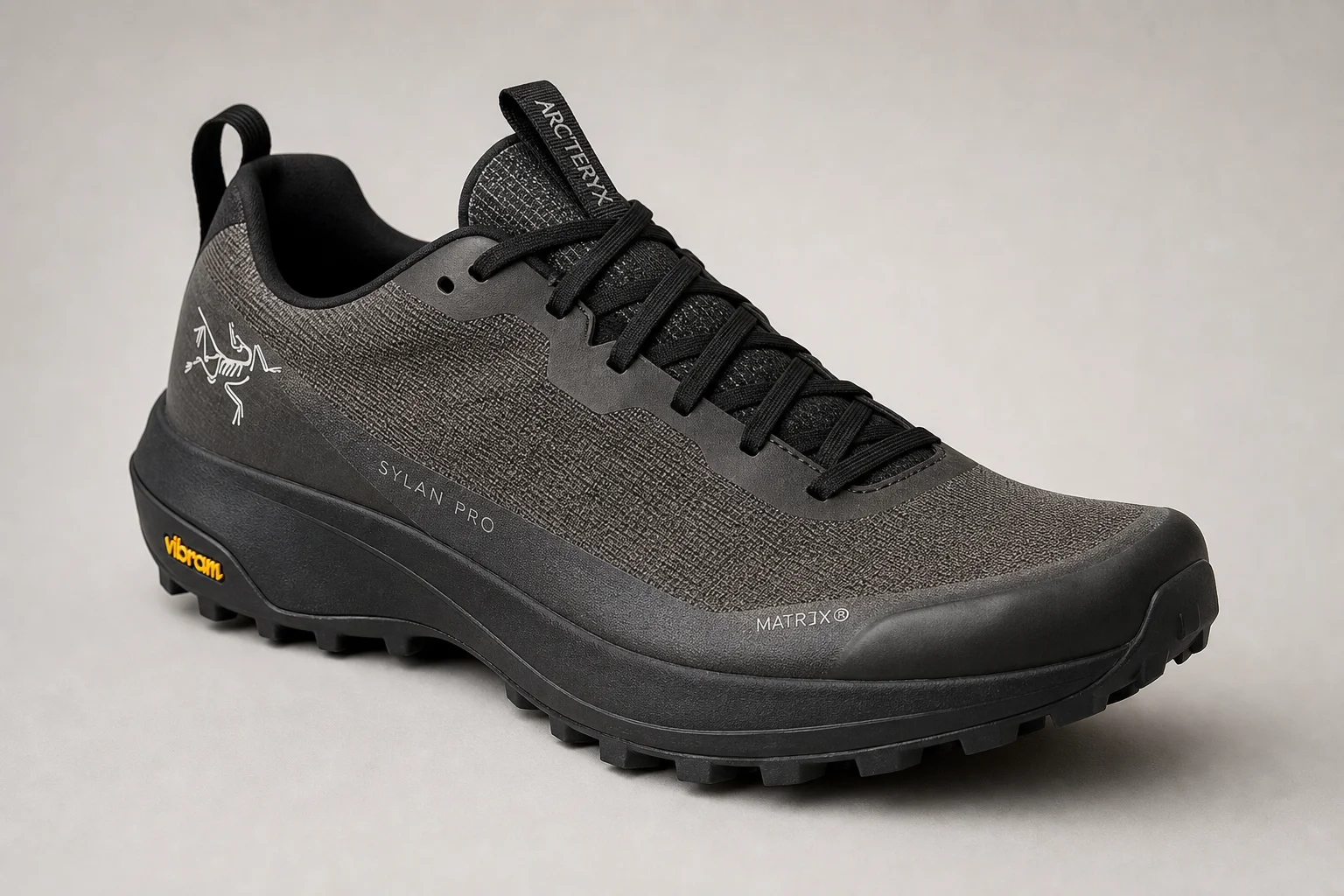
Arc'teryx Sylan Pro Review: A Rocker-Focused Mountain Running Shoe Tested on 20 Miles
The Arc'teryx Sylan Pro brings a pronounced rocker geometry and secure fit to mountain terrain. We tested it on a 20-mile Sawtooth loop to evaluate its climbing efficiency, protection, and handling of technical descents.
Trail Running Shoes
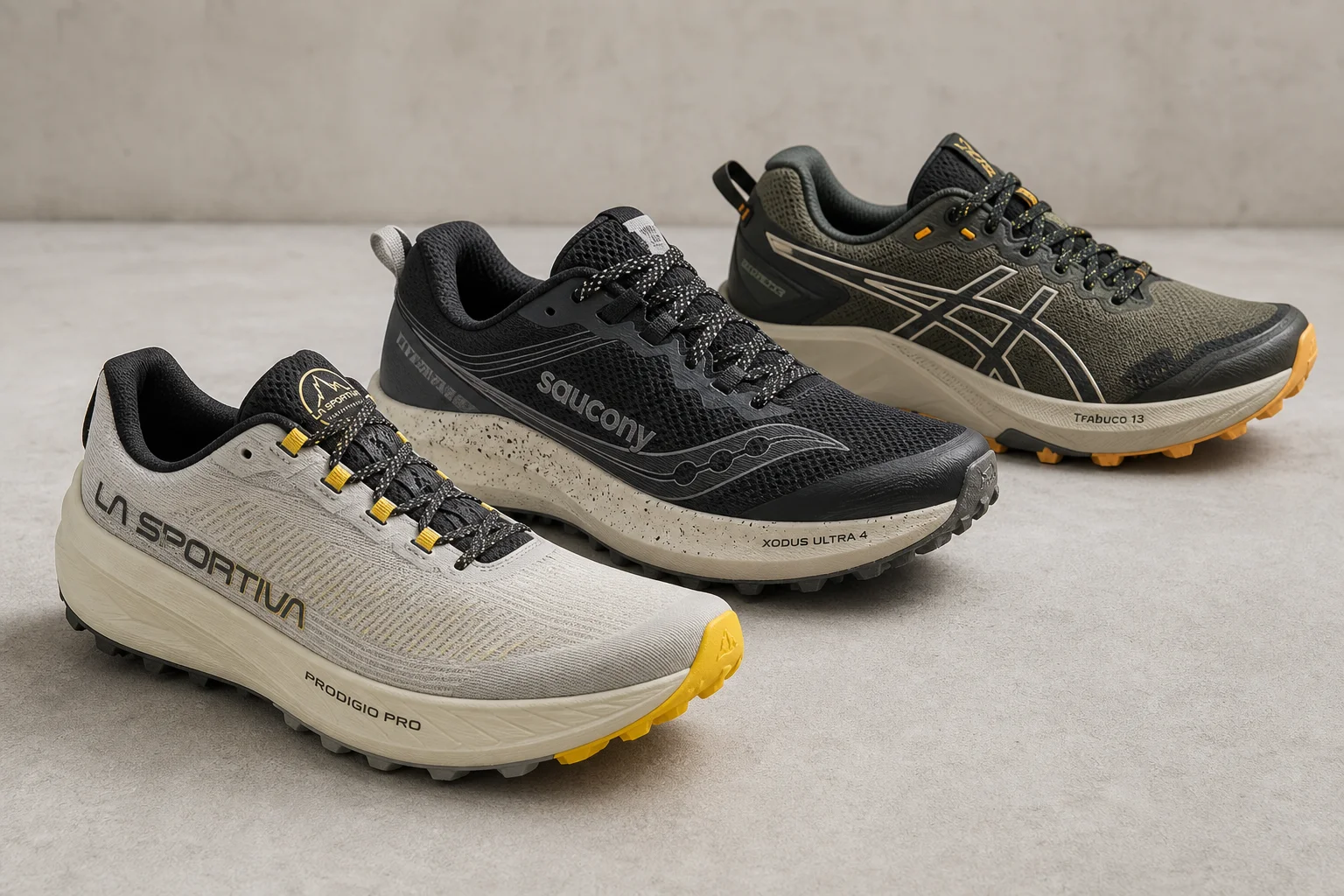
Best All-Mountain Trail Running Shoes: Three Versatile Options for Any Trail
A focused roundup of three all-mountain trail running shoes that handle technical terrain, long distances, and variable conditions with real strengths and practical trade-offs.