Running Shoes
Topo Cyclone 2 Review: A 200-Mile Verdict on This Lightweight Performance Trainer
After more than 200 miles of intervals, tempos, and easy runs, the Topo Cyclone 2 proves itself as a rare non-plated trainer that genuinely works at speed.
Introduction
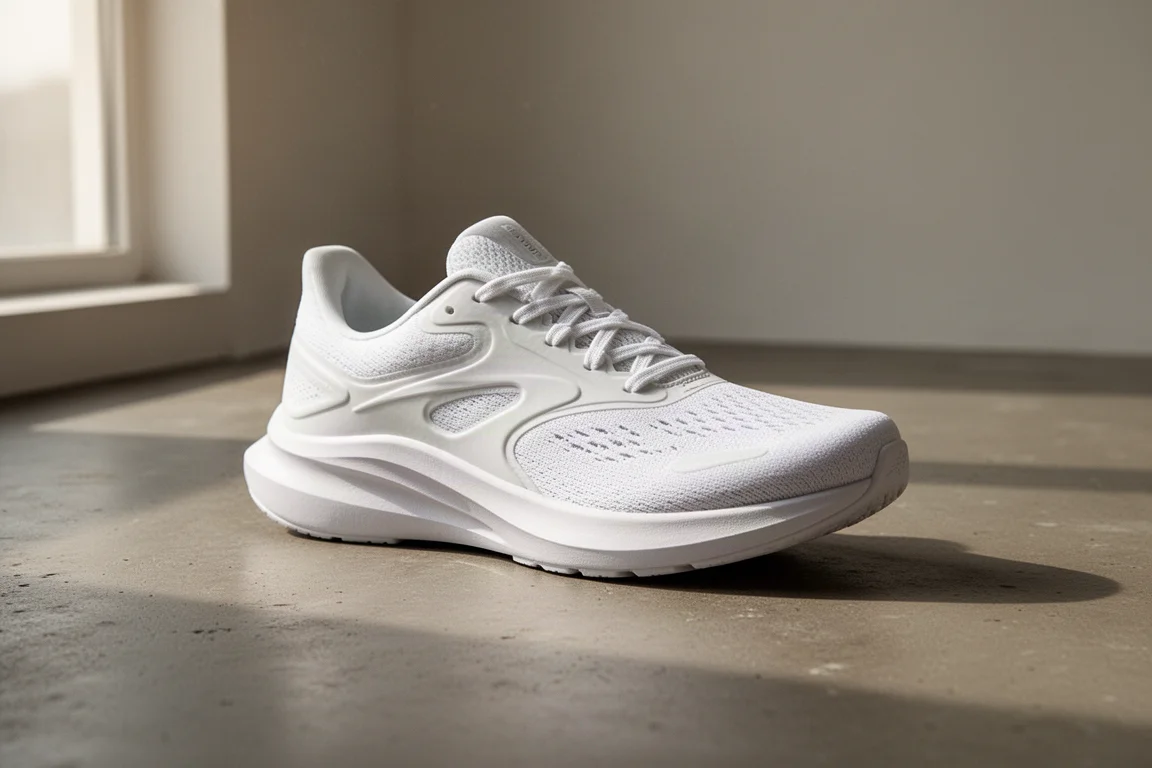
Some shoes earn their keep slowly. The Topo Cyclone 2 did the opposite: within a short stretch of consistent training, it became a favorite non-plated performance trainer, racking up more than 200 miles across every kind of workout. That kind of mileage in a short window usually tells you something, and in this case it tells you the shoe is doing a lot of things right.
After 212 miles, the verdict is clear: this is one of the most versatile non-plated performance trainers in recent memory, especially for runners who like a lower drop, an anatomical toe box, and a shoe that stays out of the way at faster paces.
Specs at a Glance
The numbers here are genuinely impressive. At 6.7 oz for a men’s size 9 and 5.5 oz for a women’s size 7, the Cyclone 2 all but disappears on your feet. The stack sits at 28 mm in the heel and 23 mm in the forefoot, giving a 5 mm drop, one of the few five-millimeter-drop options in the Topo lineup.
Fit and Upper
The wide toe box is the headline. It is roomy enough for natural toe splay without letting the forefoot feel sloppy, striking a comfortable but still secure balance. The midfoot and rearfoot fit pretty normally, and lockdown is solid enough that there is little need to fuss with the laces.
The rearfoot is a clear improvement over version one. The previous model caused heel and Achilles irritation, and none of that shows up in version two. That alone makes this a meaningful update rather than a minor refresh.
Performance: Where It Shines
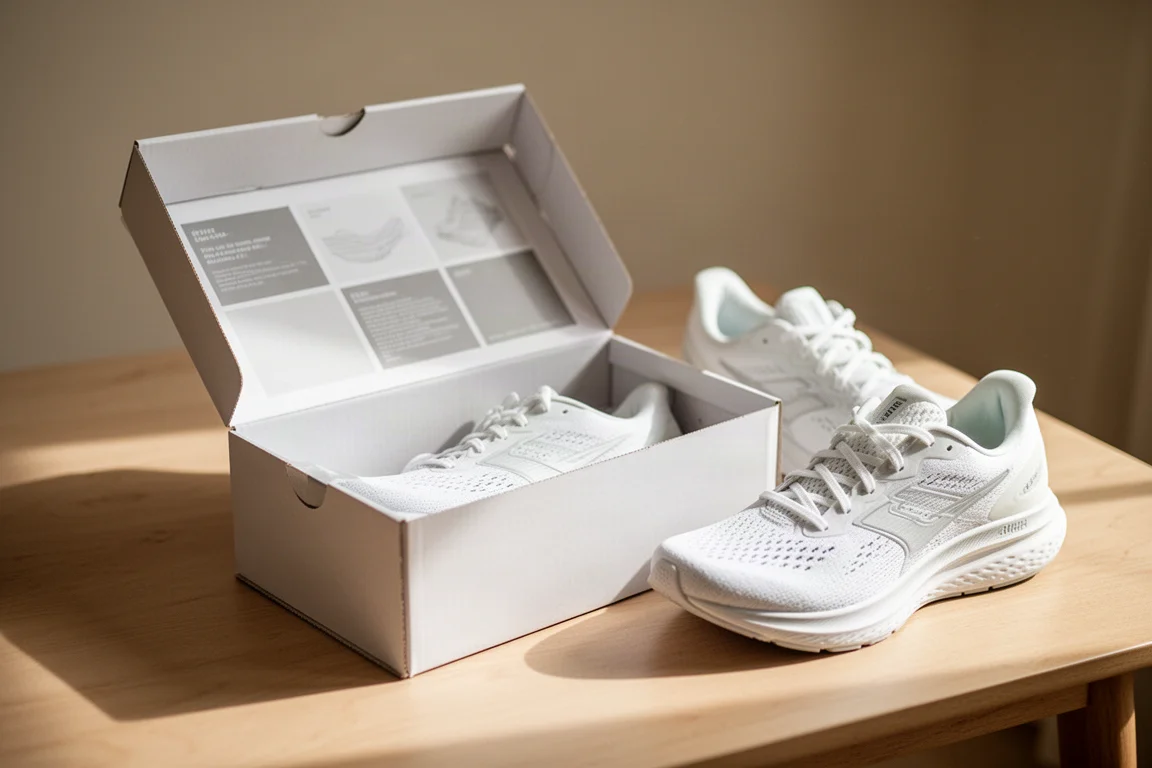
This shoe has handled a 16-mile easy run and a long list of workouts: hill sprints, mile-pace intervals, 5K-pace intervals, threshold work, and even a few longer marathon-pace tempos. The pattern is consistent: it is better at faster paces. Threshold work is good, but the shoe truly shines at 5K pace and below.
A few features explain why. The stack is not especially high, so the full-length PEBA midsole delivers cushion followed immediately by responsiveness without the unstable, marshmallow feeling of some taller non-plated PEBA trainers. The toe spring starts late but the forefoot stays flexible, which lets you use your own mechanics at push-off rather than feeling like the shoe rolls you forward. For runners who want control at speed, that geometry is a genuine sweet spot.
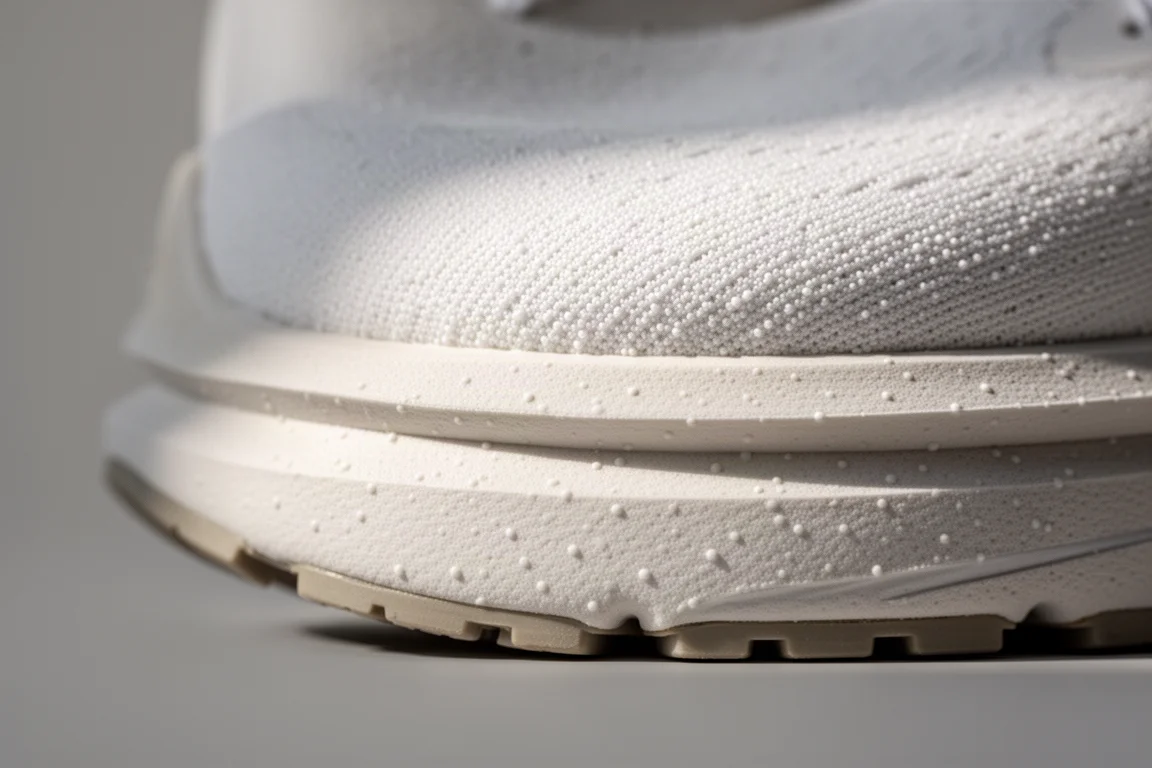
At marathon pace, the forefoot can feel a touch too flexible, and for longer, slower tempos a stiffer forefoot often feels more efficient. But for faster efforts, the ability to control push-off is a real advantage.
Durability and Outsole Wear
At 212 miles, the outsole tells a good story. Rubber coverage is fair rather than thick, but nothing has worn through, and the exposed midsole sections show light chewing without anything that affects how the shoe works. An expectation of around 300 miles seems realistic.
Cushioning feel has been equally consistent. The ride feels the same as the first run: it has not broken in softer, and it does not bottom out. That kind of consistency is rare in a lightweight trainer.
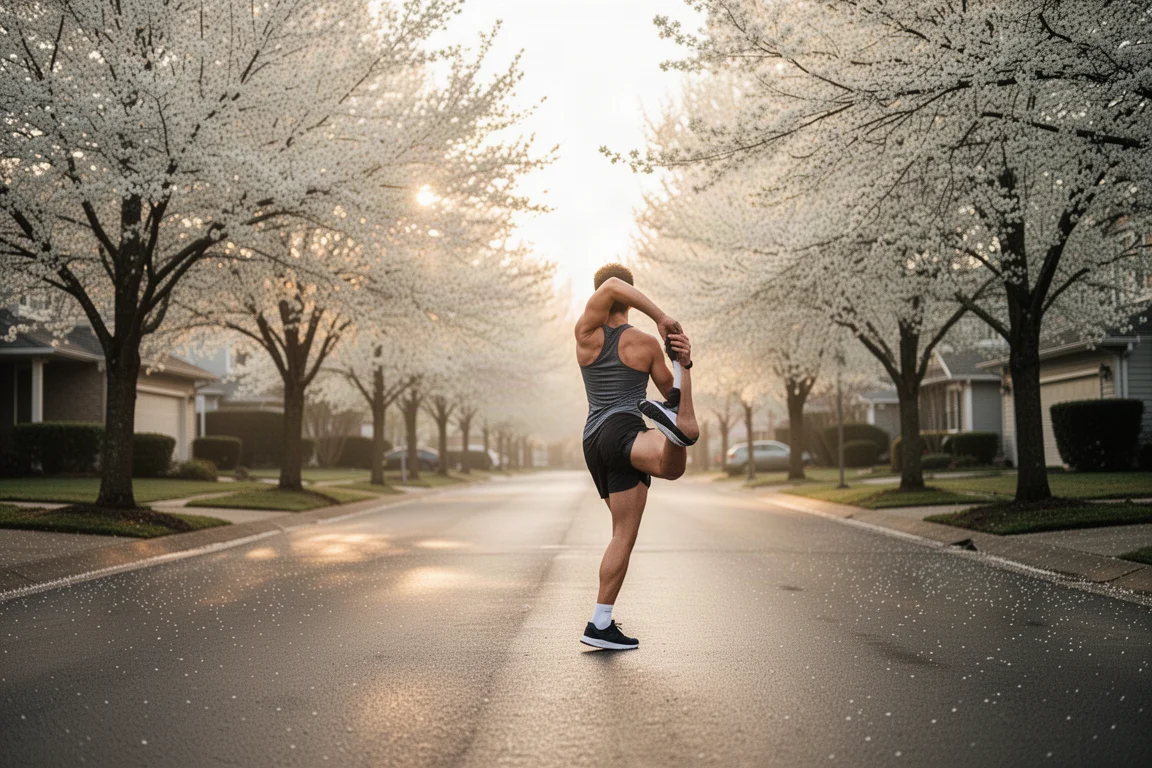
One more weather note: this shoe handles rain exceptionally well. Workouts in heavy downpours with inch-deep puddles on the road produced no slipping at all, thanks in part to the moderate rubber coverage.
Where It Falls Short
Easy long runs are the one compromise. A 16-mile easy run was fine, but the shoe feels a little soft at that distance and effort, and a stiffer-shoe option suits longer, slower running better. Runners who want more forefoot efficiency at marathon pace may also find the flexibility a touch much for long tempo work.
Stability and Ride Feel
This is a neutral shoe, and its stability comes from geometry rather than intrusive elements: a mild heel bevel and the late toe spring guide motion rather than force it. For a midfoot striker, the heel bevel makes midfoot landings feel more natural, and the late toe spring keeps push-off under your control.
Midfoot sidewalls add a subtle hug without pushing the foot in any direction, and the built-in medial arch support in the midsole is mild. It is not intrusive, and it caused no discomfort even for a runner who generally dislikes heavy arch support.
Buying Advice
At a $150 retail price, the Cyclone 2 is a strong value for a PEBA-based performance trainer with this level of versatility. It is an easy recommendation if you like lower-drop shoes, an anatomical toe box, late toe spring combined with a flexible forefoot, and a trainer that handles fast workouts without feeling squishy or unstable. If most of your mileage is slow, long, and easy, a stiffer shoe will likely serve you better.
Conclusion
The Topo Cyclone 2 is a rare thing: a lightweight, non-plated PEBA trainer that is genuinely fun at 5K pace and faster, durable enough to look forward to 300 miles, and comfortable enough with a wide toe box and well-sorted heel fit to become a daily rotation staple. For faster-paced training days, it is one of the best options available right now.
Product link
View more details for Topo Cyclone 2
This product is mentioned in the review. Check the specifications, options, and compatibility before buying.
View more details for Topo Cyclone 2Further reading
Related Reviews

Running Shoes
Best Road-to-Trail Running Shoes: Three Versatile Options for Mixed Terrain
A practical guide to three road-to-trail running shoes that handle both pavement and mild trails, with clear strengths and trade-offs for different runner types.

Running Shoes
Best Running Shoes for Achilles Tendonitis: Three Options Explained
Three running shoes with different heel drops and support features designed to help reduce Achilles tendon pain during walking and running.

Running Shoes
Best Running Shoes for Women: Five Top Choices Ranked
A ranked guide to five women's running shoes, from versatile daily trainers to high-performance racing options, with real strengths and trade-offs for each.