Running Shoes
Topo Atmos Review: A Wide-Friendly Max Cushion Trainer, Plus Four Shoes to Compare
The Topo Atmos brings big stack, low drop, and a roomy fit at $160. Here is how it performs and how it stacks up against four alternatives.
Introduction
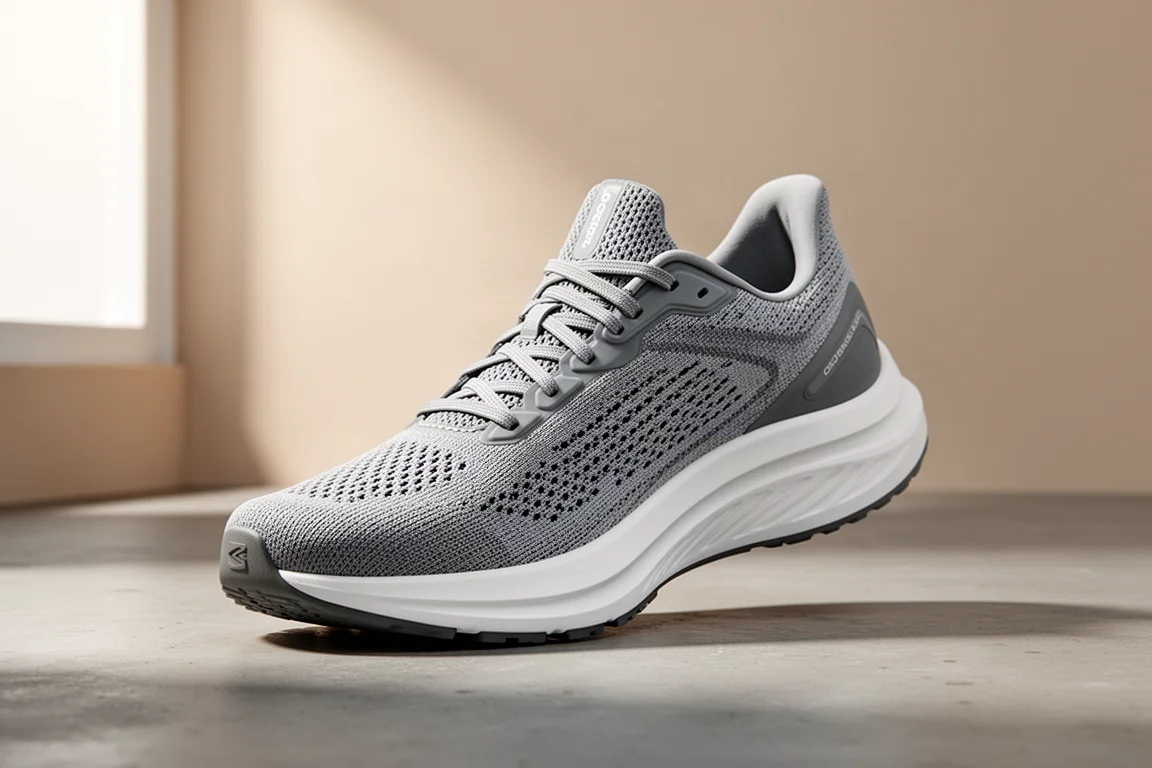
Max cushion trainers have become the default choice for easy days, and the new Topo Atmos is a serious entry in that category. It pairs a tall stack with a low drop and Topo’s signature wide, foot-shaped toe box, and it manages to stay reasonably light for how much shoe it carries. In this guide we break down what the Atmos does well, what it costs, and which other shoes deserve a look alongside it in a rotation.
Topo Atmos: Big Stack, Low Drop, Roomy Fit
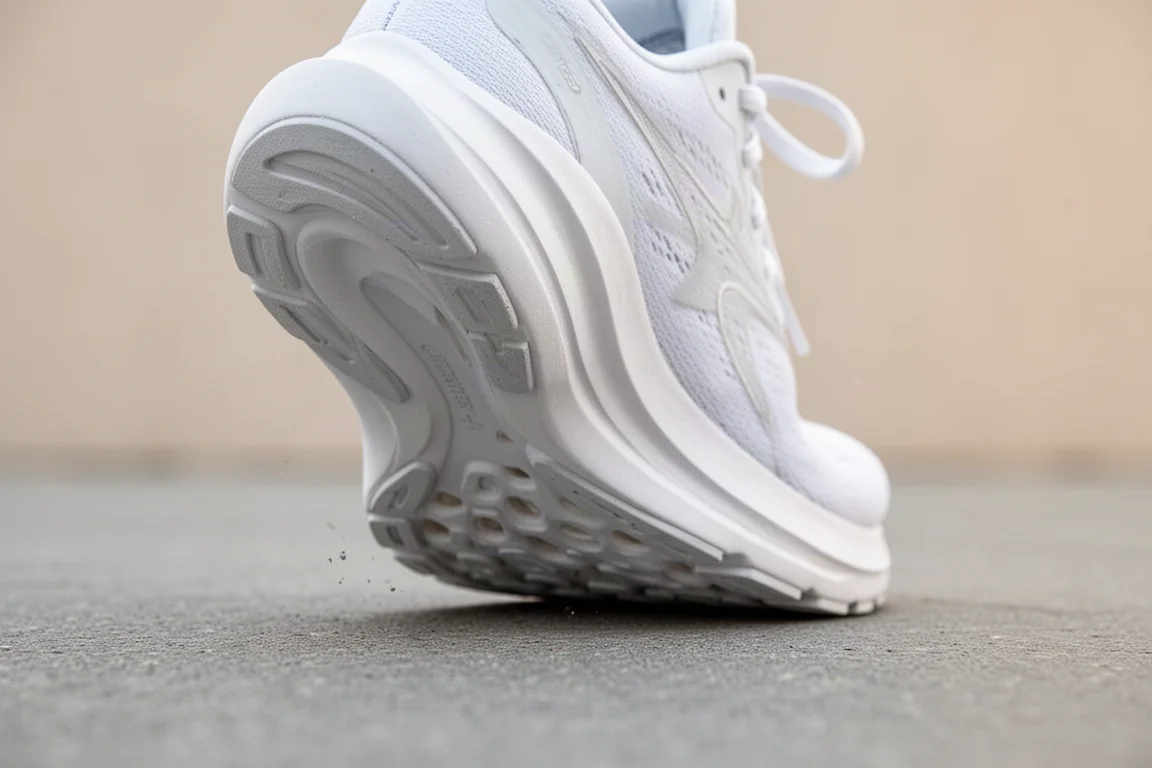
The Atmos is a tall shoe, and it is not shy about it. You get 38 mm of stack at the heel with a 5 mm drop, leaving 33 mm under the forefoot, so the cushioning stays generous right across the footprint. The entire midsole is Topo’s ZipFoam, a lightweight material with a decent amount of bounce that feels like an EVA blend. The platform is also wide, which gives your foot plenty of surface to land on and helps keep the ride stable.
The outsole takes a restrained approach to rubber. Rather than full coverage, Topo uses a thinner layer with cut-out cavities at the heel and forefoot that give the foam somewhere to squish under load. The rubber is a bit thicker than previous Topo shoes, and instead of prominent lugs the outsole uses negative lugs, scooping out small sections of rubber to add grip on the ground.
The upper is a comfortable, breathable material that stretches well and sits inside a moderate level of structure. There is support around the toe cap and along the sides, built-in lateral supports help the upper hold its shape, and a semi-rigid heel cup extends well past the base of the heel. The tongue is impressively thin for a shoe this size, and the whole upper feels luxurious without excessive padding. Plenty of width and volume means it should not crunch your toes, and going with your normal running size should be the right call.
At 9.7 oz (275 g), it is heavier than a typical daily trainer, but that weight is understandable for a max cushion shoe and Topo has kept it as light as seems practical. On the run, the Atmos is softer than its looks suggest. ZipFoam has a pleasant give on landing and snaps back with just enough pop to make the ride fun, while the forefoot rocker helps keep your foot moving through all that foam. This is a great shoe for easy long runs and recovery days. It can handle the occasional strides, but with this much shoe underfoot it is not the pick for serious speed work.
At $160, the price feels slightly high at first glance, though it is roughly where the market sits for a shoe of this type and caliber.
Topo Cyclone 2: The Faster Topo for Workout Days
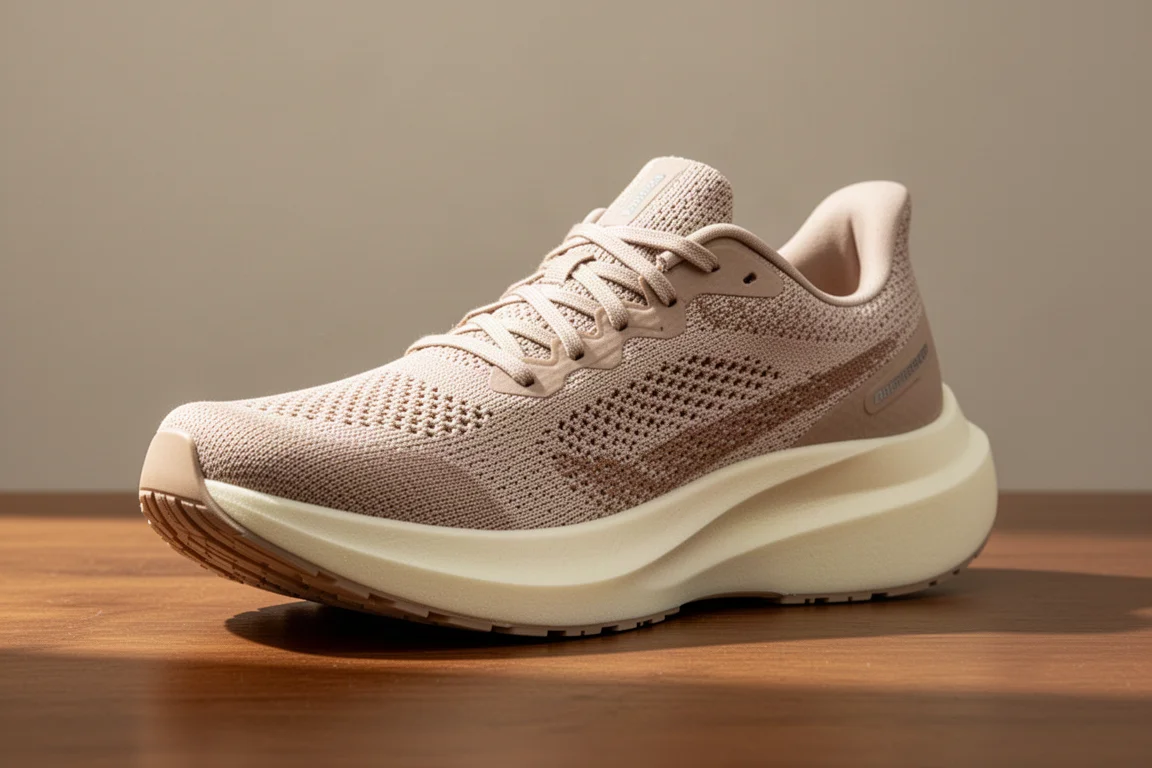
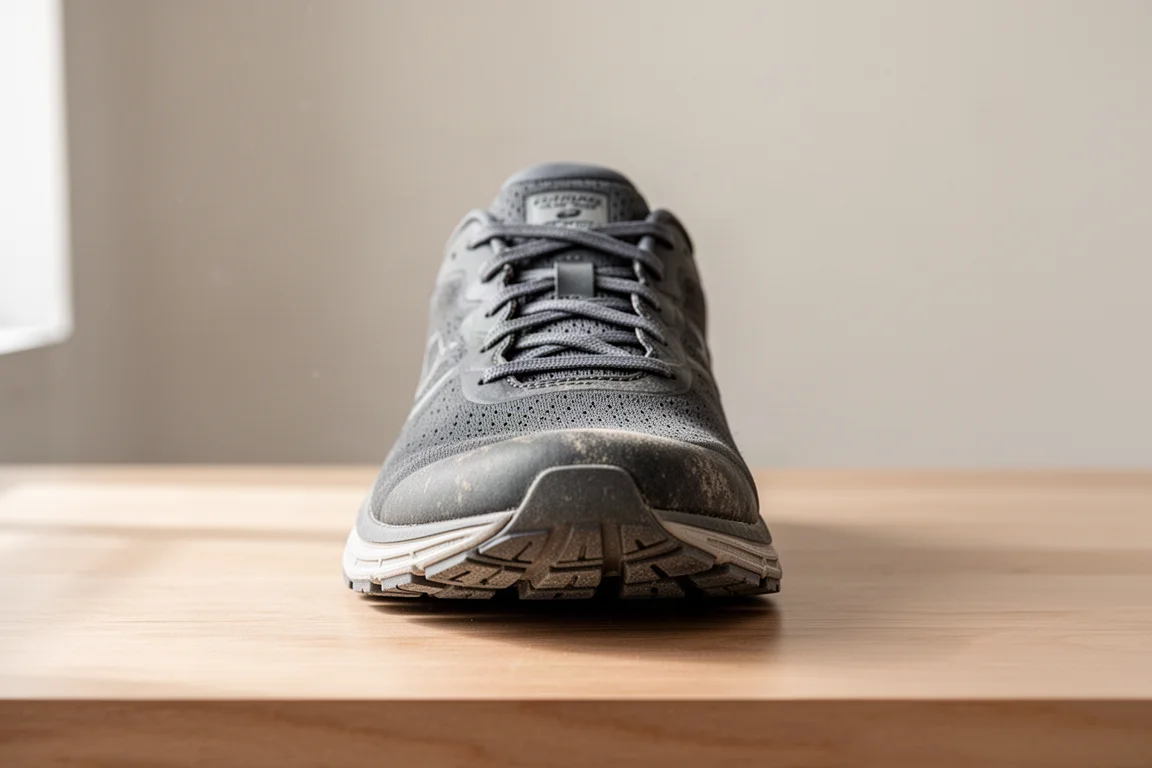
If the Atmos becomes your everyday and easy-day shoe, the Topo Cyclone 2 is the natural workout partner from the same brand. Its full midsole is racing foam with nothing else in the shoe: no carbon plate, no shank, just pure Pebax foam. That makes it a genuinely fun shoe for picking up the pace during workouts, and together the two make a strong one-two punch of everyday comfort and faster days.
Altra Vanish: The Carbon Race Day Option
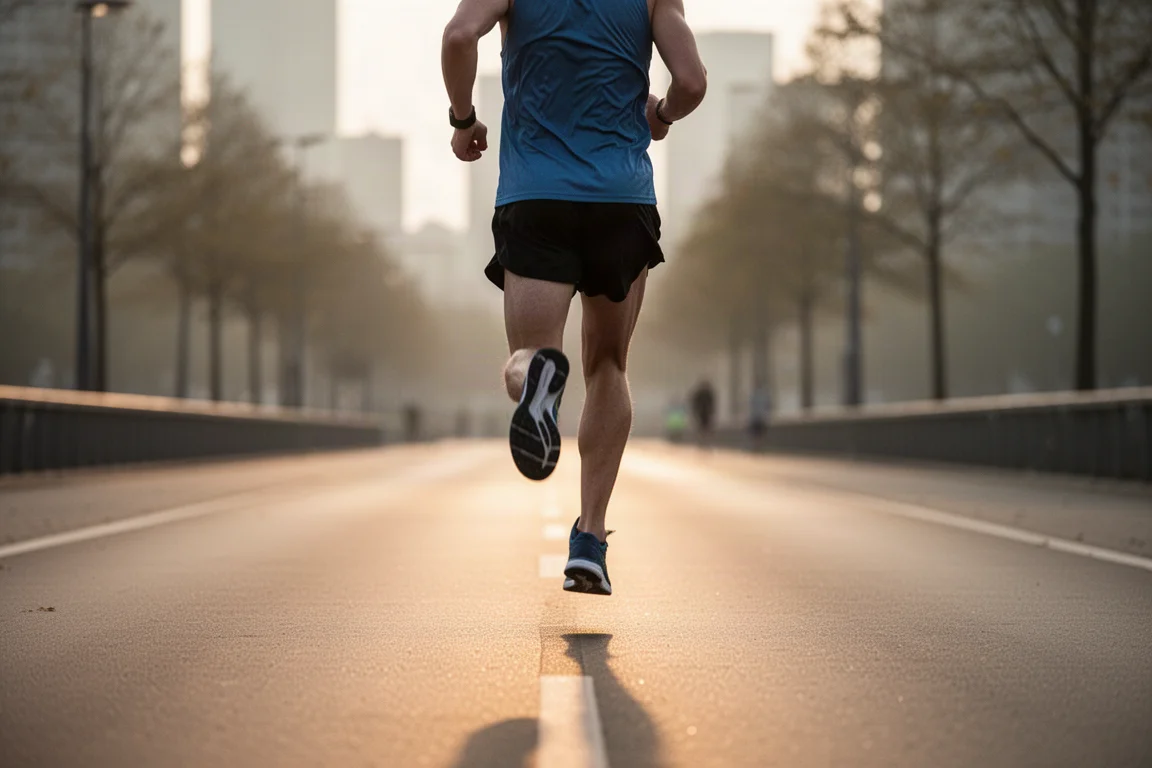
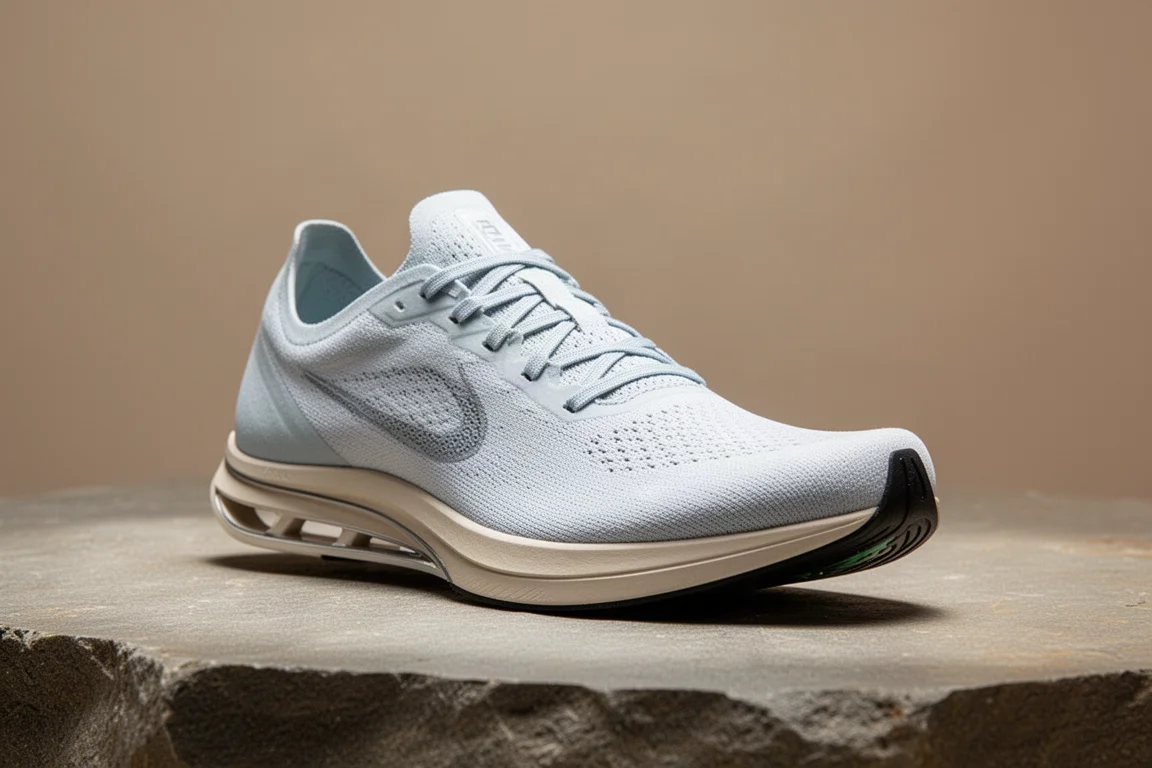
For race day, and if you want to stay in the wide-foot-friendly family, the Altra Vanish is the third piece of the puzzle. Altra is known for its foot-shaped toe boxes, and the Vanish uses racing foam with a carbon fiber plate for a more aggressive ride than the Cyclone 2. Its heel drop mechanics are very similar to what you get in the Atmos and Cyclone 2, which makes the trio feel cohesive as a full rotation for training and racing.
Hoka Bondi 8: The Direct Competitor
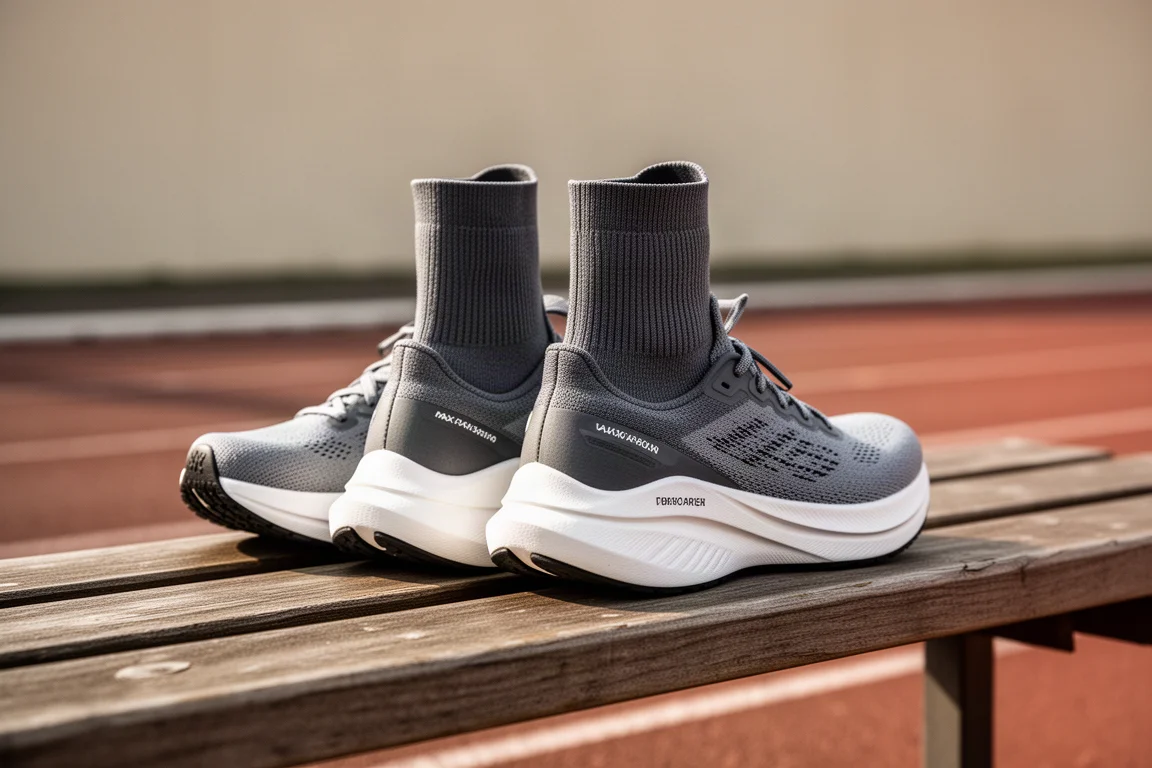
The Hoka Bondi 8 is the obvious head-to-head rival, and the two shoes chase the same goal in very similar ways: an EVA blend midsole, plenty of stack height, a low drop, and a forefoot rocker to smooth out the ride. The Bondi 8 retails for $165, so you pay $5 more, and it carries extra puffy padding and extra weight compared to the Atmos. It also feels slightly less peppy. Between the two, the Topo Atmos is the easier pick.
New Balance Fresh Foam More v4: Bouncier, Cheaper, Less Stable
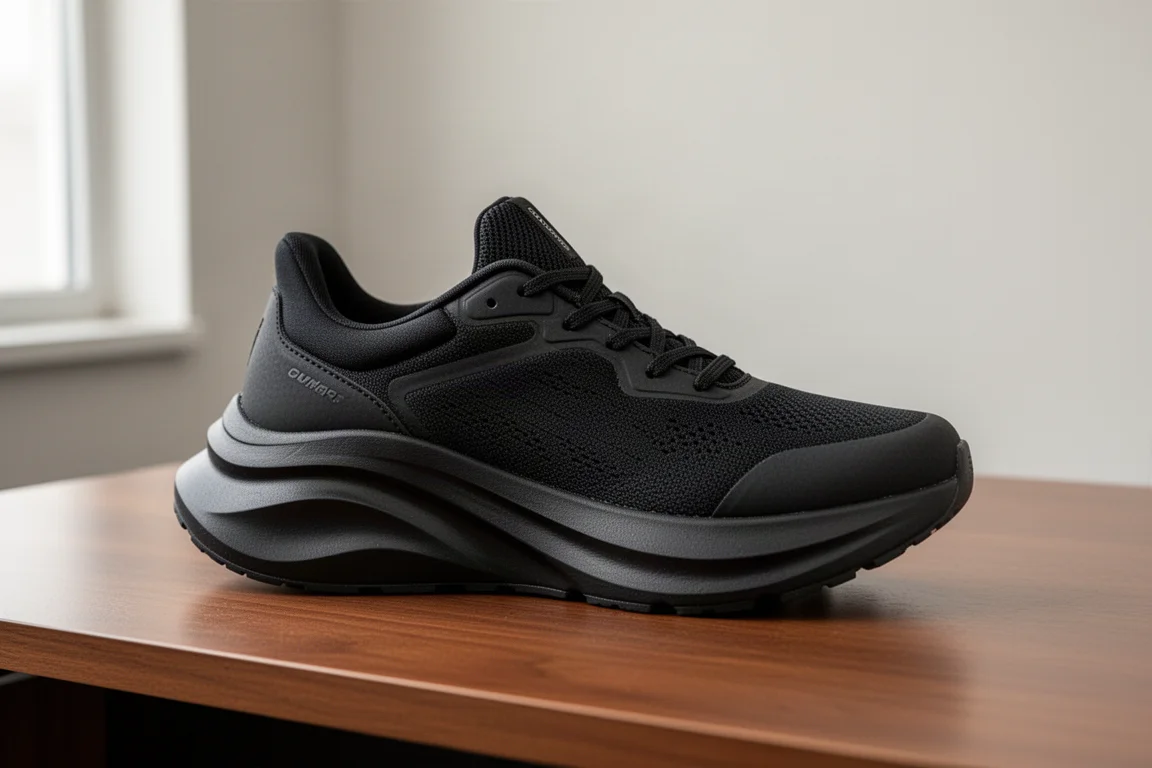
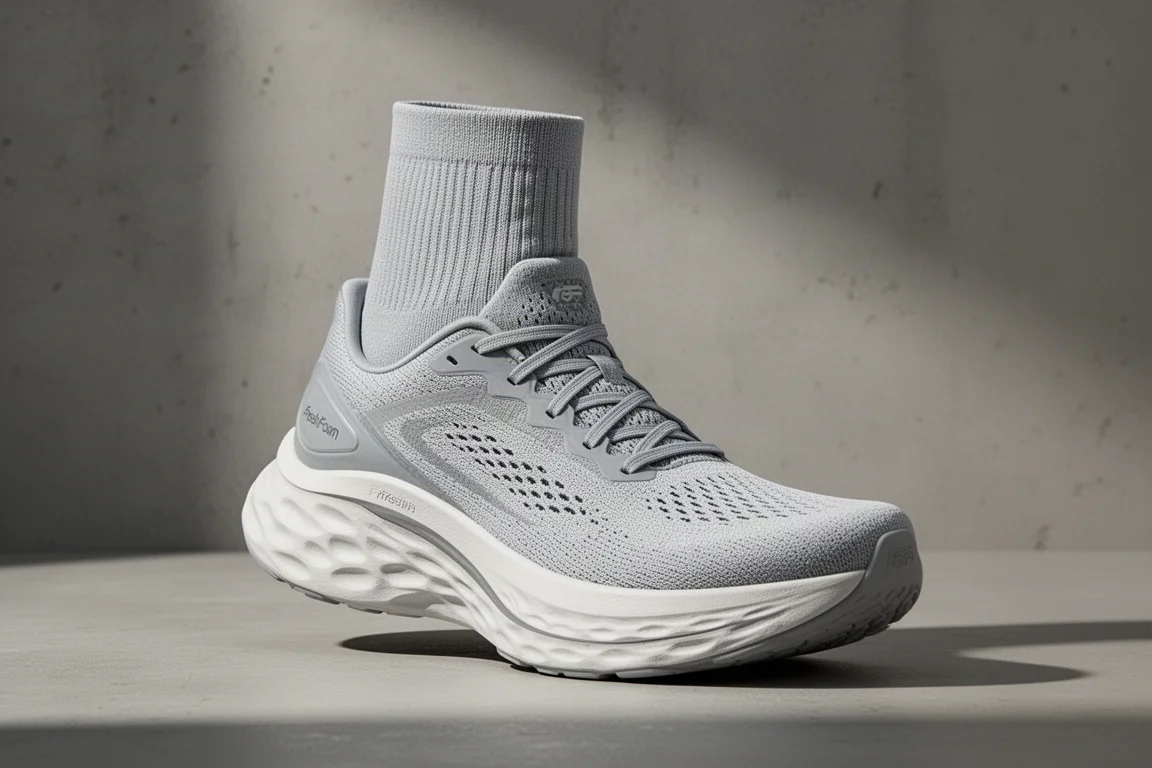
The New Balance Fresh Foam More v4 is the other close alternative, another tall-stack, low-drop shoe with front-end geometry that helps you manage all that foam. It is a lot bouncier and quicker than the Atmos, but that bounce comes at the cost of stability. If you like the idea of the More v4 but want something more planted with a little less bounce, the Atmos is the better fit. If you prefer the livelier ride, the More v4 is the one, and it is our preference of the two. It retails for $150, which is $10 less than the Atmos, and you may even find it on sale at outlets like Joe’s New Balance Outlet, though inventory there tends to come and go.
Overall Buying Advice
For most runners, the Topo Atmos makes sense as the easy-day anchor of a rotation: soft, stable, wide, and lighter than it has any right to be at $160. Pair it with the Topo Cyclone 2 for workouts and the Altra Vanish for race day and you have a complete, wide-foot-friendly lineup. If you are shopping purely on price and ride character, the $150 Fresh Foam More v4 offers more bounce for less money, while the $165 Bondi 8 offers a similar formula with more padding and weight. Choose based on whether you value planted stability or springy energy return.
Conclusion
The Topo Atmos proves that a max cushion trainer does not have to be a sluggish, overly puffy shoe. With 38 mm of heel stack, a 5 mm drop, bouncy ZipFoam, and an impressively refined upper, it is an easy recommendation for easy long runs and recovery days, especially for runners who need extra toe room. Just match it with the right faster shoes to cover the rest of your training.
Further reading
Related Reviews

Running Shoes
Best Road-to-Trail Running Shoes: Three Versatile Options for Mixed Terrain
A practical guide to three road-to-trail running shoes that handle both pavement and mild trails, with clear strengths and trade-offs for different runner types.

Running Shoes
Best Running Shoes for Achilles Tendonitis: Three Options Explained
Three running shoes with different heel drops and support features designed to help reduce Achilles tendon pain during walking and running.

Running Shoes
Best Running Shoes for Women: Five Top Choices Ranked
A ranked guide to five women's running shoes, from versatile daily trainers to high-performance racing options, with real strengths and trade-offs for each.