Running Shoes
Topo Atmos 2 vs Hoka Bondi 9 vs New Balance More v6: Max Cushion, Three Approaches
A tall-stack, low-drop comparison: Topo's wide toe box daily max cushion against Hoka's lively Bondi 9 and New Balance's runner-friendly More v6.
Introduction
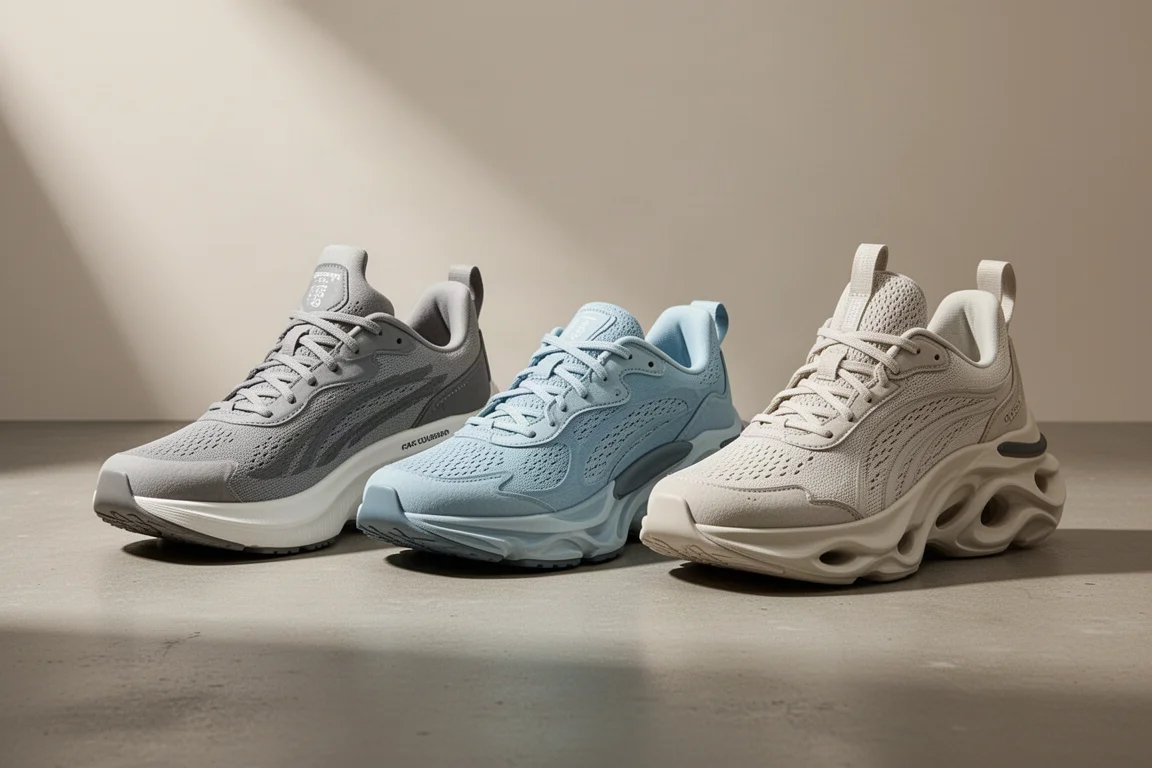
Max cushion shoes look similar on a spec sheet and feel completely different on the foot. Three recent releases make that point clearly: the Topo Atmos 2, the Hoka Bondi 9, and the New Balance Fresh Foam More v6. All three are tall, soft trainers built for everyday miles and long days on your feet, but each one takes a distinct approach to fit, foam, and how low a “low drop” actually feels.
Topo Atmos 2: Tall Stack, Low Drop, Wide Toe Box
The Topo Atmos 2 is a 40 mm stack shoe with a 5 mm drop, which means 35 mm of foam under the forefoot. The midsole uses a single component: Topo’s updated Zip Foam, the softer of the brand’s two everyday foams. A wide footprint keeps the tall stack stable no matter how you land, and a gentle rocker at the front helps you get through all that foam without working for it.
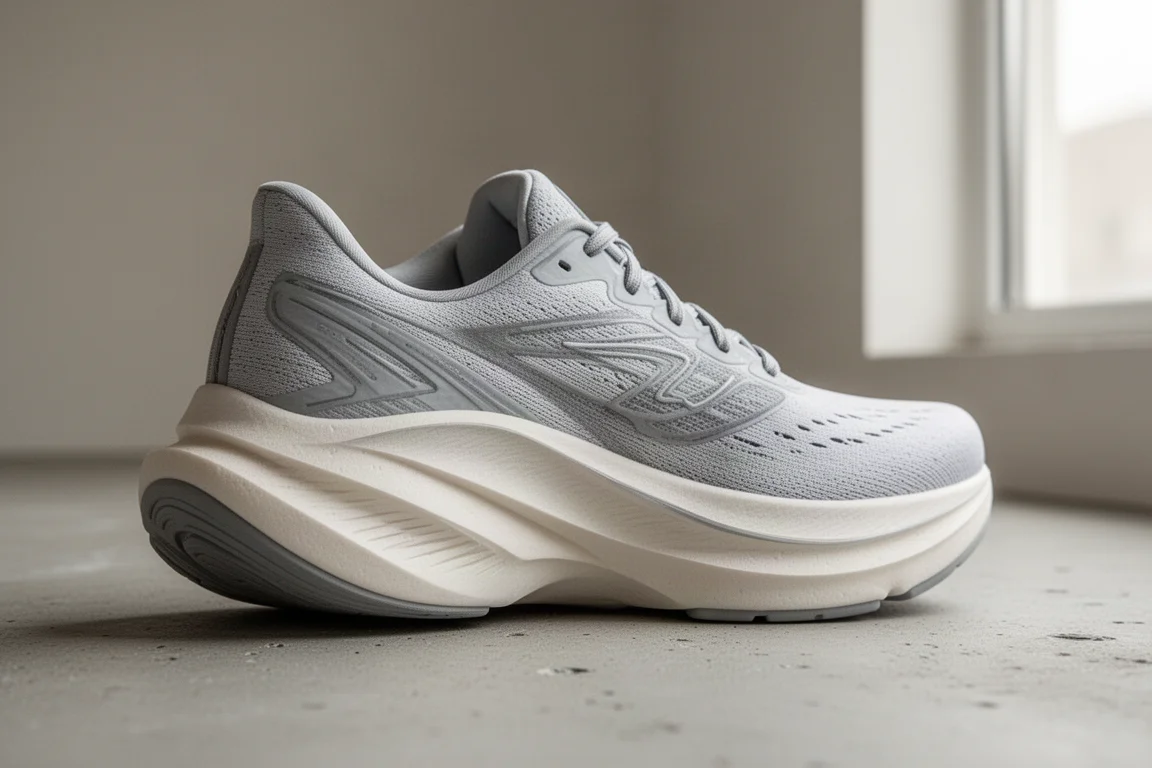
The outsole pairs a thick layer of rubber with some exposed foam areas. Those exposed sections let the shoe flex more freely where you don’t need heavy road protection, and the rubber that is there uses cutouts to save weight and create traction bite points. Up top, the padding is moderate rather than excessive: some cushioning in the tongue and heel cup, enough to accommodate a variety of foot shapes without feeling like stuffing your foot into a pile of foam. The upper material is soft but not especially stretchy, and the foot-shaped toe box leaves generous room for toe splay, particularly for the pinky toe. An Ortholite liner adds step-in softness. Stated weight is 9.9 oz (280 g), a respectable figure for the category.
On the road, the Atmos 2 is a pleasant, mild update to the original Atmos. The first version felt mostly firm with a soft insole doing the comfort work; the softened Zip Foam makes this one feel like there’s a real reason for the height. It’s still slightly denser than some runners would want from a max cushion shoe, but it delivers comfortable stability without becoming a full stability shoe.
How soft it feels depends heavily on you. With longer ground contact, such as standing, walking, or wearing it after a run, the sink-in comfort is excellent. With quicker running paces, lighter runners may feel like they’re bouncing off the top of the foam rather than into it. Heavier or taller runners who press further into the midsole are more likely to get the full softness and response out of it. Fit ran true to usual running shoe size, and the 5 mm drop is noticeable but not uncomfortable; it feels like a genuine change of pace, especially for recovery runs, though drop-sensitive runners may want a short adjustment period.
Hoka Bondi 9: Lively, Modern Max Cushion
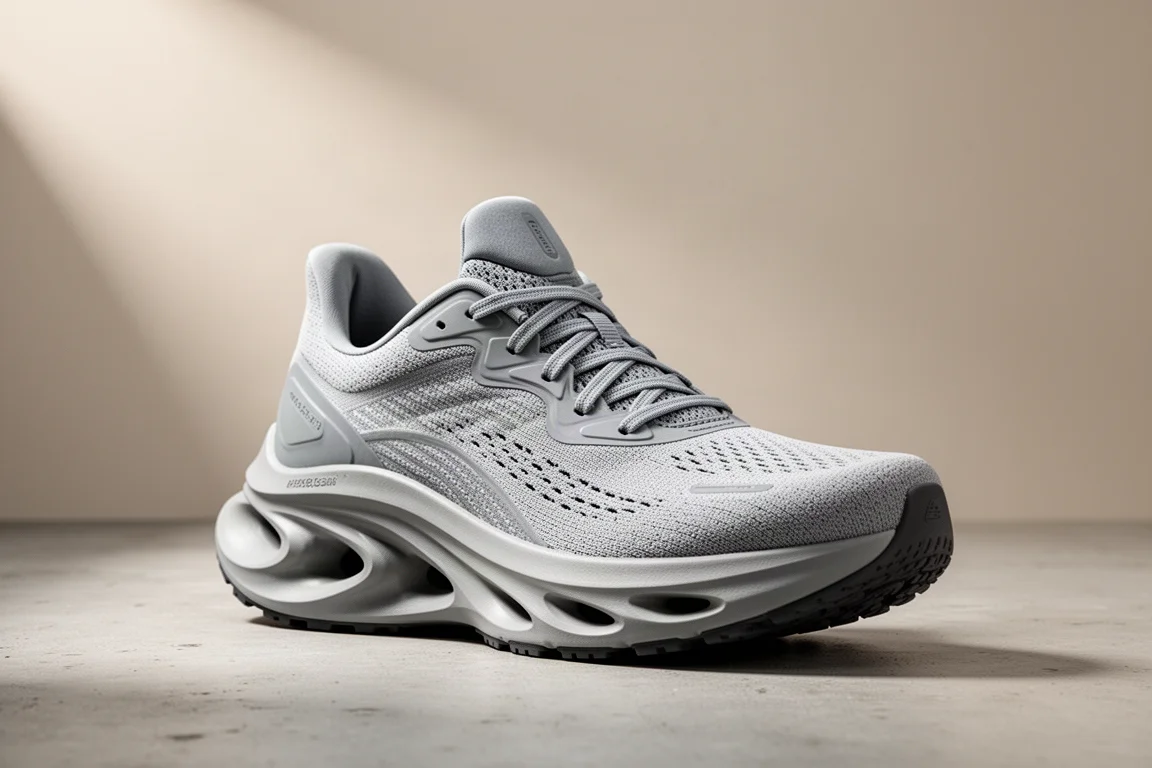
The Hoka Bondi 9 is also a 5 mm heel drop shoe with a rocker and plenty of width to keep the tall stack stable, but the character is different. Hoka has modernized the Bondi with lots of stack height, soft compression, and genuine bounce, making it a lively max cushion shoe rather than a purely plodding one.

The trade-off comes in fit. Where the Atmos 2 is generously wide in the toe box, the Bondi 9 runs snug, arguably too snug for a shoe of this type, and many runners are better served going up half a size. The rocker is also tuned differently: combined with a more dynamic foam, it masks the 5 mm drop, so you don’t feel the lower-leg tension that the Atmos 2’s drop and milder rocker can produce. That refinement costs more, as the Bondi 9 comes in at $175.
New Balance Fresh Foam More v6: Tallest Stack, Lowest Price
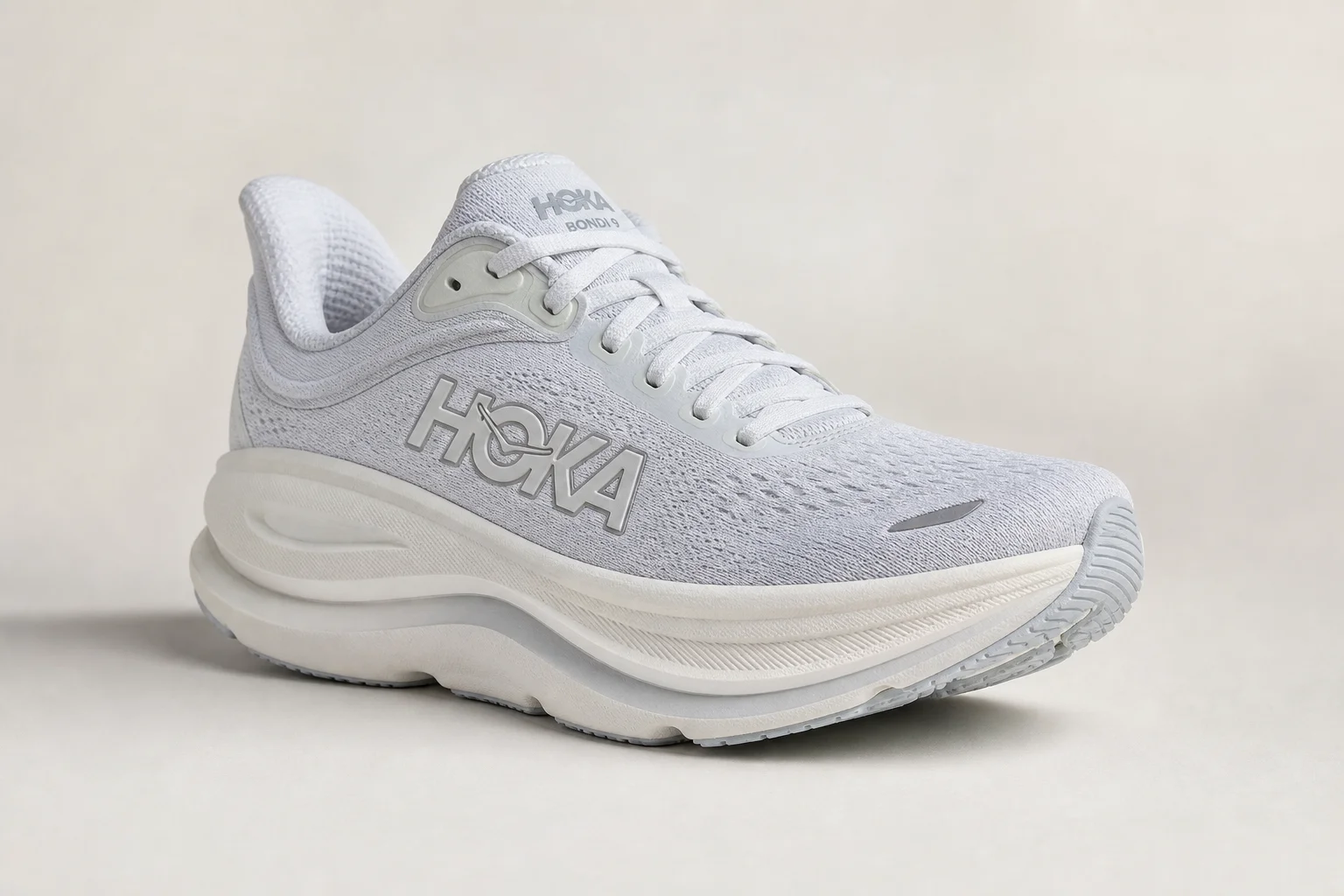
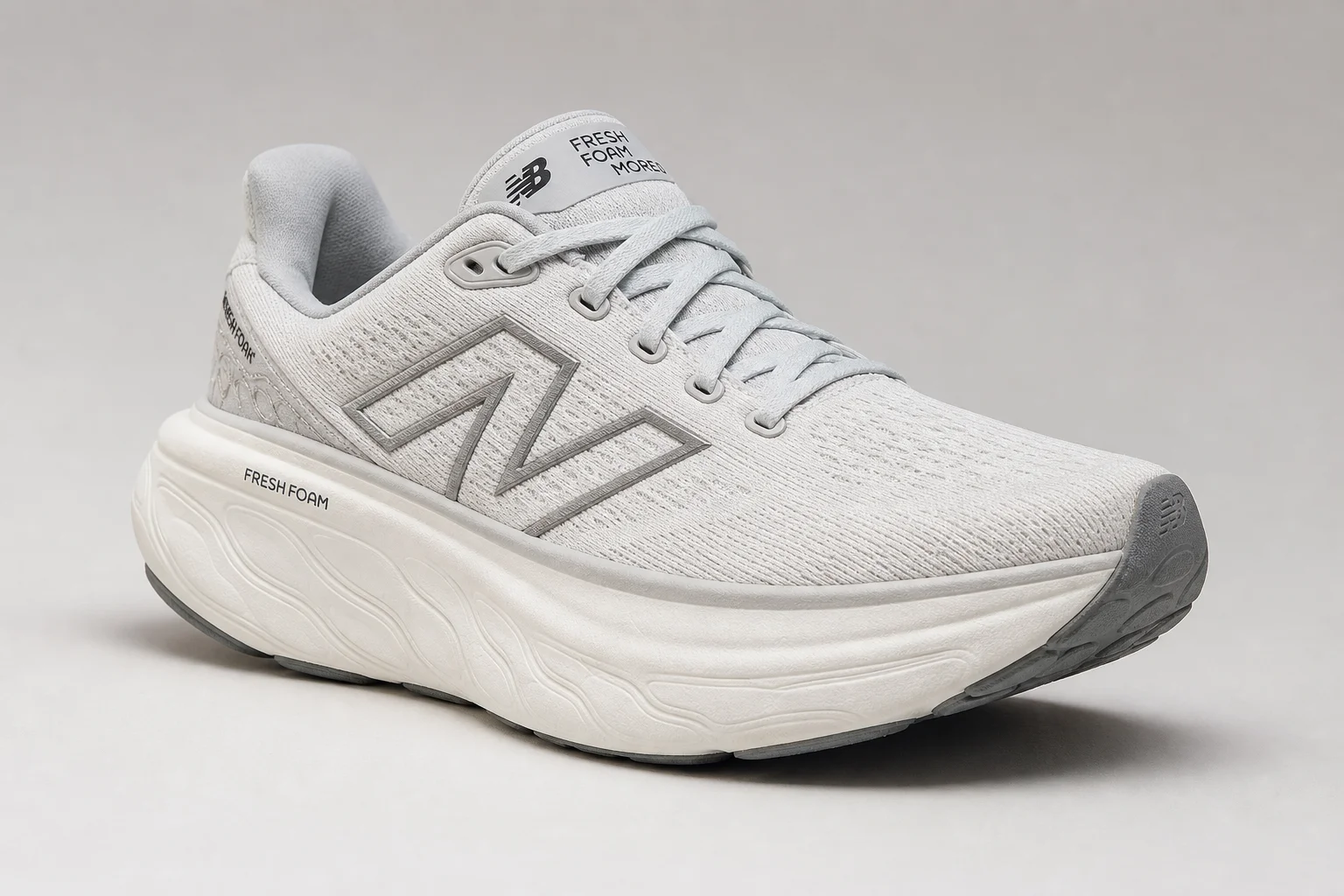
The New Balance Fresh Foam More v6 is the tallest of the three at 44 mm of stack height, with 40 mm of Fresh Foam X in the forefoot. It’s also the cheapest at $160. Where the v5 seemed aimed at walkers, the v6 is made for runners, though walkers still get plenty out of it.
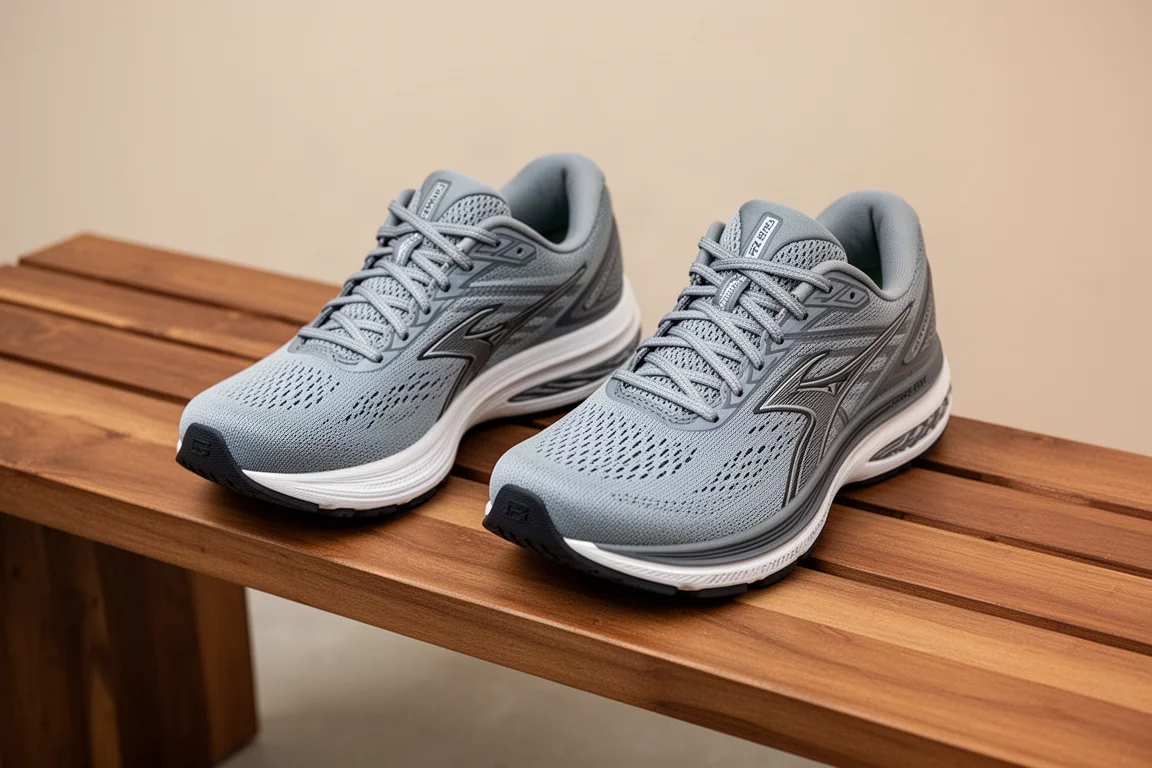
The toe box isn’t as naturally generous as the Atmos 2’s, but the More v6 is available in a range of widths, including wide and extra wide, so it remains wide-foot friendly as long as you pick the right width. The 4 mm drop, managed by a well-tuned rocker and more dynamic foam, doesn’t feel like wrangling a low-drop shoe, in contrast to the clearly perceptible 5 mm in the Atmos 2. Whether that’s a plus or a minus depends on what you want to feel.
Buying Advice: Which One Fits Your Feet
The Atmos 2 is ideally suited for runners who want a wider toe box, bigger and taller runners who will press into its Zip Foam properly, and anyone after a very comfortable walking or standing shoe. It retails for $165. If that feels high, the original Atmos is discounted to $130, though it runs firmer underfoot and has less upper padding.
Choose the Bondi 9 if you want the most modern, bouncy take on max cushion and don’t mind a snug fit or a higher price. Choose the More v6 if you want the tallest stack, flexible width options, and the best value of the three.
Conclusion
All three shoes succeed as comfortable, stable max cushion trainers. The Topo Atmos 2 wins on toe box room and versatile standing comfort, the Hoka Bondi 9 on lively foam and a masked drop, and the New Balance More v6 on stack height and price. Match the shoe to your foot shape and how much time you spend pressing into the foam, and any of the three can anchor an easy-day rotation.
Further reading
Related Reviews

Running Shoes
Best Road-to-Trail Running Shoes: Three Versatile Options for Mixed Terrain
A practical guide to three road-to-trail running shoes that handle both pavement and mild trails, with clear strengths and trade-offs for different runner types.

Running Shoes
Best Running Shoes for Achilles Tendonitis: Three Options Explained
Three running shoes with different heel drops and support features designed to help reduce Achilles tendon pain during walking and running.

Running Shoes
Best Running Shoes for Women: Five Top Choices Ranked
A ranked guide to five women's running shoes, from versatile daily trainers to high-performance racing options, with real strengths and trade-offs for each.