Trail Running Shoes
Topo Athletic Runventure 4 Review: A Lightweight Zero Drop Trail Shoe
A lightweight, zero drop trail shoe with a 20 mm stack, a wide toe box, and quick-drying mesh. Here is how it performs on rough ground and who should buy it.
Introduction
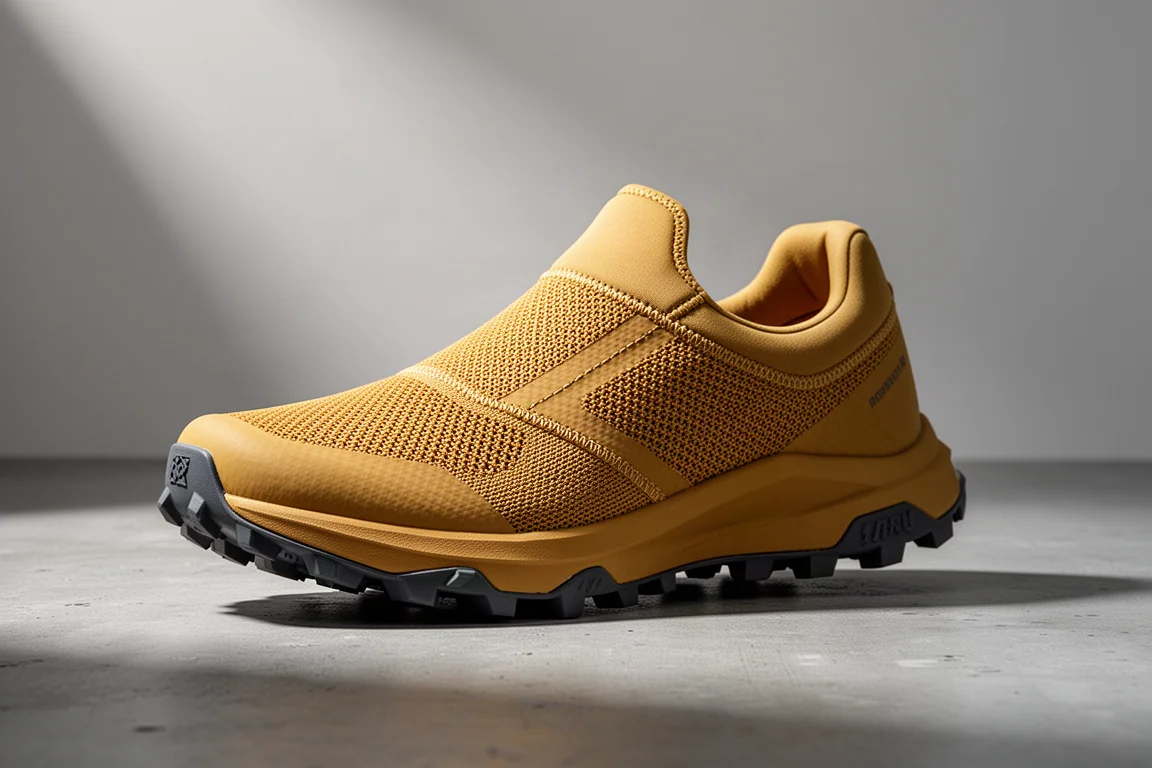
The Topo Athletic Runventure 4 is the lightest and most nimble shoe in the brand’s trail running line, built for runners who want a clear sense of the ground underfoot. Its stack height is 20 mm, measured from the underside of the foot to the ground, and the platform is zero drop, which means the heel and the toe sit level rather than the heel sitting higher than the toes.
A nylon mesh upper keeps the shoe breathable, and the design keeps the wide toe box that has been a consistent feature across the brand’s trail shoes. Stitch lines on the sides tighten the fit through the middle of the foot, so the extra room at the front does not translate into a loose, sliding fit.
Claimed weights put the shoe at 18.2 ounces for a men’s size 9 pair, or 9.1 ounces per shoe, and 15 ounces for a women’s size 7 pair, or 7.5 ounces per shoe. Larger sizes will sit above those figures, but they give a useful sense of where the Runventure 4 lands in the lightweight trail category.
Who This Shoe Is For
This is a shoe for trail runners who prefer a minimalist, flexible ride and want to feel the terrain rather than have it filtered out. Anyone who has used the Ultra Superior, which has a 21 mm stack height, will recognise the general feel: low to the ground, adaptable, and easy to move in.
It also suits runners who value toe splay. A wide toe box lets the toes spread naturally on the trail, which matters if a narrow fit tends to create friction between the toes and, in turn, blisters. Runners who like to wear gaiters will also find the shoe is designed to pair with the brand’s own gaiters, though gaiters remain optional and add another piece of gear to manage.
Main Strengths
Breathability is the first thing that stands out. The mesh construction around the shoe reduces how much the foot sweats, and it also speeds up drying when the shoe gets wet. Quick drying matters on long days, since a soggy shoe is uncomfortable and slow to recover after stream crossings or rain.
Weight is the second. The Runventure 4 is 2.2 ounces lighter per pair than the Terraventure 3, which works out to about 1.1 ounces per shoe. That difference is small, but the general principle holds: weight on the feet costs more effort than weight carried on the back, so lighter footwear is welcome as long as comfort holds up.
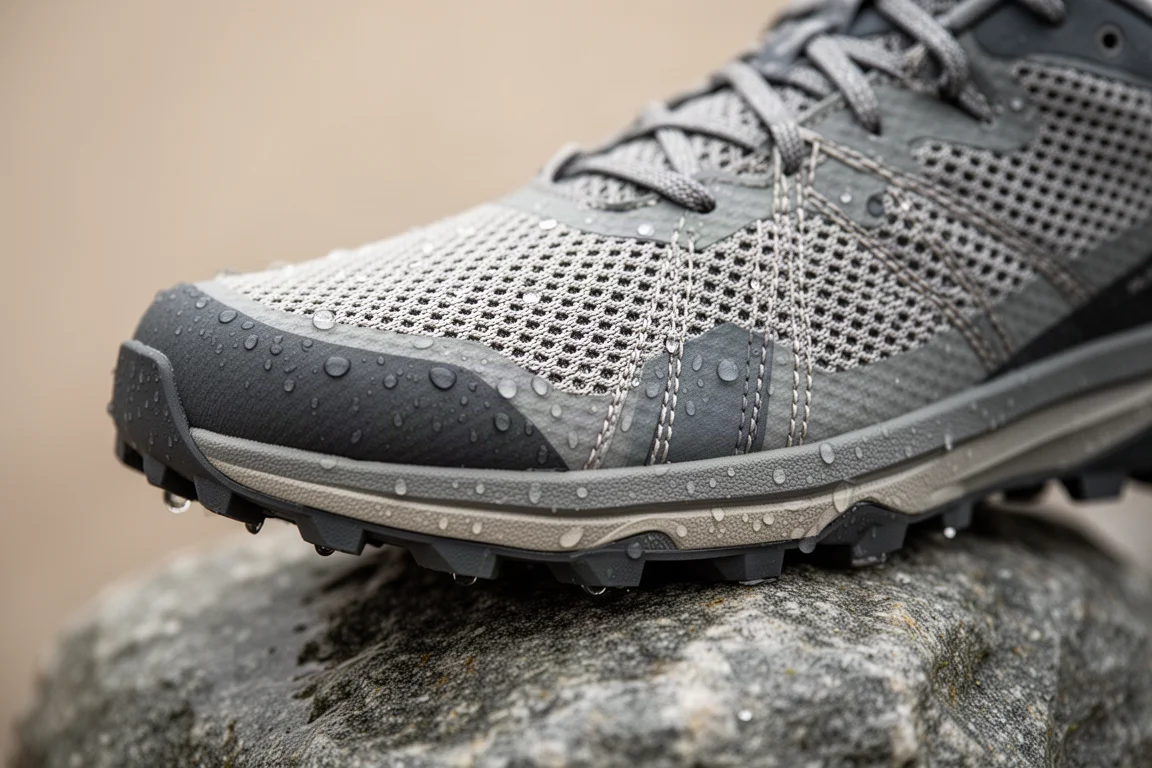
The padded collar around the ankle is another plus. It gives the ankle area a cushioned, comfortable feel rather than a hard edge, and that padding is one of the reasons the shoe feels cosy on longer outings. It may dry slightly slower than an unpadded collar, but the trade-off is minor.
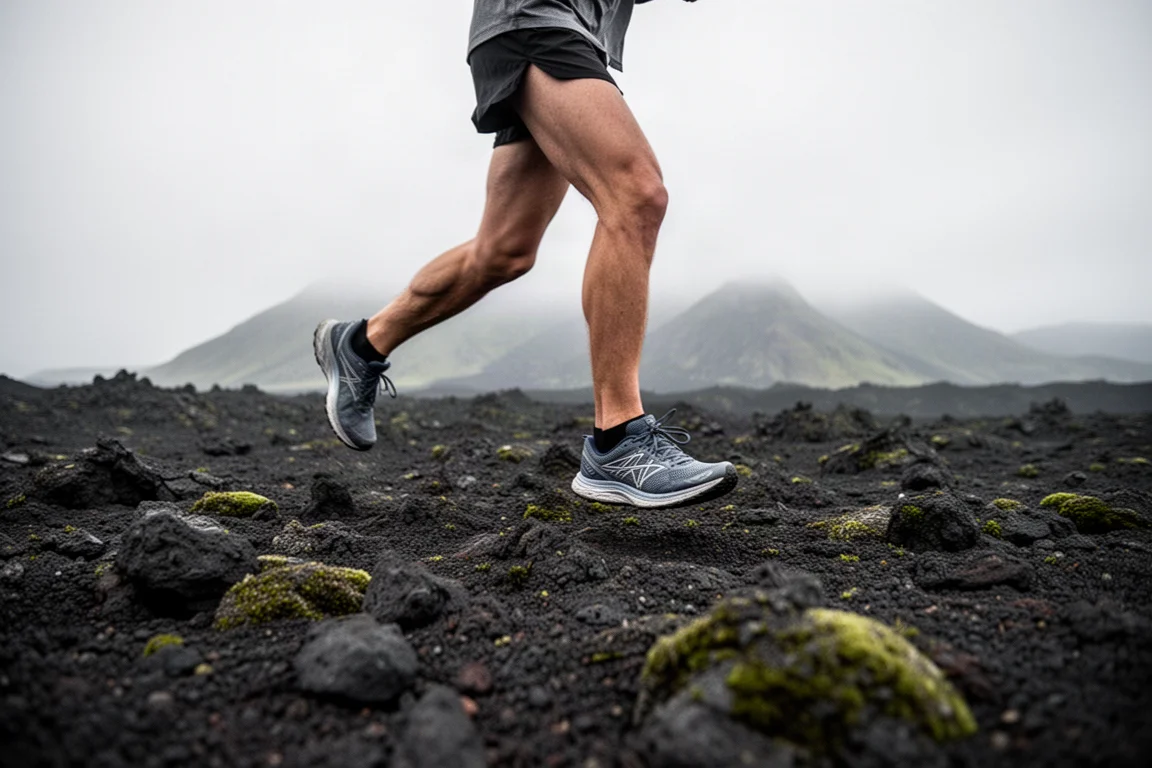
The wide toe box and the durable tread round out the strengths. After roughly 100 miles, much of it on lava rock and rough Colorado terrain, the tread showed no meaningful signs of wearing down. Overall comfort is solid for a low-stack shoe, with enough flexibility to move naturally while still offering more than a barefoot feel.
Ground Feel and Trail Performance
With a 20 mm stack and zero drop, the shoe keeps the foot close to the terrain. Runners who like a flexible platform will feel the shape of the ground, and the shoe adapts to uneven surfaces rather than forcing the foot into a single position.
The change in drop from the Terraventure 3, which runs 25 mm at the heel and 22 mm at the toe for a 3 mm drop, is not something most runners will notice in practice. Moving from a 3 mm drop to zero drop did not register as a distinct improvement or drawback in use. The more meaningful difference between the two models lies elsewhere, in protection and cushioning rather than geometry.
Things to Consider Before Buying
There is no rock plate. Runners with more sensitive feet may miss the protection a plate provides against sharp stones and hard surfaces, particularly on long descents or on mixed routes that include road sections. For tougher feet, the absence of a plate is unlikely to be a problem, but it is the clearest single difference from the Terraventure 3.
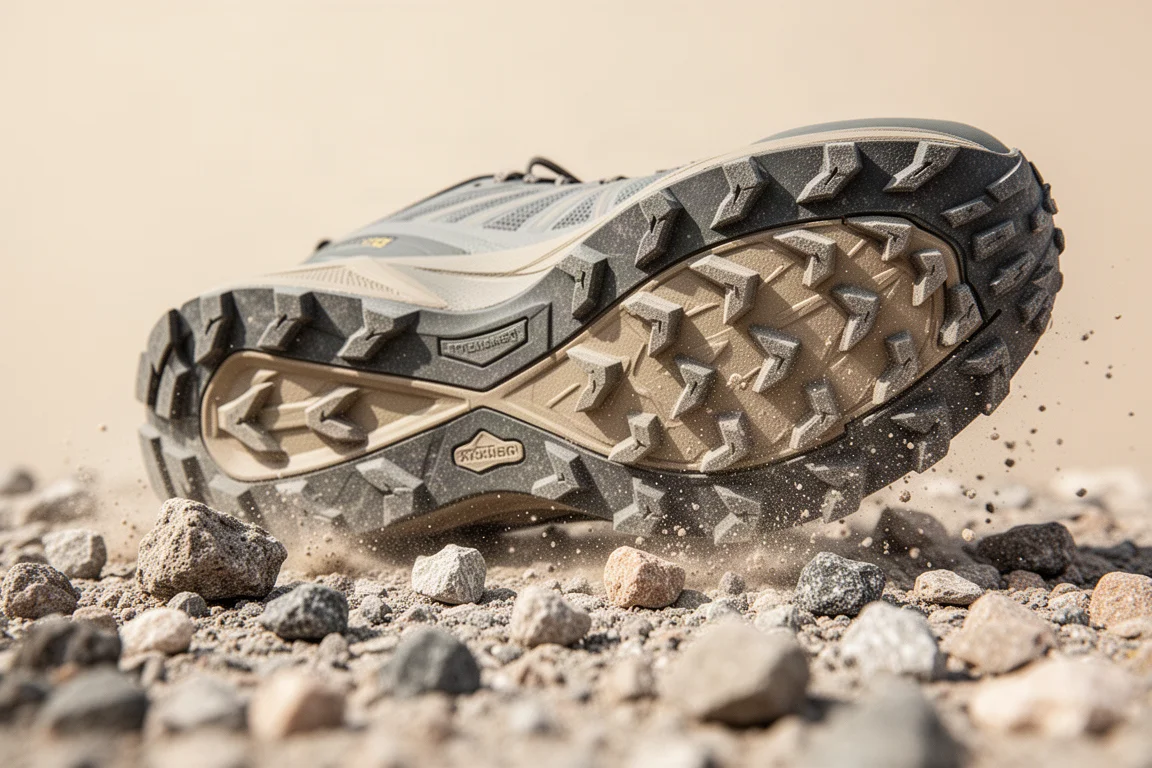
Some wear appeared around the ankle collar area after roughly 100 miles. The tread held up well and the collar is not a major functional component, so this is something to watch rather than a reason to avoid the shoe.
Colour options are limited and lean toward a canary mustard yellow and a maroon. Neither is a strong point, and runners who care about aesthetics may find the palette less appealing than the alternatives.
Finally, comfort is relative. This is a minimalist shoe with the lowest stack height in the trail line. Runners who are tender-footed will likely want more cushioning and more underfoot protection than the Runventure 4 provides.
How It Compares to Other Trail Shoes
Against the Terraventure 3, the Runventure 4 trades protection for a lower, lighter, more flexible ride. The Terraventure 3 carries a rock plate and a thicker stack, which makes it the better choice for routes that mix hard surfaces with trail, or for anyone who wants more cushioning over long distances.
Against other low-stack trail shoes, the picture is similar. The Ultra Superior sits close in stack height at 21 mm, while the Ultra Lone Peak offers zero drop with a 25 mm stack. What distinguishes the Runventure 4 is its padded ankle collar, its wide toe box, and its quick-drying mesh upper.
Buying Advice
The typical retail price is around $125, with tax and shipping pushing the total closer to $145. The shoe has also been listed for less than $100, in the region of $93, so it is worth checking current pricing before buying, since the gap between list price and sale price is significant.
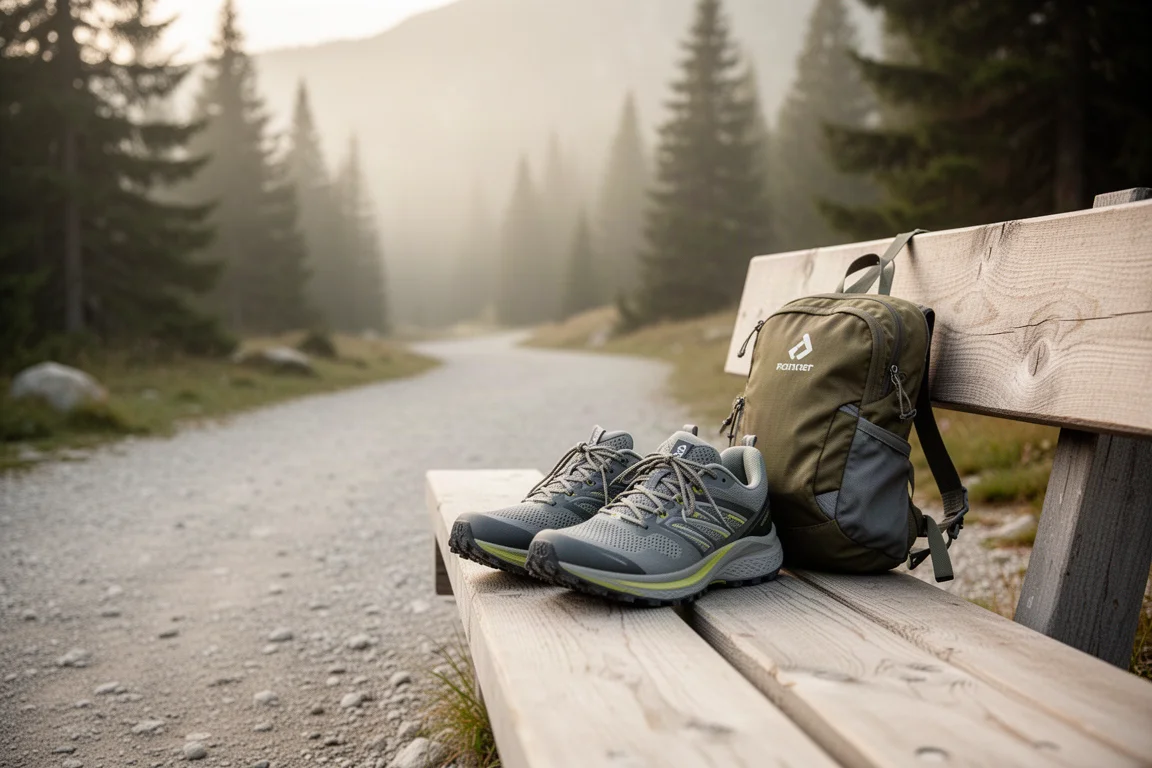
Sizing deserves attention. The shoe runs in standard men’s and women’s sizing, and runners with larger feet should expect weights above the claimed figures, which are based on a men’s size 9 and a women’s size 7. Fit through the midfoot is controlled by the stitched side panels, so the shoe should feel secure in the middle while leaving room at the front.
If ground feel, low weight, and a wide toe box are the priorities, the Runventure 4 is a straightforward choice. If protection and cushioning come first, the Terraventure line is the more sensible direction.
Conclusion
The Topo Athletic Runventure 4 is a solid trail shoe for runners who want a minimalist, flexible ride with a genuine sense of the terrain. Its breathable mesh upper, quick-drying construction, padded collar, wide toe box, and durable tread make it easy to live with on rough ground. The lack of a rock plate, some early wear at the ankle collar, and a limited colour range are the main points to weigh before buying.
Product link
View more details for Topo Athletic Runventure 4
This product is mentioned in the review. Check the specifications, options, and compatibility before buying.
View more details for Topo Athletic Runventure 4Further reading
Related Reviews
Trail Running Shoes
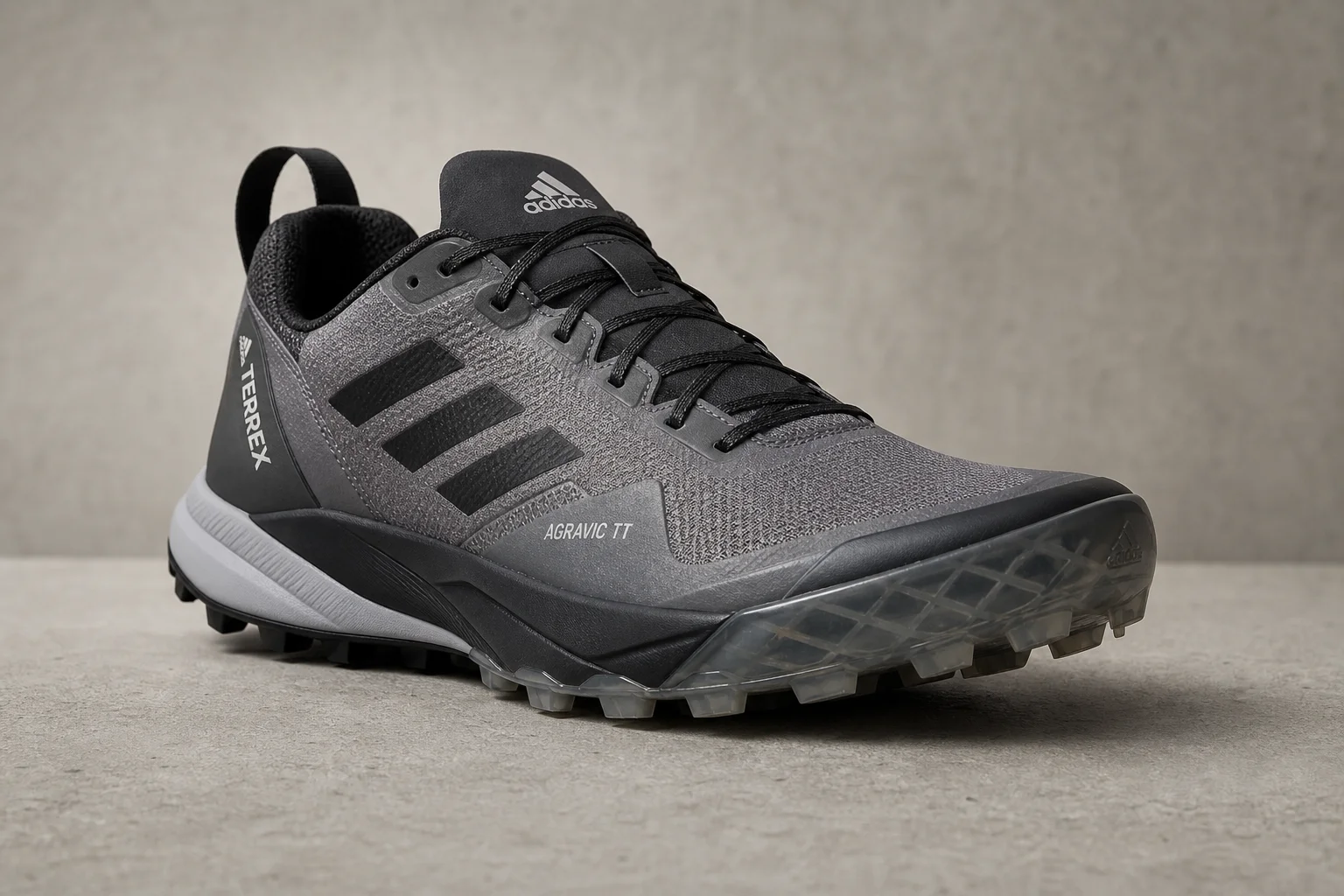
Adidas Terrex Agravic TT Review: A Technical Trail Shoe Built for Rocky Terrain
The Adidas Terrex Agravic TT combines a full-coverage rock plate with a firmer midsole to deliver protection and stability on technical, rocky trails. A capable choice for runners who prioritize underfoot defense over lightweight cushioning.
Trail Running Shoes
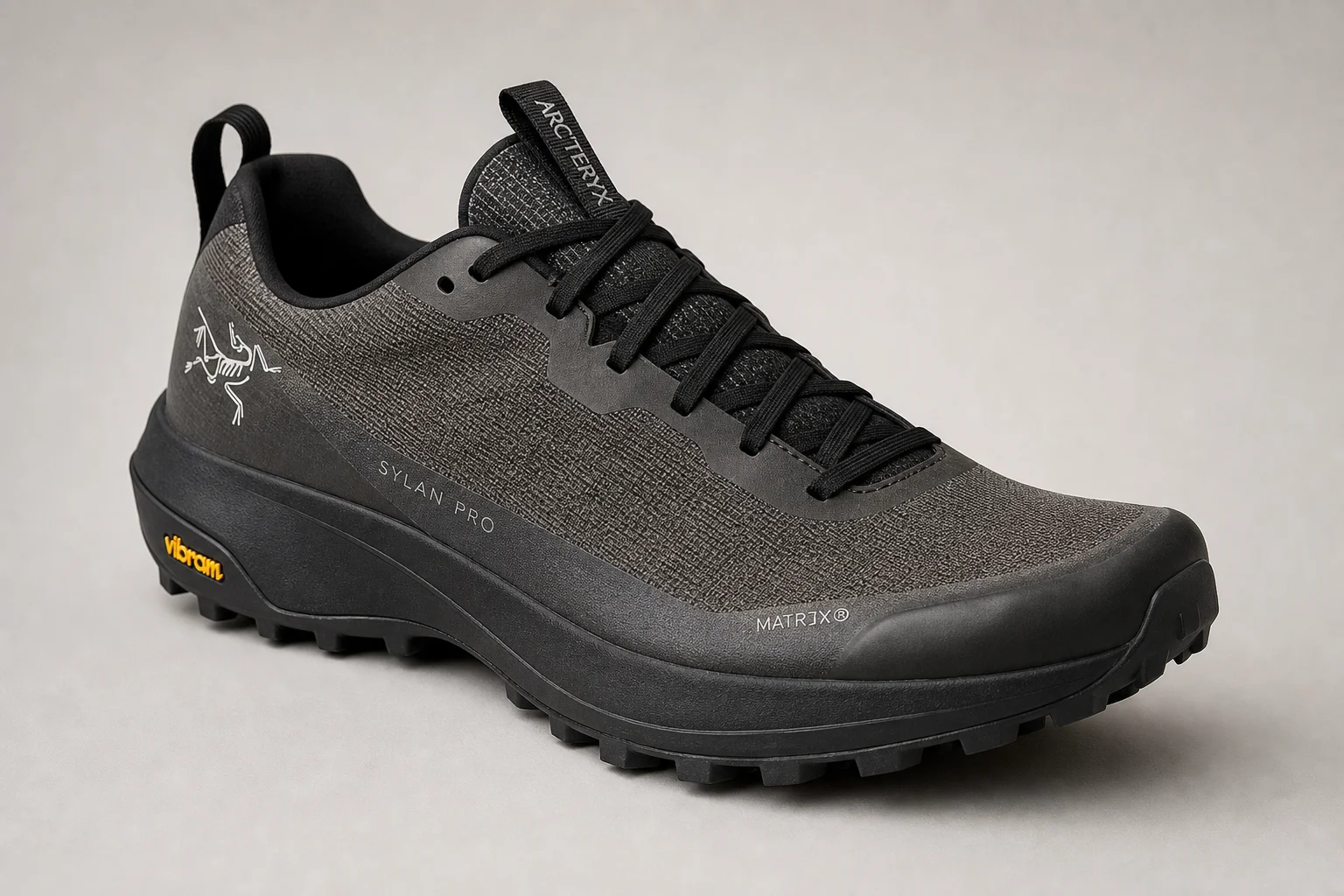
Arc'teryx Sylan Pro Review: A Rocker-Focused Mountain Running Shoe Tested on 20 Miles
The Arc'teryx Sylan Pro brings a pronounced rocker geometry and secure fit to mountain terrain. We tested it on a 20-mile Sawtooth loop to evaluate its climbing efficiency, protection, and handling of technical descents.
Trail Running Shoes
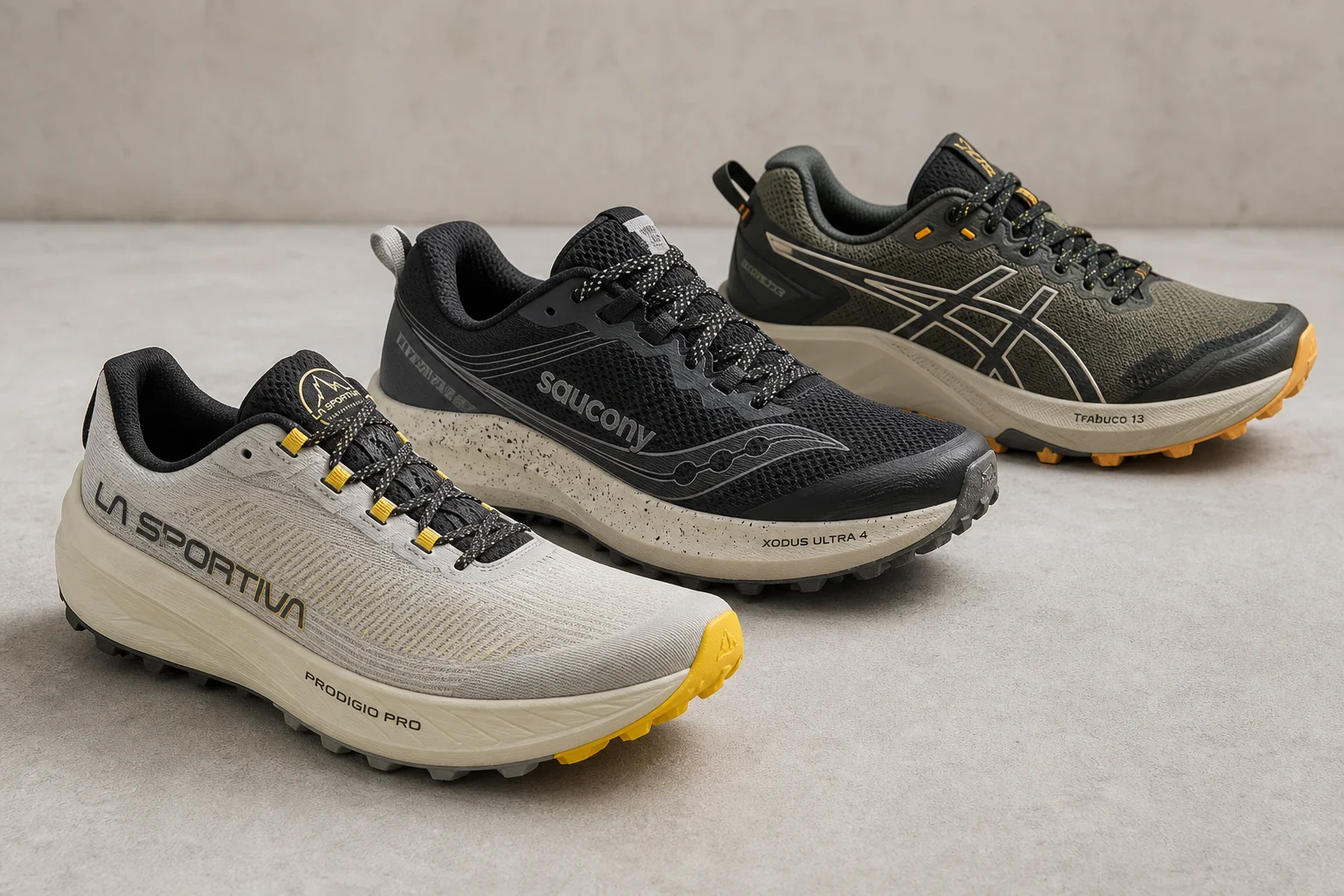
Best All-Mountain Trail Running Shoes: Three Versatile Options for Any Trail
A focused roundup of three all-mountain trail running shoes that handle technical terrain, long distances, and variable conditions with real strengths and practical trade-offs.