Automotive Tools
Topdon JumpSurge JS2000 Review: A High-Amperage Jump Starter Built for Worst-Case Mornings
A 2,000-amp peak jump starter with boost mode, reverse-polarity protection, and a 300-lumen emergency light, made for cold starts and older engines.
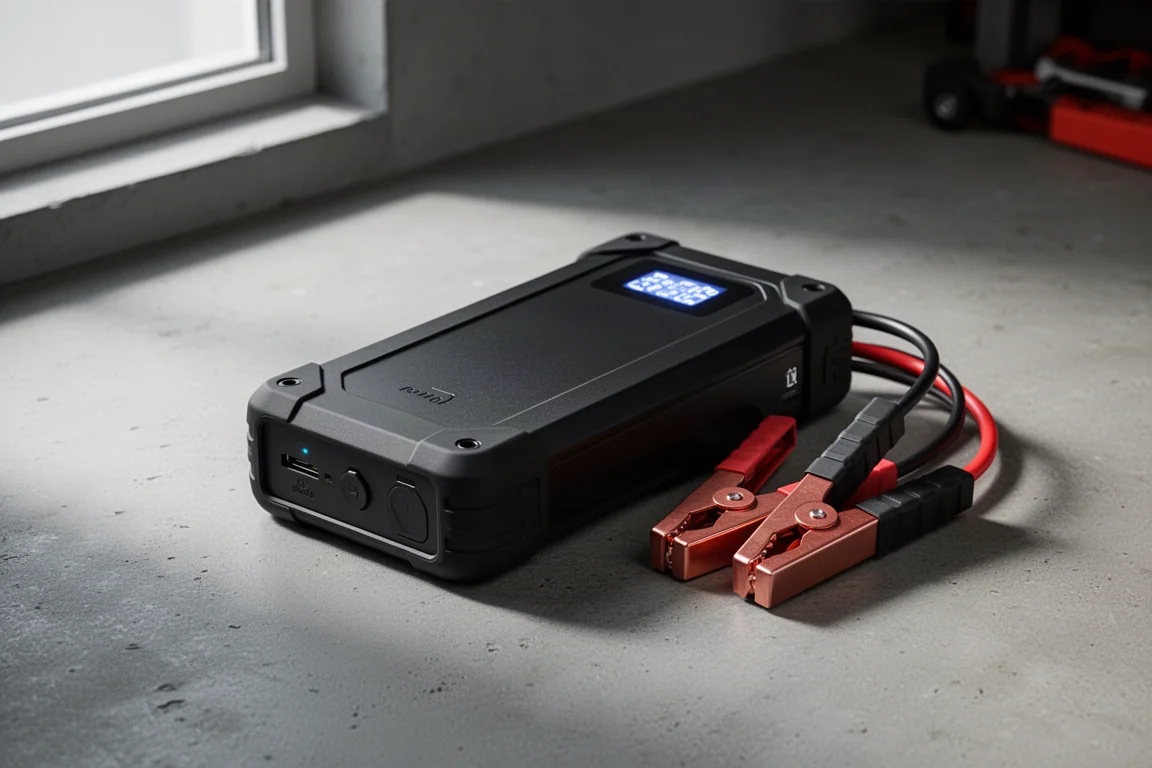
Introduction
There is a strong argument that every driver should keep a jump starter in the car, and the Topdon JumpSurge JS2000 makes that argument easy to make. With a peak output of 2,000 amps for special starting conditions, it is sized for big engines, stubborn cold starts, and situations where a smaller pack simply gives up. The price of these devices has been falling steadily, and at well under $100 this one is hard to dismiss. It even has the headroom, in theory, to start a car whose onboard battery is fully dead.
This review is less about starting a car on a sunny afternoon and more about why capacity matters: the real-world conditions that quietly drain a jump starter before the day you actually need it.
Who This Product Is For
If you live somewhere with mild weather and mostly ideal conditions, a smaller jump starter will probably serve you fine. The JS2000 makes sense for everyone else. Its operating range tops out at 104 degrees Fahrenheit, which is easy to exceed inside an enclosed car parked in summer, and it keeps working down to 14 degrees Fahrenheit, a temperature many drivers see routinely in winter.
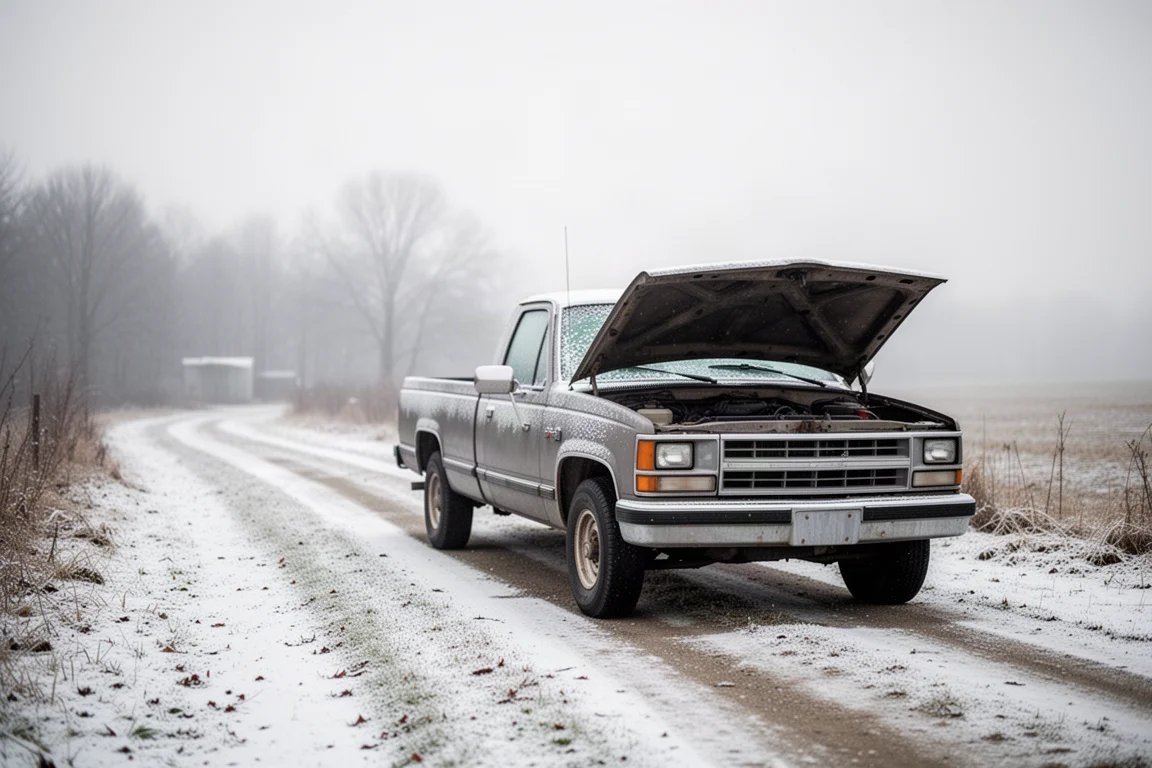
It is also the right choice if you drive a larger or older vehicle. A truck that has sat for months, with thick cold lubricant in the engine and a mucky fuel line, fights back hard. Cranking is limited to roughly 10 seconds at a time, and each attempt pulls serious current. A small pack that starts at half charge may not have enough left. A 2,000-amp unit leaves margin for exactly those mornings.
Main Strengths
The standout is the boost mode. Hold the boost button and the JS2000 delivers the full 2,000 amps; otherwise it scales output to what the situation needs. That flexibility matters because real failures are messy: a degraded battery, a cold engine, and a tired driver all at once.
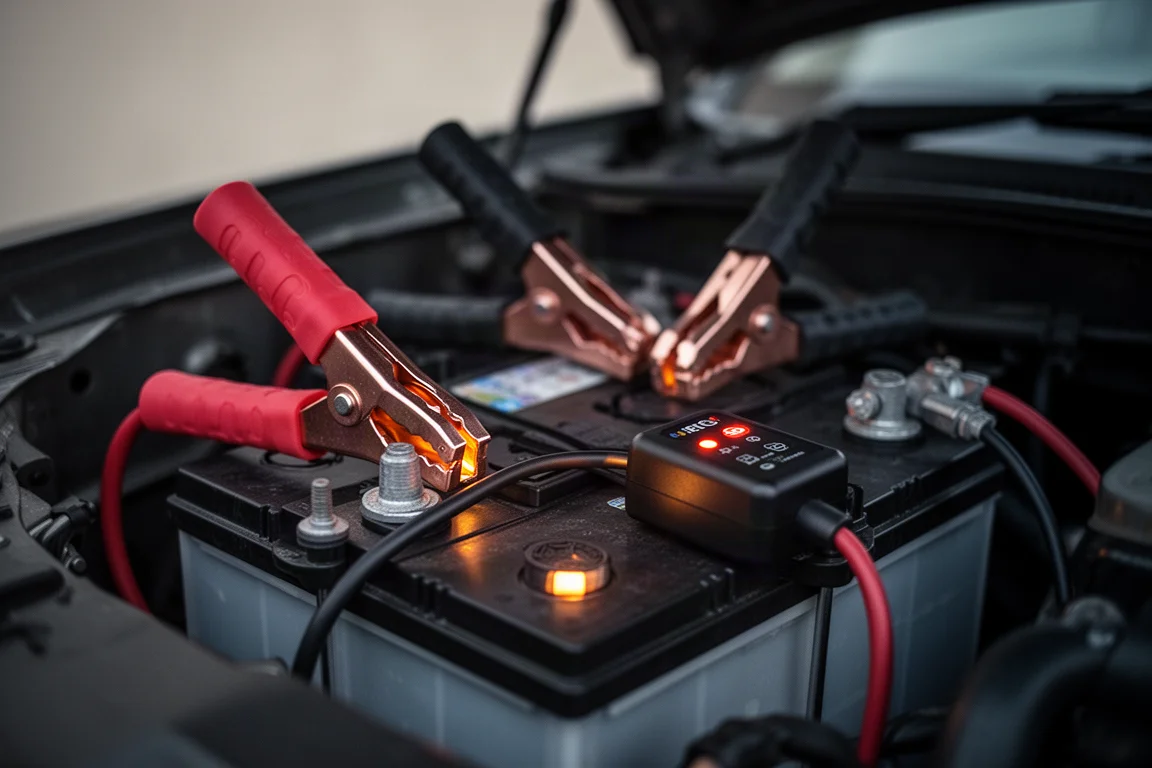
Safety is handled well too. The connection electronics sit outside the battery itself, so nothing inside the pack is compromised during a jump, and there are around 10 built-in protections. Hook the clamps up backwards and the unit warns you immediately rather than damaging your car’s electronics. That matters especially for modern vehicles, where traditional jumper cables between two cars risk electronics damage to either vehicle. It can also indicate when a battery is too low or even completely dead, which is when boost mode earns its keep.
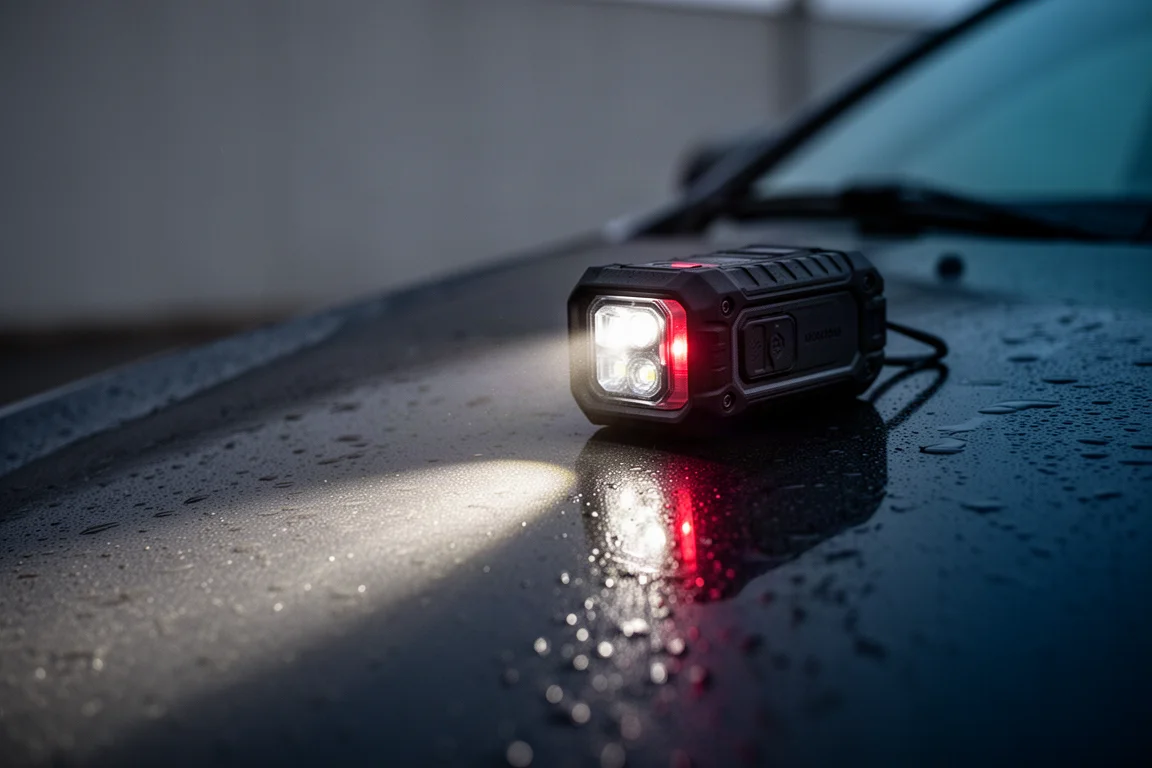
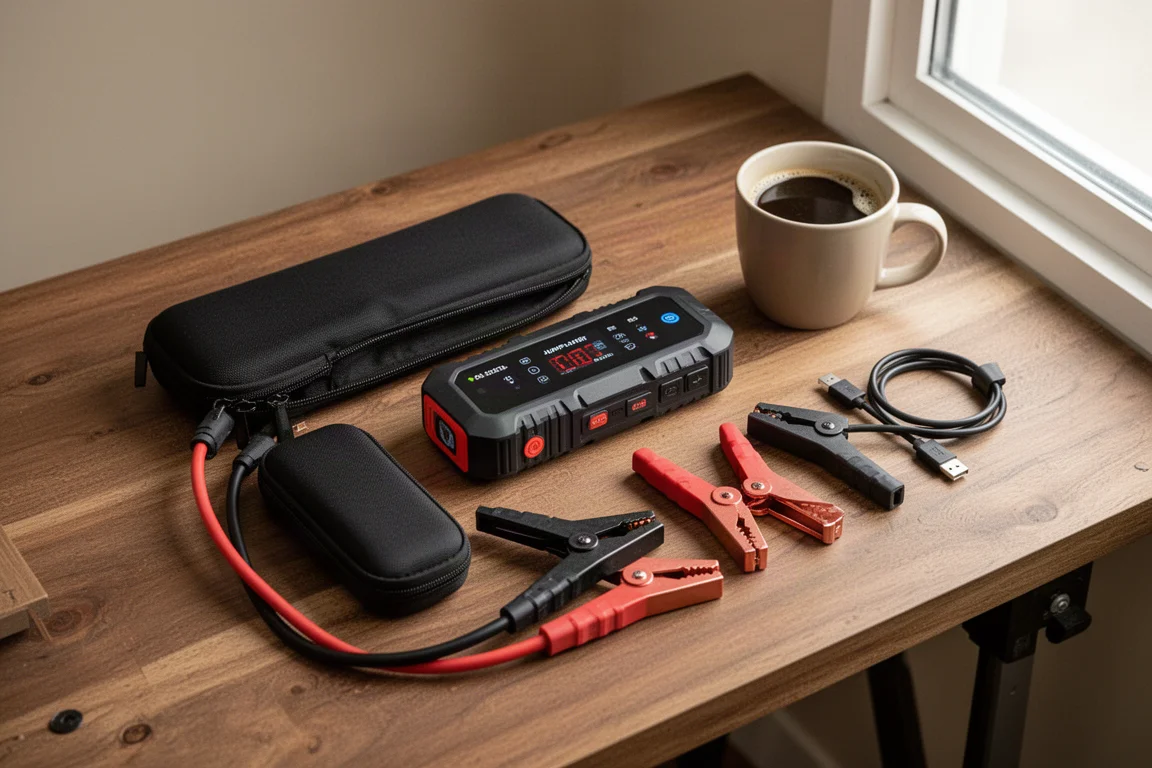
Beyond jumping, it doubles as a power bank for USB devices and includes a 300-lumen light with SOS and strobe modes. The strobe is genuinely useful: leave it in the rear window if you are limping home with a problem, or use it as a signal beacon far from town, where search and rescue teams using infrared detection can spot it from a long distance at night.
Things to Consider Before Buying
Capacity is not the same as guaranteed starts, and it helps to think in terms of a budget. Start at 100 percent, and the pack loses some efficacy over time just from sitting and aging. Temperature cycling, hot days and cold nights over weeks and months, degrades the battery further. Then there is temptation: charging a phone or running other USB devices draws from the same reserve.
Below roughly 50 percent charge, the pack may no longer have the power needed to turn over an engine, so the effective usable zone is that upper half. Topping it off about once a month is recommended, though in practice these packs hold charge remarkably well even when neglected under a car seat.
Two design gaps are worth noting. The light sits on the opposite end from the connection cables, so it is awkward to illuminate the battery terminals you are working on. And with short cables, roughly a foot, the unit tends to dangle or slip down into engine bay crevices; a fold-out platform to rest it across engine components would help, especially in wind, dark, and cold.
Buying Advice
For a well-under-$100 price, the JS2000 comes in a solid box with a zip pouch for storage, and it is readily available online. If you currently own a smaller jump starter and assume it is good enough, it is worth reconsidering: the whole category is getting cheaper while capacity climbs, and a bigger pack covers the gap between “works on paper” and “works at 14 degrees on a dead battery.”
There is also a broader case for owning one. Modern cars make traditional jumper cables risky, a fully charged 2,000-amp unit handles repeat use if your vehicle has a genuinely bad battery or alternator, and the built-in light and USB output make it a legitimate piece of roadside emergency kit rather than a single-purpose gadget.
Conclusion
The Topdon JumpSurge JS2000 is a quality jump starter with the headroom to handle the conditions that defeat smaller packs: cold, age, larger engines, and a battery that has been quietly losing charge all year. With boost mode, reverse-polarity protection, a useful 300-lumen light, and a price well under $100, it earns its place in any trunk. If you have been putting off buying a jump starter, or upgrading a small one, this is a sensible place to land.
Product link
View more details for Topdon JumpSurge JS2000
This product is mentioned in the review. Check the specifications, options, and compatibility before buying.
View more details for Topdon JumpSurge JS2000Further reading
Related Reviews
Automotive Tools
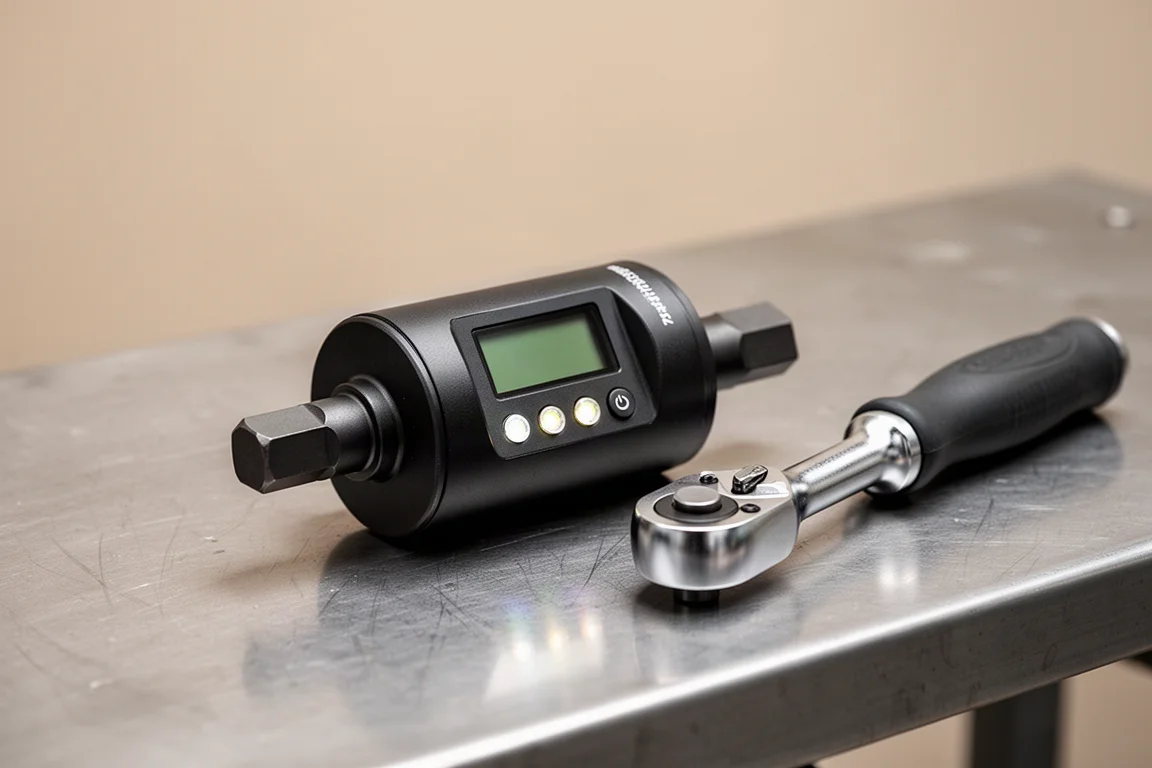
ALAIAL 1/2" Digital Torque Adapter Review: Turn Any Ratchet Into a Precision Tool
A practical look at the ALAIAL 1/2" digital torque adapter, an affordable way to add torque measurement to your existing ratchet.
Automotive Tools
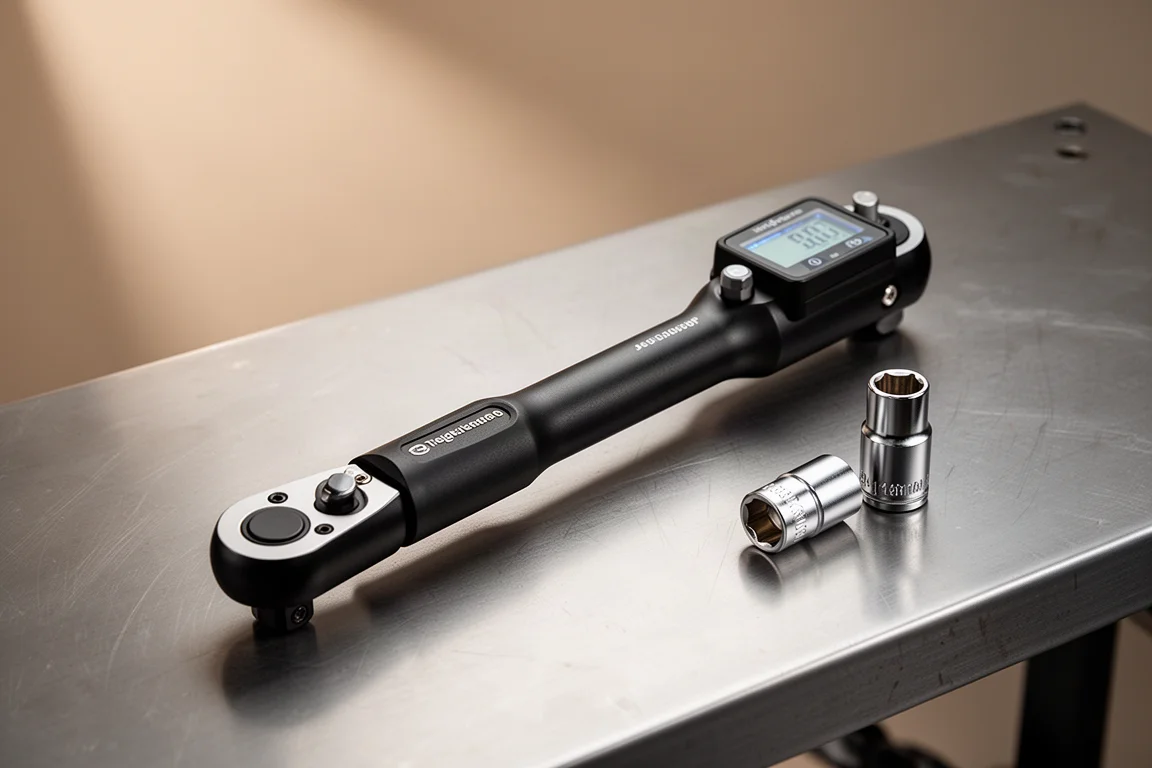
ALAIAL 3/8" Digital Torque Wrench Review: Accurate Fastening Made Simple
A practical look at the ALAIAL 3/8" digital torque wrench, covering its features, ease of use, and real-world performance for vehicle maintenance.
Automotive Tools
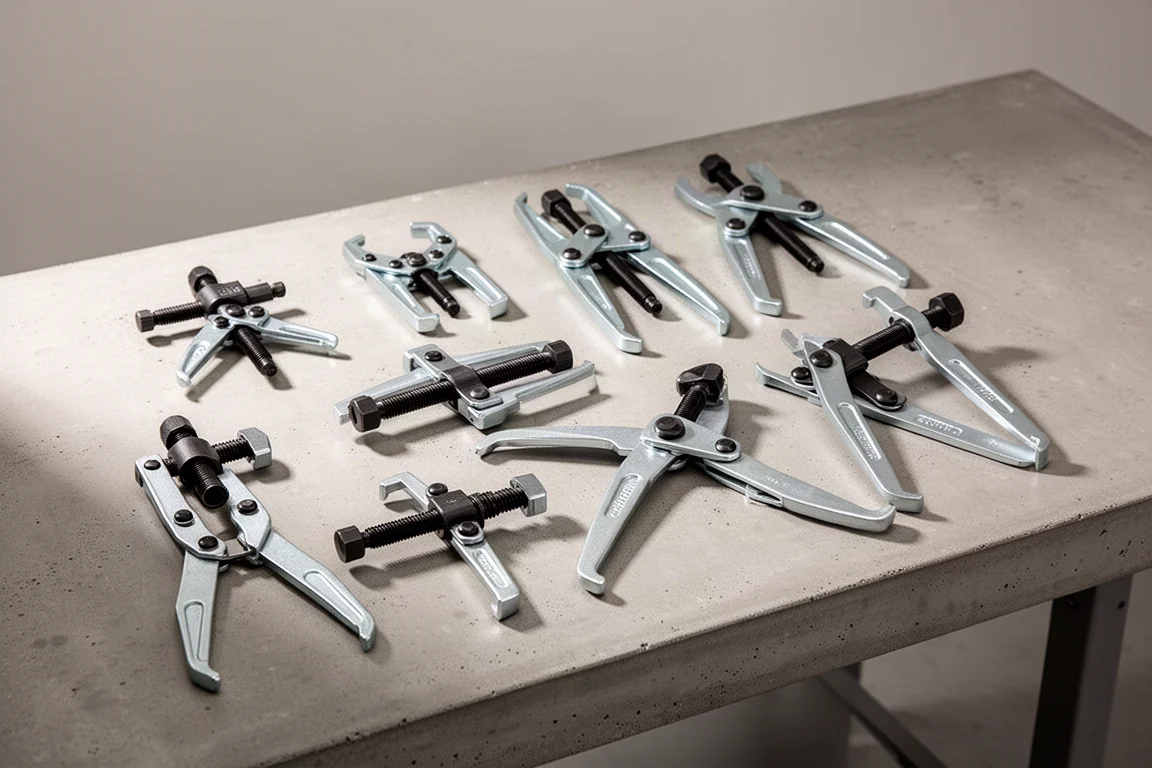
Best Gear Pullers 2026: 2-Ton and 5-Ton Options Compared
We compared nine gear pullers across 2-ton and 5-ton classes to see how design, build quality, and price affect real-world pulling performance.