Automotive Tools
Best Gear Pullers 2026: 2-Ton and 5-Ton Options Compared
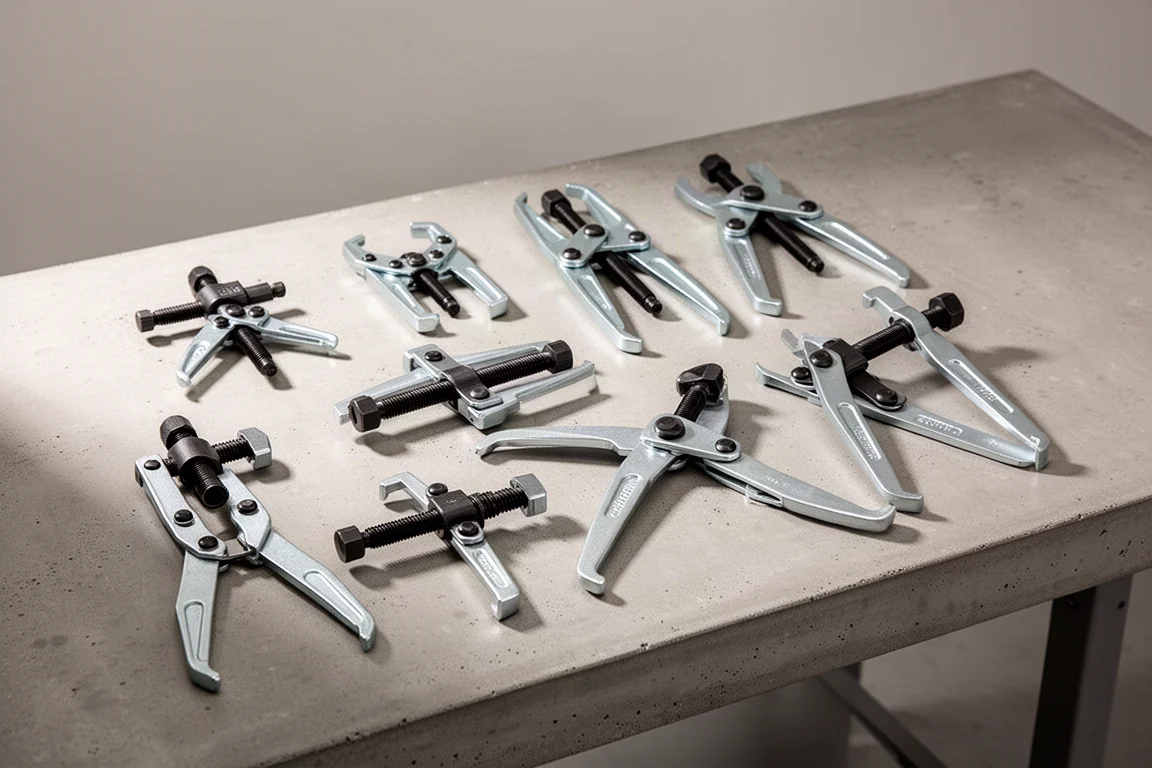
We compared nine gear pullers across 2-ton and 5-ton classes to see how design, build quality, and price affect real-world pulling performance.
Introduction
Gear pullers are one of those tools where the price range can be genuinely confusing. A 2-ton 4-inch puller might cost $20 from one brand, $73 from another, and $110 from a third. All of them share similar specs on paper, yet they look and clearly cost very differently. The differences only become obvious once you own and use each one.
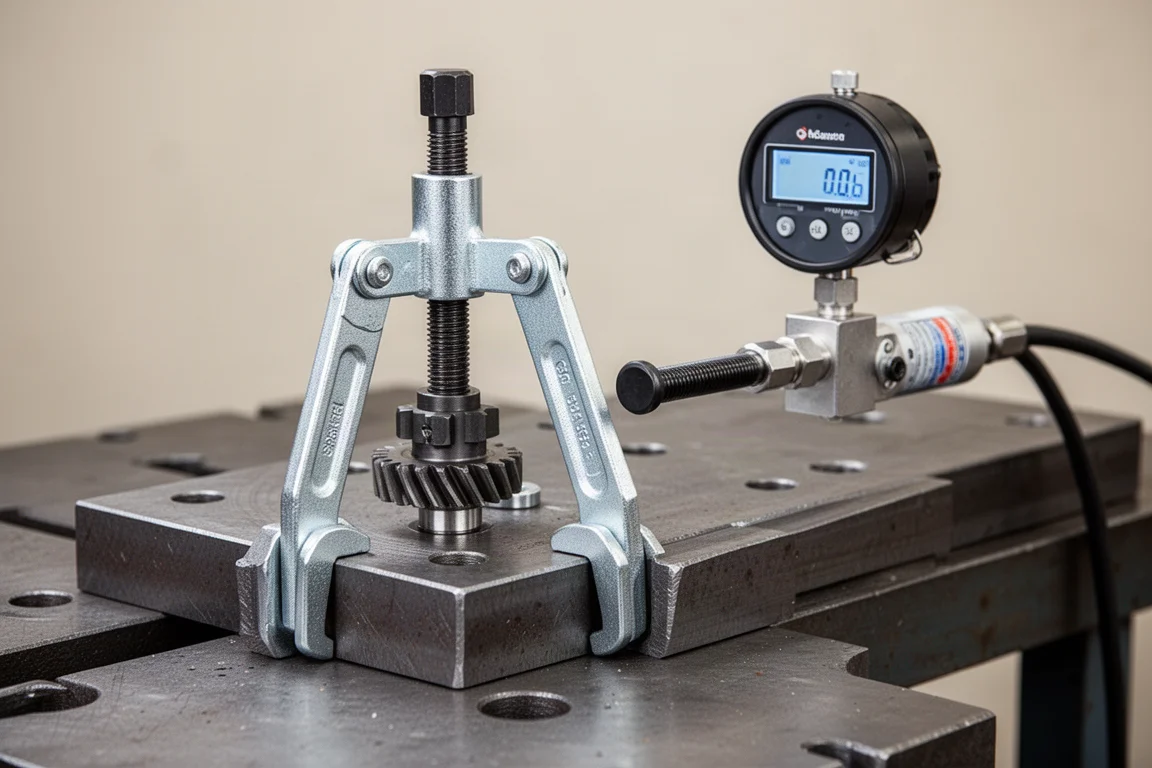
We put together a test to show how design and capacity compare across ton ratings and prices. We started with 4-inch 2-ton pullers, then moved on to larger 5-ton and 15-ton options. Each tool was assembled, greased, and tested using a calibrated hydraulic gauge with steel target plates standing in for pulleys. The plates never cave in or bend, so all the data comes straight from the gauge.
How We Tested
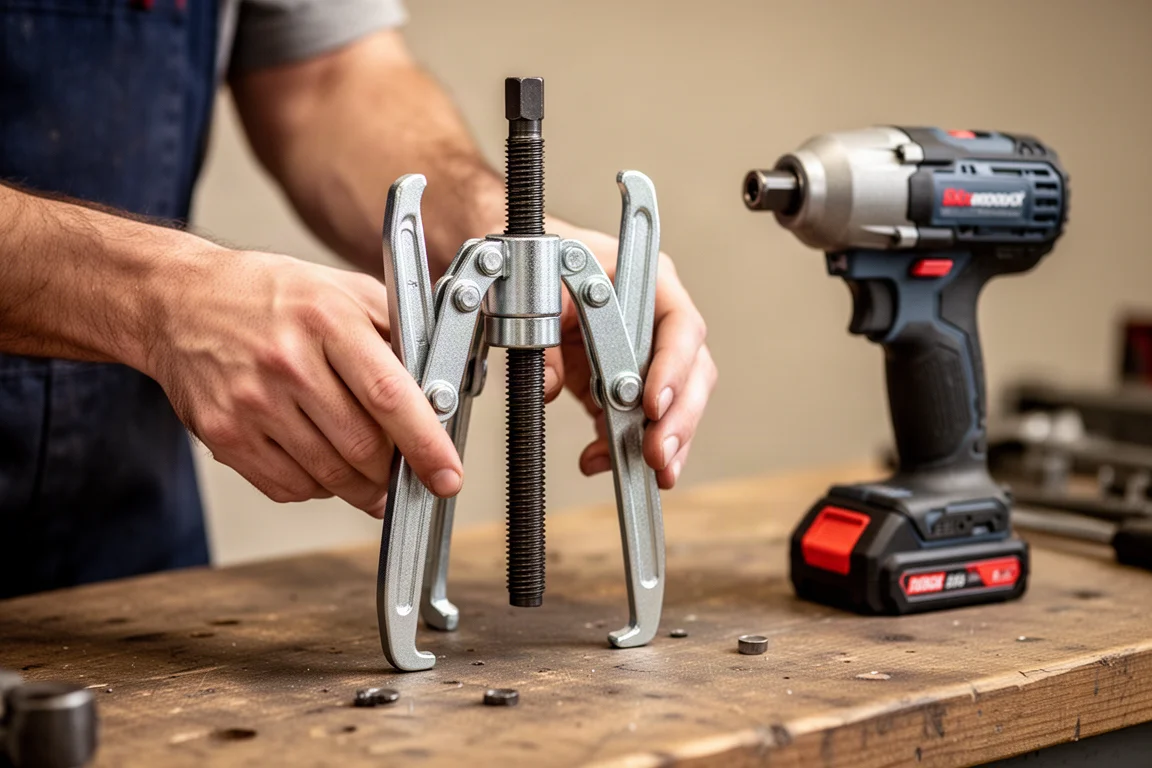
Each puller received the same amount of grease where the threads interact with the force screw. We used a compact cordless impact wrench in two power settings, then stepped up to more powerful tools as needed. The gauge was calibrated to a paired hydraulic pancake ram, with the math set up to read pounds of force.
Using an impact on pullers is common in professional settings. These tools generally handle it fine up to their stated max rating. We also measured jaw thickness at the feet, since that determines how much space you need to fit the tool around a pulley or gear.
Orion Motor Tech 4-Inch 2-Ton Puller
The Orion Motor Tech puller came as part of a multi-puller kit, working out to about $13 per puller. In the first impact setting, it delivered over 3,800 pounds of pulling force, about 1.9 tons. Moving to the second setting, the puller got cockeyed with one arm stretching more than the other, but still reached 2.1 tons.
The connection plates between the legs are rather thin, and one stripped through at the hole. The fine print rates this specific piece at 1.6 tons, so it performed above its advertised rating. The jaw feet measure 9 mm thick, which limits the spaces you can fit this tool around.
Duratech 4-Inch 2-Ton Puller
The Duratech puller cost $22 and features thinner, flatter jaws at 7.4 mm, allowing it to slot under tighter spaces. In the first impact setting, it broke past where the Orion topped out, reaching 2.3 tons. In the second setting, it reached 3.4 tons before stalling.
Moving up to a more powerful compact impact, it punched its ticket almost instantly, reaching 3.45 tons. Compared to the first puller, this one is a clear step up in performance.
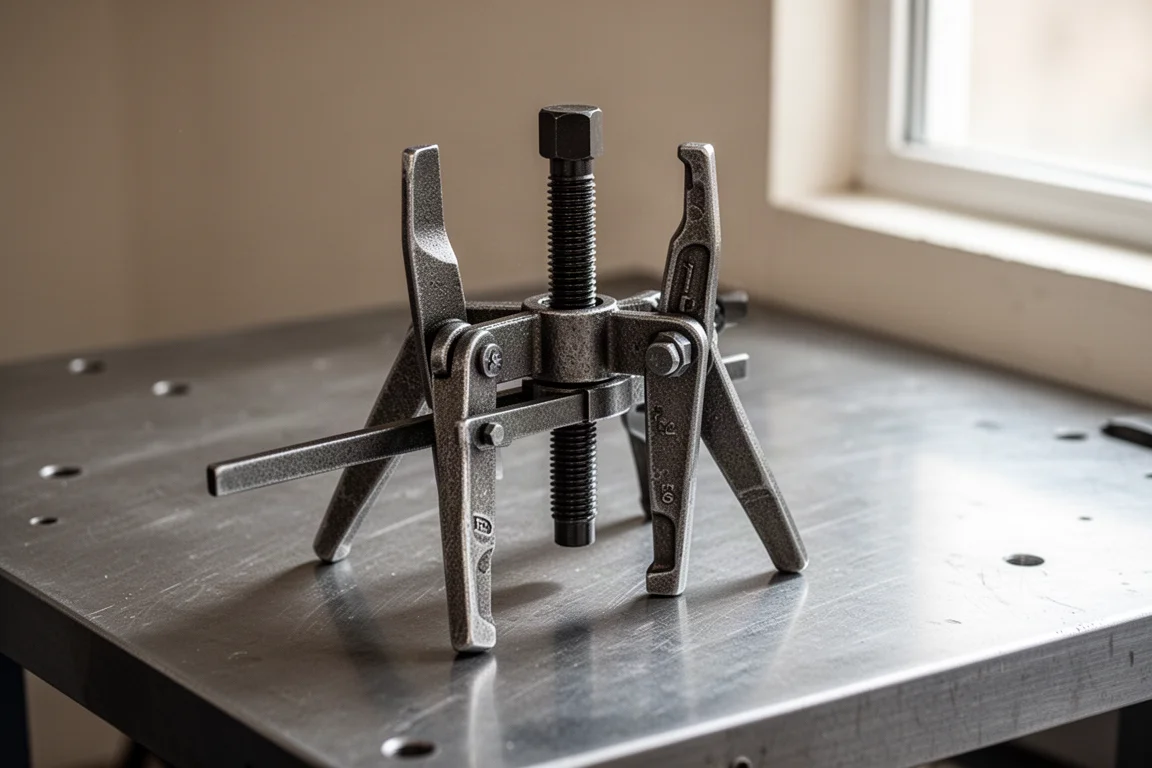
Billy Tools 6-Inch 2-Jaw Puller
The Billy Tools puller cost $23 and is advertised as a 6-inch puller, though it maxed out around 5 inches in practice. We tested it in the 4-inch setup. Its jaw thickness is 7.2 mm, which is not bad.
The Billy Tools climbed in pulling force quickly, then dove just as quickly as it was impacted. The second setting could not improve on its 1.8 tons, managing only 1.7 tons at best. The tool twisted, bent, and tweaked out of alignment. There does seem to be a benefit to a three-jaw design, which spreads forces over more legs and keeps things aligned.
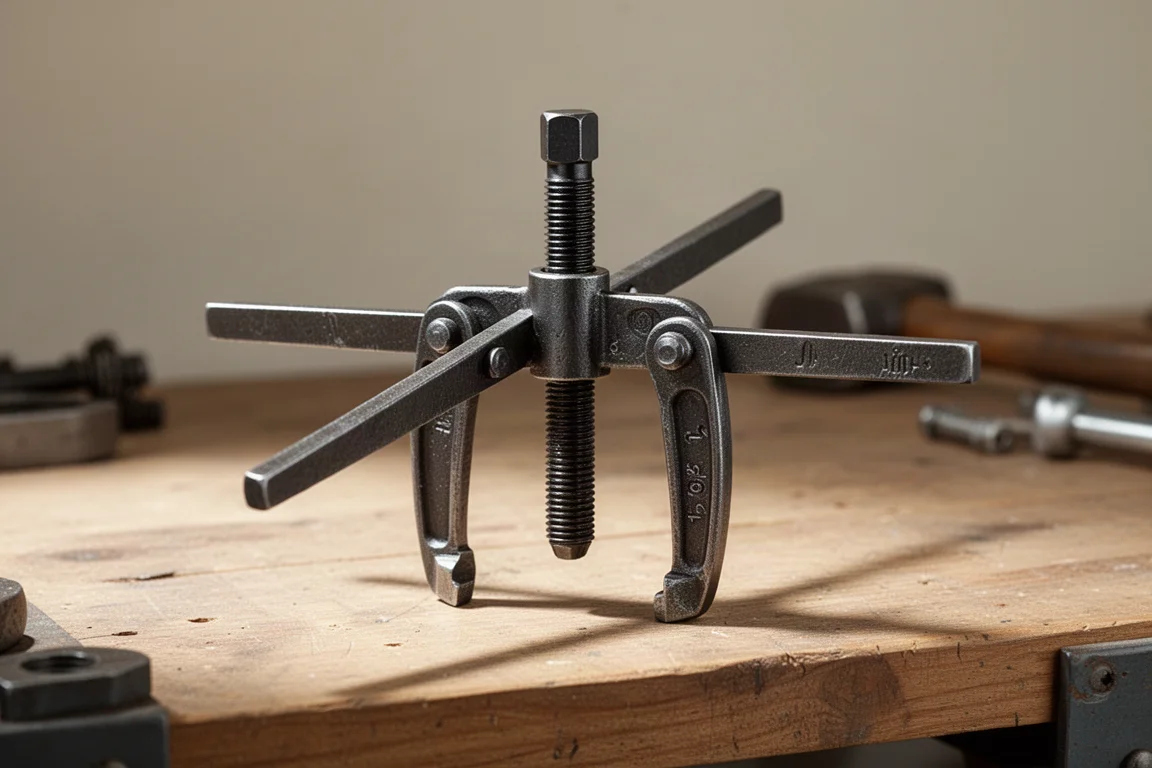
OTC Grip-O-Matic 4-Inch 2-Ton Puller
The OTC Grip-O-Matic cost $73 and is made in the USA. It has very low-profile, razor-like flattened jaws at 4.4 mm, machined down to fit into tight places. Despite its modest appearance, it piles on pulling force quickly thanks to its fine-thread force screw.
It reached 2.3 tons in the first setting, then climbed to 3.25 tons with more impacting. With a mid-torque impact, it reached 3.75 tons on this 2-ton-rated puller. By the time we hit the max tonnage of the hydraulic ram, the threads had galled up considerably, and the ball bearing was crushed into the nose, mushrooming it out. We called it at 4.1 tons, by far the best result in this class.
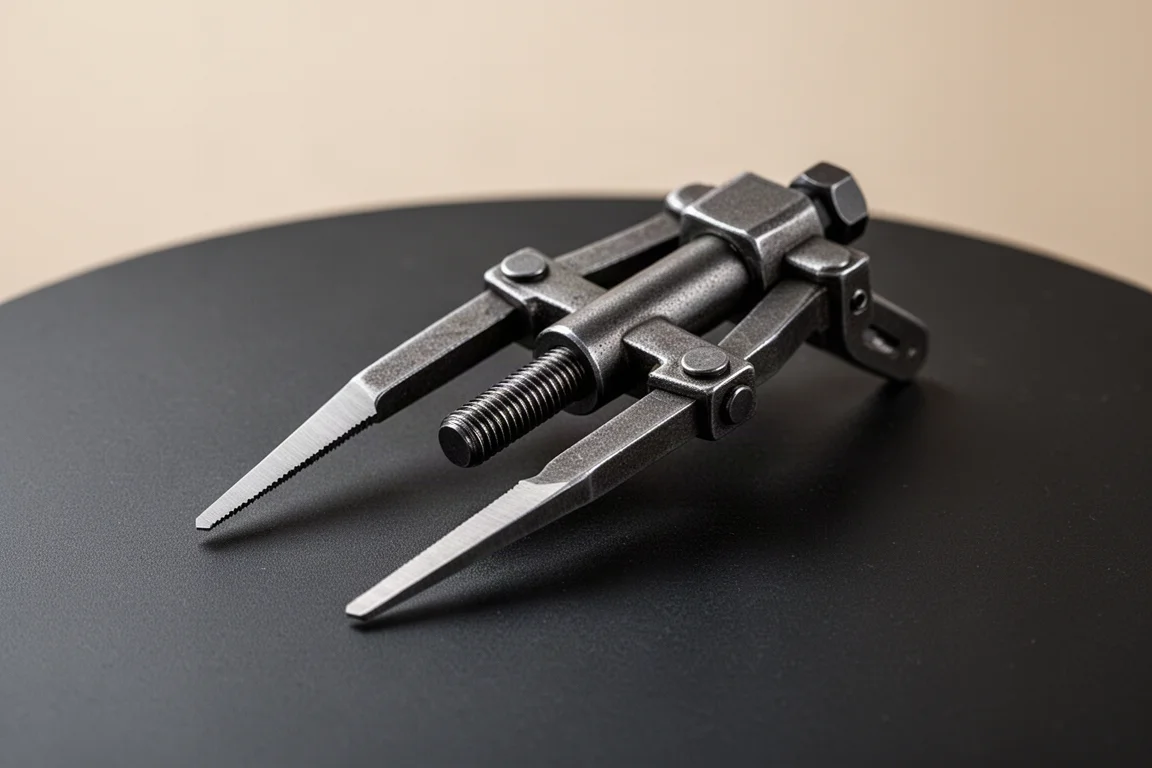
GearWrench 2-Ton Puller
The GearWrench set costs $130 and includes both a 2-ton and a 5-ton puller, working out to about $65 each. The ratcheting design is the standout feature here. These tools click into self-tensioned positions, making assembly and adjustment much easier than traditional three-handed designs. The straight-arm style leaves more room for height in the center of what you are pulling, and the 4.7 mm thick jaws offer high access.
The 2-ton version reached 2 tons in the first setting. In the second setting, it climbed slowly with a lot of impacting, eventually reaching over 7,000 pounds. At that point, it started to cross-thread, creating two separate thread grooves. We could not increase its high score from there, but 3.6 tons is a solid result, and it required less effort to get there than the others.
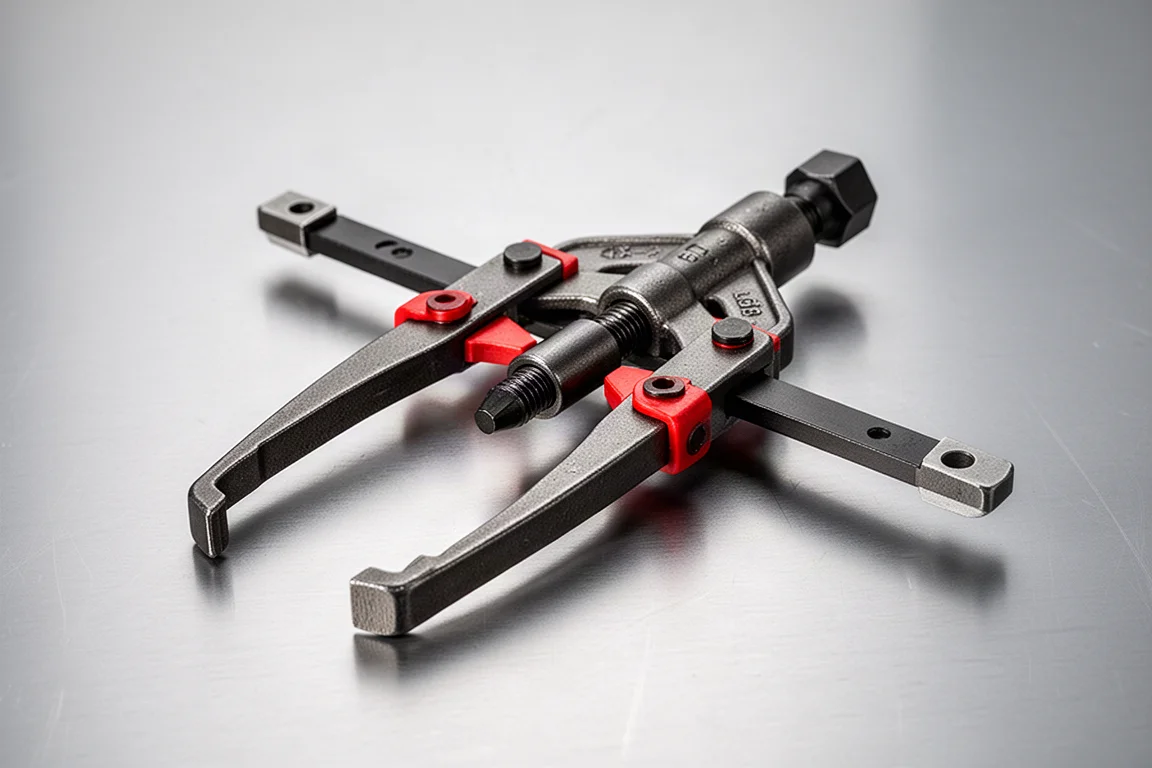
Best Tool 2-Ton Puller
The Best Tool 2-ton puller costs $110 and looks anything but 2-ton. It is hefty with deluxe features like a greased, free-spinning, removable drive head and independent arm tensioning. You can grab onto and cinch onto a pulley without the drive screw’s help, which most pullers require.
One byproduct of the independent arm adjustment is that impacting can loosen the adjuster, though the arms stay put. It reached 2.1 tons in the first setting, then climbed to 3.2 tons before needing a more powerful impact. With the mid-torque, it reached 3.4 tons. Unlike the OTC, the Best Tool was ready to go again with no damage. It takes the top spot in performance for the 2-ton class.
Jaw Thickness and Access
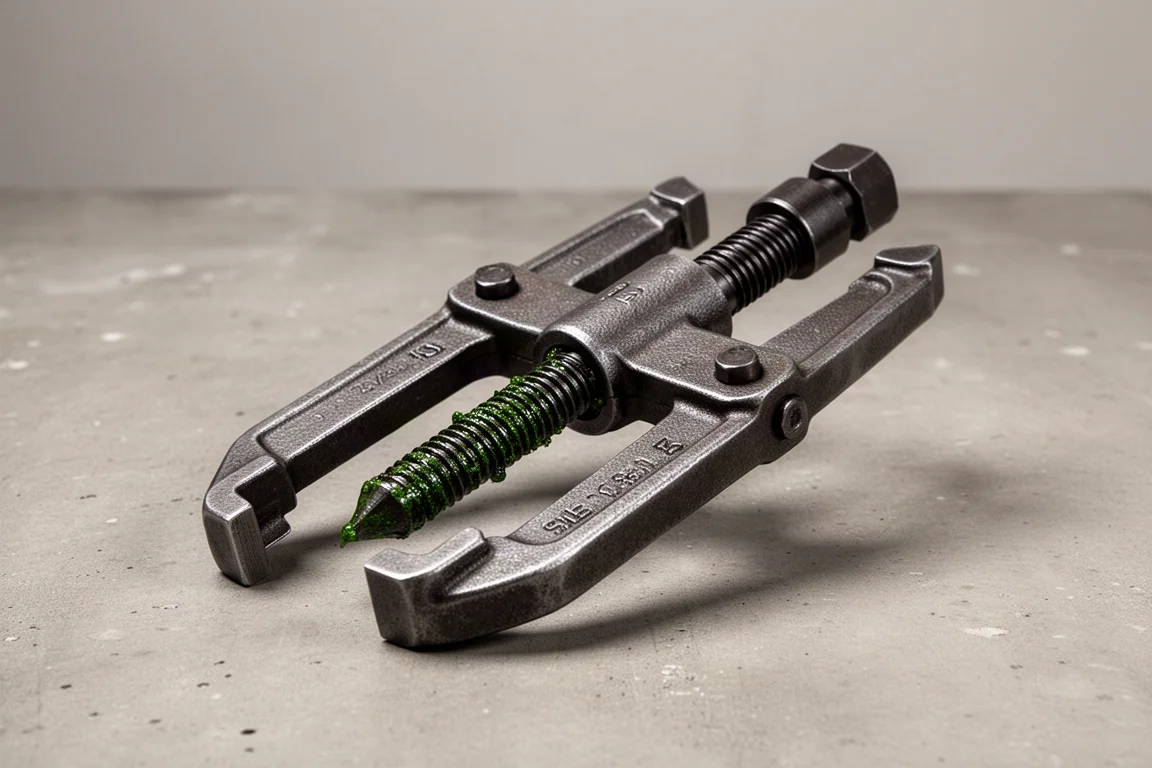
Jaw thickness matters because it determines where you can use the tool. The OTC had the thinnest jaws at 4.4 mm, followed by the GearWrench at 4.7 mm, the Amazon-style puller at 5 mm, the Billy Tools at 7.2 mm, the Duratech at 7.4 mm, and the Orion at 9 mm. Thinner jaws fit into tighter spaces, but thicker jaws tend to be stronger.
6-Inch and 5-Ton Pullers
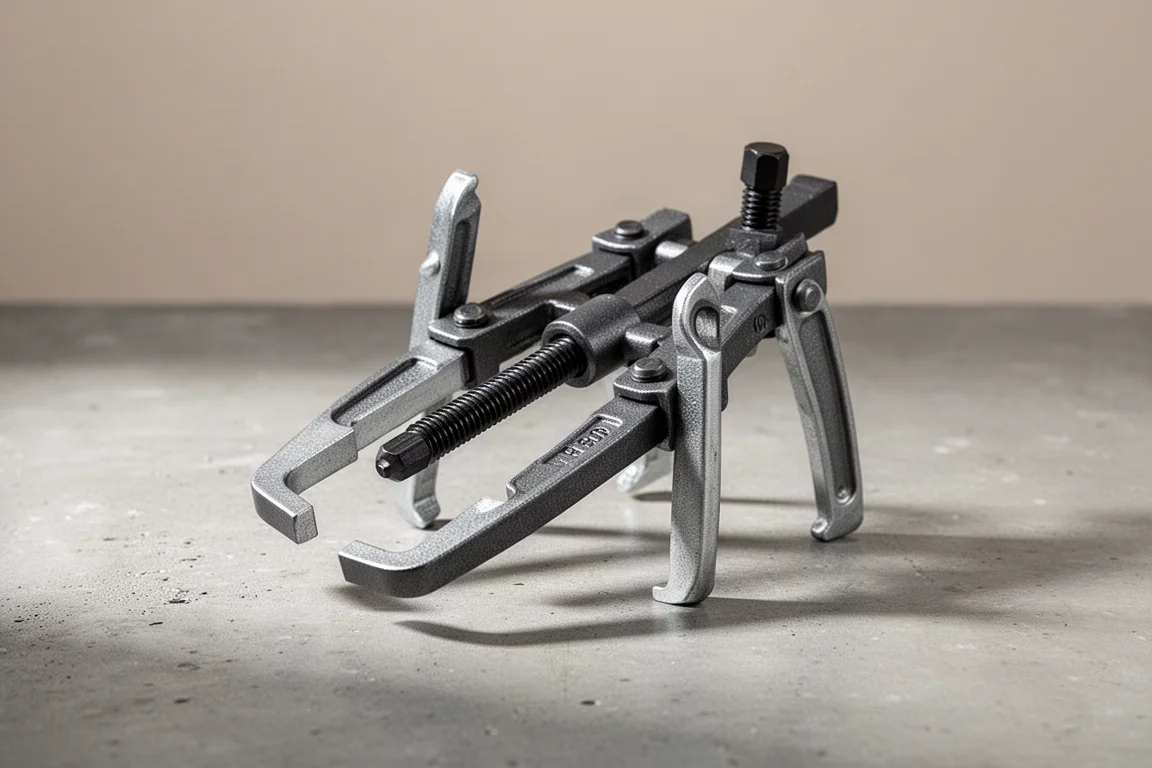
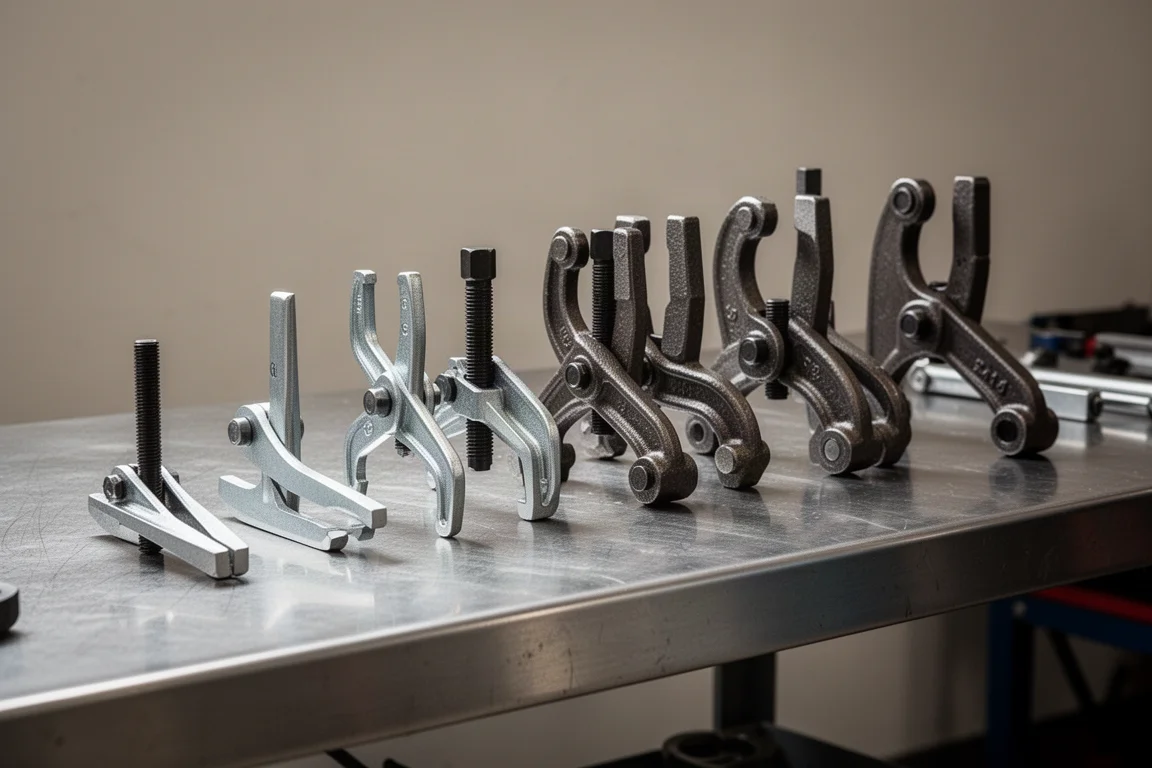
Moving up to the larger category, we tested 6-inch capacity pullers that are typically rated for 5 tons. We also added a larger 20-ton hydraulic ram that all of these could fit on.
Orion Motor Tech 6-Inch Puller
The 6-inch Orion from the same kit has 11 mm jaw feet, not much larger than its smaller sibling. In the first impact setting, it reached 6,800 pounds, or 3.4 tons. In the second setting, it climbed to 9,200 pounds, or 4.6 tons, before the force plummeted. Like its smaller brother, the connection plates between the legs are thin and pulled through at the bolts. The fine print rates this specific one at 4.4 tons, so it performed slightly above its rating.
View more details for Orion Motor Tech 4-in 2-Ton Puller
GearWrench 5-Ton Puller
The GearWrench 5-ton puller has 8.1 mm jaw feet, which is slimmer than many of the 2-ton pullers. In the first setting, it reached 7,200 pounds, or 3.6 tons. The second setting brought it to 11,500 pounds, or 5.75 tons. A more powerful compact impact increased that to 13,000 pounds, or 6.5 tons. A mid-torque impact brought it up to 8 tons, just shy of 16,000 pounds. A high-torque impact finished the job, reaching 18,500 pounds, or 9.25 tons, before the threads cross-threaded and jammed. That is an impressive result from a 5-ton-rated puller.
Best Tool 5-Ton Puller
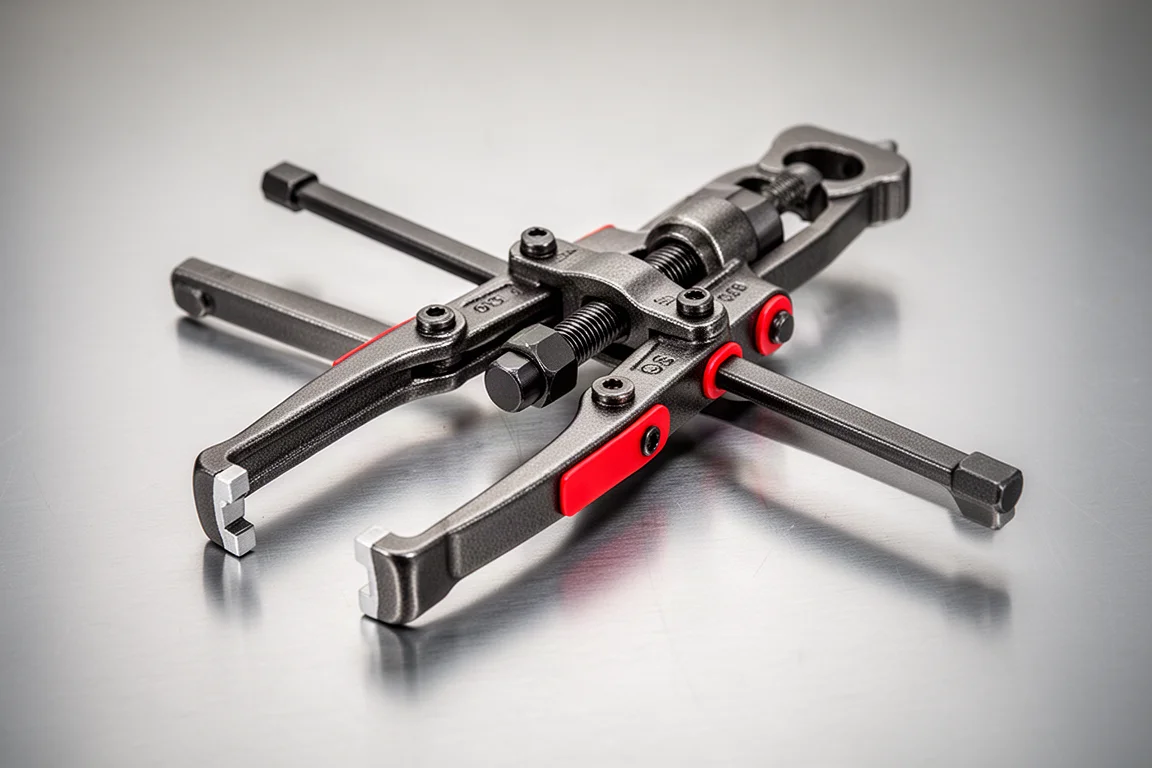
The Best Tool 5-ton version comes in its own large wooden-bottomed box. It is beefy, with 14 mm jaw feet. The greased, independent force screw and jaws can be adjusted tightly into place without requiring tension from the force screw. The force screw itself feels buttery, already lubricated with fine threads.
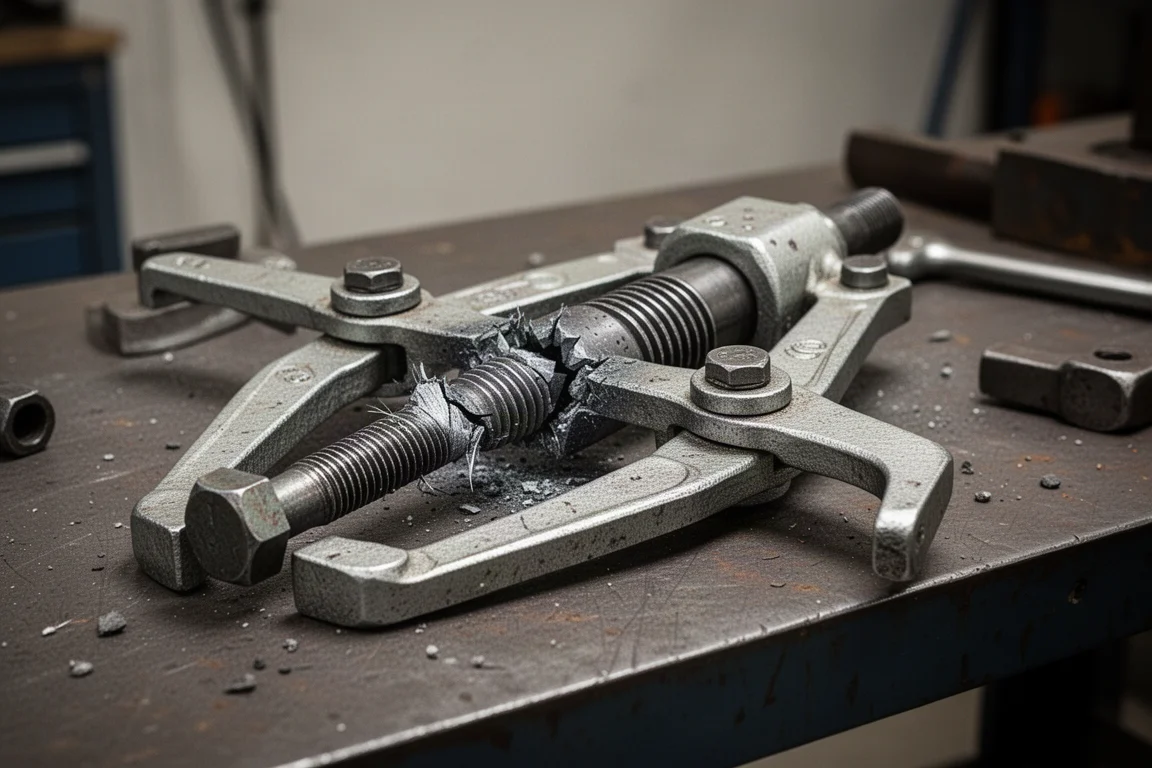
In the first setting, it reached 4.8 tons. The second setting brought it to 8.4 tons. With mid-torque and high-torque impacts, it climbed to 9.7 tons, then 10.4 tons before tapping out in a very obvious way. The bolt broke in a double-shear orientation, snapping clean through. The tool itself remained serviceable.
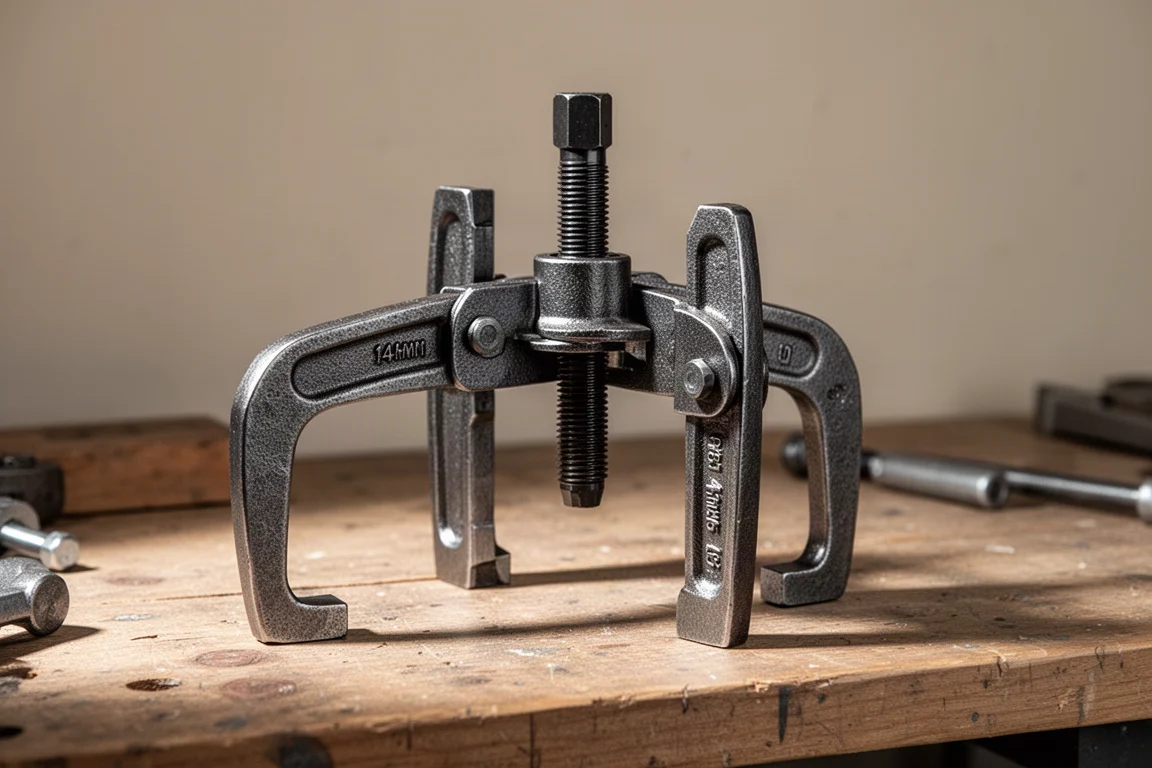
VIVOR 15-Ton 3-Jaw Puller
The VIVOR 15-ton three-jaw puller costs $79 and is essentially a full hydraulic ram with a body that threads around to retain three jaws. It is big, but not as massive as you might expect compared to the 5-ton Best Tool. The first 12,000 to 13,000 pounds, around 6 tons, come with very low effort. From there, getting up to 9 tons is a labor. 10 tons feels like maxing the tool out, and 11 tons, or 22,700 pounds, is about the practical limit. It did not reach its advertised 15 tons, but releasing the pressure and removing the tool is simple. The 20 mm thick jaw feet will not work everywhere, but for the price, it is a joy to use.
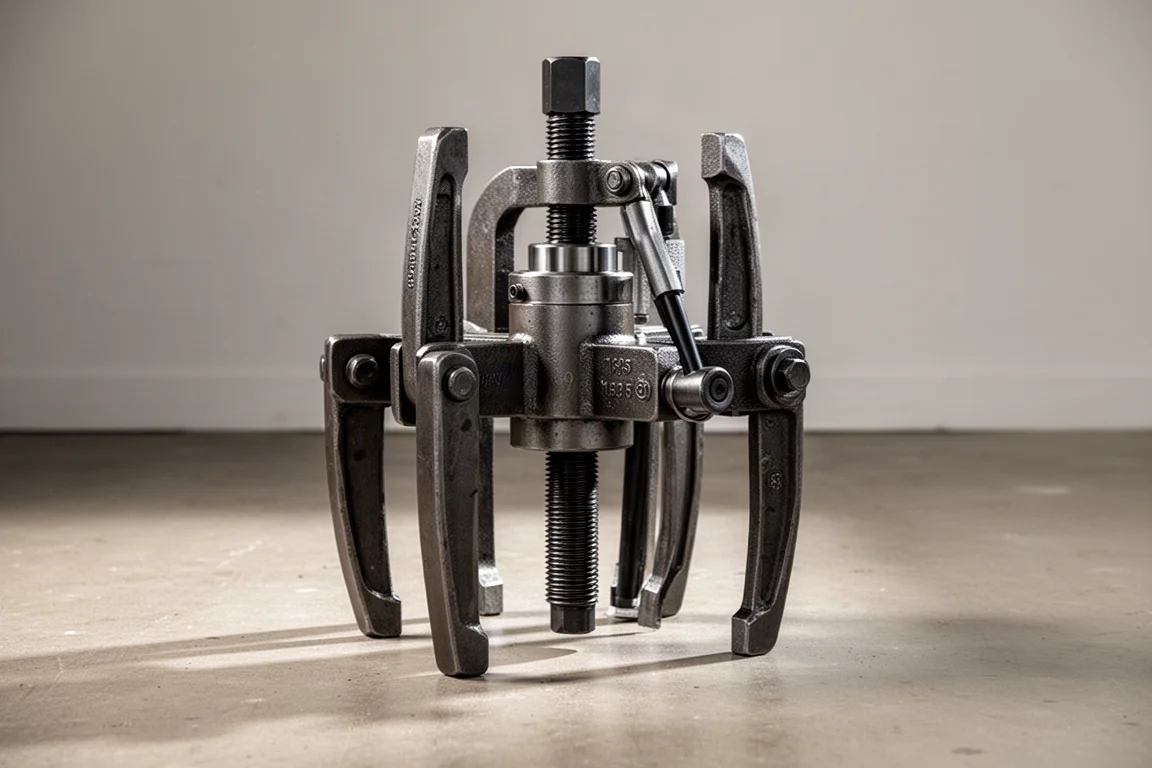
Overall Buying Advice
In the 4-inch 2-ton class, the OTC takes the top spot due to its lower price and lower overall profile for vehicle use. The Best Tool takes top honors in raw performance, handling more force than the hydraulic ram could deliver before showing any damage. The Duratech stands out for performance per dollar.
In the larger class, the GearWrench 5-ton is a surprising first place. It is not far off the Best Tool in performance while having nearly half the jaw size at the feet and one-third the overall size. Both delivered nearly double their rated claims. The GearWrench is also easier to assemble and use thanks to its ratcheting design.
Conclusion
These pullers show that price does not always predict performance. The $22 Duratech outperformed pullers costing several times more, while the $110 Best Tool proved nearly indestructible. The GearWrench ratcheting design makes it the easiest to use, and the VIVOR offers impressive hydraulic power for the price, even if it does not hit its 15-ton claim. Choose based on the spaces you need to work in and the forces you expect to encounter.
Further reading
Related Reviews
Automotive Tools
ALAIAL 1/2" Digital Torque Adapter Review: Turn Any Ratchet Into a Precision Tool
A practical look at the ALAIAL 1/2" digital torque adapter, an affordable way to add torque measurement to your existing ratchet.
Automotive Tools
ALAIAL 3/8" Digital Torque Wrench Review: Accurate Fastening Made Simple
A practical look at the ALAIAL 3/8" digital torque wrench, covering its features, ease of use, and real-world performance for vehicle maintenance.
Automotive Tools
Flexible Funnel Review: A Simple Fix for Messy Oil Filter Changes
A reusable flexible funnel that molds around tight engine bays and catches oil filter drips before they reach the subframe.