Home Safety Tools
Top Test CT300 Carbon Monoxide Detector Review: A Handheld CO Meter Worth the Money
The Top Test CT300 puts a live digital carbon monoxide reading in your hand, unlike the fixed-threshold wall units most homes rely on.
Introduction
Carbon monoxide is the kind of hazard most people assume is already handled. There is a detector on the ceiling or built into a smoke alarm combo, so the problem feels solved. The catch is that those fixed units are all-or-nothing devices: they stay silent until the concentration crosses a hard-coded trigger threshold, and they never show you what is actually in the air at lower levels.
The Top Test CT300 takes a different approach. It is a handheld carbon monoxide detector with a live digital display, sold for around $45. That puts it up against options like the Klein Tools carbon monoxide detector, which sells for roughly $20 but follows the simpler, threshold-only design most people already own.
This review looks at what the CT300 does, how it behaved in a real exposure test, and who actually benefits from carrying a dedicated CO meter.
Why a Handheld CO Meter Beats a Wall Unit
A wall-mounted detector is programmed to trigger at a set threshold. If carbon monoxide is present below that level, you get no signal at all, and you have no way of knowing whether the air is perfectly clean or quietly approaching the danger zone.
The CT300 shows the actual concentration in parts per million, from zero all the way up to 5,000 ppm. That single difference changes how you use it. Instead of waiting for an alarm to confirm a crisis, you can walk around a space and see whether a gas stove, a furnace, or a poorly ventilated room is producing any carbon monoxide at all.
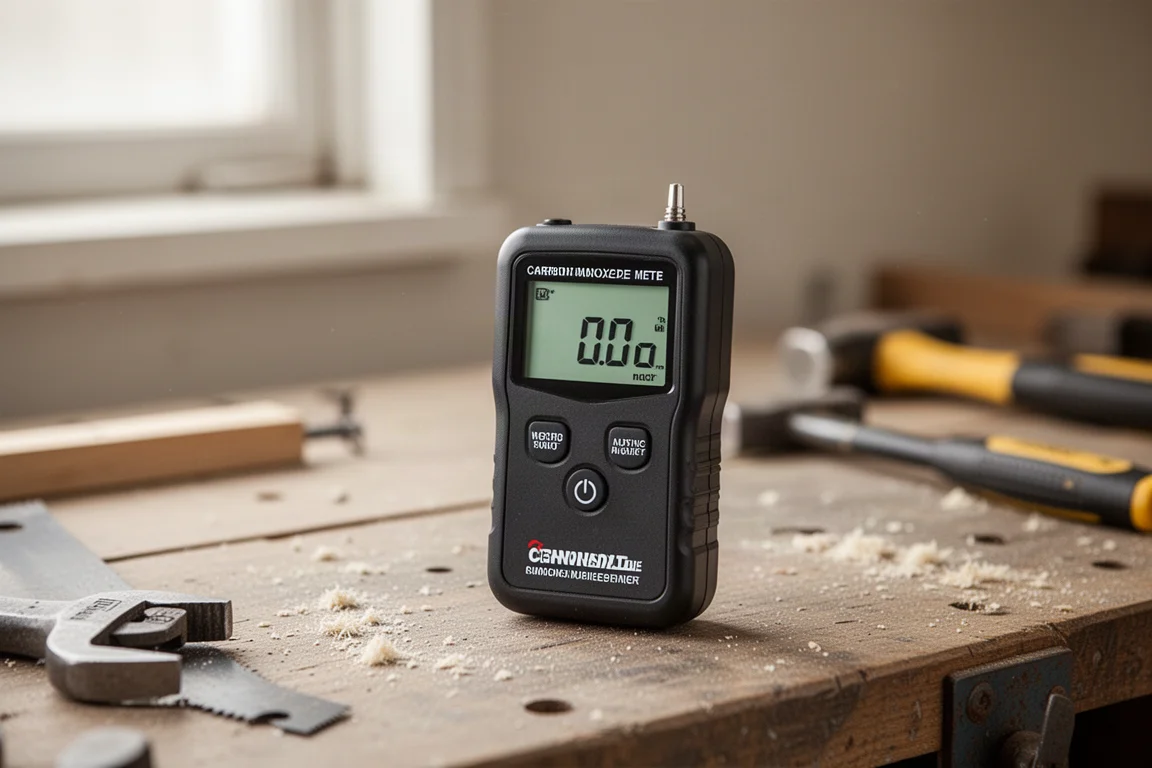
It also supports a zeroing function, so you can calibrate it to a clean baseline in your own shop or room before taking readings. Small touch, but it makes the numbers far easier to trust.
Understanding Carbon Monoxide Exposure Levels
It helps to know what the numbers on the display mean. Roughly speaking, around 100 ppm is the point where concern begins. At about 200 ppm, exposure for two to three hours can produce a headache. Around 400 ppm, exposure can be fatal after roughly three hours or more. At 800 ppm, the timeline shortens to a couple of hours, and by about 3,000 ppm, death can occur in 10 to 15 minutes, with anything higher acting faster.
The mechanism is grim but simple: carbon monoxide bonds with the hemoglobin in your blood, and once that happens your blood can no longer carry oxygen effectively. Before any of the severe outcomes you would experience a splitting headache and other recognizable symptoms.
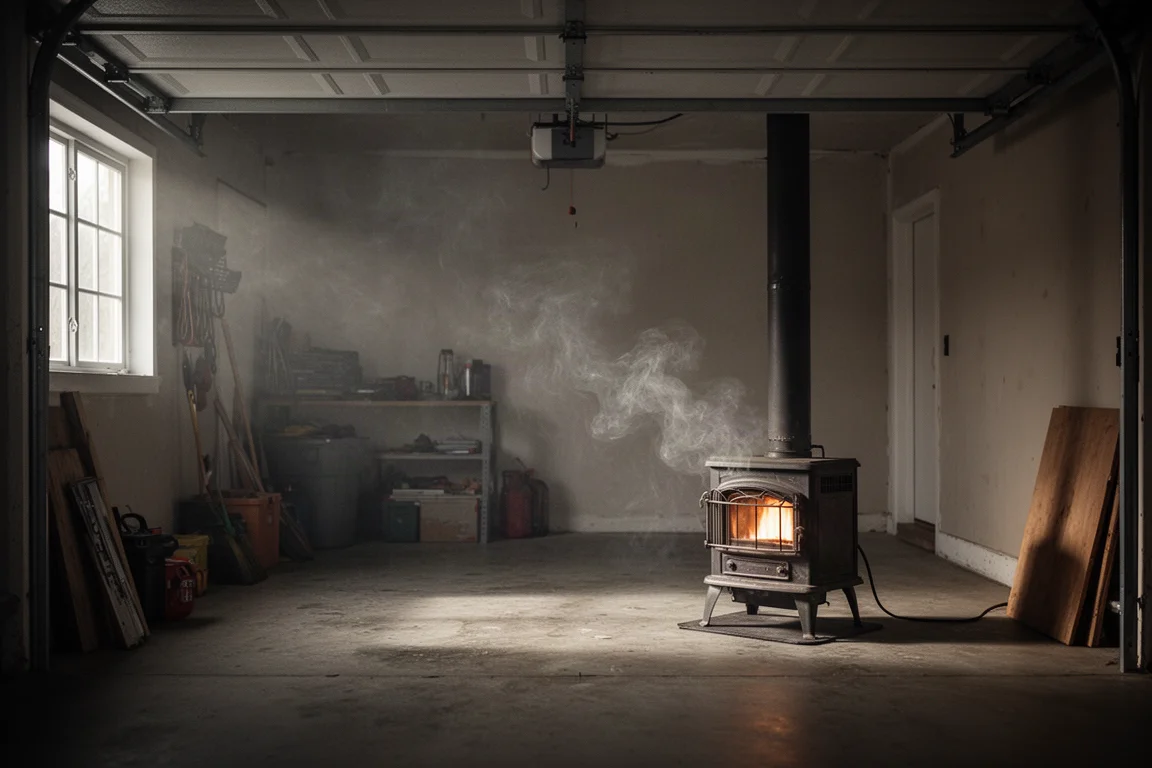
The typical risk scenarios are unsurprising but easy to overlook: space heaters running on combustion, fireplaces, furnaces, and stoves operating in unventilated areas where incomplete combustion builds up. It is exactly the kind of situation that develops when people seal up rooms in winter, or when someone is cooking in a trailer or RV and dozes off without realizing anything is wrong.
Features and Everyday Usability
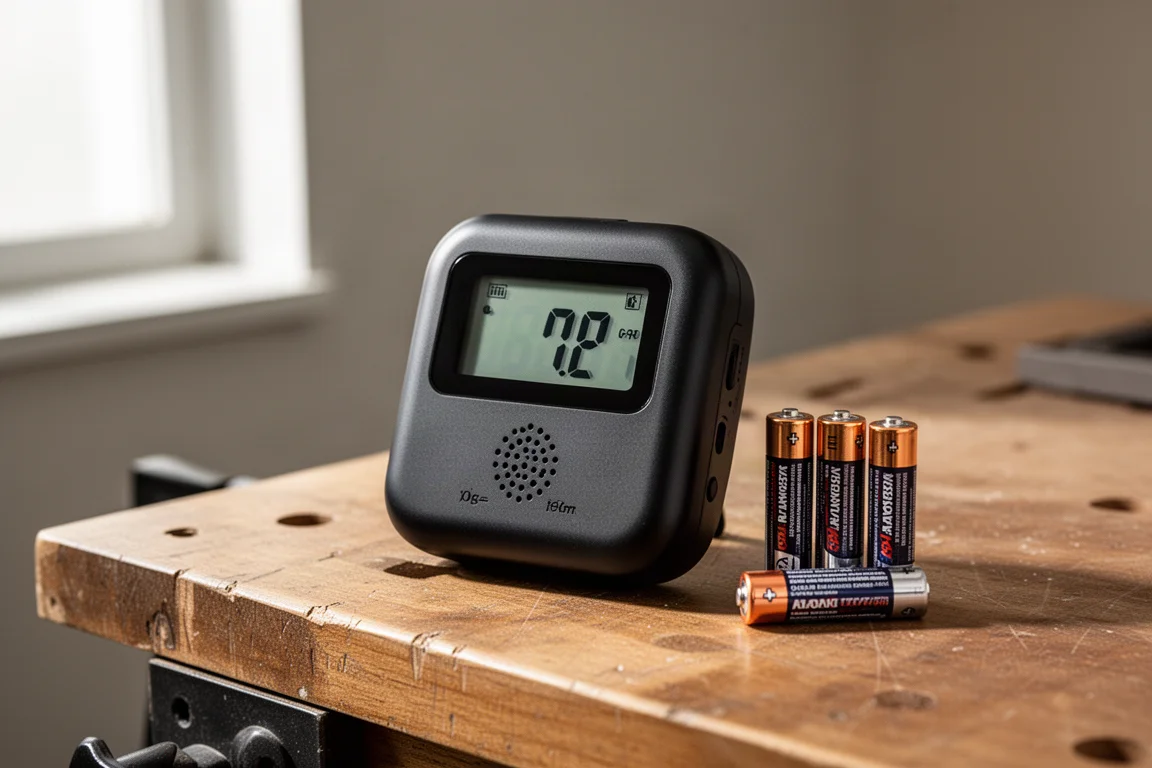
The CT300 runs on three AAA batteries, and there is a battery indicator on the unit so you are not caught with a dead meter. For cold weather use and long-term storage, swapping in lithium batteries is a sensible upgrade.
Beyond the live readout, the feature set is practical:
- Adjustable alarms. One alarm was set at 60 ppm and a second at 500 ppm, and either threshold can be adjusted up or down. The lower alarm fires first, so you get an early warning well before dangerous levels.
- Hold mode. You can insert the meter into a tight space, take a reading, pull it out, and read the stored value afterward.
- Sound on/off. The audible alarm can be silenced when you would rather watch the numbers fall in peace.
- Timer mode. You can set the unit to power itself off after a set period, useful when you are just spot-testing something and want to preserve battery life, or leave it running continuously as a warning device in something like an RV.
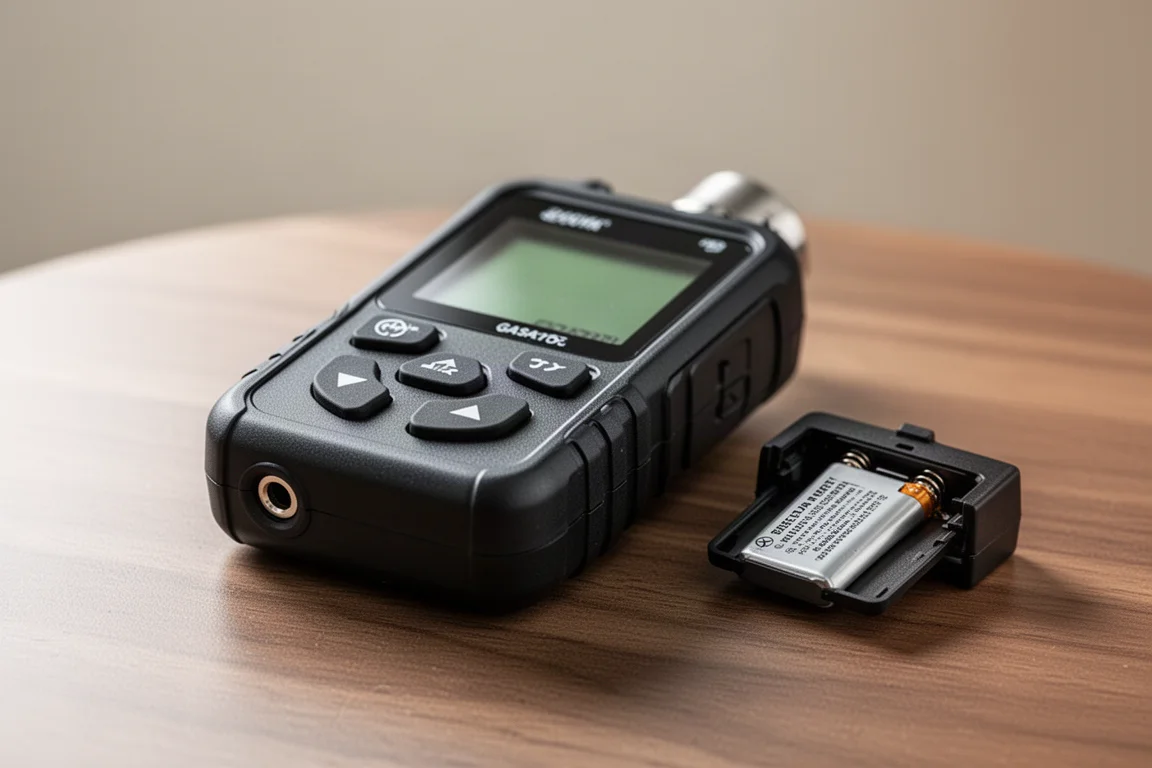
It ships with a case and instructions, and battery swapping is straightforward. The overall design is simple and uncluttered, which suits a tool whose job is to deliver one number reliably.
Real Testing: Incomplete Combustion in a Container
Pressing the test button proves the speaker works, but it does not prove the sensor responds to actual carbon monoxide. For a genuine test, the straightforward option is a bottle of certified CO gas, though those are expensive. Using car exhaust is explicitly not recommended, since exhaust contains other compounds that can interfere with the reading or prevent the sensor from triggering.
The practical alternative used here was controlled incomplete combustion: a small torch burning inside a closed container, with the CT300 placed inside to sample the air. With the alarm threshold set to 60 ppm, the reading climbed almost immediately after the flame was removed and the meter was dropped in. It passed 100 ppm quickly, then 200 ppm, confirming the sensor was live and tracking a real rise in concentration.
After venting the container, the reading fell steadily back down toward zero, confirming the meter recovers properly as the air clears. As a functional test, that is far more convincing than pushing a button and hoping.
Buying Advice
At around $45, the CT300 costs a bit more than a basic Klein Tools carbon monoxide detector at roughly $20, and the difference comes down to what you need. If you only want a fixed alarm that screams when a room crosses a danger threshold, a cheaper wall unit does that job.
But if you want to actually see carbon monoxide levels before they become a problem, check a stove or furnace in winter, leave a meter running in an RV, or test equipment in a workshop, a handheld display meter earns its price. It is the sort of tool you may not need until the moment you urgently do.
Conclusion
The Top Test CT300 is a simple, well-designed handheld CO detector that turns an invisible hazard into a number you can act on. A real combustion test showed the sensor responding and recovering as expected, and the adjustable alarms, hold mode, and timer add genuine flexibility. For anyone with combustion appliances, a shop, or an RV, it is a modest purchase with potentially life-saving payoff.
Product link
View more details for Top Test CT300 Carbon Monoxide Detector
This product is mentioned in the review. Check the specifications, options, and compatibility before buying.
View more details for Top Test CT300 Carbon Monoxide DetectorFurther reading
Related Reviews
Home Safety Tools
Combustible Gas Leak Detectors Compared: Top Test PT210 vs Klein
Two gas leak detectors tested side by side on a propane grill, with clear differences in price, sensitivity, and probe design.
Home Safety Tools
TopTes PT520B Plus vs PT299: Two Practical Gas Leak Detectors for Home Use
Two compact gas leak detectors with distinct strengths: a zeroing feature that tames constant alarms, and a pocket-sized unit with adjustable sensitivity.
Home Safety
Best Fireproof Document Bags: Five Options for Protecting Important Papers
Five fireproof document bags designed to protect vital records, certificates, and valuables from heat and water damage up to 2000 degrees Fahrenheit.