Home Safety Tools
Combustible Gas Leak Detectors Compared: Top Test PT210 vs Klein
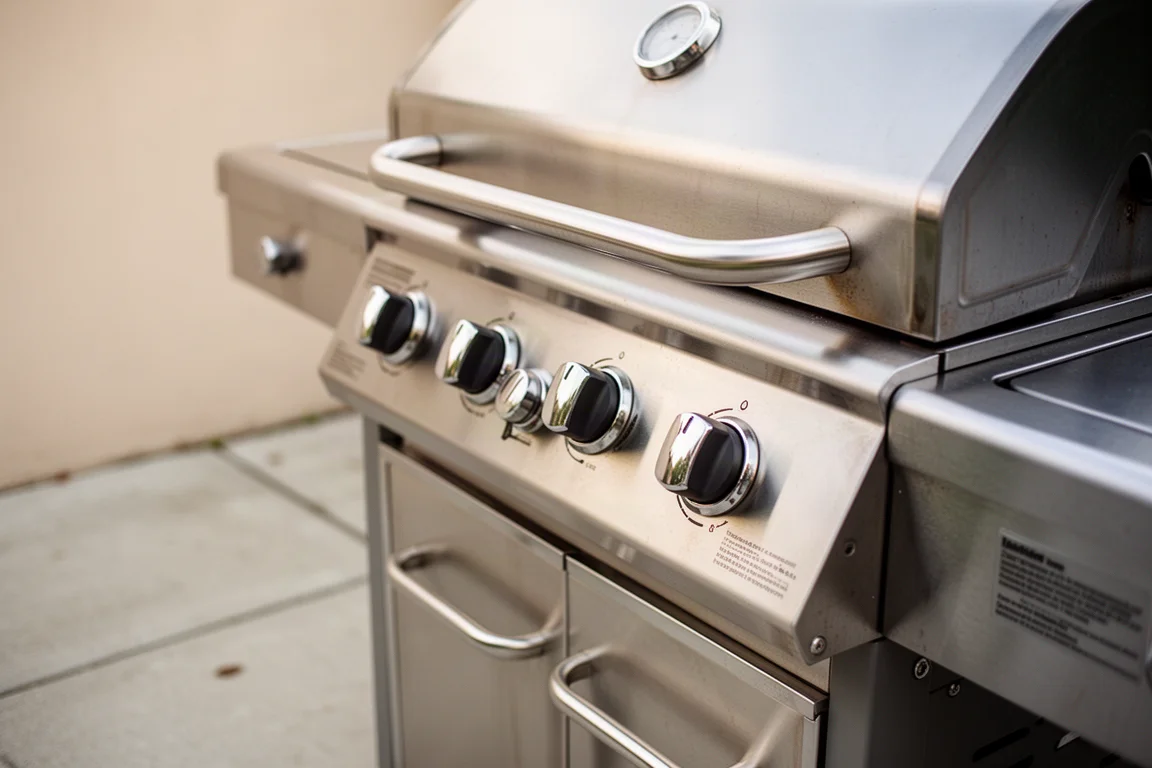
Two gas leak detectors tested side by side on a propane grill, with clear differences in price, sensitivity, and probe design.
Introduction
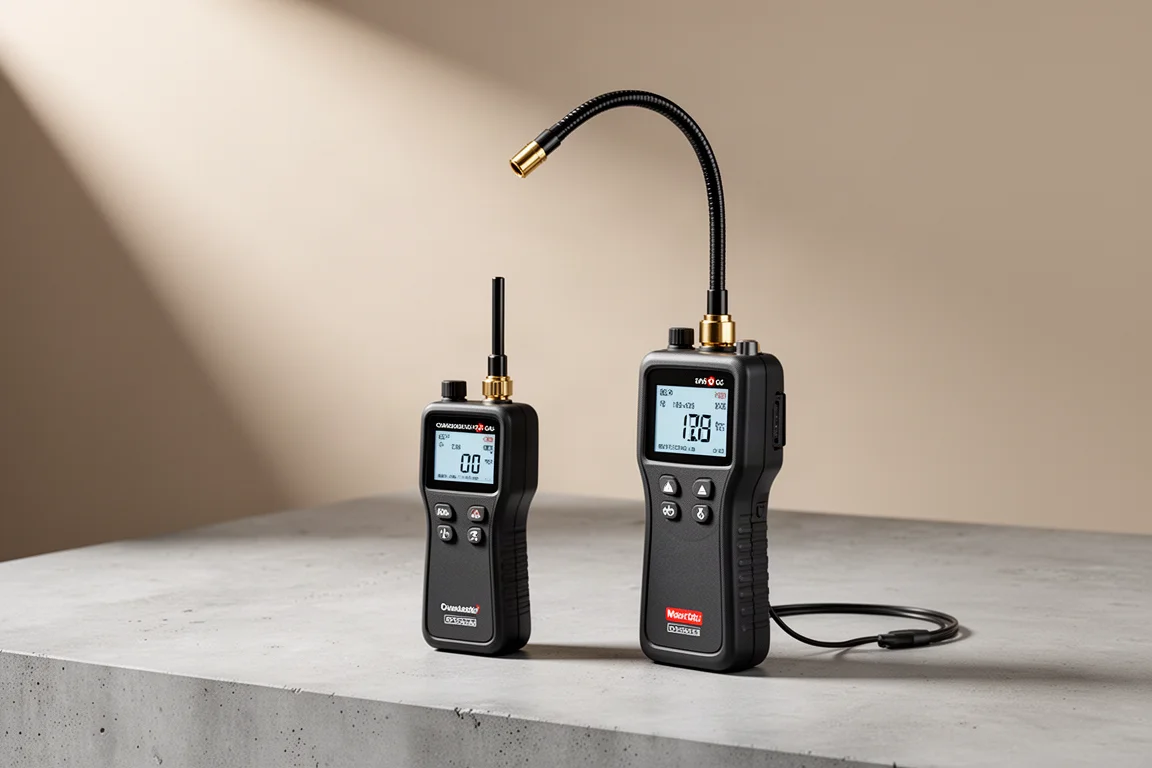
Combustible gas leak detectors are one of those tools you rarely think about until you need one. We put the Top Test PT210 head to head against a Klein combustible gas leak detector to see how the two compare in real use, including a live leak test on an outdoor propane grill. The headline difference is price: the PT210 sells for almost $100 less than the Klein, and it holds up surprisingly well in day-to-day detection work.
Why Carry a Gas Leak Detector at All
Some gases have little to no smell, which means your nose is not a reliable leak detector. A dedicated sensor gives you a fast, repeatable way to check connections, hoses, and canisters before a problem turns into something worse. Both units in this comparison use audible alarms plus a blinking visual alarm, so you get an alert even when you are working in a noisy environment.
If you work around gas regularly, or you simply want peace of mind about the appliances in your kit, a small-form-factor detector is a sensible addition to a tool bag.
Top Test PT210: Simple and Affordable
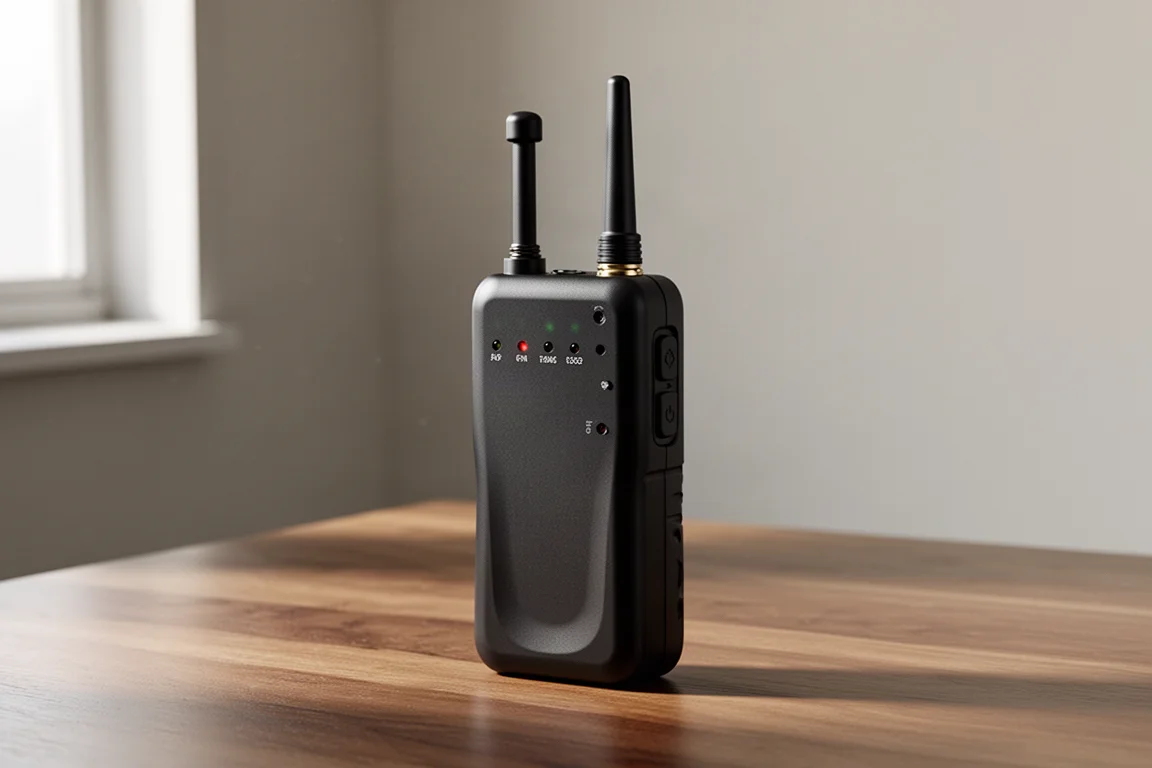
The Top Test PT210 is a very simple unit. It runs on two AAA batteries, so there is no proprietary charging to worry about, and it offers two sensitivity modes, high and low. The practical workflow is straightforward: use high sensitivity to establish whether there is a problem and narrow down the general area, then switch to low sensitivity to zero in on the exact spot.
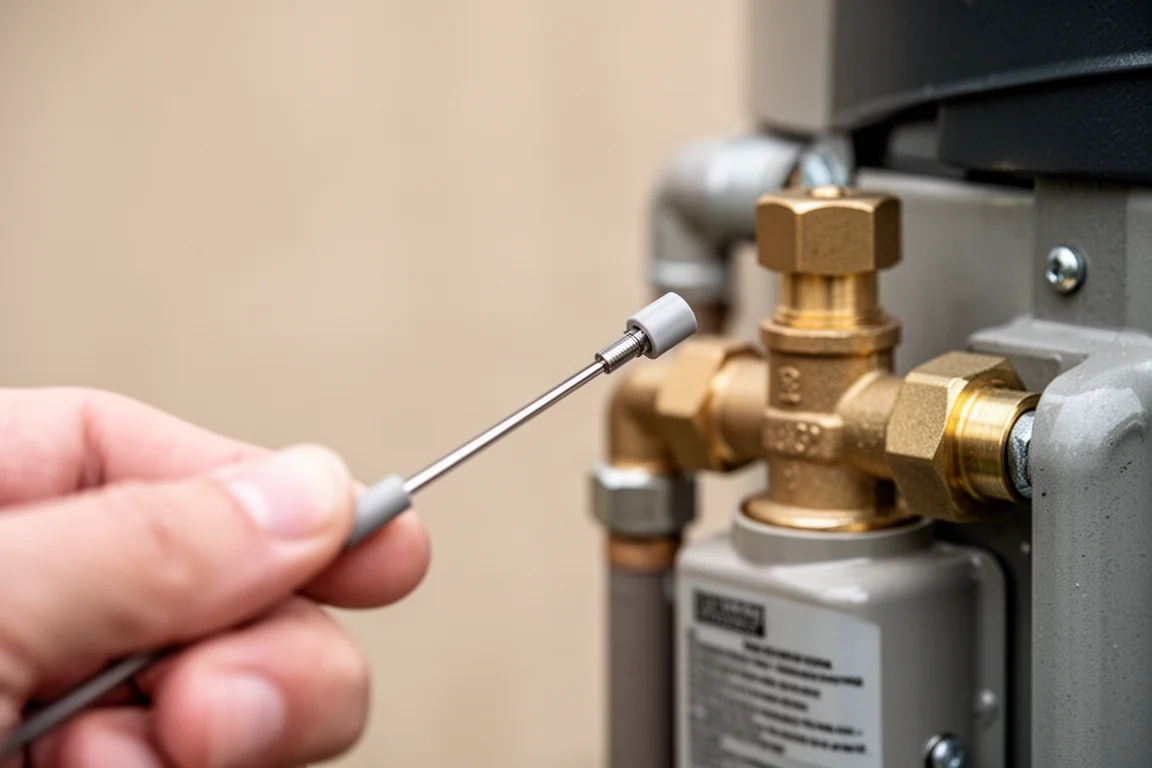
It senses a broad range of common combustible gases, including methane, propane, and butane, roughly ten to a dozen different gases in total. When it detects something, it fires both an audible alarm and a blinking alarm. One limitation worth noting: it has a short probe, so to test an enclosed space you have to drop the whole unit into the chamber rather than inserting just a probe while keeping the meter outside.
Klein: The Flexible Gooseneck Advantage
The Klein detector costs considerably more, but it brings one clear design advantage: a longer gooseneck probe. That lets you insert the probe into tight spaces or enclosed chambers while keeping the meter body outside, which is genuinely useful when checking inside a grill cabinet, a valve housing, or any awkward cavity.
During side-by-side testing, both units were set to high sensitivity and placed near the same leak source. The Top Test fired off before the Klein, suggesting its response is at least as quick in that scenario. Both units also showed more than a simple on-off reading, giving some indication of the amount of gas present rather than just a maximum or minimum signal.
Sensitivity and Response in Practice
On high sensitivity, both detectors triggered quickly near the leak. When the gas was shut off and the concentration started to drop, the comparison became more interesting. The Klein backed off from the reading first, while the Top Test stayed quite sensitive for longer before its reading began to fall. Eventually the two reached a fairly even parity as the gas dissipated.
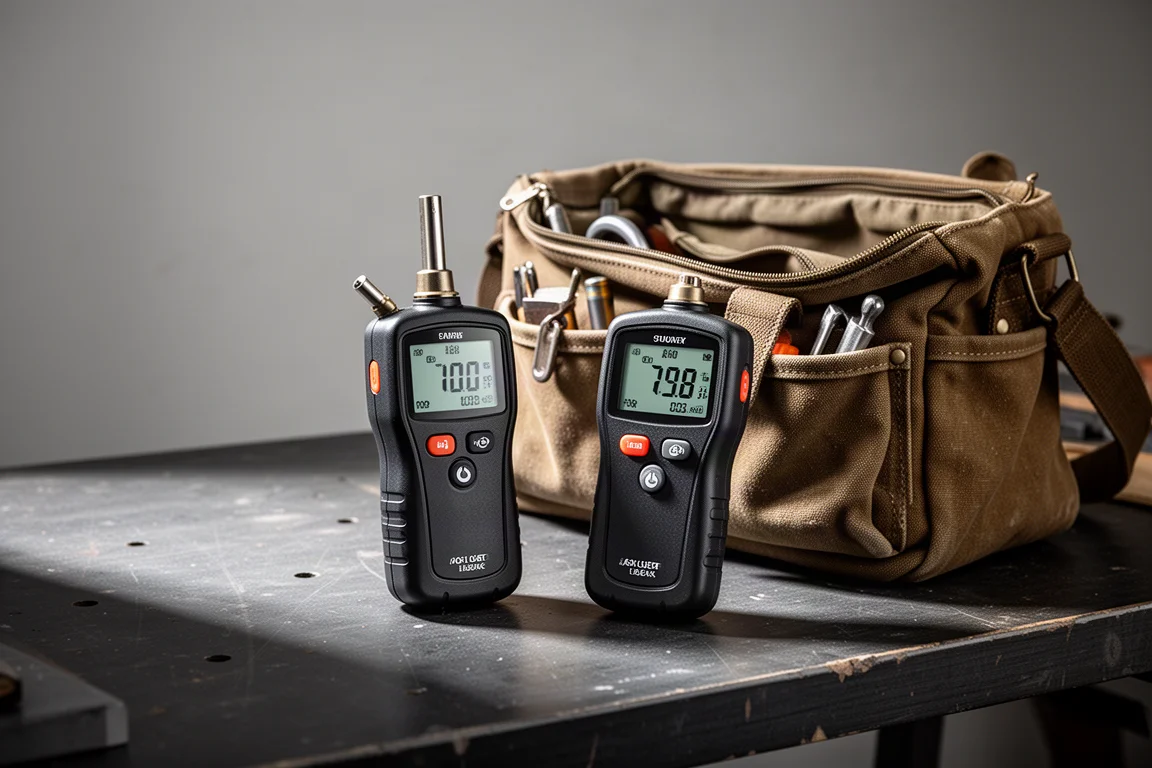
Switching to low sensitivity helped both units settle down and localize the remaining pockets of gas, which is exactly what the two-mode design is for. For fast reaction in a potentially dangerous environment, both performed credibly, with the Top Test holding its own against the more expensive Klein.
Where Leak Checks Matter Most
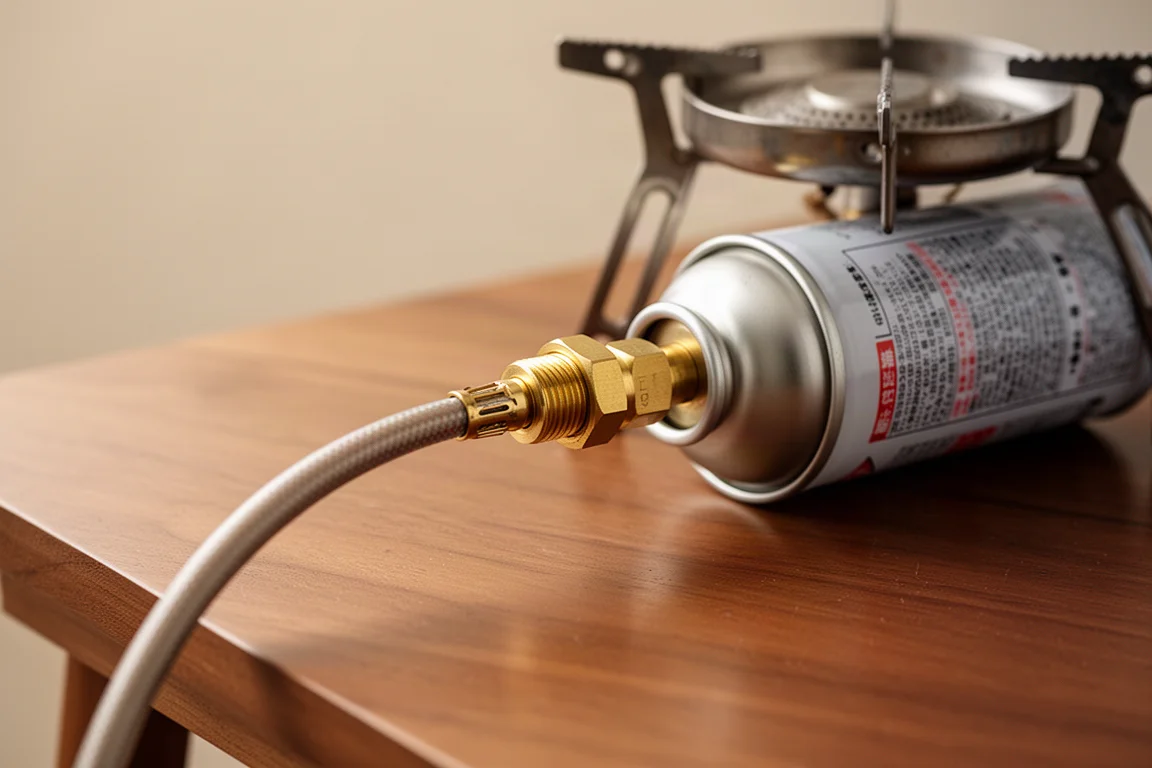
Portable gas appliances are a common leak source. Screw-on connectors for small propane stoves are notorious for leaking, both at the fitting and where the connection enters the stove, which can occasionally cause flare-ups. Small butane stoves are another risk area: in gritty or desert environments, O-rings can get damaged, and wear, overheating, or grit in the mechanism can cause leakage if the stove is not cleaned regularly. Canisters themselves can also leak in storage.
A detector makes checking these easy. You can place a canister or stove in a bag with the sensor and get a clear reading if anything is escaping.
Overall Buying Advice
Both detectors get the core job done, and the gap between them is narrower than the price gap. If you want the lowest cost of entry and can live with a short probe, the Top Test PT210 is a strong pick, especially since it has recently become available in the US market after previously being listed in the UK. If you regularly need to probe enclosed spaces while keeping the meter outside, the Klein’s gooseneck justifies the extra spend.
Conclusion
The Top Test PT210 proved it can keep pace with a detector costing almost $100 more, responding quickly and offering useful two-sensitivity control. The Klein remains the better choice where its flexible gooseneck probe solves a real access problem. Either way, if you work around gas or use portable propane and butane appliances, a compact combustible gas leak detector is a fast, reliable way to catch a leak your nose would miss.
Further reading
Related Reviews
Home Safety Tools
Top Test CT300 Carbon Monoxide Detector Review: A Handheld CO Meter Worth the Money
The Top Test CT300 puts a live digital carbon monoxide reading in your hand, unlike the fixed-threshold wall units most homes rely on.
Home Safety Tools
TopTes PT520B Plus vs PT299: Two Practical Gas Leak Detectors for Home Use
Two compact gas leak detectors with distinct strengths: a zeroing feature that tames constant alarms, and a pocket-sized unit with adjustable sensitivity.

Home Safety
Best Fireproof Document Bags: Five Options for Protecting Important Papers
Five fireproof document bags designed to protect vital records, certificates, and valuables from heat and water damage up to 2000 degrees Fahrenheit.