Running Shoes
Top Road Running Shoes of the Year: Four Pairs That Earned Their Spot
A stability standout plus three neutral trainers that carried our testing through tempo days, easy miles, and marathon long runs.
Introduction
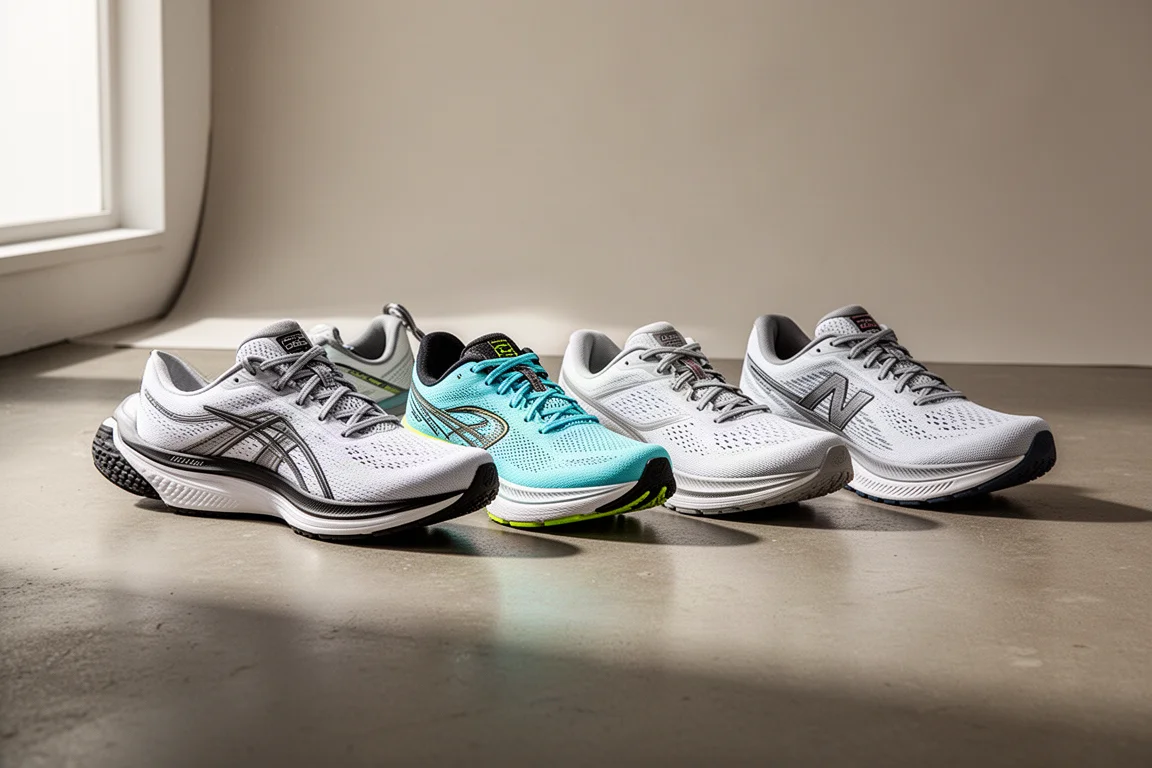
Picking a shortlist from a full year of road running shoes is never easy, but a few pairs simply kept earning their place in the rotation. One gentle stability shoe earned an honorable mention for a very specific kind of runner, and three neutral trainers covered the full spectrum: tempo days, up-tempo daily miles, and the long grind of marathon training.
If you are newer to running and staring at a wall of options in a shoe store feeling completely overwhelmed, this breakdown is for you. Each shoe here has a clear personality and a clear use case, so you can match it to how you actually run.
Honorable Mention: Saucony Tempest
The Saucony Tempest is a gentle stability shoe built around a dual-density midsole, and it is hard not to love the approach Saucony has taken here. It is designed for runners who need a little guidance through the foot strike, and it does that without feeling like a rigid corrective shoe.
At roughly 8.5 ounces in the tested size, it is solid for a gentle stability road shoe. The standout use case is racing: if you need support through your foot strike over 26 miles and the carbon-plated super shoes are not the right fit for you, this is a shoe you could happily race a half or full marathon in. A follow-up version has not surfaced yet, and the main question mark for a sequel would be refining the heel counter construction.
ASICS Noosa Tri 14
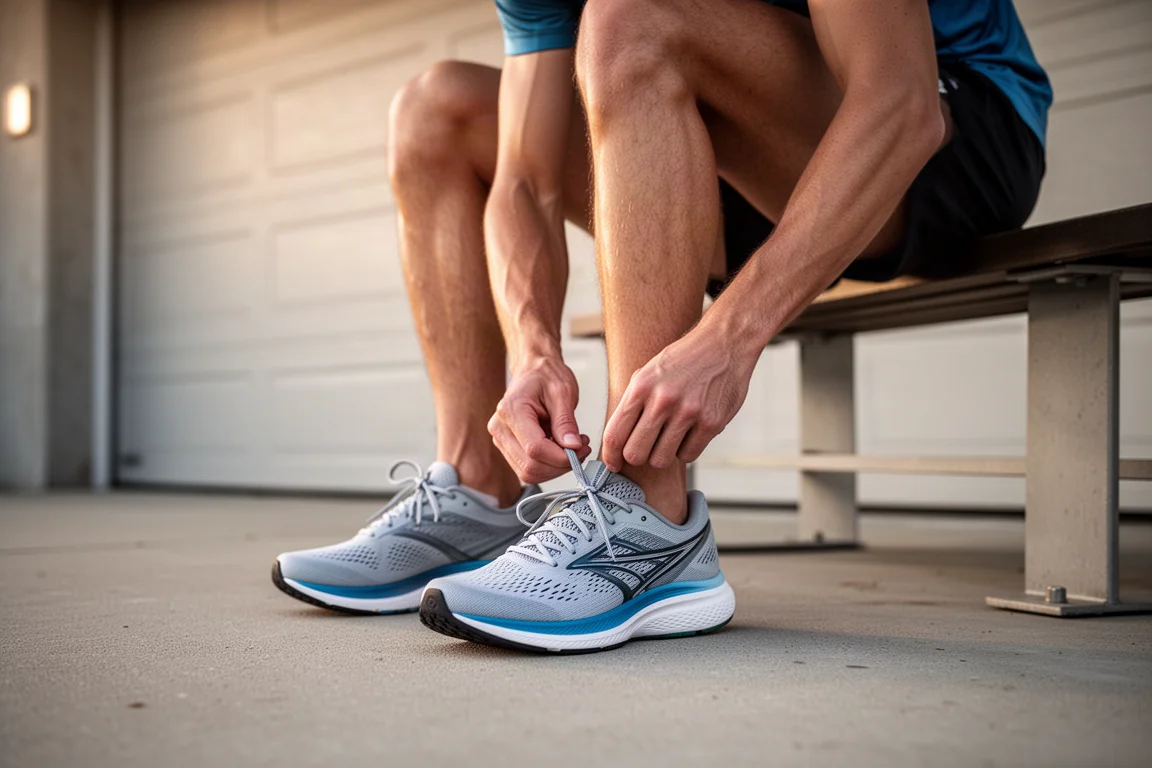
The ASICS Noosa Tri 14 is the oldest shoe on this list, but it has aged remarkably well. The headline number is the weight: about 7.1 ounces in the tested size, almost under seven ounces for a shoe that can still go the distance.
This is the tricky part the Noosa pulls off. The midsole is dense enough to hold up over long run mileage, yet light enough that you can absolutely pick up the paces on a tempo day. It was originally designed for triathletes, which shows in the details: you can wear it with no socks, slipping it on and off easily, though the heel counter and collar are slightly less comfortable as a result.
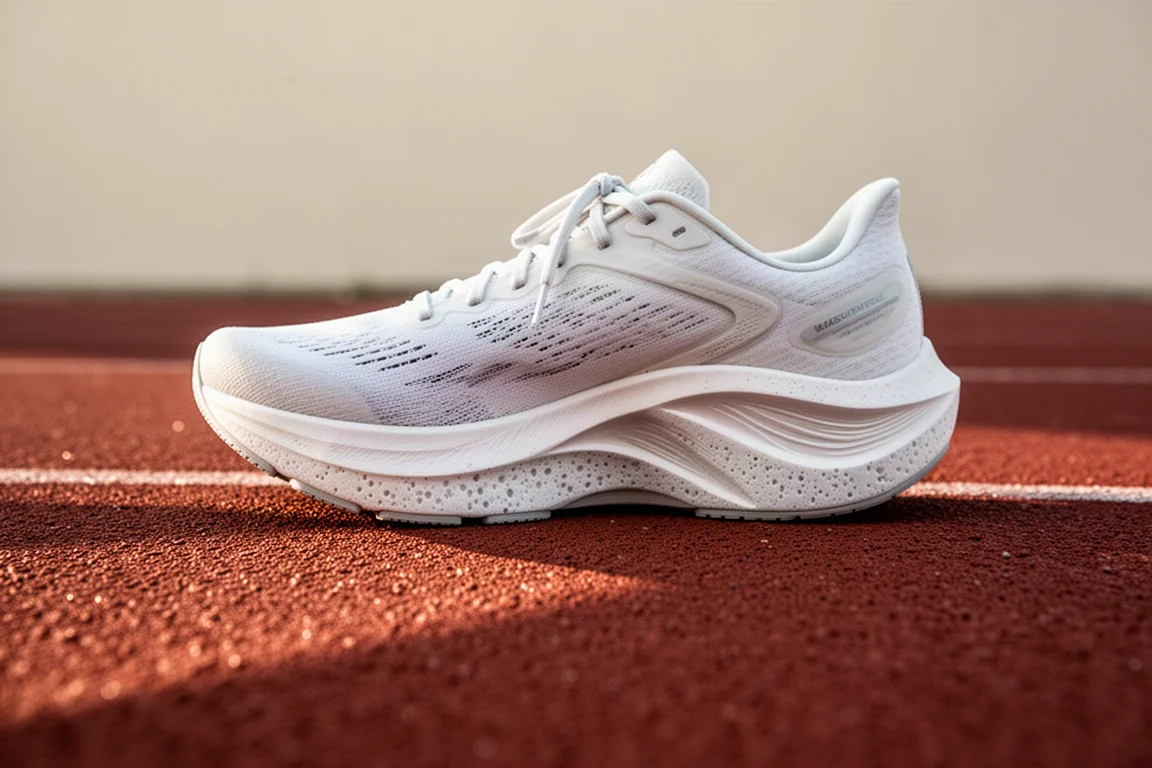
If you want one shoe that covers both long distance and faster paces, this is the pick.
Saucony Kinvara 14
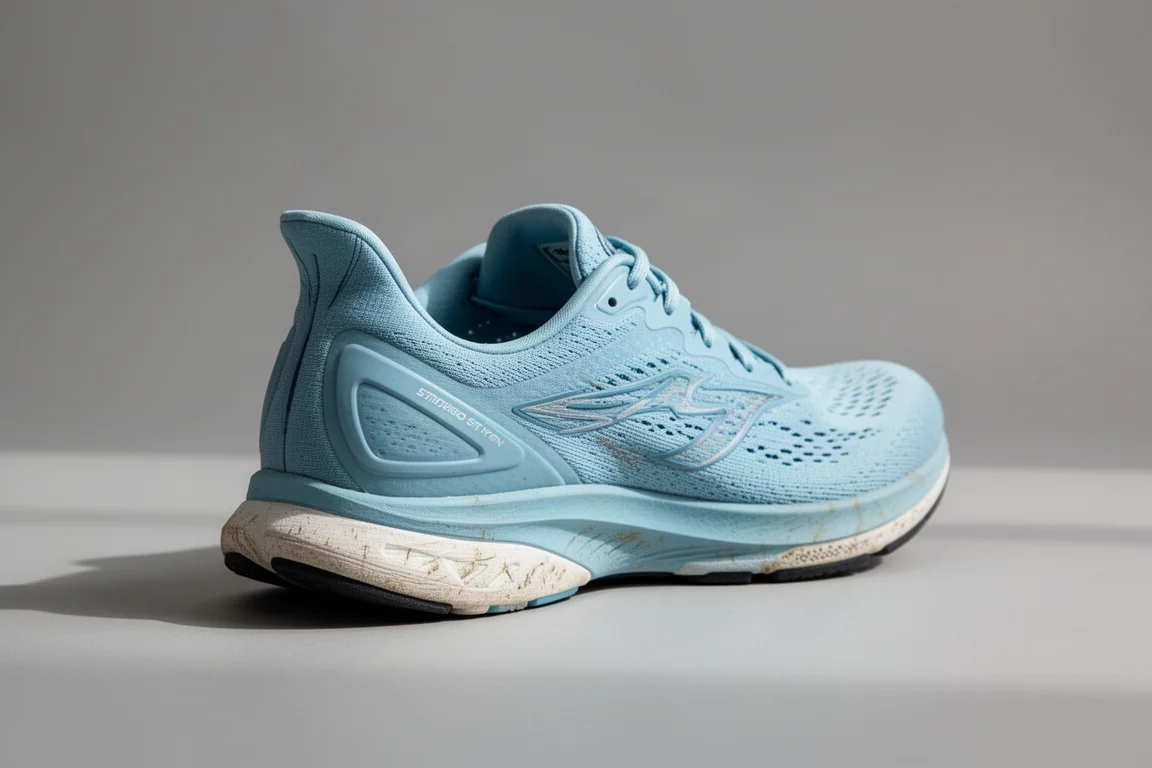
The Saucony Kinvara 14 weighs in around 6.7 ounces in the tested size, continuing a clear lightweight theme across this list. It is a peppy, up-tempo daily trainer with a lively ride that shines on tempo runs and middle-distance efforts.
There are trade-offs to know about. It is not quite as durable as the Noosa Tri 14, and the heel counter and collar are not as comfortable. It is also a little too firm for easy days, so it would not be the first choice for recovery miles. As an up-tempo trainer, though, it delivers exactly what it promises.
Saucony Triumph 20
The Saucony Triumph 20 is the long run shoe of this group, and it is noticeably heavier at about 8.8 ounces in the tested size. What you get in exchange is girth, bounce, and the kind of energy return that genuinely helps deep into a training block.
This is the shoe for the 20-mile long runs, and more importantly for the 22- and 24-mile efforts late in a marathon build, when your foot strike needs all the help it can get. A semi-gusseted tongue keeps the fit secure, and the overall ride has a slightly throwback feel that rewards the miles. It is a favorite long run shoe for good reason.

Overall Buying Advice
If you can only buy one pair, start with your primary running need. Want maximum cushioning for marathon long runs? The Triumph 20. Want one lightweight shoe that can race and still handle distance? The Noosa Tri 14. Want a peppy tempo trainer for shorter, faster efforts? The Kinvara 14. And if you need gentle support through your foot strike, especially for longer races, the Tempest is the stability pick.
Saucony deserves real credit here, with three of the four picks landing in the rotation purely on merit. Between these four shoes, most road runners can find a pairing that fits their training week without overlap or compromise.
Conclusion
Four shoes, four clear jobs: supported racing, lightweight distance, up-tempo daily miles, and plush long run comfort. Match the shoe to the workout and each of these earns its spot on the wall. Which three would you pick from your last year of running? Share your list, especially if you are newer to the scene, because it always helps someone else decide.
Further reading
Related Reviews

Running Shoes
Best Road-to-Trail Running Shoes: Three Versatile Options for Mixed Terrain
A practical guide to three road-to-trail running shoes that handle both pavement and mild trails, with clear strengths and trade-offs for different runner types.

Running Shoes
Best Running Shoes for Achilles Tendonitis: Three Options Explained
Three running shoes with different heel drops and support features designed to help reduce Achilles tendon pain during walking and running.

Running Shoes
Best Running Shoes for Women: Five Top Choices Ranked
A ranked guide to five women's running shoes, from versatile daily trainers to high-performance racing options, with real strengths and trade-offs for each.