Camping Gear
Top Five Sleeping Pads: Warmth, Weight and Comfort Compared
Five popular sleeping pads compared on R-value, weight, packed size and warranty, with clear guidance on which one suits your camping season.
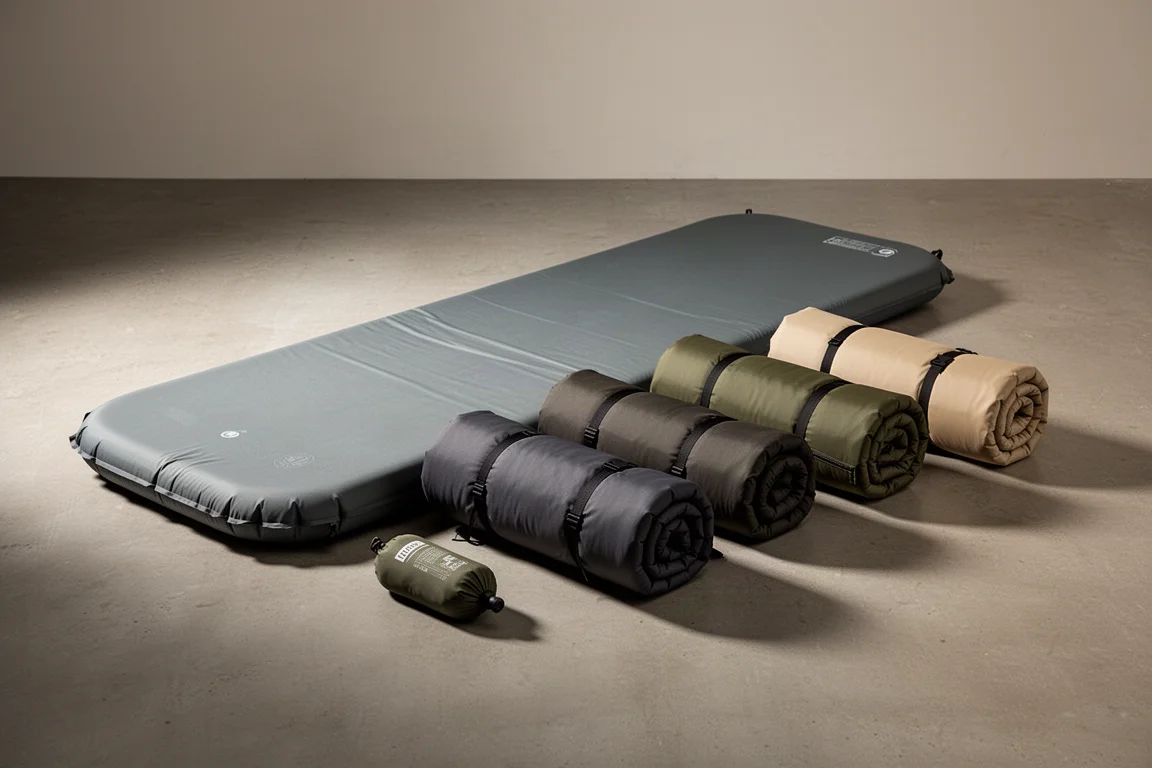
Introduction
A sleeping pad decides whether a camping trip is enjoyable or miserable. Budget pads tend to be heavier, bulkier and less comfortable, and many of them simply do not insulate well enough once the temperature drops. The result is a familiar compromise: carry a second foam mat underneath, then spend the night pulling the two layers back together as they slide apart.
Choosing a pad with a genuine R-value removes that problem. Once a pad insulates properly, one mat is enough, which saves weight and pack space at the same time. The five pads below are the ones campers mention most often when they are asked what they actually sleep on, and each is described here with its real specifications, its strengths and the trade-offs worth knowing before you buy.
How These Picks Were Chosen
The ranking reflects how widely each pad is used and recommended by campers. The notes below focus on the details that matter most in practice: R-value and the temperatures it suits, packed weight and volume, fabric durability, warranty cover and price.
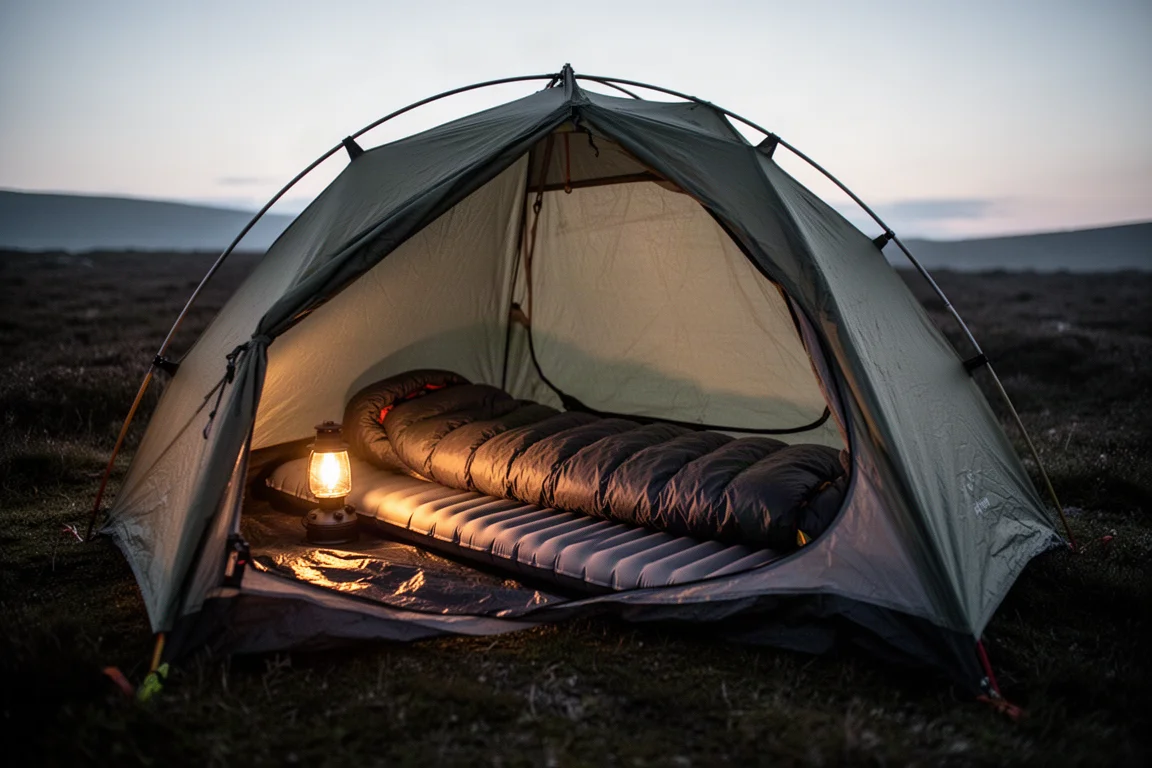
R-value is the number worth understanding first. It measures a pad’s resistance to heat loss, and each step up the scale extends the temperature range the pad can handle. A pad rated 3.5 suits conditions down to roughly -7.5°C, 4.2 covers around -13°C, and anything above 6 is built for serious cold. Weight and packed size matter just as much on a long walk, and a lifetime warranty is a meaningful signal of how confident a brand is in its materials.
5. Nemo Tensor
The Nemo Tensor is a lightweight option that comes in a single size: 183 cm long, 51 cm wide and 8 cm thick. It carries an R-value of 3.5, which suits temperatures down to about -7.5°C, and it weighs 595 g, with a packed weight of 675 g. It is advertised at around £160.
Nemo describes it as a premium lightweight pad built from 20D fabrics that feel soft and silent. The insulated versions have been updated with two layers of suspended thermal mirror metallized film, which adds warmth while keeping the pad light and notably quiet in use. It also comes with a lifetime warranty, which is a strong point at this price.
4. Therm-a-Rest NeoAir XTherm Max
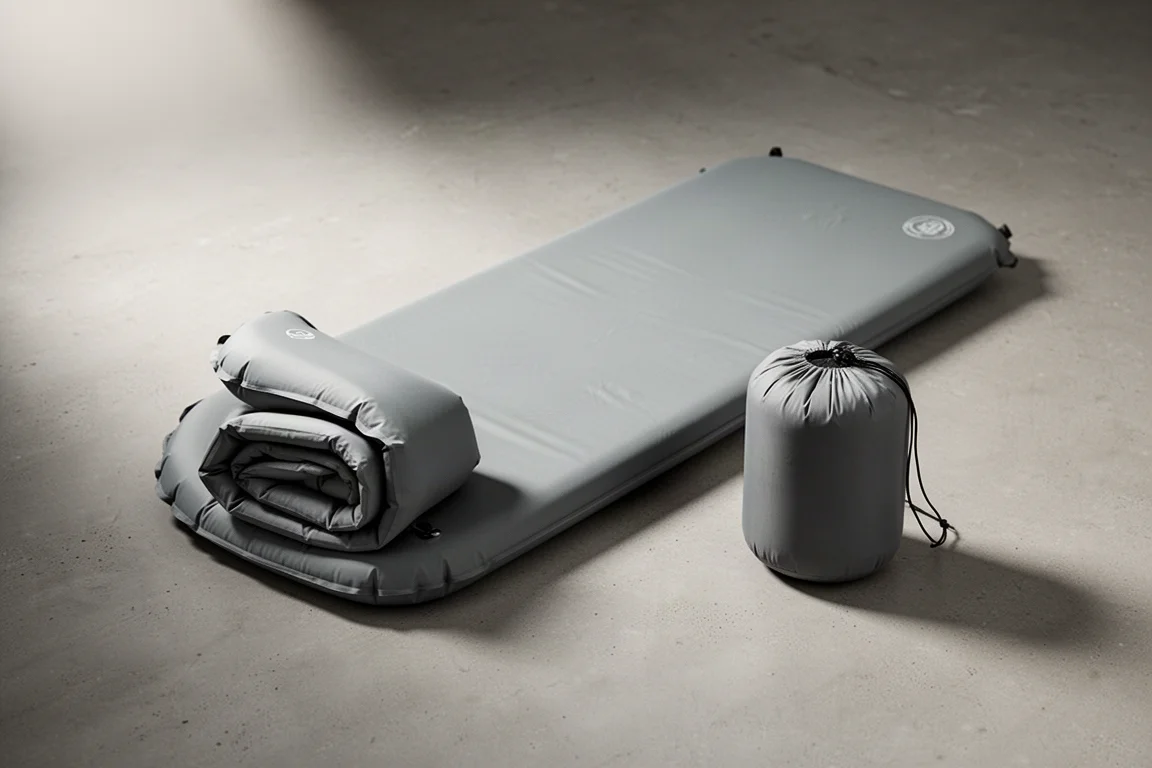
The XTherm Max is the warmest pad in this group. The regular version weighs 550 g and measures 183 x 51 x 6.4 cm, and it carries an R-value of 6.9, well beyond what most three-season trips require. For context, an R-value of 5 already covers roughly -22°C, so this pad has warmth to spare.
Therm-a-Rest builds it with reflective ThermaCapture technology that traps radiant heat, combined with a triangular core matrix construction that limits convective heat loss without adding bulk. The top uses 30D ripstop nylon and the base uses tougher 70D ripstop nylon, so it should cope with rough ground. It packs down to roughly the size of a water bottle. The regular starts at around £180, other sizes are available, and it is covered by a lifetime warranty.
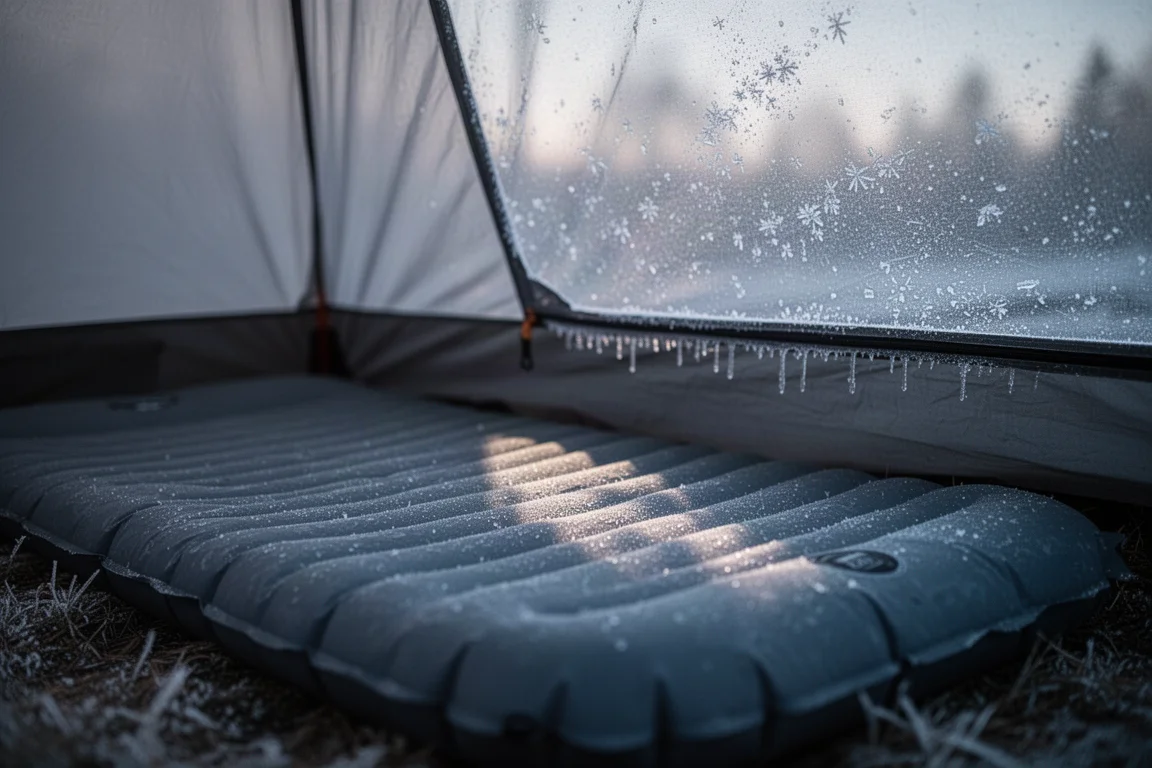
The trade-offs are price and the fact that many campers will never need this much insulation. For winter trips and cold sleepers, it is the safest choice here.
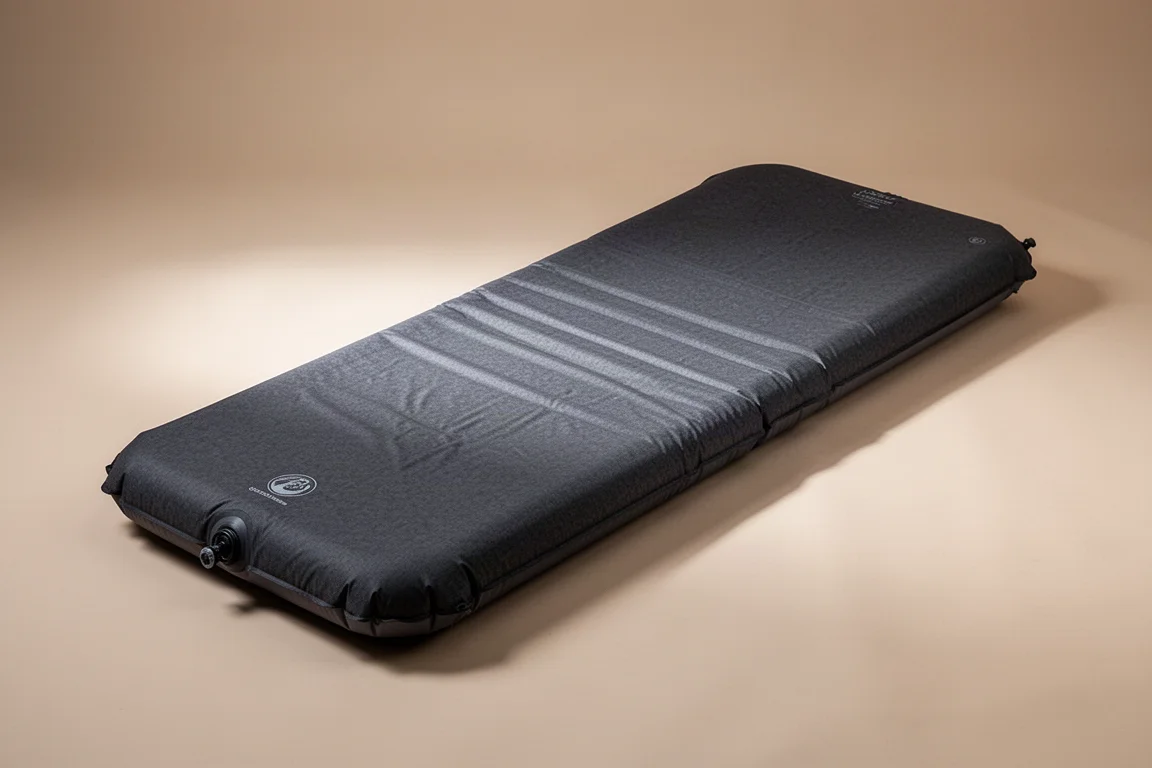
3. Therm-a-Rest NeoAir XLite
The XLite sits below the XTherm Max in warmth but ahead of it on weight savings. The regular measures 183 x 51 x 6.4 cm, the same footprint as the XTherm Max, and weighs just 360 g. Its R-value is 4.2, which covers temperatures down to around -13°C.
It uses the same construction approach as the XTherm Max but with 30D ripstop nylon on both the top and the bottom, which explains both the lower R-value and the lower price of around £160. A lifetime warranty applies, and several sizes are available.
If you are a side sleeper, think about width before you order. The regular is 51 cm wide, and a large or regular wide version gives noticeably more room to move without the feeling of drifting towards the edge of the mat.
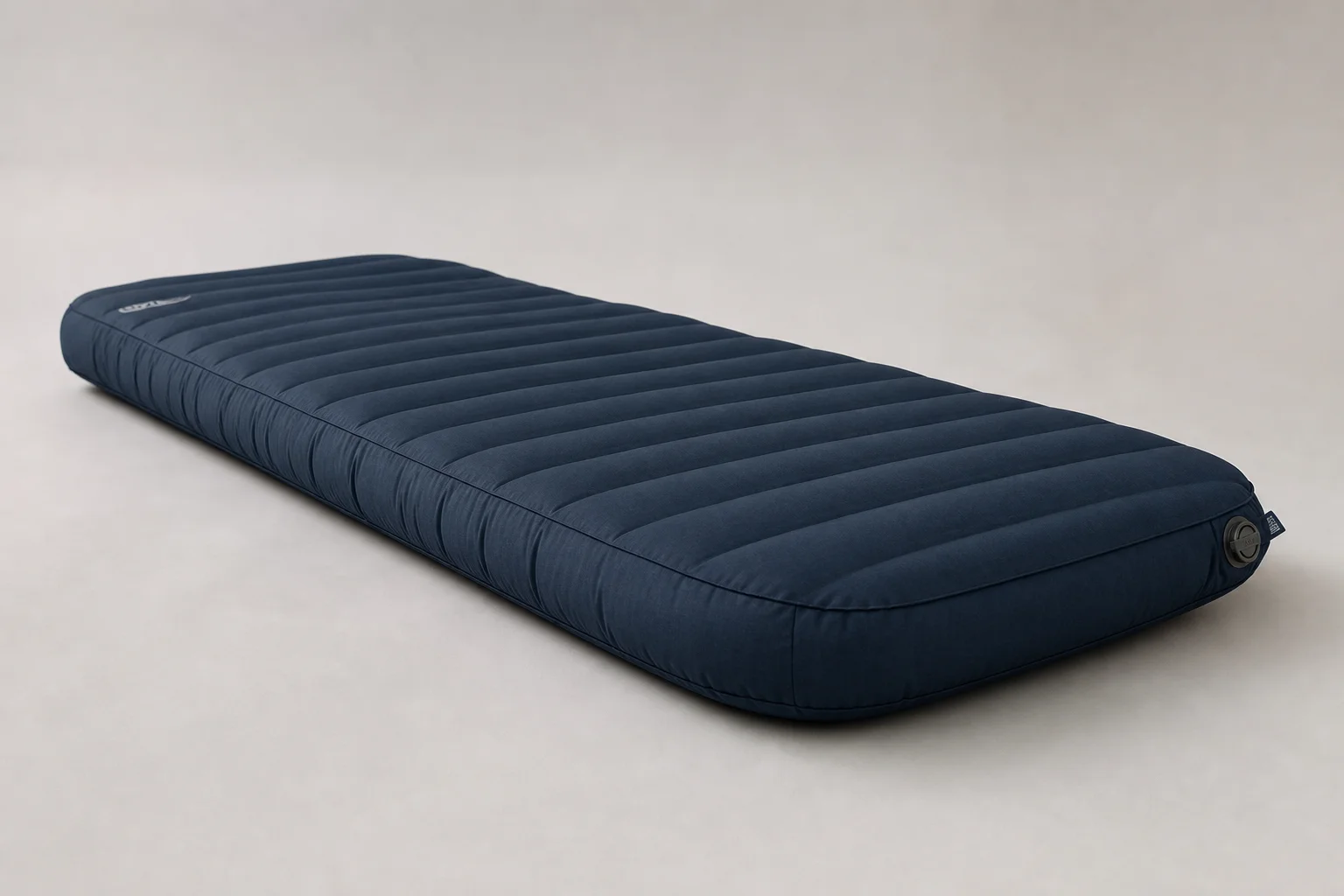
2. Sea to Summit Ether Light XT
The Ether Light XT is the second most popular pad in this roundup and one of the most comfortable. The regular size is 183 x 55 cm, so it is slightly wider than the Therm-a-Rest options, and it is 10 cm thick. It carries an R-value above 6, which puts it in the same cold-weather territory as the XTherm Max.
It is built with 30D ripstop nylon on the top and bottom, weighs 400 g, and comes with a lifetime guarantee. Prices start at around £170. The XT Extreme version has been recognised as a favourite sleeping pad of the year in an outdoors gear awards roundup, which adds independent weight to the design.
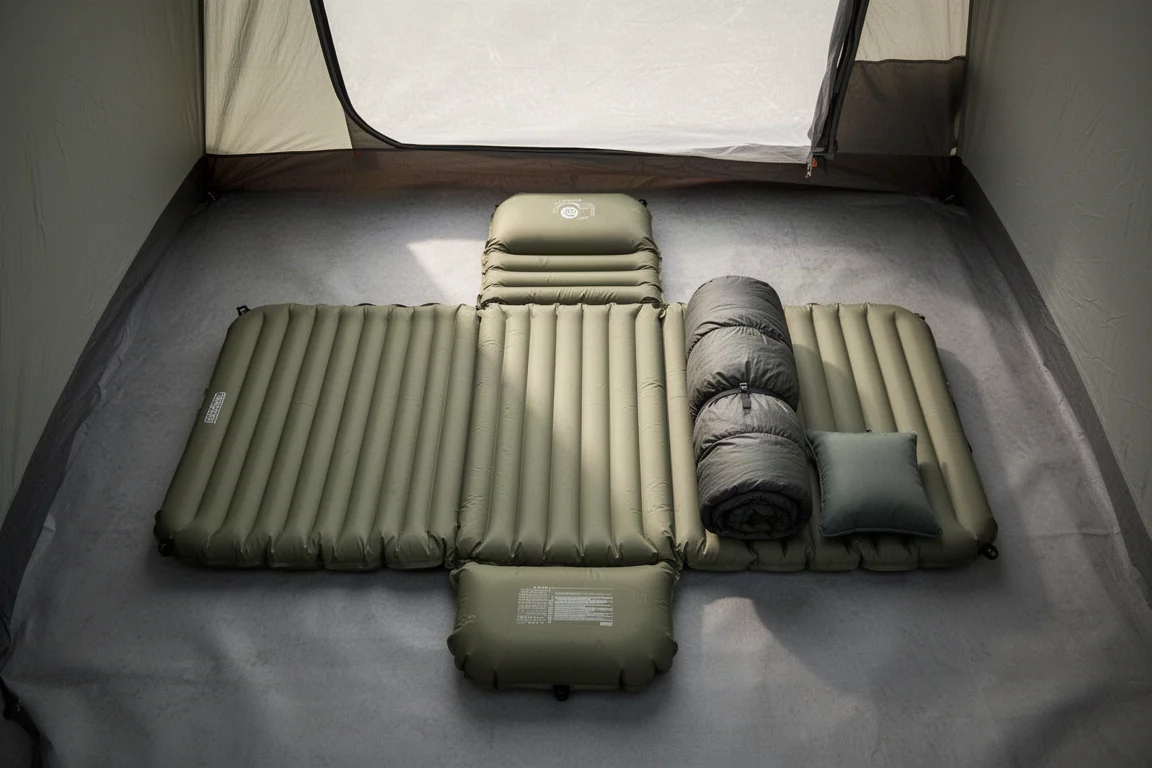
The extra width and depth are what set it apart in use. It feels closer to a proper mattress than most pads at this weight, and that matters on longer trips.
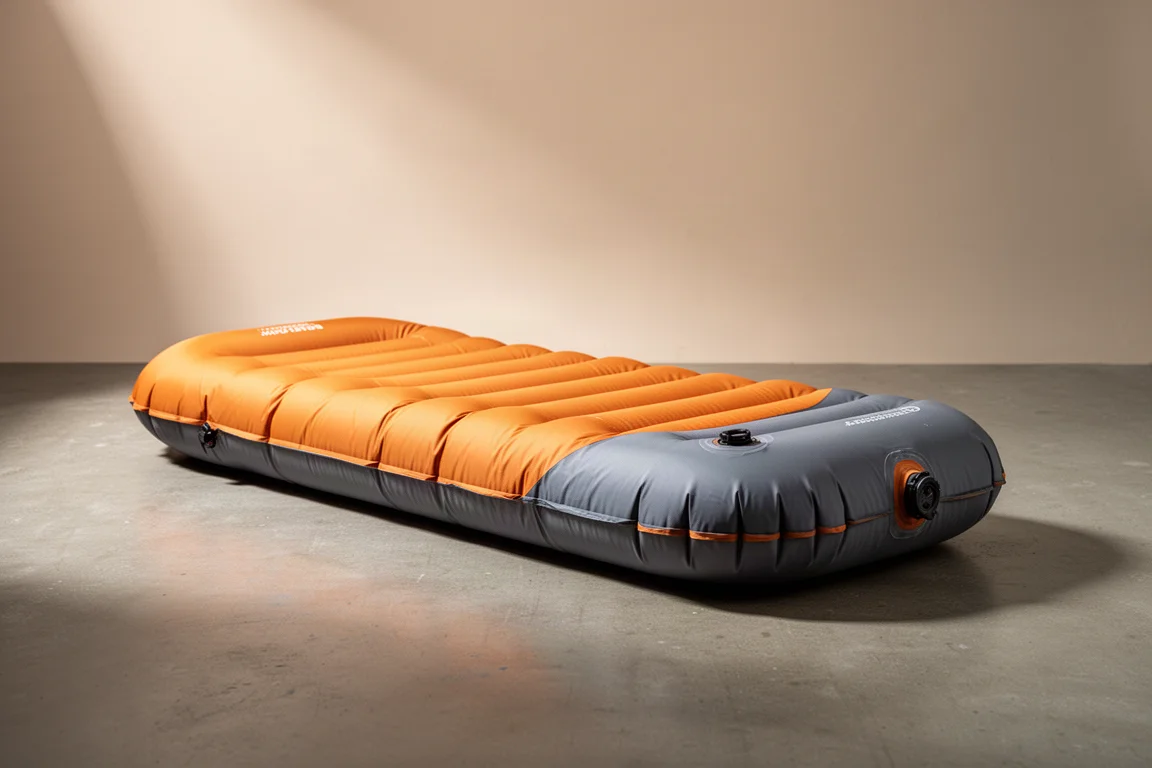
1. Trekology UL80
The Trekology UL80 is the most popular pad in this roundup, and the price explains a lot of that: £43. It measures 190 x 57 x 10 cm, so it is wide and thick, and many users find it the most comfortable pad they have slept on, with very little chance of rolling off during the night.
The problems show up elsewhere. Its R-value is 1.6, which only works down to a minimum of about 6°C, so an insulated mat underneath is effectively required for anything beyond mild summer nights. It is also the heaviest pad in this group. Durability is the bigger concern: many owners report that it slowly deflates overnight and needs topping up with air, and Trekology does not offer a warranty, only a legal disclaimer.
Buying Advice
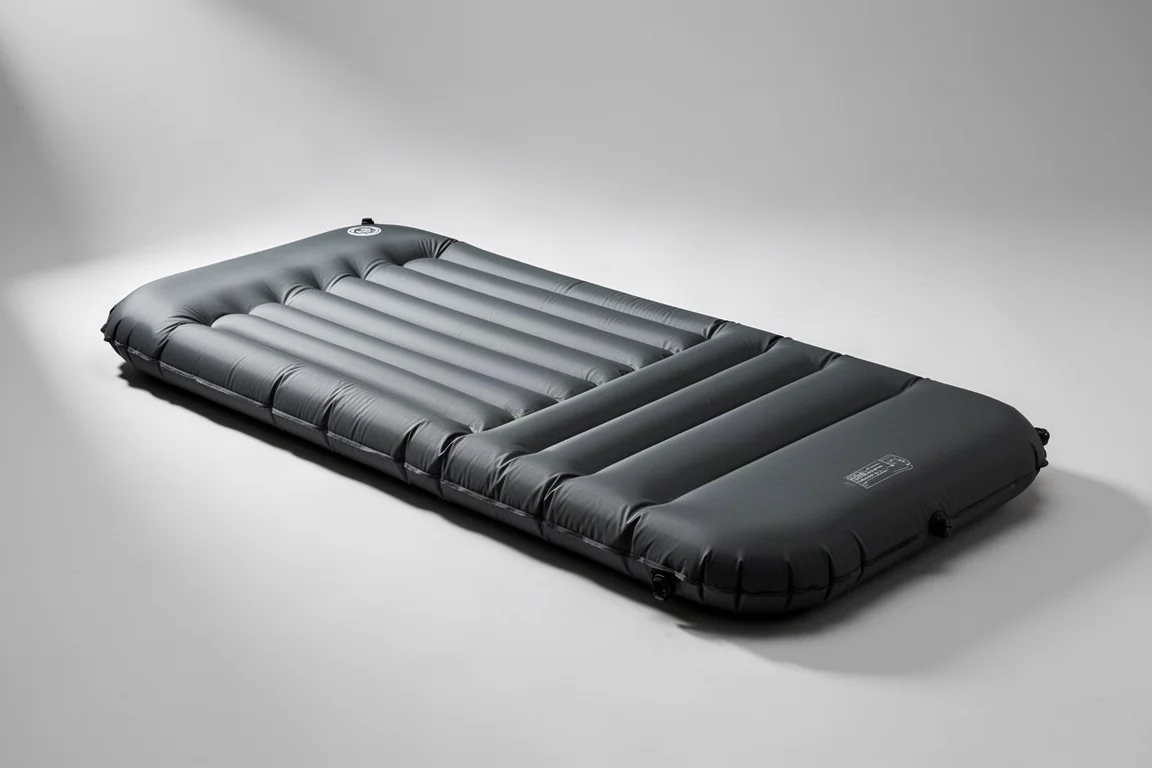
If you camp through the colder months, R-value should be your first filter. A pad rated between 4 and 5 covers most three-season camping, while anything above 6 is aimed at winter conditions and cold sleepers. If you only camp in summer, a lower rating is workable as long as you accept that you may need extra insulation underneath.
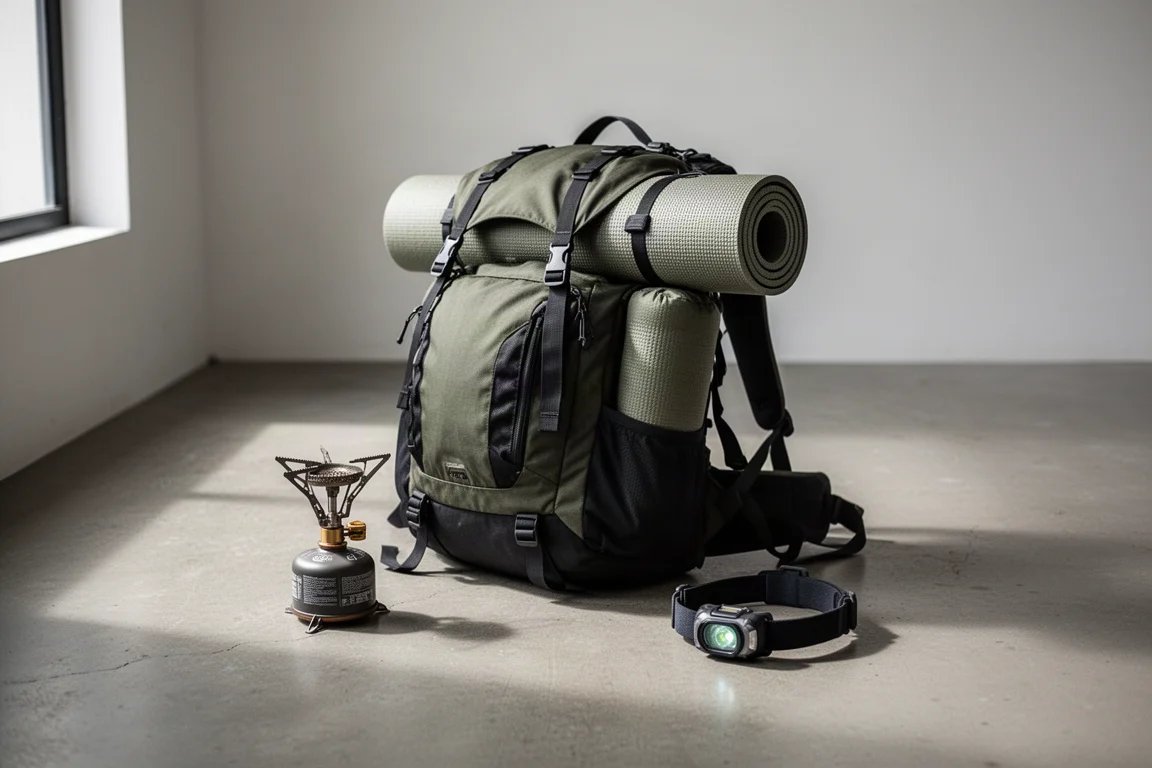
Weight and packed size come next. The NeoAir XLite at 360 g is the lightest option here, and the XTherm Max and Ether Light XT both pack small enough for backpacking. Sizing deserves more attention than it usually gets: if you move around at night or sleep on your side, a wider version is worth the small weight penalty.
Finally, consider the warranty. Nemo, Therm-a-Rest and Sea to Summit all back their pads with a lifetime warranty, which makes a real difference when you are spending £160 or more. The Trekology UL80 costs a fraction of that, but the lack of warranty and the reports of overnight deflation are the trade-offs you accept.
Buying one decent pad is usually cheaper than buying a budget pad twice and still needing a second mat underneath it.
Conclusion
There is a clear split in this list. The Trekology UL80 wins on price and comfort, and it is a reasonable choice for warm summer camping if you accept the low insulation and the risk of a slow overnight deflation. The Nemo Tensor, Therm-a-Rest NeoAir XLite, Therm-a-Rest NeoAir XTherm Max and Sea to Summit Ether Light XT all cost considerably more, but each one pairs a proper R-value with a lifetime warranty, which is what makes a single pad enough for cold nights.
Match the R-value to the season you actually camp in, choose a width that suits how you sleep, and the pad you buy should last for years rather than one more frustrating winter.
Further reading
Related Reviews
Camping Gear
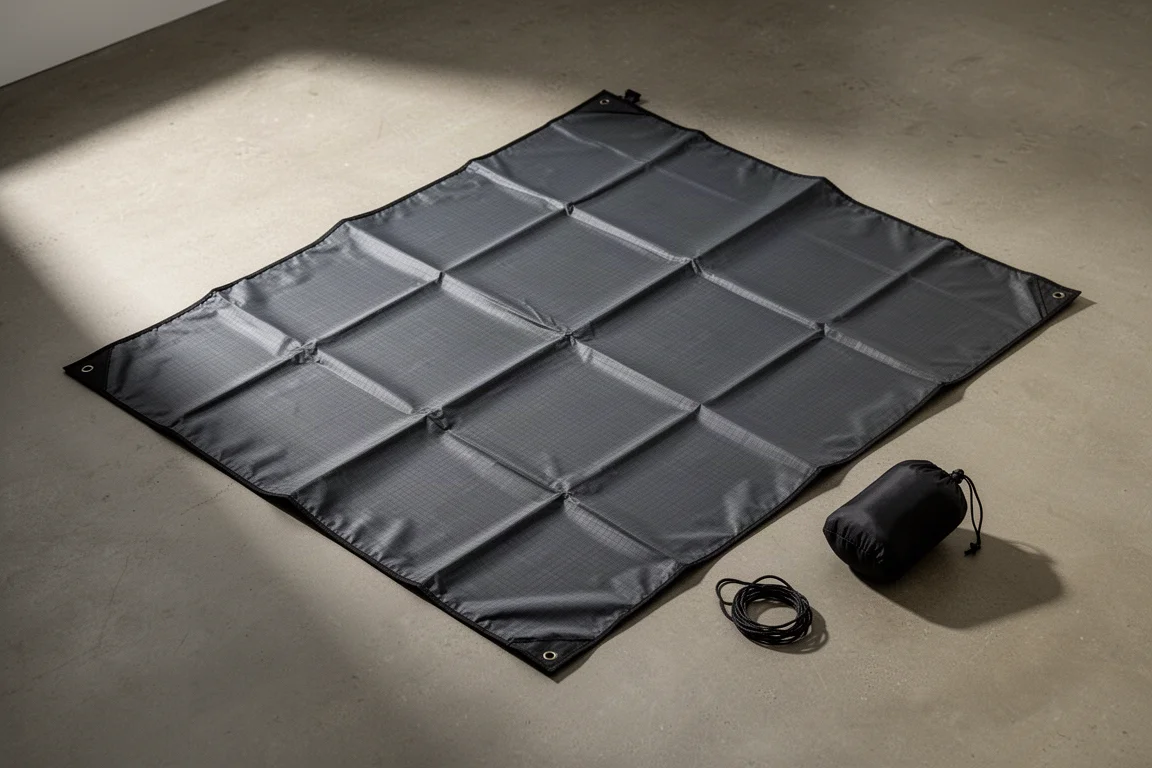
3FUL Ultralight Ground Sheet Review: A Two-Person Footprint Worth Packing
A 6.7 oz two-person ground sheet in ripstop silnylon, priced around $30. Here is what it protects, what it does not do, and who should pack it.
Camping Gear
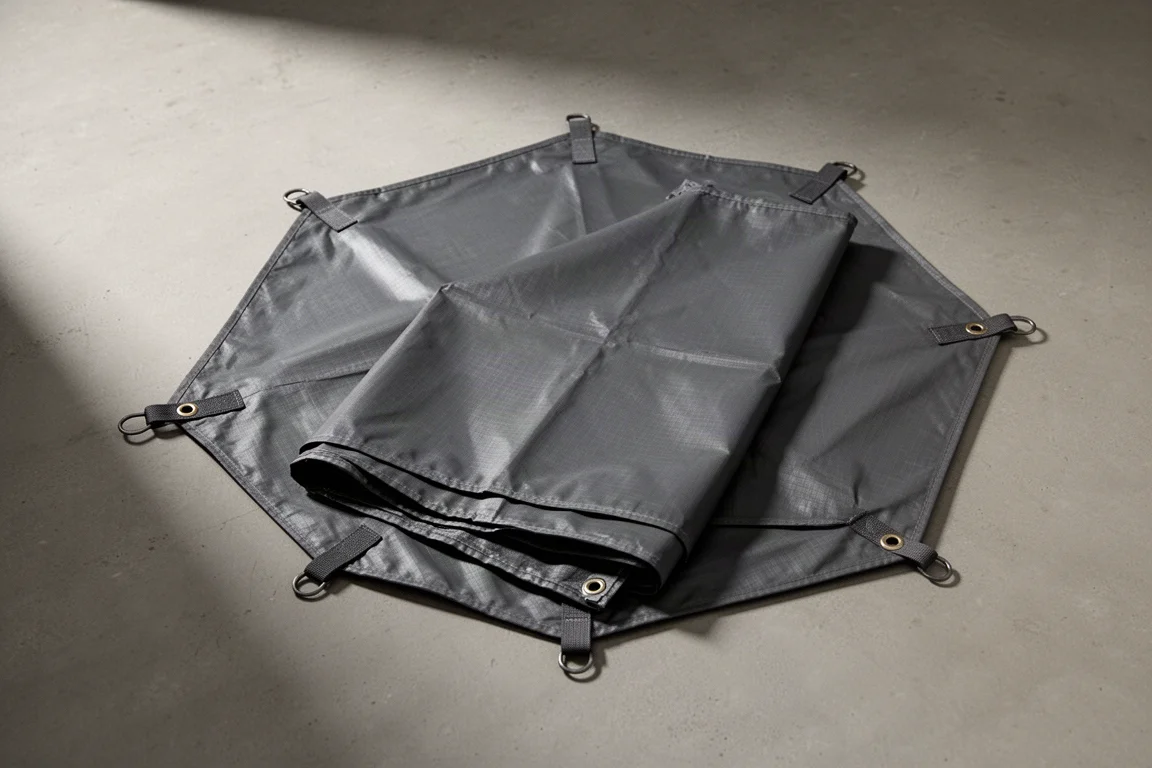
Backcountry Light Dual-Function Tarp and Floor Review: A Footprint First
A dual-purpose tent floor and tarp that keeps falling rain off you, but cannot block wind. Here is where it works and where it does not.
Camping Gear
Best 2-Person Camping Mattresses for Couples: 10 Options Compared
A practical comparison of ten two-person camping mattresses, covering self-inflating pads, air pads and air mattresses for couples.