Running Shoes
Top Daily Trainers of 2025 So Far: Six Workhorse Running Shoes Worth Your Miles
From max-cushion comfort to do-it-all speed, these six daily trainers cover the full range of what a workhorse running shoe should do.
Introduction
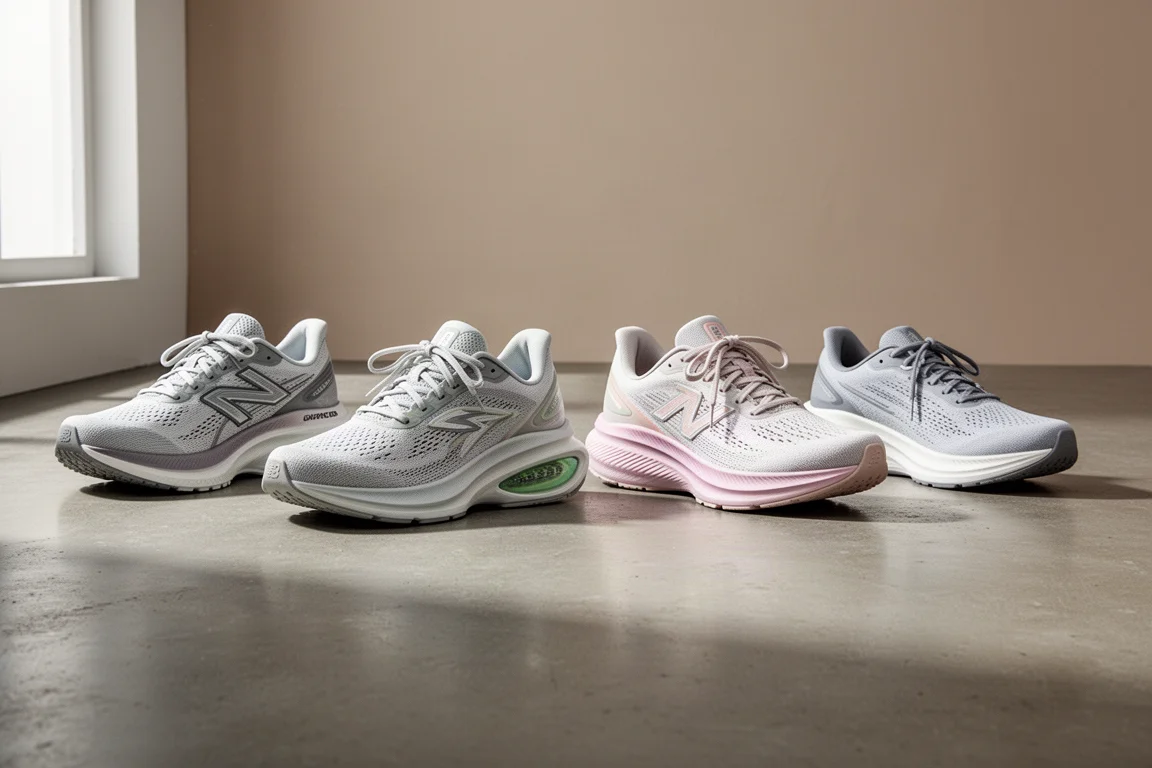
The best daily trainer is the shoe you reach for without thinking: easy enough for recovery miles, durable enough to stack serious mileage, and occasionally willing to stretch into a workout. After extensive testing across the year’s releases, six shoes stand out as the workhorses worth considering, each covering a different slice of what a daily trainer can be.
How We Tested
Nearly every shoe on this list has been run up to and past 100 miles. The testing approach is simple: run in the shoe, form a first impression, and if the shoe earns its place in the rotation, keep racking up the miles. That mileage base is what makes these conclusions meaningful rather than first-run impressions. Shoes that did not earn repeated use did not make this list.

Nike Vomero 18: Max Cushion Comfort
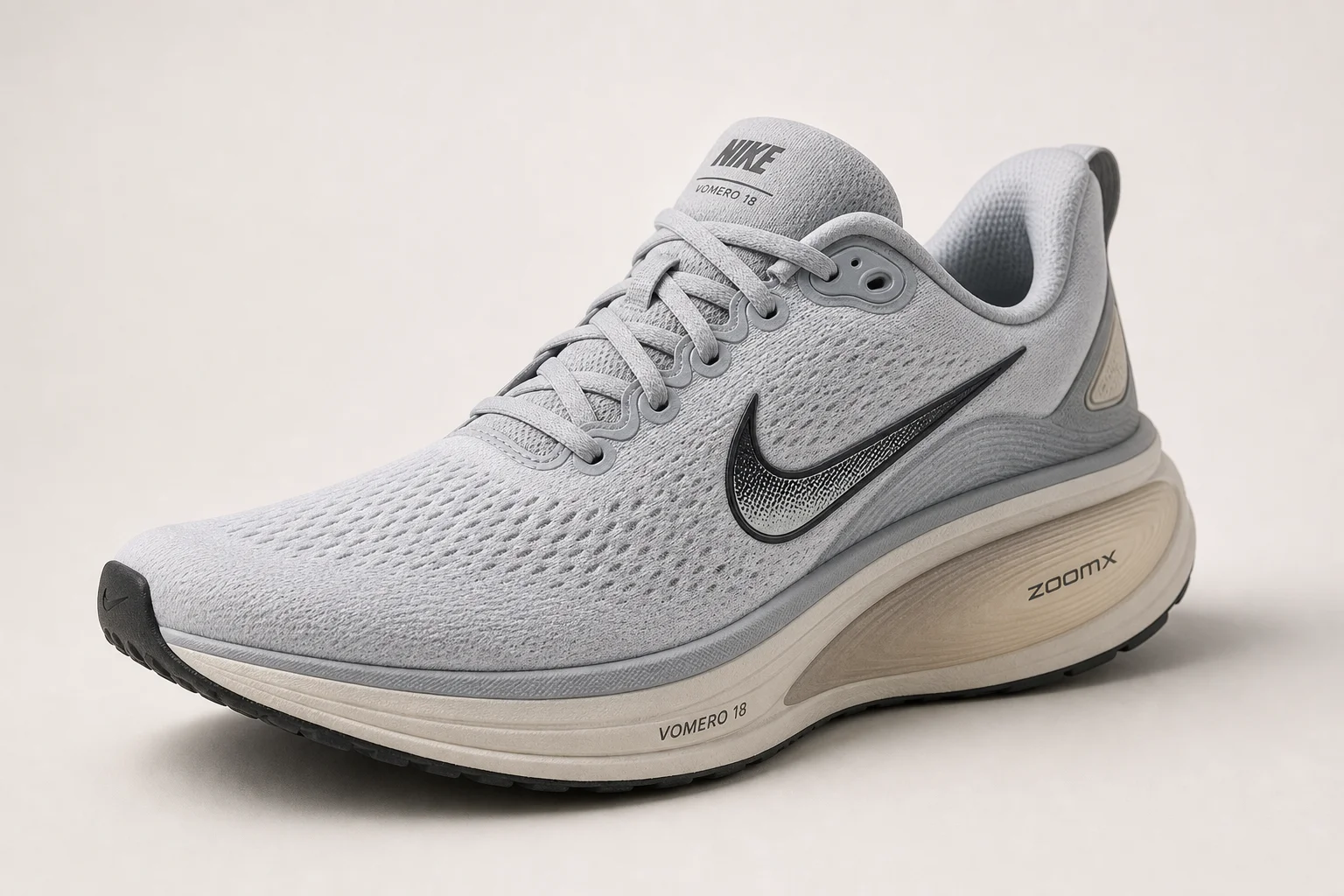
The Vomero 18 is a max-cushioned daily trainer at $155, and it leans hard into comfort. A dual-foam setup puts a protective foam layer on the bottom for impact absorption and a softer, livelier foam on top for a plush step-in feel. The thick, padded upper and tongue make it feel like slipping into a pillow, and it manages to be comfortable without being overly soft or squishy.
It is the least versatile shoe here, and that is why it sits at the bottom of the ranking. You will not want to pull it for a speed workout, and most of its miles end up as slow, relaxed jogging. But for runners who want a comfortable choice that can also handle walking, road trips, and everyday wear, it is genuinely excellent. Past 100 miles, it has held up well.
Adidas Boston 13: The Do-It-All Pick
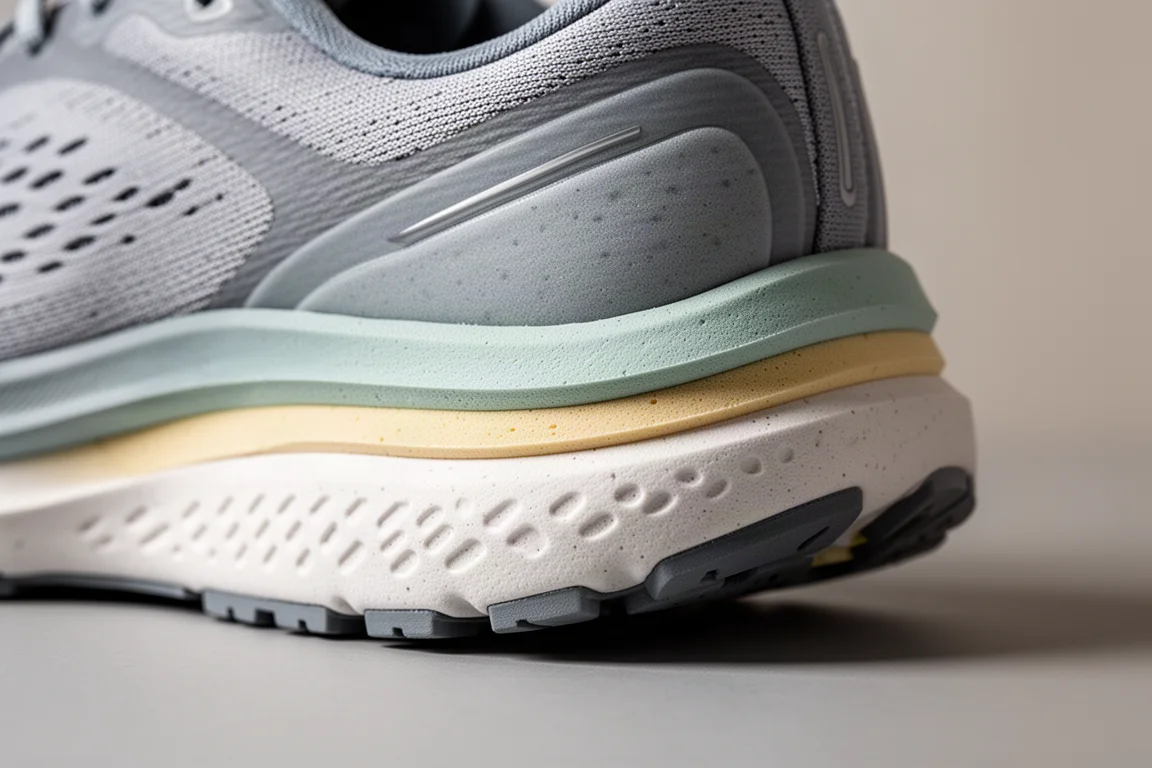
At $160, the Boston 13 is the opposite of the Vomero in almost every way. It has race-level foam and rods for stiffness, yet the ride stays surprisingly normal. Flexibility is close to a conventional trainer, the stack is not extreme, and the rocker is not aggressive, so it never forces a stride change. The upper is very breathable and much improved over the previous version, with solid padding on the tongue and around the heel.
This might be the most versatile shoe of the year. Two 20-mile long runs, speed workouts, and recovery runs have all gone through it, and it handles everything. The trade-off is that it is not the most cushioned or plush, and the step-in feel is firmer than the softer shoes here. For marathon training, summer travel, or anyone who only wants to buy one shoe, this is the pick.
Mizuno Neo Zen: The Best Soft Daily Trainer
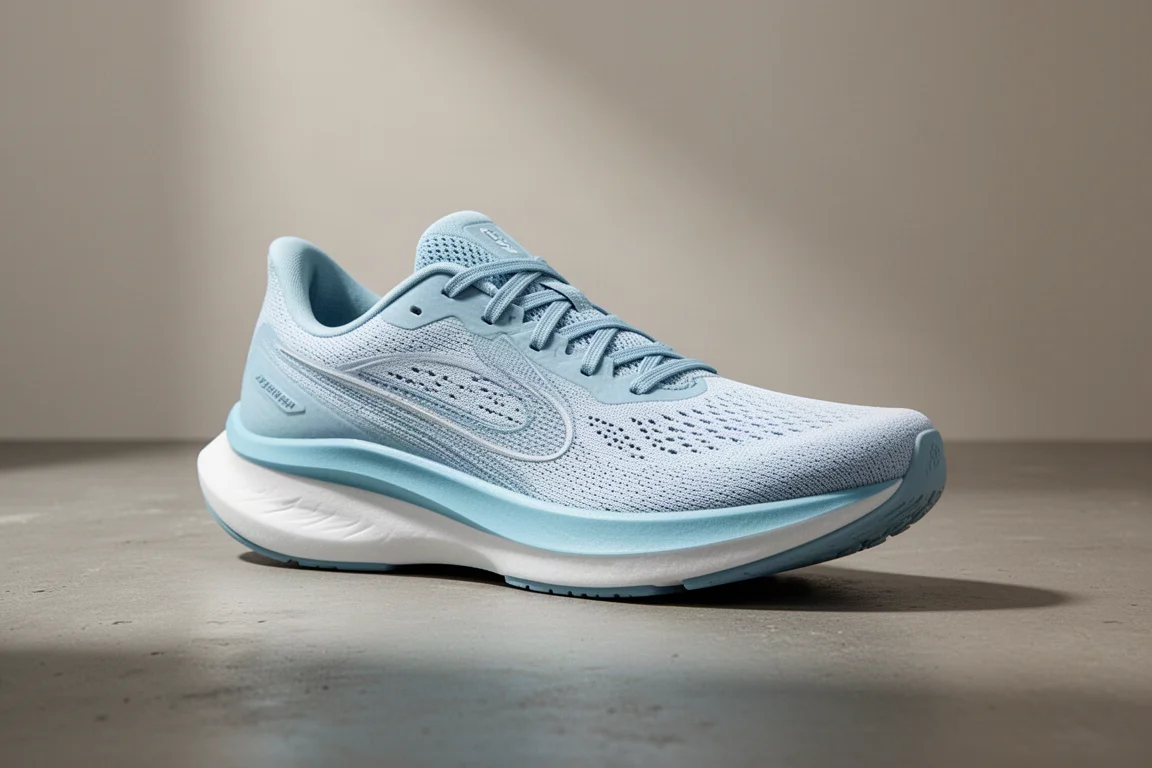
At $150, the Neo Zen might be the best soft daily trainer released in the past two years, and it beats comparable max-cushion options on weight, coming in around 250 grams where many rivals sit near 300. The midsole foam is the story: a TPU compound that delivers excellent impact protection, a buttery smooth ride, and genuine bounce. It shines as a recovery shoe but has enough horsepower to run faster miles, down to around seven-minute pace.
The upper is the weak point. It is a loose, baggy design that takes some fighting to get on, though wider-footed runners will appreciate the room, and it is breathable. Stability is better than you would expect. If you like a rotation and want a soft, fun shoe for easy days and long runs, this is an awesome pick. It is not the shoe for hard workouts; that is the Boston’s job.
ASICS Novablast: Bouncy and Versatile
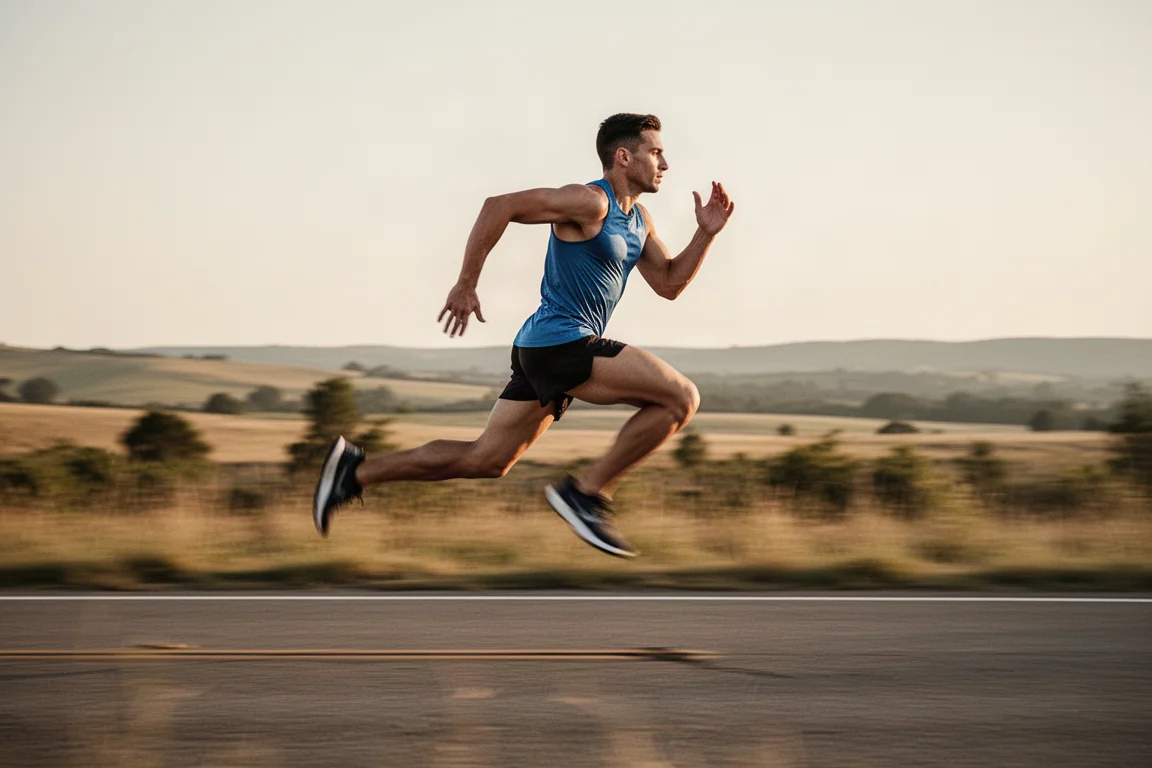
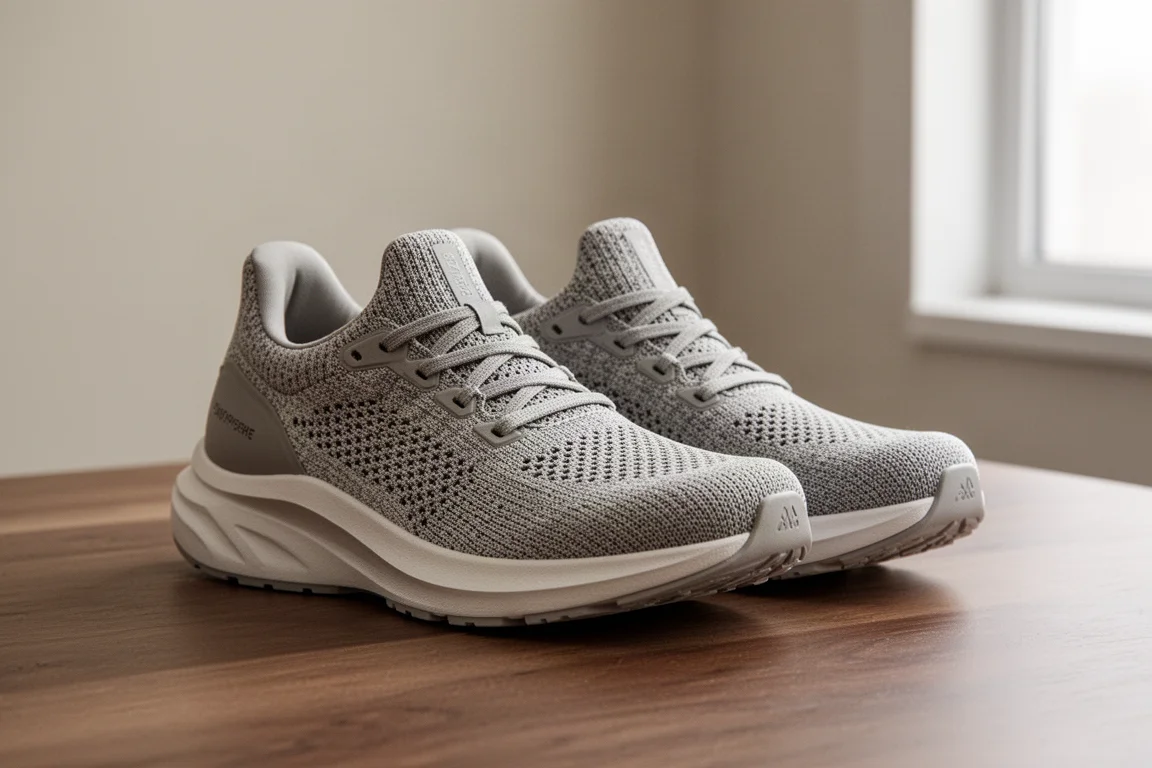
The Novablast is the shoe people expect on any daily trainer list, and it earns the spot. Bouncy, stable, and comfortable, with a breathable upper that offers enough room, it is a complete package at a newly raised $150 price point that matches the Neo Zen and Adidas Evo SL. The improved midsole foam in this generation is a big part of why it performs so well.
The geometry is the main caveat. It is tuned for bounce, which means it rewards an aggressive heel strike or a forefoot pop-off, but can feel slightly choppy for midfoot or flat-footed landers. Durability is another consideration: some runners report it going flat between 100 and 200 miles if run daily. Rotate it with other shoes and it should last 250 to 300 miles. Grip is merely okay in wet conditions, fine for easy running but not ideal for hard workouts in the rain. The fun and capability still outweigh these trade-offs by a wide margin.
Salomon Aero Glide 3 and Aero Glide 3 Gravel: The Workhorse
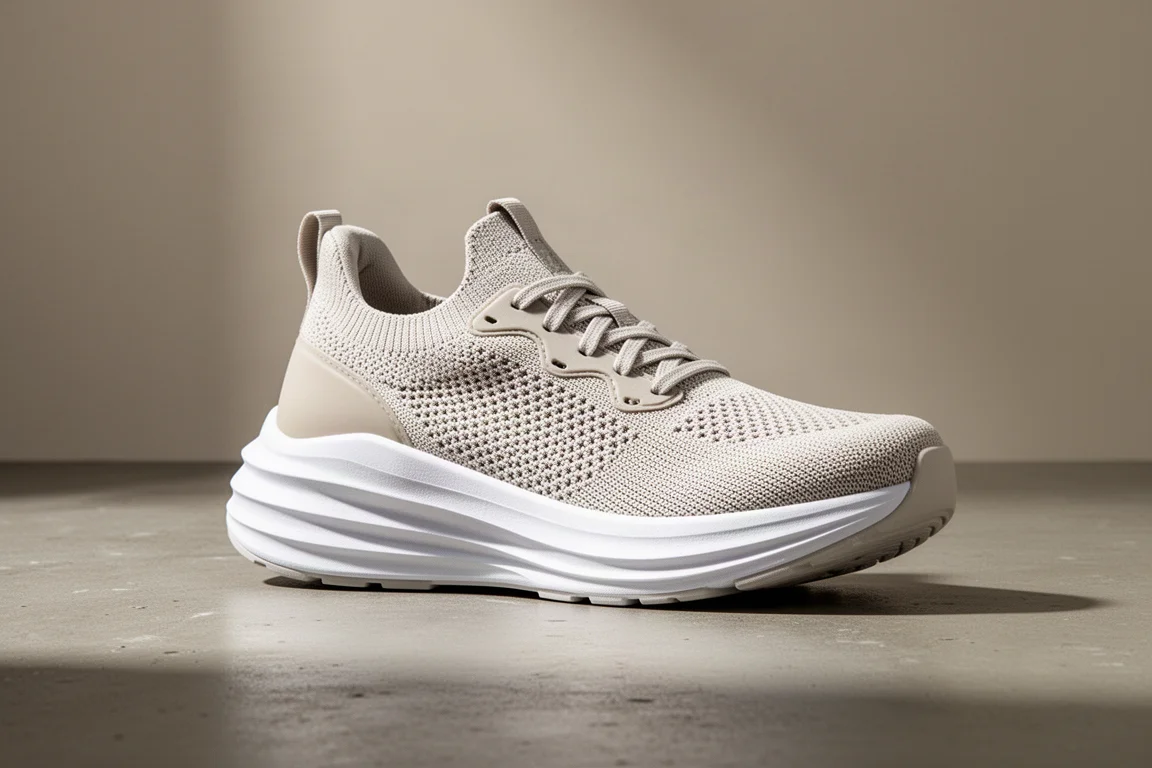
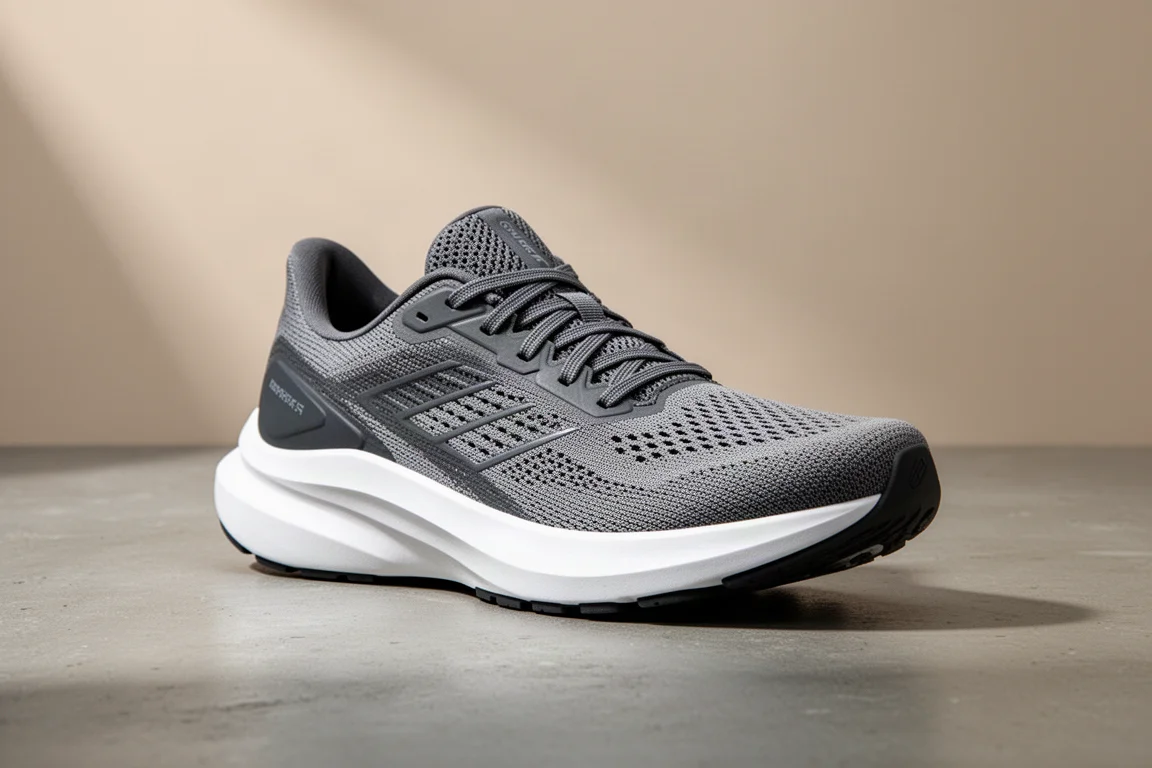
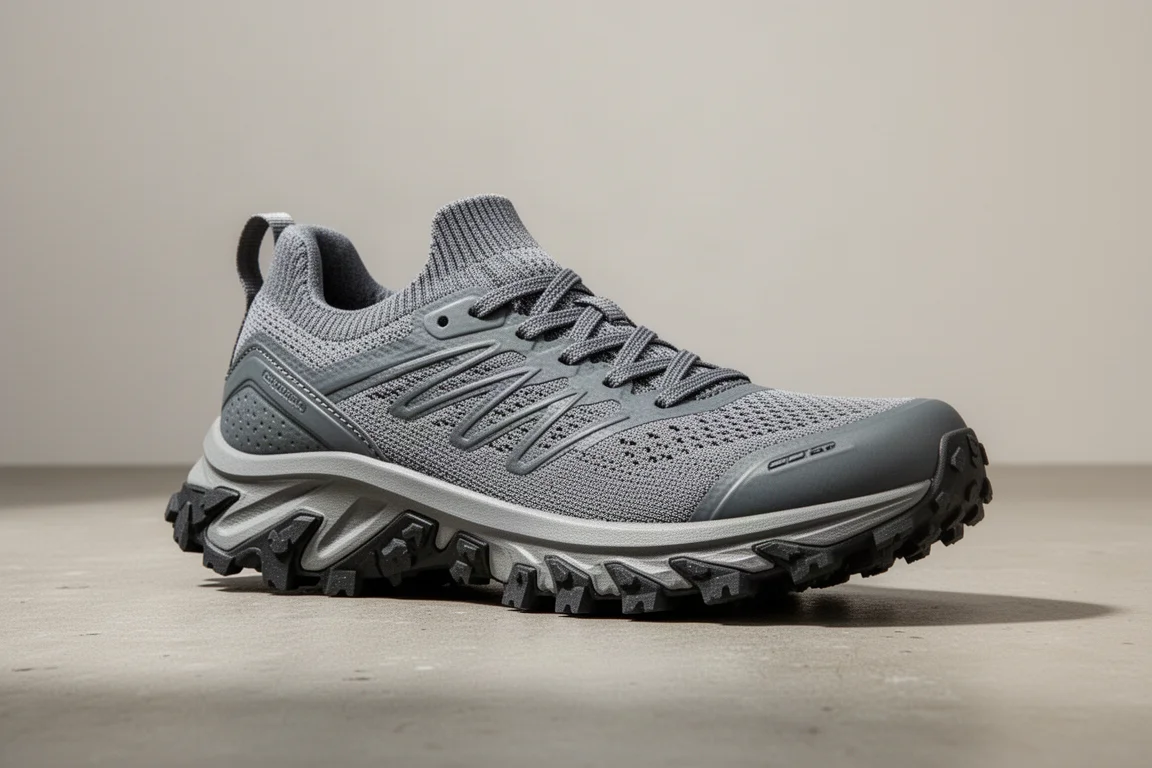
The Aero Glide 3 might be the best daily trainer here, full stop. The beaded TPU midsole is light, around 270 to 280 grams, yet bouncy and protective, with a scooped midsole that lets foam compress outward on landing for an exceptionally smooth ride. It handles recovery miles, stroller miles, and steady runs well under 6:30 pace without ever demanding a specific stride. Compared with similar-stack rivals, it saves 40 to 60 grams. The one flaw in the standard version is outsole durability: the rubber can wear down quickly at around 100 miles.
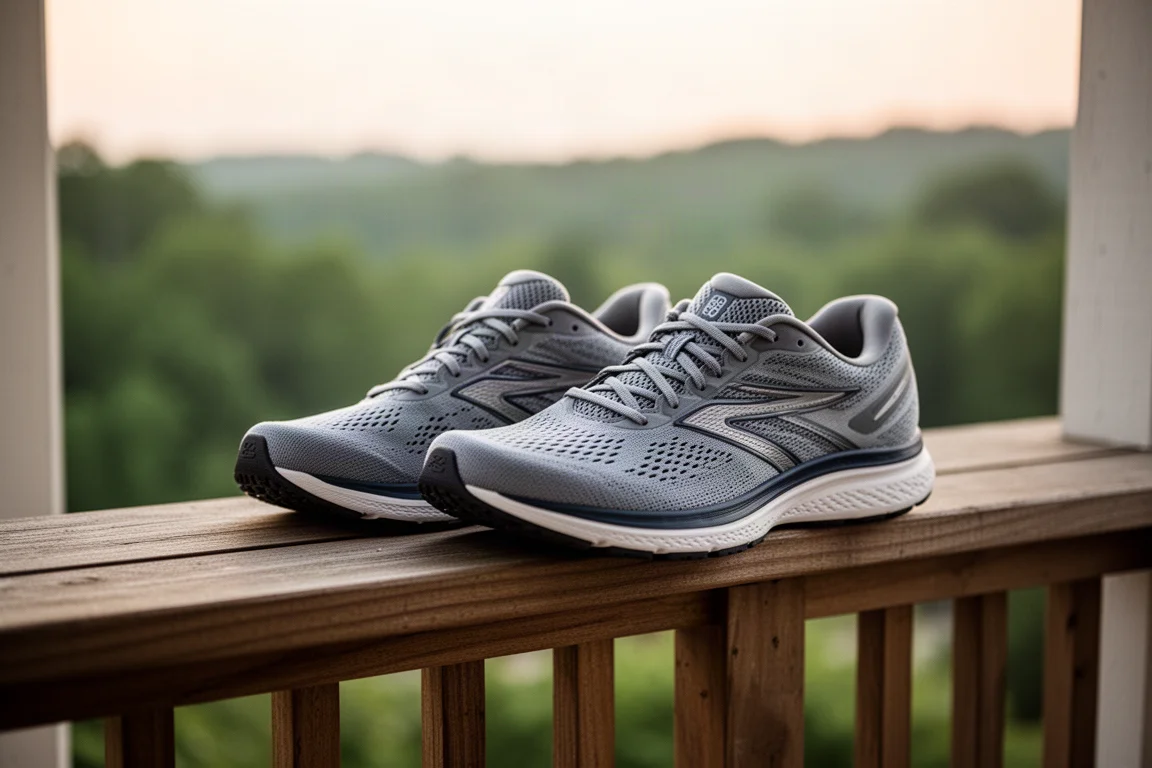
The Gravel edition fixes that with a thicker outsole and one of the grippiest rubbers available, plus an improved sock-fit upper with an integrated tongue and a toe cap that tightens up the front end. If you want a true do-it-all workhorse that is also genuinely fun, and you are building a two-shoe rotation with a race shoe, the Aero Glide 3 is a strong anchor.
Buying Advice
Vomero 18 for comfort. Boston 13 for all-around capability, speed workouts, and long runs, especially if you are marathon training and traveling this summer. Neo Zen for fun, soft, and bouncy easy days. Novablast for a do-it-all option with a bit less speed than the Boston. And the Aero Glide 3 for a well-rounded workhorse that slightly elevates everything the Novablast does. If someone were just getting started, a Boston, Aero Glide, and a dedicated race shoe would make a very strong three-shoe setup.
Conclusion
There is no perfect daily trainer; every shoe here has a trade-off, whether that is versatility, upper fit, durability, or geometry. But matching the shoe to how you actually run turns each of these into a great purchase. Pick the one that fits your miles, and you will not be disappointed.
Further reading
Related Reviews

Running Shoes
Best Road-to-Trail Running Shoes: Three Versatile Options for Mixed Terrain
A practical guide to three road-to-trail running shoes that handle both pavement and mild trails, with clear strengths and trade-offs for different runner types.

Running Shoes
Best Running Shoes for Achilles Tendonitis: Three Options Explained
Three running shoes with different heel drops and support features designed to help reduce Achilles tendon pain during walking and running.

Running Shoes
Best Running Shoes for Women: Five Top Choices Ranked
A ranked guide to five women's running shoes, from versatile daily trainers to high-performance racing options, with real strengths and trade-offs for each.