Running Shoes
Top Daily Running Shoes of 2024: Seven Trainers That Stood Out
From the Asics Novablast 5 to the Adidas Adizero SL2, seven daily trainers we put real miles into during 2024, with honest strengths and trade-offs for each.
Introduction
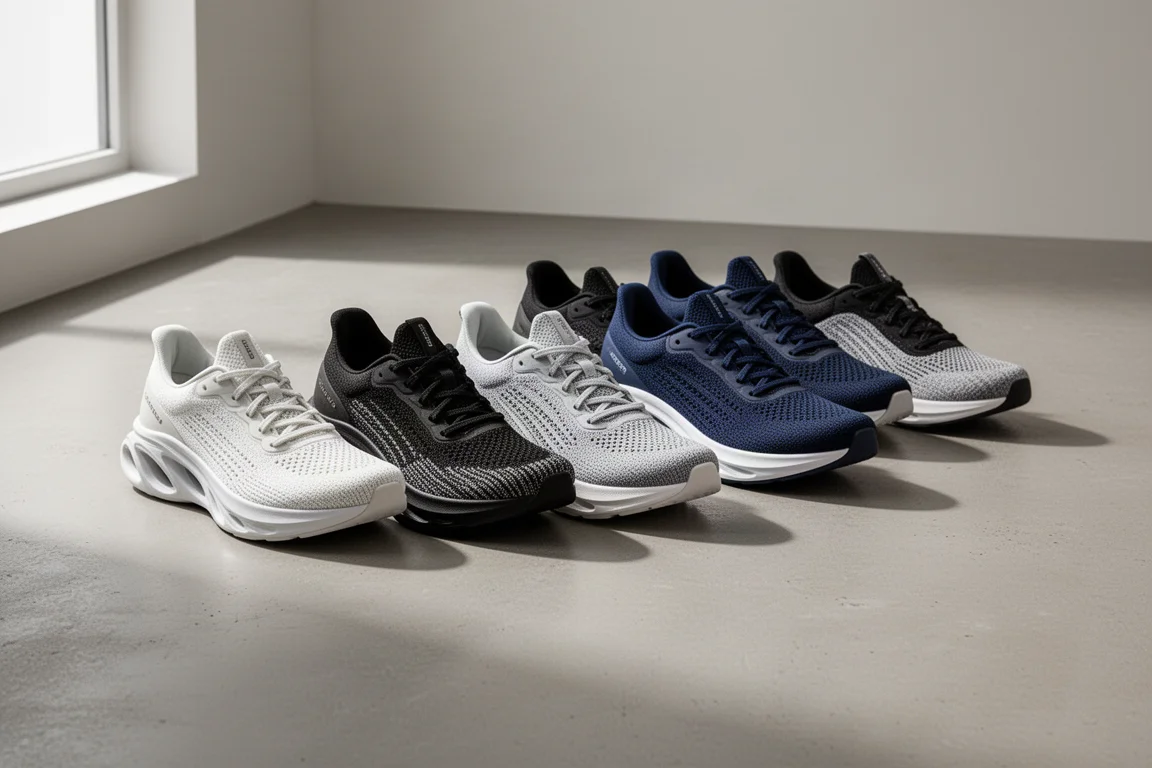
Over 2024 we put serious miles into a wide range of daily trainers, and a handful of models clearly separated themselves from the pack on performance and price. This roundup covers seven shoes we have actually tested on foot: the Asics Novablast 4 and 5, the Adidas Adizero SL2, the Puma Velocity Nitro 3, the Nike Pegasus 41 and Pegasus Plus, and the Reebok Floatride Energy 5 Adventure. Each section breaks down what works, what does not, and which type of runner each shoe suits best.
Asics Novablast 4 vs Novablast 5
The Novablast 4 launched at the very end of 2023, but most of our testing happened across 2024, and the Novablast 5 arrived soon after. Weight is practically identical between the two, but the uppers are quite different. The Novablast 5 feels less bulky, slightly more breathable, and locks the foot down a little better. Interestingly, with both shoes we found that simply lacing to the final eyelets worked better than using a runner’s knot, possibly due to the last Asics is using.
The midsole is where the real story lies. If you like things slightly firmer and more responsive, the Novablast 4’s FF Blast Plus is up your street. We found the Novablast 4 more versatile for longer runs because it is not as soft. The Novablast 5, by contrast, is super soft, close to ZoomX-level plushness. Some runners may find the 5 so soft that stability suffers late in a long run when form starts to break down. In testing, the 4 seemed to encourage pushing the tempo to around 7:45 per mile, but we did not enjoy it as much at easy paces around 8:30 per mile.
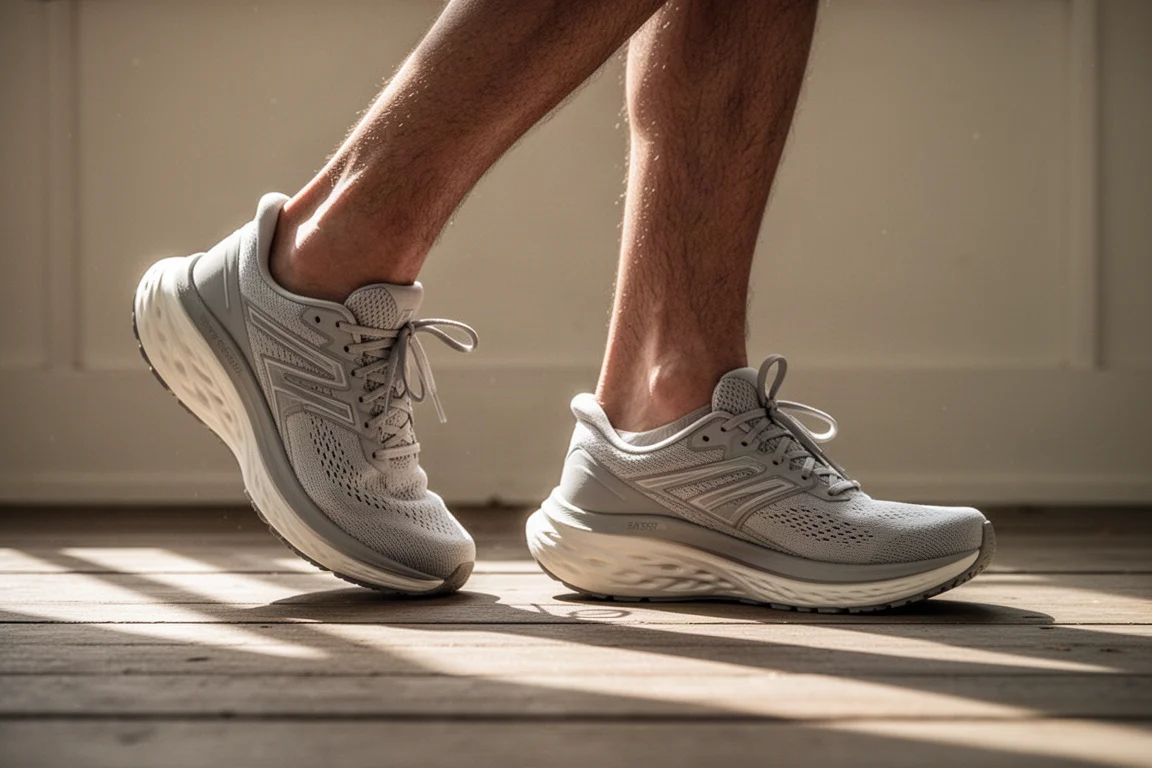
The outsoles were improved on both versions, though noticeably differently. The Novablast 4 has more ridges and tougher rubber, while the 5 uses smoother, more malleable rubber that became a bit more sticky after heavy miles. Straight out of the box, the Novablast 4 had slightly better grip. Discounts on the Novablast 4 have been rare even a year on from release.
If we had to grade them, we would give the Novablast 4 a B- and the Novablast 5 a B+. The 5 feels a little more up for it, more bouncy, and we prefer its upper lock-down, making it the slightly more versatile and exciting option overall.
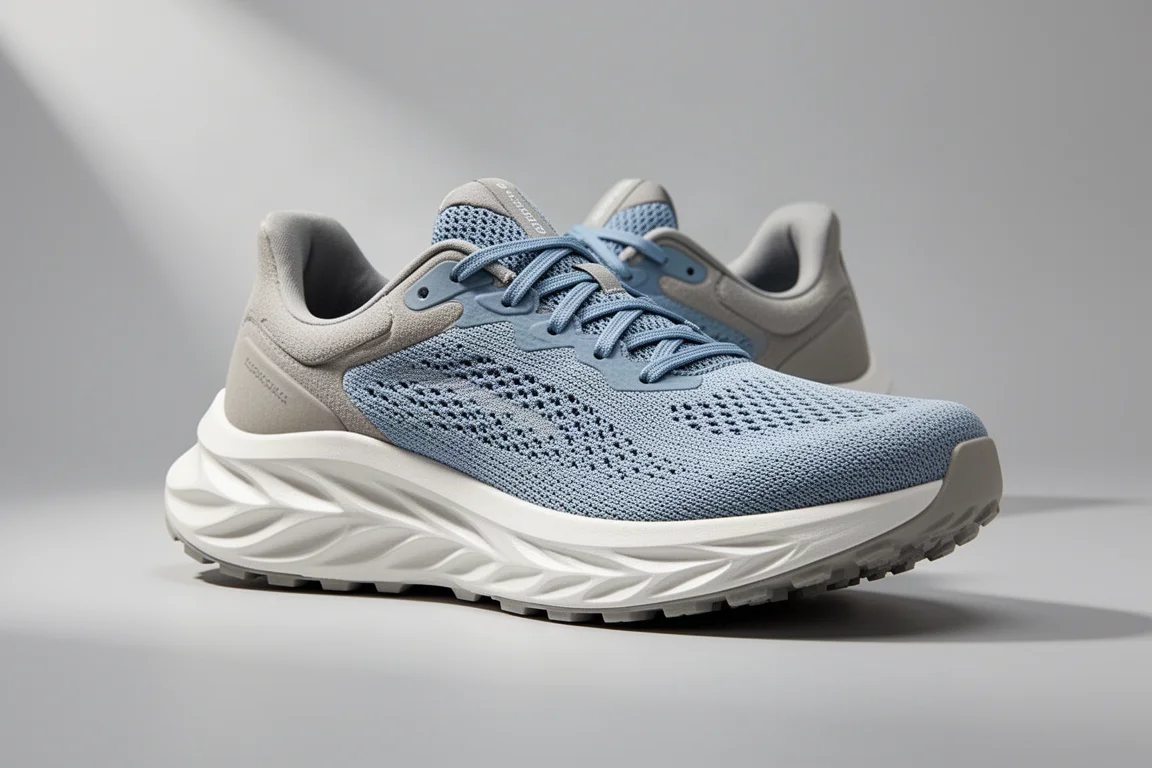
Adidas Adizero SL2
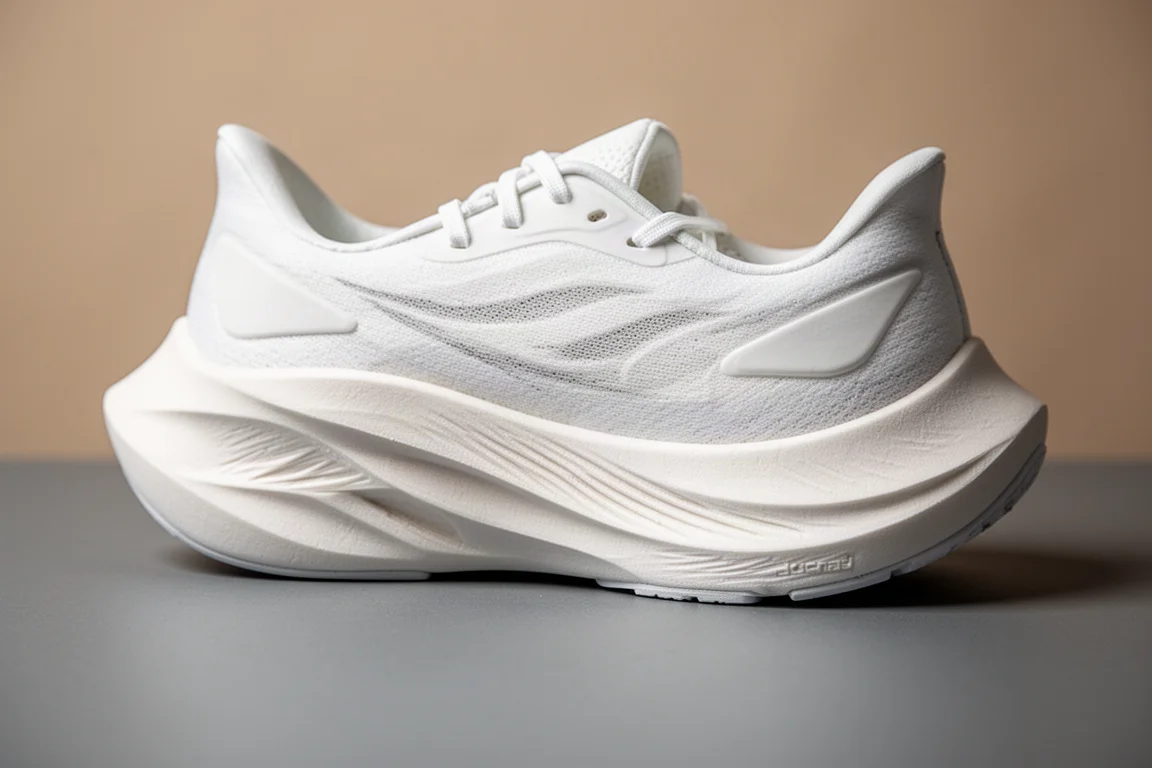
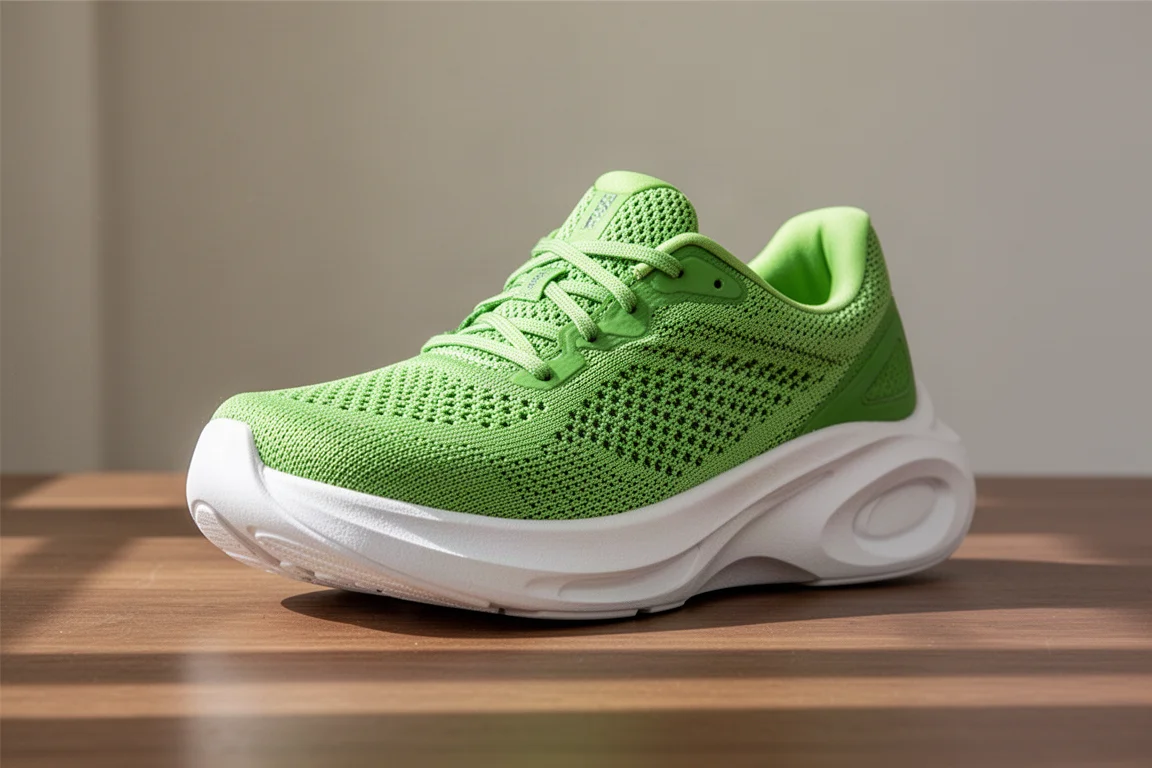
The Adizero SL2 is one of the best versions of the Super Light line Adidas has released in ages, arguably the best since the original SL. It uses Lightstrike foam that rides softer than current versions, feels really light and nimble, and offers great cushioning at a superb price. We would not call it a long run shoe, mainly due to the fairly narrow heel, but as a daily option for mile-mashing sessions it is excellent.
The major flaws are the thin, unpleasant laces and an insole that fails to amplify the great underfoot midsole feel. We swapped in a better insole and replaced the laces, which turned it into something of a Frankenstein shoe, and while we enjoyed it, we were always left feeling Adidas just missed making it perfect. We would give it a solid B+ grade: almost there, with just a little room for improvement.
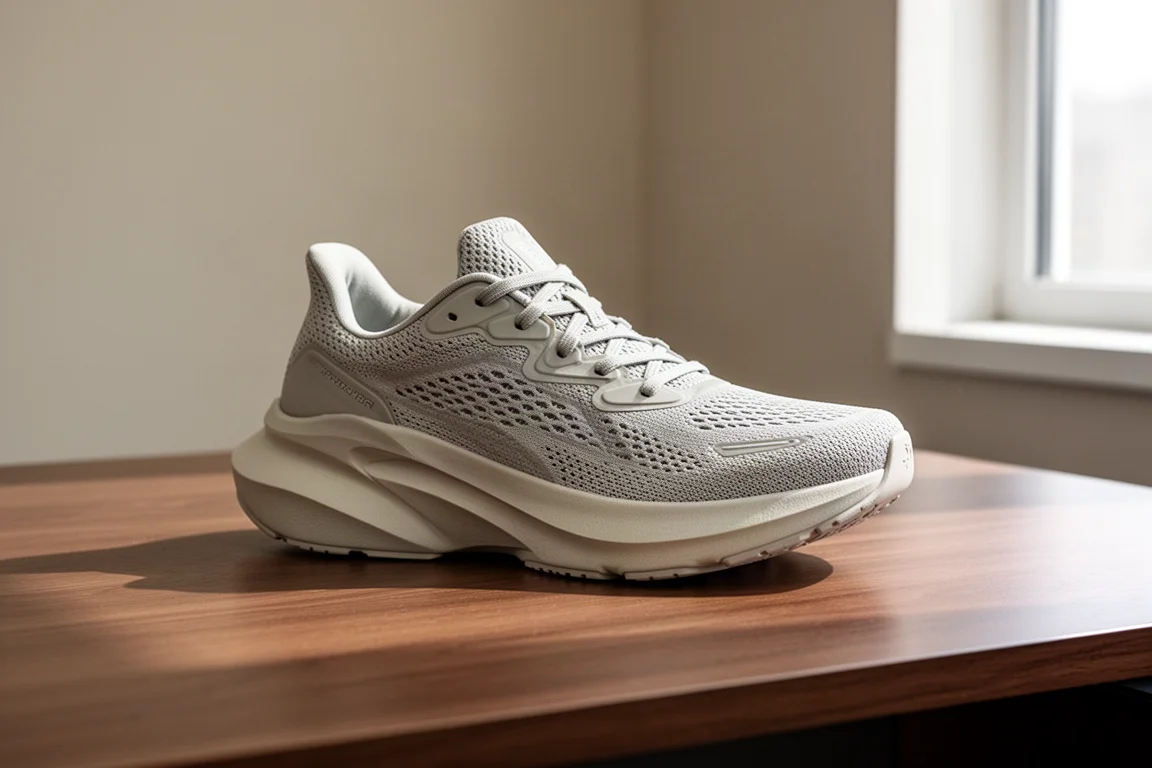
Puma Velocity Nitro 3
The Velocity Nitro 3 now borders on a max-cushion shoe, with so much extra stack in the heel that it does not feel quite as nimble or versatile as previous versions. Puma appears to have tinkered with the balance of its two midsole materials: Pumagrip Nitro foam on top and a ProFoam EVA blend underneath, plus a hefty spread of Pumagrip rubber outsole that should last a long time.
The third version has better grip from extra ridges, but the upper is thicker and still not very breathable. All of this makes it feel more like a plush long run shoe where comfort matters most, rather than a daily trainer you can throw on for anything. There is no major weight gain, but it feels more substantial on foot and was somewhat overshadowed by other releases this year. We also found the ProFoam EVA layer did not like the cold, firming up noticeably underfoot. We would grade it a C- so far.
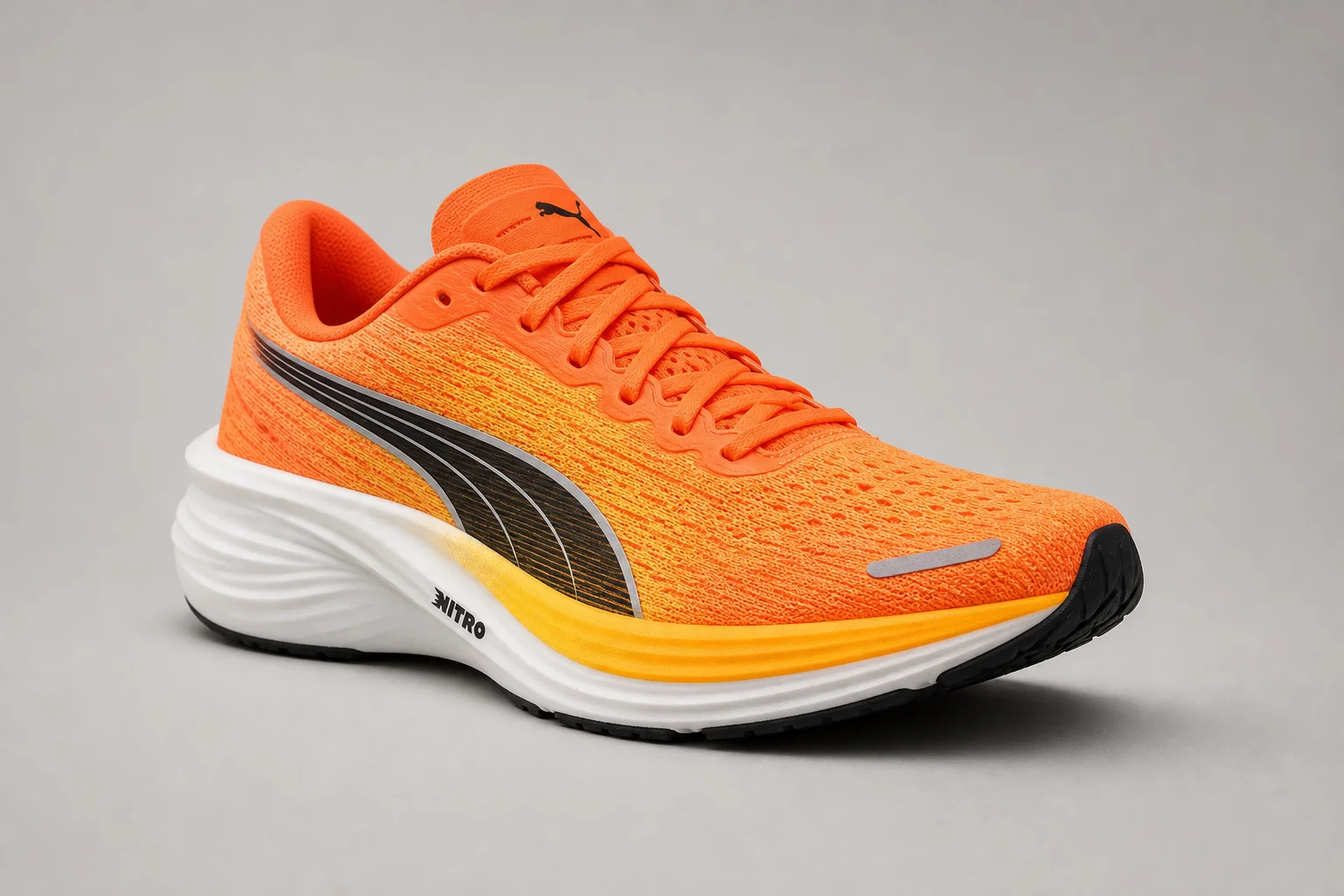
Nike Pegasus 41 and Pegasus Plus
The Pegasus 41 has been a bit of a star of the rotation since we picked it up earlier in the year, though perhaps not so much for running. We mostly used it for daily activities and gigs where standing for hours matters. The combination of the ReactX midsole and the air units is not the most forgiving; it is actually quite firm, with no real step-in comfort compared to the Novablast models. The air units sit directly below the insole and lasting board in the forefoot and heel, which makes it tougher underfoot, and it takes some break-in. If you are already a Pegasus fan you will like it, and it does what it says on the tin: a reasonably capable do-it-all shoe that can have a go at everything but is not a master of anything. As a running shoe, we would grade it a D; it feels a little left behind.

The Pegasus Plus is a slightly more nimble and spritely model, though this version is heavier than previous incarnations, which is puzzling. The cause may be the upper materials or thicker rubber rather than the ZoomX foam. The Flyknit upper will not be for everyone; it feels a bit like a jumper on foot, and it is a different Flyknit from what we have seen in Nike’s racing shoes. It is still a fun ride capable of slightly longer efforts, but do not expect a plated underfoot feel; there are no stabilizing elements in the midsole. We would grade it a C so far. Our main gripe with Nike’s daily models is weight: they just do not seem to care much about it in this segment.
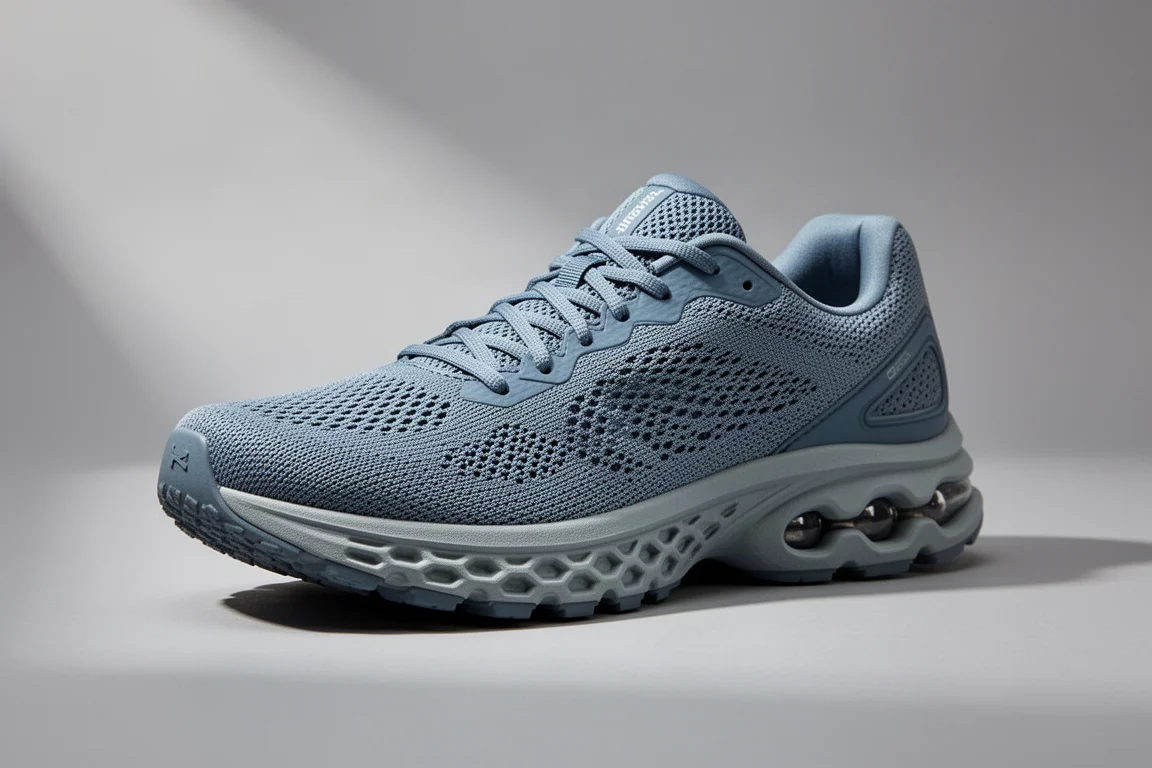
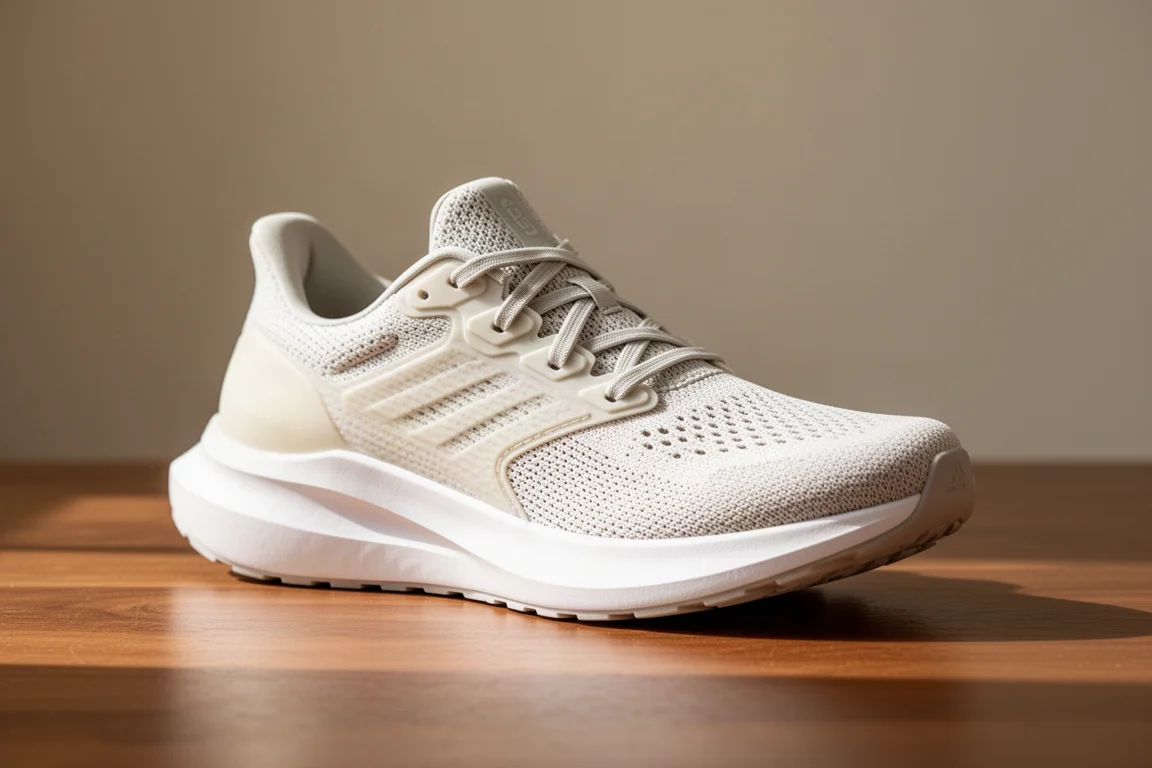
Reebok Floatride Energy 5 Adventure
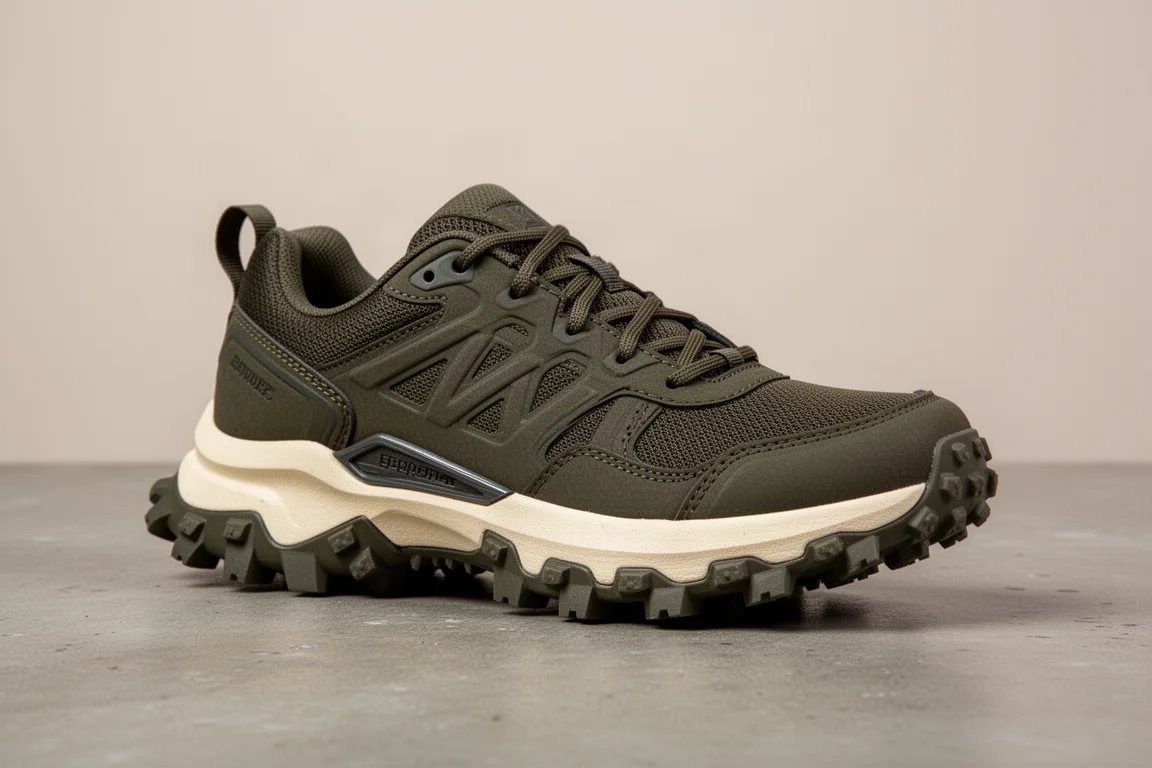
You probably know the Floatride Energy line, but the Adventure variant we tested proved very long in terms of sizing. We tried it a couple of times and it simply did not feel great in terms of length. It is otherwise very similar to the standard Energy 5, but with a lot more rubber on the outsole, adding roughly 30 grams, and a more durable upper material suited to road-to-trail use.
One thing people disliked about the Energy 5 carried over here: the plastic torsion-style plate in the midfoot intended to provide stability. It also looks as if Reebok is not putting much energy into the Floatride Energy series anymore, with no new updates in a long time. We just could not get on with this one, and would grade it a D-.

Overall Buying Advice
If you want the most versatile, exciting daily trainer of this group, the Novablast 5 is our pick, though runners who prefer a firmer, more responsive ride should hunt down the Novablast 4. The Adizero SL2 is the standout value option for faster daily miles, with the caveat that you may want to swap the laces and insole. Puma’s Velocity Nitro 3 works best as a plush long run option rather than an all-rounder. Nike’s Pegasus 41 suits Pegasus loyalists who value versatility for everyday wear, and the Pegasus Plus is a fun but unremarkable bouncier alternative. The Floatride Energy 5 Adventure is hard to recommend given the sizing issues and the line’s uncertain future.
Conclusion
Seven shoes, seven very different personalities. The Asics duo and the Adidas Adizero SL2 clearly lead this field on performance and value, while the Puma, Nike, and Reebok options each carry trade-offs worth weighing carefully. Match the shoe to your actual running pace, distance, and fit preferences, and any of these can earn a place in a rotation.
Further reading
Related Reviews

Running Shoes
Best Road-to-Trail Running Shoes: Three Versatile Options for Mixed Terrain
A practical guide to three road-to-trail running shoes that handle both pavement and mild trails, with clear strengths and trade-offs for different runner types.

Running Shoes
Best Running Shoes for Achilles Tendonitis: Three Options Explained
Three running shoes with different heel drops and support features designed to help reduce Achilles tendon pain during walking and running.

Running Shoes
Best Running Shoes for Women: Five Top Choices Ranked
A ranked guide to five women's running shoes, from versatile daily trainers to high-performance racing options, with real strengths and trade-offs for each.