Running Shoes
Top 5 Worst Running Shoes of 2025: What Went Wrong and What to Buy Instead
Five 2025 releases that disappointed us, from overpriced super trainers to quality-control disasters, with honest notes on what each got wrong.
Introduction
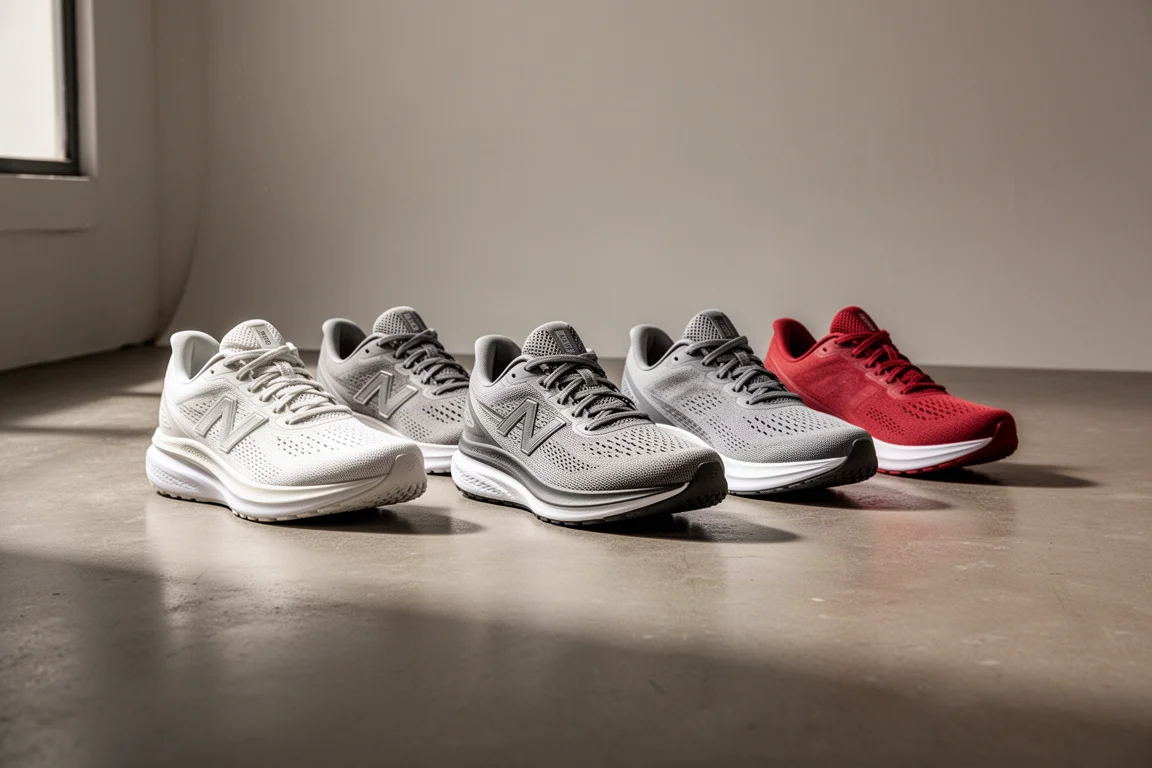
Every year brings plenty of excellent running shoes, and a handful that leave you wondering what the brand was thinking. This list focuses on five 2025 releases that fell short, not because anyone enjoys criticizing shoes, but because the gap between marketing and reality on several of them was wide enough to be genuinely instructive.
A recurring theme here is positioning. A shoe priced at $240 that rides like a $140 shoe, or a foam marketed as a “super foam” that behaves like a standard training compound, creates a problem beyond the ride itself. Most of the shoes below have real strengths buried under inflated claims, which is exactly why they disappointed.
Diadora Atomostar
The Atomostar earns its place on this list almost entirely because of price and positioning rather than performance. The ride itself was fine, comparable to a $140 or $150 trainer, with a feel similar to something like the Nimbus. That would be perfectly acceptable at the right price.
At $240, it is not. The shoe uses supercritical EVA, which is a genuinely good training foam found in plenty of much cheaper shoes, so the premium is hard to justify. It was also positioned as a “super trainer” with a large stack that added bulk without adding comfort or bounce. Less foam would likely have made it a better shoe.
Saucony Triumph 23
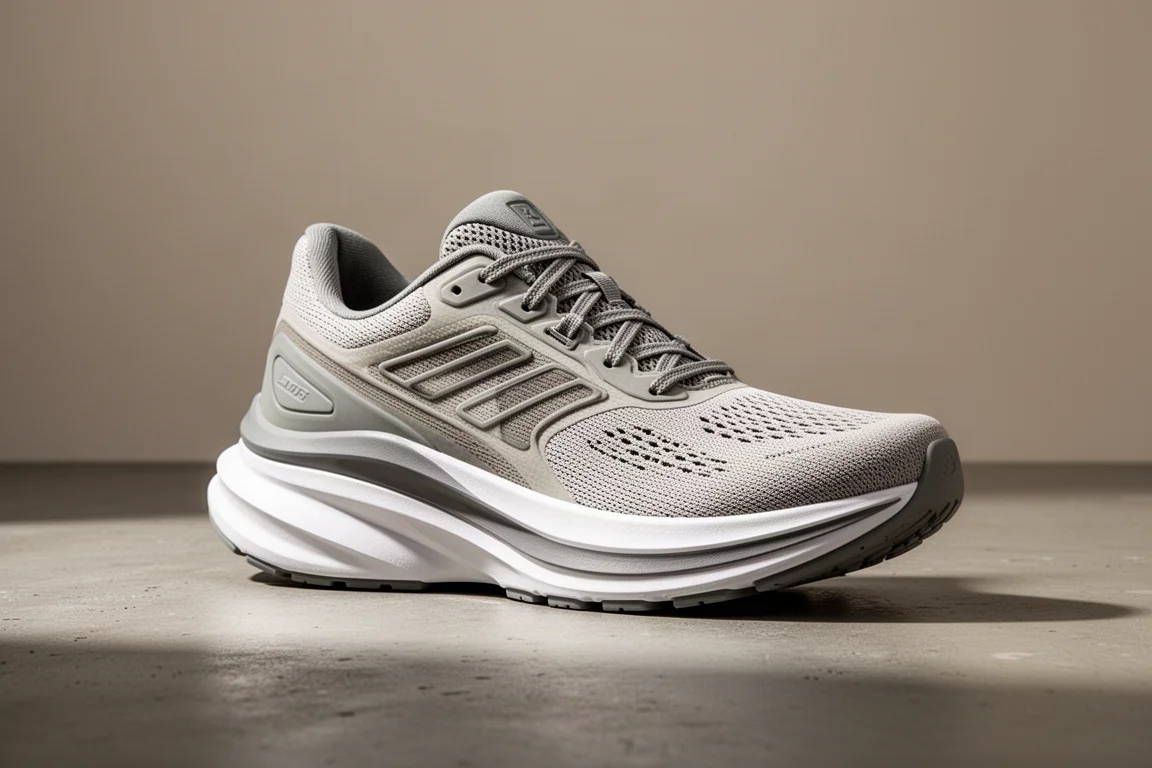
The Triumph line has history. Earlier versions were among the best cushioned trainers on the market, and plenty of runners have an emotional connection to the name. The 23 changed the formula to PWRRUN PB, marketed as a super foam, but the blend is an EVA-PEBA mix and the ride does not live up to the label.
In practice, the foam felt uninspiring and flat, losing its bounce after roughly 30 to 40 minutes on longer runs. It also keeps the outdated 10 mm drop and arrived with a $10 price increase. Compared with the 22 it is an improvement, but that previous version set a very low bar. It works for casual wear, jogging, or gym use, yet it cannot hang with the best cushioned trainers in its price bracket.
Brooks Glycerin 22
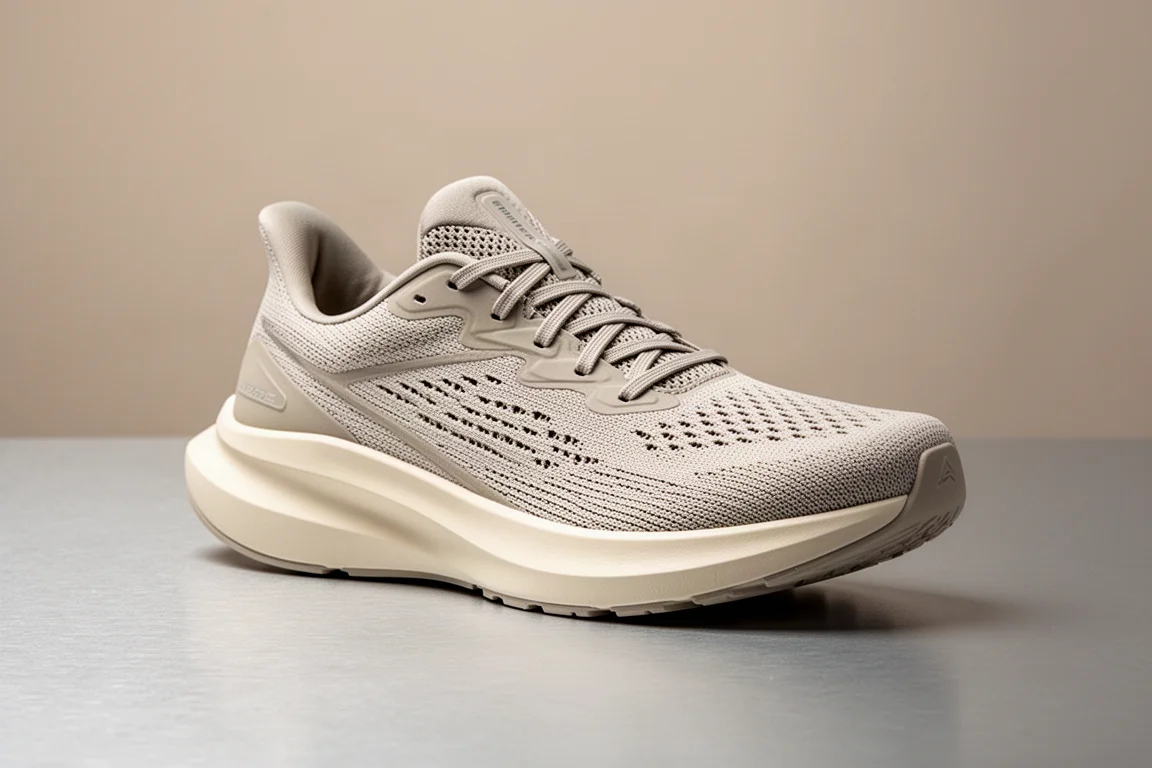
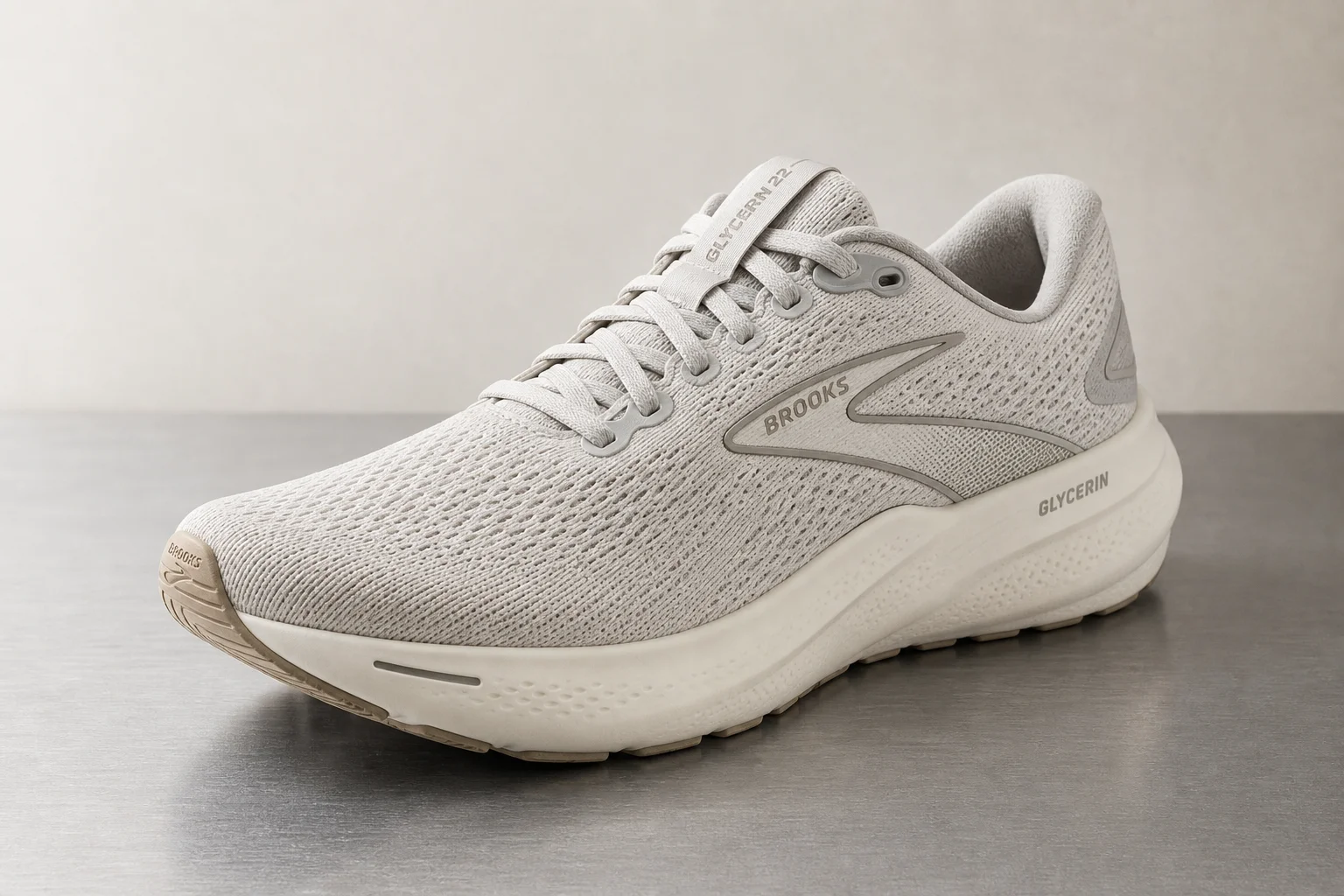
The Glycerin 22 is a case of change for the sake of change. The Glycerin 21 used DNA LOFT v3, a supercritical EVA foam widely regarded as one of the best training compounds available, and there was nothing wrong with it. The 22 switched to DNA Tuned, and the ride experience is completely different.
In this shoe, the tuning produced a firmer, flatter feel with little energy return, in stark contrast to how the same foam family performs elsewhere in the Brooks lineup. The price also rose from $160 to $165. If the foam had simply been renamed without the marketing promises, the disappointment would be smaller. As it stands, a good thing was altered without a clear benefit.
On Cloudsurfer 2
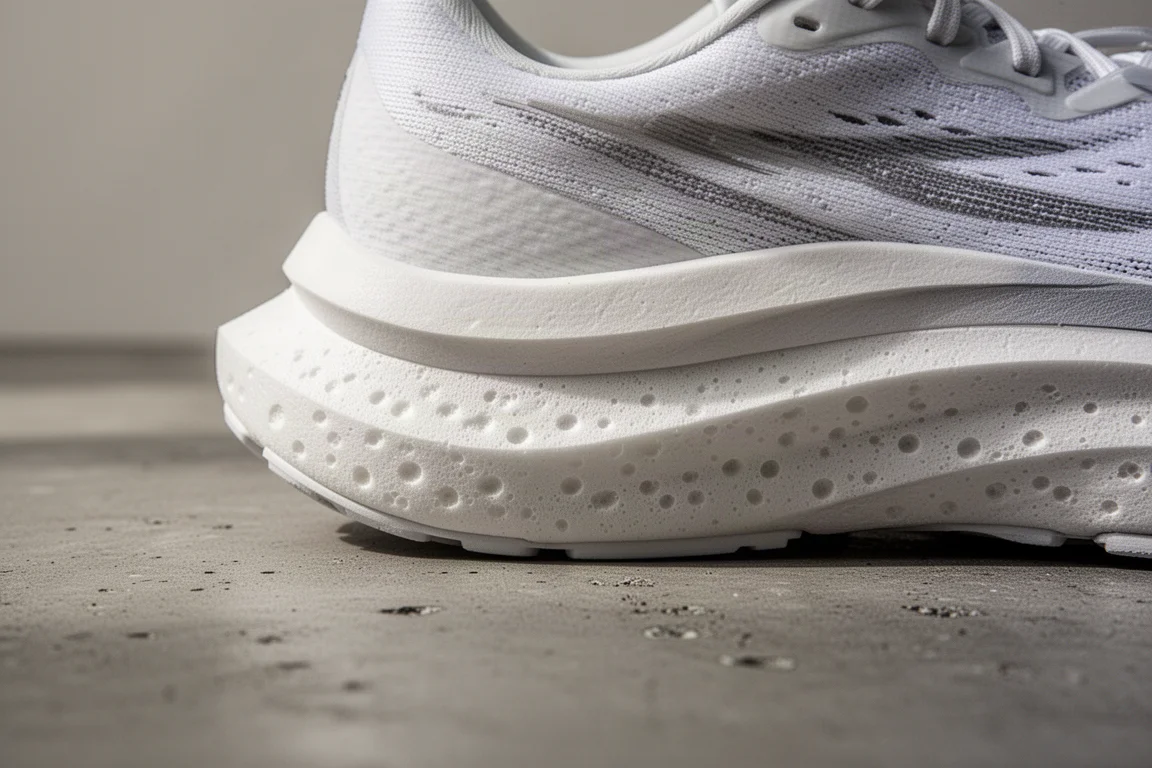
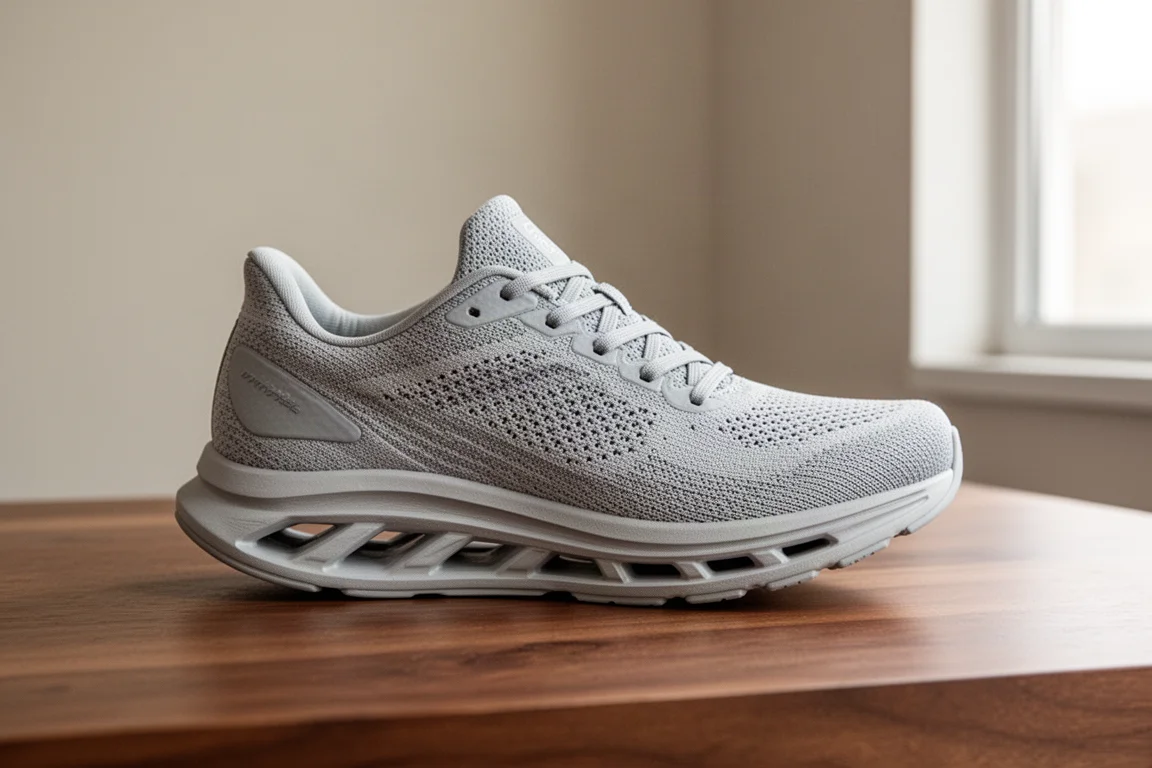
On makes plenty of good shoes, and the Cloudsurfer 2 actually looks great. The problem is what is under the surface. The previous version was reportedly very soft and squishy, and this one is a complete 180 in the opposite direction, with extremely lifeless foam and essentially no compression under pressure.
That alone would be frustrating, but the shoe was marketed with a softness campaign that simply does not match the ride. The hollows in the midsole add little in practice. It is priced at $160, and there are also build quality concerns, including an interior seam near the toe area that some runners have reported their foot pressing against.

Adidas Adizero SL
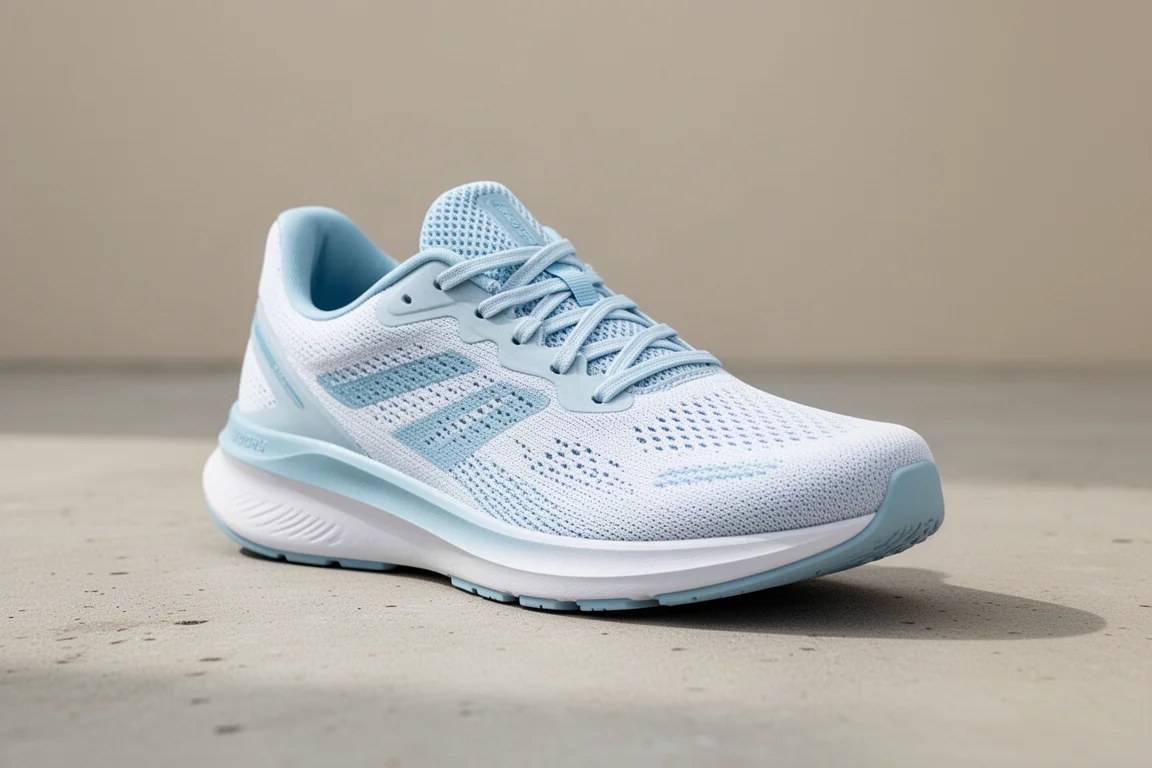
On paper, this one looks like a solid deal: 40 mm of stack, a 6 mm drop, comfortable padding in the upper, and a pleasant geometry for $140. The problem is not the spec sheet, it is the execution. In testing, this was the most flawed shoe of the year.
The left and right shoes delivered two completely different foam experiences, one soft and squishy, the other firm as a brick, to the point where adjusting stride felt necessary to run in them. Sizing also ran a half to three-quarters of an inch shorter than its predecessor, and these inconsistencies mirror variation reported elsewhere in the Adidas lineup, including weight discrepancies between individual shoes. Not every pair will be affected, but most buyers do not have the time or ability to exchange their way out of a flawed pair.
Overall Buying Advice
The common thread across all five is that positioning, pricing, and marketing drifted too far from what the shoes actually deliver. That matters because nobody is checking foam claims for you, so it falls on independent testing and word of mouth to separate reality from the label.
When shopping for a cushioned daily trainer, look past buzzwords like “super” and check the price against comparable options using similar foam compounds. Plenty of excellent trainers use supercritical EVA at far friendlier prices. And if you order online, check both shoes carefully on arrival, because the quality variation seen here is real.
Conclusion
None of these shoes is without merit, and some runners may genuinely enjoy one or two of them. But each one combined a mediocre ride with high expectations, whether through pricing, foam claims, or inconsistent quality. The takeaway for buyers is simple: trust the ride over the marketing, compare against cheaper alternatives, and be willing to walk away when a brand’s story does not match the shoe on your feet.
Further reading
Related Reviews

Running Shoes
Best Road-to-Trail Running Shoes: Three Versatile Options for Mixed Terrain
A practical guide to three road-to-trail running shoes that handle both pavement and mild trails, with clear strengths and trade-offs for different runner types.

Running Shoes
Best Running Shoes for Achilles Tendonitis: Three Options Explained
Three running shoes with different heel drops and support features designed to help reduce Achilles tendon pain during walking and running.

Running Shoes
Best Running Shoes for Women: Five Top Choices Ranked
A ranked guide to five women's running shoes, from versatile daily trainers to high-performance racing options, with real strengths and trade-offs for each.