Trail Running Shoes
Top 5 Trail Running Shoes of 2025: Racing-Focused Picks and Alternatives
A curated selection of five high-performance trail running shoes tested through mid-2025, with detailed analysis of strengths, trade-offs, and comparable alternatives for different running styles.
Introduction
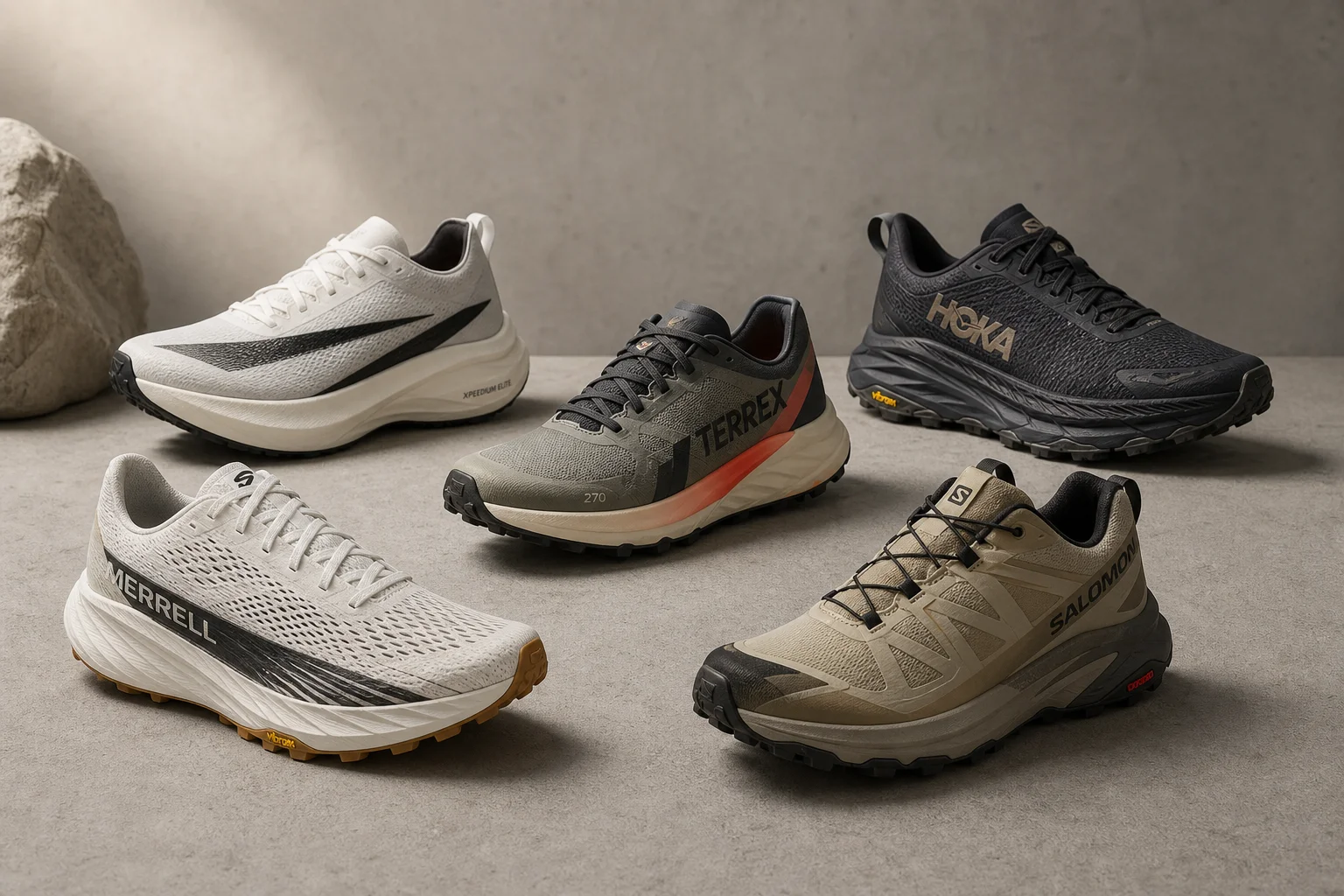
Selecting the best trail running shoes requires balancing personal preference with objective testing across varied terrain and distances. This list represents five standout shoes tested through mid-2025, each excelling in specific scenarios. The selection leans toward lightweight racing options, reflecting the testing focus on performance-oriented footwear. However, numerous alternatives exist for different running styles, injury considerations, and terrain preferences. This guide explores the top five picks alongside comparable options worth considering based on your individual needs.

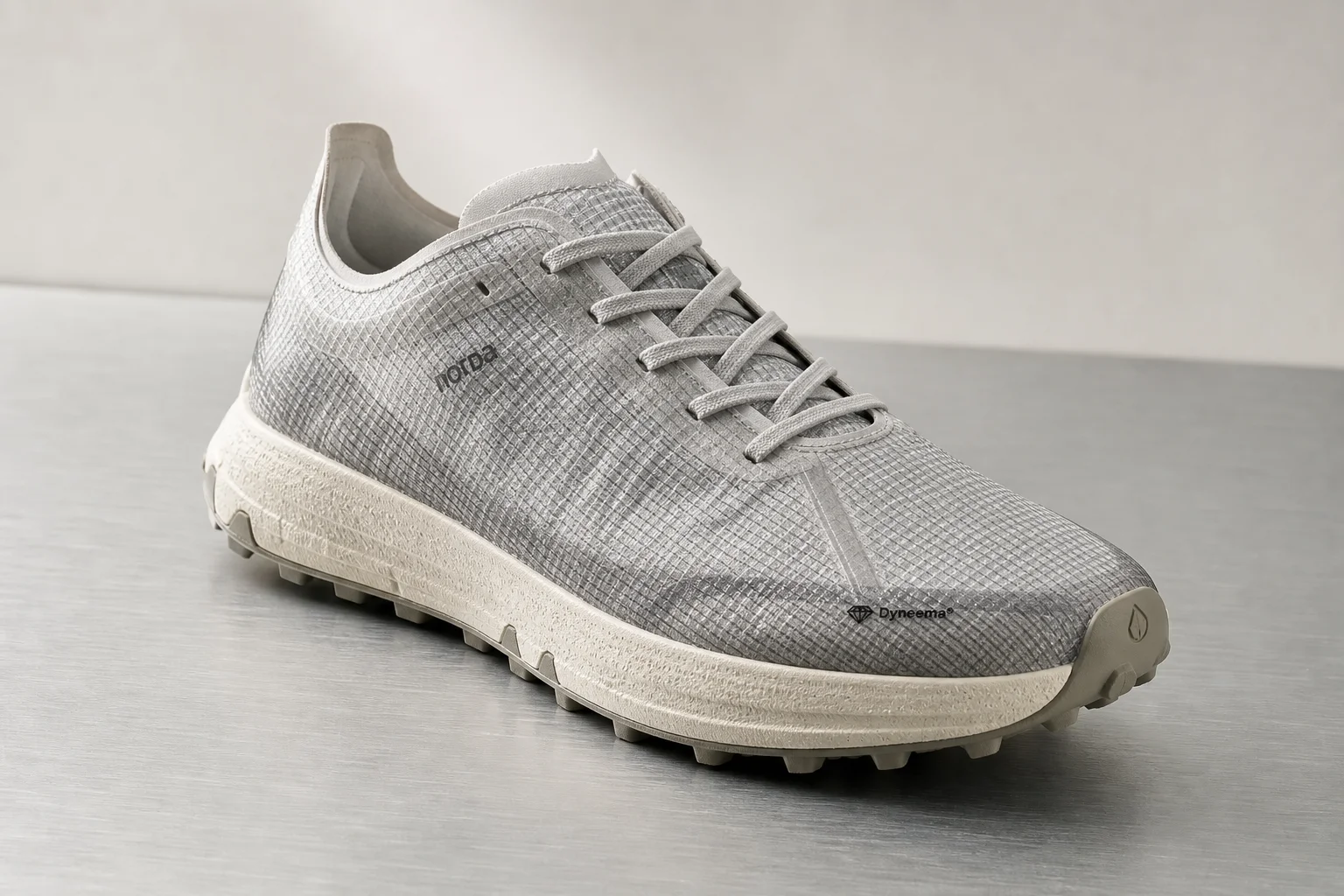
The Norda 005: Ultralight Racing Platform
The Norda 005 emerges as perhaps the lightest shoe on the market at 8.5 ounces (240 grams), delivering exceptional lightweight performance without sacrificing stack or energy return. The shoe features a Dyneema upper, secure fit, and high-volume construction that accommodates various foot shapes. Stack height measures 34 millimeters at the heel and 27 millimeters at the forefoot, with no carbon plate—a notable distinction in the modern super-shoe landscape.
The 005 excels for runners prioritizing minimal weight across distances from short races to 20-mile efforts. The foam delivers noticeable springiness despite the ultralight construction, and the unplated design allows natural foot flex. Norda offers multiple models with varying fits, so reviewing sizing breakdowns for the 001, 002, 008, and 005 helps ensure proper fit before purchasing.
At $325, the Norda 005 represents a significant investment, but the combination of weight, stack, and energy return justifies consideration for serious trail racers.
La Sportiva Prodigio Pro: Versatile Performance Racer
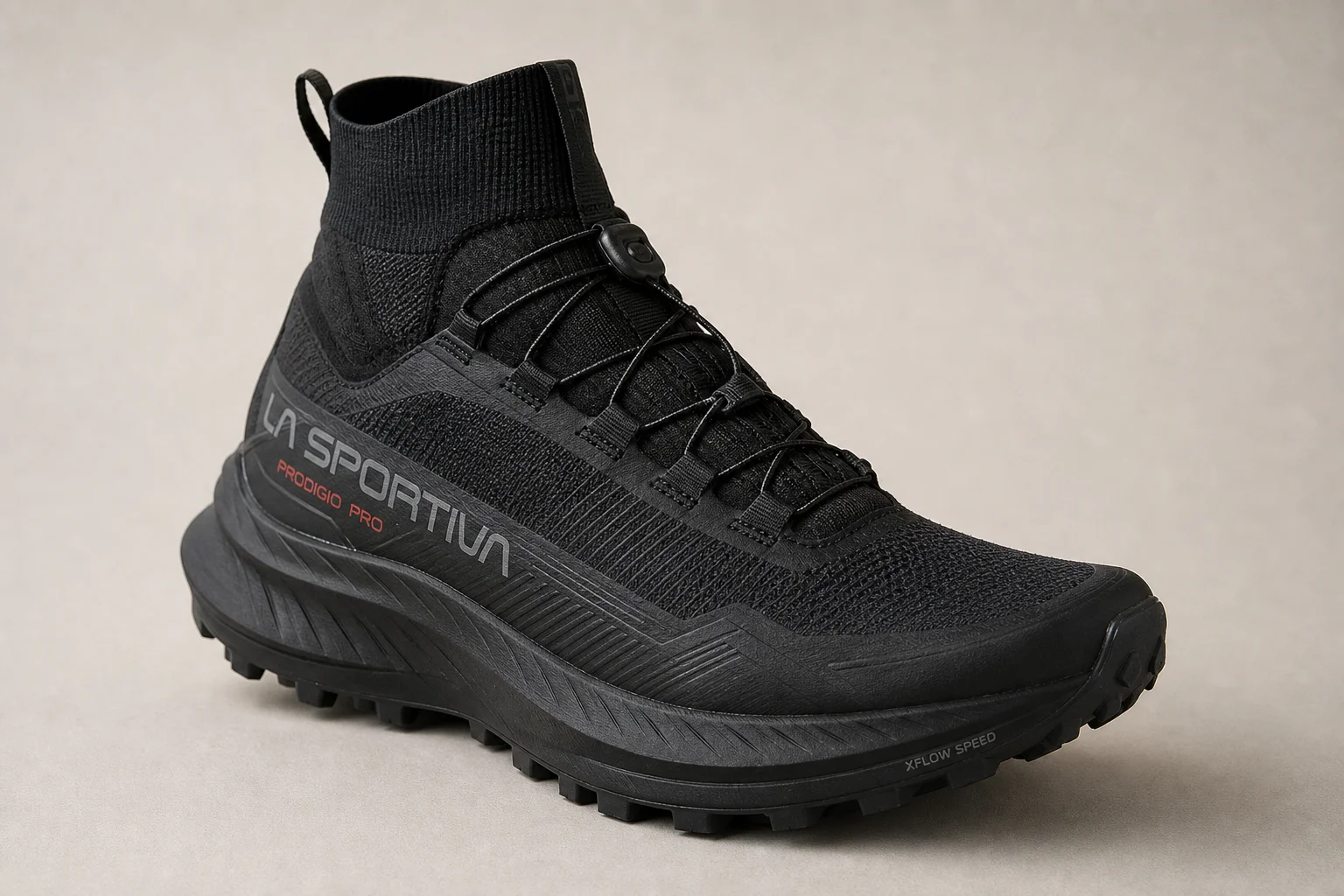
The La Sportiva Prodigio Pro generates consistent interest and comparison requests, indicating strong market appeal and proven performance across varied terrain. This shoe features PEBA foam (Nitro TPU) with an EVA cage, delivering extreme flexibility without a carbon plate. The forefoot width accommodates natural foot spread, and the overall fit suits many runners seeking a glove-like feel.
The Prodigio Pro’s power-wire mesh upper and inner bootie layer create a two-layer construction that provides security but may retain moisture in humid climates or during creek crossings. Runners in drier mountainous regions typically experience fewer issues. The shoe requires a full size up from standard La Sportiva sizing.
A companion model, the Prodigio Max, offers higher stack and less flex for runners seeking additional cushioning. The original Prodigio Pro weighs 9.6 ounces and suits versatile trail running from mid-distance racing to longer efforts.
The North Face Vectiv Sky 2: Short-Distance Racing Specialist
The Vectiv Sky 2 targets pure speed over short distances, featuring a carbon fiber plate, firm midsole, and aggressive rocker design. Stack measures 28 millimeters at the heel and 22 millimeters at the forefoot (six-millimeter drop), creating a low-to-ground feel that suits vertical racing and steep terrain.
The shoe’s defining characteristic is its high arch contouring, which pushes upward under the midfoot and seats the heel securely. This design prevents foot sliding on long descents and provides exceptional stability despite the firm platform. The wide forefoot allows natural toe spread without pinching, and the firm feel prevents numbness even during technical descents.
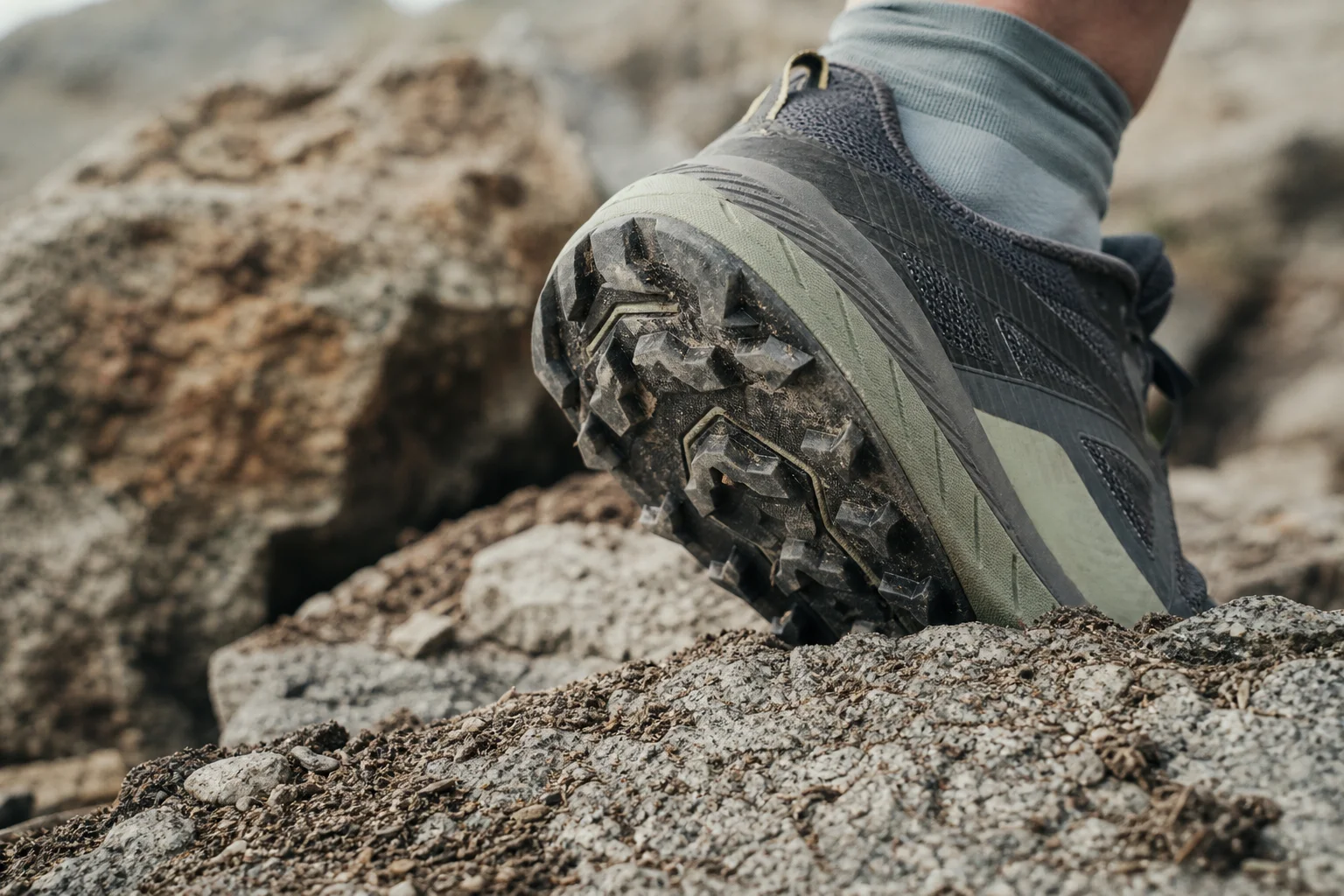
At 8.7 ounces, the Vectiv Sky 2 remains light while delivering ground protection through its carbon plate. The shoe suits runners comfortable with firm, responsive platforms and those prioritizing vertical racing or steep mountain courses. For runners recovering from injury or seeking softer platforms, the North Face Infinite 3 offers similar geometry with additional stack and a less aggressive feel.
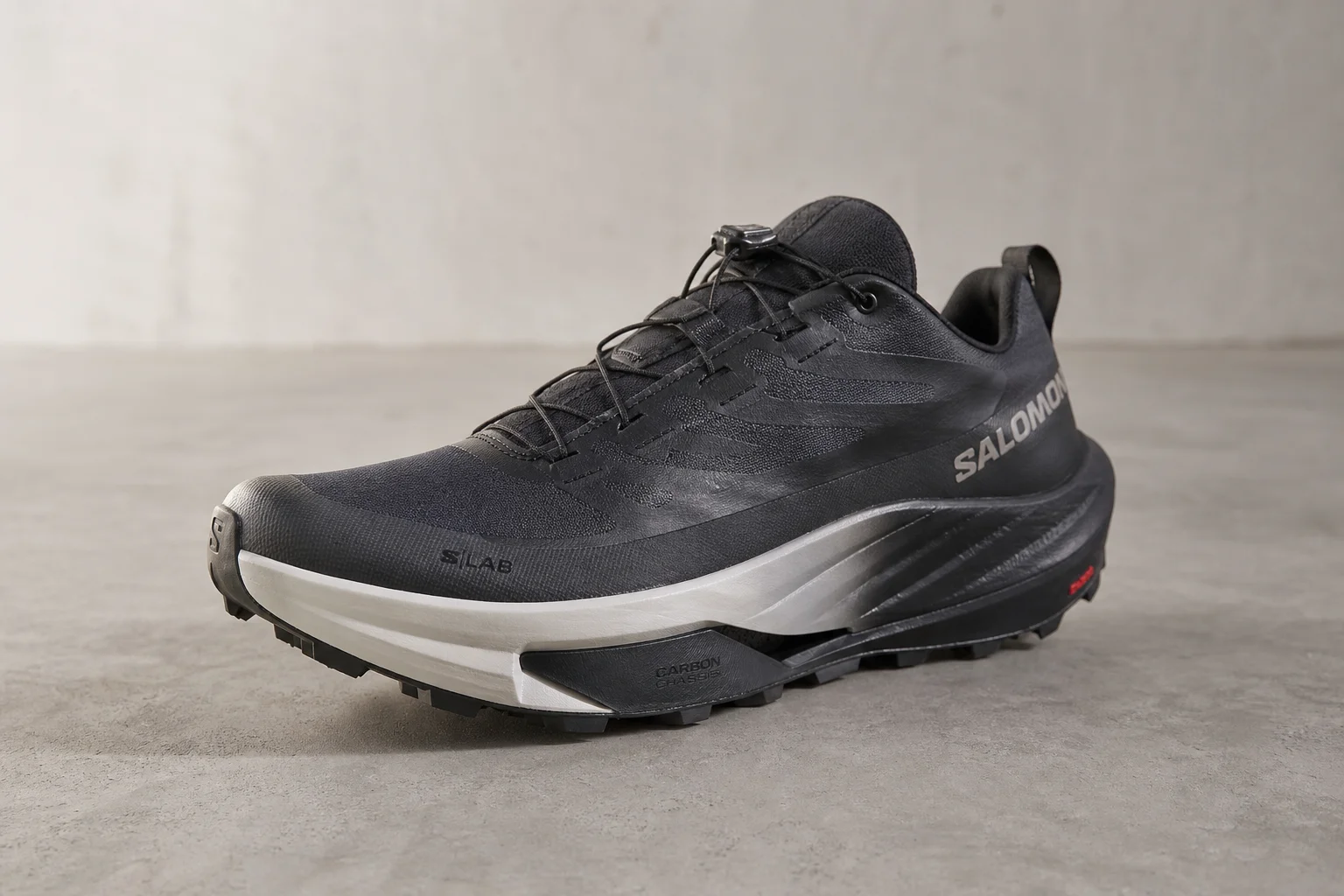
On Cloudultra Pro: Friendly Super Shoe for Ultras
The On Cloudultra Pro introduces a nylon-fiberglass plate (called a Speedboard) rather than traditional carbon, creating a more natural, less aggressive feel compared to bouncy carbon-plated alternatives. The shoe weighs 9.8 ounces (278 grams) with 39 millimeters of stack at the heel and 33 millimeters at the forefoot (six-millimeter drop).
The shallow rocker and gradual flex pattern create smooth rolling characteristics ideal for mid-to-ultra-distance racing. The shoe accommodates a half-size up for roomier fit, with a squared-off toe box that prevents pinching of smaller toes. The wide forefoot and generous overall volume suit runners seeking comfort without sacrificing performance.

For first-time 100-kilometer racers, the Cloudultra Pro offers cushioning and comfort advantages over the lighter Cloudultra 3, though both require adequate break-in before racing. The Pro’s softer feel and higher stack demand familiarity with high-cushion platforms to prevent ankle and knee strain on technical terrain.
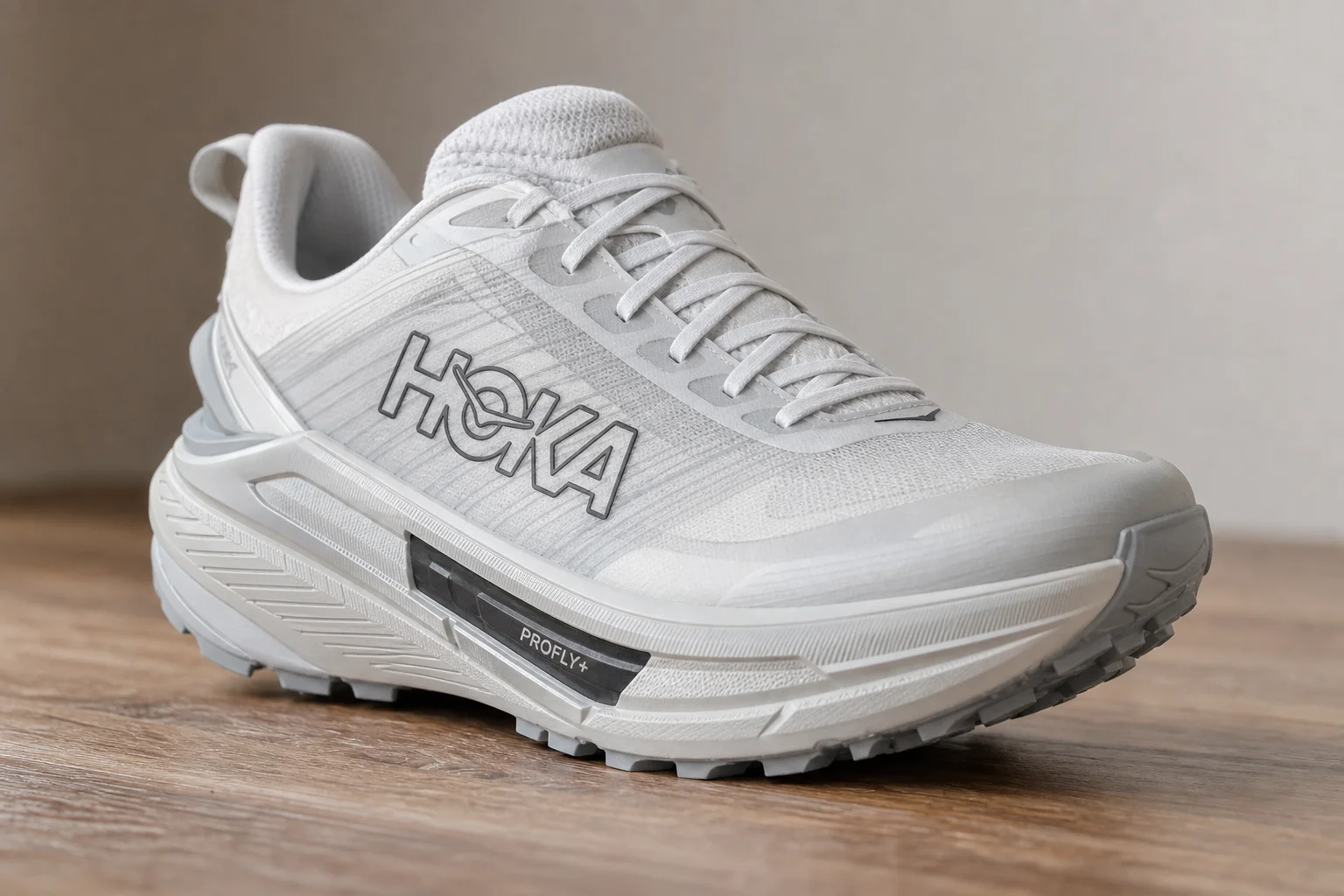
The Hoka Tecton X2: Proven Ultra-Distance Platform
The Hoka Tecton X2 combines proven ultra-distance performance with a refined platform that balances protection, stability, and efficiency. Weighing 9.7 ounces (276 grams), the shoe features a parallel carbon plate (two vertical plates not connected in the middle) that provides lateral flexibility for technical terrain while maintaining forward propulsion.
The shoe’s firmness sits between modern soft super shoes and older, stiffer designs, creating a stable platform without excessive softness that could cause fatigue. The Matryx upper provides secure lockdown without requiring excessive tension, allowing customized fit through lower-lace adjustment. The light-colored upper reduces heat absorption compared to dark finishes.
The Tecton X2 has proven itself across multiple 100-mile races and rough, rocky mountain terrain. Exposed midsole shows minimal abrasion despite technical courses, indicating excellent durability. The shoe suits runners seeking a sweet spot between cushioning, protection, and ground feel for moderate-to-technical ultra-distance racing.
Honorable Mentions and Alternatives
Several shoes merit consideration despite not making the top five list:
Mount to Coast T1: Nearly identical to the Prodigio Pro in flexibility and platform, but with slightly more medial support in the arch area. The T1 suits runners experiencing pronation, though the Prodigio Pro’s superior fit for many runners gives it the edge.
Salomon S/LAB Pulsar 4: A blended design combining elements of the Genesis and Pulsar lines, weighing 8.9 ounces (252 grams) with 34 millimeters of stack. The shoe features stability wings and a flat arch design suited for fast racing rather than longer distances. A full review is forthcoming.
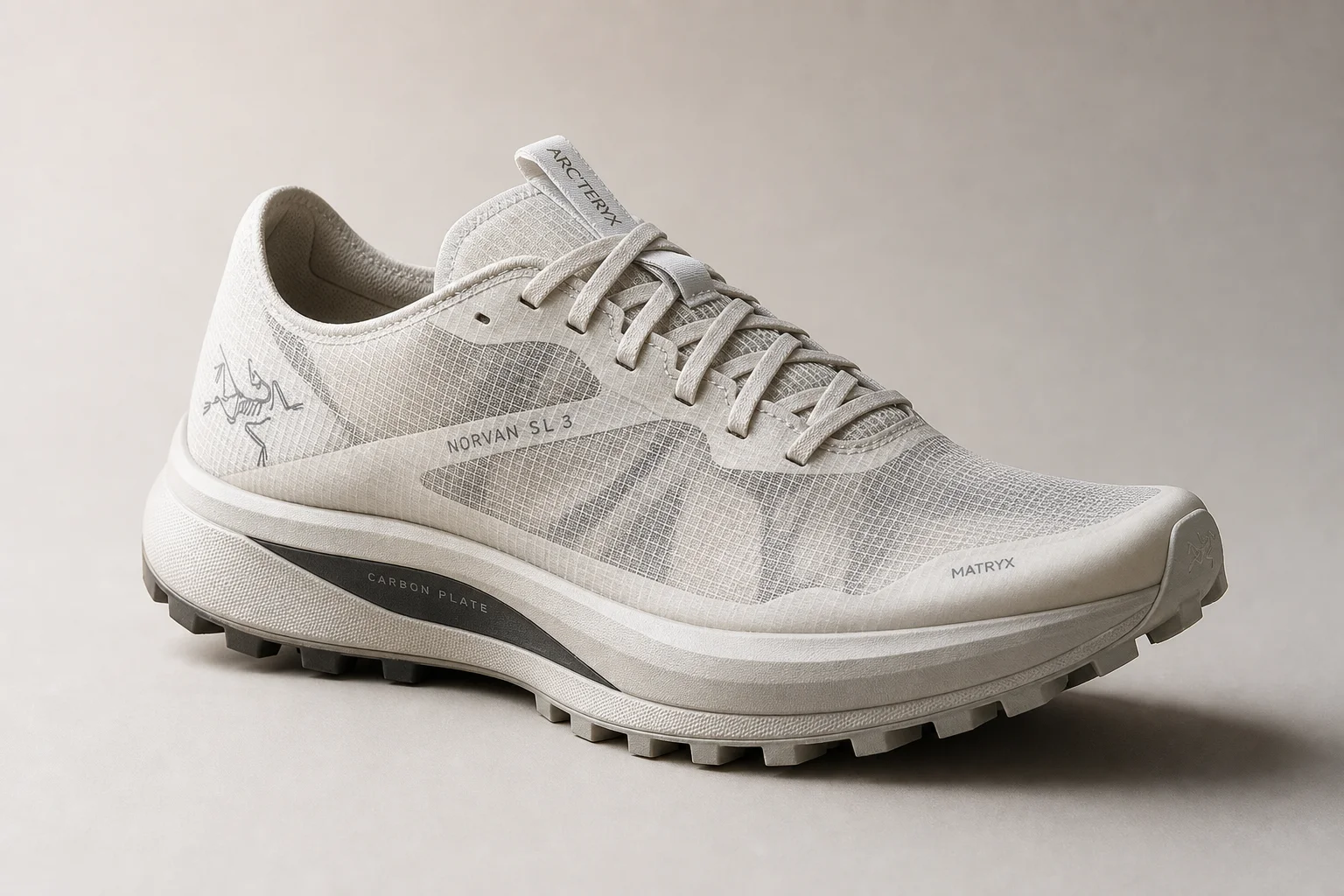
Arc’teryx Sylan Pro: A surprise performer featuring rocker design and firmness similar to the Tecton X2, without a carbon plate. The shoe handles technical mountain terrain well and may contend for best-of-year consideration.
Kailas Fuga EX Pro: An ultra-distance contender with critical TPU midsole and carbon plate, offering plush comfort with secure lockdown. Limited testing miles so far, but early results suggest potential for 100-mile racing.
The North Face Infinite 3: A versatile option with six-millimeter drop and more stack than the Vectiv Sky 2, suited for runners seeking firm platforms with less aggressive geometry.
Hoka Mafate 5: The most massive stack option, lighter and more energetic than the Mafate X. Suits runners prioritizing maximum cushioning for training and longer efforts.
VJ Ultra 3: A very soft midsole option with full-coverage rubber and rock plate, though the combination of softness and plate firmness may feel unstable for some runners.
Conclusion
Trail running shoe selection depends on distance, terrain, running style, and personal preference. The five shoes listed represent racing-focused options tested extensively through mid-2025. Each excels in specific scenarios, and numerous alternatives address different needs. Consider your primary running distance, terrain type, and injury history when evaluating options. Testing shoes before committing to long races ensures compatibility with your running form and foot structure.
Further reading
Related Reviews
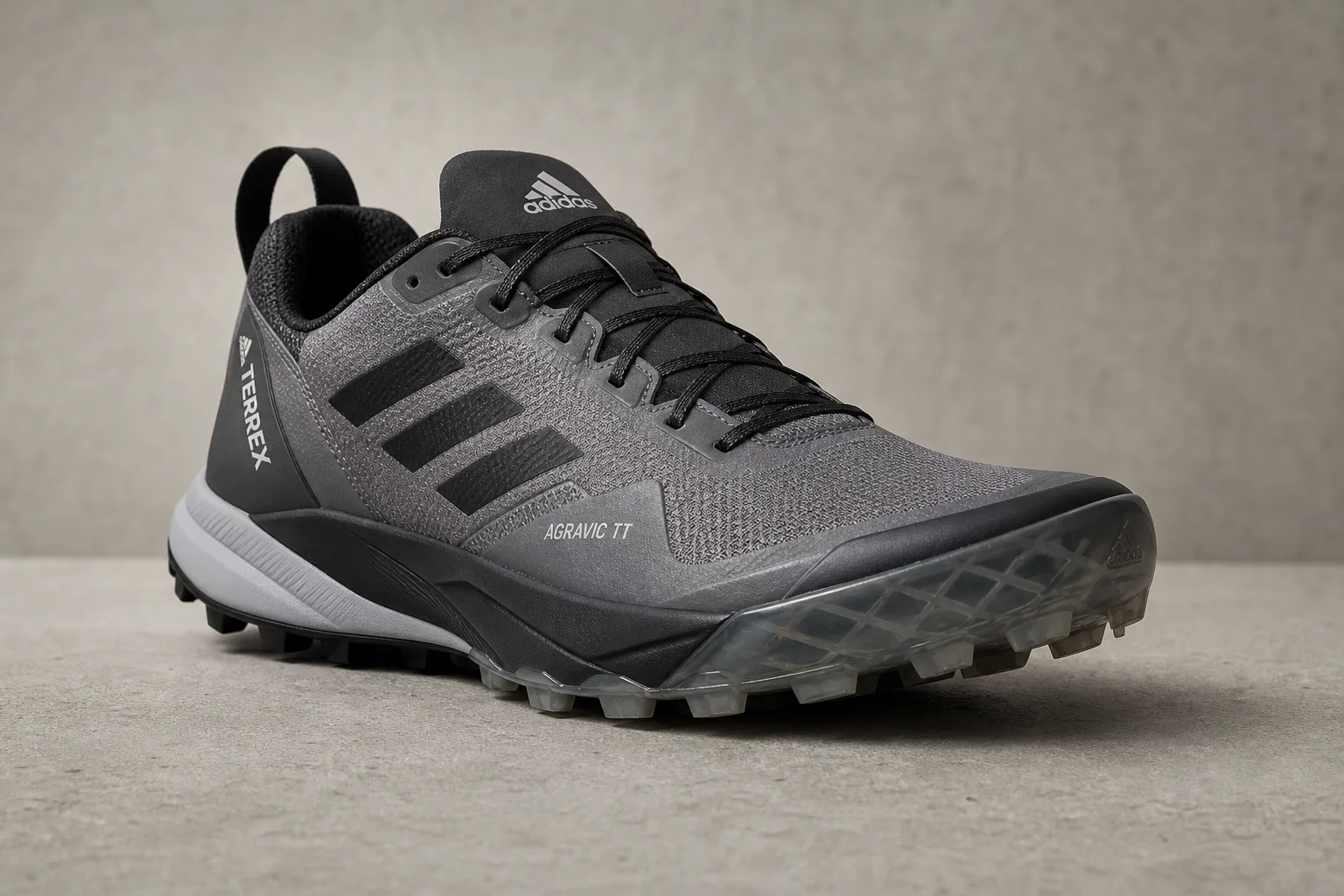
Trail Running Shoes
Adidas Terrex Agravic TT Review: A Technical Trail Shoe Built for Rocky Terrain
The Adidas Terrex Agravic TT combines a full-coverage rock plate with a firmer midsole to deliver protection and stability on technical, rocky trails. A capable choice for runners who prioritize underfoot defense over lightweight cushioning.
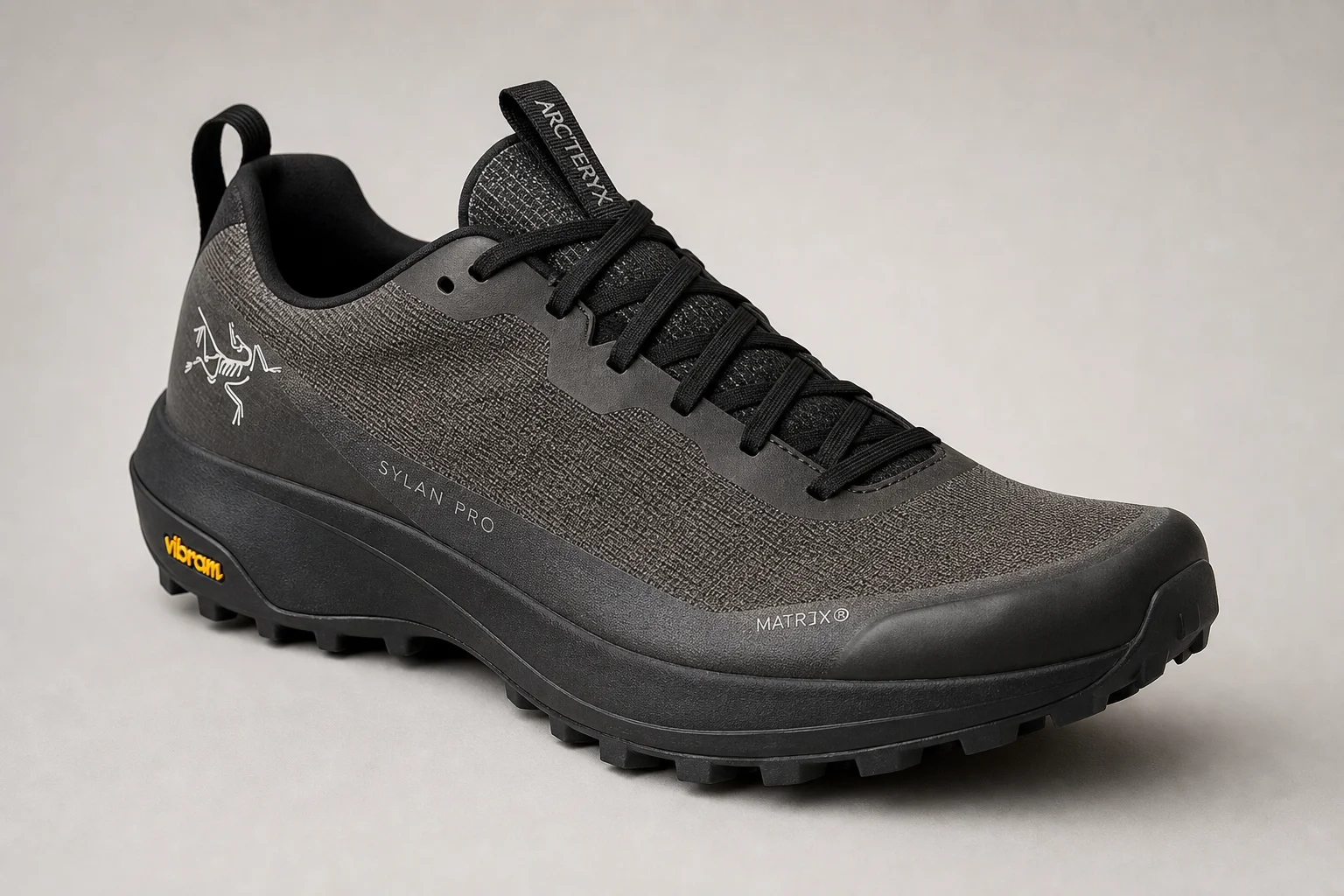
Trail Running Shoes
Arc'teryx Sylan Pro Review: A Rocker-Focused Mountain Running Shoe Tested on 20 Miles
The Arc'teryx Sylan Pro brings a pronounced rocker geometry and secure fit to mountain terrain. We tested it on a 20-mile Sawtooth loop to evaluate its climbing efficiency, protection, and handling of technical descents.
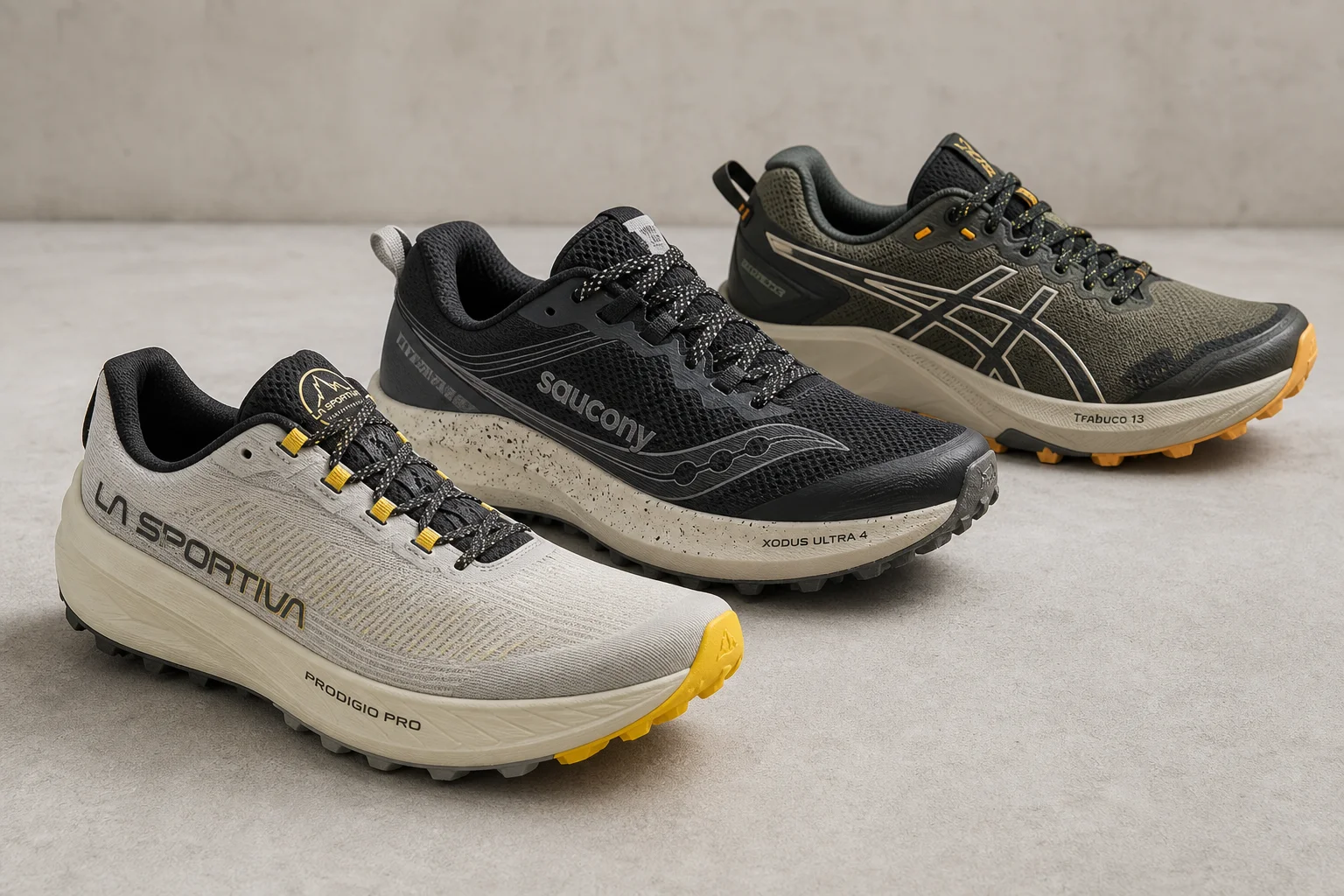
Trail Running Shoes
Best All-Mountain Trail Running Shoes: Three Versatile Options for Any Trail
A focused roundup of three all-mountain trail running shoes that handle technical terrain, long distances, and variable conditions with real strengths and practical trade-offs.