Running Shoes
Five Running Shoes That Earned a Spot in Our Rotation
A trail shoe, a do-it-all trainer, and three race-day performers: five running shoes that impressed us most, with honest strengths and trade-offs for each.
Introduction
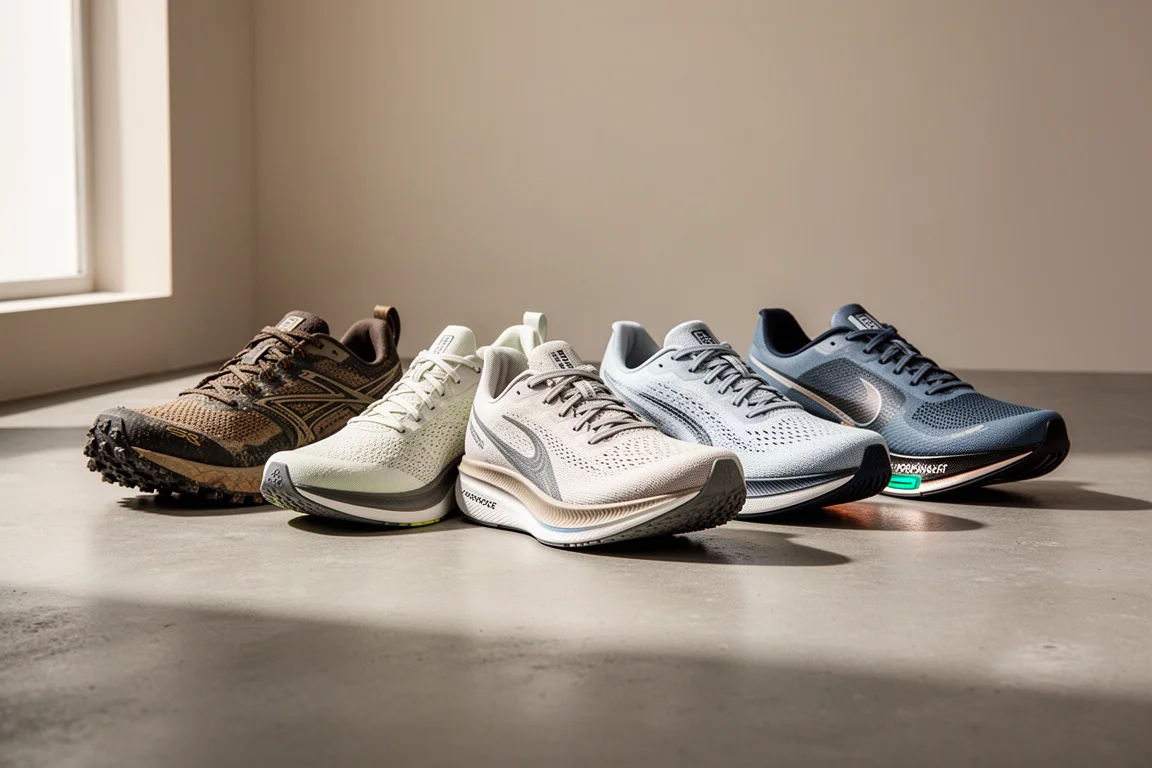
Every year a handful of shoes simply click. They earn their miles, survive the long runs, handle the workouts, and keep earning their place in the rotation. These five are the shoes that did exactly that for us this year, covering everything from technical trails to marathon racing. Each one has clear strengths, a few honest trade-offs, and a very specific kind of runner it suits best.
Best Trail Pick: Saucony Xodus Ultra 2
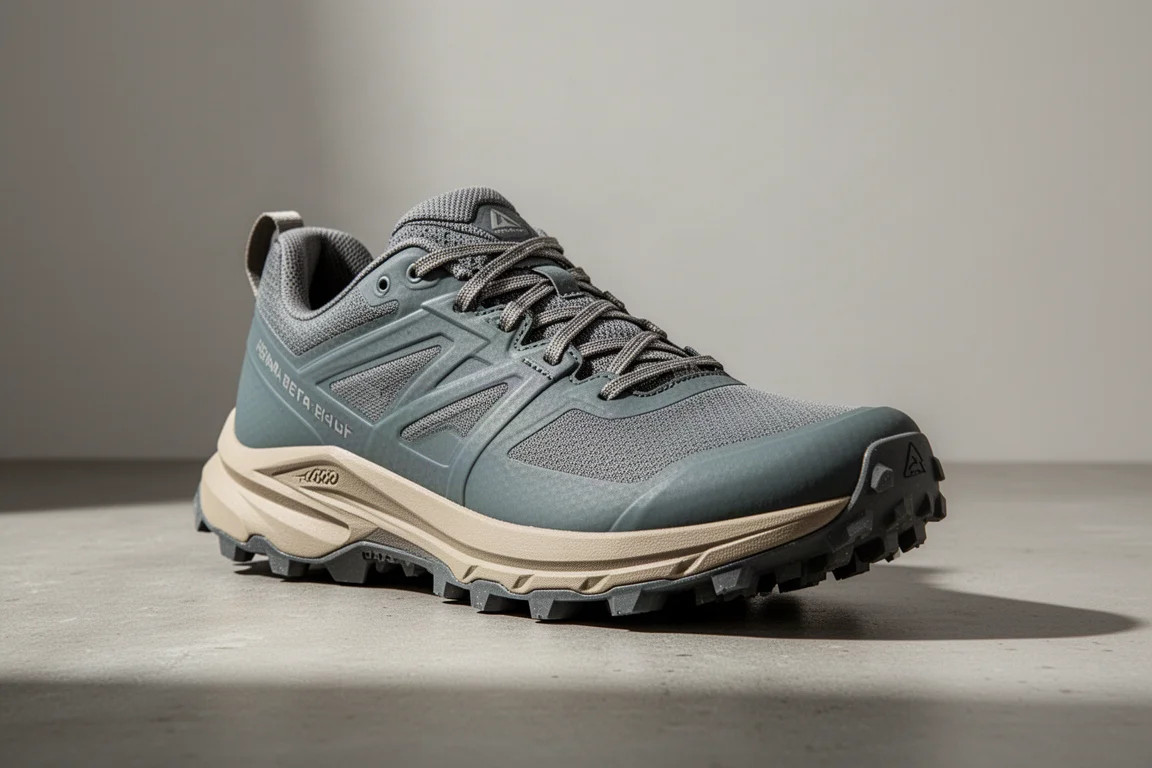
Trail running demands trust, and the Saucony Xodus Ultra 2 earned it run after run. The second version refines the fit noticeably compared to the original: there is a touch more room in the toe box, while the midfoot locks down more snugly, eliminating the slight sloppiness some runners felt in version one. Every step on technical trails felt confident and secure.

Underfoot, the PWRUN PB super foam sits inside a PWRUN frame, balancing responsive cushioning with genuine stability. That frame matters on trails, where an overly soft shoe can feel unsettled. The 4.5mm lugs deliver dependable traction on just about any surface, though they are not deep enough for really thick mud, where a shoe with six-plus millimeter lugs is the better tool.
At 9.6 ounces for men and 8.5 ounces for women, it is on the heavier side, but it is marketed as an ultra-distance shoe and that heft makes sense for long trail efforts. As a do-everything trail companion, it is a confident choice.
Best Race-Day Contender: On Cloudboom Echo 3
The Cloudboom Echo 3 is the kind of shoe that feels special from the first stride. It recalls the original Alphafly in the best way: a bouncy, immediately responsive sensation at initial contact, especially for runners who land on the lateral midfoot or forefoot. The feeling is a little more controlled than that classic, and a forefoot rocker pushes you cleanly into push-off.
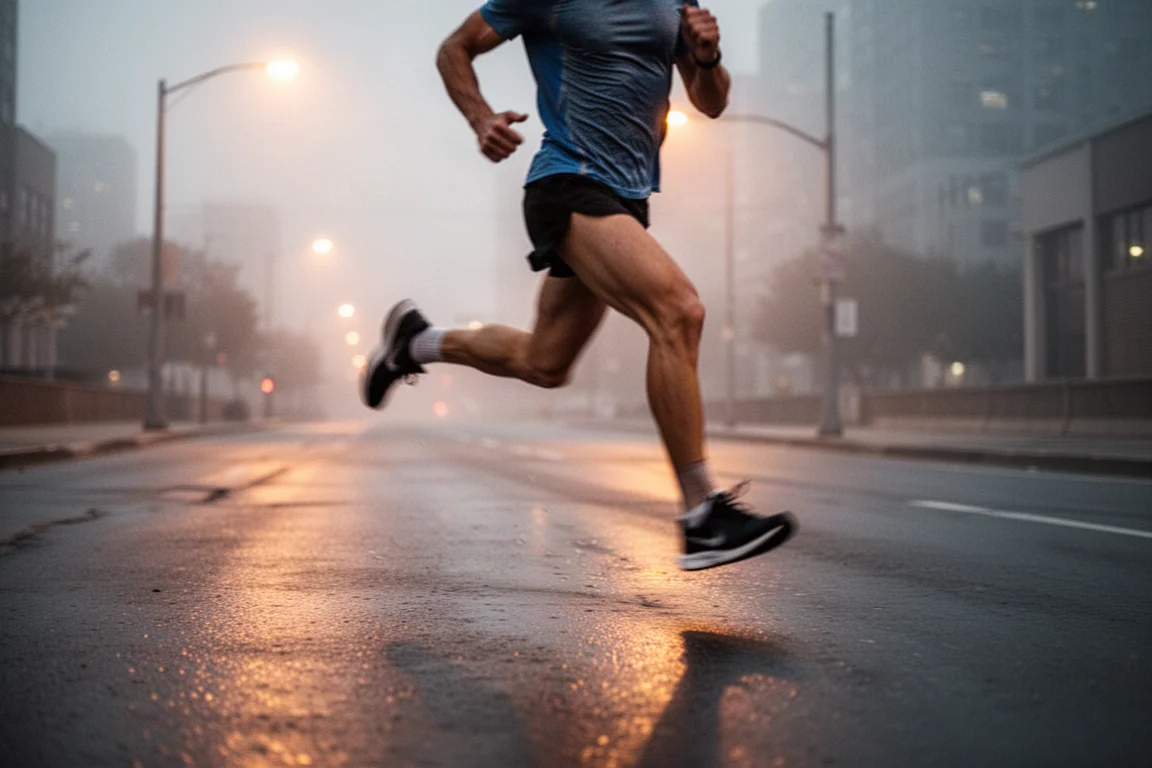
It has handled threshold intervals, 10K pace work, and hilly marathon-effort tempos with equal enthusiasm. Whether it has enough cushioning for a full marathon is still an open question, since it leans firm, but it looks like a strong pick for anything from half marathon down.
One practical note: it is an expensive shoe, listed at $290, which is $40 more than the Vaporfly at the Alphafly’s old price point. For runners who loved the original Alphafly, which is now hard to find in common sizes, that premium is easier to justify.
Best Versatile Super Foam Shoe: Topo Cyclone 2
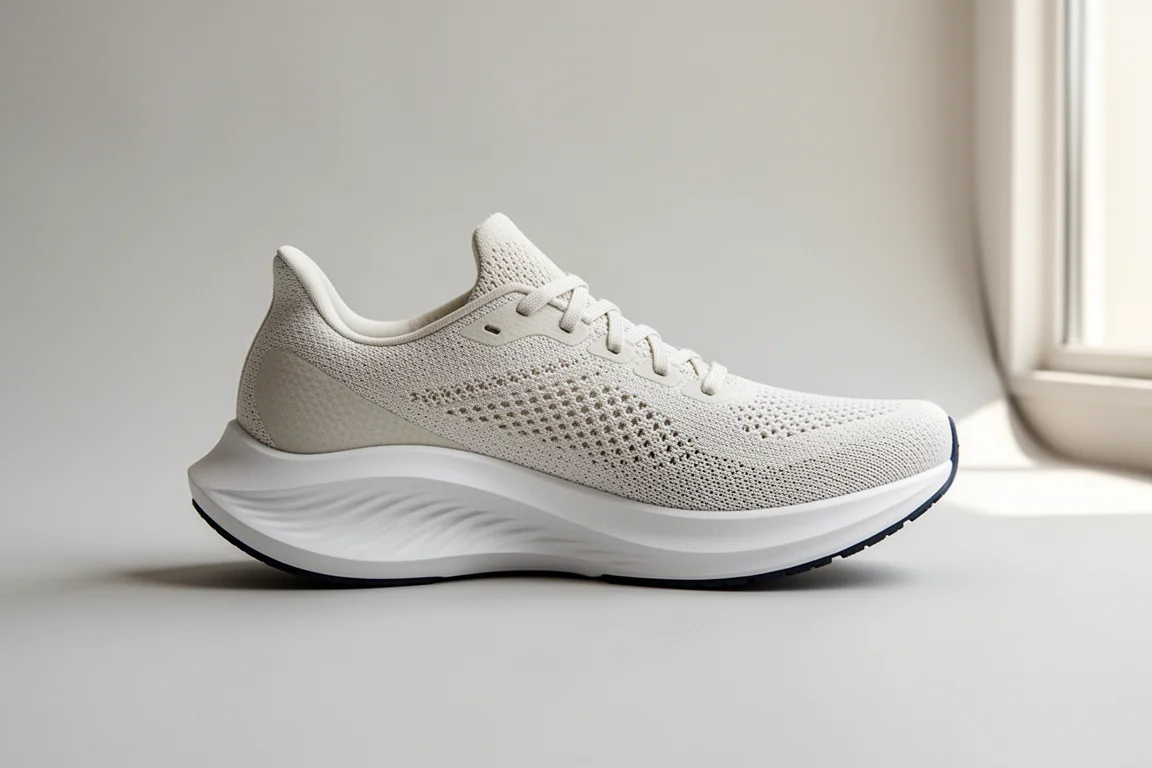
Few shoes get used for literally everything, but the Topo Cyclone 2 has. Easy runs, a 17-mile long run, interval workouts, hill sprints, marathon-effort tempos, even mile-pace track work: it has covered them all and kept asking for more. At 5.5 ounces for a women’s size 7, it is remarkably light, with a reasonable 27mm heel and 22mm forefoot stack over a super foam midsole.
What makes it stand out is Topo’s toe box, which is arguably the best in the business: wide enough to give the toes real room, without letting the foot slide around. Combined with the late toe spring and a nicely wide landing base, the shoe rolls smoothly into push-off while keeping some forefoot flexibility that keeps faster paces comfortable. Plenty of ground feel comes through too, since the stack is not overly tall.
After around 250 miles, the forefoot cushioning has started to feel a little flat, a reminder that light racing-style trainers do not last forever. Even so, this is one of the most complete everyday performance shoes of the year.
Best Do-It-All Trainer: Brooks Hyperion Max
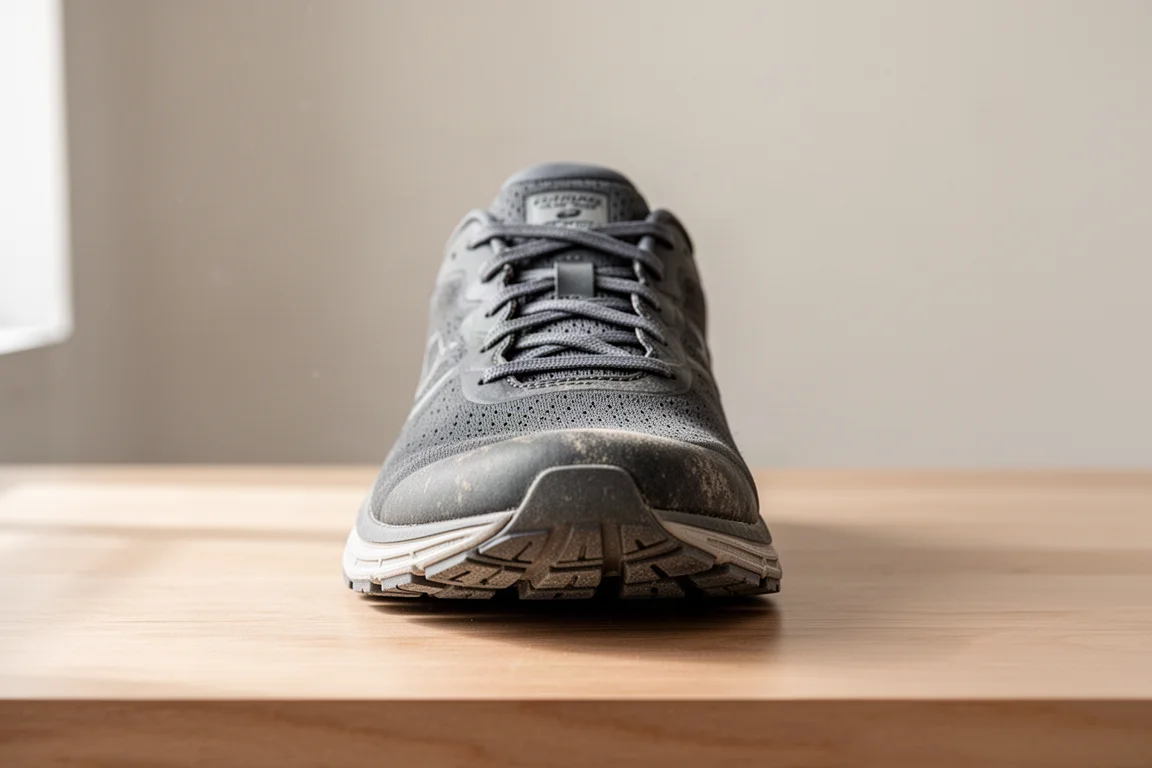
If travel is on the calendar and packing space is limited, the Hyperion Max is the one shoe to bring. It genuinely covers every run of the week, from 20-mile easy efforts where the feet feel protected and cushioned, to mile-pace intervals and longer marathon tempos. A slightly firmer ride plus rocker geometry, with a good heel bevel and forefoot rocker, means it responds to whatever pace you ask of it.
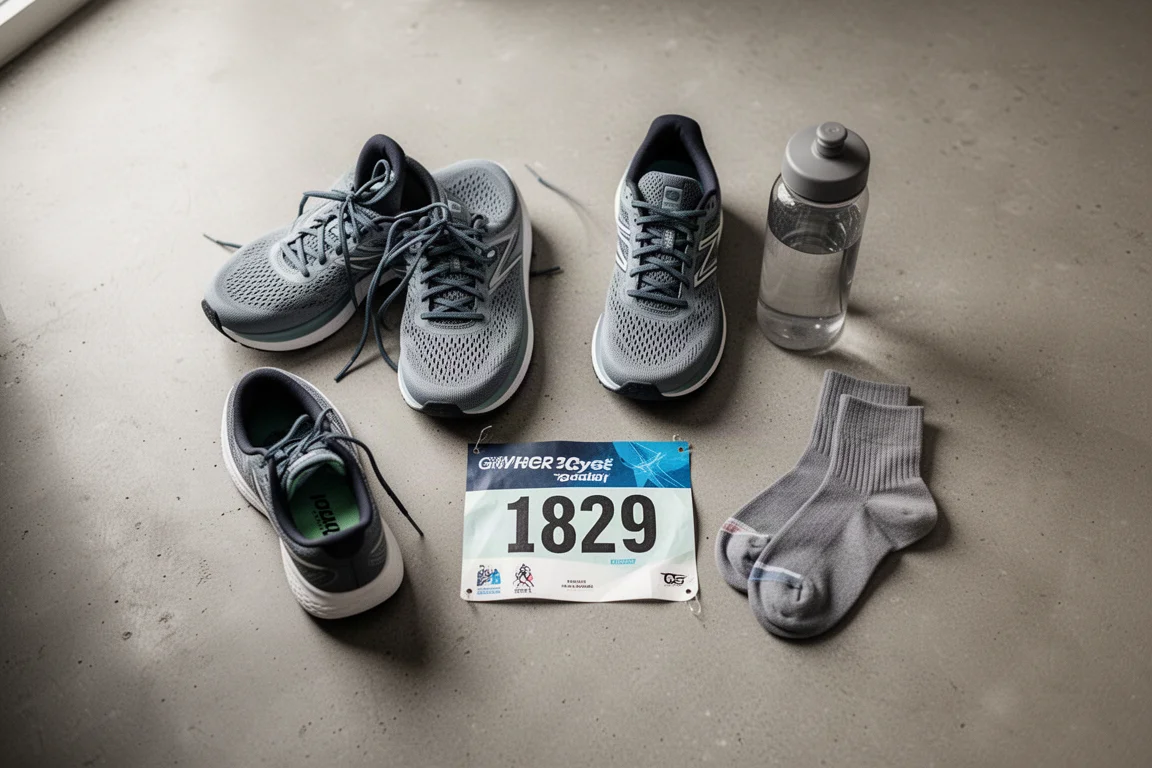
The weights are impressive for a training shoe: 7.5 ounces in a men’s size 9 and 6.7 ounces in a women’s size 8. Runners with wider forefeet should consider trying the men’s version for extra toe box room, and a wide version exists as well.
Durability tells an honest story. The outsole rubber wears exceptionally well, with broad coverage and reliable traction even in rain, and it could plausibly last 500 miles on rubber alone. However, the DNA Flash midsole compressed noticeably by about 300 miles, particularly in the midfoot landing zone. At $170, that trade-off is worth knowing about, but for many this shoe has become a dependable replacement for a beloved all-rounder like the New Balance Beacon.
Best Race Day Shoe: Nike Vaporfly 3
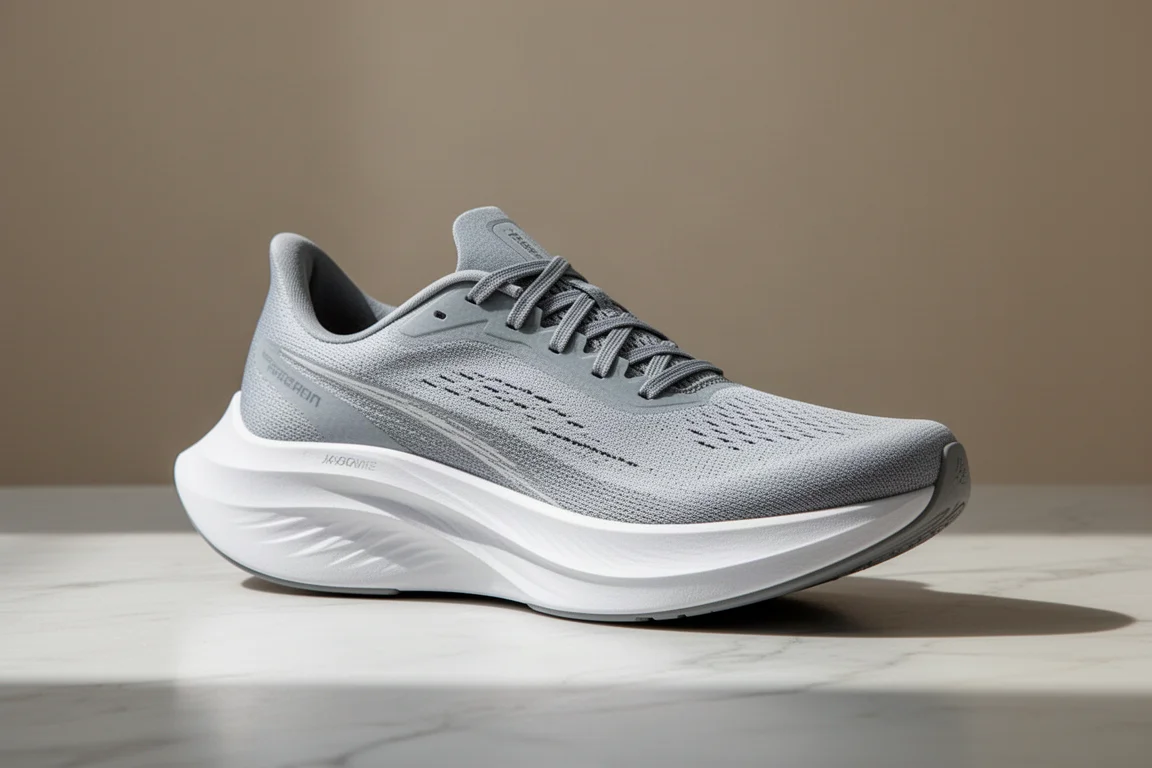
The Vaporfly 3 earns the top spot for one simple reason: it delivered a marathon with zero foot irritation during the race and felt fresh the day after. That kind of result speaks for itself. The key update in version three shifts the forefoot platform medially, and while that sounds worrying for lateral strikers, it actually made the forefoot feel more stable and more directly underfoot from contact through push-off.
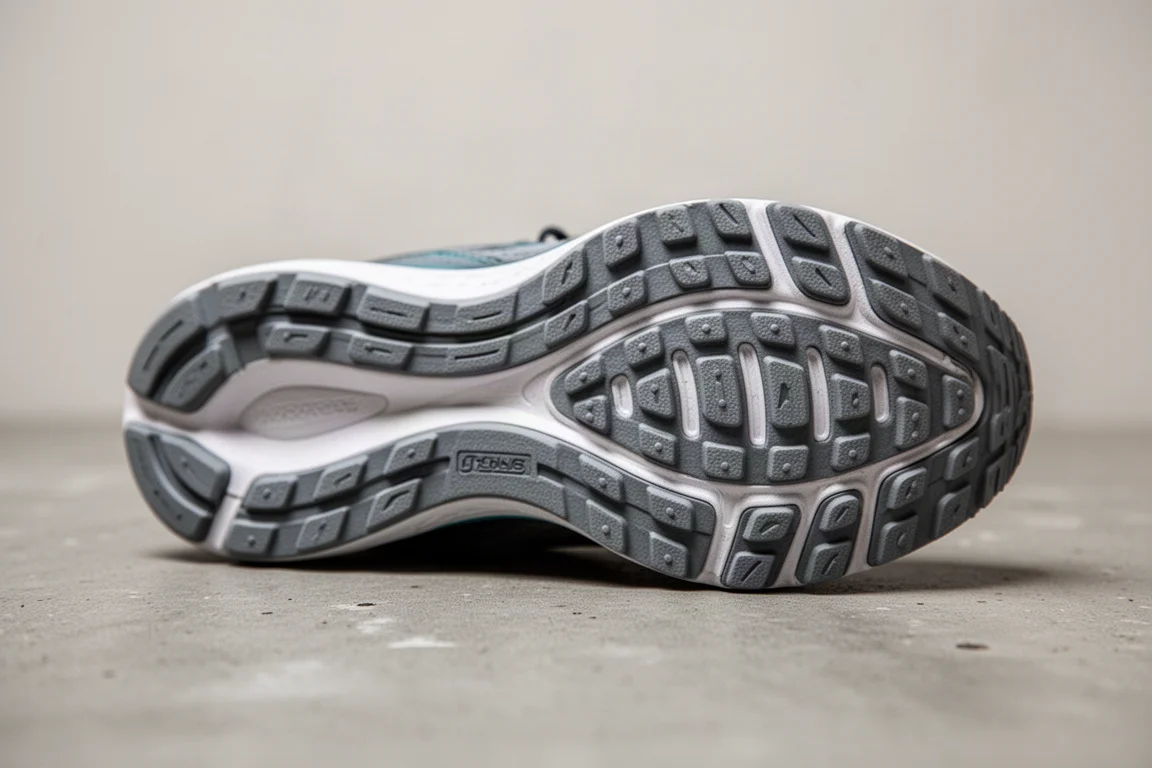
The new Flyknit upper is far more breathable than previous versions, with noticeably larger perforations and a bit more volume in the toe box. Unlike versions one and two, no half-size-up was needed: this one runs true to size. The familiar asymmetrical lacing caused no hot spots.
Ride character has changed too. This version feels firmer, without the sinking sensation at initial contact that earlier Vaporflys had, so landings feel immediately responsive and a touch more stable. At 5.6 ounces for a women’s size 8, it is lighter than its predecessors even with more outsole rubber, and the sole shows little wear after 100 miles, suggesting there is life left for another marathon cycle.
Buying Advice: Which One Fits Your Running
Pick the Saucony Xodus Ultra 2 if trails are part of your week and you want security on technical ground. Choose the On Cloudboom Echo 3 for fast race days up to the half marathon if you land midfoot or forefoot and the price fits your budget. The Topo Cyclone 2 suits runners who want one light shoe for nearly every pace. The Brooks Hyperion Max is the dependable single-shoe rotation for easy miles and workouts alike. And for marathon racing specifically, the Nike Vaporfly 3 is the clear headline act.
Conclusion
Five shoes, five very different jobs, and all of them done well. The best choice is the one that matches the running you actually do: trails, tempo days, all-round mileage, or a race-day target. Match the shoe to the mission, and each of these has plenty to offer.
Further reading
Related Reviews

Running Shoes
Best Road-to-Trail Running Shoes: Three Versatile Options for Mixed Terrain
A practical guide to three road-to-trail running shoes that handle both pavement and mild trails, with clear strengths and trade-offs for different runner types.

Running Shoes
Best Running Shoes for Achilles Tendonitis: Three Options Explained
Three running shoes with different heel drops and support features designed to help reduce Achilles tendon pain during walking and running.

Running Shoes
Best Running Shoes for Women: Five Top Choices Ranked
A ranked guide to five women's running shoes, from versatile daily trainers to high-performance racing options, with real strengths and trade-offs for each.