Art Supplies
Top 5 Artist Grade Colored Pencils: A Practical Ranked Guide
Five artist grade colored pencil sets ranked for real studio use, with a close look at lightfastness grading and what it actually means for your artwork.
Introduction
Ranking colored pencils is always personal, but this list has a clear filter behind it. Every pencil here falls into what I think of as artist grade: pencils graded under either the Blue Wool system or the American ASTM lightfastness standard. That matters if you sell commissions, enter competitions, or hang finished pieces in galleries, because lightfastness tells you how your pigments will hold up over years rather than months.
Plenty of excellent pencils sit outside this list because they are only graded in-house by their manufacturers. Those I would call artist quality rather than artist grade, and they deserve their own discussion. This list sticks to pencils with independent or openly published lightfastness standing.
What Artist Grade Actually Means
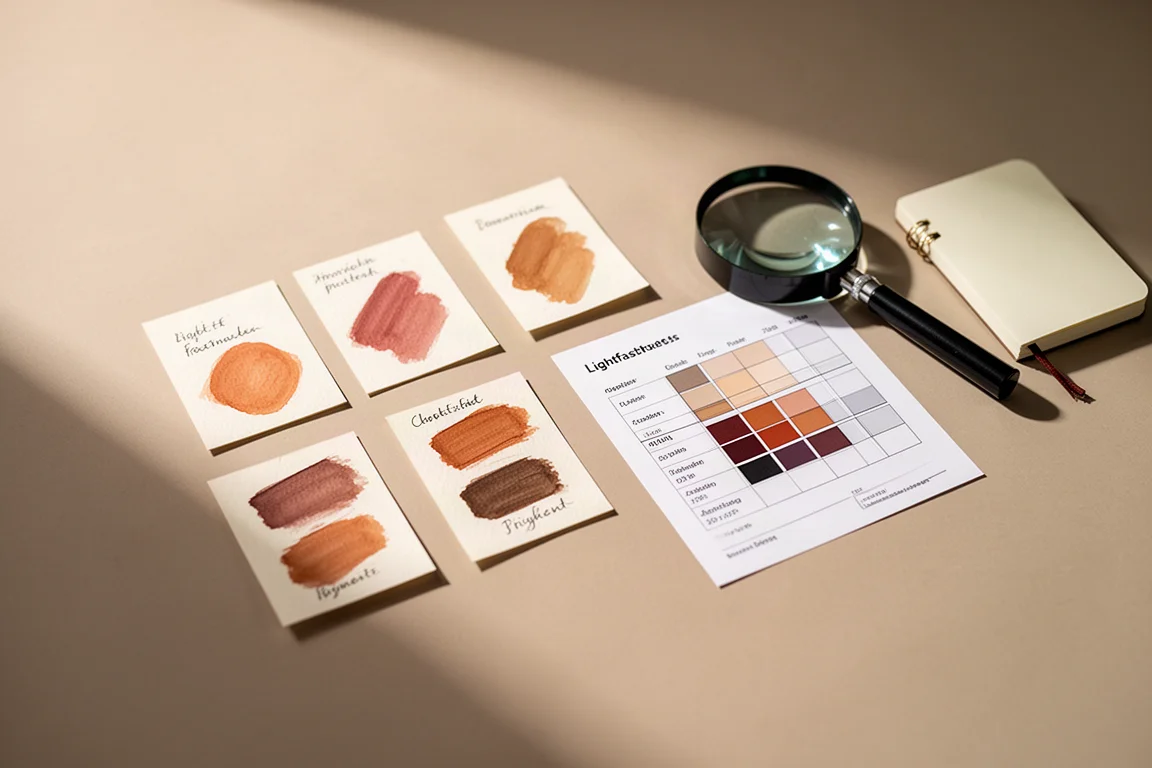
Lightfastness testing is not an exact science, and the testing bodies themselves acknowledge that. Countless variables affect how a pigment fades: the type of window glass, real-world light exposure, and more. Two Blue Wool scales also exist: the British system runs from 1 to 8, while the American version runs from 2 to 9, which can cause confusion when comparing ratings.
On the British Blue Wool scale, grades 7 and 8 sit in a category of their own for lightfastness. Grade 6 is very good, with pigments expected to last roughly 50 to 100 years. Grades 4 and 5 are fair, at around 15 to 50 years. Grades 2 and 3 are poor, roughly 2 to 15 years, and grade 1 means about two years or less. Keeping those ranges in mind makes the rankings below easier to judge, especially where one manufacturer’s star system spans two very different grades.
Number 5: Royal Talens Van Gogh Colored Pencils
The Van Gogh line is easy to overlook, which is a shame because it holds a solid lightfast standing under the ASTM standard. The pencils come in a range of set sizes, including 12, 24, 38 and 60, and they are available open stock, which is a real advantage if you need to replace individual colors for commission work.
The ASTM grading makes the published ratings straightforward to follow. For a pencil that many artists skip past, it earns its place here on reliability and availability rather than hype.
Number 4: Derwent Drawing Pencils
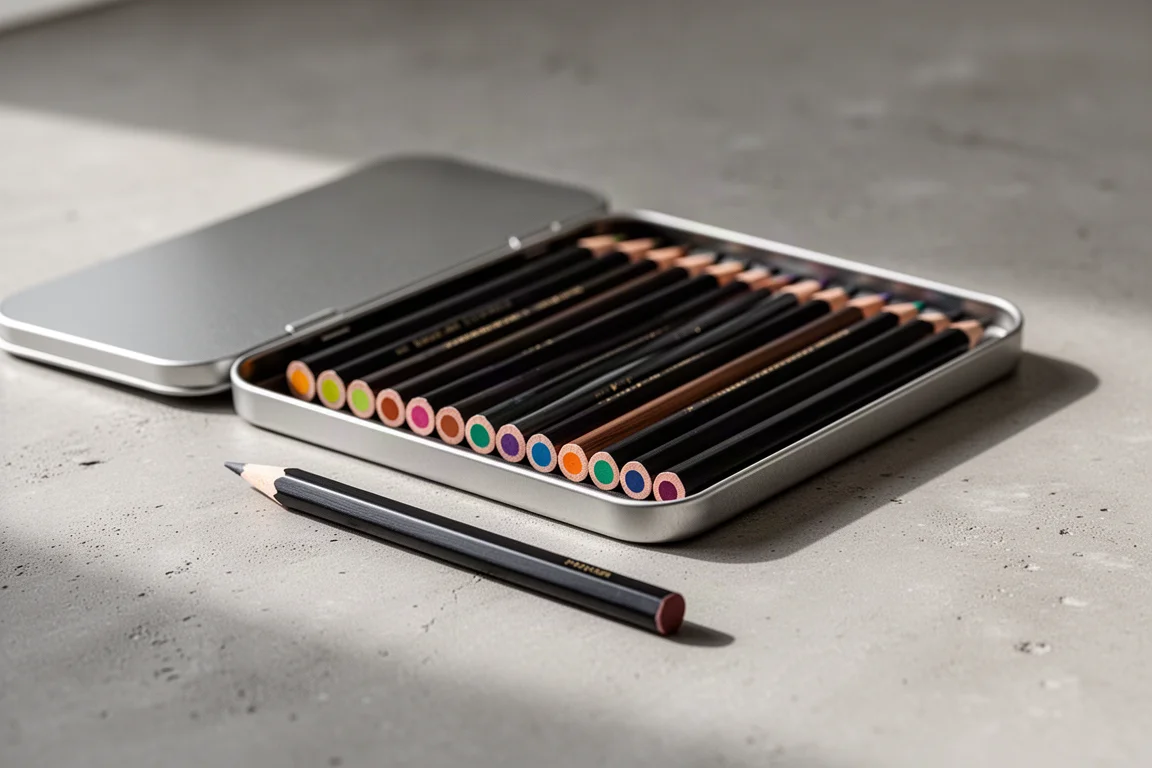
The Derwent Drawing line is a 24-color set, and the vast majority of the pencils are Blue Wool graded with strong lightfastness ratings. Very few shades in the set sit at the low end of the scale.
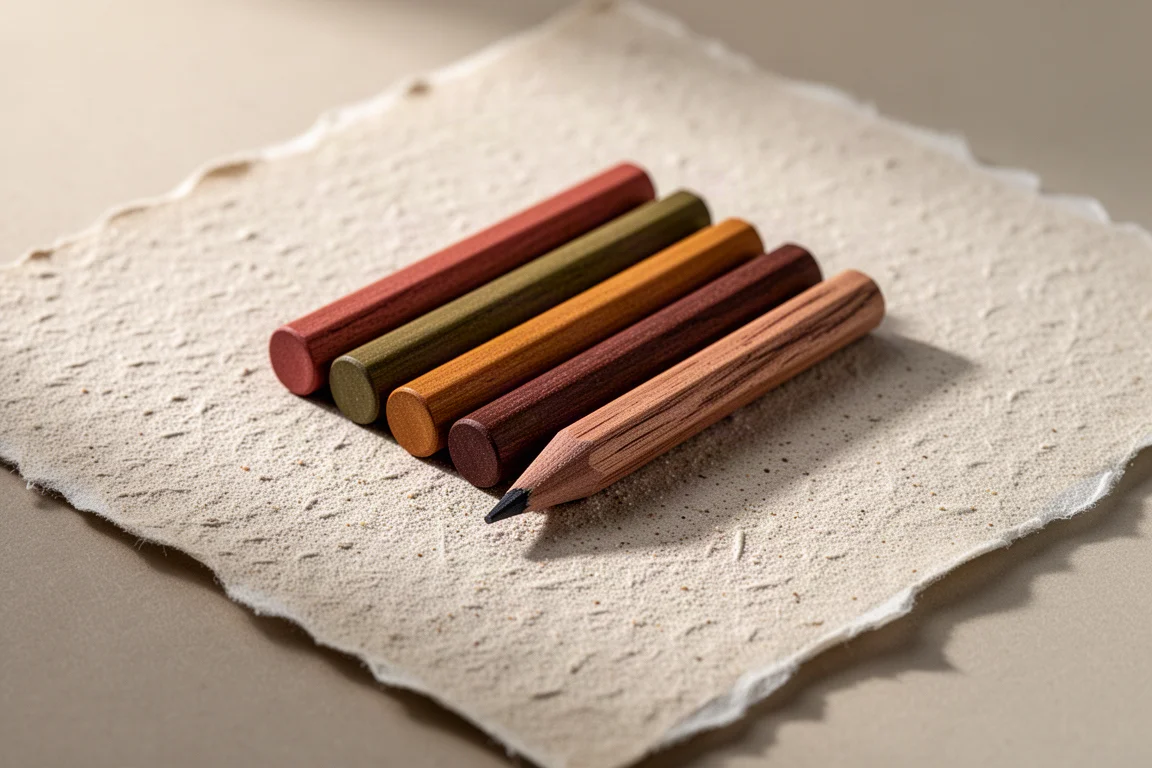
The core is remarkably creamy. The ingredient list is mostly wax, but the specific wax blend gives the pencils an almost oily consistency, closer in feel to an oil pastel than a typical wax pencil. On the right paper, such as a pastel mat or a sanded archival paper, you can build heavy layers, and the finished surface can look strikingly like an oil painting.
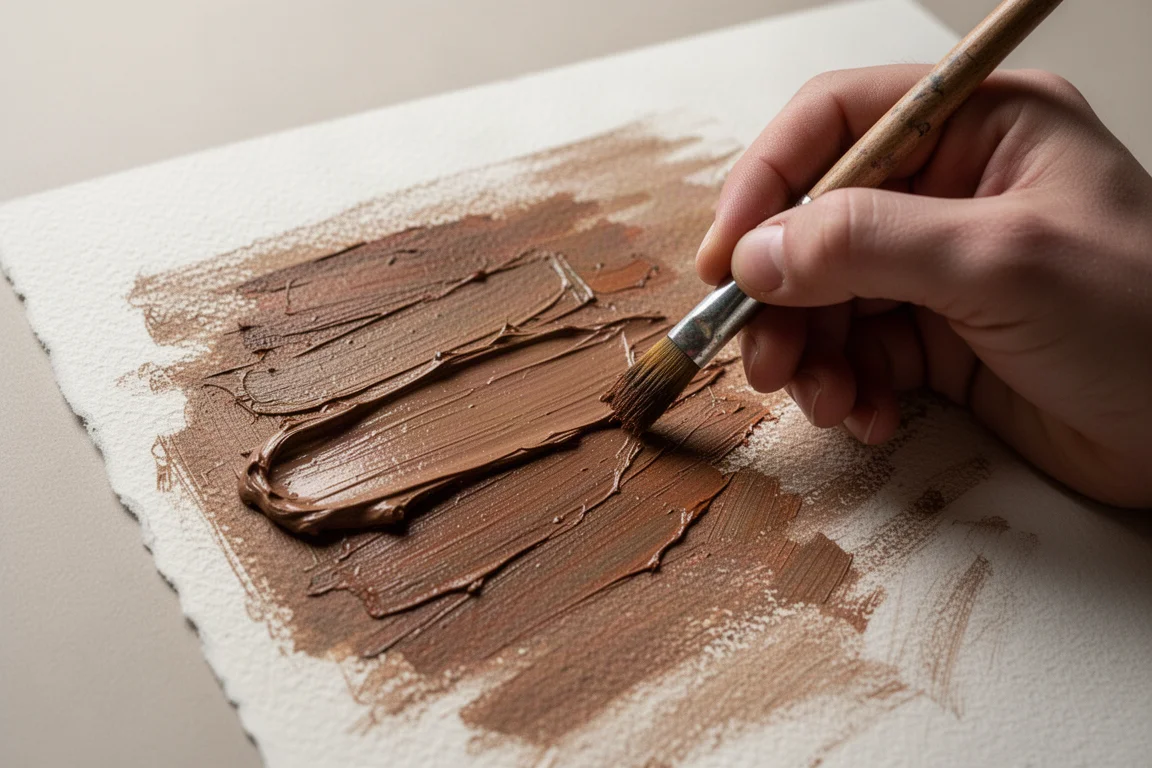
These are specialized pencils rather than an all-round set, but for textured, painterly work they are genuinely distinctive.
Number 3: Faber-Castell Polychromos
The Polychromos are a joy to use. They sharpen to a beautiful point, hold that point well, and sit somewhere between medium and hard in core feel. They layer and blend beautifully, especially on the right paper.
The controversy is the grading. Faber-Castell publishes lightfastness using its own star system mapped to Blue Wool: three stars supposedly equals grades 7 and 8, two stars equals grades 5 and 6, and one star equals grades 3 and 4. The problem is that grades 5 and 6 cover two different Blue Wool categories, spanning anywhere from 15 to 100 years of expected life, and grades 3 and 4 have the same issue. A two-star pencil could theoretically last only 15 years, and the mapping cannot tell you which. In my view, two stars should correspond to grade 6 alone, and one star to grades 4 and 5, with the ranges kept tighter.
It is worth knowing that companies can purchase Blue Wool testing equipment and grade in-house, and the Blue Wool organization considers in-house results as legitimate, on the reasoning that no company is likely to fudge ratings that could come back on them. Whether you fully trust that is up to you. Despite the grading quibble, the Polychromos remain exceptional pencils, which is why they hold third place.

Number 2 and Number 1: Derwent Lightfast and Caran d’Ache Luminance
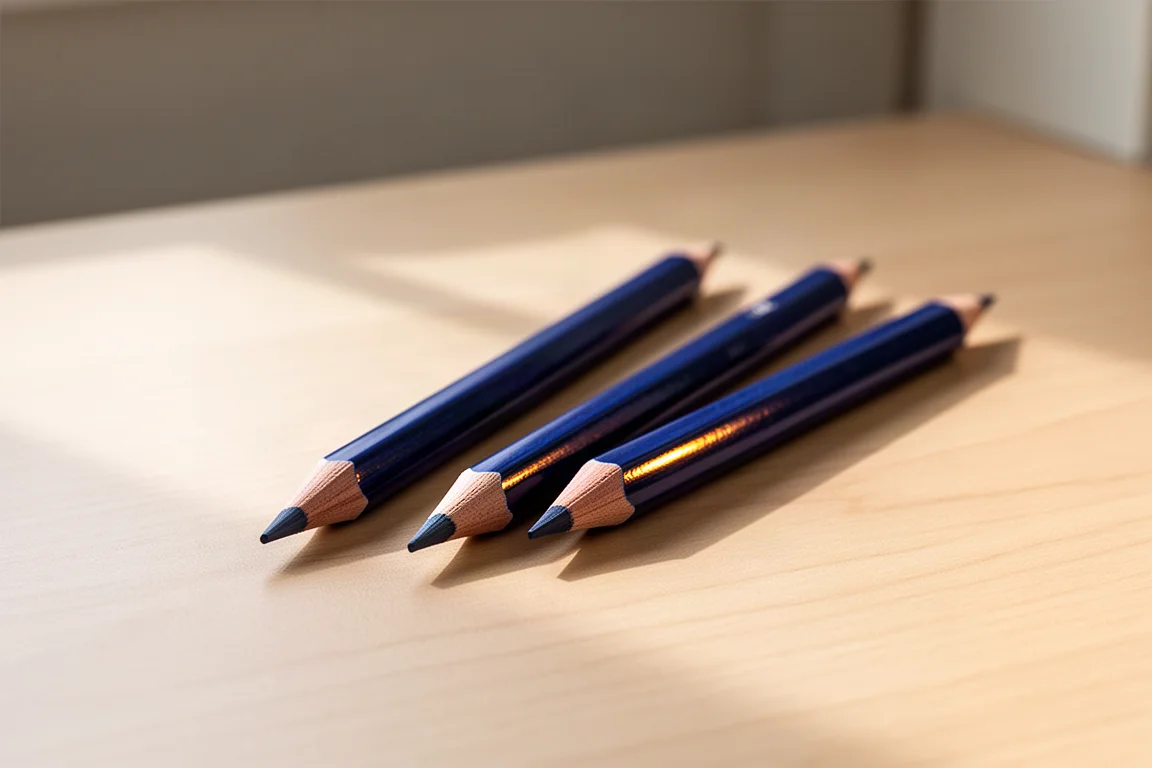
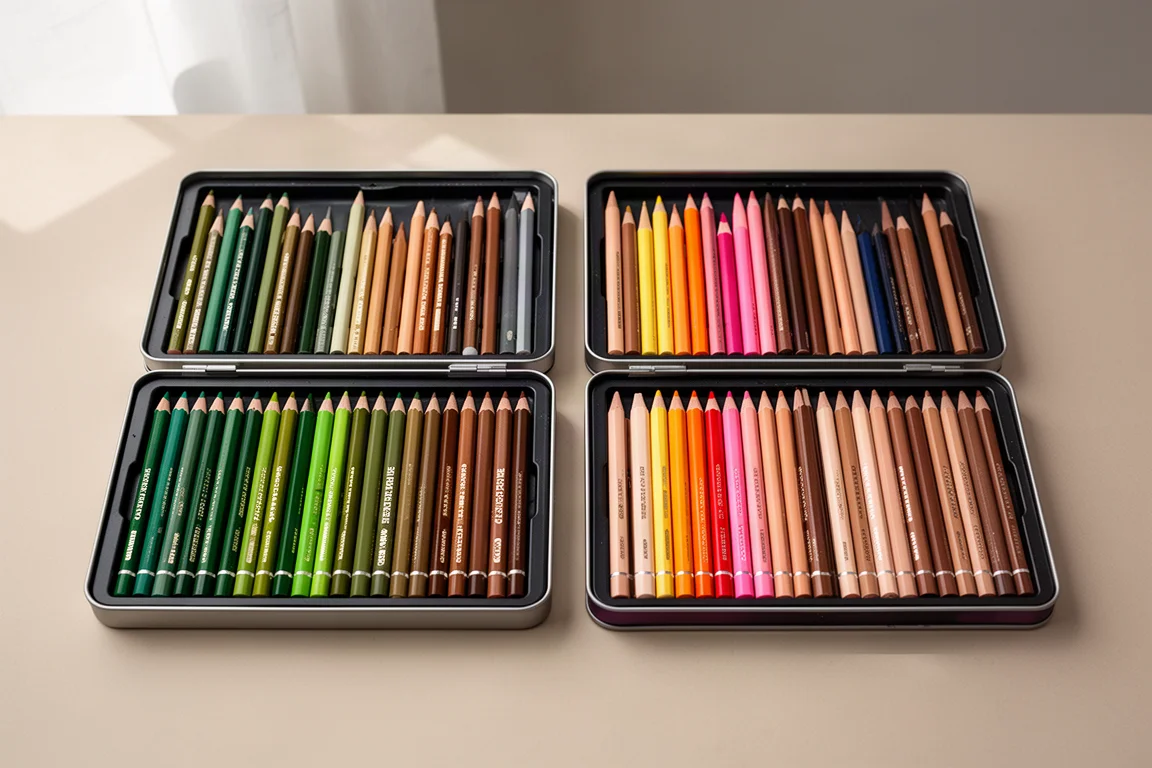
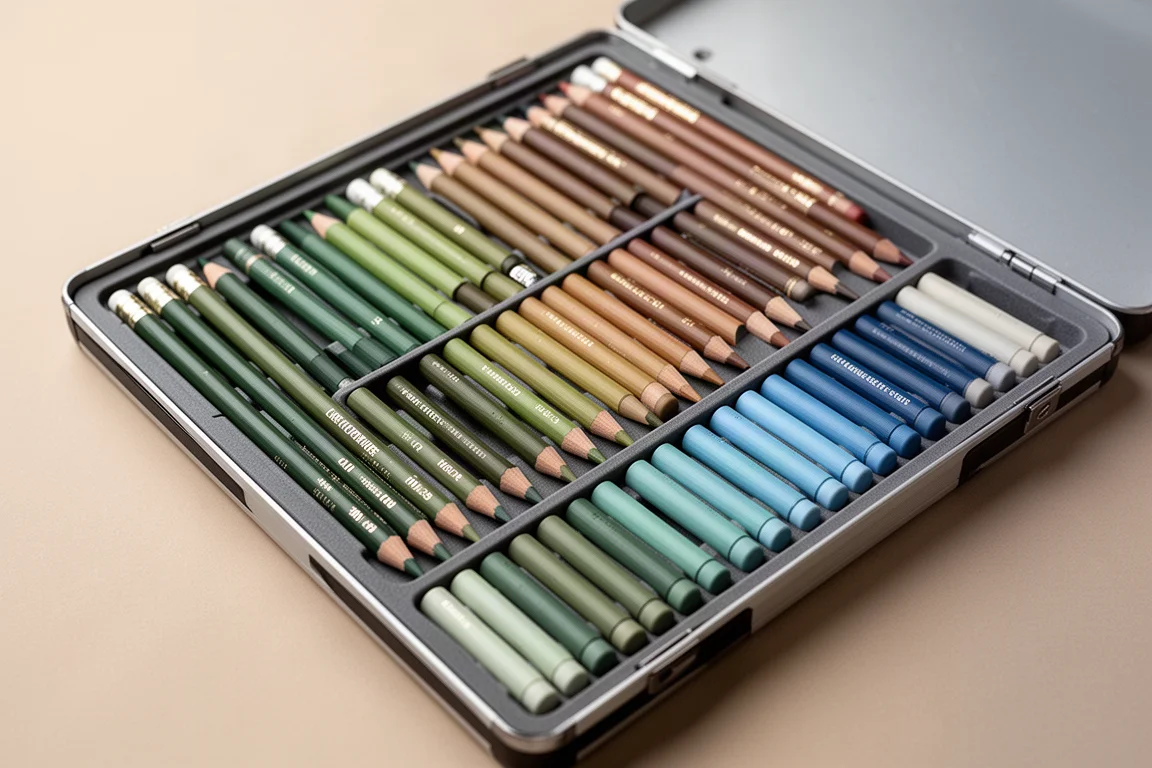
The Derwent Lightfast 100 set is a gorgeous range, and when I look at the full swatch I immediately see it suited to landscape and botanical work. The greens and earth tones are stunning. There are fewer colors geared toward portraiture, though you can certainly do portrait work with the set if you plan your palette.
Coming in at number one is the Caran d’Ache Luminance, and the reason comes down to the core. The Luminance core is slightly softer, and I find the layering and blending better. It also delivers more vibrancy, with plenty of bright colors for fan art and similar work. The 100 set is built for portraiture, with rich skin tones represented across the full range.
These two sets are not rivals so much as complements. If you can afford both 100 sets, you would be set up for virtually any subject. They layer and blend together without issues despite their different core consistencies. Add a 120 set of Polychromos to that mix and you would have, in my opinion, the three strongest colored pencil ranges in the world.
Buying Advice
If you do commissions, gallery pieces, or competition work and can afford it, the Luminance and Lightfast 100 sets together cover nearly any subject you could want. The Polychromos add depth to that collection, but they make sense even on their own for artists who want a sharp point, firm core, and wide color choice.
If you are starting out, the Van Gogh line offers ASTM-graded lightfastness and open stock availability at a more accessible level, while the Derwent Drawing set is a niche but rewarding addition for painterly, layered work on textured paper.
Conclusion
This list reflects one artist’s opinion after years of working mainly with colored pencils, not a definitive verdict. The right set is the one that matches your subjects, your paper, and your budget. Whichever route you take, understanding the lightfastness grading behind your pencils is one of the most practical things you can do to protect your finished work.
Further reading
Related Reviews
Art Supplies
Art Pop Watercolor Pencils 48-Color Set: A Thoughtfully Designed Student-Grade Option
The Art Pop 48-color watercolor pencil set blends well, dissolves smoothly, and includes artist-friendly details like barrel-printed color names, all at an affordable price.
Art Supplies
Artics Acrylic Markers 3mm Review: Versatile Paint Markers With a Few Caveats
A 48-color set of water-based acrylic paint markers that blend while wet, dry permanent, and keep the price low, though safety transparency remains a question.
Art Supplies
Best Art Supplies Worth Your Money: Pencils, Pens, Paints, and Paper That Earned Their Spot
After years of daily use and testing, these are the pencils, pens, watercolors, gouache, brushes, sketchbooks, and erasers that stand above the rest.