Fountain Pens
Tom's Studio Studio Fountain Pen Review: A Quiet Design with a Standout Nib
A metal-bodied cartridge converter fountain pen from a young UK brand, held up by one of the best architect grind nibs we have tested.
Introduction
Tom’s Studio is a young pen company based in Dorset, UK, an area known for the Jurassic Coast. There really is a Tom behind the brand: he started out making dip pens from resin and brass on a 1960s engineering lathe, eventually leaving his job as a graphic designer in 2020 to manufacture pens full-time. The company leans into the calligraphy space but also offers a couple of fountain pens, and the Studio Fountain Pen is one of them. What makes it worth a closer look is not the overall design, which is pleasantly understated, but the nib, which turned out to be one of the most enjoyable we have tested in a long while.
First Impressions and Design
The pen arrives in a box with a graphic sleeve that slides off. Inside that sleeve, unusually, is the use and care guide printed on the reverse. It is a creative use of packaging real estate, though slightly too hidden: you could easily miss it entirely. A small indication on the outside that documentation is inside would help. The pen itself comes in a plastic sleeve that unfolds to reveal some graphics and marketing material.
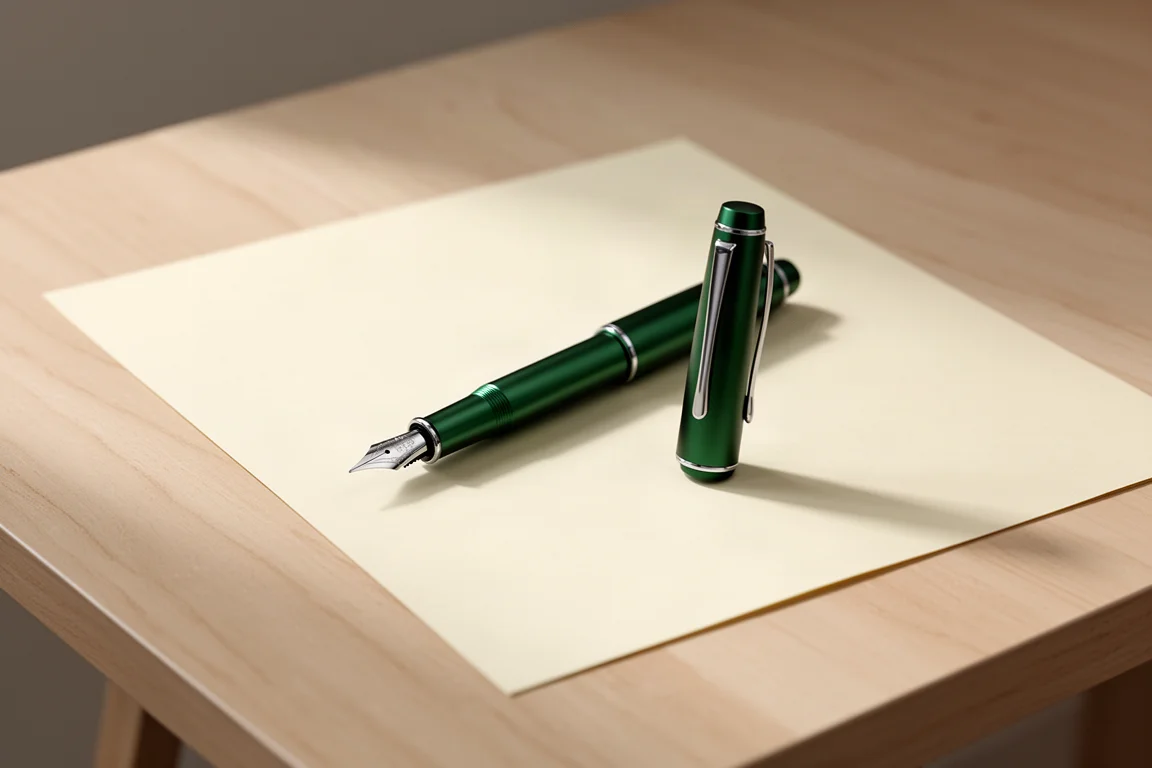
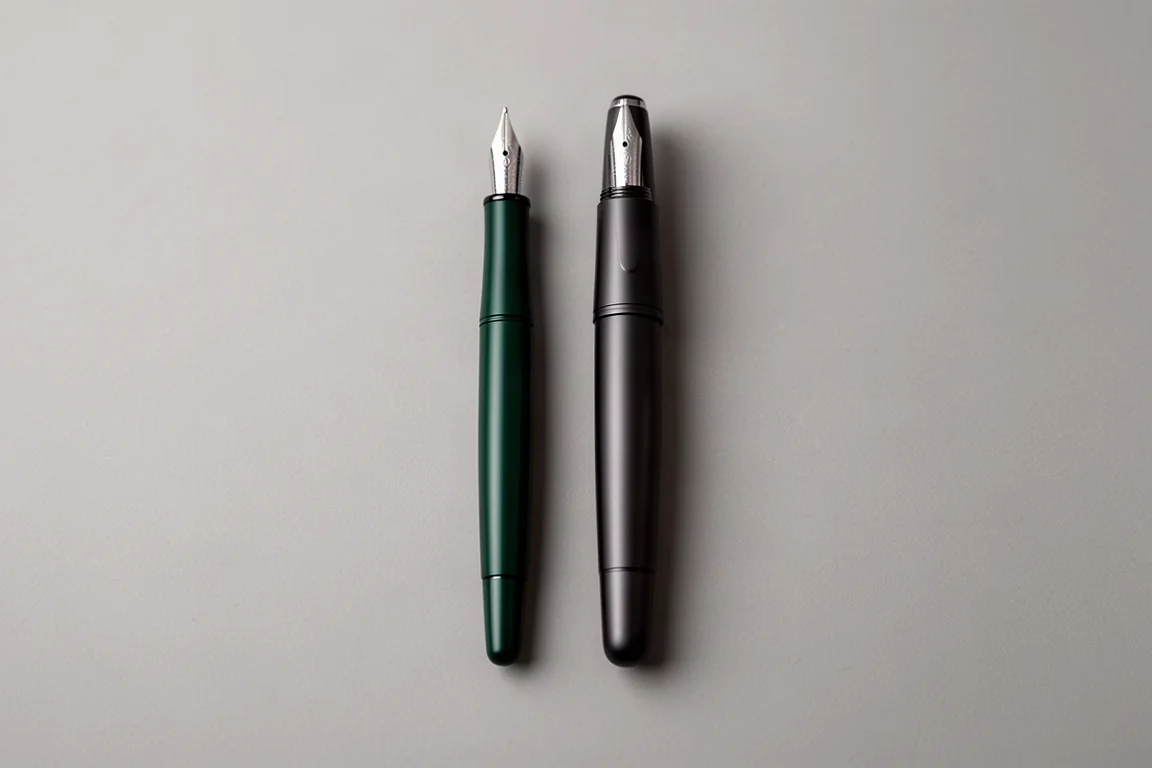
The Studio Fountain Pen is made from metal, most likely anodized aluminium, and the anodization gives the exterior a very slight texture. It is a finish with a bit of life to it rather than something flat. The pen is available in six colors: rose gold, black, ivy, lilac, sage, and mulberry. The ivy variant shown here is a deep, solid green.
The top of the cap carries a solid metal finial with an indented top, the kind you may find yourself rubbing like a worry stone. The finial unscrews easily, though there is little practical need for it to be removable. This is a clipless design, and for this pen the clipless aesthetic genuinely works. Just be careful about where you set it down: the cap is rounded, so on any sloped surface it will roll. The cap angles up immediately to the thickest portion of the body and then tapers down. There is no engraving or external branding anywhere on the pen, which keeps the look clean but also, frankly, a little reserved. The overall design is competent and inoffensive, but it does not leap off a table the way some of Tom’s Studio’s other, more creative offerings do.
Handling and Filling
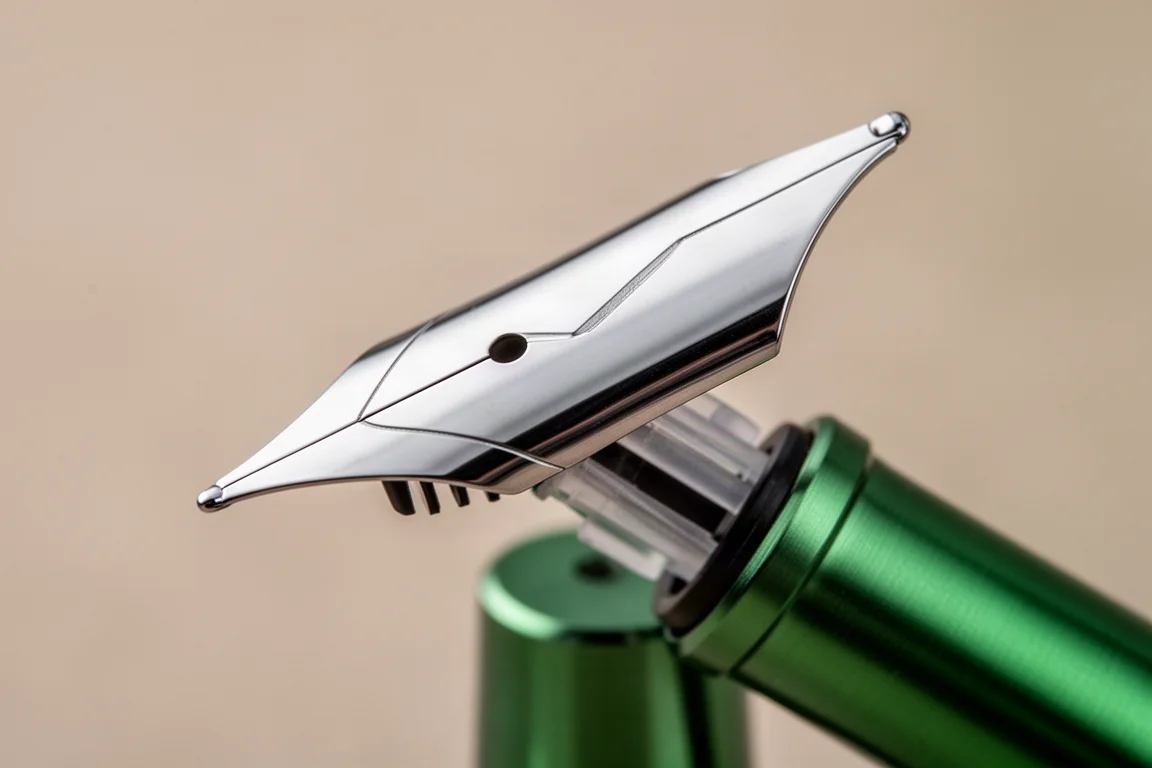
The cap twists off with a single rotation, revealing a genuine highlight: a stainless steel number six nib stamped with the company name. The section is metal, and the anodized finish helps reduce slipperiness, so even without a flare at the end or a concave shape, you can maintain a decent grip. Small step-ups lead from the section to the threads and then to the barrel, and the barrel tapers at an even rate before rounding off at the end.
The pen is long enough to use unposted. The cap does post, and posts securely thanks to that solid metal finial, but it back-weights the pen slightly. Not by a lot, but enough to throw off the balance, so unposted use is the better bet. This is a cartridge converter pen that takes standard international cartridges, and a converter is included. Given the metal construction, eyedropper conversion would not be recommended.
Nib Options and Performance
The number six steel nib is available in fine, medium, and extra fine, plus a semiflex option. For an additional cost there are several other choices: titanium flex, architect, cursor of metallic, proflex, and even a Japanese brush tip.
The pen tested here carries the architect grind, and it is one of the best architect nibs we have ever used. It is incredibly smooth, with a narrow downstroke and a thicker side stroke that adds effortless flair to your handwriting. You will not get much flex out of it; it railroaded just a little when pressed. Ink flow runs on the generous side, which helped even with a drier ink. Reverse writing is a little sharper but lays down an extra fine line, and during fast writing the feed kept up without trouble.
Writing Sample and Ink
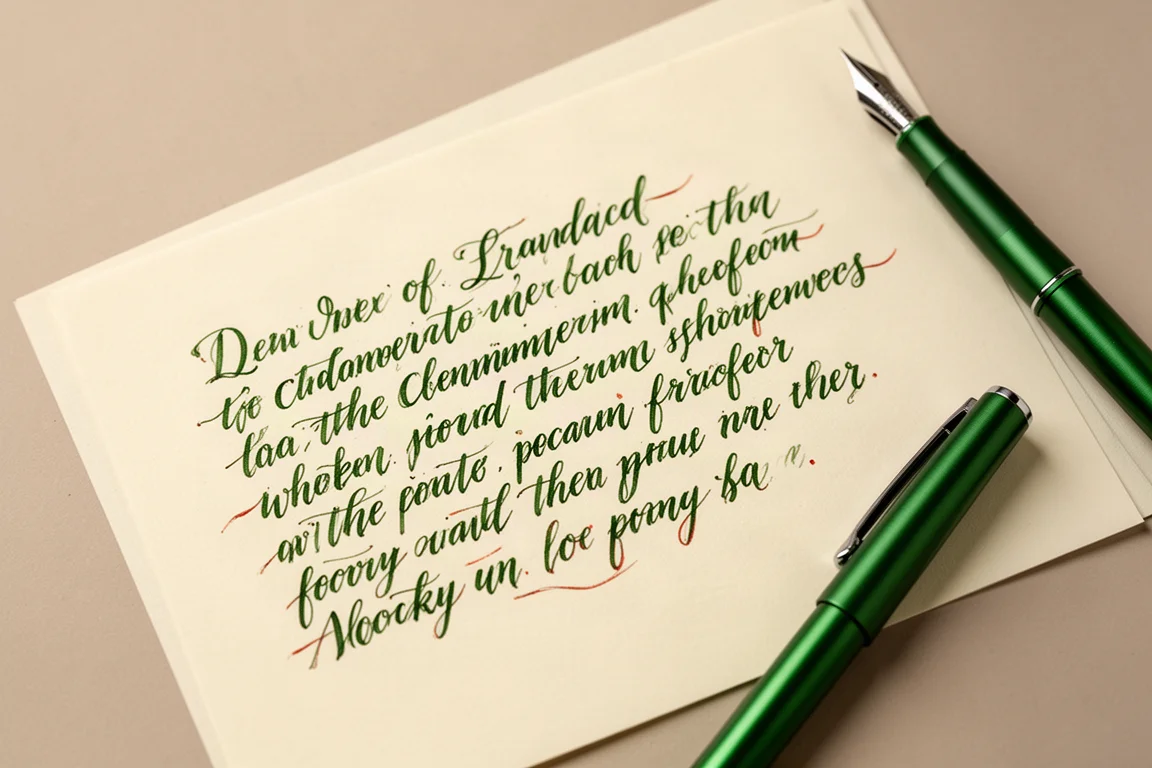
The ink used for testing was Diamine November Rain, a solid green with a reddish sheen that suits the ivy colorway well. It looks similar to Guitar Lady Emerald, with a lighter Visconti green alongside for comparison. November Rain is part of a rock and roll series that was exclusive to a German retailer, though the bottles can still be found online. Diamine remains a reliably solid ink brand, and this particular shade behaved well in the pen.
Combined with the architect nib, the writing experience is where this pen earns its keep. The smooth, expressive line variation makes standard writing feel special, and it genuinely makes you want to try more architect grinds.
Measurements and Size Comparisons
The Studio Fountain Pen is a full-length metal pen that balances well unposted. Side by side with common reference pens, it sits comfortably in range: comparisons with the Lamy Alstar, TWSBI Diamond 580 Iris, Diplomat Arrow, Platinum 3776 Yamanaka, Montegrappa Elmo, and Faber-Castell Loom show it as comparable in class to these mainstream metal and resin writers, with a slimmer, tapering barrel profile.
Things to Consider Before Buying
The pen body itself is not the draw here. The aesthetics are fine but not thrilling, and if several pens were laid out on a table, this would not instinctively be the first one reached for. At $120 on the Tom’s Studio website, it is a reasonable price for what you receive, but the design alone would not justify it. The nib does. Also note that the hidden use and care guide in the packaging sleeve is easy to overlook, and the rounded cap means the pen can roll if placed on an incline.
Buying Advice
Buy this pen for the nib, not the body. If you enjoy architect grinds, line variation, or simply an exceptionally smooth writing experience, the Studio Fountain Pen with the architect grind is an easy recommendation. If you want a pen with a bolder design presence, Tom’s Studio’s other offerings may be a better match, or you may prefer to skip the extra-cost grind options and stick with a standard fine or medium.
Conclusion
Tom’s Studio’s Studio Fountain Pen is a quietly designed metal pen that does not stand out on looks alone. What saves it, and what makes it well worth checking out, is the outstanding architect grind nib: incredibly smooth, generously fed, and a genuine pleasure to write with. For nib enthusiasts, that alone makes this a pen to shortlist.
Product link
View more details for Tom's Studio Studio Fountain Pen
This product is mentioned in the review. Check the specifications, options, and compatibility before buying.
View more details for Tom's Studio Studio Fountain PenFurther reading
Related Reviews
Fountain Pens
Best Budget Fountain Pens Tested: 9 Pens, One Clear Winner
A hands-on comparison of nine affordable fountain pens for everyday writing, calligraphy, and sketching, with a clear standout for flexible nib fans.
Fountain Pens
Aurora Optima Review: An Italian Piston Filler That Punches Above Its Price
A 14k gold nib, ebonite feed, and a beautifully deep oraloid body make the Aurora Optima one of the most rewarding piston fillers around.
Fountain Pens
Cross Bailey Light Review: The Entry-Level Fountain Pen Worth Keeping at the Office
A plastic-bodied Cross with a metal clip, snap cap, and famously smooth extra fine steel nib. Around $15, available almost everywhere, and easy to recommend.