Knife Sharpening
Tokushu Knife Leather Strops and Diamond Compound: Two Essentials for Sharper Kitchen Knives
A closer look at Tokushu Knife's handcrafted leather strops and diamond sharpening compound, two tools that keep Japanese kitchen knives performing at their best.
Introduction
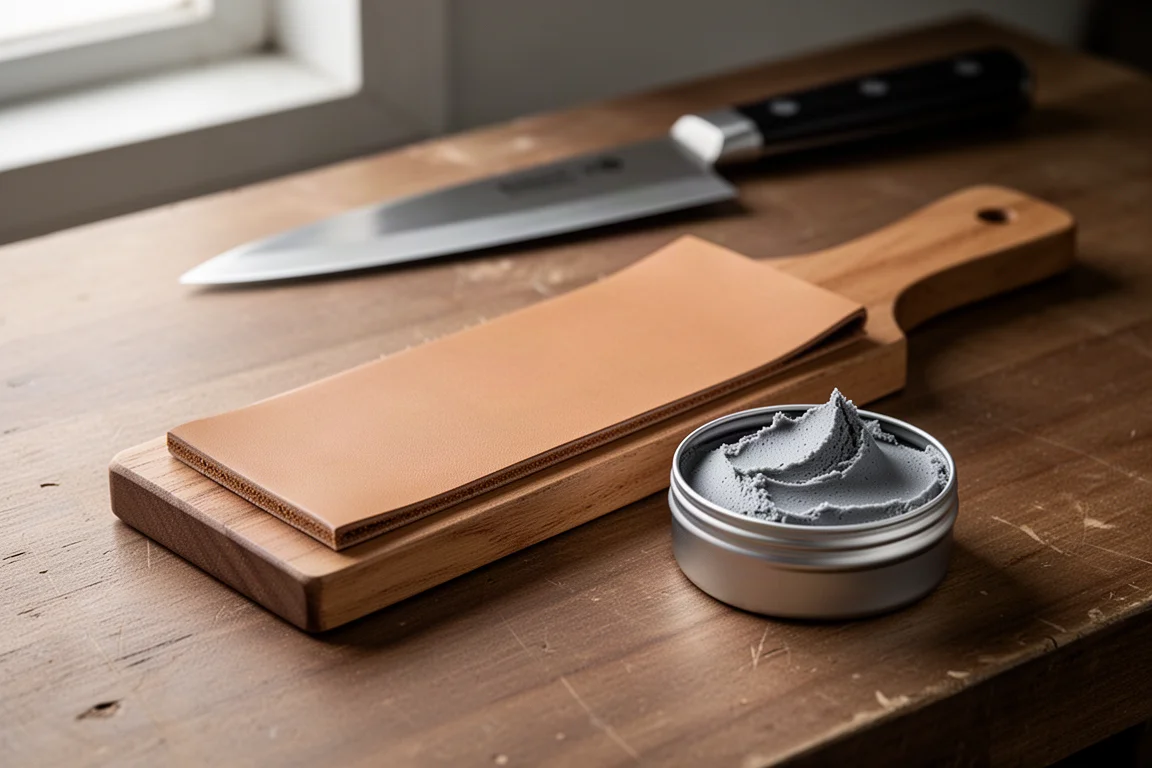
If you use Japanese kitchen knives, a leather strop and a good diamond compound are two of the most rewarding additions you can make to your sharpening kit. They keep a working edge performing at its best between full sharpening sessions, and they can even improve edge performance beyond what stones alone deliver.
Tokushu Knife makes both. The brand has invested significant research and time into producing high-quality strops, handcrafted from hard vegetable-tanned buffalo leather using traditional processes that have been passed down for hundreds of years. That refusal to cut corners on production shows in the finished product, and it is the reason both items below earn a place in a serious knife kit.
Why a Leather Strop Belongs in Every Knife Kit
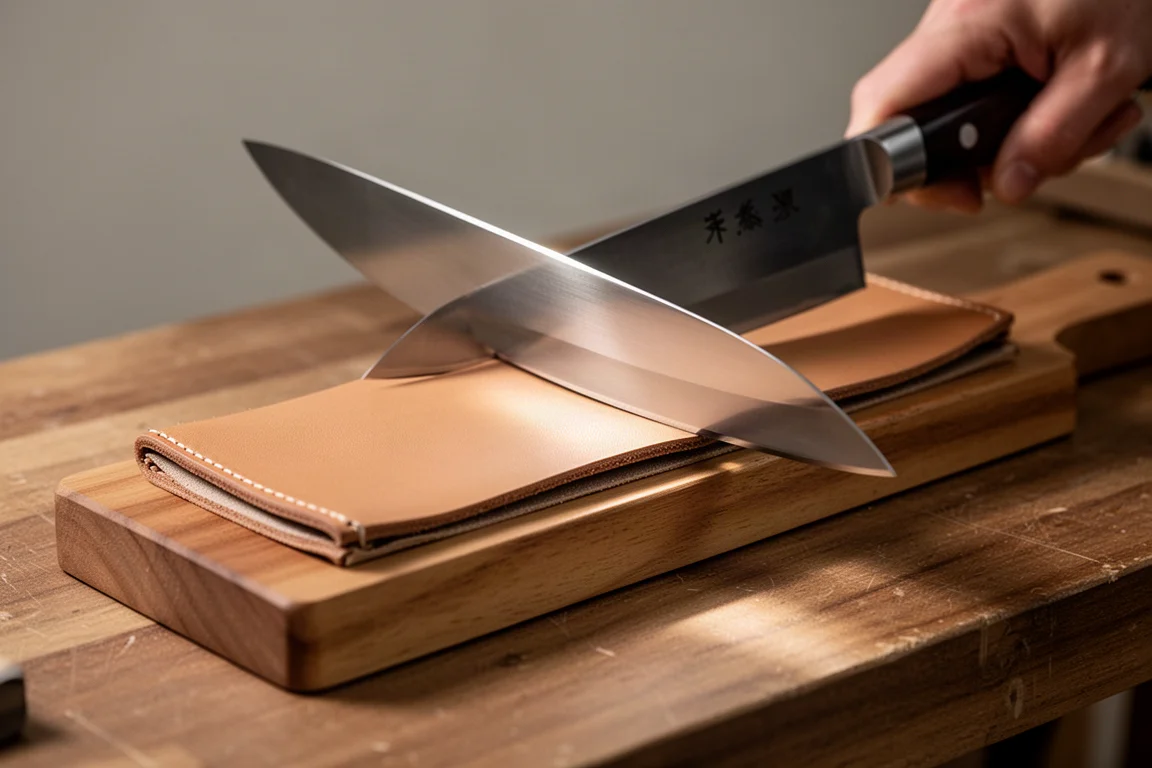
Stropping is the step that refines an edge after stones have done the heavy lifting. A few light passes on leather loaded with abrasive can realign and polish the edge, remove residual burr, and restore sharpness in seconds rather than minutes. For anyone who cooks with high-performance knives regularly, it is the difference between sharpening weekly and simply touching up.
The Diamond Compound: The Real Star of the Show
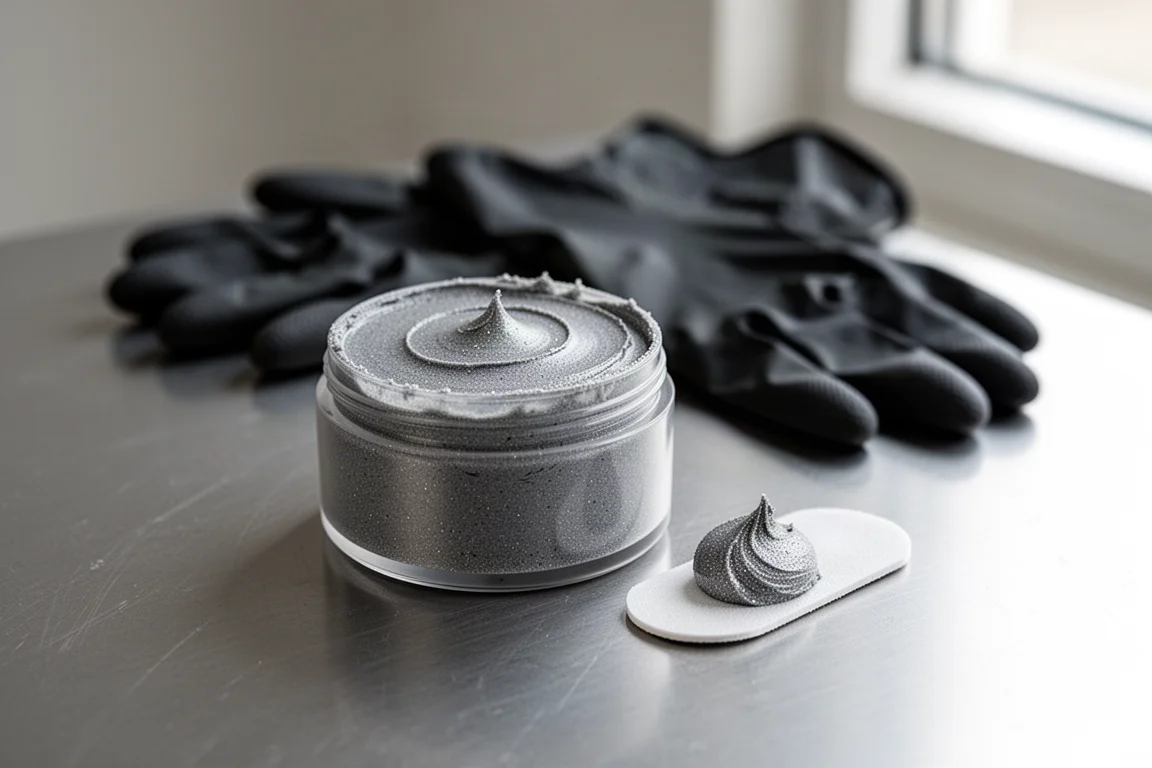
The compound is where Tokushu Knife really separates itself. Unlike water-based emulsions, it is a paste that contains leather conditioners, so it sharpens your knives while simultaneously maintaining the quality of the strop itself. It is engineered with extra jagged cutting edges for faster sharpening, and it ranks among the finest abrasives of its kind.
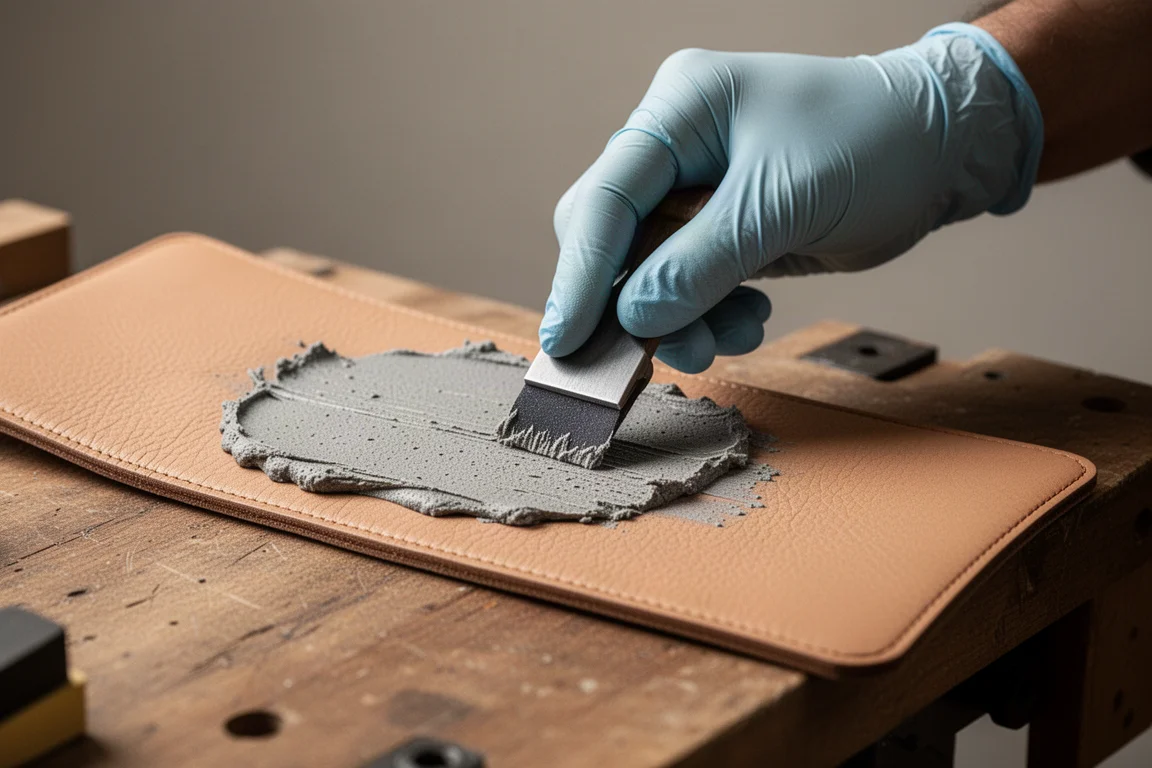
Because it comes in a concentrated form, only a few dabs on the strop are needed per application. A pair of nitrile gloves is included with the purchase to spread the compound evenly; the key point is to avoid bare hands and use something disposable. The strop does not need to be perfectly covered to perform well, though a full, even coating is fine if you prefer a tidy finish.
There is one small trick that improves performance: after spreading, heat the strop with a hair dryer for two minutes or set it in direct sunlight for thirty minutes. This lets the non-toxic compound distribute, condition the leather, and properly adhere the abrasive. Once it cools, the strop is ready for use, and the compound will last a very long time.
Strop Formats for Every Sharpening Setup
Tokushu Knife offers different strop types to meet the needs of all kitchen knife sharpeners, which is a thoughtful detail rather than a one-size-fits-all approach.
The extra-large paddle strop is great for longer knives, giving the full blade length room to travel without running off the leather. The block strop is designed to fit nicely in a stone holder, making it perfect for anyone who wants to match the same motion as the rest of their sharpening progression. There are also portable sizes that fit neatly in a knife roll, ideal for cooks who take their knives on the road.
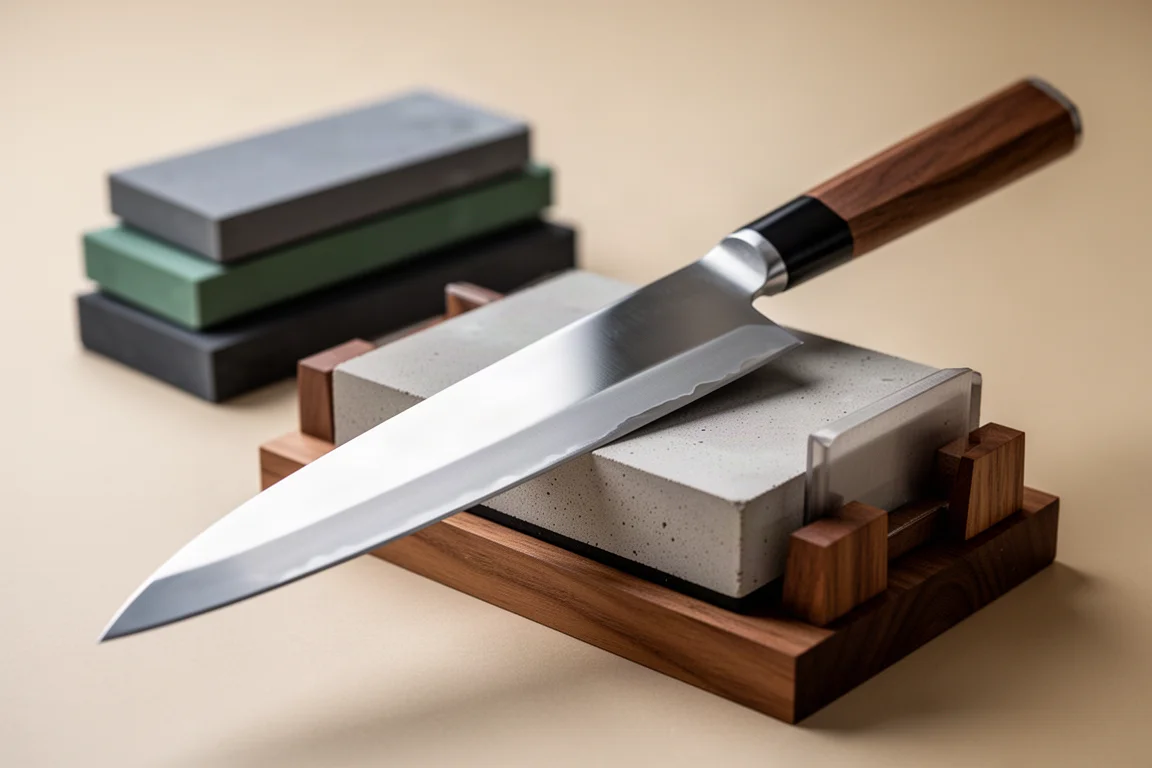
Whichever format suits your workflow, the underlying material is the same: hard vegetable-tanned buffalo leather, handcrafted with traditional methods that produce a consistently high-quality working surface.
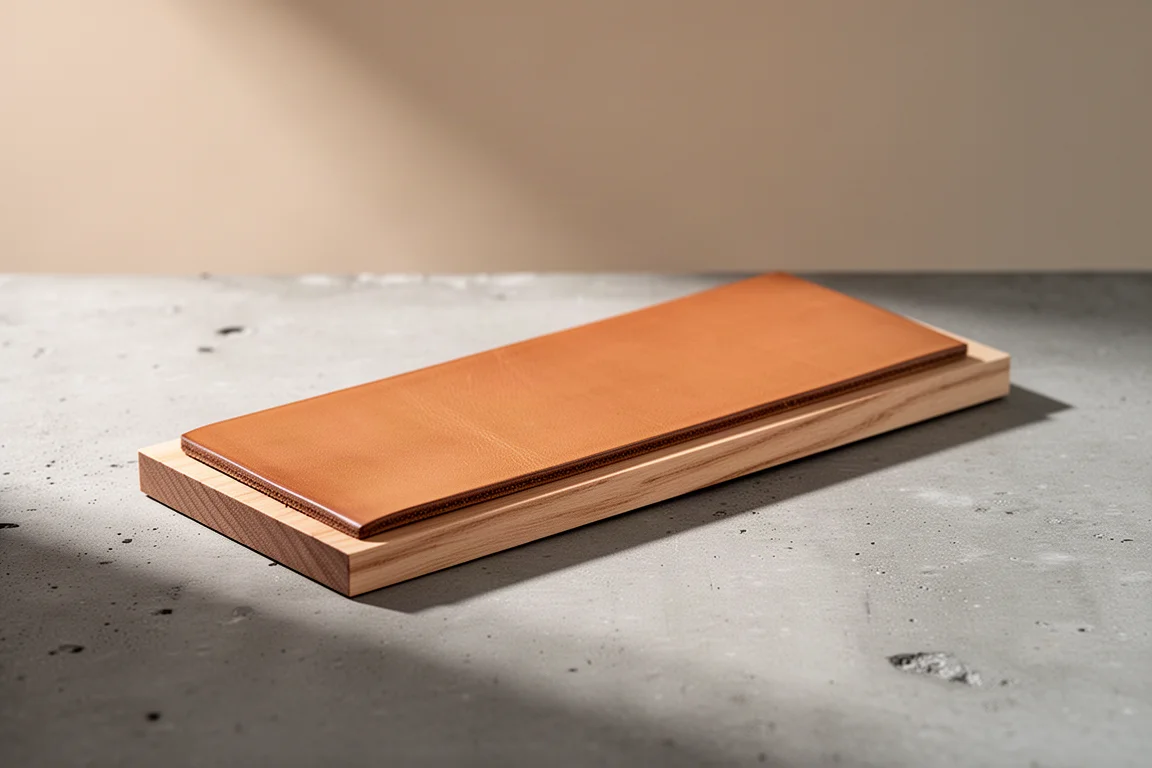
How to Strop Correctly
Direction matters more than most beginners realize. You want to strop edge-trailing rather than edge-leading, regardless of which side of the knife you are working on. In practice, that means the spine of the knife leads the movement and the edge drags behind it, the opposite of a slicing motion. Getting this habit right protects both the edge and the leather.
Real-World Results: Edge Touch-Ups and Patina Removal
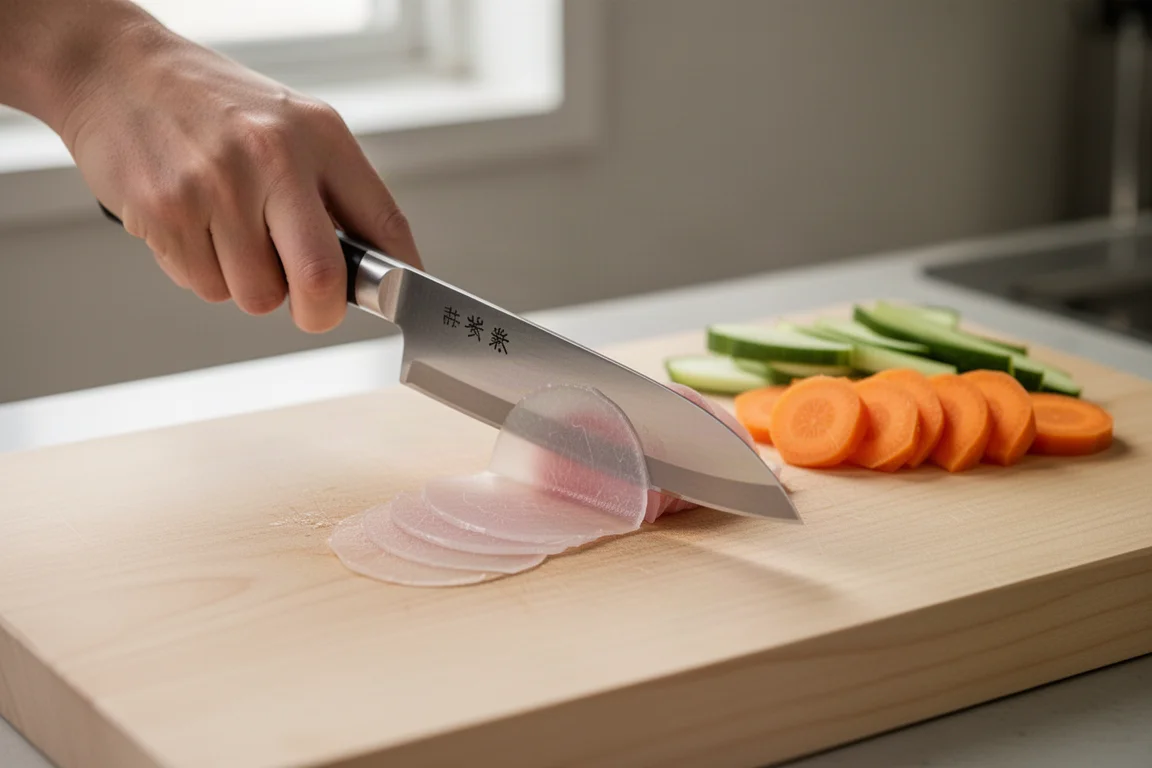
The compound and strops were demonstrated on a Takamura Chromax petty knife. A deliberately dulled edge was brought back to sharpness in just a few passes on the strop, which is exactly the use case where stropping shines: quick touch-ups instead of a full stone session.
The more dramatic demonstration involved a knife with patina. Stropping with the diamond compound removed the patina entirely and turned the blade to a mirror polish, showing just how fast and effective the abrasive really is. For anyone maintaining carbon steel knives, that is a compelling party trick with a practical payoff.
Buying Advice
It is hard not to recommend both items together. The strops are easy to use, produce professional results, and will last a very long time, while the concentrated compound stretches far because only a few dabs are needed per session. If you sharpen primarily at a bench with stones, the block strop is the natural fit; if you work with longer knives or want maximum surface area, choose the extra-large paddle; and frequent travelers should consider the portable size. Whichever you pick, pair it with the diamond compound rather than a water-based alternative, since the conditioning benefit keeps the leather in good shape over the long term.
Conclusion
Tokushu Knife’s leather strops and diamond sharpening compound make a small, durable, high-impact upgrade to any kitchen knife kit. Between quick edge touch-ups, mirror-polish results, and strop formats sized for every setup, they remove most of the friction from keeping fine knives sharp. If your knives deserve better than a dull weekday edge, these two tools are an easy place to start.
Further reading
Related Reviews
Knife Sharpening
Work Sharp Professional Precision Adjust Elite: A Sharpening System for People Who Care About Edges
The Elite version of the Professional Precision Adjust adds a rugged case, fine resin-bonded diamond plates, and a strop for a true mirror finish.
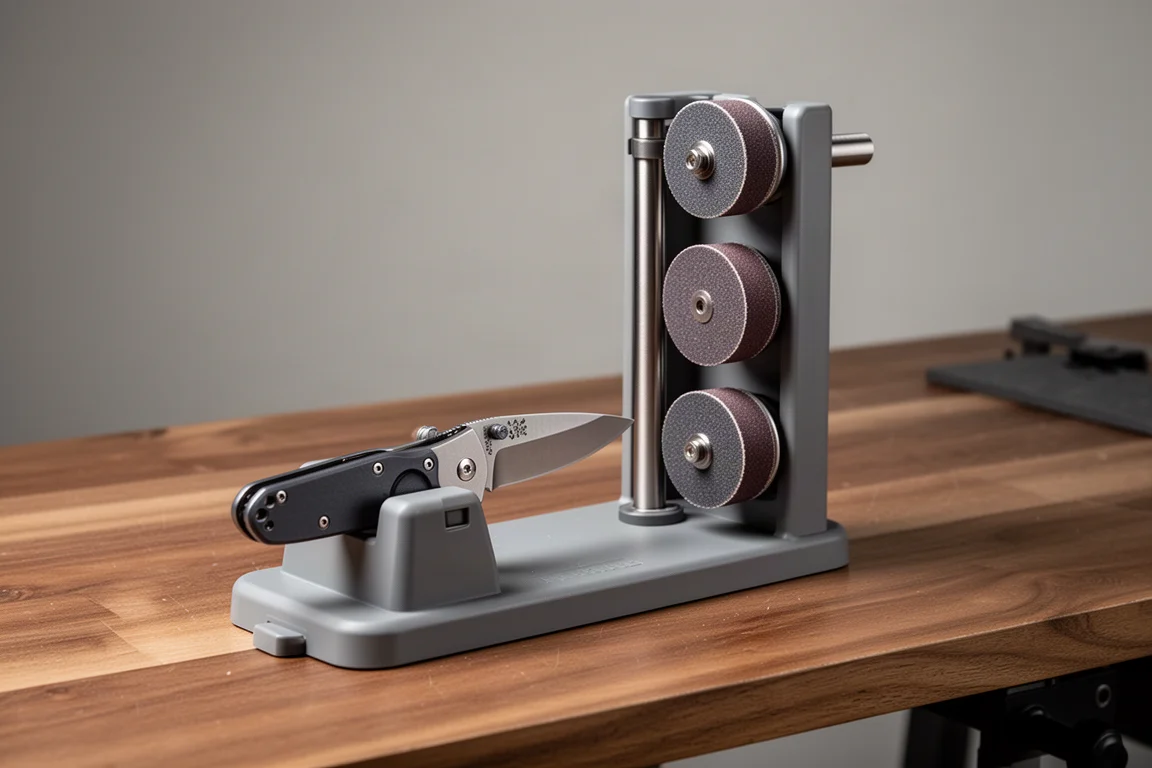
Knife Sharpening
Work Sharp Precision Adjust: The Clamp-and-Jig Sharpener Worth Building Out
A fixed-angle knife sharpener with a rotating abrasive carriage, plus an upgrade kit that turns it into a genuinely complete sharpening setup.
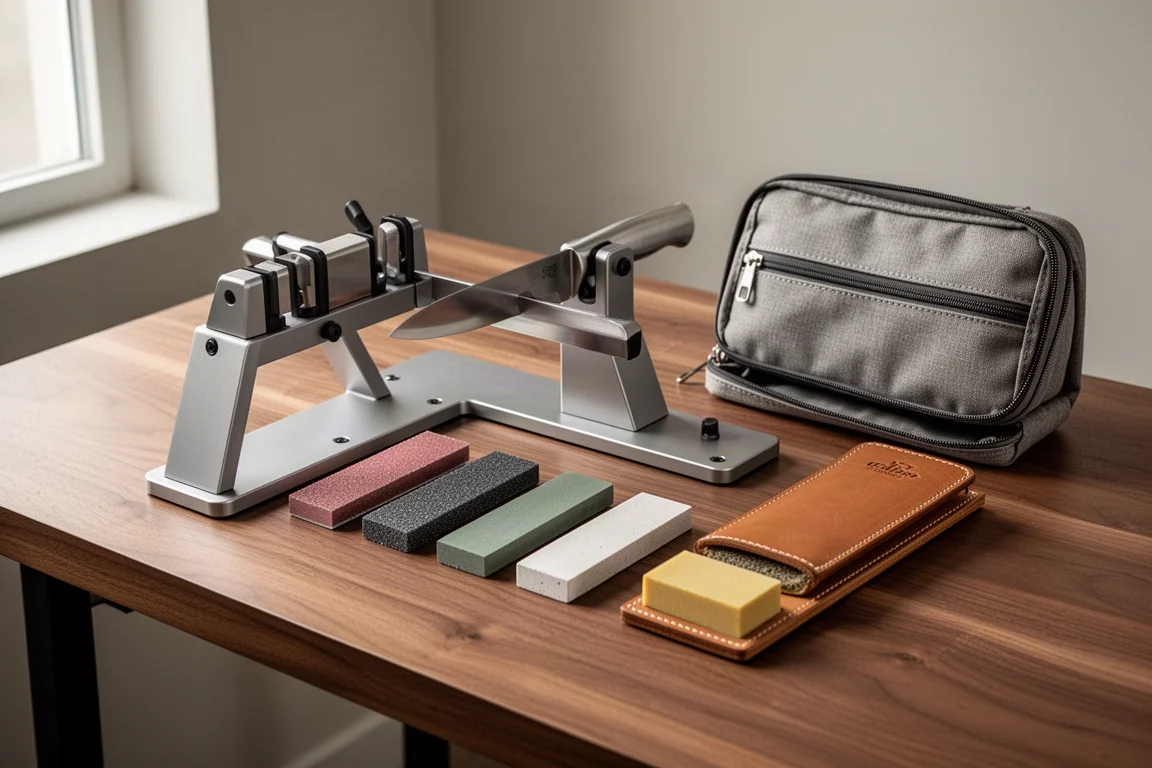
Knife Sharpening
Work Sharp Precision Adjust Upgrade Kit Review: A Wider Grit Range for an Already Great Sharpener
The Upgrade Kit expands the Precision Adjust with extra abrasives, a built-in strop, and a proper carrying case. Here is what changes after months of use.