Fountain Pens
TNZ Urushi Raden Fountain Pen Review: Handcrafted Inlay at an Unusual Price
An urushi and raden fountain pen with genuine abalone shell inlay that costs around $300, a fraction of what comparable work usually commands.
Introduction
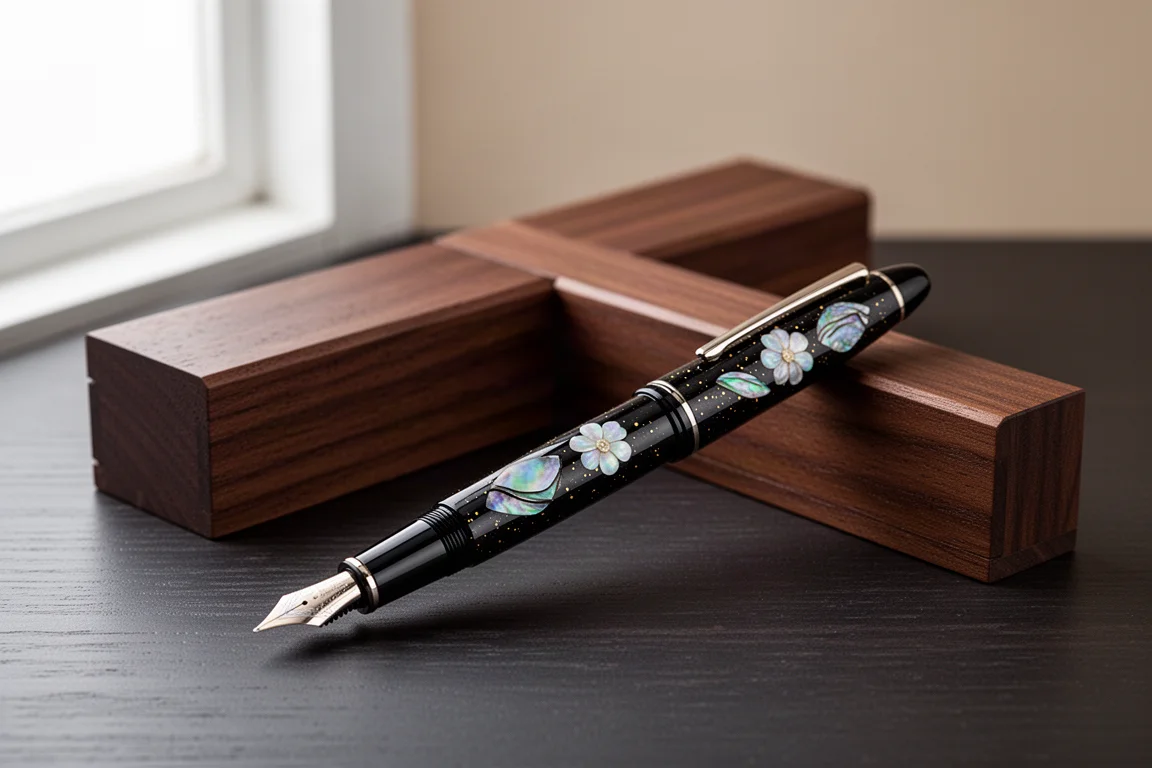
Raden pens, which feature pieces of abalone shell laid into lacquer by hand, typically sell for anywhere between $1,500 and $2,000. Hard-pressed is the right phrase for finding genuine raden work under $500, let alone under $1,000. That is exactly what makes the TNZ Urushi Raden interesting: it lists for around $300 US, a price that is far from cheap but genuinely accessible relative to what this craft normally commands.
TNZ, a Taiwanese company, has produced pens in this style before, and this new model continues the pattern of offering elaborate decorative work at a price most makers would never approach. The question is whether the pen itself holds up beyond the inlay.
First Impressions and Unboxing
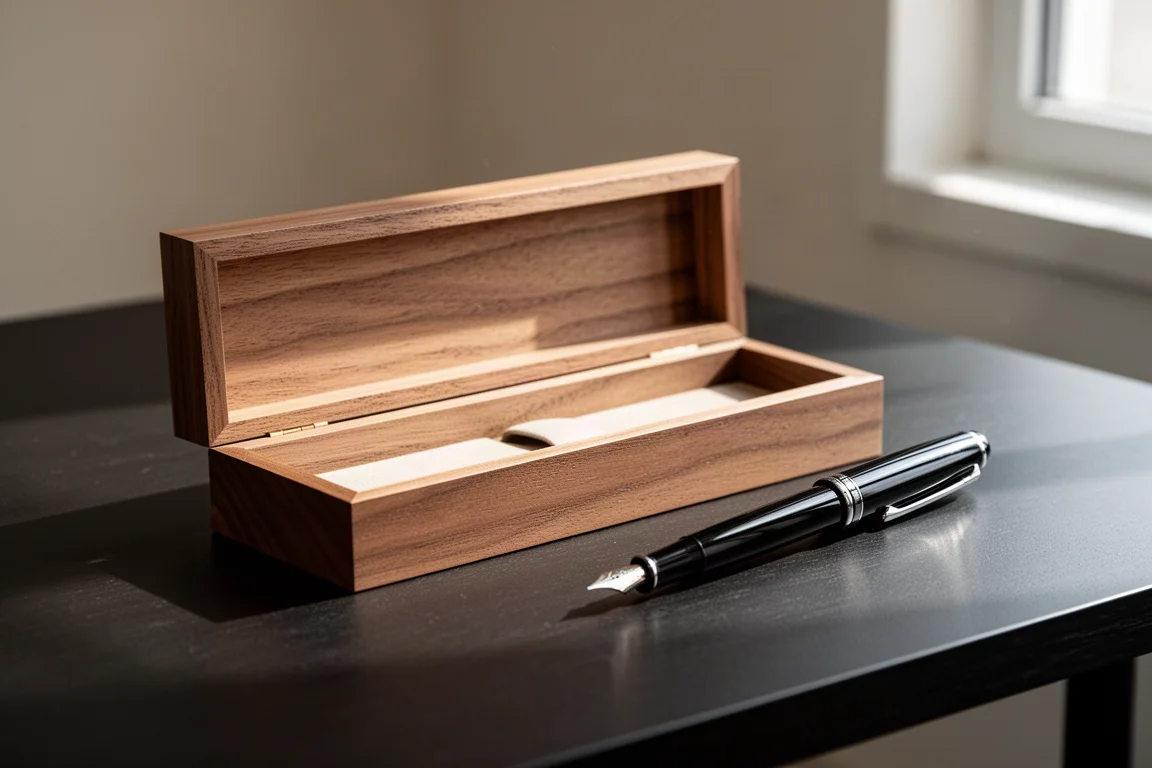
The pen arrives in a slim wooden presentation box that feels genuinely refined, the kind of packaging usually associated with pens costing far more. Alongside the box, you get a soft pen kimono with a nicely finished interior, a frilled sleeve, and a small protective sleeve for the pen. Nothing about the accessories feels like an afterthought, and the overall presentation does not look cheap.
Size and Design
Set next to a Pilot Metropolitan, the pen reads as a well-proportioned daily writer: not too big, not too small, a size that should work for a wide range of hands. The cap is gently bulbous without going overboard, the barrel follows the same soft swelling before tapering down, and the flat top gives it a clean, traditional profile. The clip resembles the wheel-style clips some Italian makers use; it is fairly stiff, but the wheel mechanism works smoothly.
The section flares slightly at the end and is large enough that the threads, which are a little sharp, sit far enough back to go unnoticed while writing. The pen can be posted, though with a lacquered barrel you would want to be careful about scratching the finish. Most people should be able to use it unposted comfortably.
Design and Raden Craftsmanship
The raden work is the reason this pen exists, and it largely delivers. Flowers of abalone shell are set into the black lacquer, accompanied by fine gold speckles that catch the light nicely. The result is a pen that punches well above its price class. Compare it to urushi and raden pieces from Japanese makers that run to $2,000 and the value proposition becomes obvious, even acknowledging that $300 remains a serious outlay.
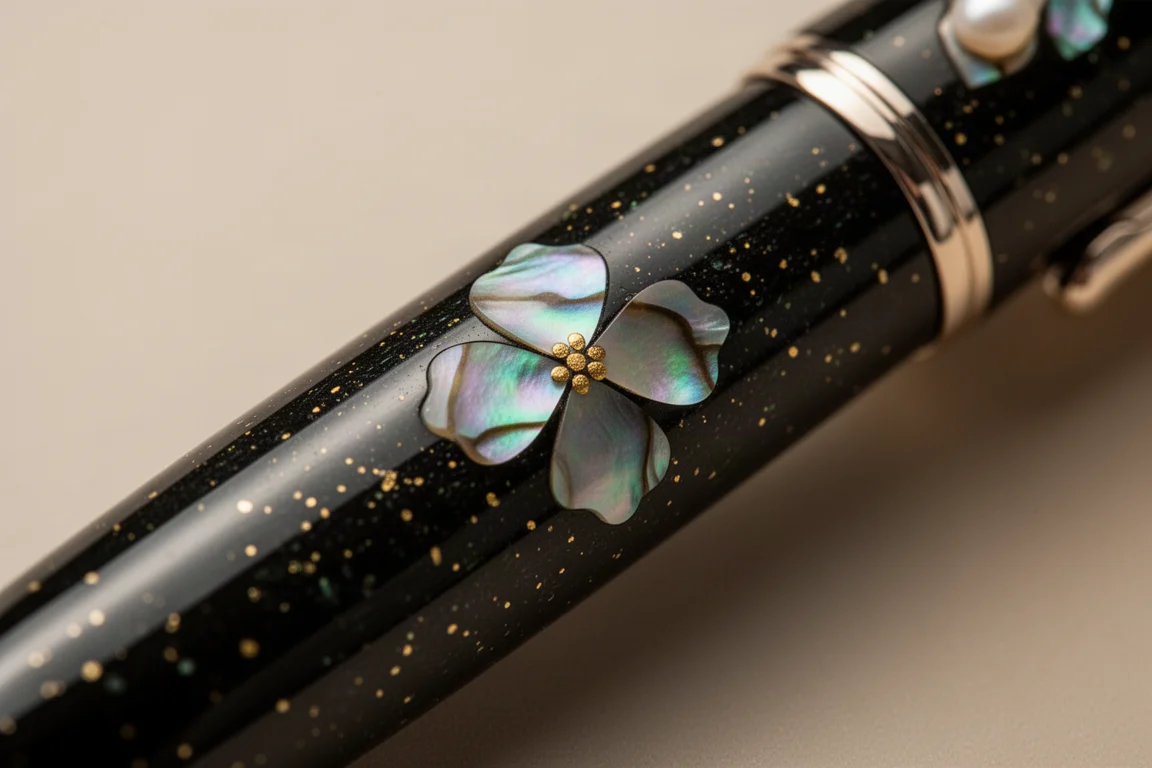
One caveat worth knowing: another pen enthusiast who owns the same model noticed tiny gaps in the raden inlays, visible only under around 10x magnification. Nothing is apparent to the naked eye on this example, and the craftsmanship otherwise looks good, but it is something to be aware of at close inspection.
Nib, Filling, and Specifications
The configuration is straightforward. The nib is a steel fine, marked TNZ with an F and some scroll work, and it appears to be the only nib grade currently available. It uses a plastic feed, a converter is included in the box, and the pen is listed as made in China. The steel nib is the most likely point of contention: many buyers at this price would reasonably expect a gold nib, and that is not an unfair demand.
Writing Performance
The fine nib is true to its grade, producing a genuinely fine line, but it is smoother than most fine nibs tend to be. Writing is very pleasant, with no skips observed during fast writing and no hard starts, which is a common strength of well-tuned fine nibs since they carry less tipping than broad points.
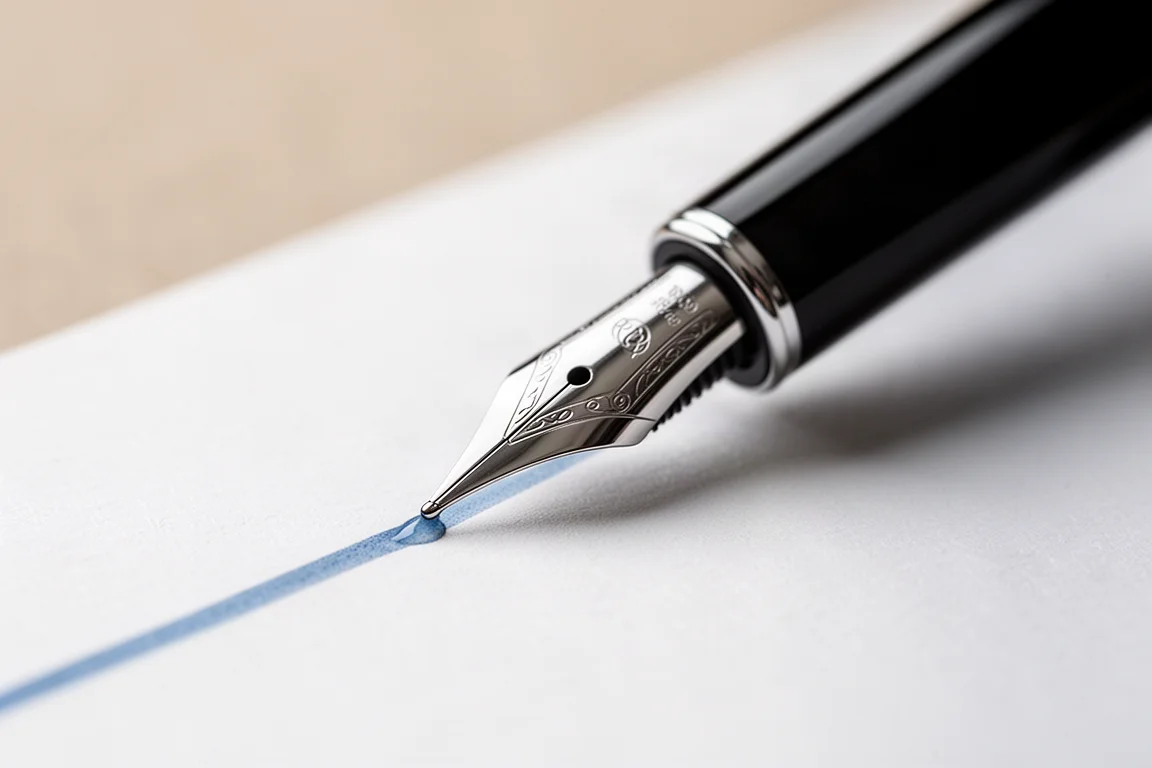
Ink flow sits a touch on the dry side, partly because the test ink leans dry itself. A slightly wetter setup would be preferred, but the pen writes reliably as-is. You can squeeze out a little line variation for those who enjoy subtle character in their writing, though this is not a flex nib in any sense, so do not push it. Reverse writing is not a success: the feed runs dry almost immediately and the result is barely legible.
What We Like and What to Consider
On the plus side, this is a comfortable, nicely made pen with an appealing shape and decorative work that looks refined up close. It is fairly light, the section is comfortable for long sessions, and the writing experience is smooth and dependable. Relative to the market for raden and urushi pens, the price is remarkable; if a major Japanese brand made a pen like this, it would likely cost $2,000 or more.

On the considerations side: the flat top is a matter of taste, and some will prefer a rounded finial. The steel nib at this price will disappoint buyers who expect gold. And while the raden work looks excellent normally, tiny gaps in the inlay can appear under a loupe in some units. It is also worth remembering that raden cannot be churned out by machine; an artisan places each piece of abalone shell by hand and seals it under lacquer, a slow process that inherently drives cost.
Buying Advice
If you have always wanted a raden pen but balked at four-figure prices, this is one of the few realistic entry points, and it writes well enough to be an actual daily pen rather than a display piece. If a gold nib is non-negotiable for you at this price, or if you insist on flawless inlay under magnification, look elsewhere.
Conclusion
The TNZ Urushi Raden is a pleasant writer with genuinely impressive decorative work for its price. The steel nib and the possibility of loupe-visible inlay imperfections are fair criticisms, but neither undercuts the core appeal: real urushi and raden craftsmanship, in a comfortable and refined pen, at a price the category rarely offers.
Product link
View more details for TNZ Urushi Raden
This product is mentioned in the review. Check the specifications, options, and compatibility before buying.
View more details for TNZ Urushi RadenFurther reading
Related Reviews
Fountain Pens
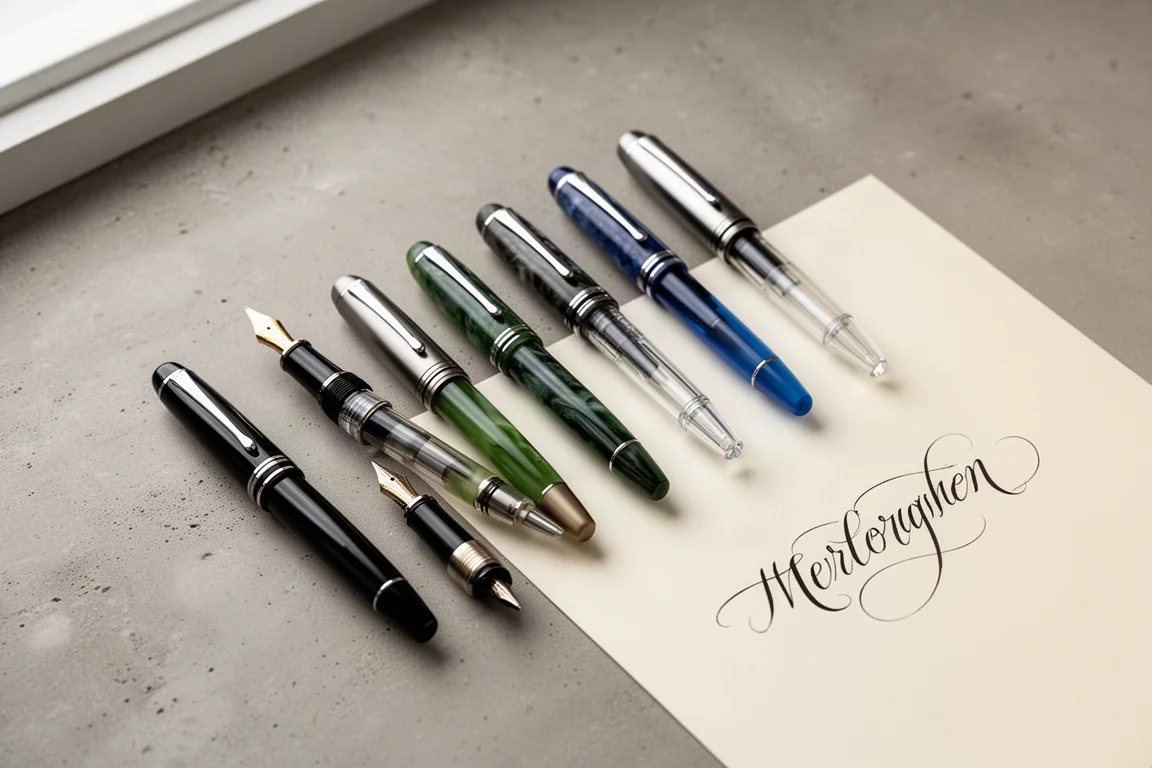
Best Budget Fountain Pens Tested: 9 Pens, One Clear Winner
A hands-on comparison of nine affordable fountain pens for everyday writing, calligraphy, and sketching, with a clear standout for flexible nib fans.
Fountain Pens
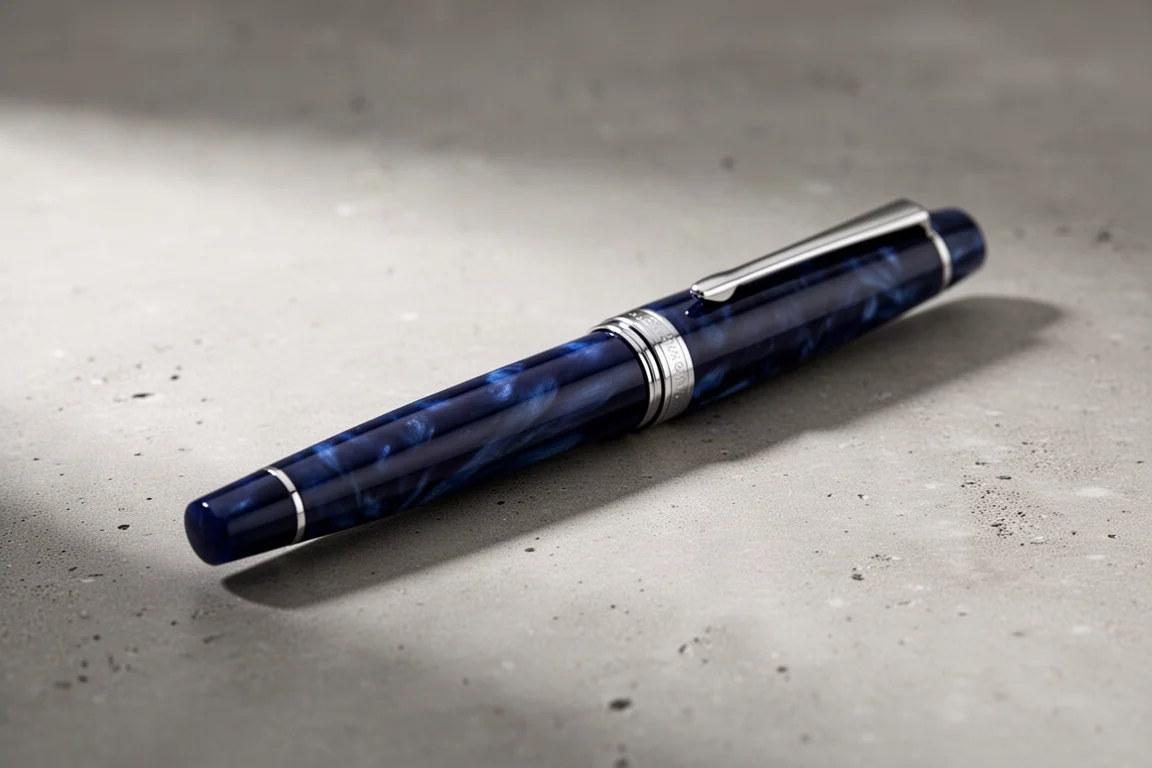
Aurora Optima Review: An Italian Piston Filler That Punches Above Its Price
A 14k gold nib, ebonite feed, and a beautifully deep oraloid body make the Aurora Optima one of the most rewarding piston fillers around.
Fountain Pens
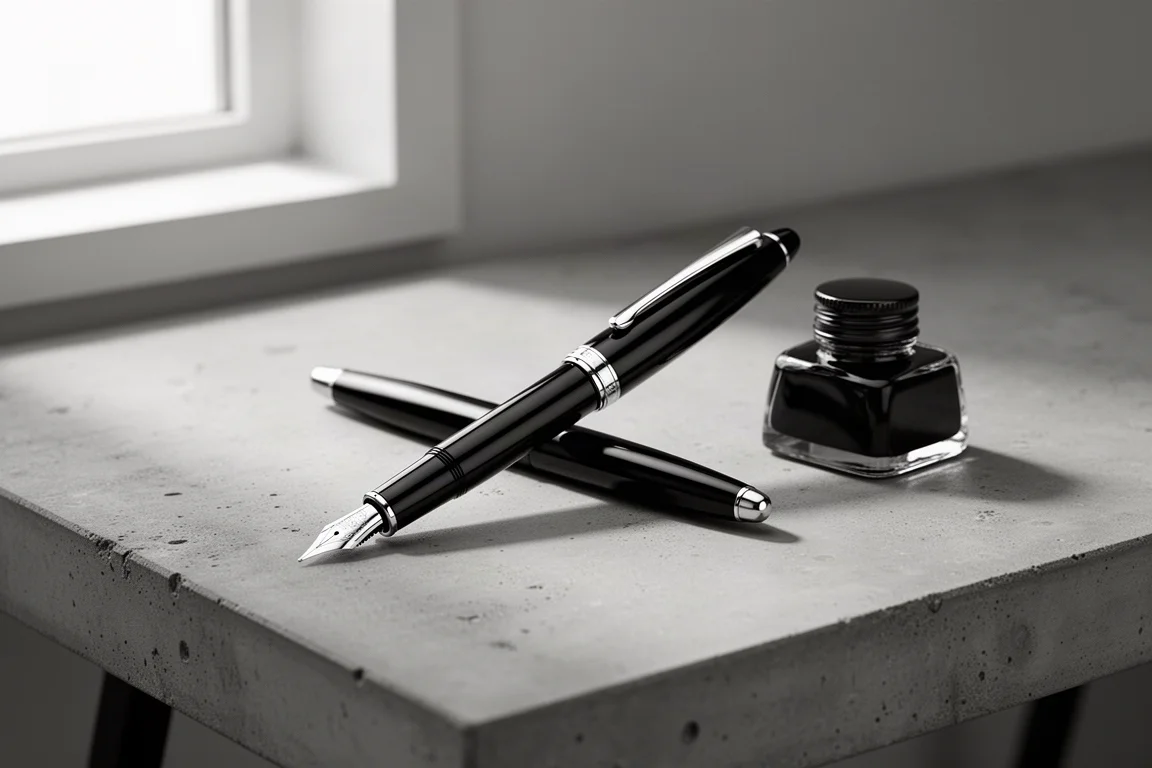
Cross Bailey Light Review: The Entry-Level Fountain Pen Worth Keeping at the Office
A plastic-bodied Cross with a metal clip, snap cap, and famously smooth extra fine steel nib. Around $15, available almost everywhere, and easy to recommend.