Drone Reviews
Tiny FPV Drones and Cinewhoops: Three Compact Flyers Worth Flying
Three small FPV drones that deliver genuine flying fun without requiring custom builds. Pre-built, ready to fly, and surprisingly capable.
Introduction
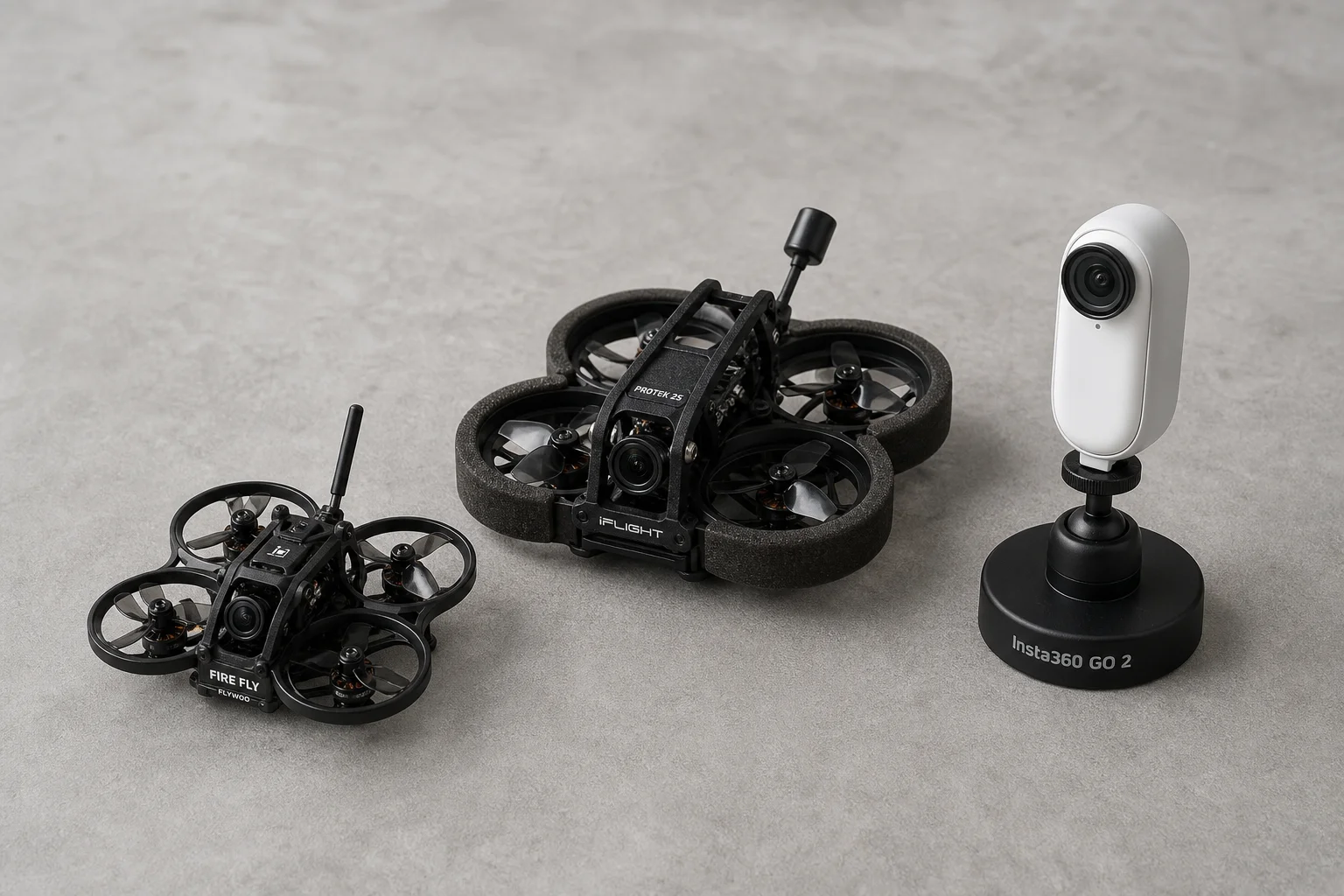
Small FPV drones have become genuinely accessible. Three standout options show how far pre-built, ready-to-fly designs have come: the Flywoo Firefly, the iFlight Protek25, and the Insta360 GO 2 as a camera partner. Each solves a different flying need without requiring soldering, custom builds, or deep technical knowledge.
Why Pre-Built FPV Drones Matter
For most pilots, a pre-built FPV drone removes the barrier to entry. Unbox it, activate it through DJI Assistant, charge the battery, and fly. No custom assembly, no troubleshooting firmware, no hunting for compatible parts.
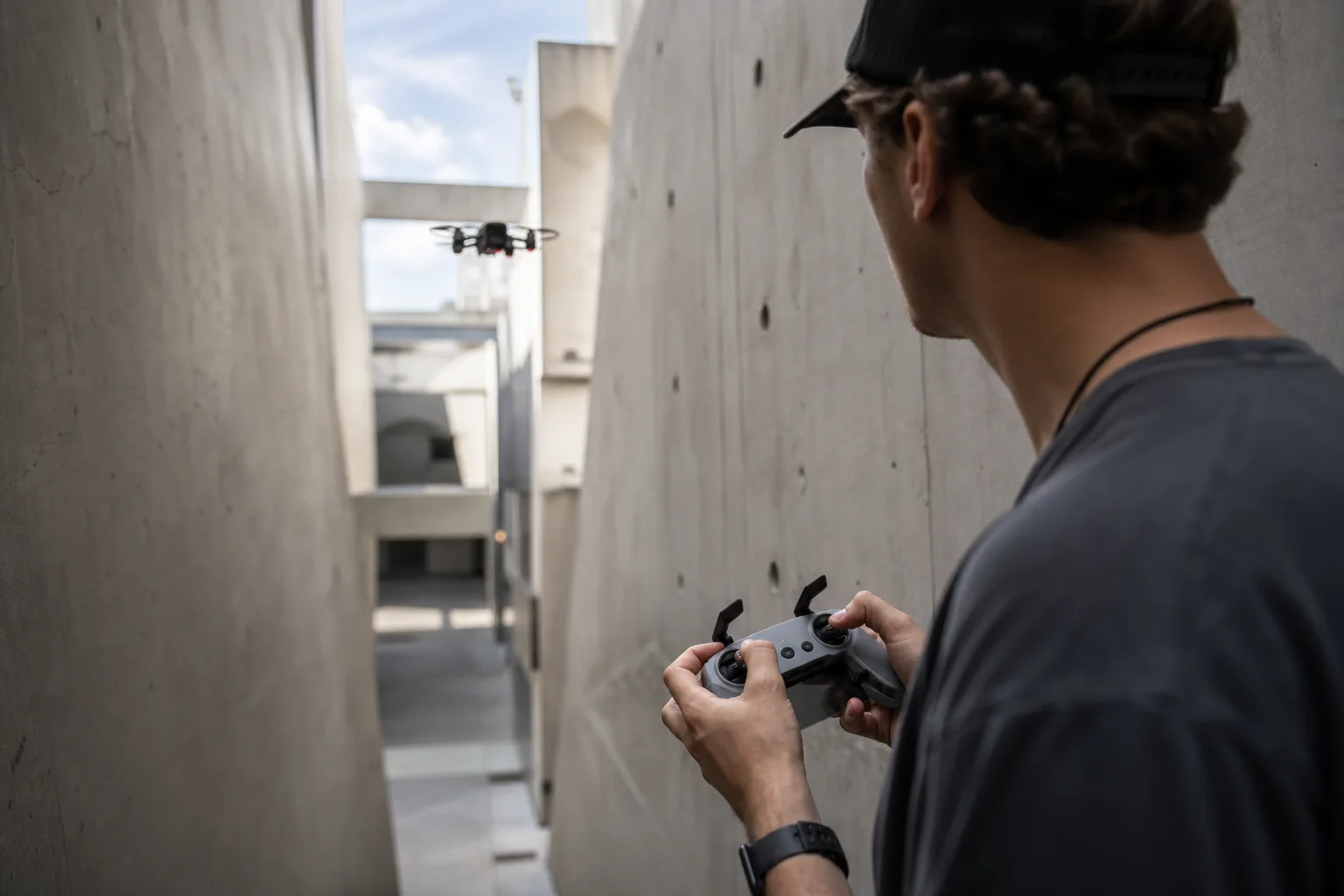
The throttle response on modern pre-built frames feels refined and dampened, giving pilots genuine control even in wind. Foam propeller guards on cinewhoops add a safety margin when flying near people, structures, or expensive equipment. The control improvement is noticeable compared to older DIY builds.
Best Compact Cinewhoop: iFlight Protek25
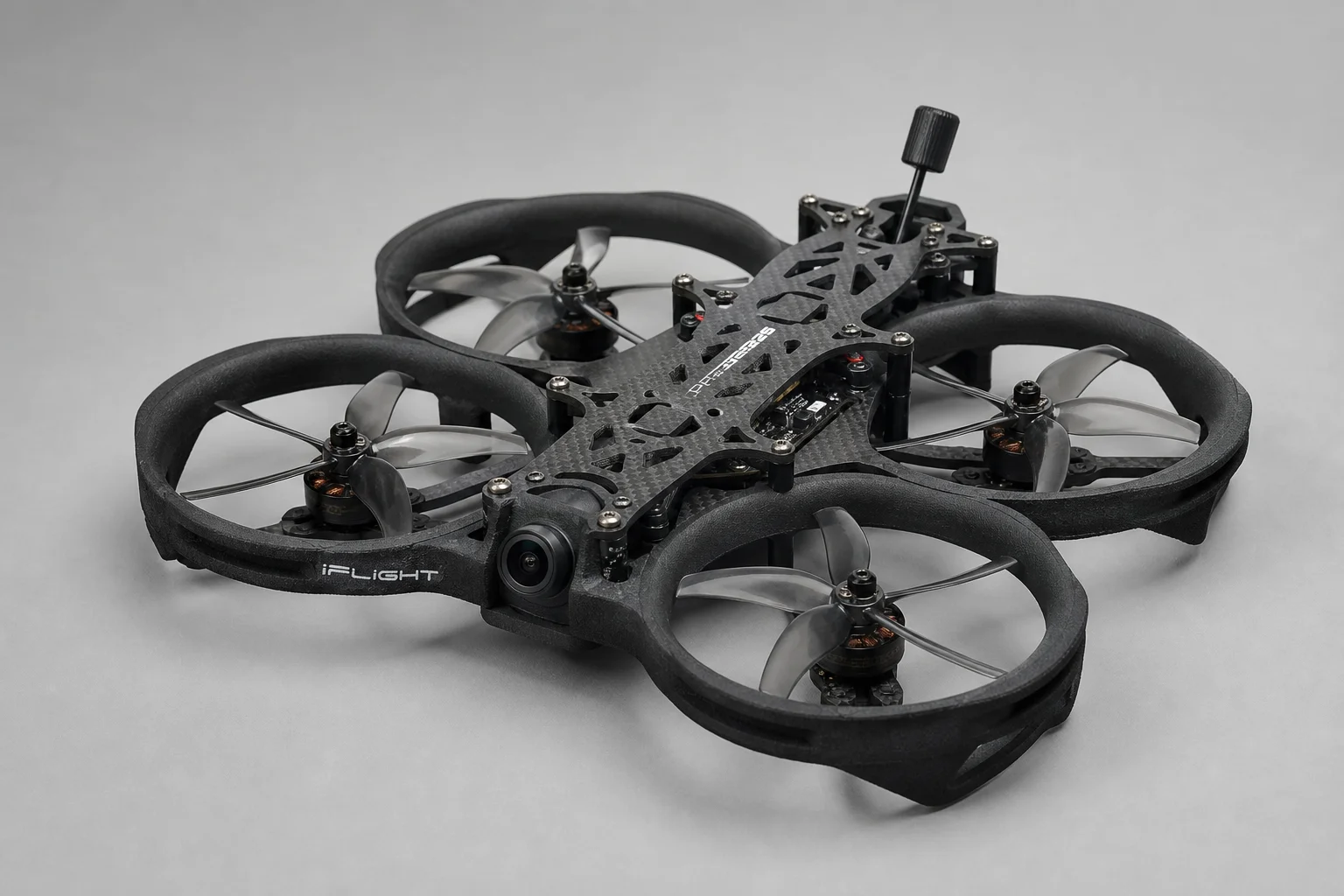
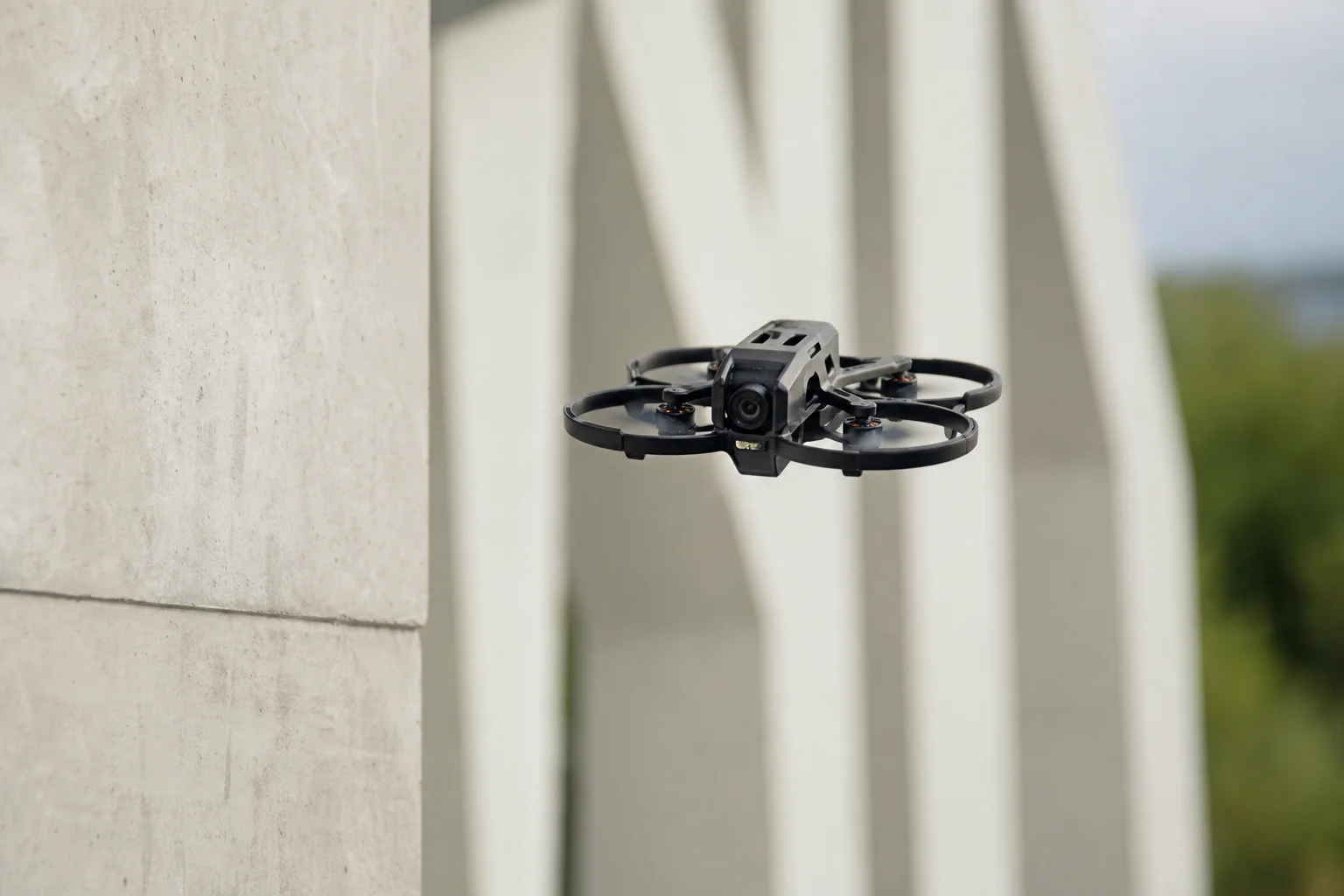
The iFlight Protek25 sits just under seven inches and delivers a stable, forgiving platform for cinematic flying. The foam bumpers protect both the drone and whatever it might touch during tight maneuvers.
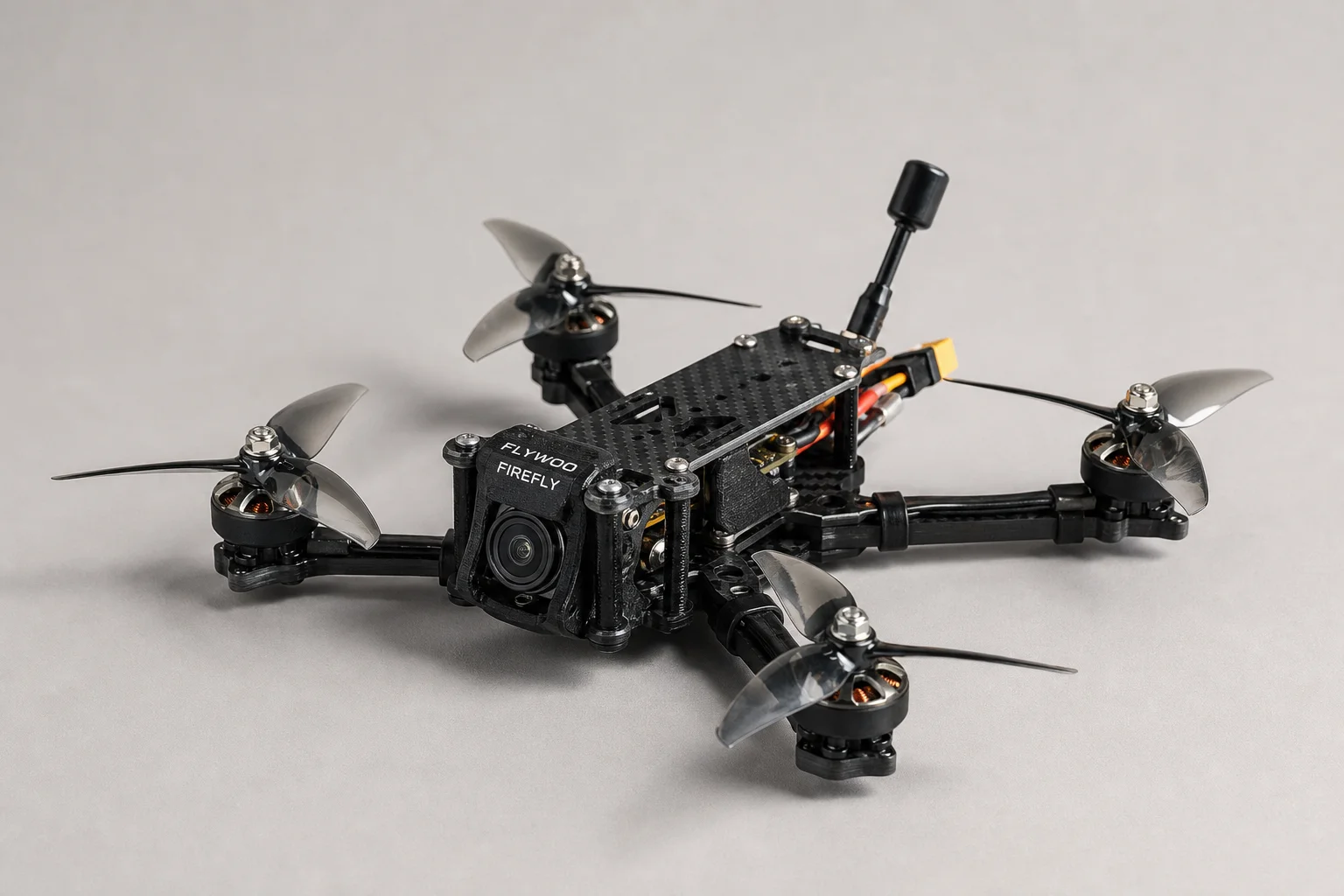
Best Tiny Racer Frame: Flywoo Firefly
The Flywoo Firefly is approximately five inches, making it noticeably smaller than the Protek25. That size difference matters more than it sounds. Every additional inch of frame width reduces your margin for error when threading through tight spaces.
The Firefly comes in at 196 grams, well under the 250-gram regulatory threshold in many regions. It uses DJI’s digital system, so you can fly it with standard DJI goggles and controllers rather than learning a separate control scheme.
Flight time runs approximately four to six minutes depending on flying style. Aggressive acrobatic flying pulls closer to four minutes, while smoother cinematic flying stretches toward six. The throttle response feels precise, and the smaller frame makes it genuinely nimble in confined spaces.
Pairing Action Cameras with FPV Drones
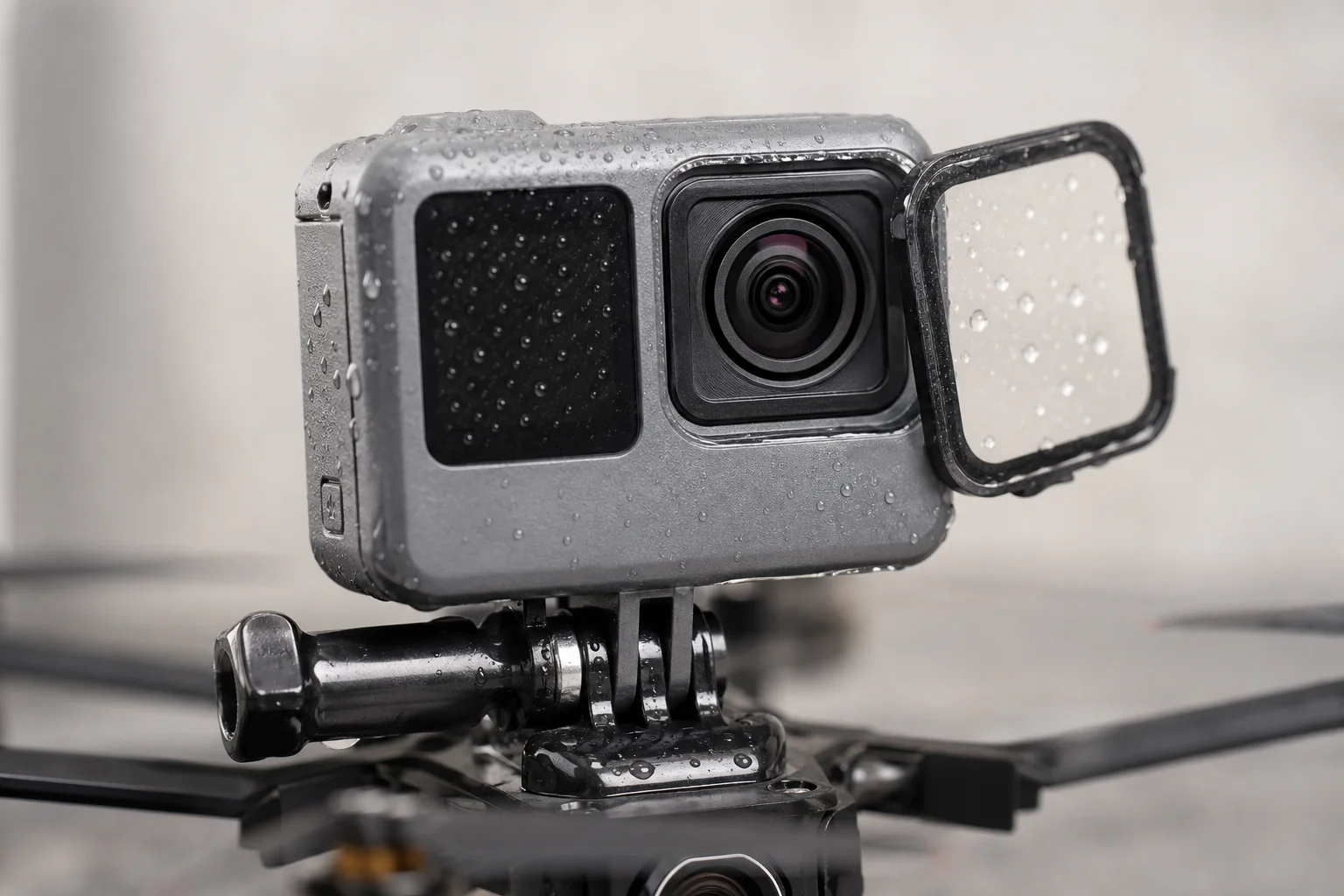
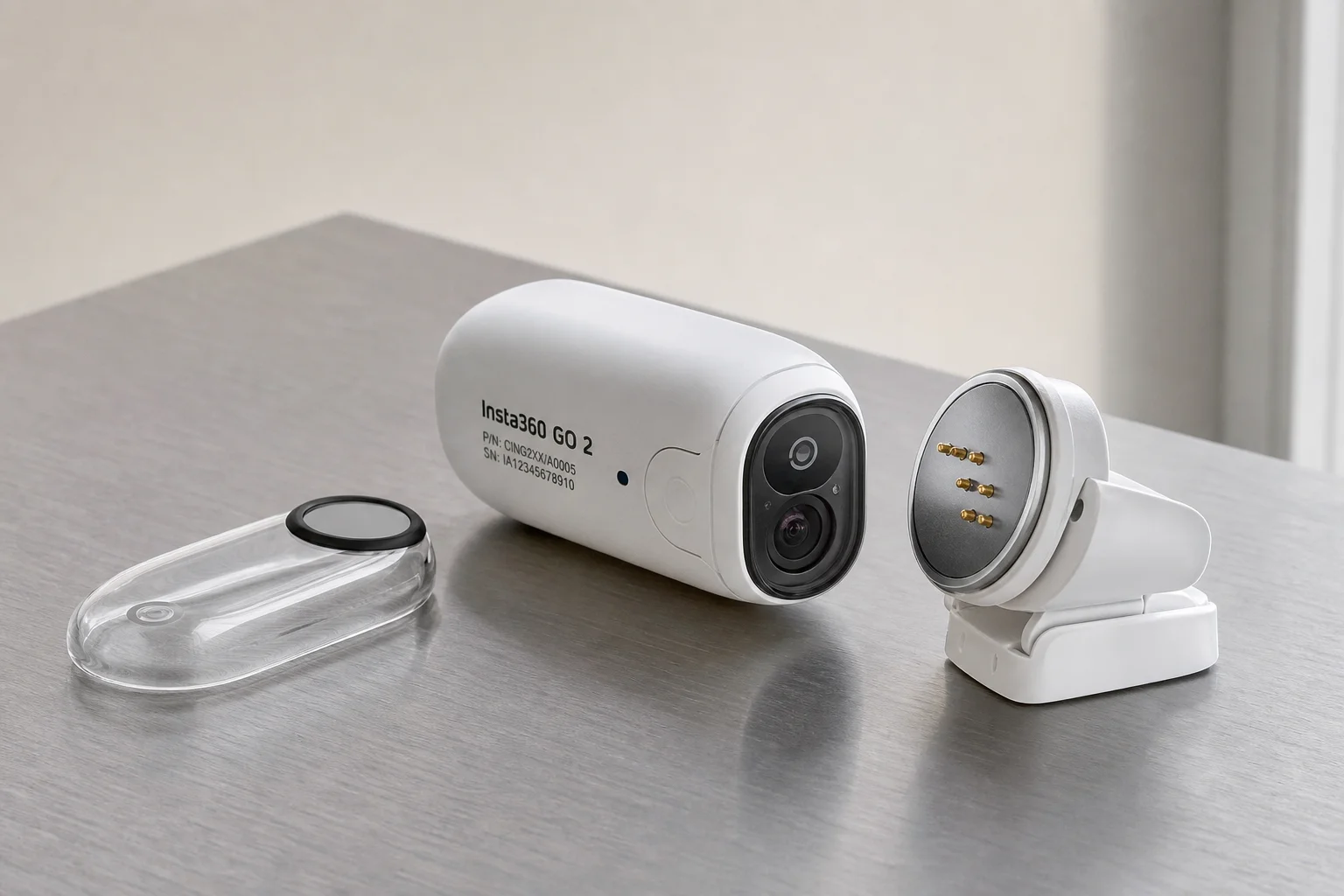
The Insta360 GO 2 pairs exceptionally well with tiny FPV drones. At just 56 grams, it adds minimal weight penalty. The removable lens cover is essential because FPV crashes happen frequently, and you want the lens protected during impacts.
The GO 2 is waterproof on its own, which matters if you lose the drone near water. The charging case doubles as a wireless controller, letting you trigger recording from the ground. You can mount it on the drone, wear it as a wearable camera, or use the magnetic mount to extend it on an invisible selfie stick for creative angles.
The 360-degree capture means you don’t need to worry about which direction the camera points while flying. In post-production, you select the frame you want from the full spherical recording. This removes a major cognitive load during flight.
Cinewhoop vs. Racer Frame: Size and Durability
The Protek25 cinewhoop excels at smooth, controlled flying through tight spaces. The foam guards mean a slight bump into a wall or tree branch is a non-event. The trade-off is slightly less agility and a larger footprint.
The Firefly racer frame is smaller and more acrobatic. Without foam guards, it demands more precision. But that size advantage means you can fit through gaps the Protek25 cannot. If your goal is threading through narrow architectural features or tight outdoor spaces, the Firefly’s five-inch frame is a genuine advantage over seven inches.
Speed and Performance Testing
The Firefly reaches approximately 70 miles per hour in level flight at full throttle. That speed comes with a caveat: the Insta360 GO 2 mounted on top adds wind resistance, so removing the camera would likely push the top speed higher. The drone remains controllable at these speeds, though pulling up from a dive requires planning ahead rather than instant response.
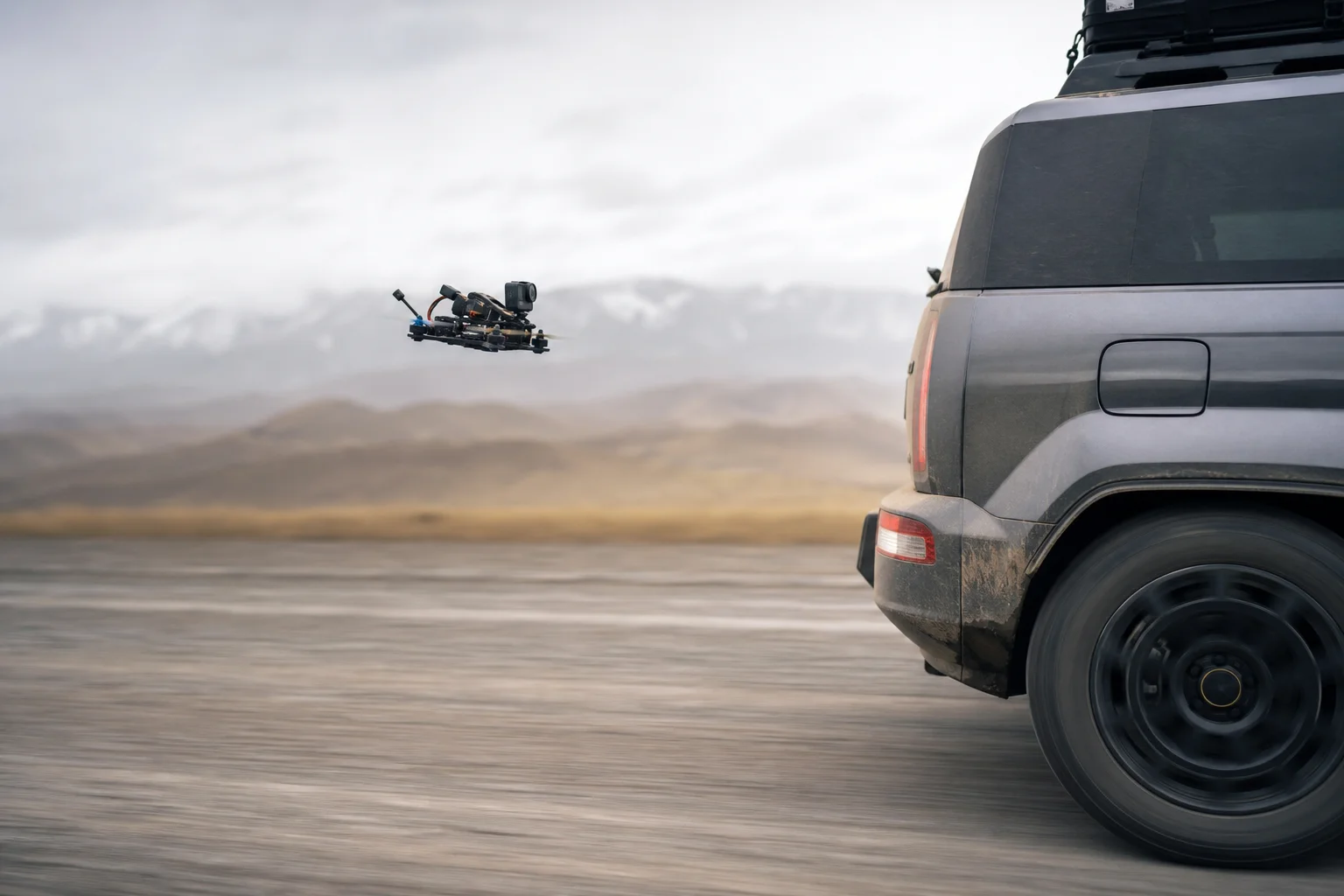
Wind sensitivity increases noticeably above 50 miles per hour. In calm conditions, the drone feels stable and responsive. In gusty conditions, even the foam-guarded Protek25 becomes challenging to fly smoothly.
Conclusion
Pre-built FPV drones have matured into genuinely fun, accessible tools. The Flywoo Firefly suits pilots who want maximum agility and minimum size. The iFlight Protek25 appeals to those prioritizing stability and crash forgiveness. The Insta360 GO 2 transforms either platform into a capable aerial cinema camera. All three work best in calm to light wind, and all deliver real flying satisfaction without requiring technical expertise to get airborne.
Further reading
Related Reviews
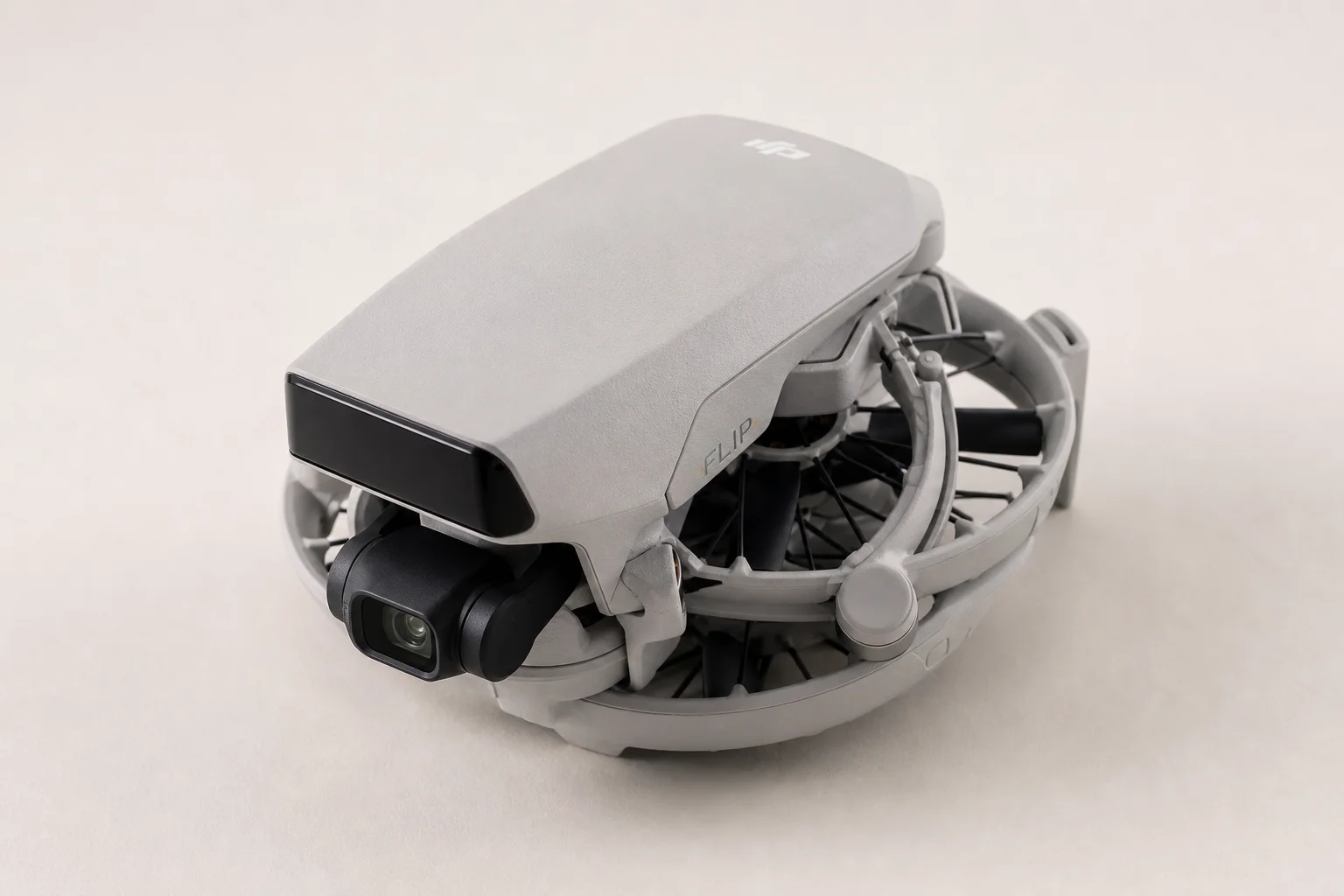
Drone Reviews
DJI Flip Review: A 249g Drone That Might Be the Only One You Need
The DJI Flip combines autonomous flight, intelligent human tracking, and 4K video quality in a compact, beginner-friendly package with built-in propeller guards and hands-free operation.
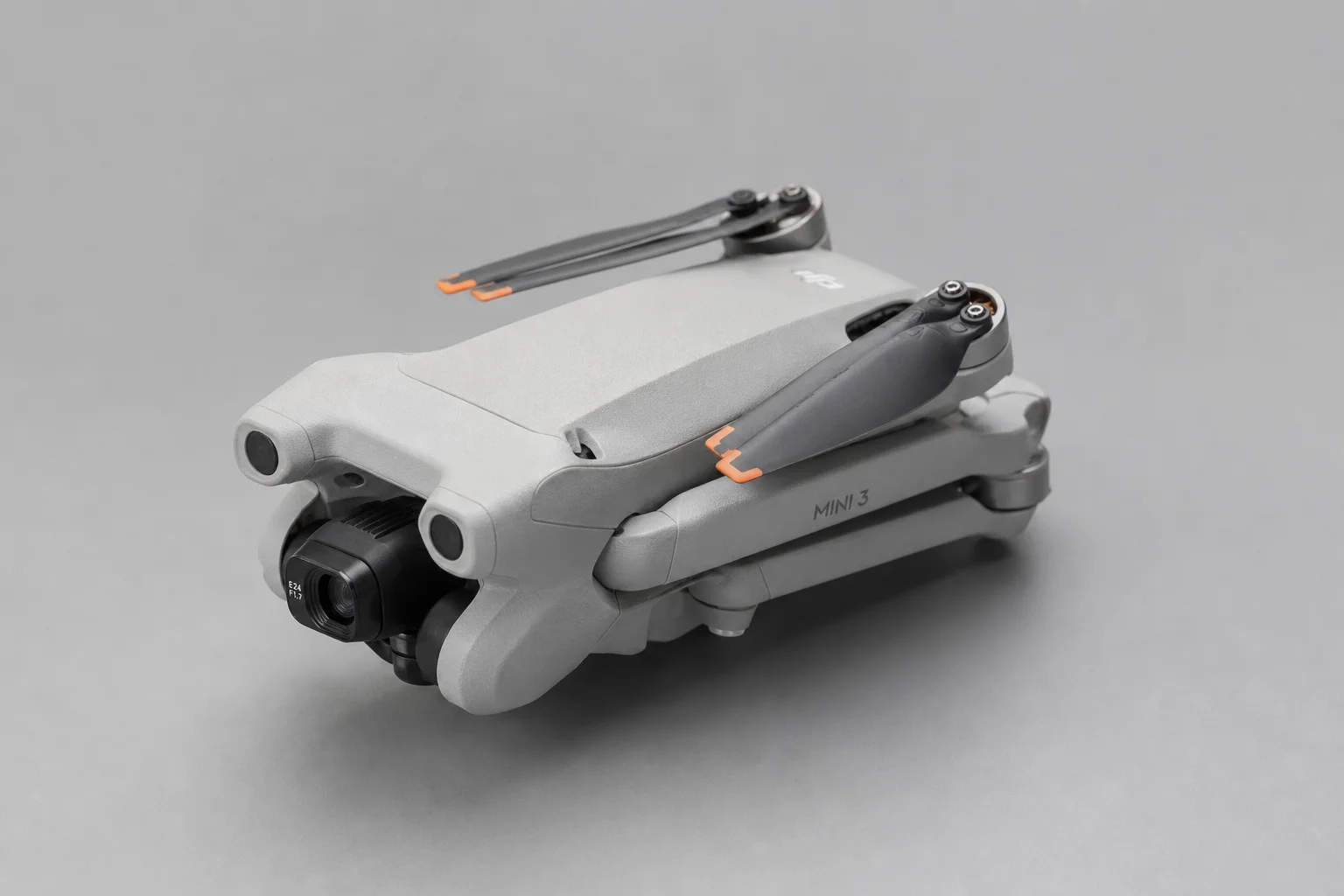
Drone Reviews
DJI Mini 3 Review: Budget Drone with Surprising Performance
The DJI Mini 3 delivers impressive flight time, wind resistance, and video quality at an entry-level price, making it a strong choice for both beginners and experienced pilots.
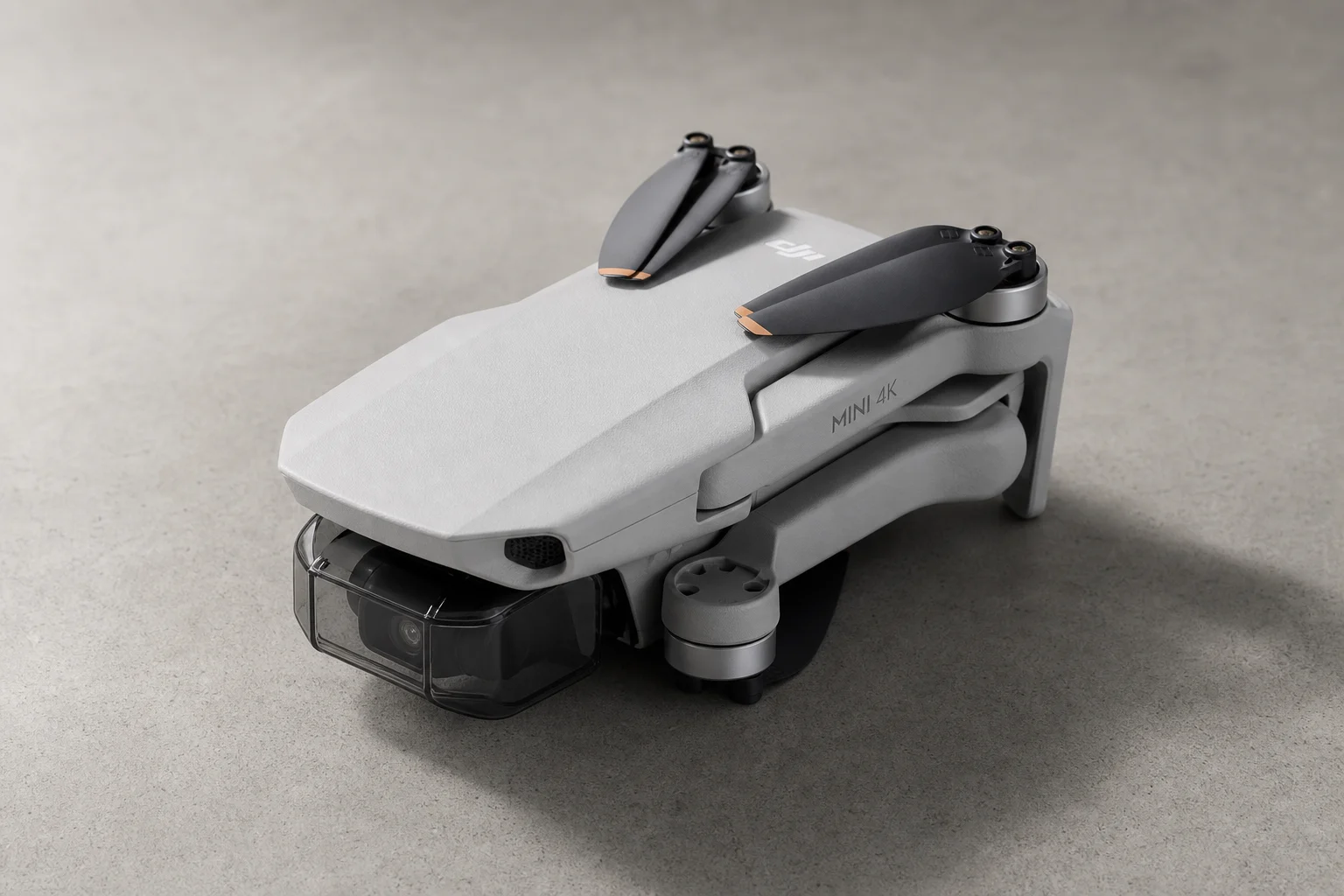
Drone Reviews
DJI Mini 4K Review: A Compact 4K Drone for Beginners and Travelers
The DJI Mini 4K delivers 4K video, 31-minute flight time, and reliable stabilization in a sub-250g package at an accessible price point. A practical entry-level drone for aerial photography and filmmaking.