Coffee Equipment
Timemore Black Mirror Scales Comparison: Mini, Nano, and Basic 2.0 Explained
A detailed comparison of three Timemore Black Mirror coffee scales to help you choose the right model for your brewing style and budget.
Introduction
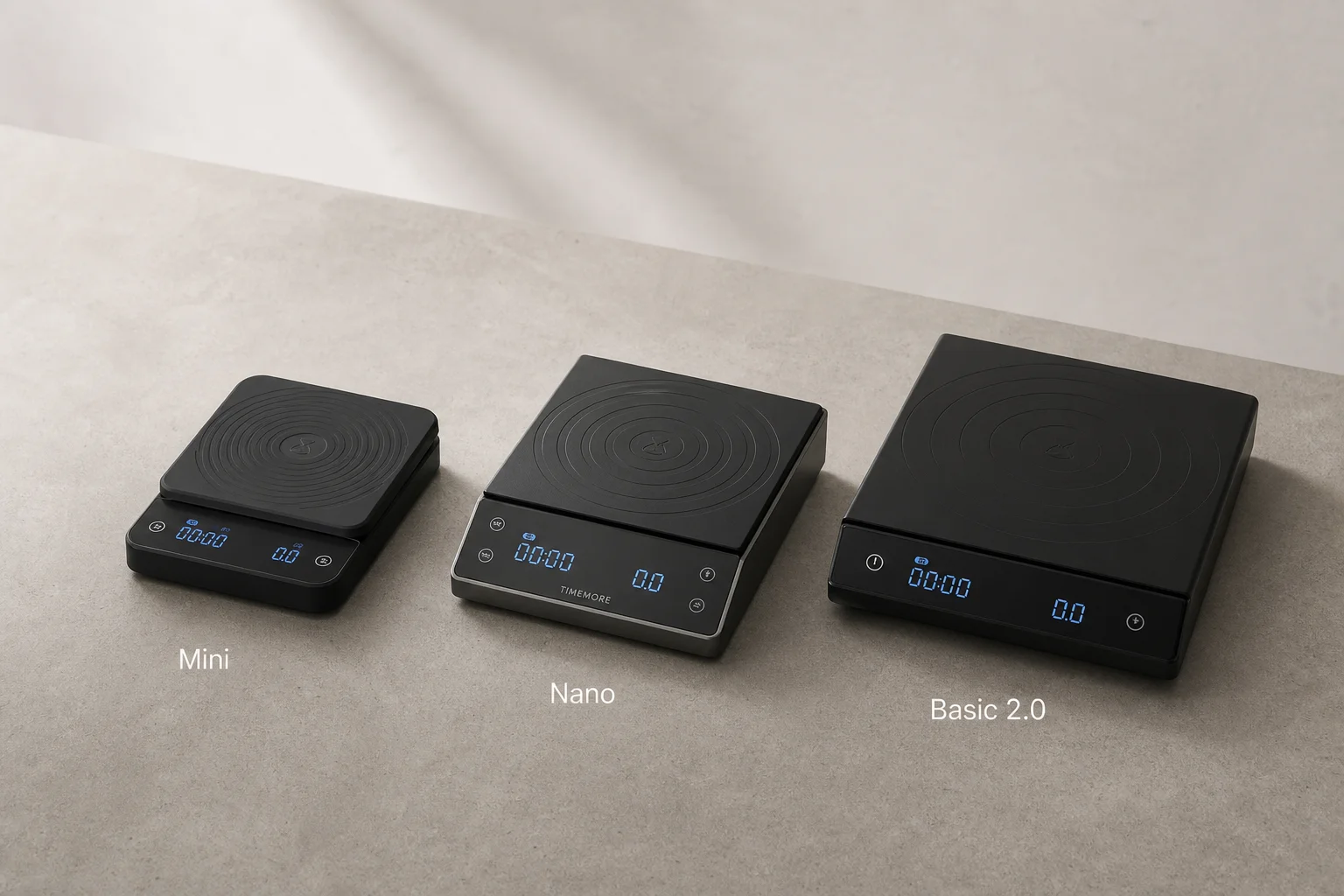
The Timemore Black Mirror series has become a staple for coffee enthusiasts who want precision without complexity. Over the past few years, the lineup has expanded to include three distinct models: the Mini, the Nano, and the Basic 2.0. Each serves a different need, and understanding the differences will help you pick the right scale for your brewing style and budget.
Design and Build Quality
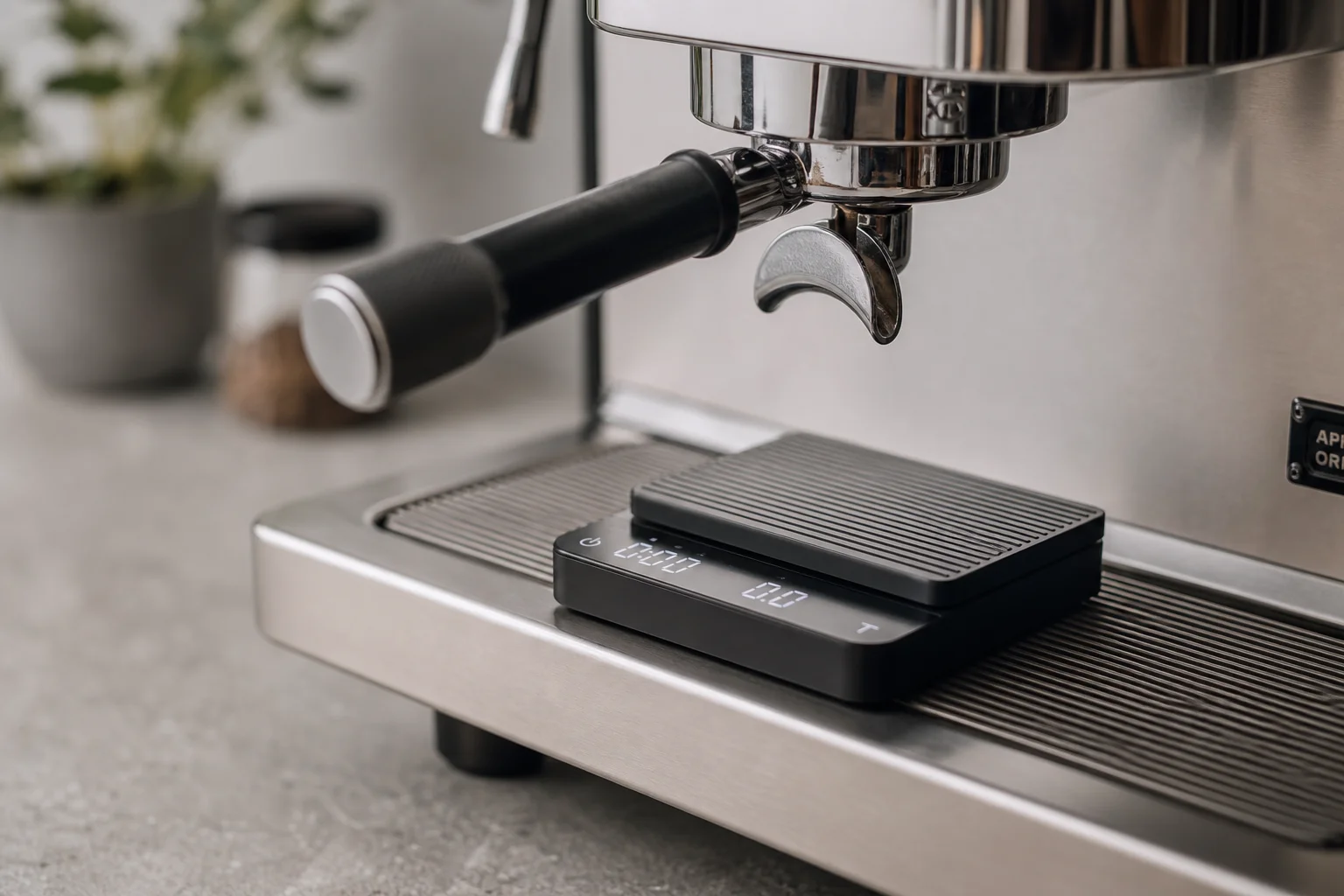
The Mini is the newest and most compact addition to the lineup. It measures just 192 grams and features the thinnest profile Timemore has ever produced. This slim design is particularly useful for espresso machines, where clearance under the portafilter spout is often limited. The Mini uses a plastic base and positions its buttons on the front of the unit, which prevents accidental presses when moving the scale around.
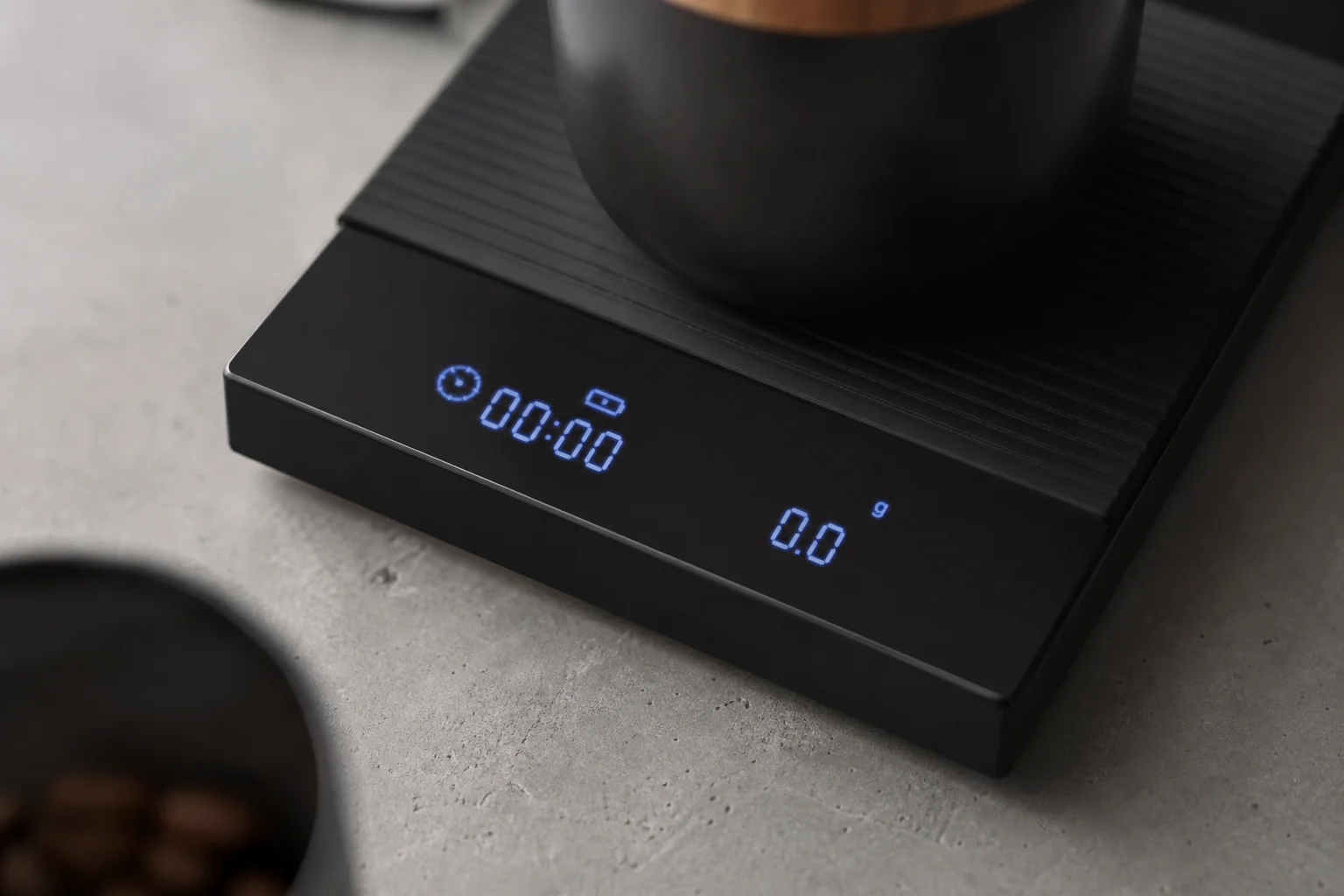
The Nano, by contrast, weighs 230 grams and features a metal base that adds durability and a premium feel. Its standout design element is a tilted display that makes it exceptionally easy to read, especially when used with larger carafes during pour-over brewing. However, the side-mounted buttons can be accidentally triggered when repositioning the scale.
The Basic 2.0 is the largest of the three and is designed primarily for pour-over and other brewing methods. It does not include espresso mode and costs less than the Mini and Nano, making it the most budget-friendly option.
Display and User Interface
The Mini and Nano both feature the same bright blue LED display that is easy to read in various lighting conditions. A key difference lies in how information is presented. The Mini displays both the drip rate and elapsed time simultaneously on the screen, eliminating the need to toggle between readings. The Nano requires you to switch between these two metrics using the side buttons, which adds an extra step to your workflow.
Both scales can measure weights as precisely as 0.1 grams and have a maximum capacity of 2 kilograms, making them suitable for most coffee brewing applications.
Core Features and Modes
All three scales share the same fundamental functions: basic weighing, auto mode, and espresso mode. You can cycle through these modes by pressing the timer button multiple times.
Basic mode is the most straightforward. The right button tares the scale, and the left button starts the timer. This is the mode most users rely on for everyday brewing.
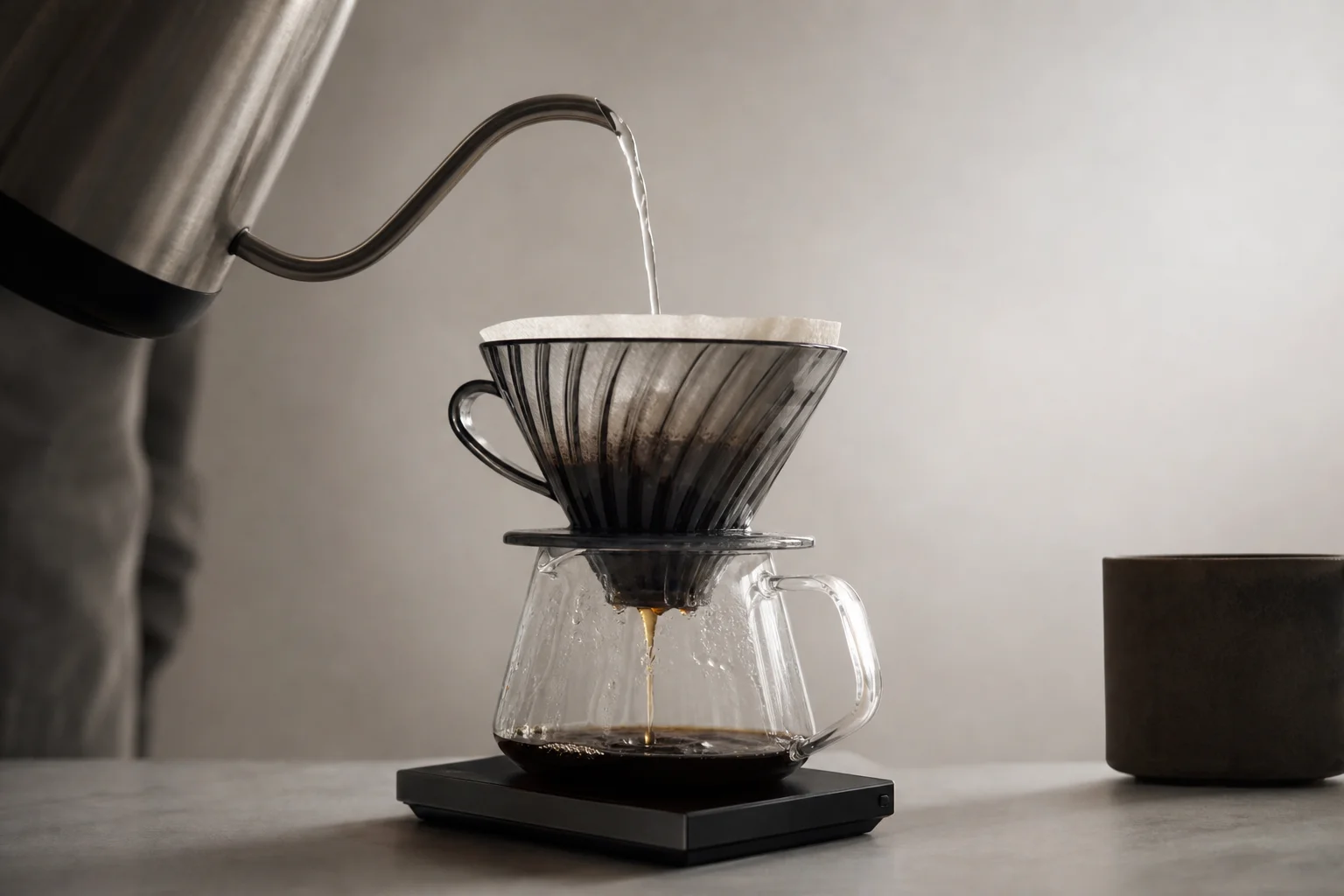
Auto mode is designed specifically for pour-over brewing. Once your brewer and coffee are ready, you tap the timer button and the scale counts down three seconds before automatically starting the timer when it detects water flow. This removes the need to manually start timing.
Espresso mode is where the Mini and Nano truly shine. When you place a cup on the scale, it automatically tares. As soon as the first drop of coffee hits the cup, the timer starts automatically. The timer stops when the flow ends, making shot timing effortless. There is a one-second delay in flow detection, but this is negligible for most users. The Basic 2.0 does not include espresso mode.
You can also toggle between grams and ounces, and disable the beep sound by long-pressing the timer button for about five seconds.
Battery Life and Charging
The Nano has a larger battery capacity at 900 milliamp hours, compared to the Mini’s 760 milliamp hours. In practice, the Nano can last at least two weeks on a single charge with daily use. The Mini’s battery is smaller but still provides solid longevity for regular users. Both scales charge via USB-C.
The Basic 2.0 doubles the battery capacity to 1,600 milliamp hours, offering extended runtime between charges. All three scales power off automatically after three minutes of inactivity to conserve battery.
Which Scale Should You Choose
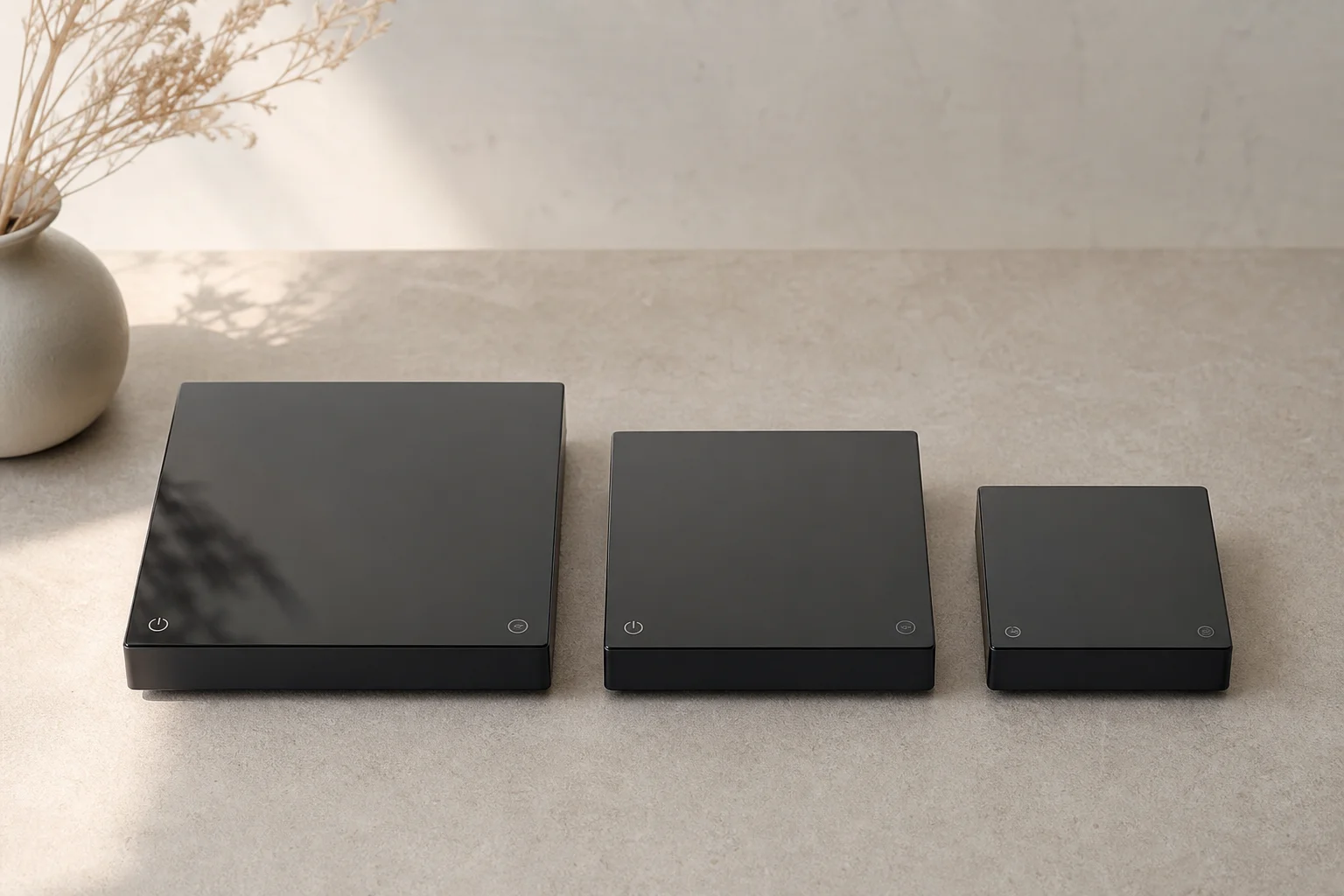
The Mini is the most practical choice for espresso enthusiasts and those with space constraints. Its thin profile fits under most espresso machines, the front-mounted buttons prevent accidental activation, and the dual-information display streamlines your workflow. The trade-off is a smaller battery and plastic construction.
The Nano excels if you prioritize design and readability. The tilted display is genuinely useful for pour-over brewing, and the metal base feels more durable. However, the side buttons are prone to accidental presses, and it is slightly heavier than the Mini.
The Basic 2.0 is the budget-friendly option for pour-over and other brewing methods. If you do not use espresso machines and want to save money, the larger size and extended battery life make it a solid choice. The trade-off is the lack of espresso mode and a larger footprint on your counter.
Conclusion
All three Timemore Black Mirror scales deliver the core functionality you need for precision coffee brewing at a reasonable price. The Mini offers the best balance of practicality and features for most users, the Nano prioritizes design and display quality, and the Basic 2.0 provides excellent value for pour-over enthusiasts on a budget. Your choice ultimately depends on your brewing method, available space, and whether espresso mode is essential to your workflow.
Product link
View more details for Timemore Black Mirror Mini
This product is mentioned in the review. Check the specifications, options, and compatibility before buying.
View more details for Timemore Black Mirror MiniFurther reading
Related Reviews
Coffee Equipment
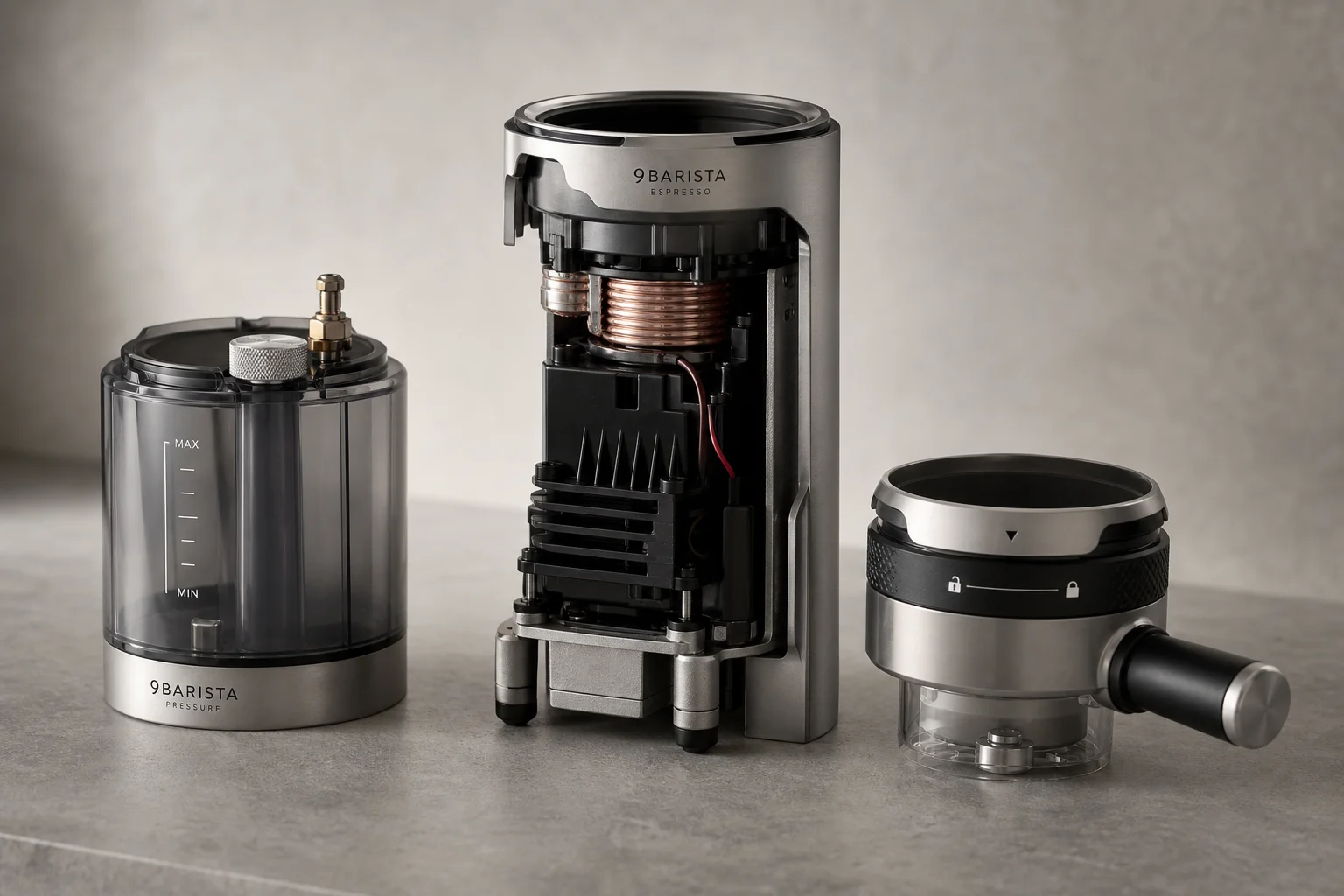
9Barista Espresso Machine Review: Stovetop Espresso for Single-Cup Enthusiasts
A cleverly engineered stovetop espresso maker that generates nine bars of pressure without electricity. Excellent coffee quality, but requires patience and suits solo drinkers only.
Coffee Equipment
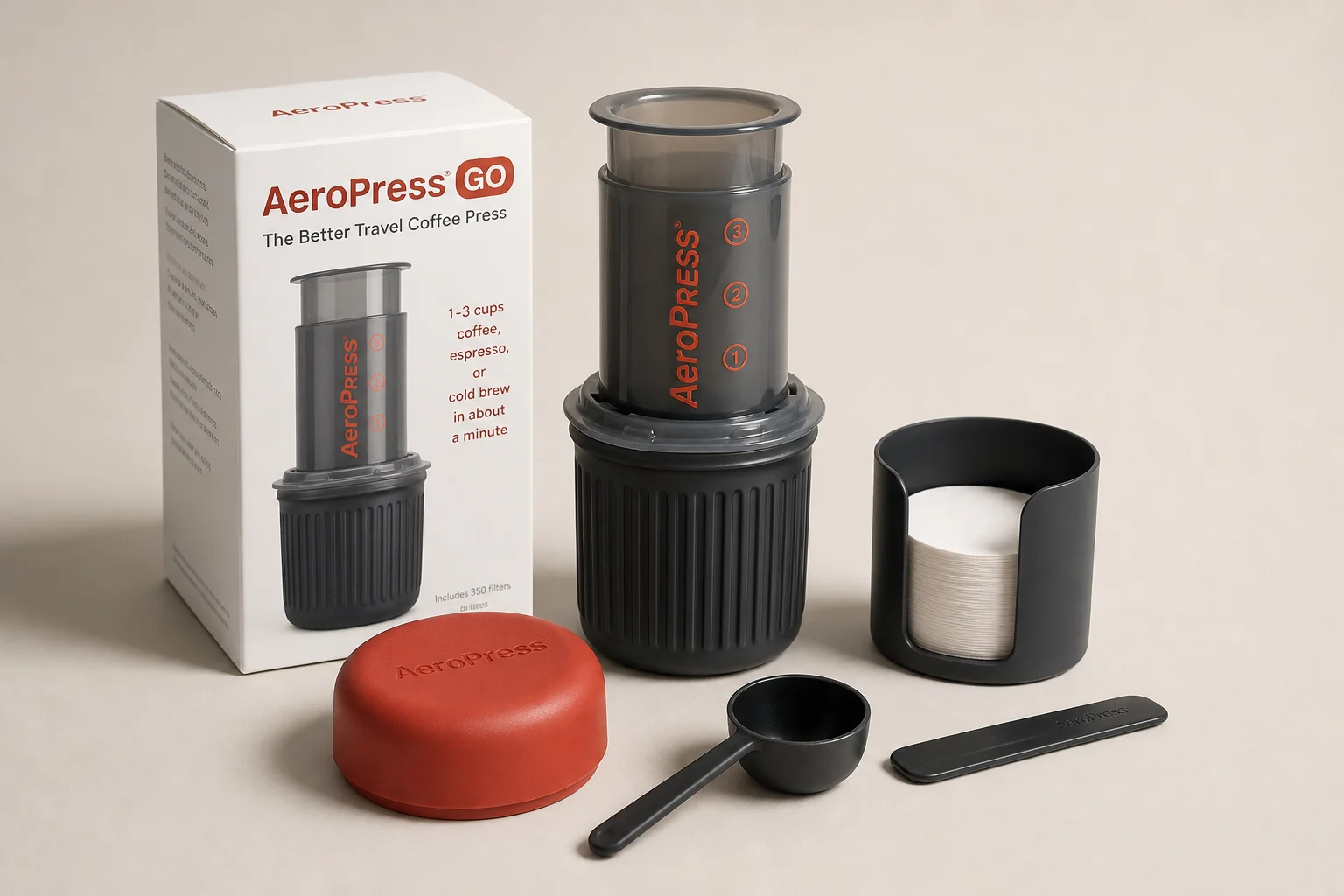
Aeropress Go Review: A Compact Travel Brewer That Solves One Specific Problem
The Aeropress Go shrinks the original design and adds an integrated cup, but it may not address the travel challenges most coffee enthusiasts actually face.
Coffee Equipment
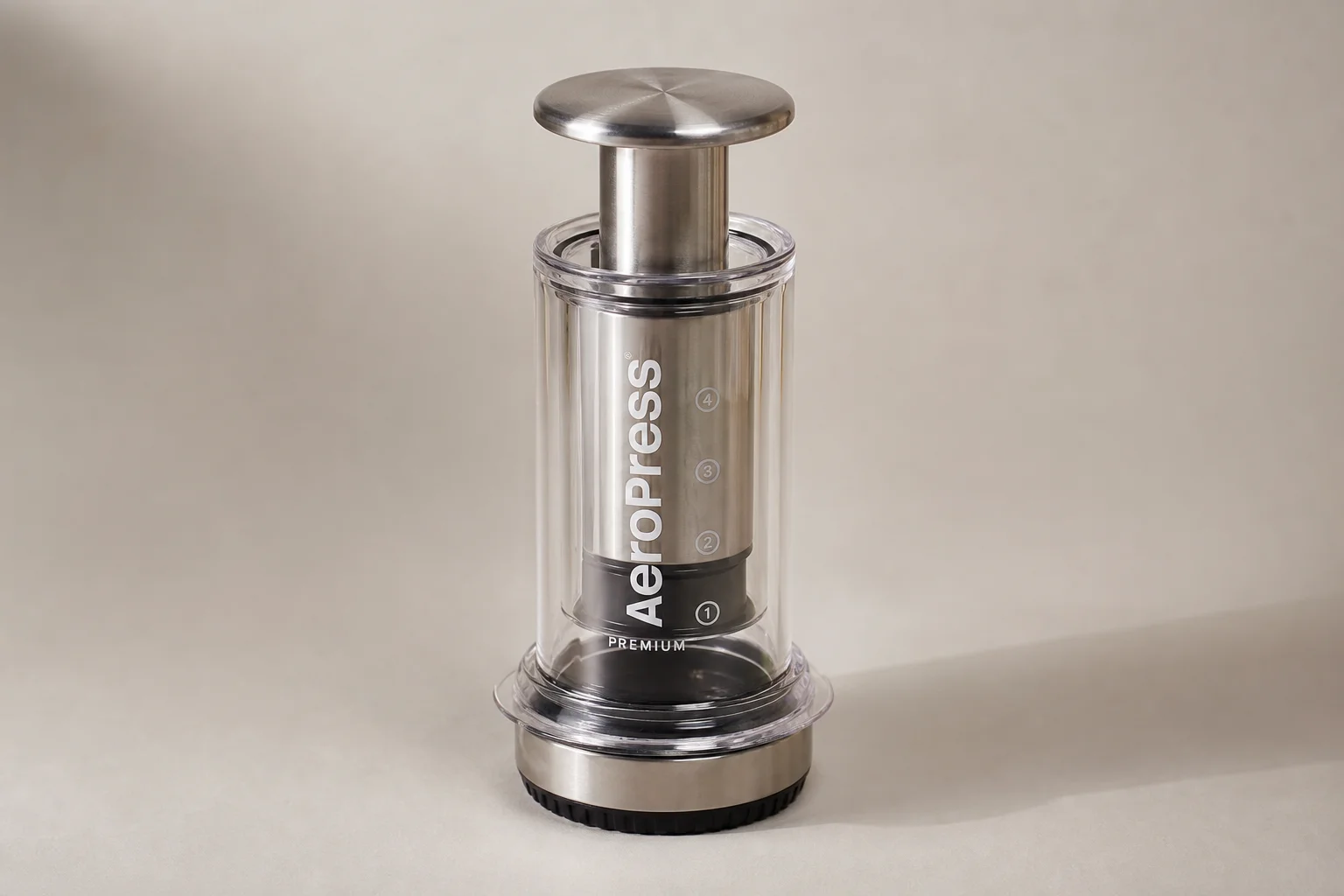
AeroPress Premium Review: Premium Materials, Practical Trade-offs
The AeroPress Premium brings glass and metal construction to a beloved brewer, but trades portability and durability for a more refined feel. Here's what changes in the cup and what matters before you buy.