Tools
Tight Reach Micro Extension Clamp Review: A Slim Hand Vise for Tight Spots
The Micro is the thinnest version of the Tight Reach extension clamp yet, built to hold nuts, bolts, and hose clamps in spaces where pliers simply will not fit.
Introduction
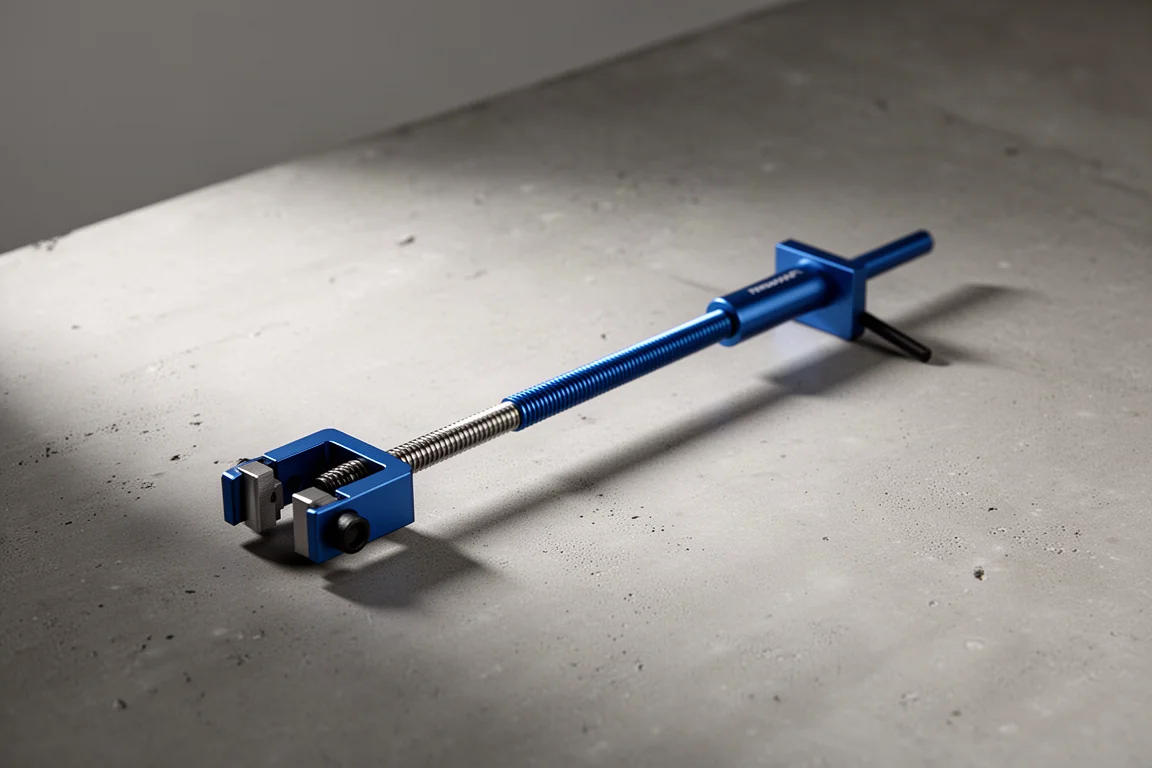
Tight Reach, the US company behind the original extension clamps, has added a new variation to its lineup: the Micro. The company also makes extension wrenches and low-profile sockets and drivers, but the extension clamp concept remains its signature idea, and the Micro is the thinnest version of it yet.
The interesting part of the naming is that “micro” refers to the thinness of the tool rather than its length. In fact, the Micro is actually longer than the company’s Mini version, measuring just shy of nine inches overall at 8 and 3/4 inches to the end. That combination of a slim profile with real reach is what makes this tool worth a closer look.
What the Tight Reach Micro Actually Is
At its core, the Tight Reach Micro is essentially a small hand vise. A threaded rod connects two clamp jaws, and turning it adjusts the tension. You drop in whatever you need to hold, such as a nut, tighten it down so it sits snug, and then insert the whole thing into the space you are working in.
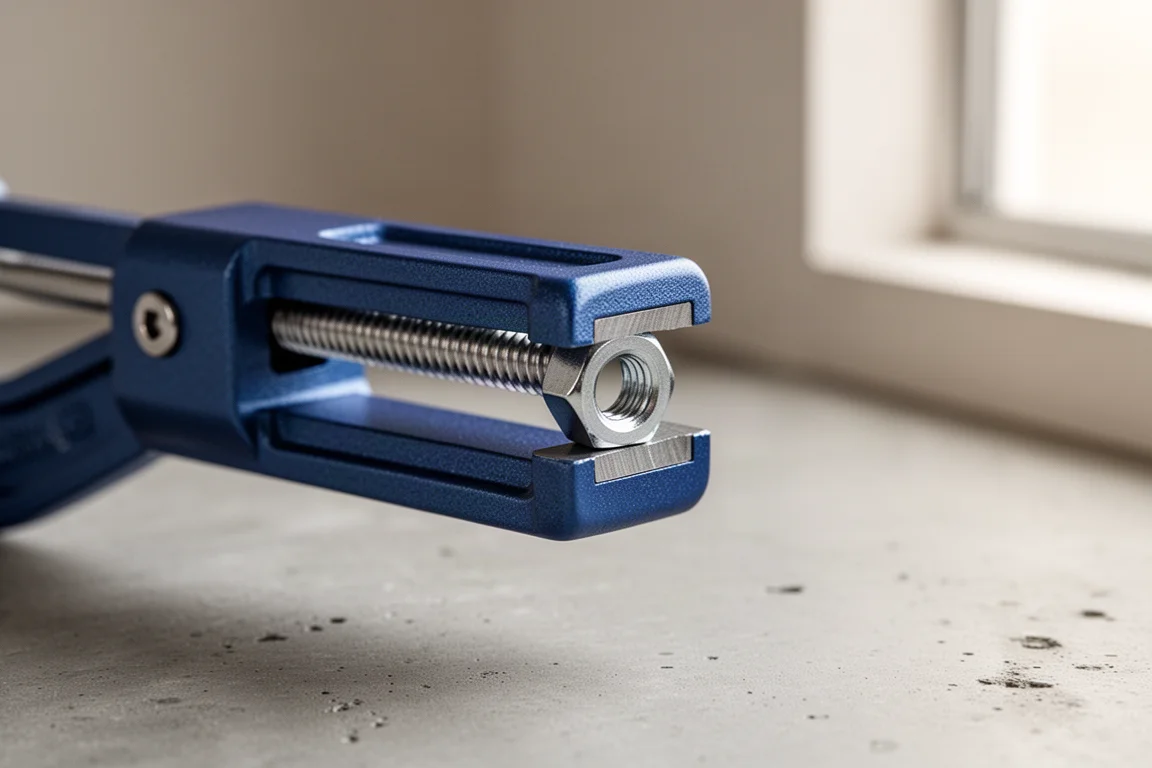
Once the part is captured, you can reach through a small hole, a narrow slot, or a restricted area and position it precisely. When you are done, backing off the threaded rod releases the tension and the part comes free.
Why It Beats Needle-Nose Pliers
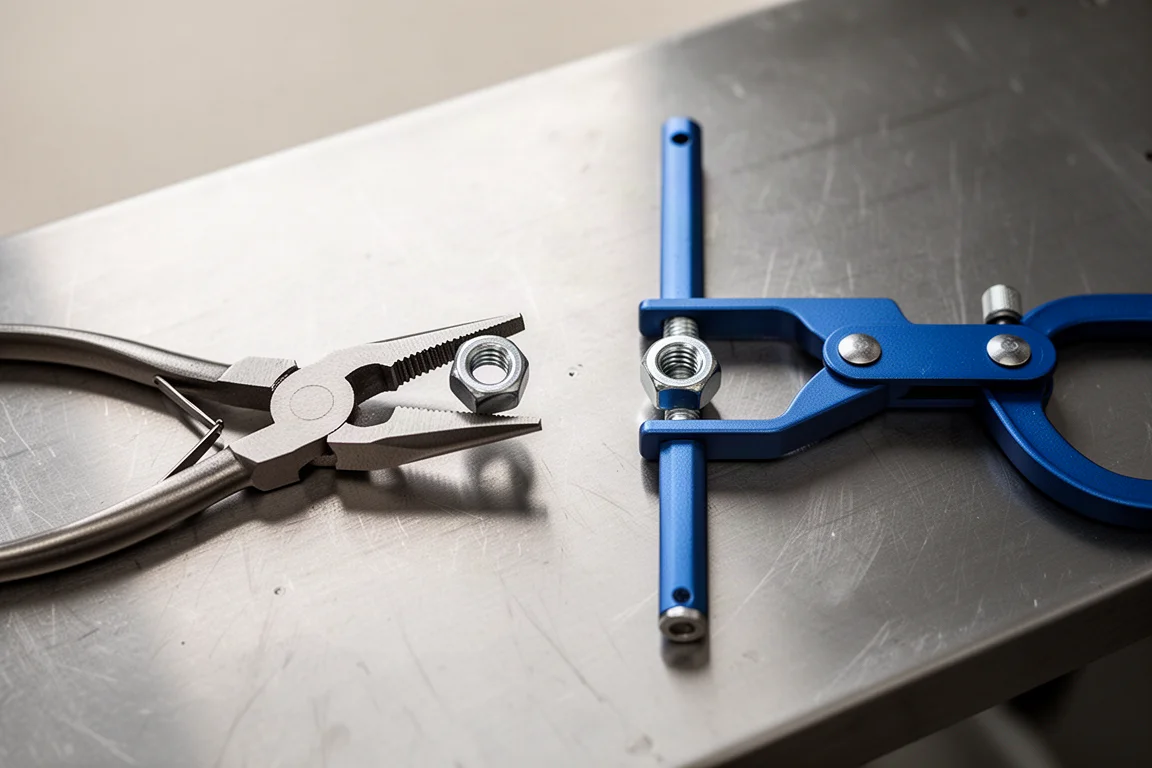
Most of us have tried the needle-nose pliers trick: squeeze a nut in the jaws and hope it stays put while you thread a bolt onto it. The problem is obvious. The nut spins at the end of the pliers, it is hard to keep pressure on, and sooner or later you drop it into a cavity you cannot reach.
A direct comparison with two nuts of the same diameter shows the difference clearly. With needle-nose pliers, there is quite a bit of wobble and play. With the Micro clamped down, the nut is held firmly and stays oriented, which is exactly what you want when threading into a blind or awkward location.
Other Practical Uses
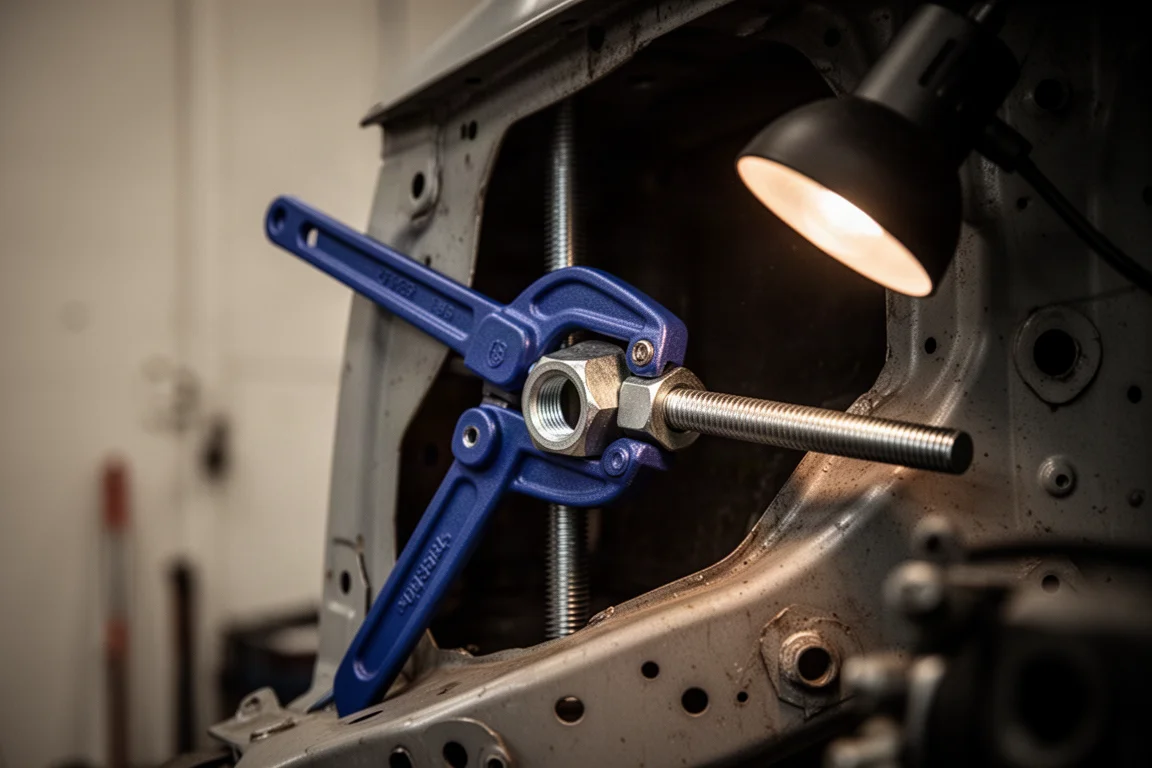
The Micro is not limited to holding small nuts. Because the jaws grip firmly, you can use it with larger hardware as well. One example from real-world use: drilling a hole through a car or truck frame to install an accessory, then needing to get a bolt into that hole. A threaded wire is the traditional workaround, but seating a nut on the far side of a frame is genuinely difficult. If you can slide the Micro in there with the nut captured, the job becomes far easier, even with a heavy metal nut.
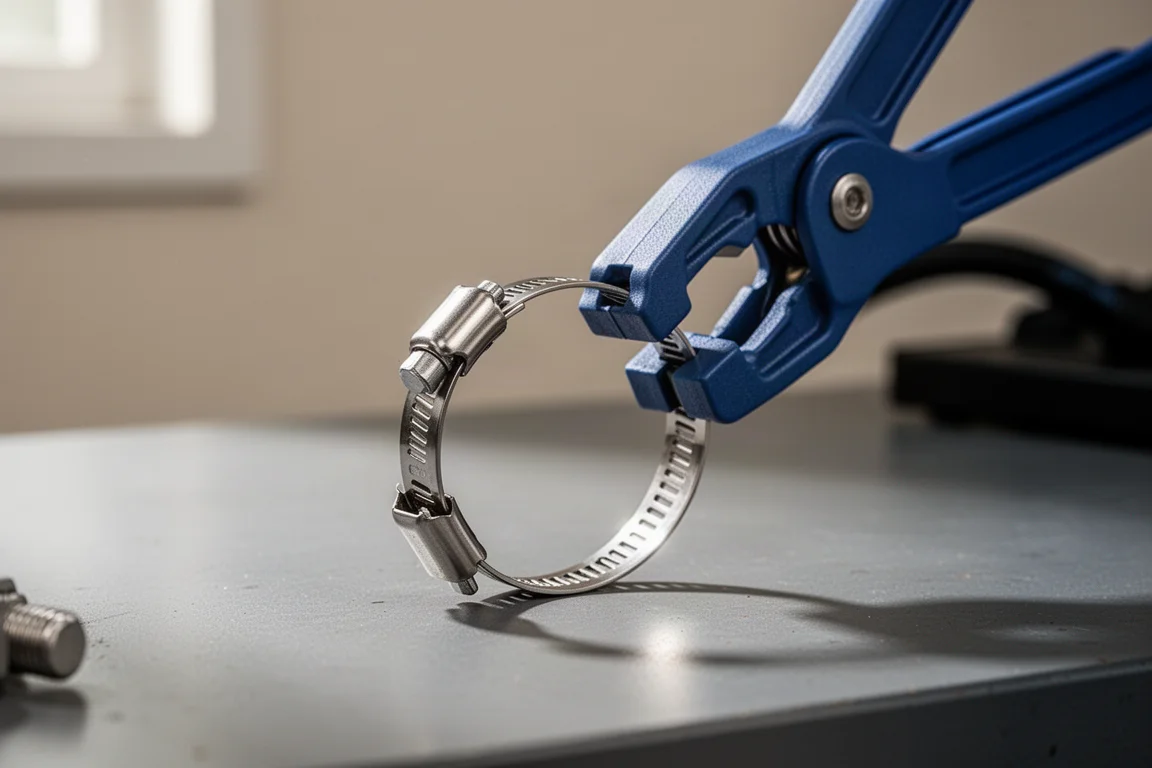
Hose clamps are another natural fit. If you can get the jaws around the two ends of a hose clamp, you can start tightening it down, and the tool holds everything snug while you keep shrinking it to the size you need. That makes it easy to pre-size the clamp, slide it onto a hose, and remove the tool. It also helps when dealing with a broken hose clamp stuck to a broken hose.
Price, Build, and Availability
The Tight Reach Micro sells for around $18 to $19 directly from the company’s site. It is a US company, though the manufacturing takes place in China. The design is refreshingly simple: a threaded rod, two jaws, and a slim body in the company’s signature Tight Reach blue.
There is nothing complicated to go wrong here, and the low price makes it an easy addition to a toolbox if you regularly work in confined spaces. It is also a sign that the company keeps exploring variations on its extension clamp concept, which is good news for anyone whose work involves awkward fasteners.
Buying Advice
The Micro makes sense if your work regularly involves reaching nuts, bolts, or hose clamps through holes, slots, or frame cavities. Automotive and accessory installation work is where it shines most. If you already own the Mini version, the Micro’s thinner profile and extra length make it a complementary tool rather than a replacement, since each excels in slightly different spaces.
If your fastening jobs are all easily accessible, needle-nose pliers and a standard socket set will still do the job, and the Micro may sit idle. Buy it when restricted access is a recurring problem, not a rare one.
Conclusion
The Tight Reach Micro is a simple, affordable tool that solves a specific and genuinely frustrating problem: holding a fastener steady in a space your hands and pliers cannot work in. With a slim profile, nearly nine inches of reach, a firm grip on everything from small nuts to heavy hardware and hose clamps, and a price around $18 to $19, it is an easy recommendation for anyone doing automotive or fabrication work in tight quarters.
Product link
View more details for Tight Reach Micro Extension Clamp
This product is mentioned in the review. Check the specifications, options, and compatibility before buying.
View more details for Tight Reach Micro Extension ClampFurther reading
Related Reviews

Tools
Best Contractor Grade Tape Measures 2026: Eight Models Tested Head to Head
We tested eight contractor grade tape measures from Milwaukee, DeWalt, Crescent Lufkin, Tajima, Stanley, Irwin, Gelan, and Craftsman to find the best value and performance.

Tools
Best Precision Screwdriver Sets 2026: Manual and Electric Options Compared
We compare 19 precision screwdriver sets, from budget manual kits to electric drivers, to find the strongest bits and best value.

Tools
Best Stud Finders 2026: Five Popular Models Put to the Test
We tested five popular stud finders on drywall, firewall, and lath and plaster surfaces to see which ones really find studs and avoid false readings.