Outdoor Gear
Tie Boss CL Review: A One-Handed Tie-Down System That Simplifies Kayak Storage
The Tie Boss CL replaces fussy multi-part hoist systems with a single self-locking rope cleat you can operate one-handed, and a kayak sling kit that makes garage and dock storage remarkably simple.
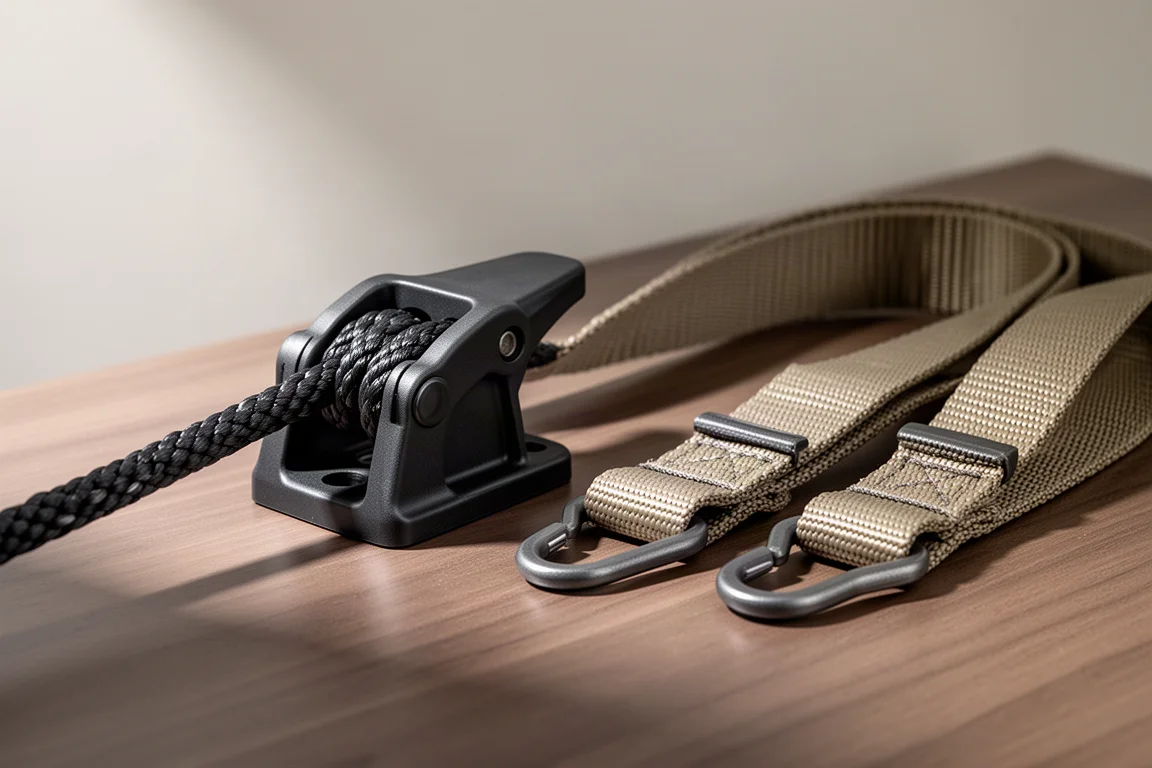
Introduction
Most tie-down and hoist solutions fall into two camps: fussy ratchet straps that need two hands and constant tension, or permanent garage hoist systems with a dozen moving parts. The Tie Boss CL takes a different approach entirely, using a single self-locking rope cleat that can be operated with one hand. After testing it both as a general tie-down and as part of the kayak sling kit on a dock, it turns out the simple design works remarkably well.
How the Tie Boss CL Works
The core idea is genuinely simple. You keep the cleat upright, run your load line through it, and pull the rope with one hand. When you let go, the rope cams into a set of internal teeth that grab the line and stop it instantly. For a more permanent lock, you can slide the rope into a fully secured mode, at which point the load will not move even with zero tension on the free end.
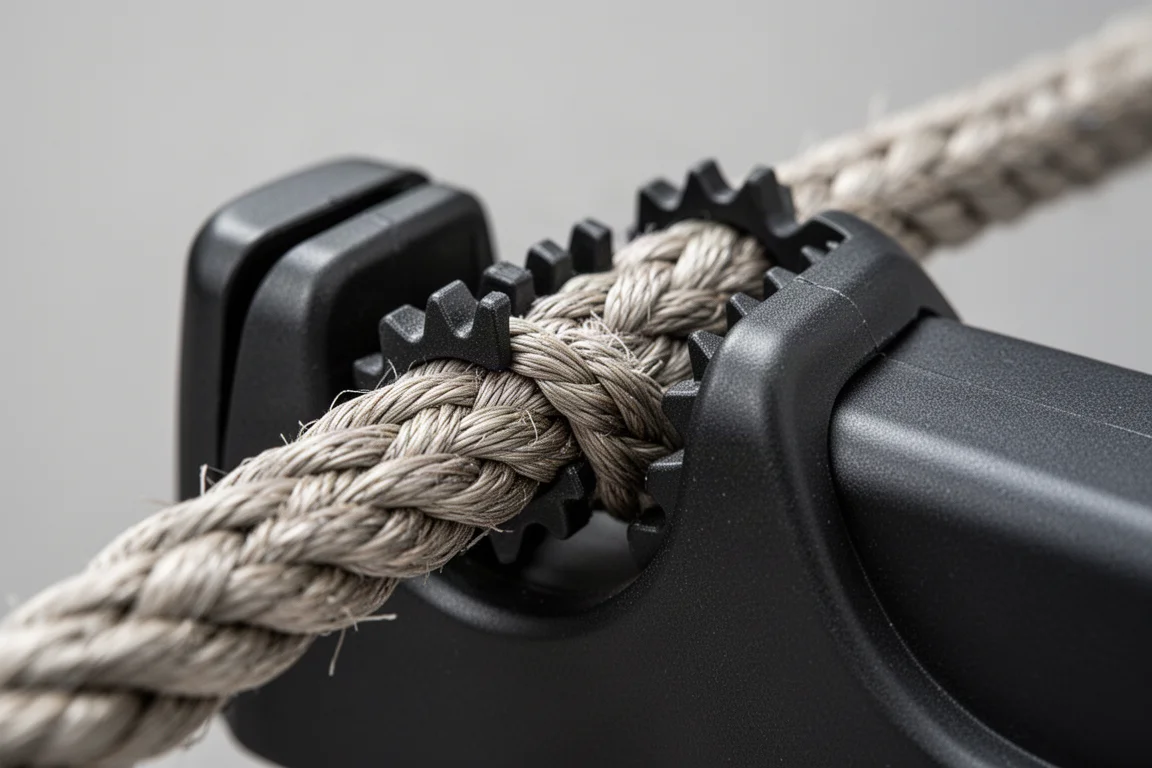
One-handed operation is the headline feature. To lower a load, you pull the release, lift the rope, and let gravity feed the line down in a controlled way. To raise it, you simply pull the other side. There is essentially nothing else to learn.
What Comes in the Kit
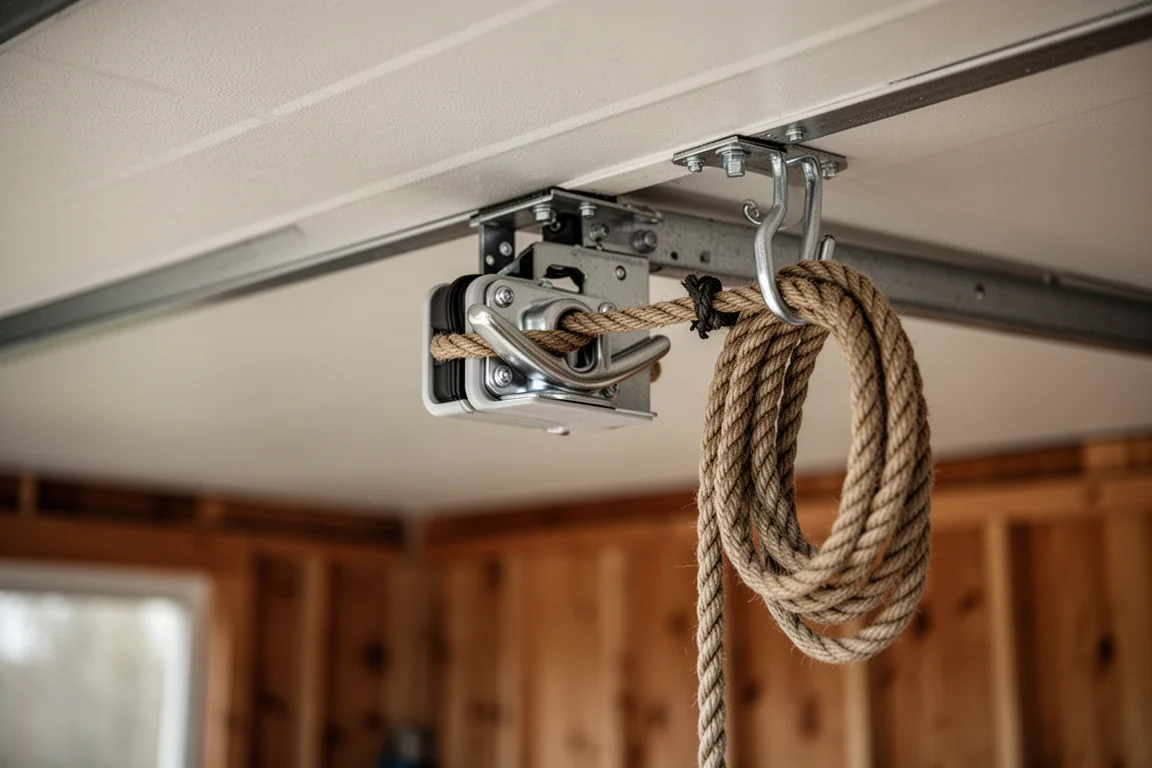
The version tested here is the smallest quarter-inch size, rated for a maximum of 150 pounds per unit. The company recommends using two Tie Boss units for most loads, which makes sense for stability. A couple of hooks are included so you can attach the unit to a ceiling or anchor point fairly easily.

One design wish worth mentioning: the cleat itself has no integrated hook, so you still need to run a separate hook on your ceiling and chain the connections together. An integrated hook would eliminate a whole extra piece of hardware. That said, the construction itself is solid. Opening the housing to inspect the internals proved nearly impossible without breaking it, with the screws secured by nuts on the opposite side, so this is not a device held together by three flimsy screws.
The Kayak Sling Kit: Real-World Test on the Dock
The kayak sling kit is designed more as a permanent storage solution, such as keeping kayaks up in a garage. It includes two long straps, one center strap, and two Tie Boss units that tie directly to the ceiling. For frequent paddlers there is a simpler path: skip the hanger sling entirely, attach the straps straight to the kayak, and use the Tie Boss cleats to raise and lower the boat on demand.
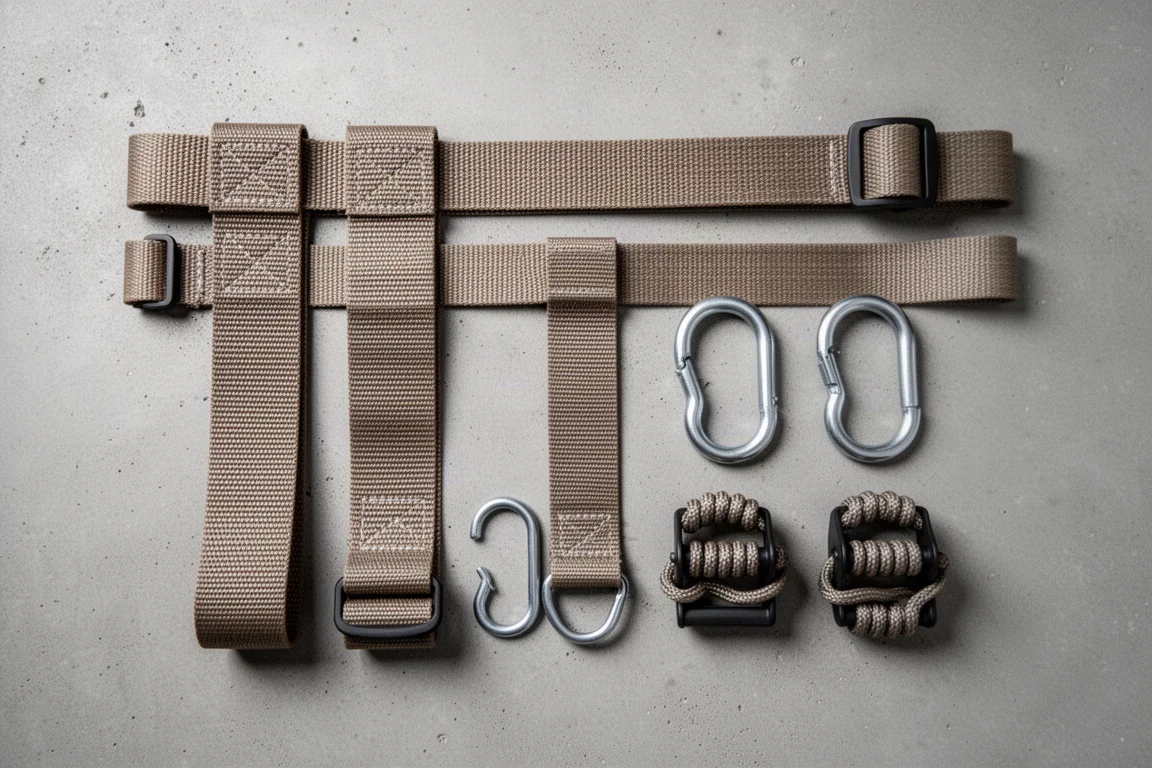
In testing with a tandem kayak, the switch from a complicated existing hoist system to two Tie Boss units was striking. There are no moving parts in the whole setup, just one cleat and one rope per side. Lowering the kayak into the water took seconds, with plenty of rope to spare even with a low water level, and raising it back up was a matter of pulling at an angle with one hand until the cleat re-engaged. The excess rope simply gets tucked into the kayak.
Tie Boss vs. Ratchet Straps
A ratchet strap is built for tension: you secure one end, run the strap over your load, and ratchet it tight. That makes it a two-handed tool for holding things down, and it can only take up so much excess strap before the spool fills. The Tie Boss is different because it actually pulls a load toward the anchor point, and it can travel as far as your rope allows.
The key difference to understand is resistance. To hold a load in normal mode, the Tie Boss needs constant resistance on the free side, because without it the locking teeth have nothing to grab into. Switch to the fully secured mode and the line stays put with no tension at all. That distinction covers most situations, including using it for strapping a load down on a trailer.
Buying Advice
There is also a pulley-style trick worth knowing: route the hook end back through the line to create an additional mechanical advantage, letting you cinch a load down much tighter. If you store a kayak permanently, the full sling kit is the right choice; if you paddle often and want to drop the boat into the water quickly, using the straps directly with a pair of cleats is the faster setup.
Conclusion
The Tie Boss CL earns its simplicity. It is easy to use one-handed, built solidly enough that its housing resists being pried apart, and flexible enough to serve as both a hoist for kayaks and a general tie-down. The main compromises are the lack of an integrated hook and the need to run two units for heavier loads, but neither gets in the way of a design that just works.
Product link
View more details for Tie Boss CL
This product is mentioned in the review. Check the specifications, options, and compatibility before buying.
View more details for Tie Boss CLFurther reading
Related Reviews
Outdoor Gear
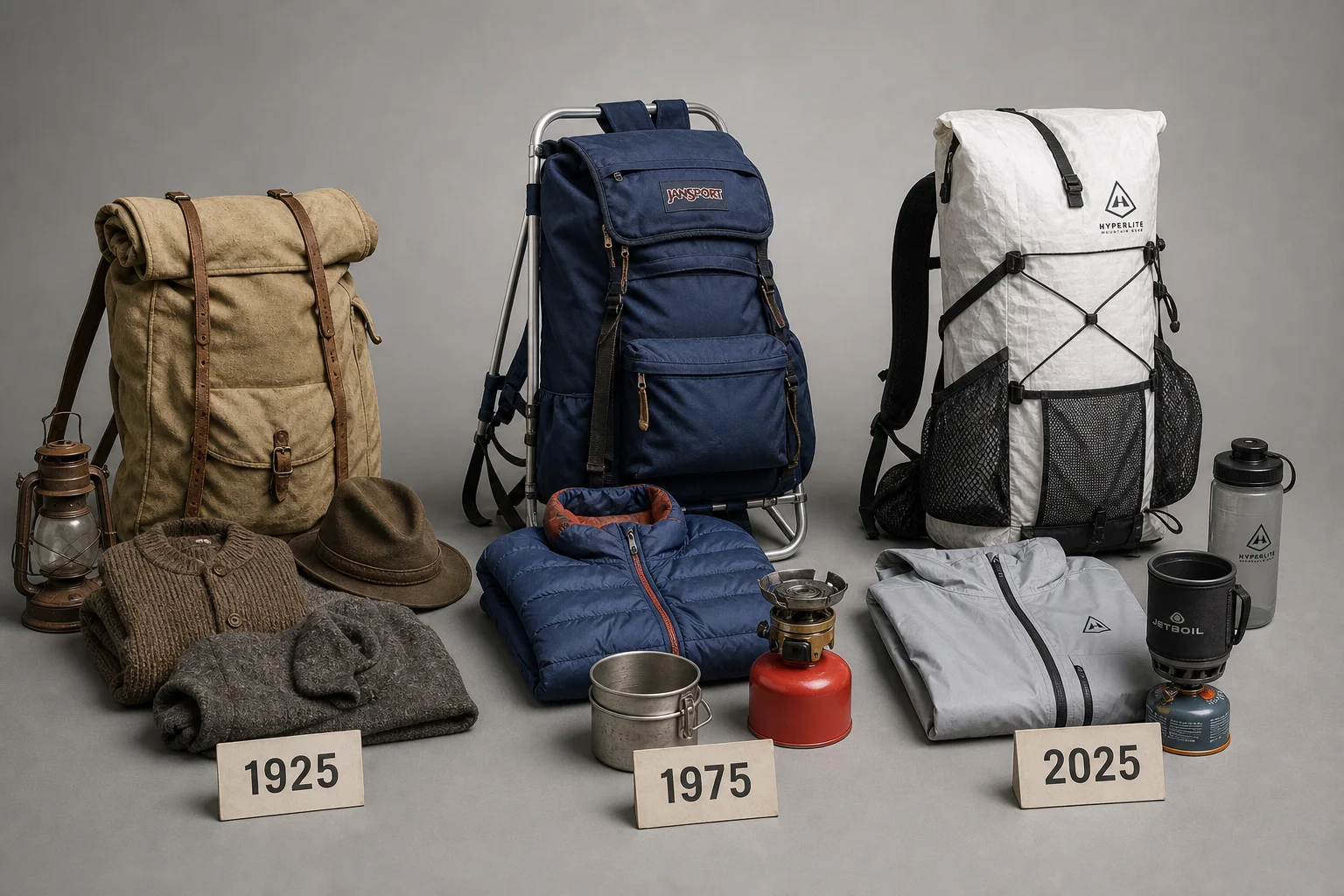
Backpacking Gear Evolution: 100 Years of Technology Compared
We tested backpacking gear from 1925, 1975, and 2025 across a three-day hike in Yosemite. Here's how technology has transformed comfort, weight, and the outdoor experience.

Outdoor Gear
Best Affordable Hiking Watches: Five Rugged Options for Outdoor Adventures
Five durable hiking watches that balance ruggedness, functionality, and value for outdoor enthusiasts who need reliable GPS tracking and weather resistance.
Outdoor Gear
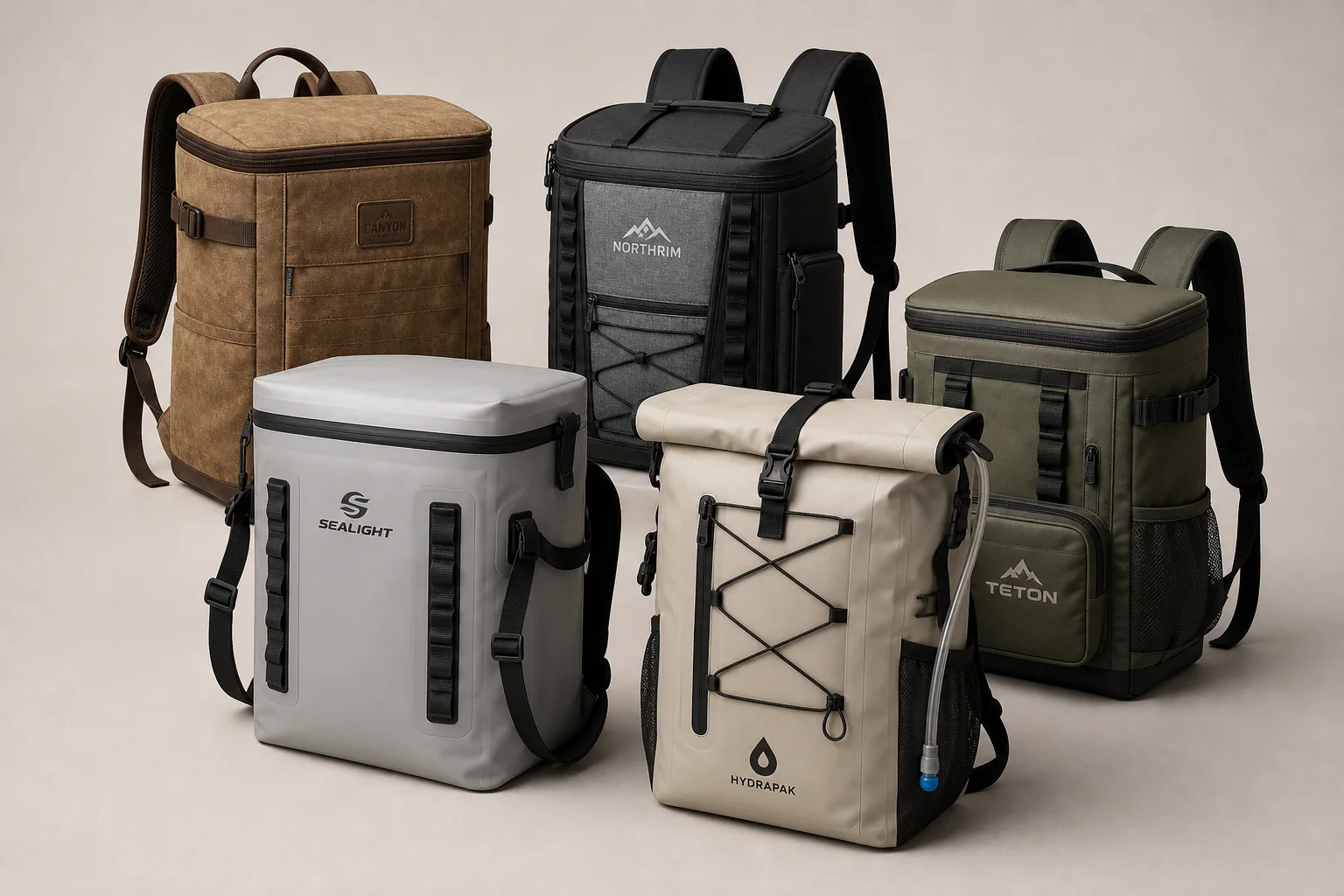
Best Backpack Coolers 2026: Five Practical Options for Outdoor Adventures
Five backpack coolers with distinct cooling capabilities, storage features, and design trade-offs to help you choose the right one for your outdoor needs.