Fountain Pens
Tibaldi Bononia vs Tibaldi Nº60: Two Fountain Pens Side by Side
A close comparison of the Tibaldi Bononia Martini Olive and the Tibaldi Nº60 Emerald Green, covering size, design, nibs, and writing feel.
Introduction
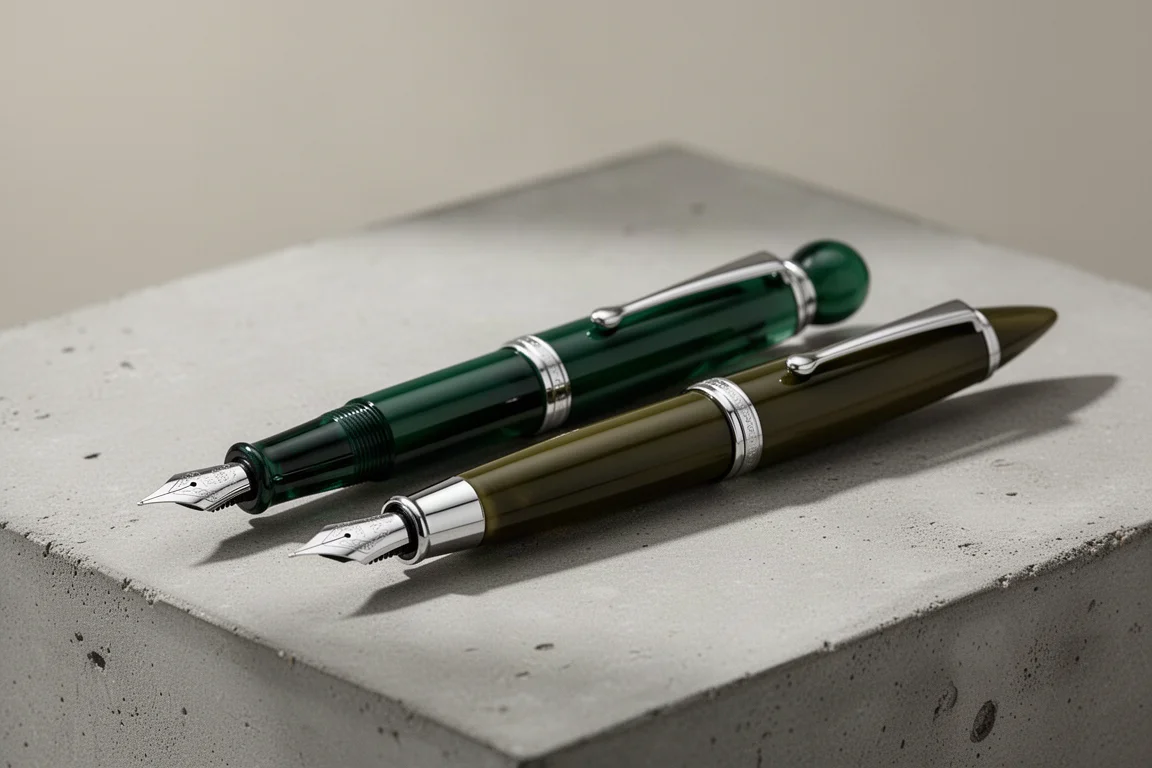
Tibaldi has quietly built a reputation for well-finished resin fountain pens, and two models in particular invite comparison: the Bononia in Martini Olive and the Nº60 in Emerald Green. Both use resin bodies with palladium trim, both are offered with steel nibs ranging from extra fine through double broad, and both take standard international converters and cartridges. On paper they are extremely close. In the hand, the differences start to show.
Design and Sizing
The most obvious distinction is shape. The Nº60 carries a more traditional finial, while the Bononia has a distinctly tapered profile that gives it a slimmer, more modern silhouette. The Nº60 is the slightly larger of the two. That difference may sound minimal, but it is noticeable: the Nº60 is a little longer, and the section feels a bit more generous in girth, so it sits further down the hand when held. The Bononia feels smaller and narrower, though in absolute length the gap is not dramatic.
One detail worth calling out: the Nº60 has a non-matching section, while the Bononia’s section matches its body. A matching section reads as more classical, and it is arguably the more visually cohesive look. On pure aesthetics, the Bononia has the edge here.
Fit, Finish, and Materials
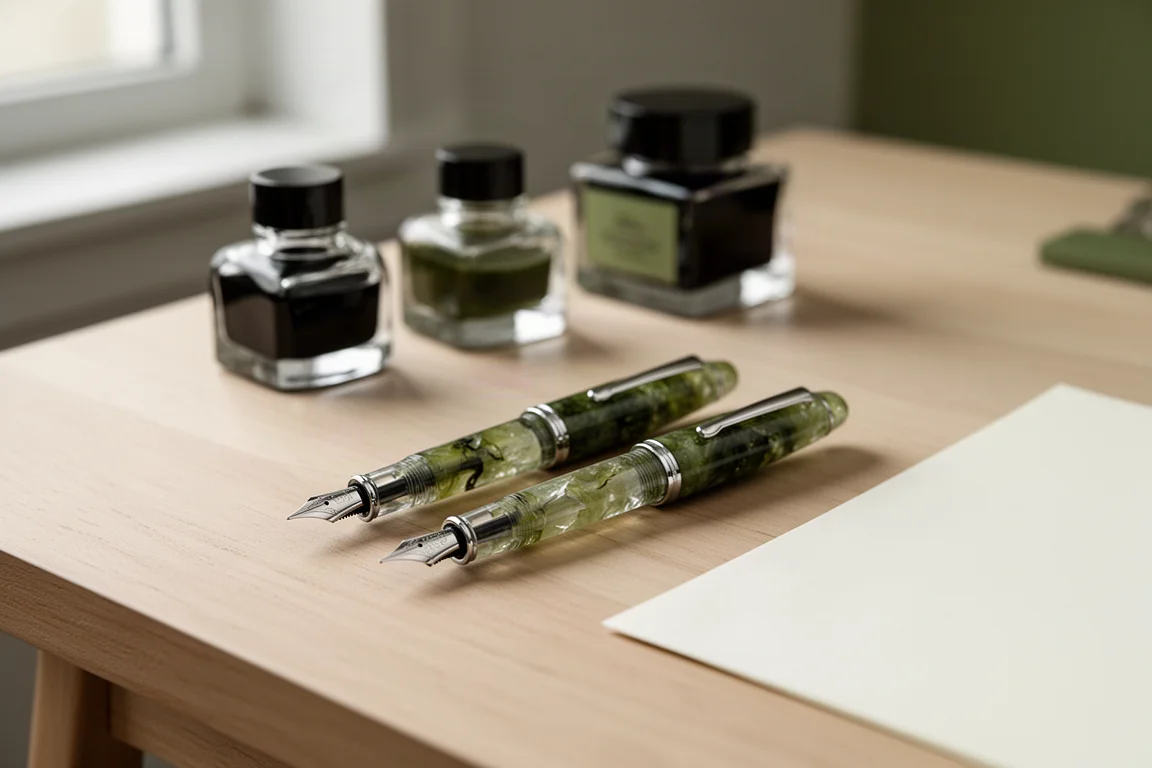
Both pens are very comparable in fit and finish. Resin bodies, palladium trim, similar clips, and an ebonite feed on each, which is a genuinely nice touch at this level. Both accept converters and standard international cartridges, so there is nothing to separate them on filling.
The clips are similar in shape, but the Nº60’s clip is noticeably less stiff than the Bononia’s. Whether that is a positive depends on your preference for how a pen grips a pocket or shirt.
Handling and Posting
Both pens post and become quite comfortable in use. The Nº60’s extra length and girth make it the better choice unposted for larger hands. The Bononia, though somewhat smaller, turns out to be a very pleasant size when posted, a quality that is easy to overlook until you actually write with it that way. If you prefer posting your pens, the Bononia earns back much of the size disadvantage.
Nibs and Filling
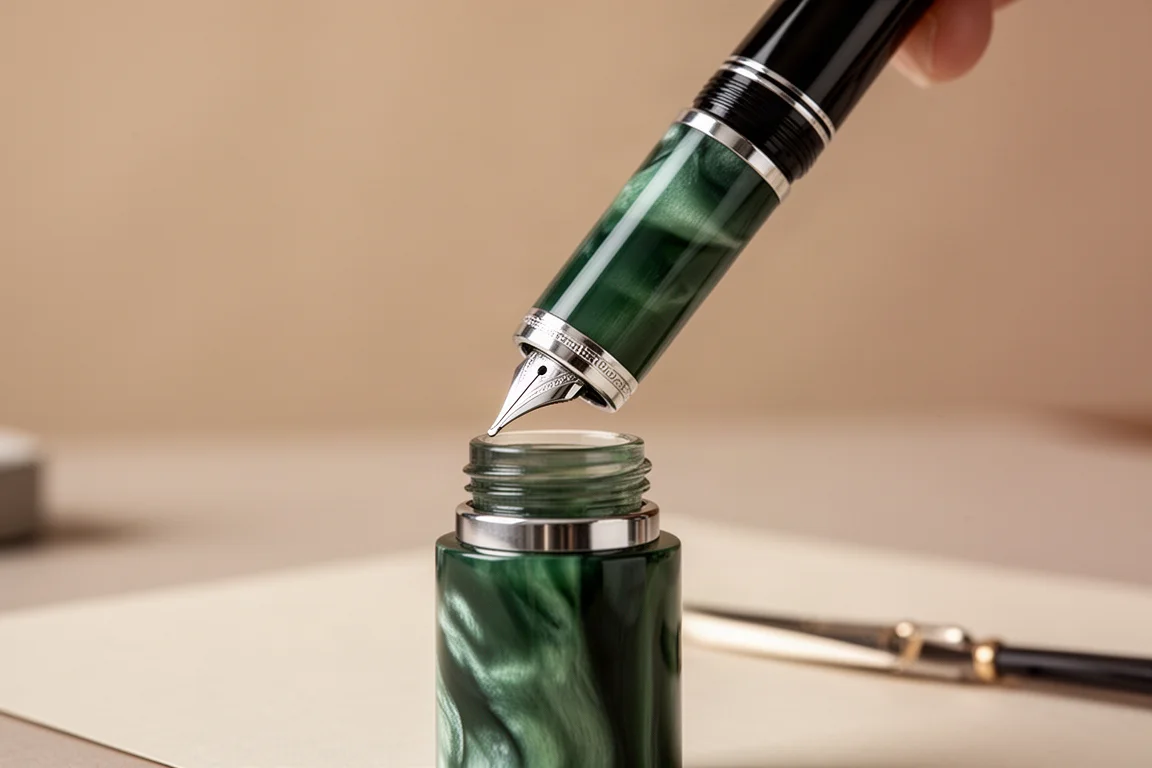
Both pens use what appears to be the same number six steel nib, available in extra fine through double broad. In this comparison both were fitted in medium. Filling is identical: standard international converters and cartridges, no quirks, no issues.
Writing Comparison
Here is where things get interesting. Despite nominally sharing the same steel nib, the two pens write differently. The Bononia came across as the smoother of the two, which is admittedly a little odd given the shared hardware. The Nº60 has noticeably more feedback. It is not scratchy and it is not unpleasant, but the tactile difference is clear when writing them side by side.
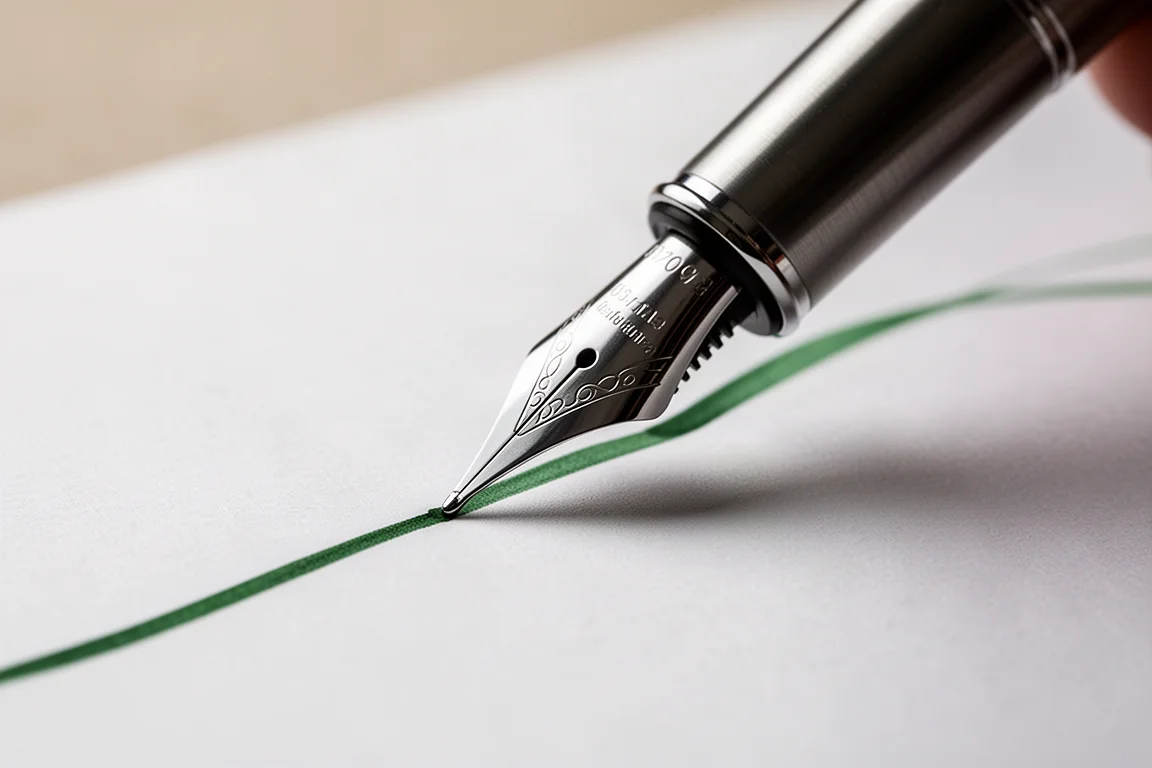
More broadly, the writing performance of both pens has been strong. They start up straight away, have shown no drying out, and write consistently and nicely, which is really what you want from a daily carry fountain pen.
Which One Should You Pick
For this pairing, the Bononia wins the personal vote. The tapered shape is more attractive, the material is preferred, and although the Nº60’s larger size is appreciated in the hand, the Bononia’s nib feels more pleasant and the overall writing experience is more enjoyable. Add in the classical look of the matching section and comfortable posting, and it becomes a pen that gets used, and used posted.
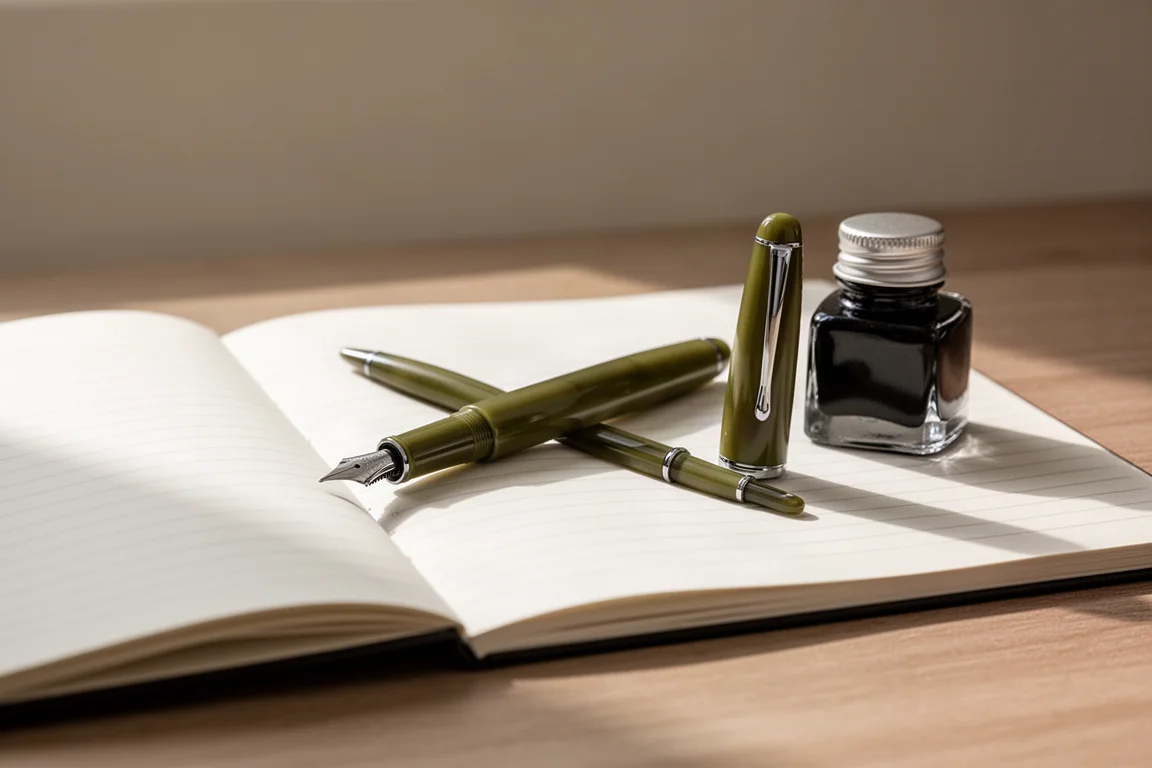
If you have larger hands and prefer to write unposted, the Nº60’s extra length and girthier section may suit you better, and its softer clip is a small bonus. Pricing is close between the two: the Bononia sits at 161 euros before VAT, while the Nº60 comes in at 152 euros before VAT.
Conclusion
These two Tibaldi pens are close cousins in materials, nib selection, and filling, but they diverge in size, shape, and feel. The Nº60 suits writers who want a slightly larger pen with a traditional finial and more nib feedback. The Bononia offers the more classical look with a matching section, a smoother nib, and a comfortable posted profile, making it the stronger pick of the pair for most buyers.
Product link
View more details for Tibaldi Bononia
This product is mentioned in the review. Check the specifications, options, and compatibility before buying.
View more details for Tibaldi BononiaFurther reading
Related Reviews
Fountain Pens
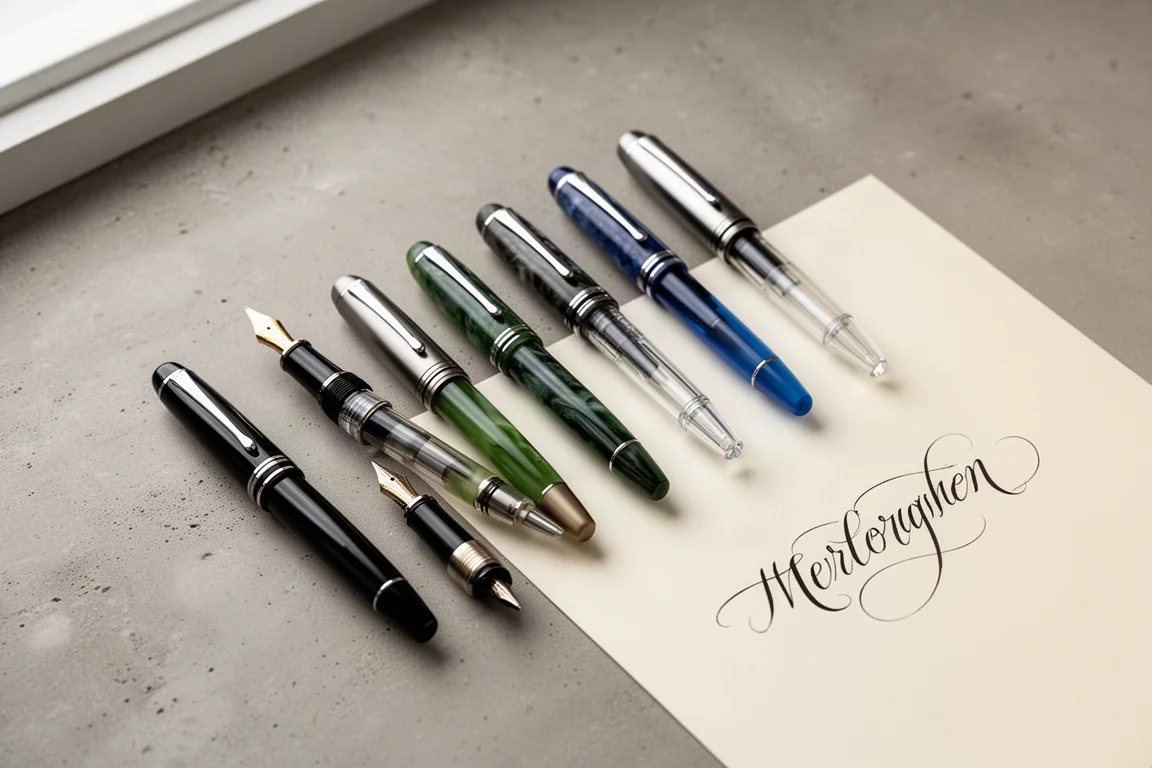
Best Budget Fountain Pens Tested: 9 Pens, One Clear Winner
A hands-on comparison of nine affordable fountain pens for everyday writing, calligraphy, and sketching, with a clear standout for flexible nib fans.
Fountain Pens
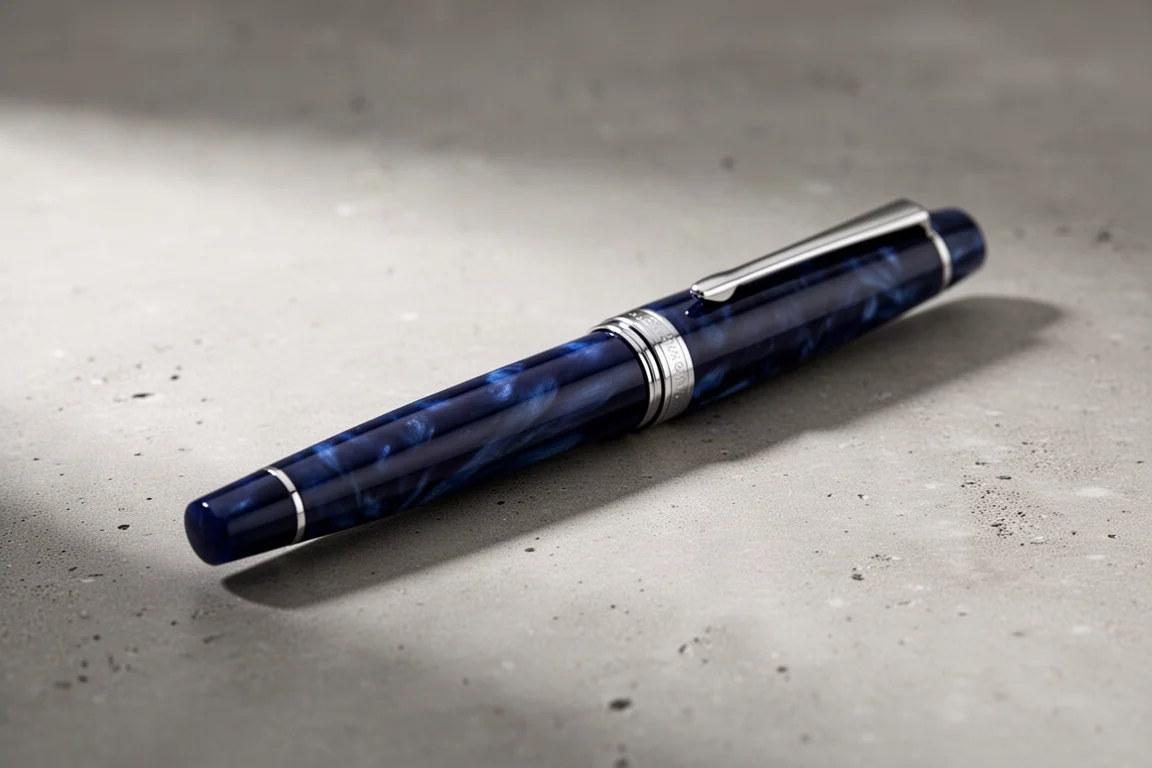
Aurora Optima Review: An Italian Piston Filler That Punches Above Its Price
A 14k gold nib, ebonite feed, and a beautifully deep oraloid body make the Aurora Optima one of the most rewarding piston fillers around.
Fountain Pens
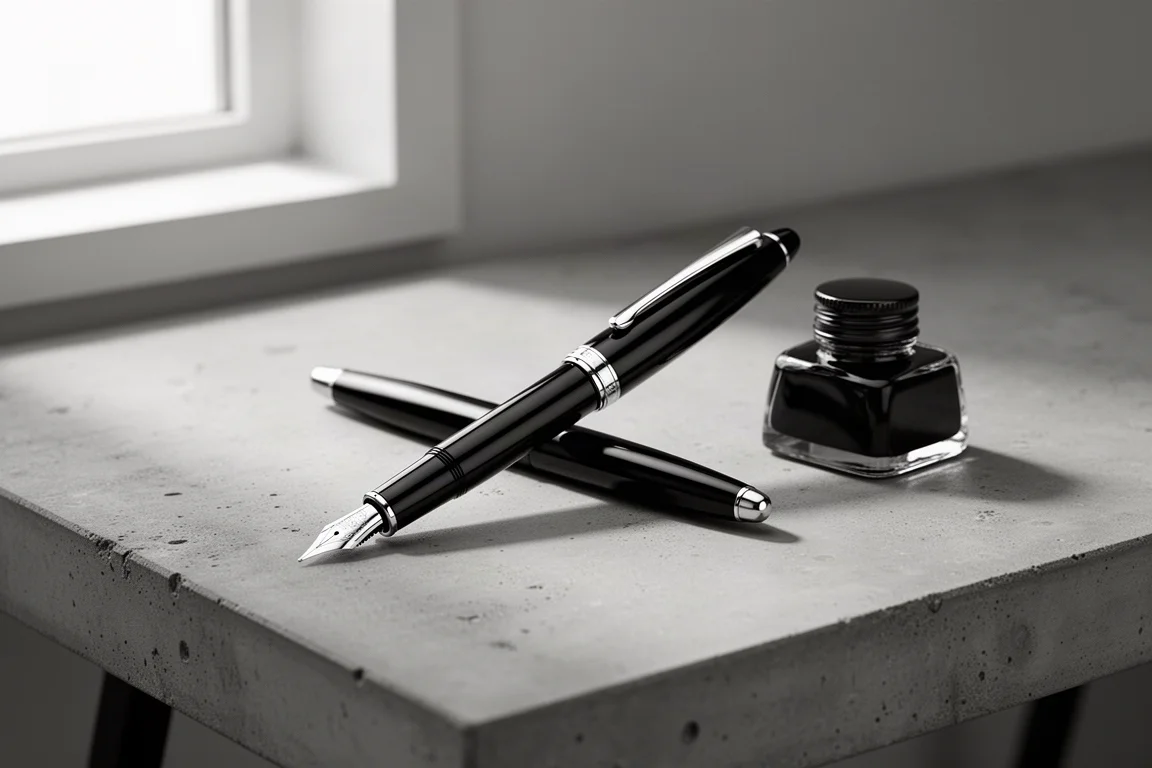
Cross Bailey Light Review: The Entry-Level Fountain Pen Worth Keeping at the Office
A plastic-bodied Cross with a metal clip, snap cap, and famously smooth extra fine steel nib. Around $15, available almost everywhere, and easy to recommend.