Fountain Pens
Tibaldi Bononia Review: An Italian Resin Pen with a Surprisingly Solid Writer
A look at the Tibaldi Bononia in Martini Olive, covering design, nib options, writing performance, and whether the price makes sense.
Introduction
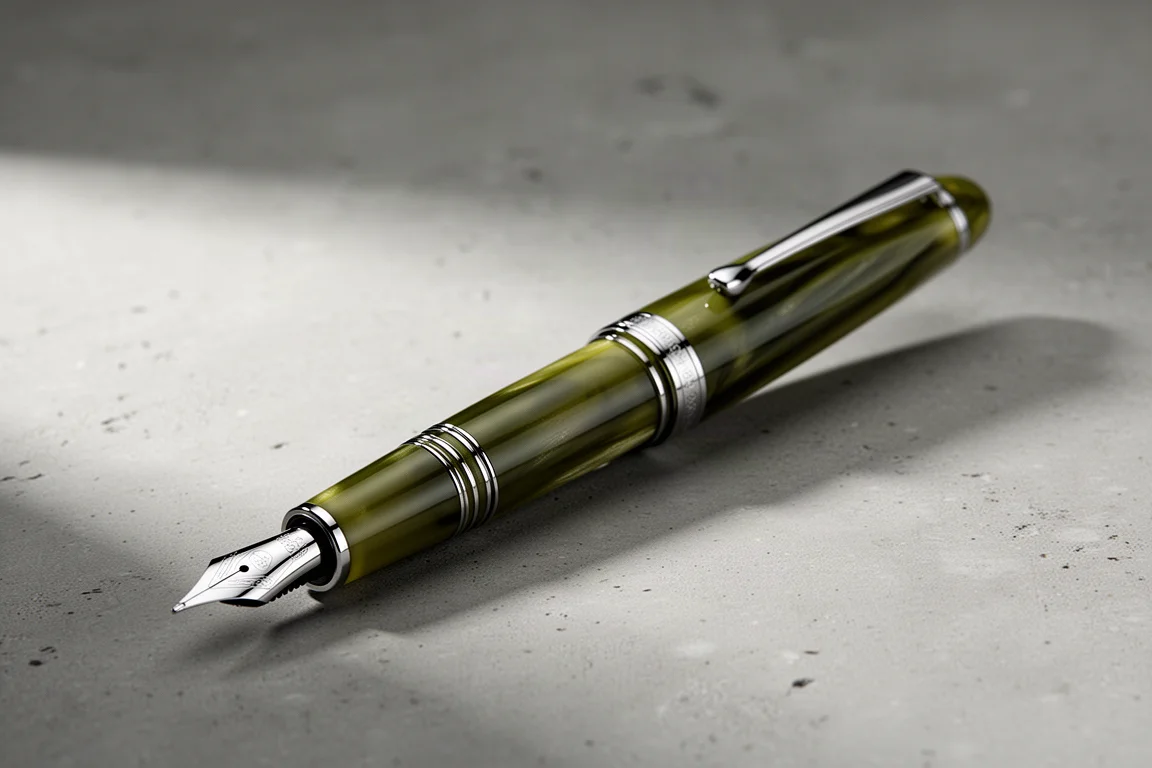
The Tibaldi Bononia is a resin cartridge-converter fountain pen with a long brand history behind it. Tibaldi dates back to 1916, and the company is now owned by the same family that owns Montegrappa. The version covered here is the Martini Olive colorway, priced at 161 euros, which works out to roughly 180 dollars.
This review covers the pen’s design, its nib options, how it writes, and the honest trade-offs you should weigh before spending that kind of money on a steel-nibbed resin pen.
Design and Materials
The Bononia is not the biggest pen on the market, but it is not tiny either. It sits next to a Pilot Metropolitan at a comparable footprint, which is a size that should work well for a lot of people. The barrel tapers down toward the section, a rounded shape that has long-standing appeal among Italian pen fans.
The body is polished resin with palladium trim, and the shine is genuinely outstanding. The cap carries a Tibaldi engraving, three center bands, and “Made in Italy” on the back. The cap finial uses the same polished material as the rest of the cap, and the clip is on the tight side but usable. Inside, the converter also carries the Tibaldi name.
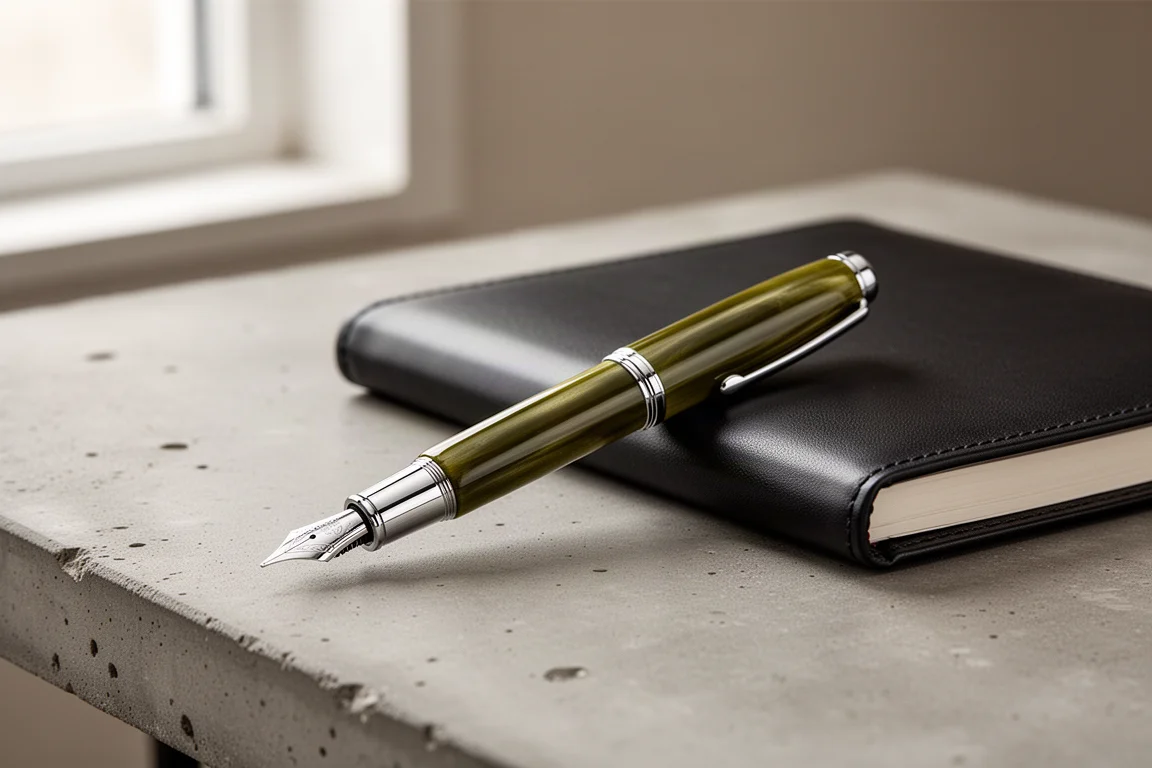
The Martini Olive name fits. The green, olive-toned resin genuinely evokes the drink garnish it is named after, and the material is one of the most attractive parts of the pen.
The Nib and Writing Performance
The pen uses a steel nib that looks to be around a number six size, paired with an ebonite feed. Nib choice is unusually wide: extra fine, fine, medium, broad, and double broad are all available. Finding a double broad, and sometimes even an extra fine, is getting harder to find these days, so having this range is a real plus.
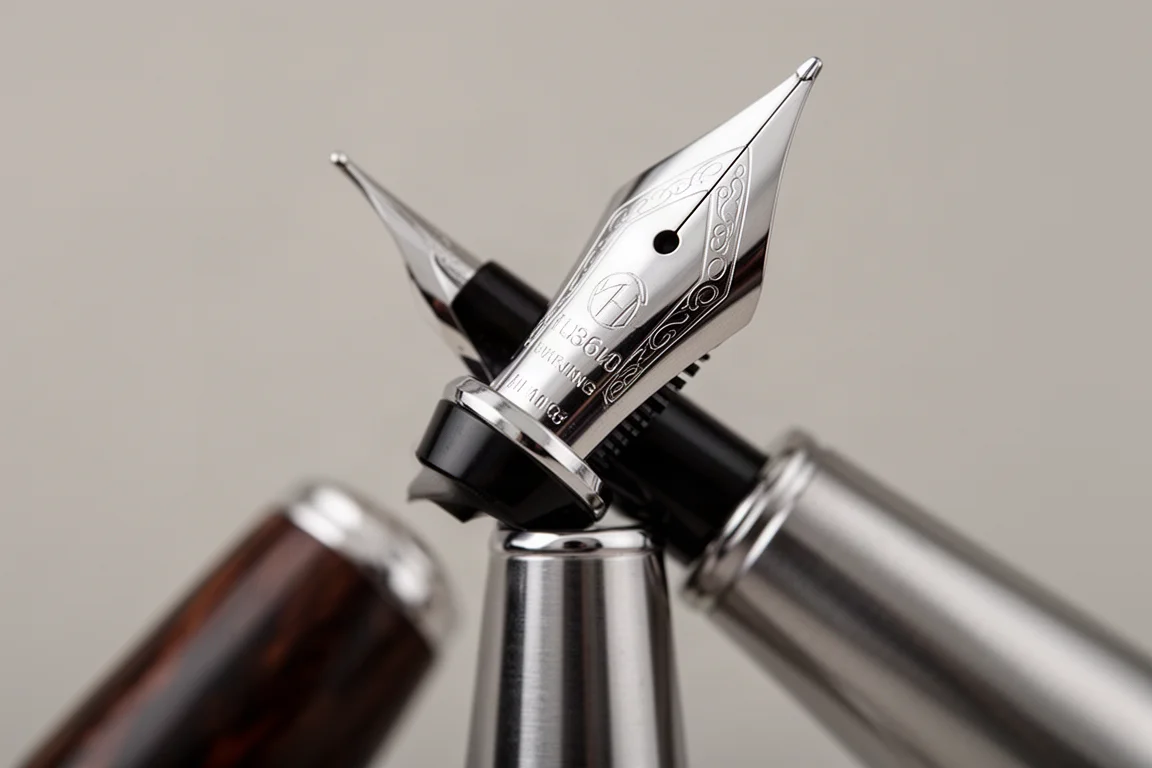
The ebonite feed is a meaningful detail. Ebonite has very good flow properties, and it shows here. The medium test unit writes with no startup issues, no over-polishing behavior, and no obvious quality-control problems. It is neither a gusher nor dry: it is simply properly tuned, and it does exactly what it is supposed to do.
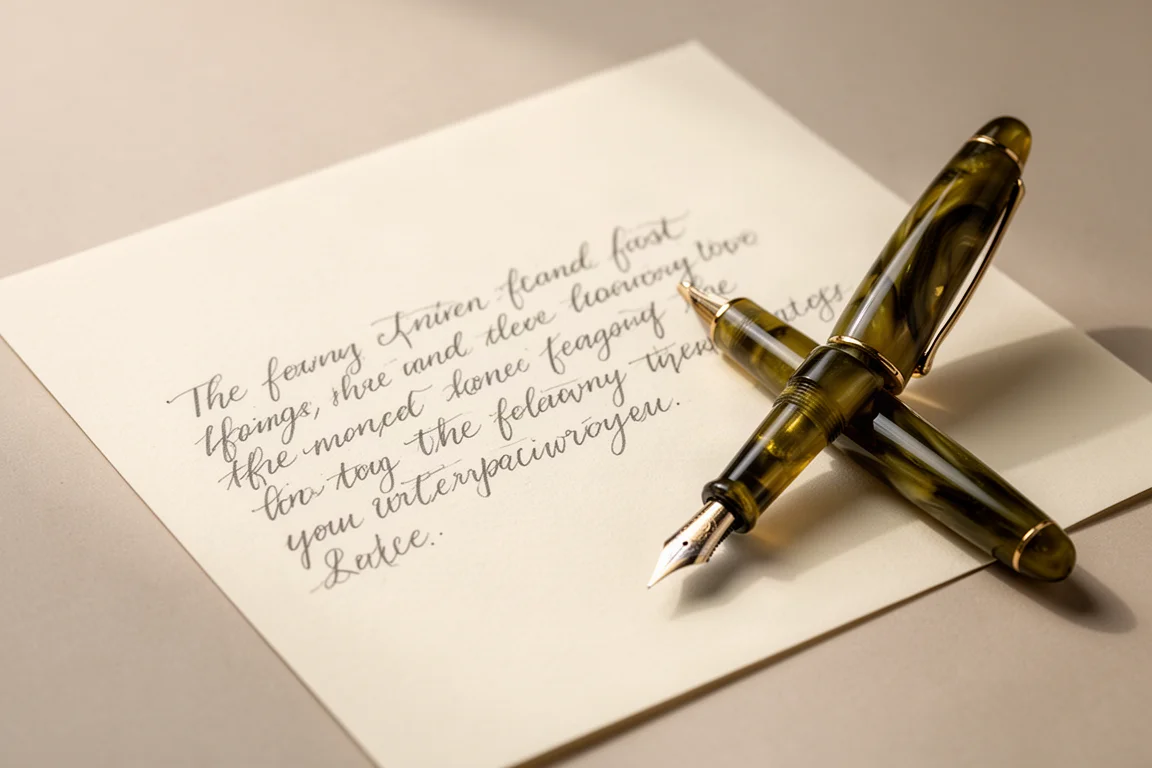
There is minimal line variation, as expected. This is not a flex nib and it is not marketed as one. Reverse writing is possible, and flipping the medium nib turns it into something close to a good extra fine writer. On paper, this is a pleasant, consistent, no-frills writer.
Things to Consider Before Buying
Two drawbacks are worth flagging. The first is minor: the metal center bands are not entirely flush with the resin and stick out by a fraction of a millimeter in spots, enough to feel with a fingertip. At a 180-dollar price point, that finish could be slightly better.
The second consideration is more fundamental. At the end of the day, this is a resin pen with a steel nib and a cartridge-converter fill system, at a price where some buyers expect gold nibs. Offsetting that are the Italian craftsmanship story, a brand history going back to 1916, an exceptionally pretty and highly polished material, and the ebonite feed. Whether the money is worth it is genuinely a personal decision here.
Should You Buy It?
The Bononia is a well-made, very shiny, very pretty pen that writes comfortably and consistently. If the Martini Olive material appeals to you and you value the wide nib selection and the ebonite feed, it is an easy pen to like.
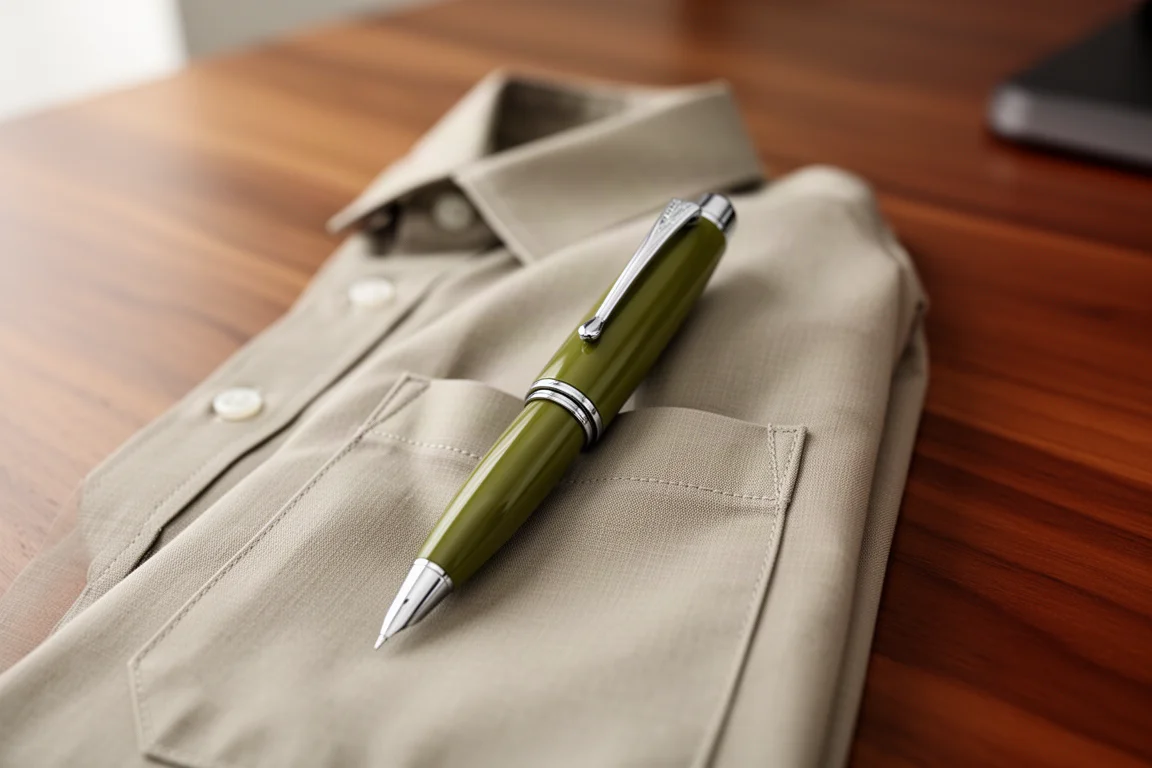
If you are strictly weighing raw materials against price, the steel nib and resin body are the honest sticking points. For buyers who appreciate Italian design and a reliably tuned writing experience, the value case is much easier to make.
Conclusion
The Tibaldi Bononia delivers a pleasant, consistent writing experience with one of the widest steel nib ranges available, wrapped in a gorgeous polished olive resin. Its weaknesses are minor fit-and-finish nitpicks and a price that asks buyers to weigh brand heritage and materials against a steel nib. If the design and the ebonite feed speak to you, it is a pen worth serious consideration.
Product link
View more details for Tibaldi Bononia
This product is mentioned in the review. Check the specifications, options, and compatibility before buying.
View more details for Tibaldi BononiaFurther reading
Related Reviews
Fountain Pens
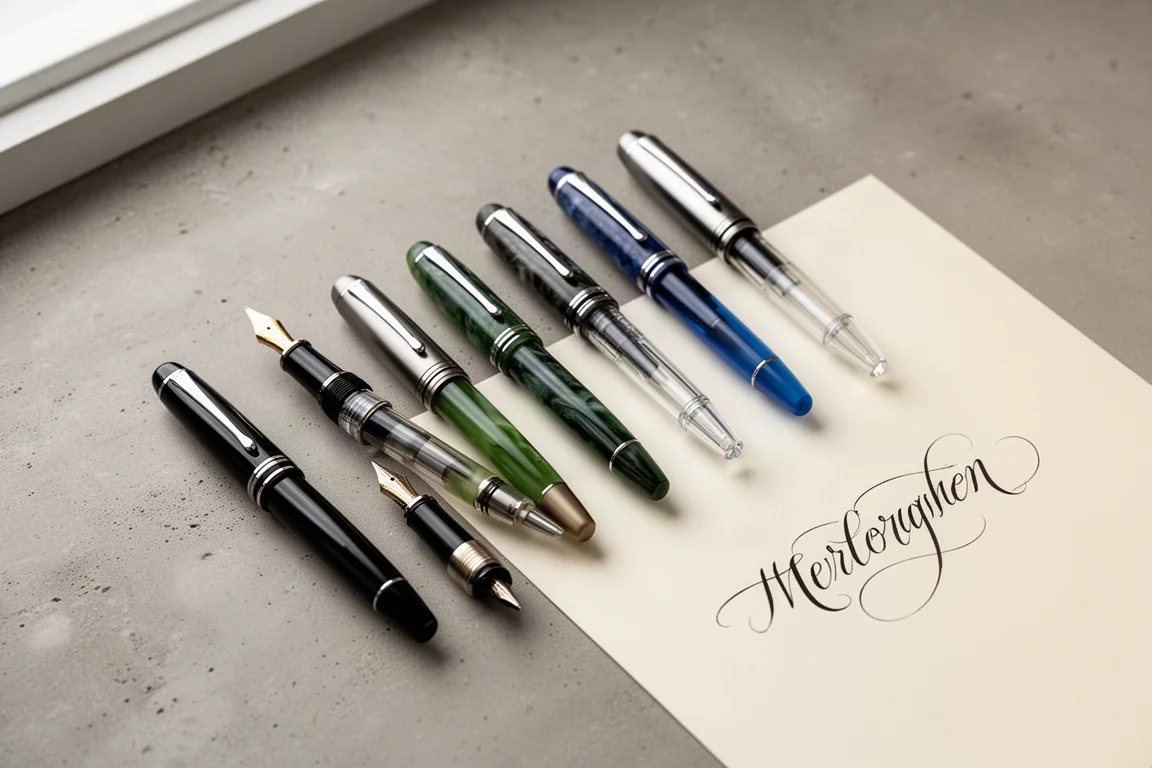
Best Budget Fountain Pens Tested: 9 Pens, One Clear Winner
A hands-on comparison of nine affordable fountain pens for everyday writing, calligraphy, and sketching, with a clear standout for flexible nib fans.
Fountain Pens
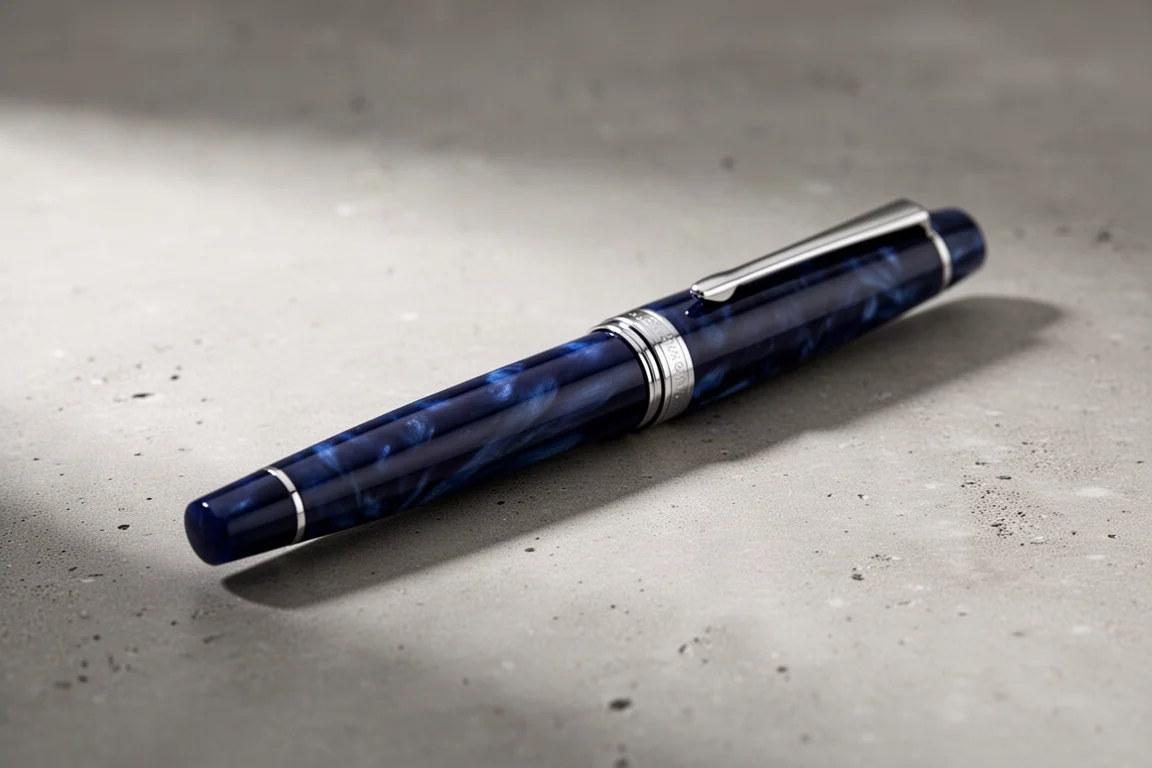
Aurora Optima Review: An Italian Piston Filler That Punches Above Its Price
A 14k gold nib, ebonite feed, and a beautifully deep oraloid body make the Aurora Optima one of the most rewarding piston fillers around.
Fountain Pens
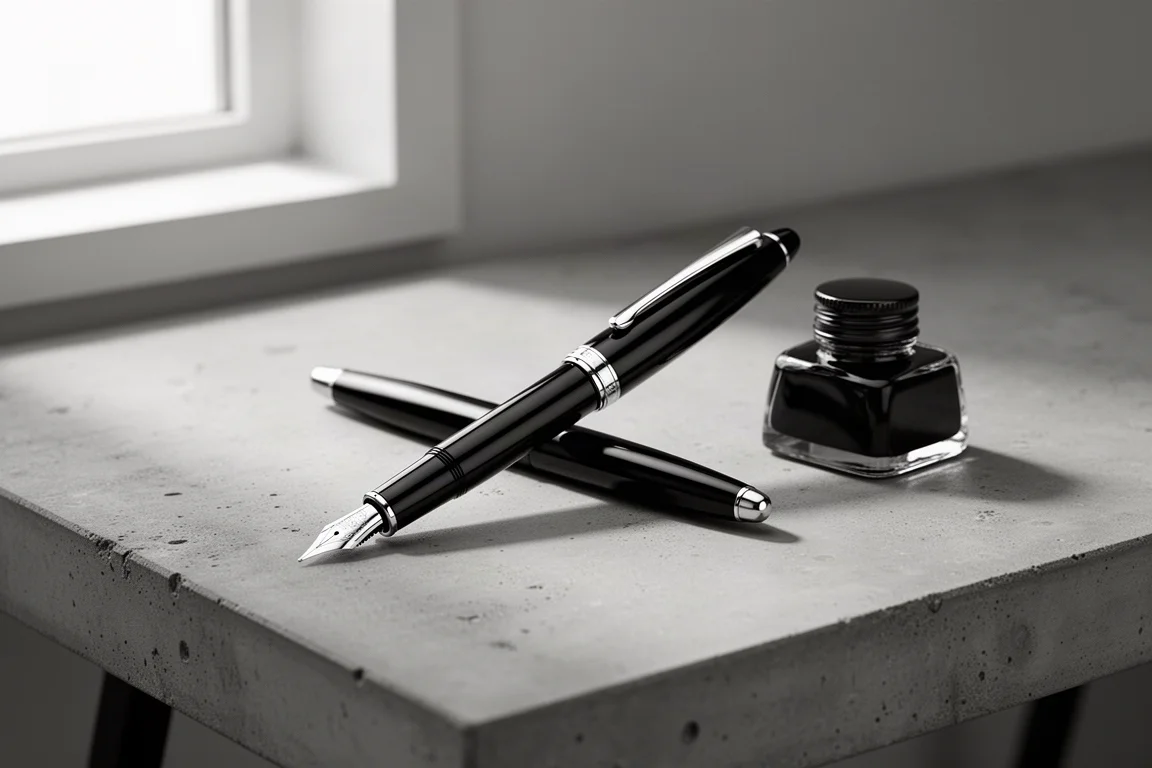
Cross Bailey Light Review: The Entry-Level Fountain Pen Worth Keeping at the Office
A plastic-bodied Cross with a metal clip, snap cap, and famously smooth extra fine steel nib. Around $15, available almost everywhere, and easy to recommend.