Outdoor Gear
Thru-Hiking Gear 2026: 11 Lightweight Pieces for Long-Distance Trails
A practical look at eleven lightweight backpacking items chosen for an upcoming thru-hike, from sleeping pads and pillows to carbon poles, down jackets, and trail runners.
Introduction
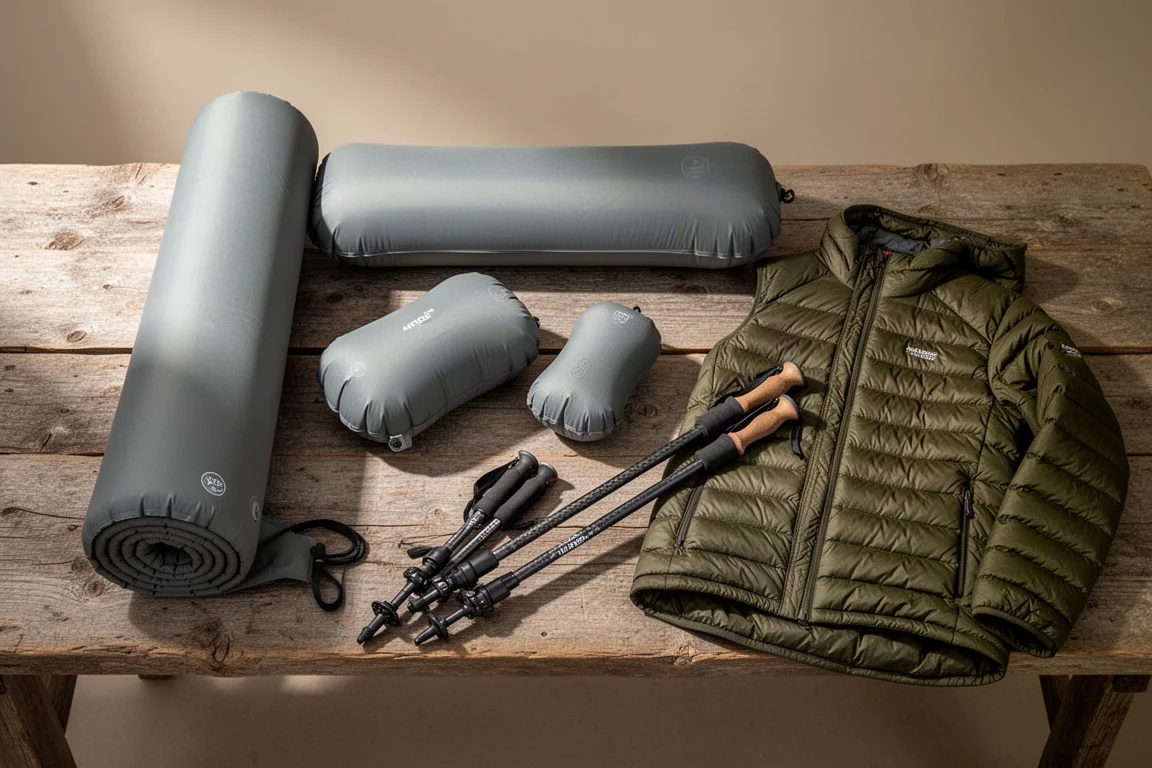
A long-distance thru-hike is really a long series of small gear decisions, and this season’s kit is built around four of them: sleeping better, carrying less, staying warm when the weather turns, and finding footwear that holds up over big miles.
The items below are the pieces being tested on an upcoming thru-hike. Some are long-standing favourites being swapped out for the first time in years, and a few are experiments that may or may not earn a permanent place in the pack.
What to Look For in a Long-Distance Kit
Weight gets most of the attention, but it is rarely the deciding factor on its own. A pad that saves an ounce and a half while giving up coverage or warmth is a bad trade on a cold night, and a pillow that costs almost nothing but lasts a single season is not a bargain either.
Comfort per gram matters more than raw gram counting. The most useful upgrades are the ones that improve sleep quality or reduce fatigue while keeping packed weight roughly where it was.
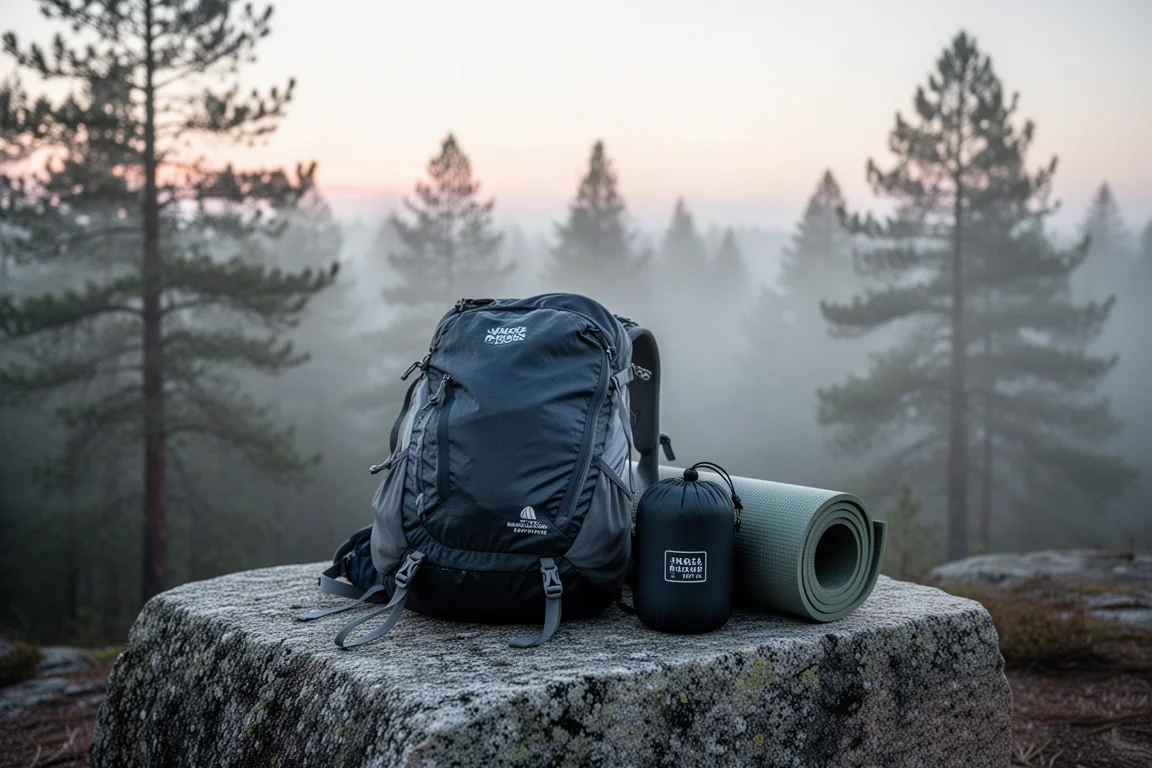
Temperature guidance is worth reading carefully. Manufacturers publish ratings and intended temperature ranges for a reason, and matching those numbers to the conditions actually expected on trail prevents a lot of uncomfortable nights.
Durability and repairability round out the list. Poles that fold down travel better, insulated jackets that cope with damp conditions stay useful longer, and anything backed by a warranty is easier to commit to.
Sleeping Pads
Sleep is the foundation of a long hike, so the pad decision gets made first. Two pads are in play here: a new full-length option and the short pad that has been the default for years.
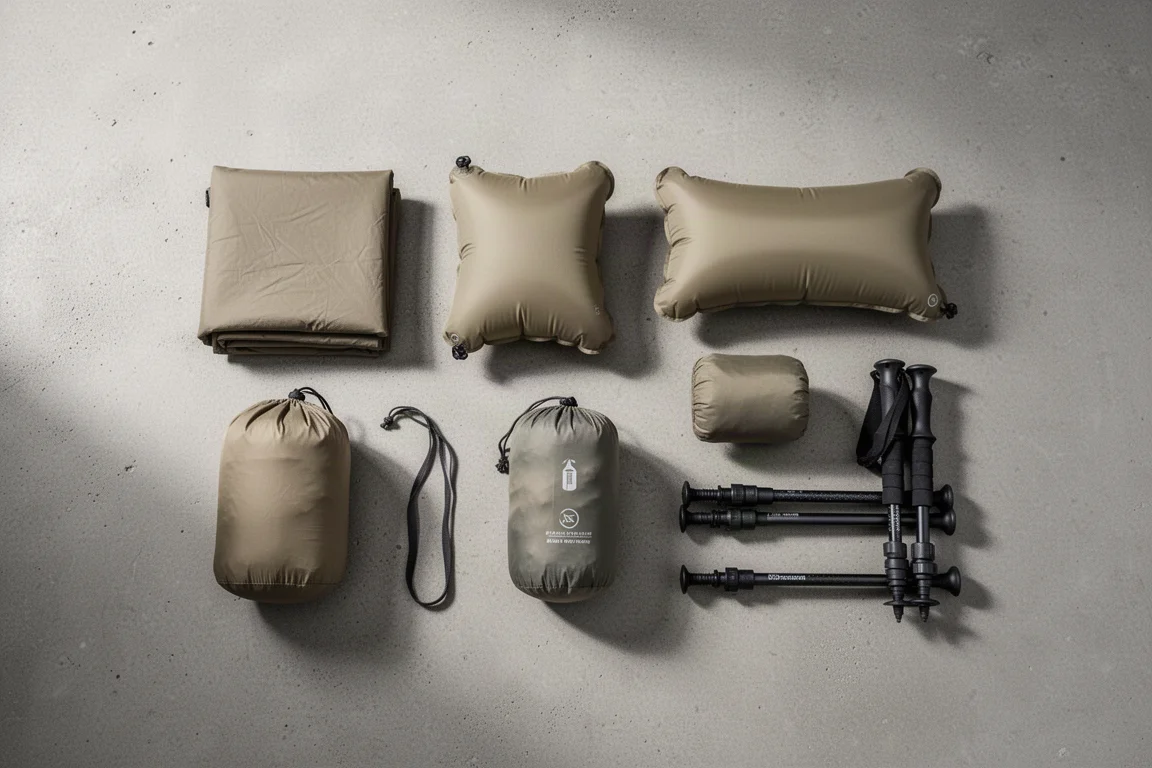
Big Agnes Axl Air Sleeping Pad
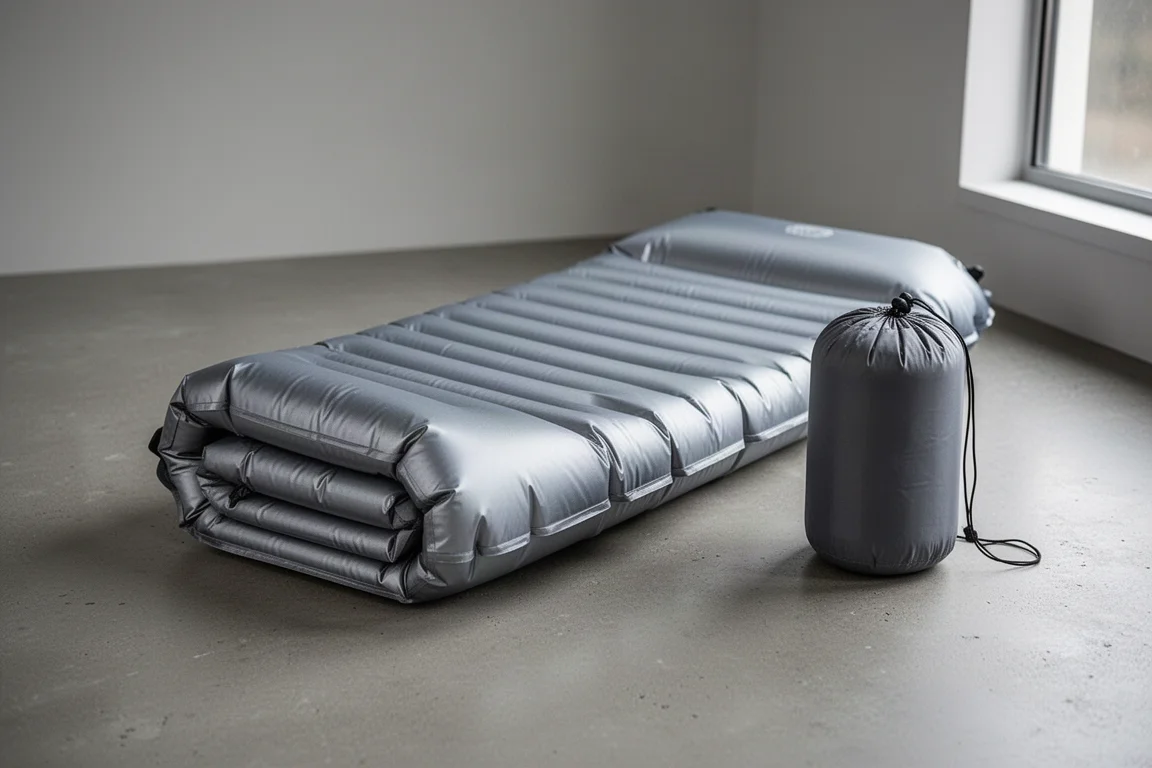
The Axl Air is a full-length pad at 72 inches long and 20 inches wide, with 3.25 inches of thickness and an R-value of 3. The packaging notes it is intended for temperatures above 35 degrees Fahrenheit, which sets clear expectations for three-season use.
It weighs only about 1.6 ounces more than the 8-ounce short pad it replaces, so the move to full-length coverage comes at a very small weight penalty. The interior is also treated to help prevent antimicrobial growth, which addresses the familiar problem of a pad inflated by mouth developing an unpleasant culture inside.
Pricing has come down considerably. It was previously listed well over $100, and is currently available for just under $100 up to around $105.
Therm-a-Rest NeoAir X-Lite Sleeping Pad
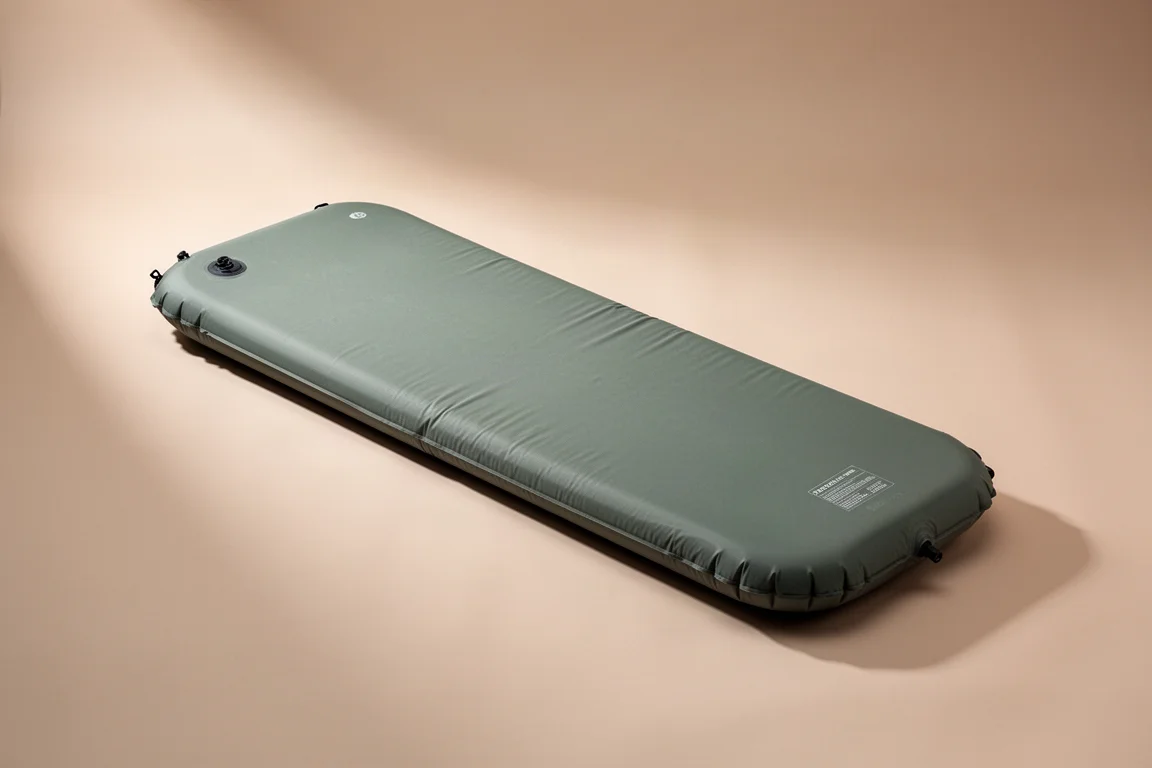
The NeoAir X-Lite in its short version has been the default pad for years. It weighs 8 ounces and runs from the head down to the knees, which keeps packed weight low but leaves the lower legs and feet off the pad.
That trade-off is exactly why the Axl Air is interesting: for a modest weight increase, the short-pad compromise is no longer necessary. The X-Lite remains a proven reference point for anyone prioritising minimum weight above all else.
Pillows
Pillows have never been part of the pack, but the argument that they meaningfully improve sleep on trail is hard to ignore. Two very different options are going along to find out whether that holds up.
Sea to Summit Aeros Ultralight Regular Pillow
The Aeros Ultralight Regular weighs 2.1 ounces and costs around $40. It uses separate inflation and deflation valves, which makes it quick to fill and empty without racing to plug the valve before the air escapes.
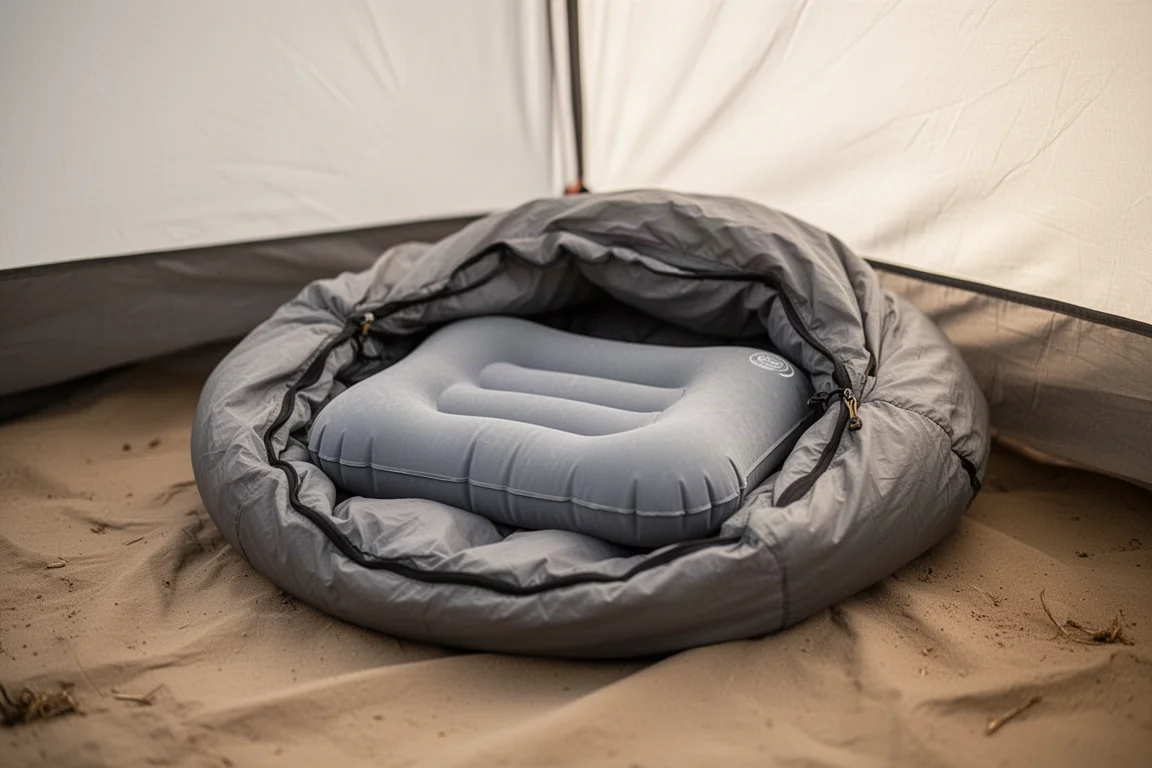
The fabric on the outside has a soft, slightly fuzzy feel rather than a crunchy or tacky one. That matters more than it sounds, because a pillow that sticks to your face through the night is a genuine annoyance, and this design avoids it.
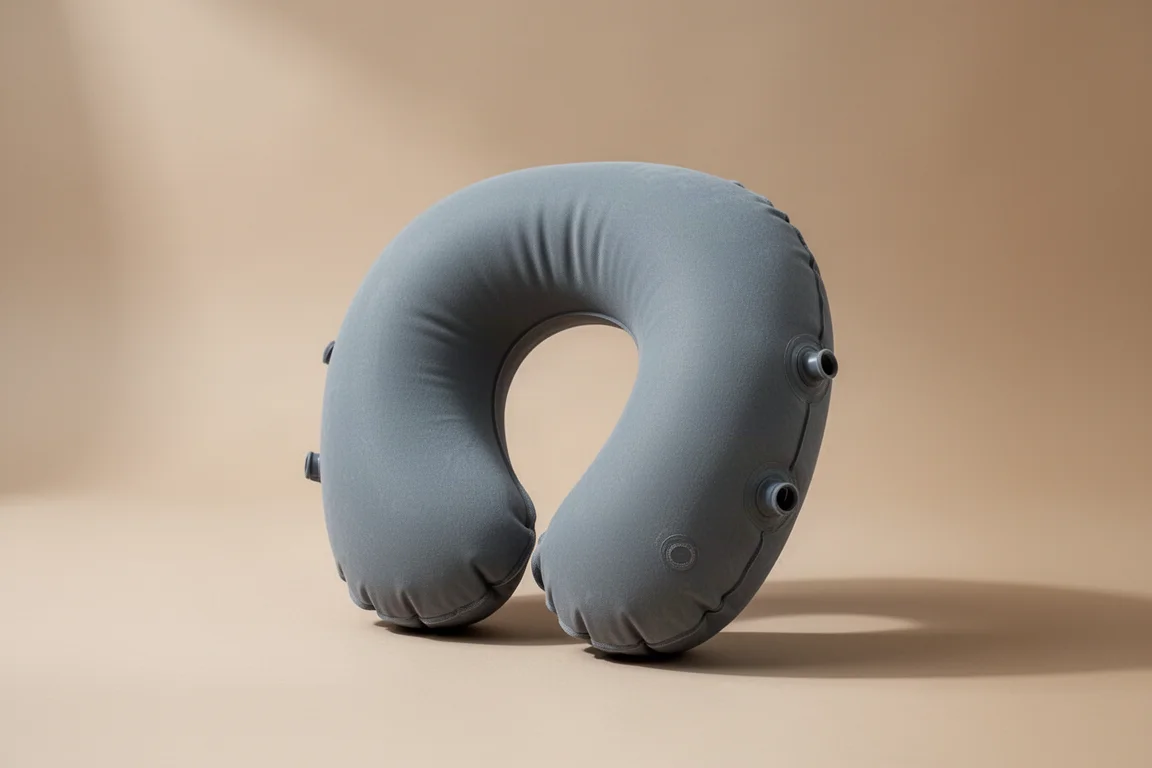
LiteSmith Flex Air Inflatable Pillow
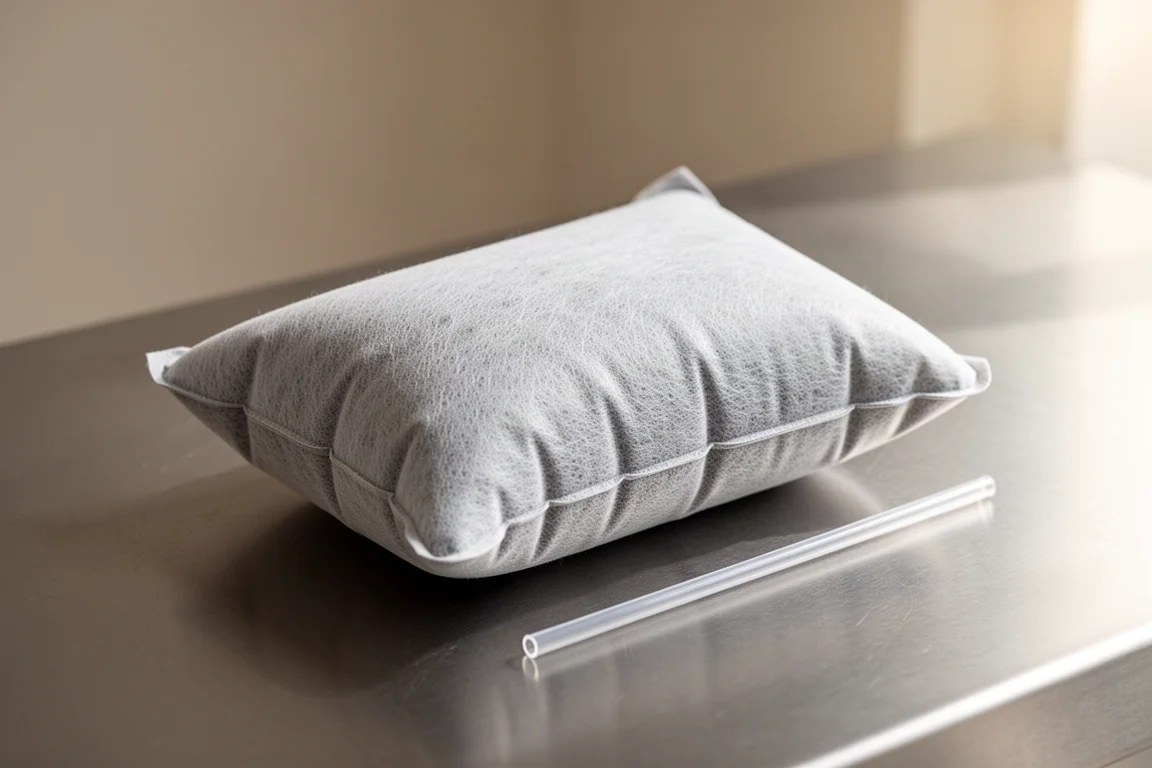
The Flex Air sits at the budget end of the spectrum. It inflates with a straw, comes in small and large sizes, and is sold as a bundle of three large pillows for $6.95, or as a single large pillow for $2.60.
Weights are minimal: 0.5 ounces for the small and 0.9 ounces for the large. The fabric is a comfortable non-woven material rather than a slick or sweaty one, which puts it closer to the feel of a proper pillow than the price suggests.
The obvious question is durability, which is not yet proven at this price point. For a few dollars, though, it is an easy experiment.
Trekking Poles
Carbon poles have been the go-to for a long time, but there is always the possibility that something else suits better. Two sets are being tested this season, and they take opposite approaches to packability.
Zpacks Carbon Fiber Trekking Poles
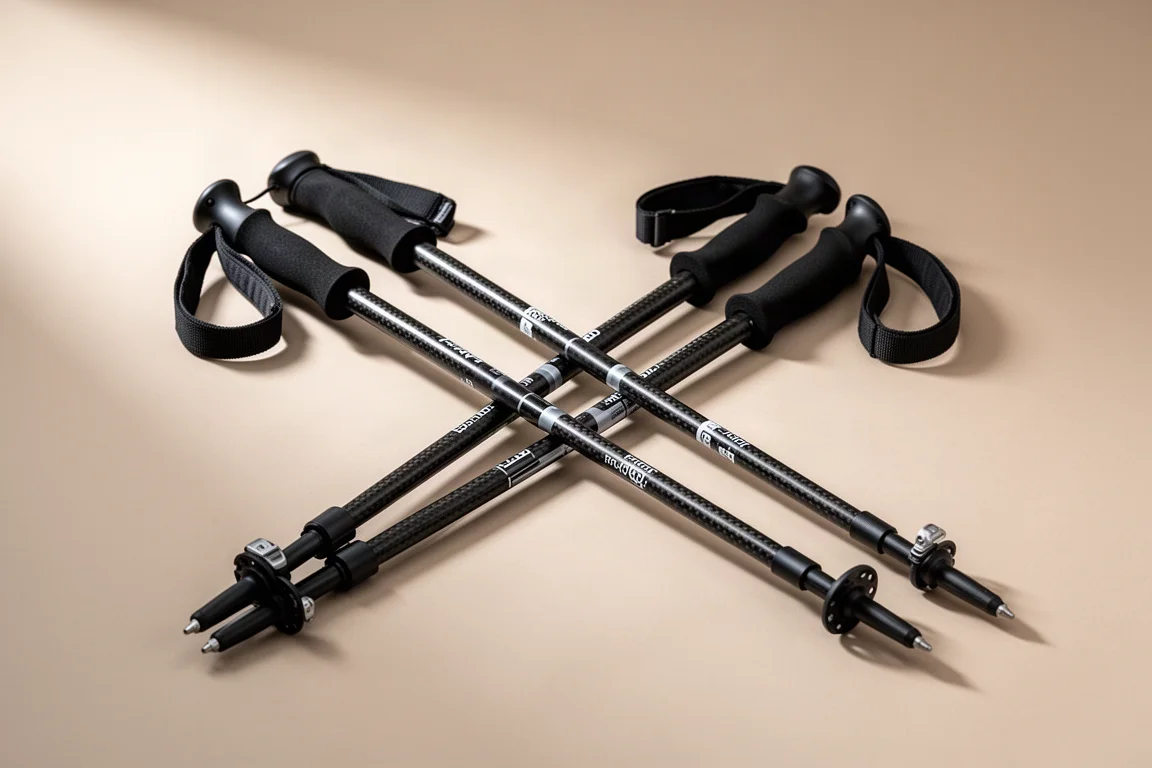
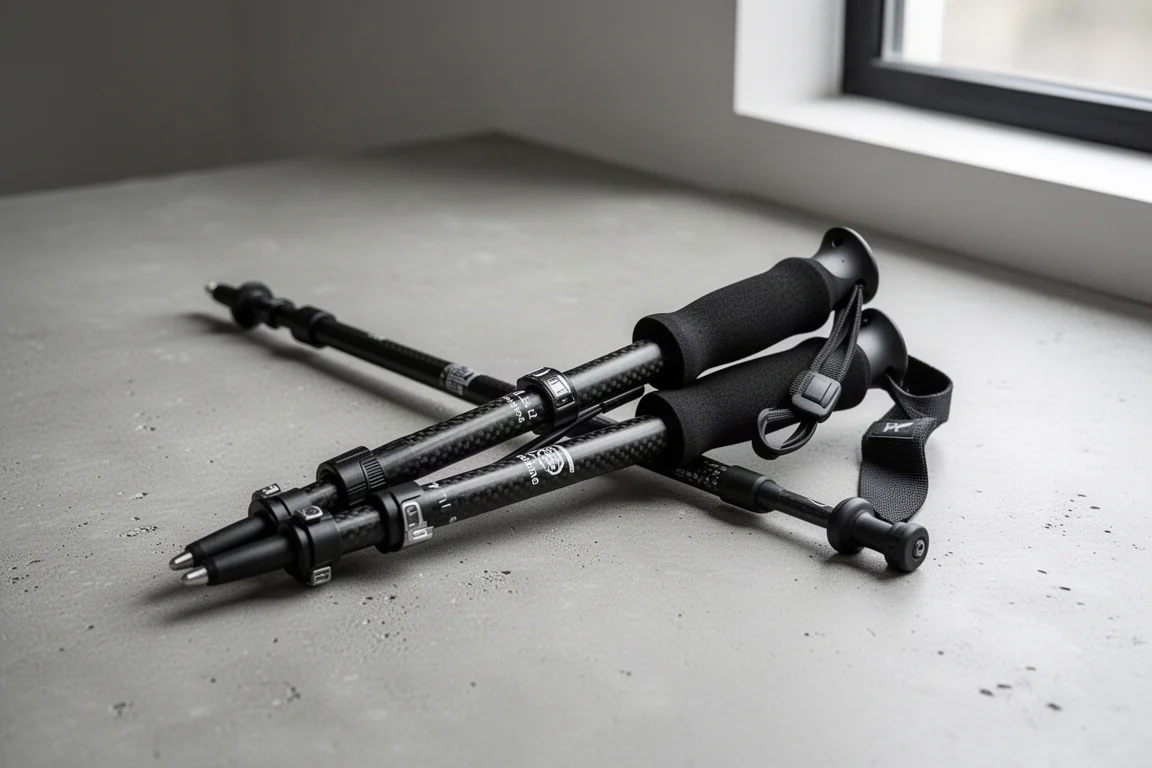
The Zpacks poles can be ordered as a single pole for $59 or as a pair for $99, with the pair weighing 14.5 ounces. They use sturdy clasp blocks, padded wrist straps, and the usual features expected from a quality set of poles.
A one-year warranty covers defects and breakages, which is meaningful reassurance on a carbon pole. They are offered with cork or foam grips; the cork grip version has been on back order, with shipping expected to resume around the end of the month.
Leki Micro Vario Carbon Women’s Trekking Poles
The Micro Vario Carbon is a folding carbon pole from a well-respected brand. The main advantage is packability: it breaks down small enough to travel easily, and it uses the lever locks that many hikers prefer over twist mechanisms.
The women’s version has a shorter height range of 100 to 120 centimetres, which is a couple of centimetres below the roughly 122 centimetres that some trekking-pole shelters recommend. It should still work, but it is worth checking against your shelter before committing.
It is also only available with foam grips. Foam is the preferred option here anyway, since it absorbs some sweat, unlike rubber grips that become slick in the hand.
Down Jackets
The puffy is the piece that decides whether a cold evening is comfortable or miserable. Three jackets are in the frame, two of them new and one a long-standing favourite.
Feathered Friends Eos Down Jacket
The Eos uses 900 fill power goose down that is ethically sourced, weighs 9 ounces, and sits in the upper $300s. On paper it fits the brief well.
Availability is the catch. There is currently no stock in medium in the preferred colours, so a spot on the waiting list is the only option for now. If it comes back in soon, it stays in the running; if not, the alternative below takes its place.
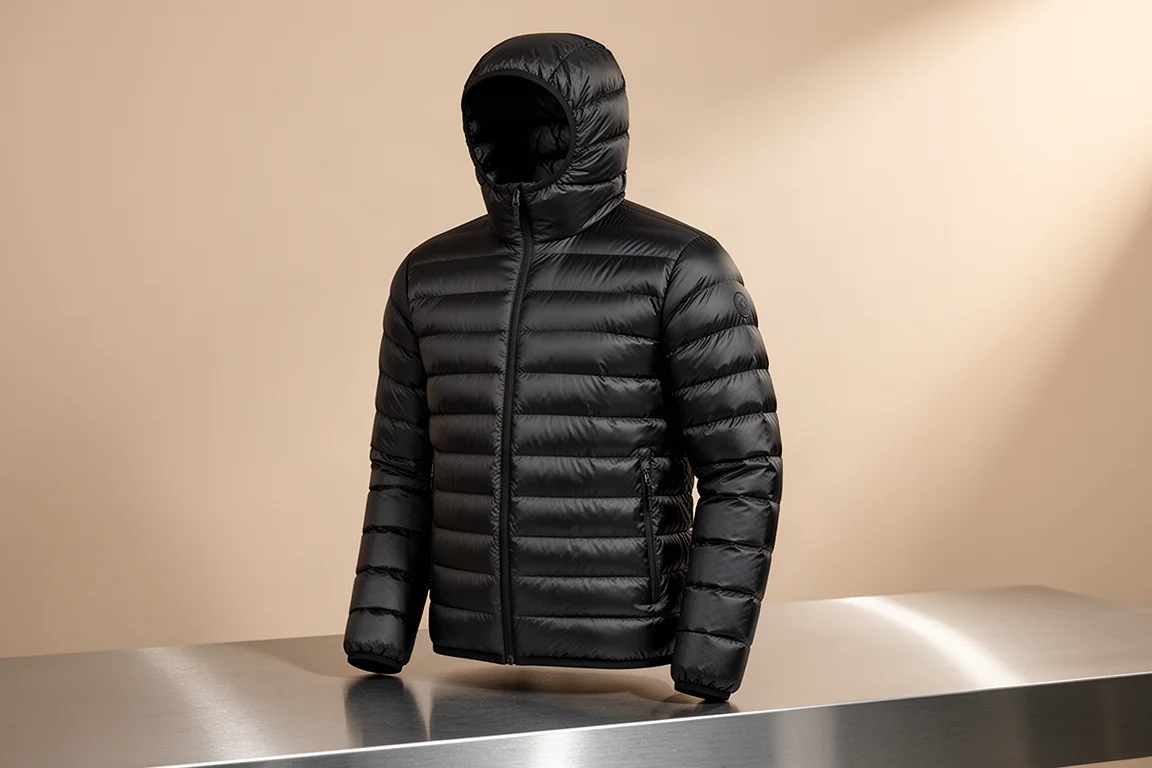
Arc’teryx Cerium LT Hooded Down Jacket
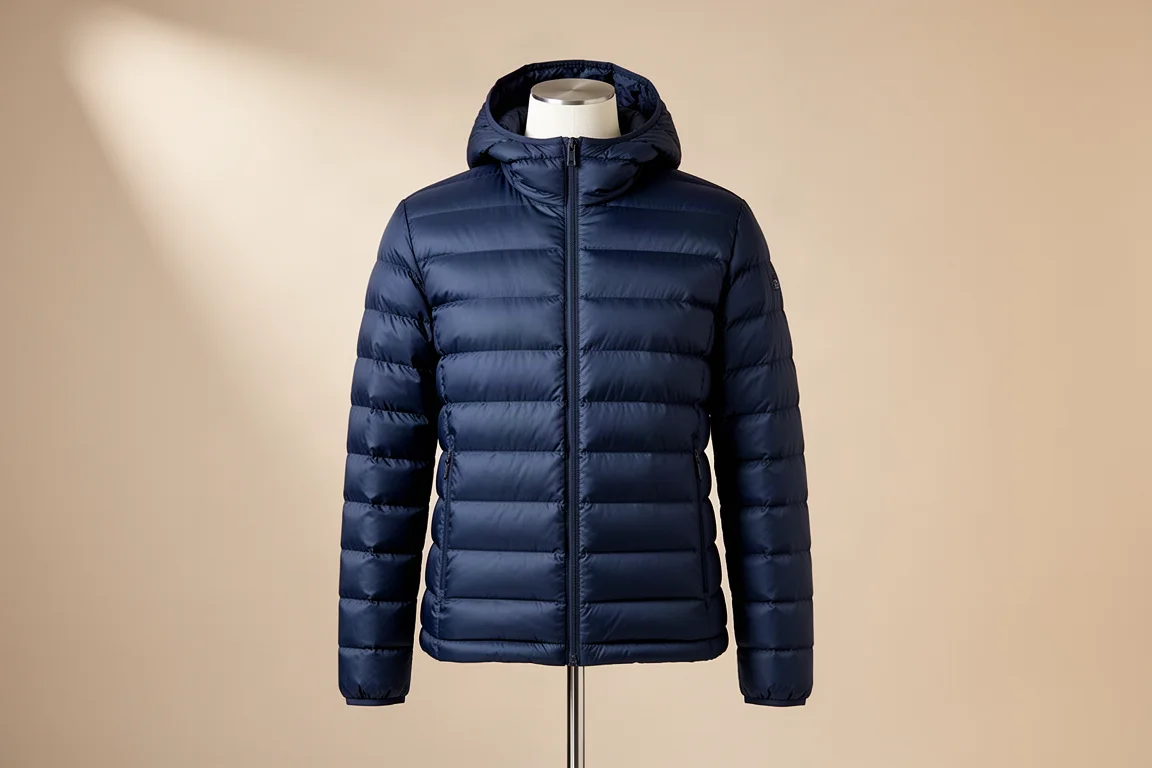
The Cerium LT Hooded is insulated with 850 fill power goose down, and it adds synthetic insulation in the areas most prone to dampness. That hybrid approach is a smart response to the fact that wet down loses most of its insulating value, while wet synthetic insulation keeps working to some degree.
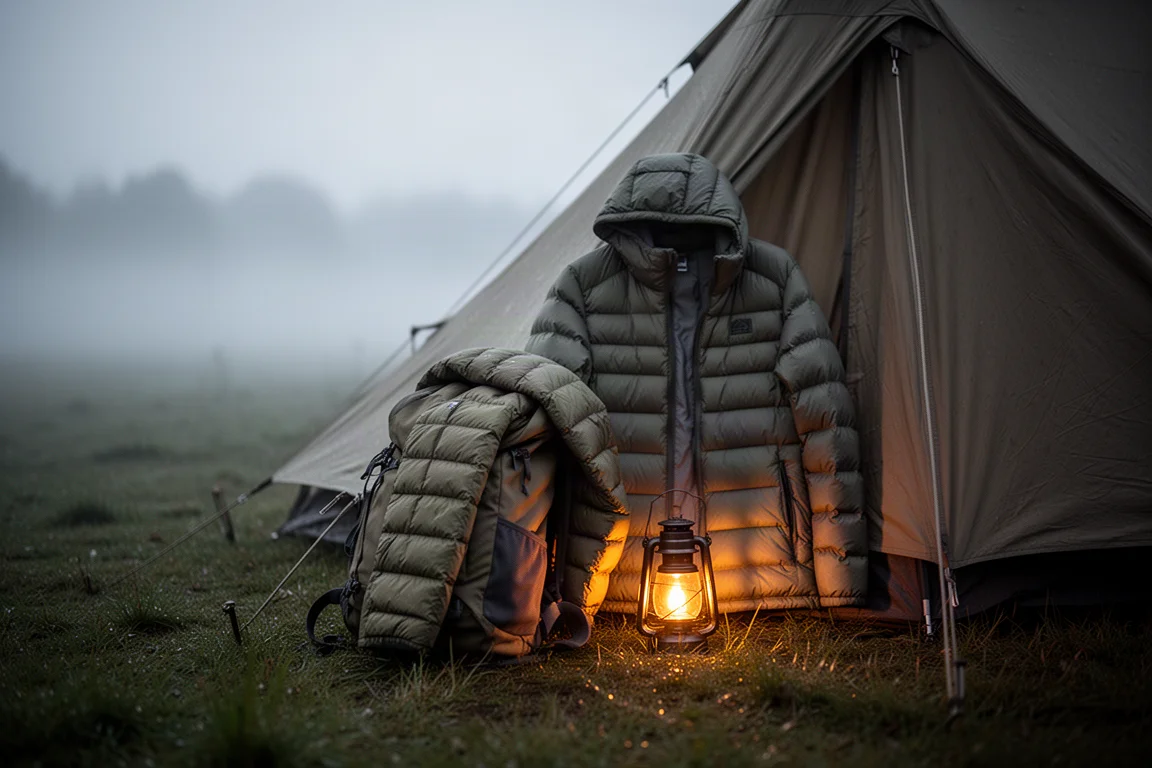
The claimed weight is 9.3 ounces and the usual price sits in the upper $300s, around $380. It is currently listed for roughly $100 less, with the discount applying to colours other than black and a yellowish mustard option.
Compared with the Ghost Whisperer, this jacket is expected to be a little warmer and more resistant to wind and water, and the hood is a deliberate choice for keeping the neck and ears covered.
Mountain Hardwear Ghost Whisperer Down Jacket
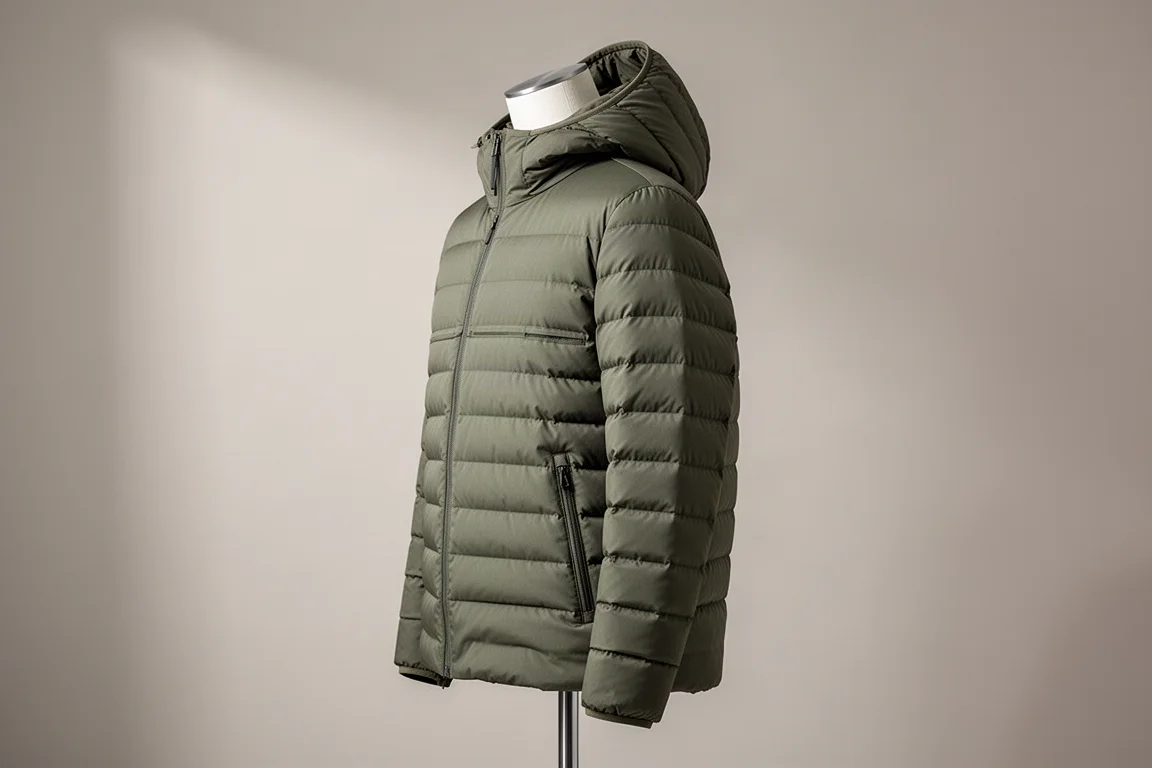
The Ghost Whisperer has been the go-to puffy for a long time, which says a lot about how well it works as a lightweight insulating layer. It remains the benchmark that new jackets have to beat.
Its limits are the same ones that make the Cerium LT interesting: less wind and water resistance, and slightly less overall warmth. That is a reasonable trade for anyone who mostly wants the lightest possible layer for dry, cool conditions.
Trail Runners
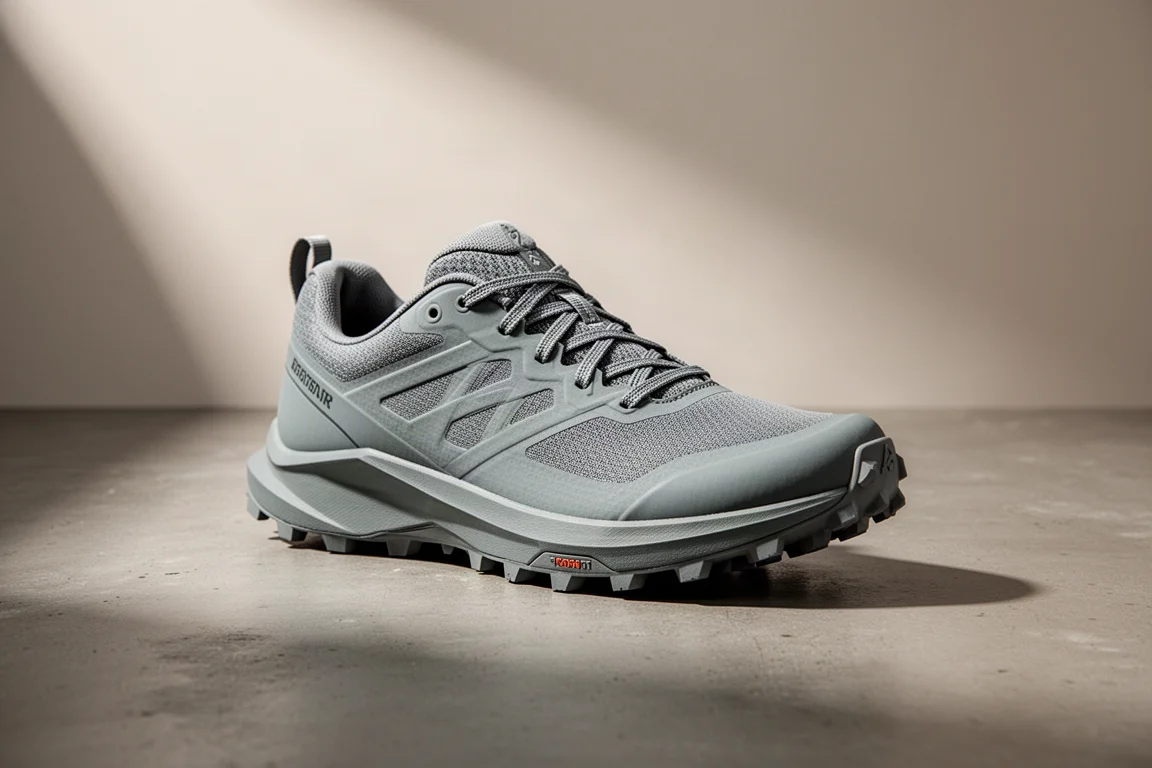
The footwear question is the one still genuinely open. A pair of Terraultra G 260s was lined up for testing this year, and the newer G 270 has since arrived with changes that make the choice less obvious.
Inov-8 Terraultra G 260
The G 260 was the shoe originally selected for this season’s testing. Plans were delayed for much of the year, which means the shoe has not yet had the trail time it was bought for.
That delay is the reason the decision is being reconsidered rather than settled.
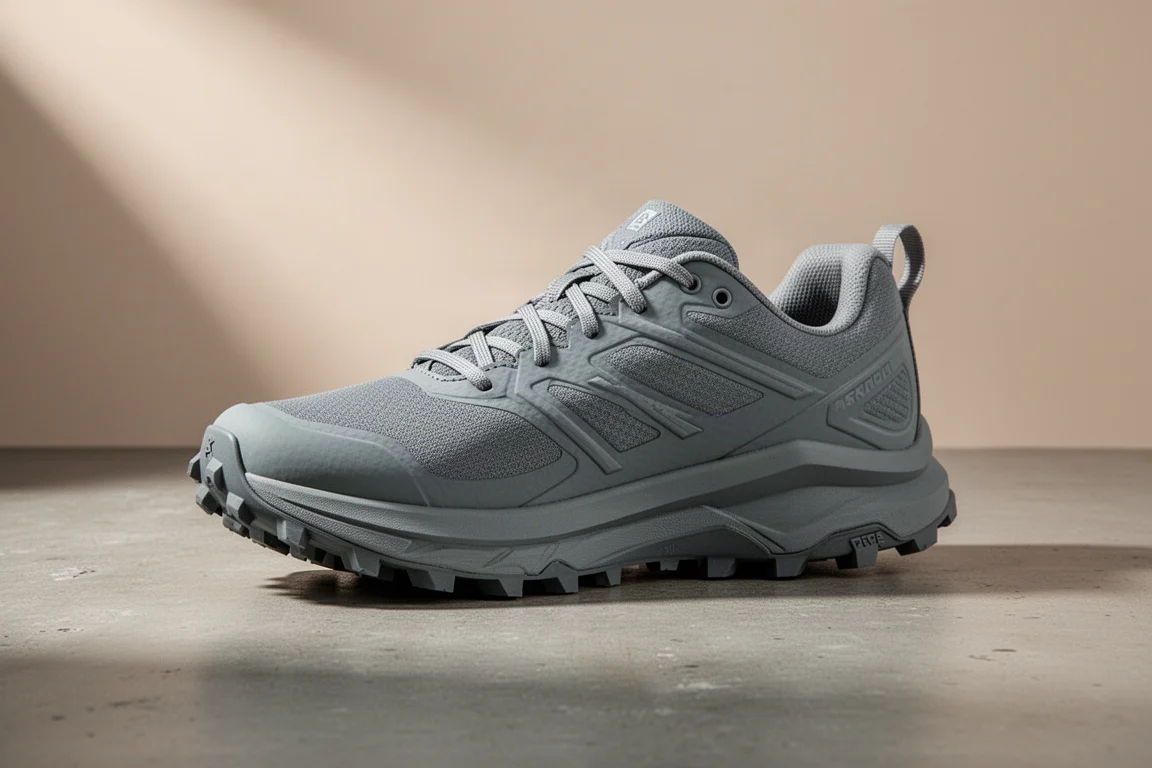
Inov-8 Terraultra G 270
The G 270 is the newer version, with a slightly thicker stack height and other changes made in response to feedback on the G 260. Whether those changes make it the better shoe for long days is exactly the question that needs trail time to answer.
On paper the G 270 looks like the more current choice, and comparing it directly against the G 260 is the only way to know for sure.
Buying Advice
Weight is the easiest thing to compare and the least useful thing to optimise in isolation. The Axl Air is a good example: it gives up about an ounce and a half to the short X-Lite and returns full-length coverage, which is a trade most people sleeping on the ground will happily make.
Price and durability deserve to be weighed together. The LiteSmith pillows cost almost nothing, so an unproven lifespan is a small risk, while a jacket in the upper $300s should be expected to last several seasons. The Cerium LT discount is worth watching if colour is not a priority.
For poles, decide on packability first. If the poles need to fold down for travel, the Micro Vario Carbon is the more convenient design. If they mostly live on the pack, the Zpacks pair is the lighter and less expensive route. Either way, confirm the height range against any trekking-pole shelter before buying.
On insulation, the choice comes down to conditions. The Eos is the lightest and warmest on paper but hard to find right now. The Cerium LT handles damp and wind better than the Ghost Whisperer and is currently discounted, while the Ghost Whisperer stays the simplest option for dry, cool weather.
Conclusion
This kit is built around honest trade-offs rather than big claims. A full-length pad for a fraction more weight, two pillows at opposite ends of the price range, folding carbon poles, and a layered puffy strategy all make sense on paper.
The real test is the trail. Sleep quality, pole comfort over long days, warmth on cold evenings, and whether the G 270 is worth the upgrade over the G 260 will all become clear after some miles.
Further reading
Related Reviews
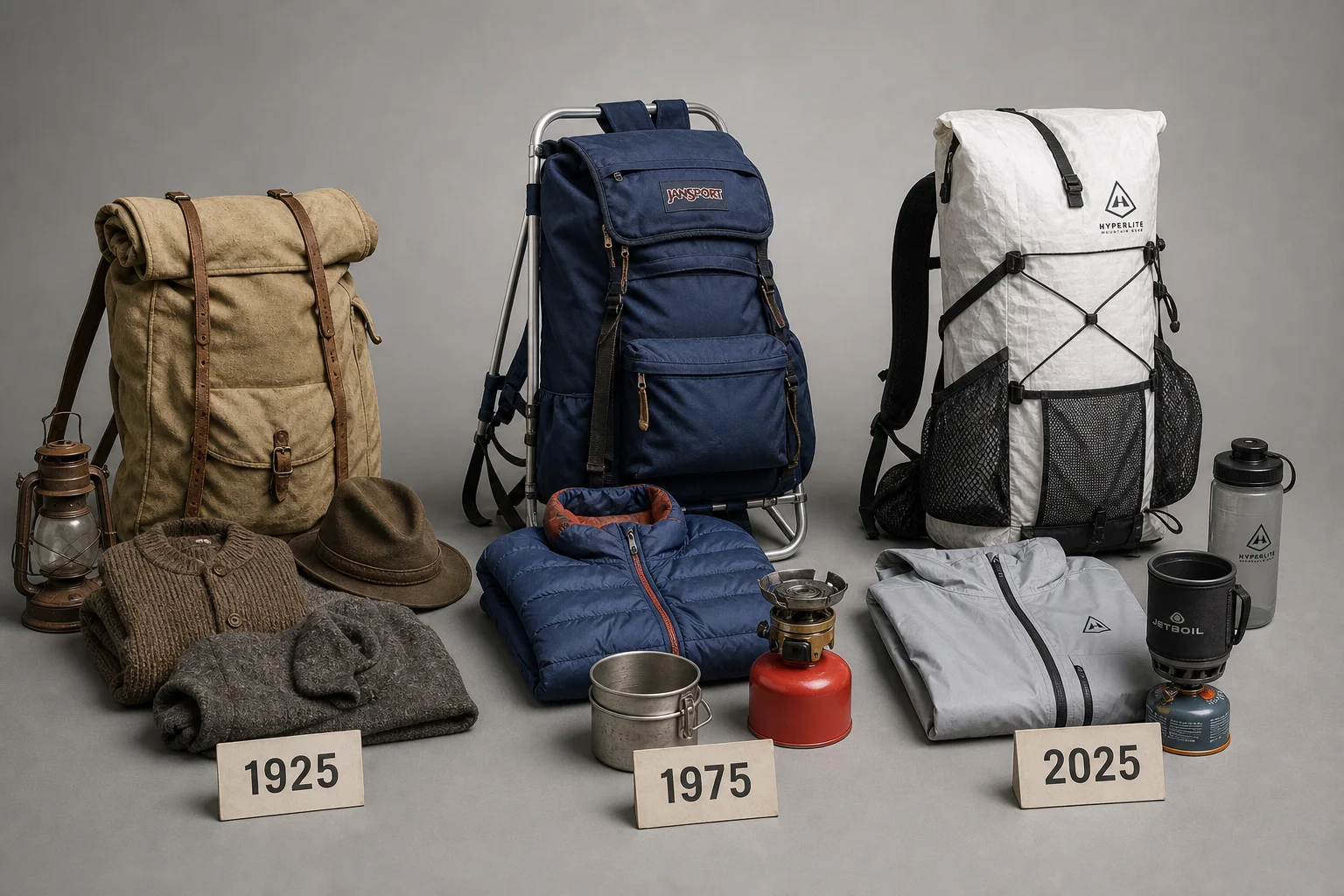
Outdoor Gear
Backpacking Gear Evolution: 100 Years of Technology Compared
We tested backpacking gear from 1925, 1975, and 2025 across a three-day hike in Yosemite. Here's how technology has transformed comfort, weight, and the outdoor experience.
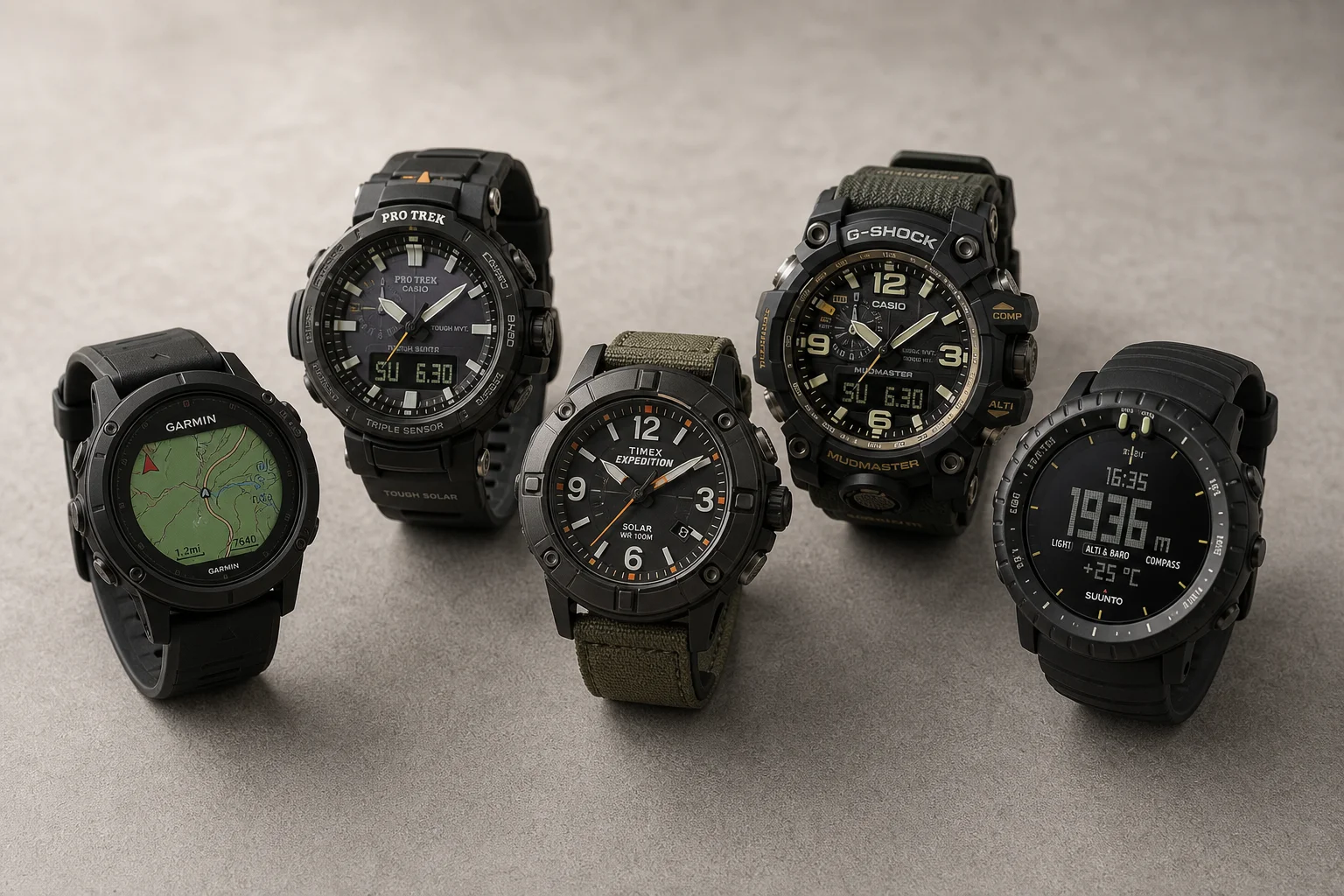
Outdoor Gear
Best Affordable Hiking Watches: Five Rugged Options for Outdoor Adventures
Five durable hiking watches that balance ruggedness, functionality, and value for outdoor enthusiasts who need reliable GPS tracking and weather resistance.
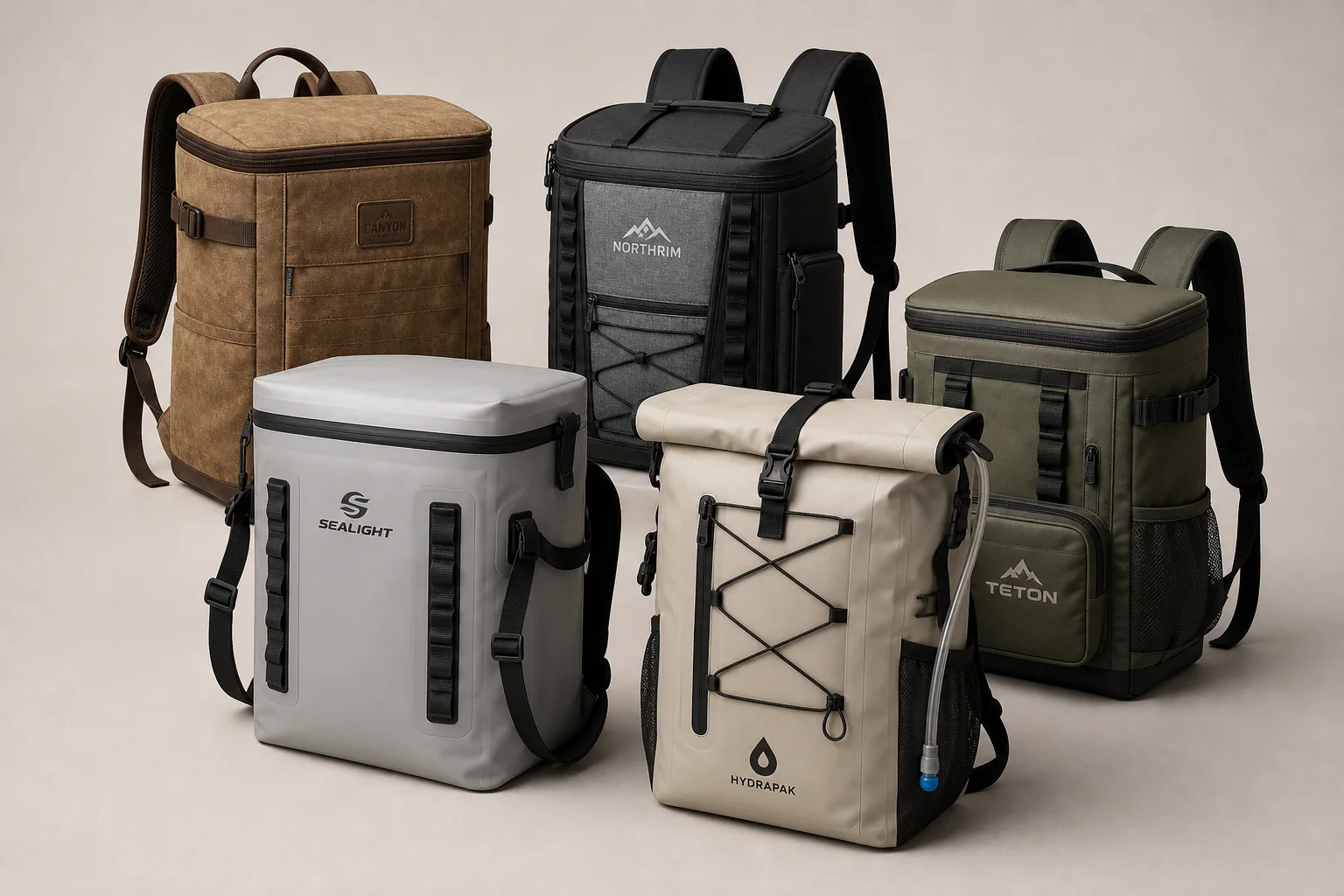
Outdoor Gear
Best Backpack Coolers 2026: Five Practical Options for Outdoor Adventures
Five backpack coolers with distinct cooling capabilities, storage features, and design trade-offs to help you choose the right one for your outdoor needs.