Outdoor Gear
Three Outdoor Gear Finds Tested Overnight: Hammock Tent, Field Blanket, and a Trail Meal
An overnight field test of three very different pieces of camp kit, with notes on comfort, packed weight, versatility, and flavor.
Introduction
Some gear only proves itself after a full night outdoors. Three items were taken out for an overnight test: a hybrid hammock tent that promises flatter sleeping than a traditional hammock, a military surplus field blanket that doubles as a tarp, stretcher, and sunshade, and a lightweight trail meal. Each one answers a different camping need, and each one carries a trade-off worth understanding before you spend money.
None of the three is a universal recommendation. The useful question is whether the way each item behaves on a real trip lines up with the way you actually camp, and that is what the notes below set out to answer.
How These Three Pieces Were Evaluated
Four things mattered during the test: how long setup took, how much the system weighed once packed, how it felt after a full night of use, and how many jobs a single item could replace. Value was judged against the price actually paid rather than against marketing claims. The hammock tent saw one night of use, so its comfort notes are a first impression rather than a long-term verdict, while the field blanket and the meal were assessed on straightforward function and taste.
Haven Tent: A Hammock Tent That Aims for Flat Sleeping
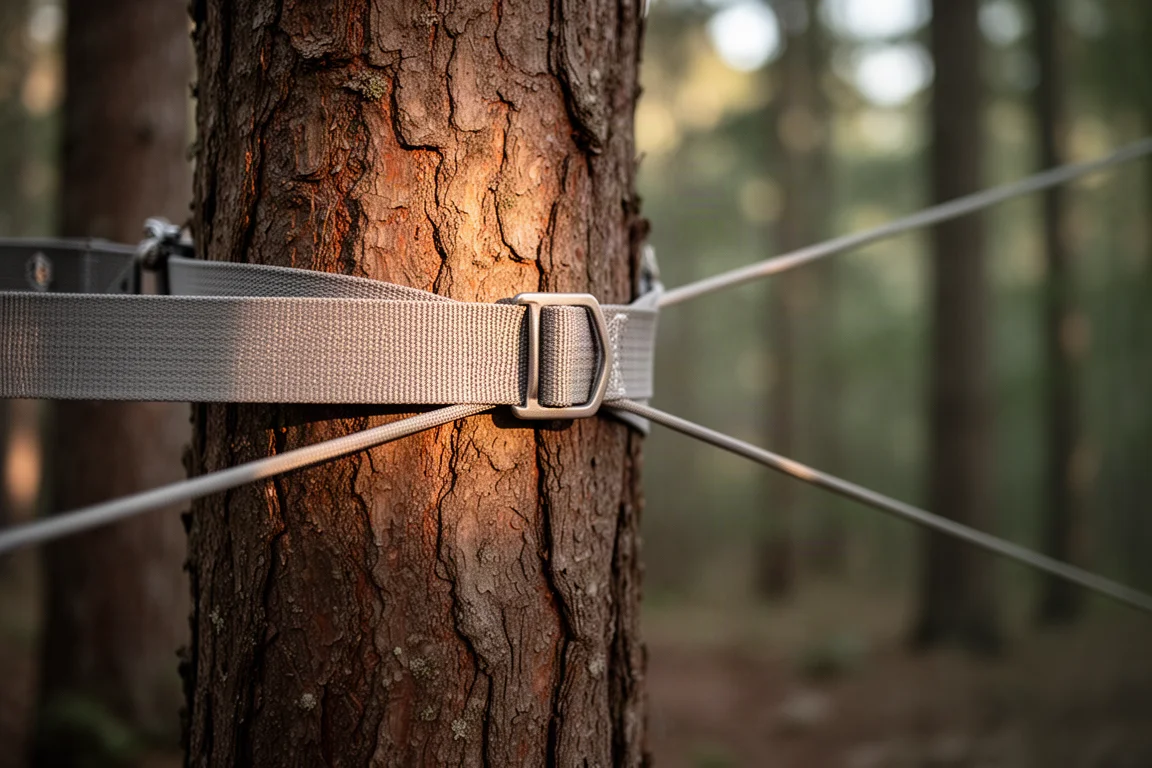
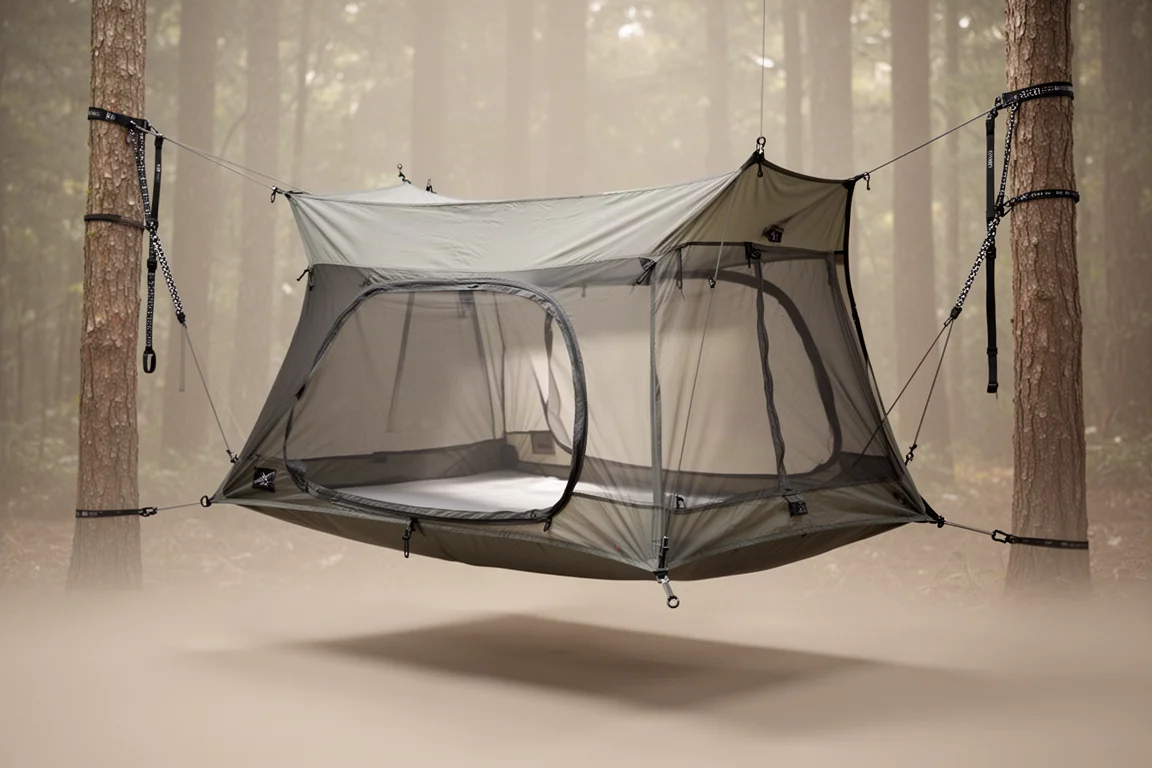
The Haven Tent is a hybrid. A spreader bar at the head end holds the fabric open, and a sleeping pad slides into the bottom of the body and connects at the corners, which is what gives the shelter its shape. Suspension runs from tree straps to adjustable lines that are tensioned rather than knotted, and anyone who already sets up hammocks will recognize the process quickly. Tree straps spread the load on the trunk and protect the bark, which matters at any site you plan to return to.
The design is the interesting part. It is noticeably flatter than a gathered-end hammock, and the pad at the base gives the body something closer to a platform. In practice it is not perfectly flat. A slight bow remains, and sleeping fully on one side still leaves a hint of the banana curve that hammock sleepers know well. Rolling just a little toward the back makes it considerably more comfortable.
Two numbers define the experience. The system is roughly 24 inches wide, which feels tight even for an average build, and the complete setup of fly, hammock body, pad, lines, and straps comes in around eight pounds. That is heavy for a shelter, and a tent setup can almost always be built lighter. The upside is packing flexibility: the components separate, so the hammock body can go in one part of a pack and the pad in another, which makes the system more workable with a smaller pack than the weight suggests.
Two more details are worth planning around. The pad is effectively proprietary. Other sleeping pads tend to fold at the corners and do not pitch as well, and if the pad loses air the shelter reverts to behaving like an ordinary hammock, so a repair kit is close to mandatory. The door zippers are also single-ended rather than two-way, a small annoyance when reaching in from inside. One accessory deserves a cautious look: a light strip made for the hammock drew a remarkable number of insects on a warm night.
For anyone who already enjoys hammock camping, this is a clear step up in comfort. For anyone who has never liked hammocks, it is unlikely to change their mind.
Force Protector Gear Field Blanket: One Piece, Several Jobs
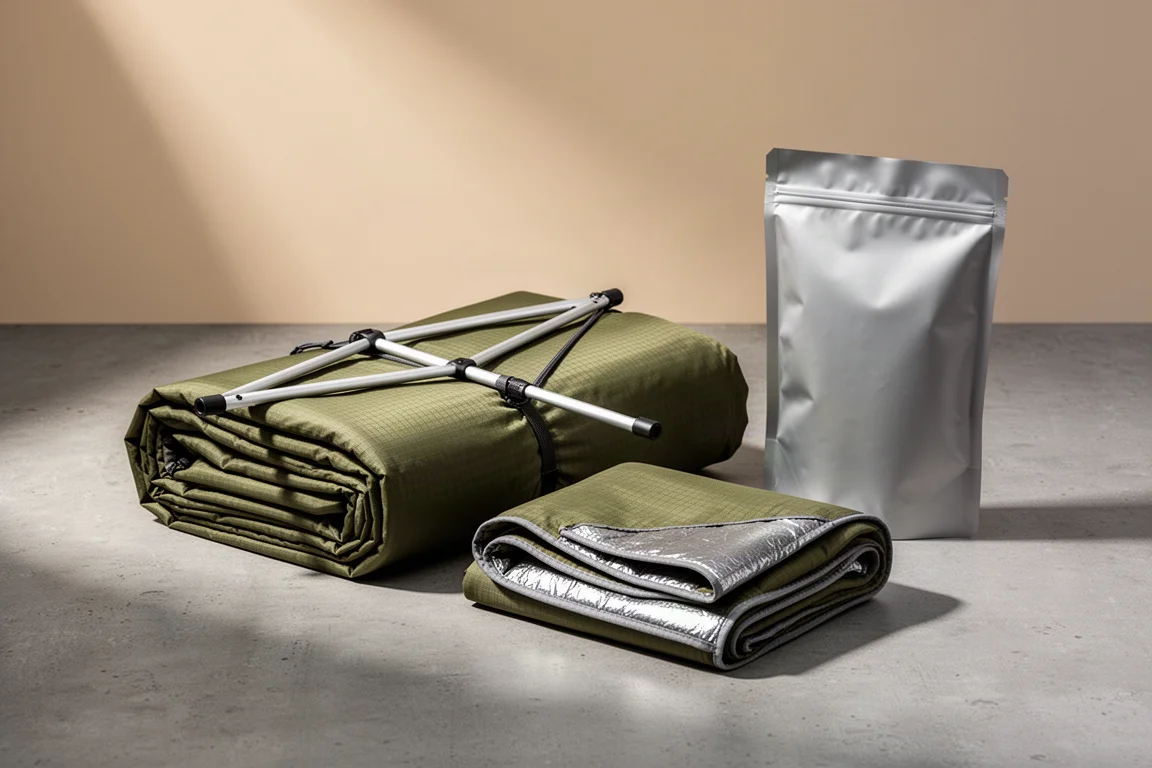
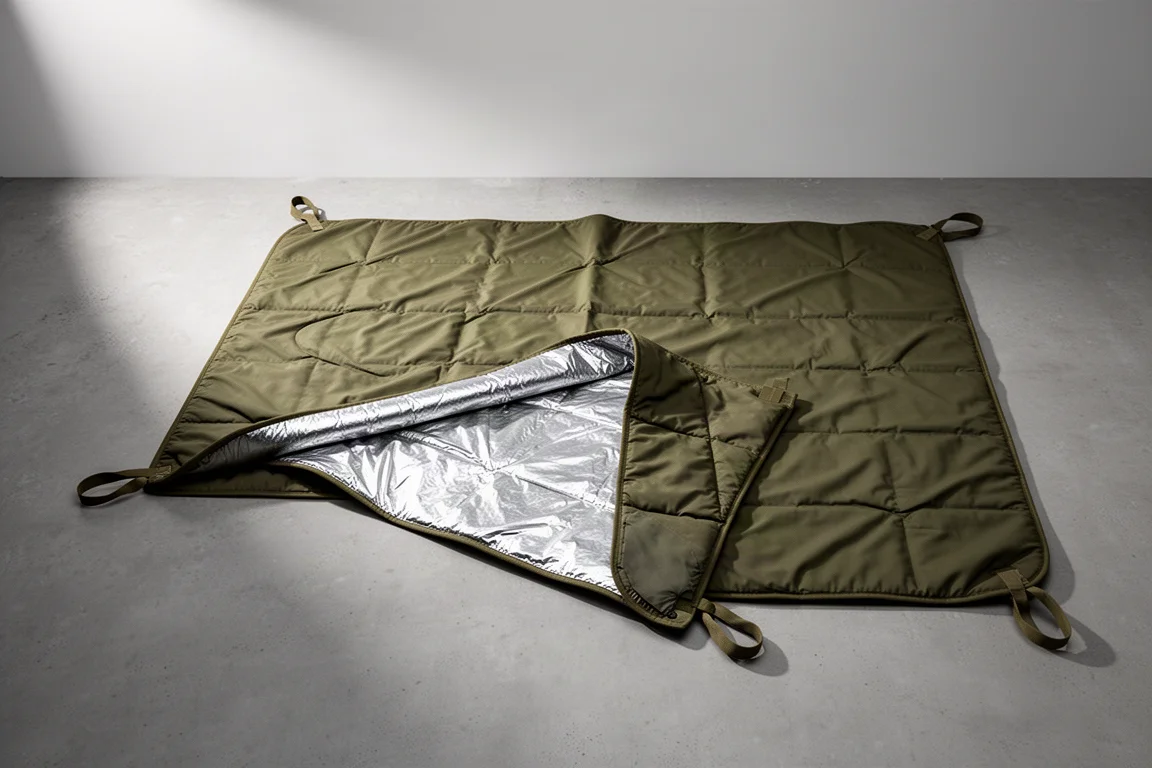
This is a military surplus item, and a civilian version exists with minor differences. It works as a blanket, a tarp, a stretcher, and a sunshade in a single piece of fabric, and it is adaptable enough for the forest or for use around a vehicle. Corner tie-offs make deployment fast: the line goes around a tree, the corner wraps around the line, and no knots are needed at all.
The clever part is inside the fabric. A reflective mylar layer sits between the outer and inner faces and blocks radiant heat. Sitting underneath it in direct sun, the air feels like the ambient temperature rather than a greenhouse, which is exactly the problem a standard tarp creates on a hot day.
The trade-off is structural. The outer material is not connected to the inner layer, so an air gap forms between them and the whole thing behaves a little like a balloon once pitched. Packing it away means pushing the trapped air out first. It is an inconvenience rather than a deal breaker, but it is something you notice every time you fold it up.
Value is where this item stands out. Military surplus pricing put it around $80, while a new retail version of the same style of product runs closer to $400. Finding the right one takes patience, because the manufacturer’s site lists many similar-looking products without clearly explaining how they differ.
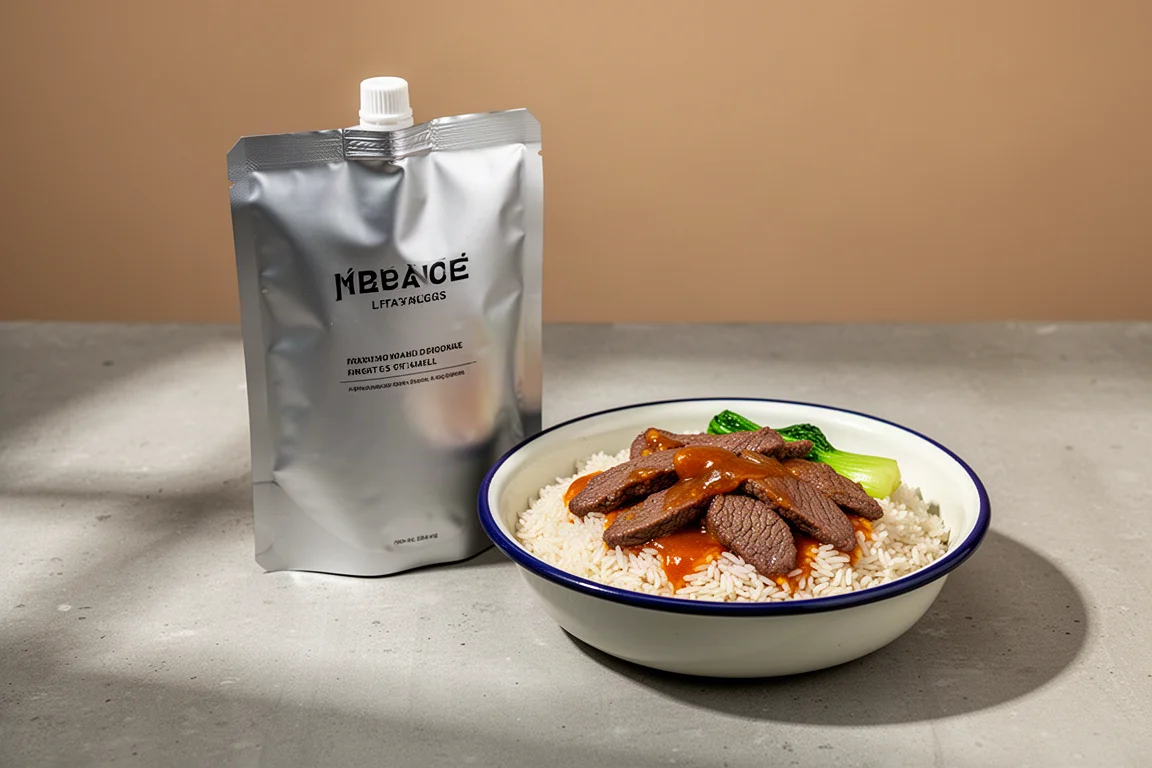
Happy Yak Express Mandarin Beef and Rice: Healthy Flavor, Muted Taste
Preparation is simple: bring water to a boil, stir the meal in constantly, reduce the heat, and simmer for two minutes. It smells genuinely appetizing while it cooks and comes out very hot, so a short wait before the first bite is wise.
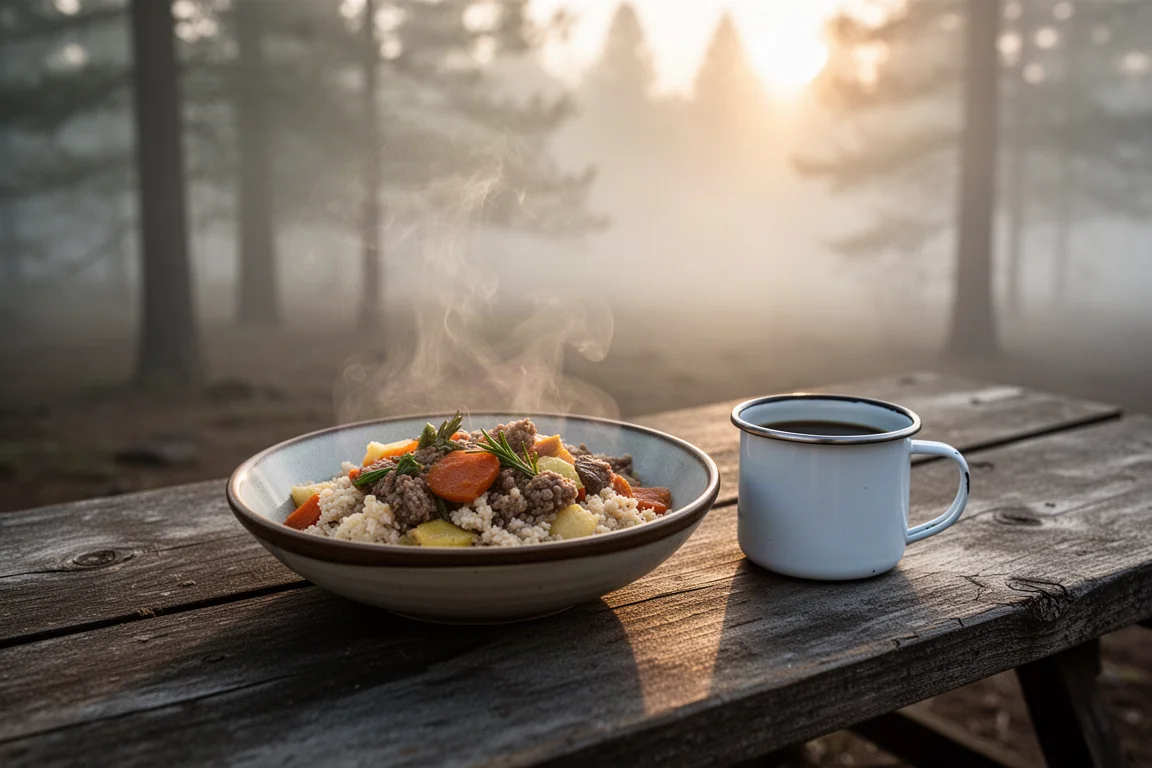
The verdict is mixed. It tastes good without tasting great, and the overall impression is of a meal built around health rather than flavor. That is a fair trade for some backpackers and a disappointment for others. On the strength of one pouch, it is not something that would be bought again, though it is far from unpleasant.
What the Overnight Test Revealed
Each item landed roughly where it was expected to. The hammock tent delivered comfort a traditional hammock cannot match, at the cost of weight and width. The field blanket delivered unusual versatility for a very low surplus price, with a packing quirk attached. The meal delivered convenience and a clean, light feel, with flavor that does not quite keep pace.
Buying Advice: Matching Each Piece to the Right Trip
Match each item to the trip rather than to the spec sheet. The hammock tent belongs on outings where sleep quality matters more than pack weight, and where the extra bulk can be split across a pack. The field blanket suits campers who want one item covering shade, ground cover, and emergency carrying, and who do not mind managing the trapped air. The meal is a reasonable pick for anyone who prioritizes a lighter, healthier trail meal over a bold one.
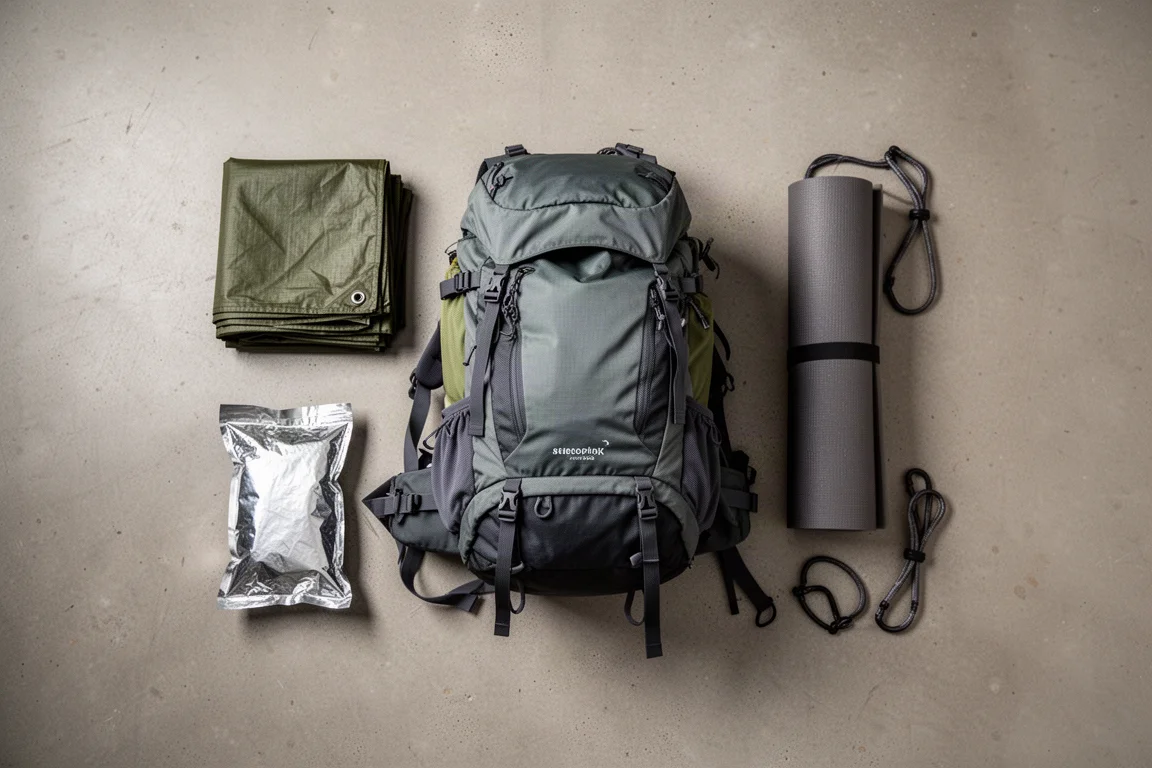
If weight is the deciding factor, a tent remains the lighter option, and that is worth stating plainly. If comfort is the deciding factor and hammock sleeping already works for you, the hybrid design is the more rewarding choice. With the blanket, the surplus route offers the same core function at a fraction of retail, provided you confirm exactly which variant you are ordering.
Conclusion
Three very different pieces, three different reasons to consider them. The Haven Tent is a genuine comfort upgrade for hammock campers who can accept eight pounds and a narrow sleeping surface. The Force Protector Gear field blanket packs several jobs into one piece of fabric and makes the most sense at surplus pricing. The Happy Yak Express Mandarin Beef and Rice is convenient and clean-tasting, though its flavor will not win over everyone. Buy for the trip you actually take, and each of these earns its place.
Further reading
Related Reviews
Outdoor Gear
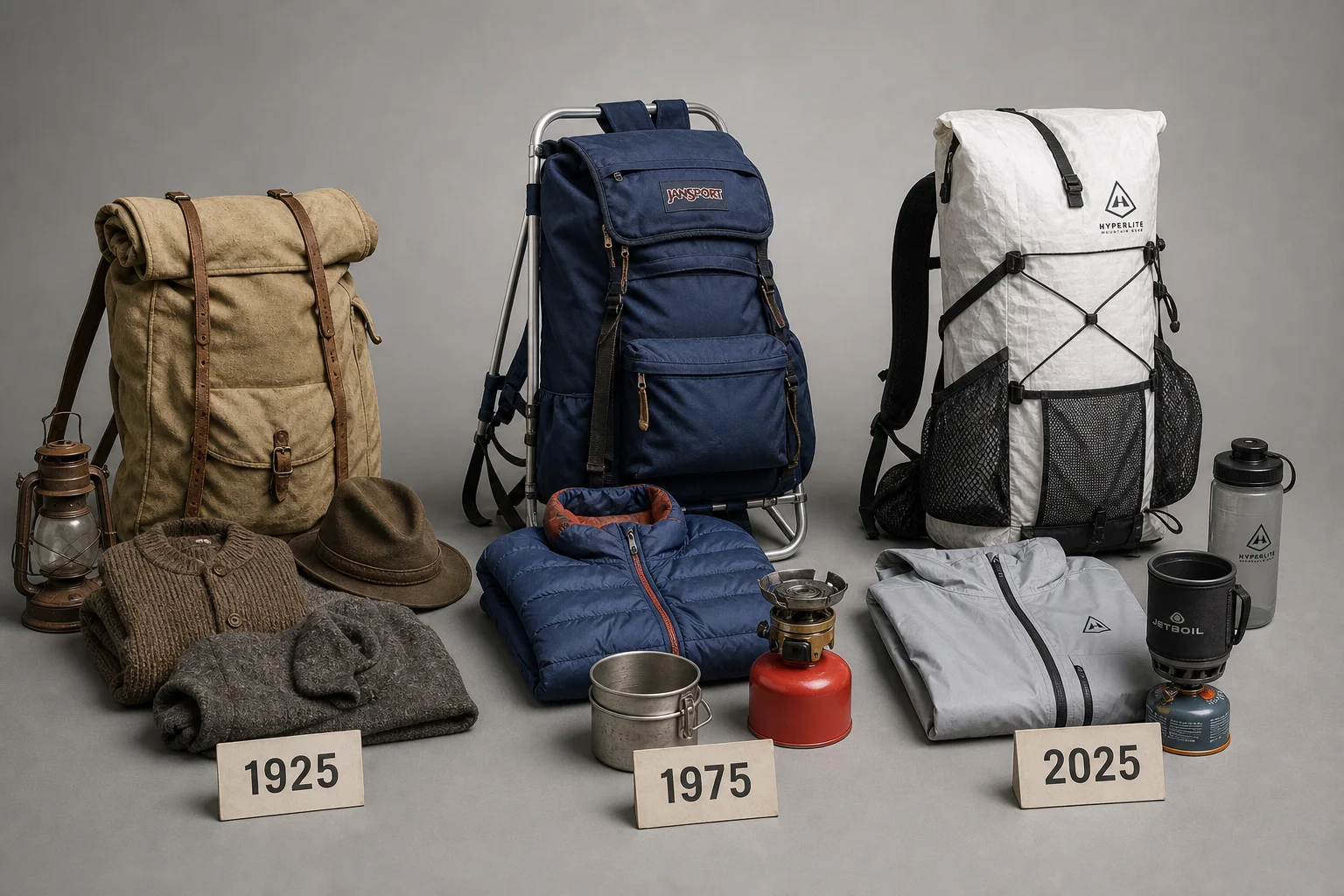
Backpacking Gear Evolution: 100 Years of Technology Compared
We tested backpacking gear from 1925, 1975, and 2025 across a three-day hike in Yosemite. Here's how technology has transformed comfort, weight, and the outdoor experience.
Outdoor Gear
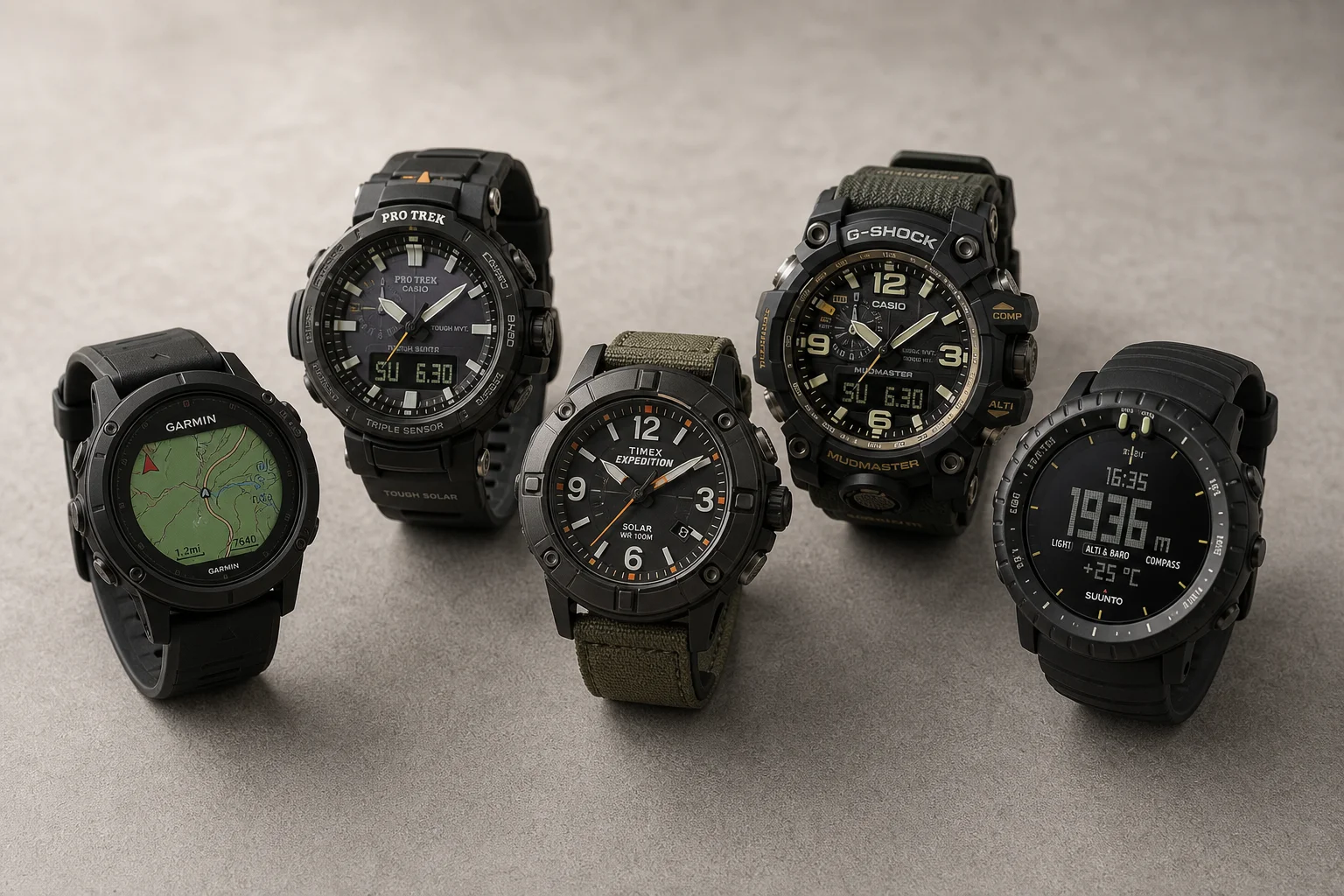
Best Affordable Hiking Watches: Five Rugged Options for Outdoor Adventures
Five durable hiking watches that balance ruggedness, functionality, and value for outdoor enthusiasts who need reliable GPS tracking and weather resistance.
Outdoor Gear
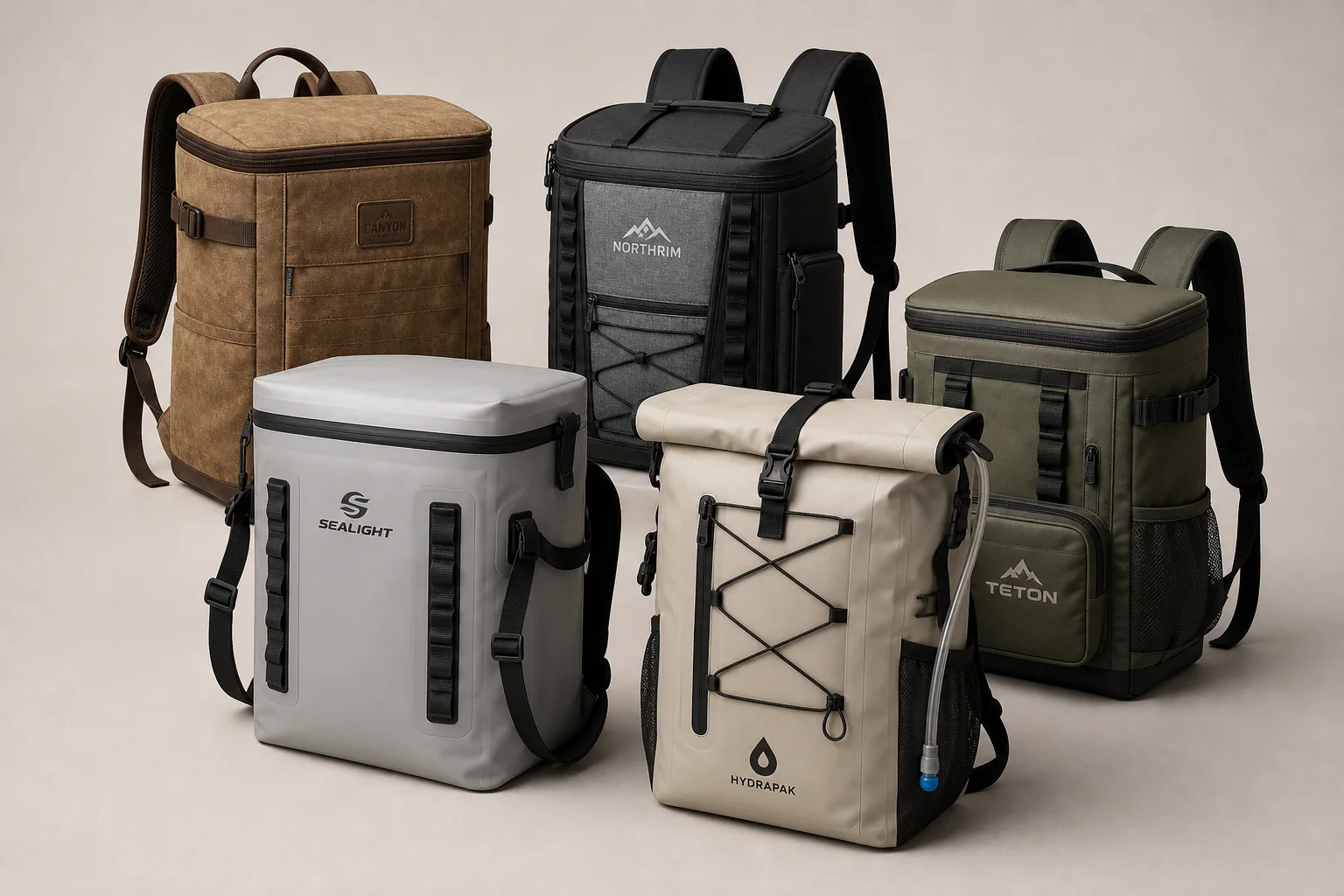
Best Backpack Coolers 2026: Five Practical Options for Outdoor Adventures
Five backpack coolers with distinct cooling capabilities, storage features, and design trade-offs to help you choose the right one for your outdoor needs.