Tools & Workshop
Three Clever Tools You Probably Never Knew Existed
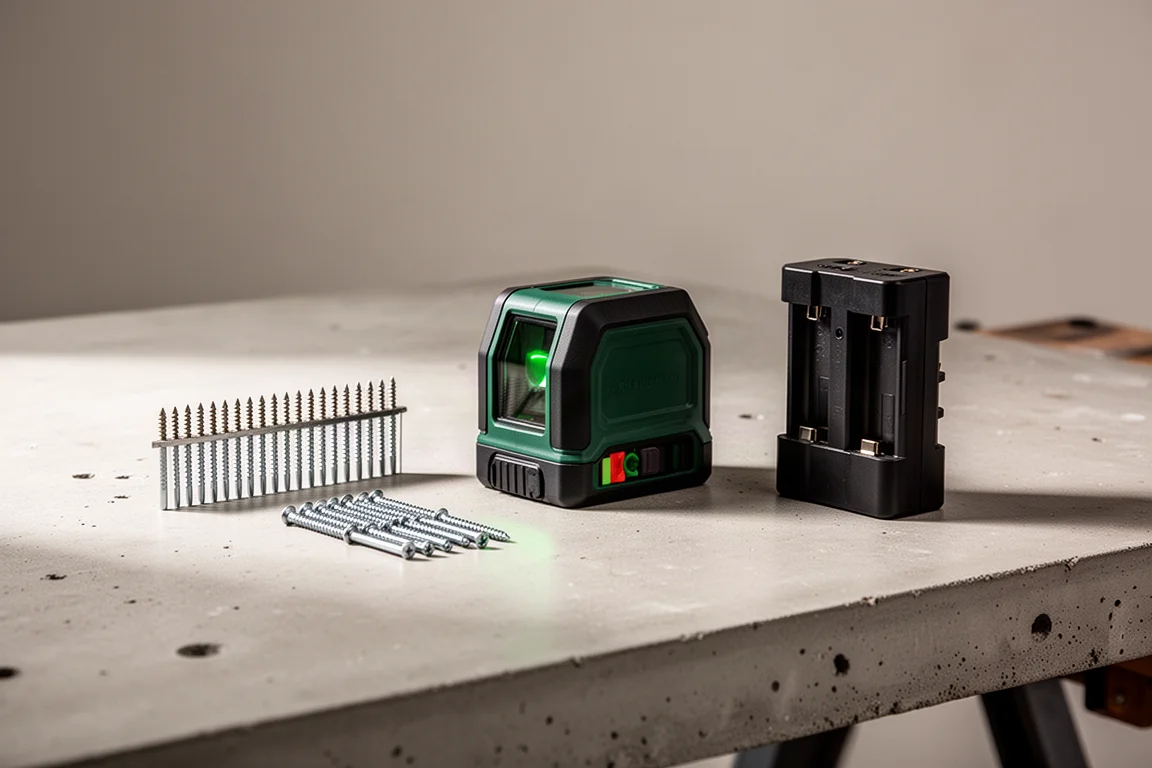
SCRAIL collated screw-nails, the Bosch Atino wall laser, and a battery parallel adapter for Makita tools: three products that work brilliantly but may never earn a place in your kit.
Introduction
Some products do exactly what they were designed to do, and do it very well, yet most people will go their whole lives without ever needing them. These three are exactly that kind of oddball: genuinely clever, genuinely functional, and realistically niche. If one of them matches a specific job you actually do, it could be a brilliant buy. If not, it is still worth knowing they exist.
SCRAIL: The Collated Fastener That Also Unscrews
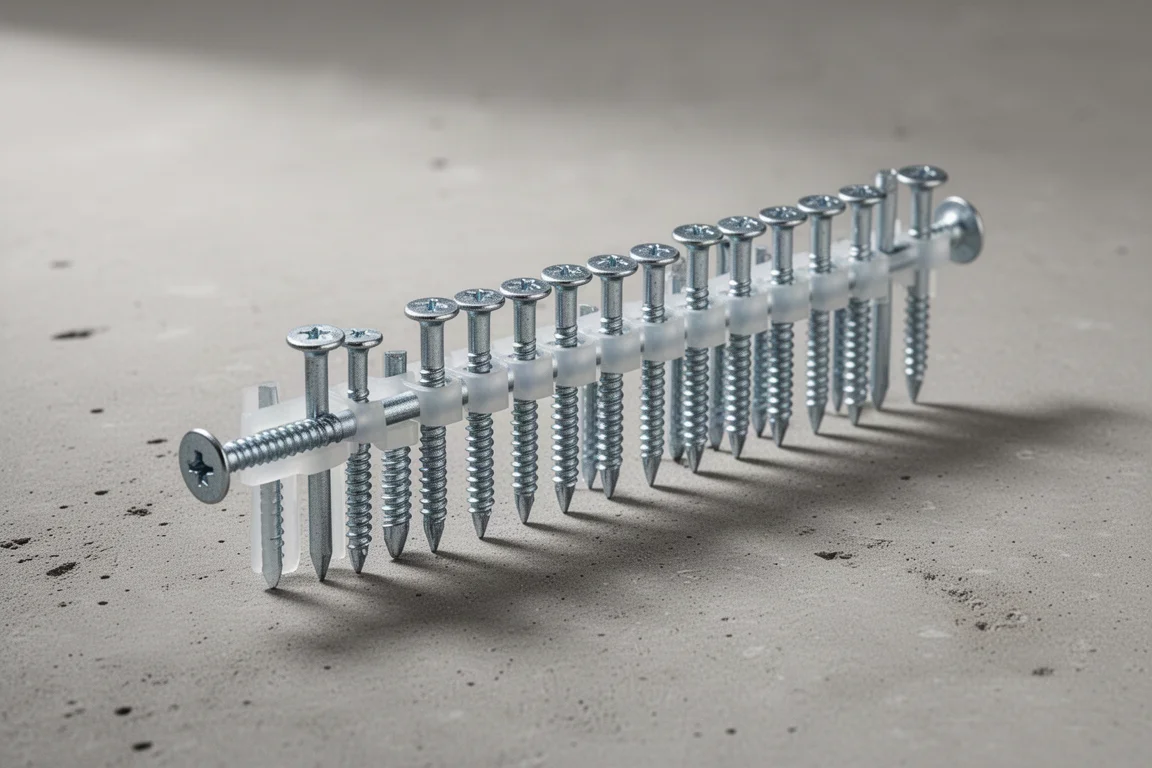
SCRAIL fasteners have been around for a long time, but most people have never come across them. They are essentially collated screw-nails, the kind of thing you would load into a first-fix nail gun. The versions shown here are 75 mm (3 in) long and galvanized, and at first glance they look like ring shank nails, with ribs running all the way along the shaft.
Look closer and those ribs are angled slightly, a bit like barbs, so the fastener drives into wood easily but resists pulling out. Two pieces of timber joined with them feel extremely solid, and separating them without wrecking the wood is essentially impossible.
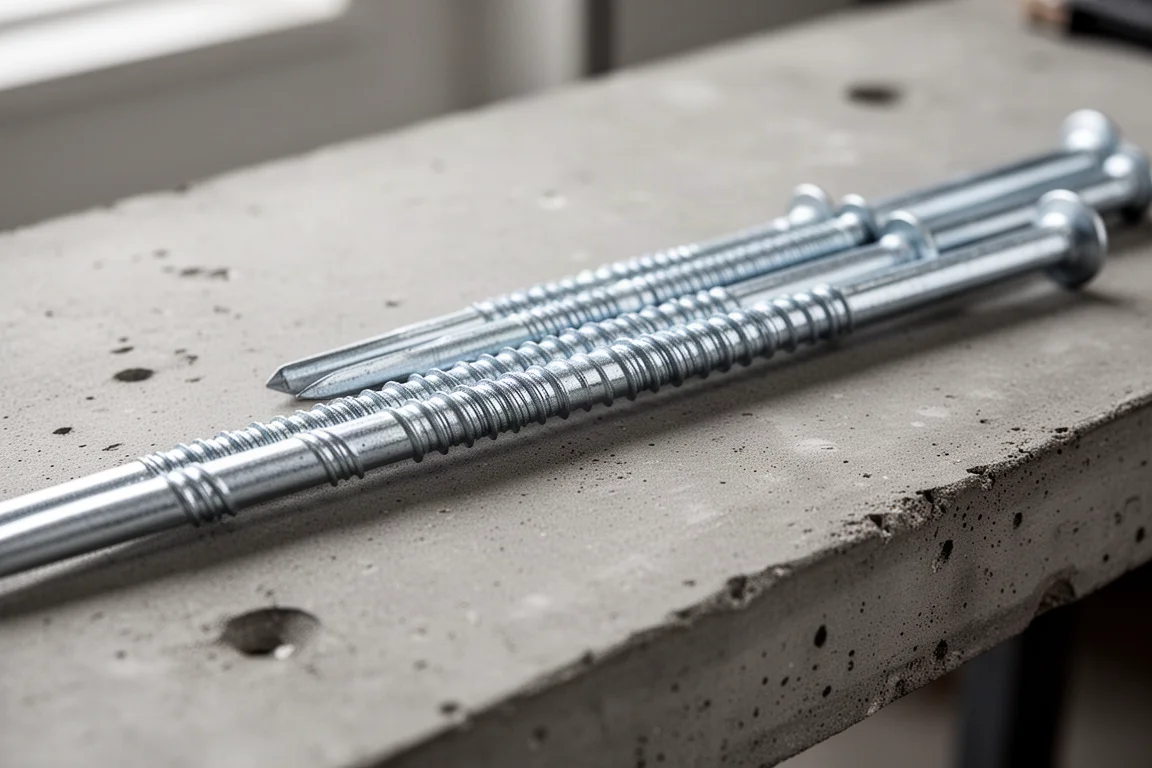
The trick is what gives them their name, a combination of screw and nail. The ribs are not actually rings but a very fine helical thread, and the head takes a Torx-type bit. With the right bit in an impact driver, you can simply unscrew them back out. If you had not unscrewed them, they would likely stay put forever.
There has been some debate about whether the ribbed shanks damage timber, but the ribs are very fine, so they behave much like ordinary ring shank nails while still being removable. You can even drive them back in afterwards.
So why will most people never need them? First, the vast majority of nails fired from a nail gun are never meant to come out, so removability solves a problem that rarely exists. Second, because the heads need to be full and round to accept a Torx bit, they are spaced further apart in the clip than standard collated nails, which have roughly three-quarter heads. That means about half as many fasteners per clip, roughly twice the price per fastener, and more frequent reloading. For concrete formwork, where you nail everything together and then need to dismantle it once the concrete has cured, they are an excellent idea. For everyday framing, standard nails make more sense.
Bosch Atino: A Wall-Mounted Levelling Laser
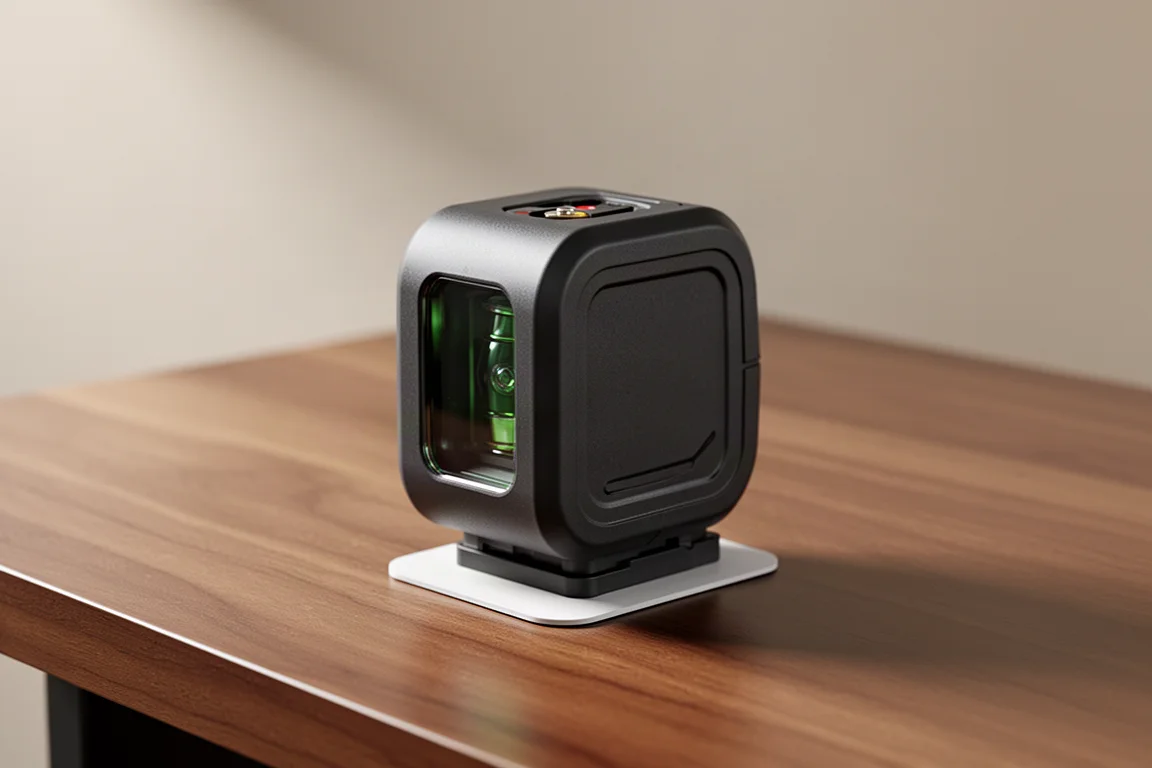
The Bosch Atino is designed for one specific job: getting things level or vertical on a wall. You stick it to the wall and it projects a laser line horizontally or vertically, which makes hanging pictures or fitting a shelf much simpler. It runs on a single AA battery in the top.
It ships with an adhesive pad on the back, hidden under a protective cover. The pad is designed for surfaces like plaster and paintwork, and it can be washed with water to restore the stickiness, so it is reusable over and over. For textured surfaces such as brick, there is an alternative base plate with pins that you can pin in place instead.
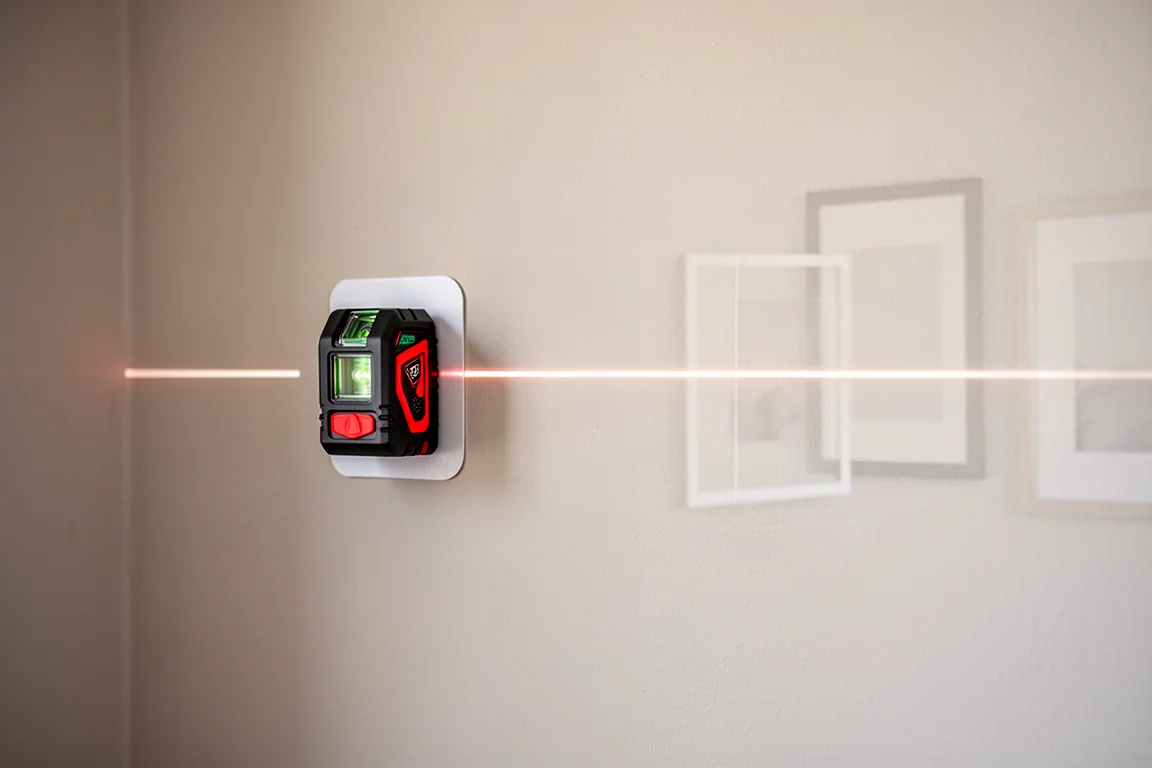
In use, the cutout in the body lets you see exactly where you are placing it over your marked point. A small push sticks it to the wall, and two solid green lights confirm when it is level. Once level, the laser line is level all the way across the wall, and you can mark anywhere along it. Rotate it to vertical mode and the indicator changes colour, again showing two solid greens when the line is exactly plumb.
There is a built-in tape measure as well, extending up to 1.5 metres, which is handy for spacing two pictures or shelf fixings a set distance apart. It is arguably a bit of a gimmick, but useful for this exact type of task. The laser line itself is thin rather than chunky and stays bright and clearly visible in normal daylight over a couple of metres. Build quality is what you would expect from Bosch, and the whole thing is easy to use.
Bosch Quigo: The More Versatile Alternative
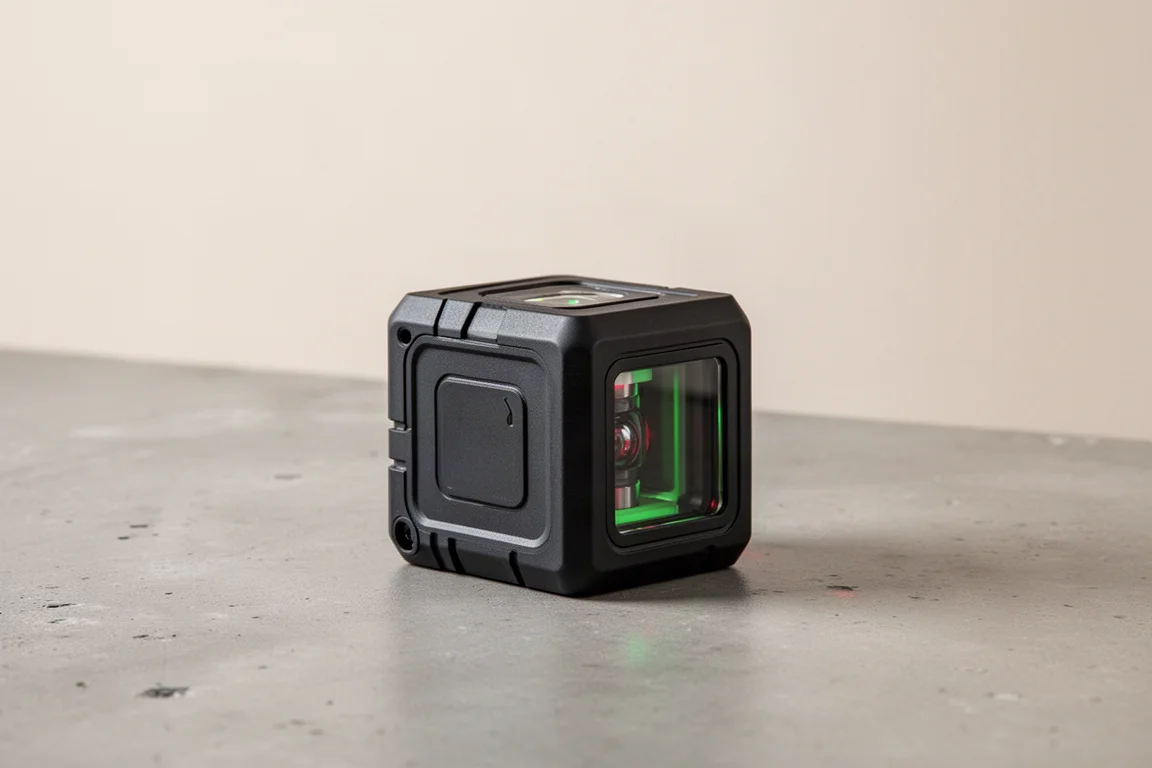
Here is the catch with the Atino: it cost around £40, and for the same money you can buy a cube-style cross-line laser such as the Bosch Quigo. A cross-line laser projects its lines from a distance, so you can work on the wall while the laser sits in position on a surface or tripod, rather than being stuck to the wall itself.
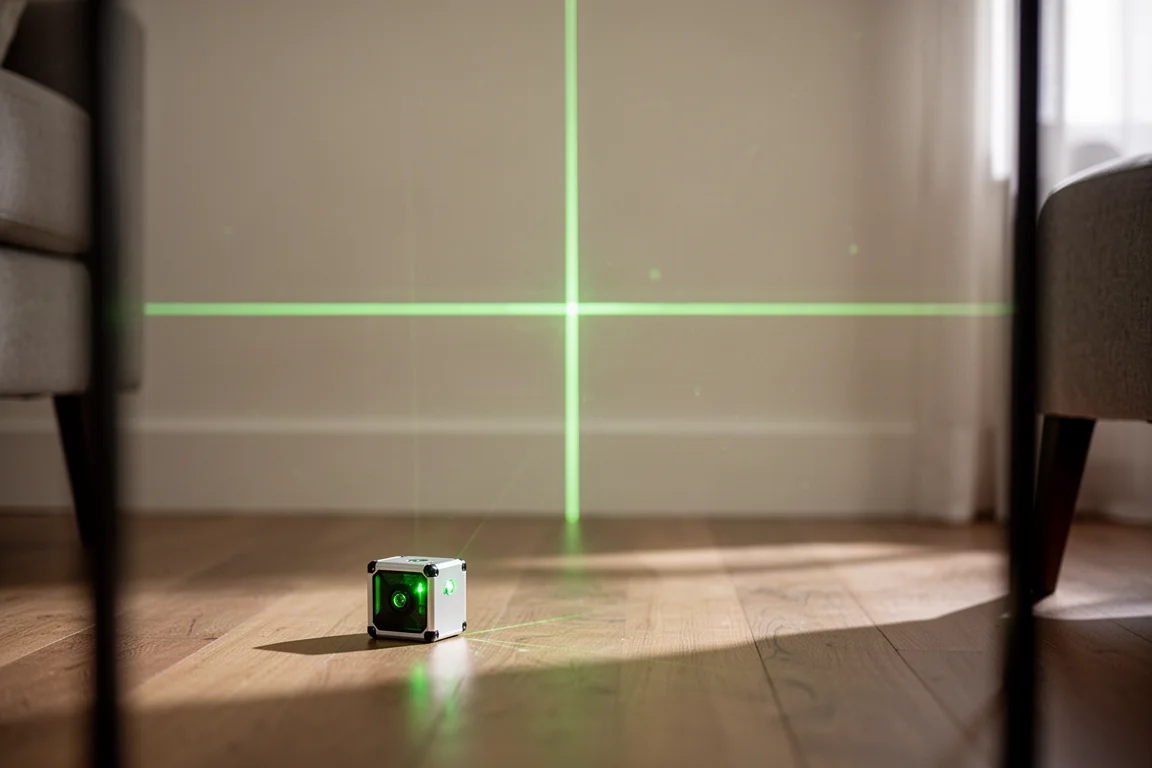
The Atino is fine for hanging a picture or putting up a single shelf, but it becomes difficult to use for jobs like tiling or timber work. A cross-line laser handles all of those tasks and more, whether building work or simply putting a picture on the wall. Since both sit at roughly the same price point, the Quigo is the more flexible buy for most people, unless hanging pictures is genuinely all you need.
A Parallel Battery Adapter for Makita Tools
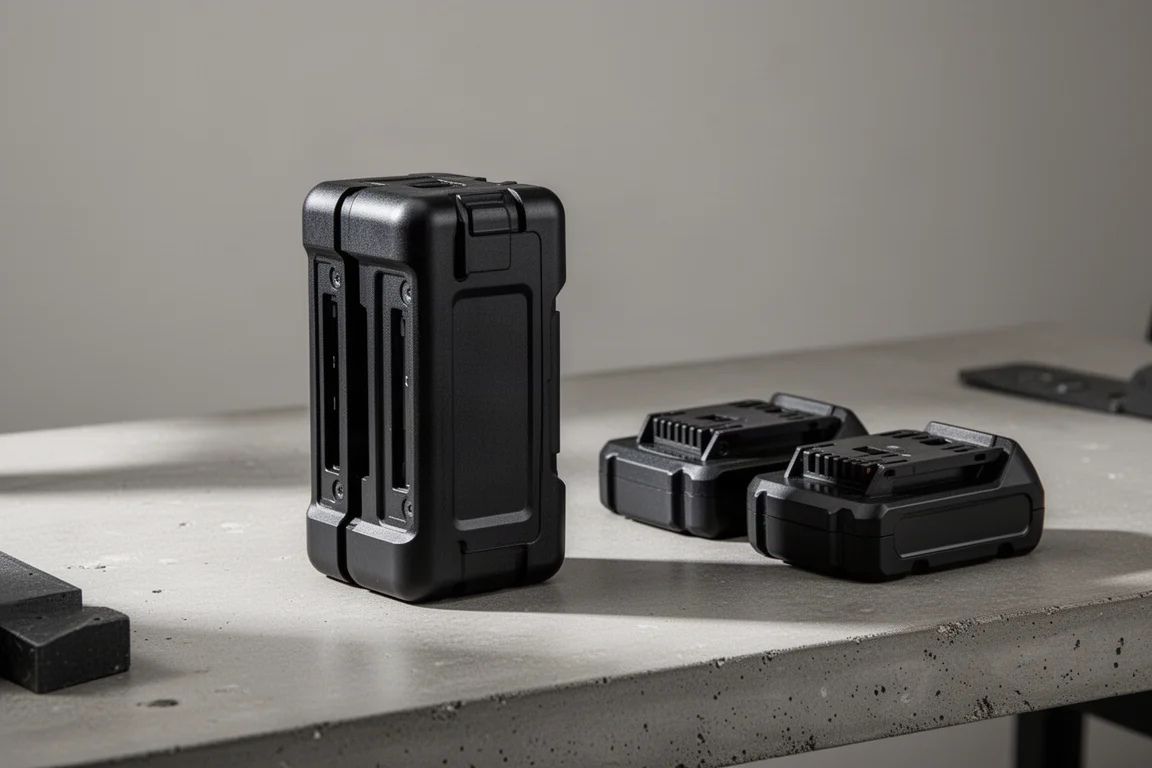
The favourite of the three is also the one most people will never use. Cordless tools are great, but batteries run out, and swapping packs mid-job is a bind. This adapter, bought for around £12, looks like a battery that fits into a Makita tool, but it has two slots of its own so you can run two battery packs at once. The batteries are wired in parallel rather than in series, so the tool still receives 18 volts, but capacity doubles, for example from 5 amp hours to 10 amp hours. That means twice the runtime between changes.
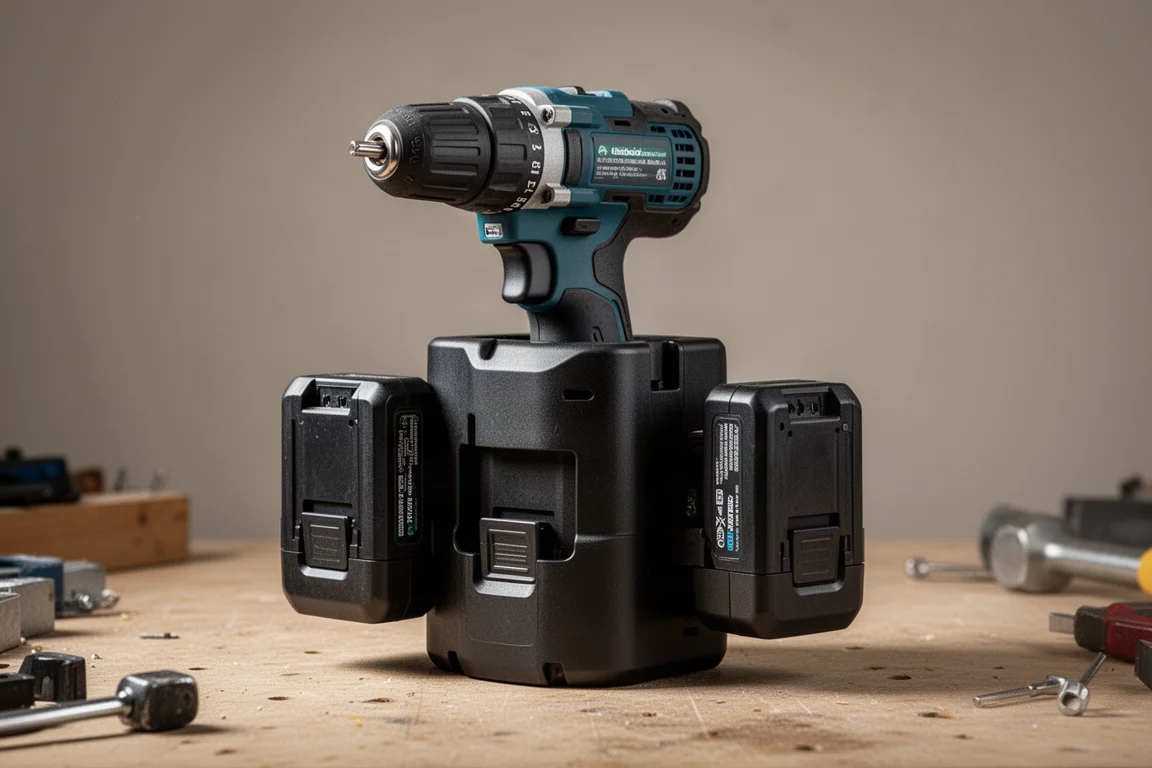
The only real drawback, apart from the added weight, which is noticeable, is that it is undeniably niche. Still, if you want an impressive-looking setup or genuinely need extended runtime on one tool, it is a fun and functional accessory, and there is nothing stopping you from getting creative with even more batteries.
Buying Advice
Match the tool to the job, not the cleverness. SCRAIL fasteners only make sense when you genuinely need to remove fixings later, such as concrete formwork. For wall levelling, a cross-line laser like the Quigo covers far more tasks than the wall-mounted Atino at a similar price. The battery adapter is a cheap, fun upgrade if long runtime on a single Makita tool matters to you, as long as you accept the extra bulk.
Conclusion
All three of these products work exactly as intended, and each solves a real problem for someone. The question is simply whether that someone is you. Buy for your actual projects, and these odd tools will make sense; otherwise, they remain fun to know about and easy to skip.
Further reading
Related Reviews
Tools & Workshop
Three Tools That Saved a Tight Dishwasher Installation
A long-reach hose clamp tool, a locking ratcheting bit driver, and a flip socket that earned their spot during a cramped appliance install.
Tools & Workshop
Banggood WB0102 Pro Workbench Review: A Stable, Height-Adjustable Bench for Small Workshops
A heavy, well-priced workbench with a pine top, built-in power strip, height adjustment, and a straightforward assembly that takes under 30 minutes.

Tools & Workshop
Best 50 ft Extension Cords: 15 Cords Put Through Real-World Testing
Fifteen 50 ft extension cords compared on blade strength, abrasion resistance, voltage drop, plug retention, and cold weather flexibility.