Performance Cars
Three Great Japanese Performance Cars: Subaru Impreza 22B, Lexus LFA and Nissan GT-R Nismo
A rally legend, a one-off V10 supercar and the ultimate R35 GT-R: three very different sides of Japanese performance culture, driven back to back.
Introduction
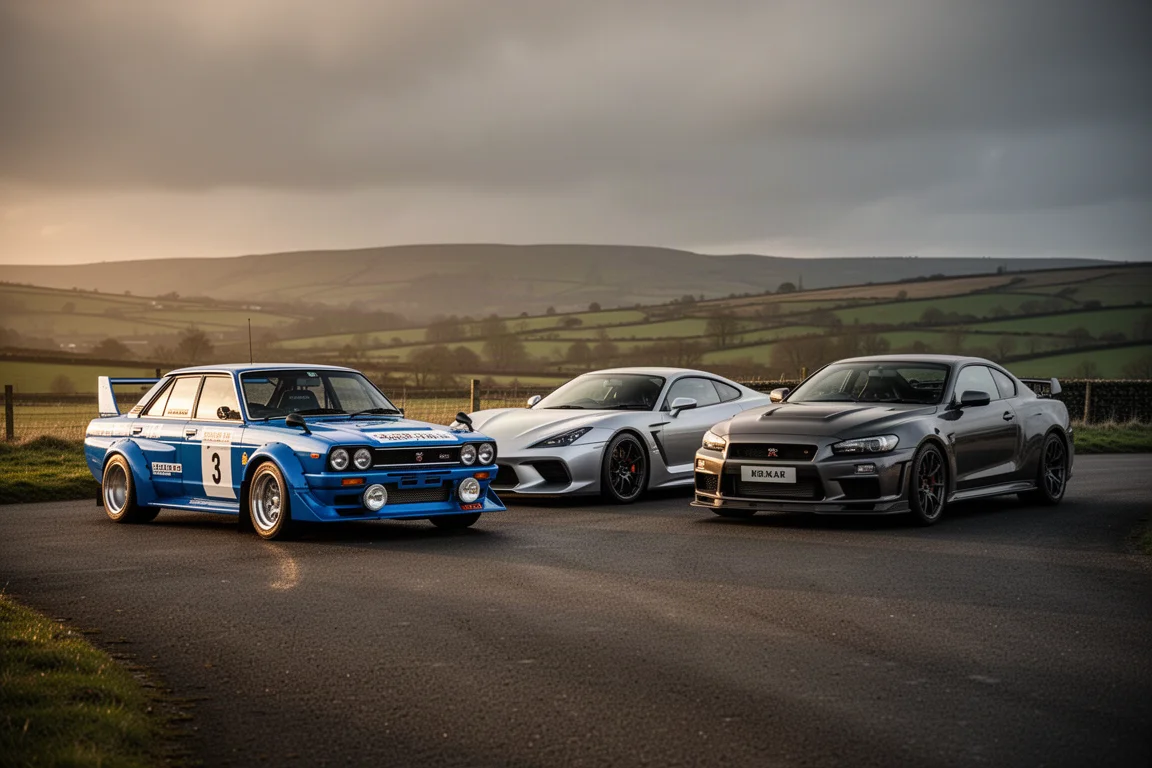
Japanese performance cars have built up an almost mythical status because they do things so differently from European and American car makers. They are their own unique thing. To celebrate what makes them special, three of the very greatest Japanese performance cars were brought together on some favourite roads in the north of England: a Subaru Impreza 22B, a Lexus LFA and a Nismo R35 GT-R. There is nothing else quite like any of them, and each represents a very different side of Japanese car culture.
The Three Cars and Why They Were Chosen
Narrowing the choice down was hard, but the three cars arrived at cover remarkably different ground. The Impreza is an absolute rallying legend, the more affordable and relatable car of the famous Subaru versus Mitsubishi Evo wars that defined the automotive world at the end of the 1990s and start of the 2000s. The LFA is a money-no-object clean-sheet supercar that has become a unicorn, a moment in time that will probably never be repeated. In between sits arguably the most iconic of all Japanese performance cars: the GT-R. The R35 generation has been the peak of that bloodline, influencing performance cars from other countries and quite literally changing the face of the car industry.
The Impreza 22B: Endless Fun and the Sweet Spot
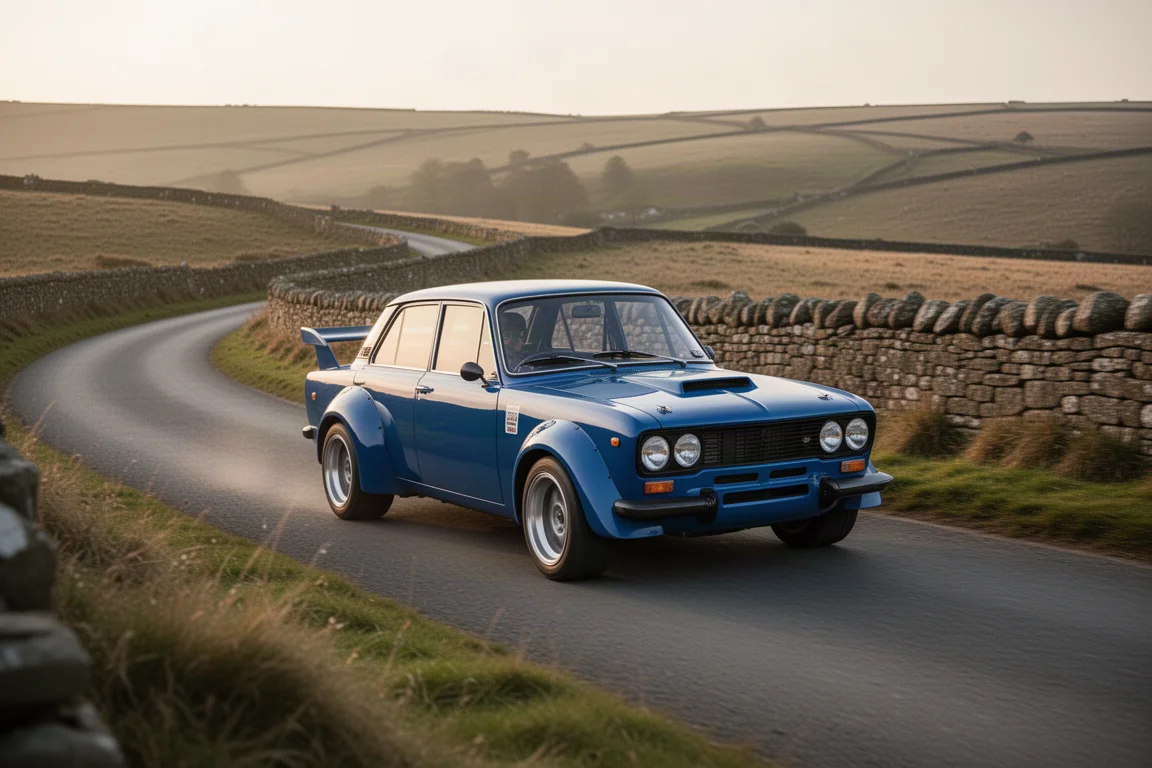
The 22B is the poster car for that era of Impreza, and the ultimate example of the classic Impreza breed. It has star quality in every detail: the wide blistered arches, the bonnet scoop, the big rear wing that fills the mirror, all of it peak Prodrive and peak Subaru. It was the ultimate Impreza in every regard, and the end of an era, because rallying changed soon after.
On the road it is genuinely quick, with a strong, urgent pull in the mid-range and an engine that loves to rev but has more flexibility and potency than a regular Impreza engine. It is boosty but tractable, revvy without needing to be revved, and it has an answer for whatever road, mood or speed you are carrying. It feels nimble, up on its toes, alive and communicative.
It is also wonderfully usable. Steering is light yet somehow full of feel, the ride is firm but soaks up bumps well, and the size and visibility give you road to work with. It feels just right for fast road driving in a way that big, heavy modern cars simply are not. The cabin is cheap and plasticky, as these always were, but you look beyond your surroundings and soak in the driving experience. It is a type of car that does not exist anymore, and we are poorer for it. If one word sums up the 22B, it is sweet: just the right level of performance, grip, visibility and dimensions for these roads.
The GT-R Nismo: Peak of a Long Bloodline
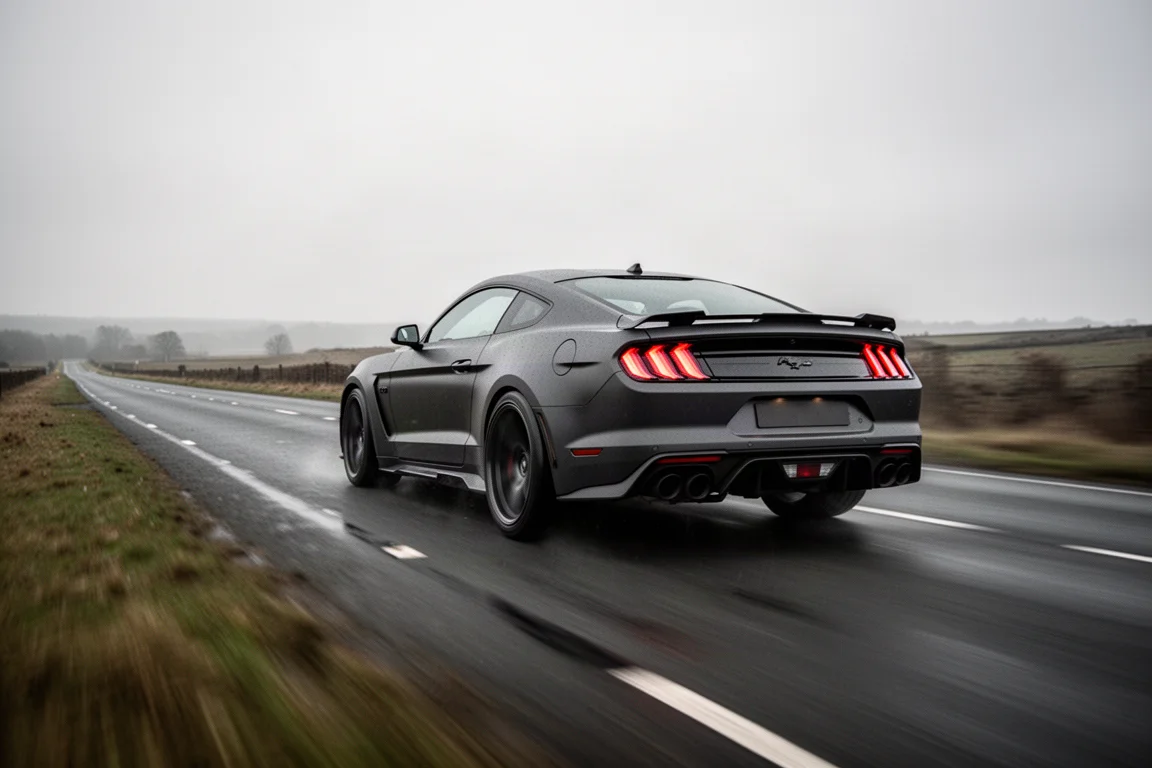
The GT-R stands for the most history of the three, and the R35 is the last of the line, which makes its departure a little sad. It was like nothing else when it arrived in 2007, sticking rigidly to its formula: it improved but never really evolved. Here was a big, heavy car setting incredible Nurburgring lap times, and it changed how other manufacturers approached performance. It also polarised opinion, challenging the established European heroes.
It is a car you have to drive to understand. The reputation suggests technology first and driver second, but the reality feels weirdly analog, almost agricultural, with clunks and clonks from the gearbox that you never expect from a paddle-shift dual-clutch box. It drives how it looks: a big, muscly, square-shouldered thing, a proper nightclub bouncer of a car, brutal yet surprisingly pointy and delicate. The quality of the body control is superb, changing direction beautifully despite the firm ride.
The acceleration is on another plane to the LFA, with vastly more torque and power, and few cars can cover ground point to point as quickly. The limits are so high that driving it at the limit means going very, very fast, which is a different proposition from the other two. If one word sums up the Nismo, it is brutal: no compromise, maximum attack, telling you it wants to be driven hard even when you are not. The Nismo heritage, the competition pedigree and the Yokohama factory add an extra layer of appeal, and even the infotainment graphics were designed by the same people behind Gran Turismo.
The Lexus LFA: The Unicorn
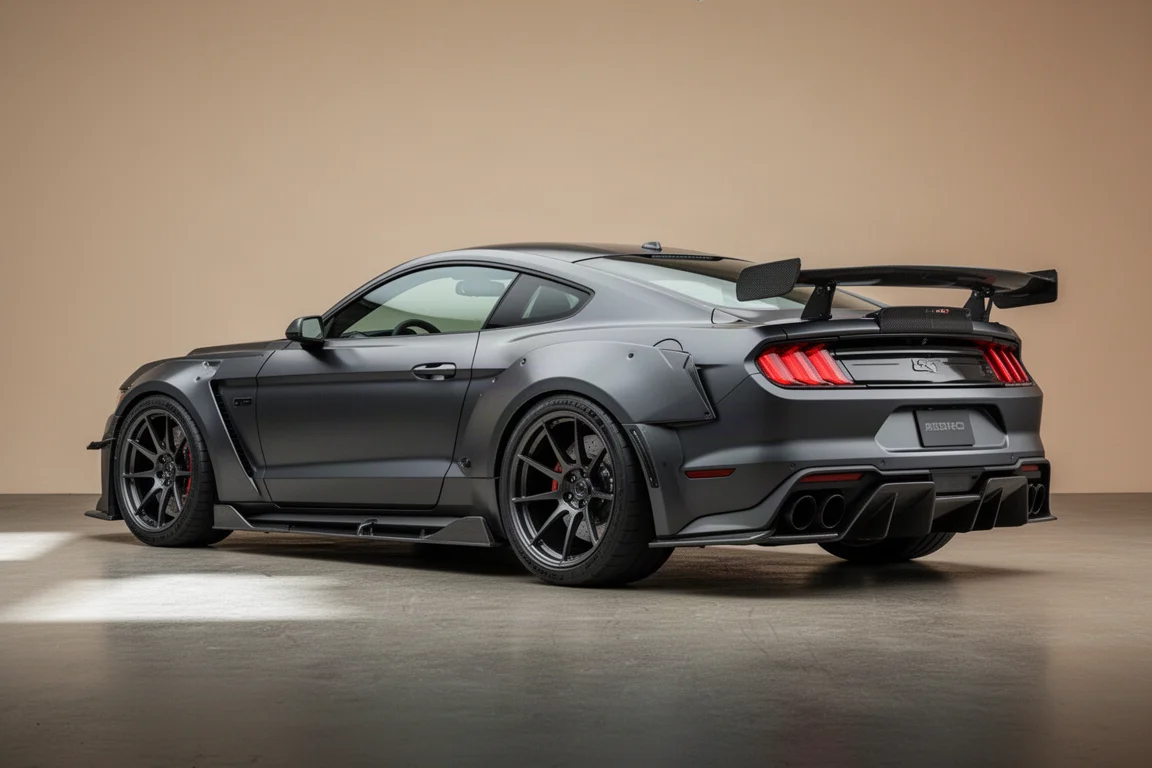
Every conversation about the LFA starts with the engine and that famous exhaust note, a 4.8-litre V10 that is completely different from any other V10, Audi or Lamborghini included. From the outside it sounds like a weird experimental prototype that should not be on the road. There is the famous story that it needed a digital rev counter because an analog needle could not keep up, and the revs climb relentlessly toward 9,000 rpm. It is arguably not even massively powerful by modern standards, but every bit of what it has you can access and use, and that is worth more than another 200 horsepower.
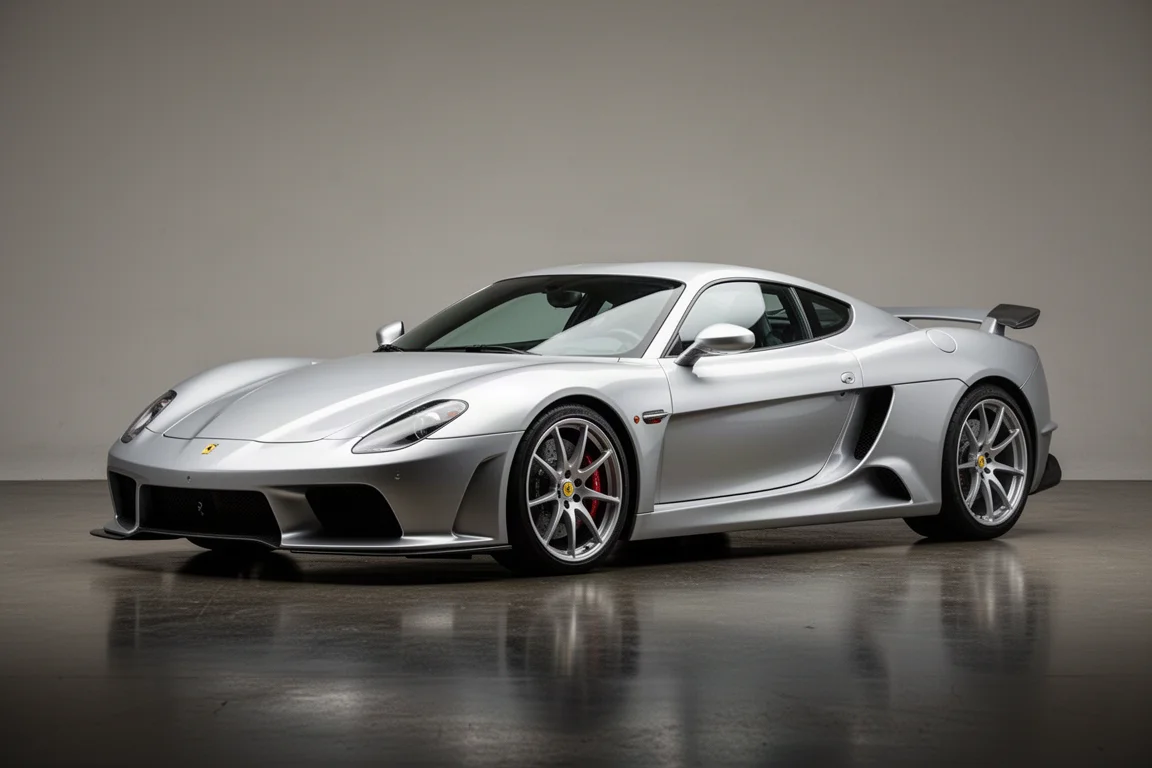
The more time you spend with it, the more you realise the engine is only a small part of an extraordinary car. Every single bit has been obsessed over, an engineer’s car with an enormous amount of investment poured into it. Lexus lost a fortune on every one of the 500 built over two years, and nothing like it was built before or since. It combines a supercar edge with GT comfort, rides well, steers accurately, has a brake pedal with zero slack, and is easy to drive smoothly, which is often a bigger test of a car than flat-out running.
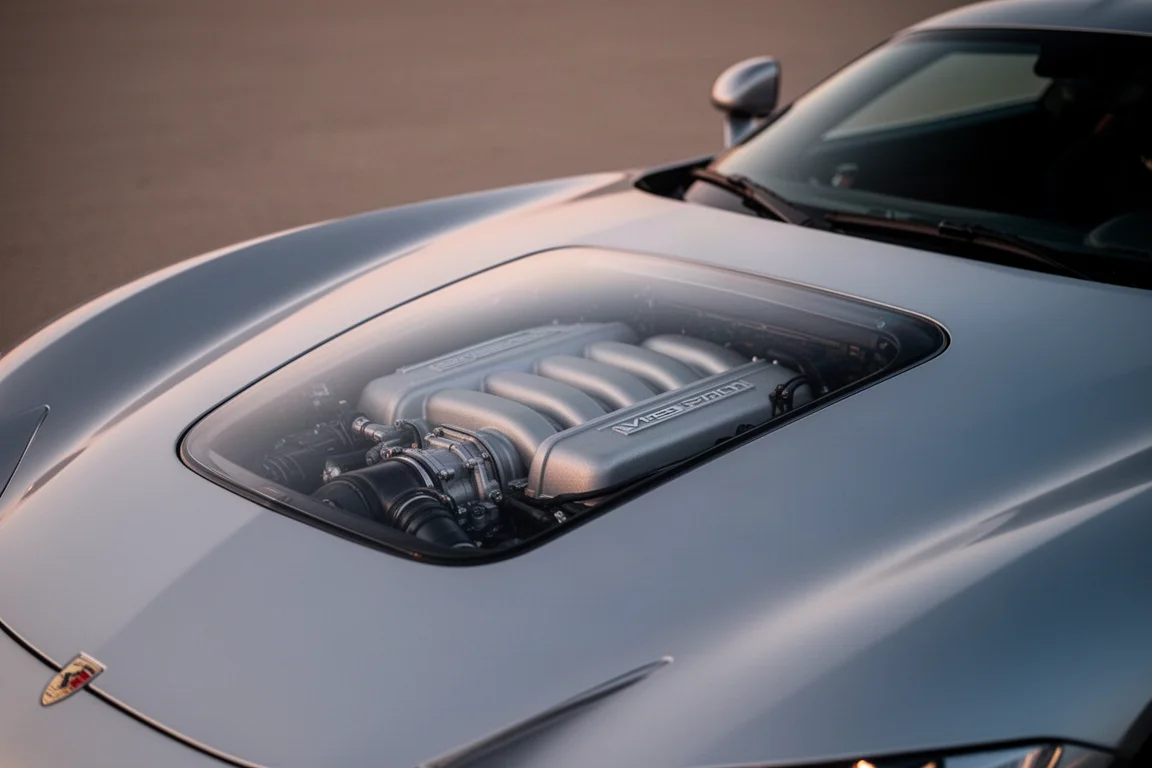
It is also a strange, hard-to-pin-down combination: ultra-Lexus luxury in the switches, trim and hi-fi, yet a feral, very present V10 that is never fully isolated. It has a jackal-and-hide nature that still bemuses after a full day. Time has caught up with it in places, notably the slow single-clutch gearbox, but it gets better the more you drive it and has earned its legendary, unicorn status. Values have climbed north of a million pounds, and while that seems nuts, spending time with it right now feels like it would be worth every penny. One word sums it up: unicorn, a living legend that will never be repeated.
Overall Buying Advice
These three cars occupy completely different worlds, and the right choice depends entirely on what you want from a performance car. The 22B is the most appropriate and most fun for fast road driving on real roads, and of the three, the one you would happily drive every day, to the shops included. It is also the most reachable of the three as values have climbed for all of them. The LFA is a collector’s unicorn, appreciating past a million pounds, for those who want a one-off that keeps surprising you forever. The GT-R Nismo is the brute-force option, the fastest of the three by a huge margin, but its limits are so high that most of that performance is only usable on track. Faster and more track-focused cars exist now, but are they cooler and more interesting? It is hard to think of one.
Conclusion
Having all three together for three whole days was a rare privilege, and the test produced a happy result: no car was a disappointment, no meet-your-heroes moment. The LFA would be the pick for many because it is such a special car you keep discovering, but the 22B delivers more fun more of the time, with a massive smile going in and a bigger one coming out. We were lucky to live in a time when all these cars were around, and it is hard not to feel a little melancholy about whether we will have cars like this again.
Further reading
Related Reviews
Performance Cars
From S2 Coupe to B7 RS4: Four Audi Legends That Built the Fast Estate
Four Audis that trace the line from the original Quattro legacy to the ultimate high-revving fast estate: the S2 Coupe, RS2, B5 RS4 and B7 RS4.
Performance Cars
BAC Mono R Review: The Most Focused Road Car Money Can Buy
An open-wheel road car from Liverpool with graphene bodywork, 342 horsepower, and a sub-600kg kerb weight. Here's what makes the Mono R so special.
Performance Cars
The Best All-Wheel Drive Performance Cars: Seven Cars That Prove AWD Is More Fun Than Ever
From a five-cylinder Audi hatchback to a 1,000-horsepower hybrid Lamborghini, these seven all-wheel drive performance cars show how far traction tech has come.