Performance Cars
The Best All-Wheel Drive Performance Cars: Seven Cars That Prove AWD Is More Fun Than Ever
From a five-cylinder Audi hatchback to a 1,000-horsepower hybrid Lamborghini, these seven all-wheel drive performance cars show how far traction tech has come.
Introduction
All-wheel drive used to mean one of two things: a mud-plugging off-roader or a rally homologation special. Today it has become almost the norm in the performance car world, and it is no longer just about stability. Modern systems are tuned for agility, adjustability and outright pace, and they have spread from hot hatches to hybrid hypercars.
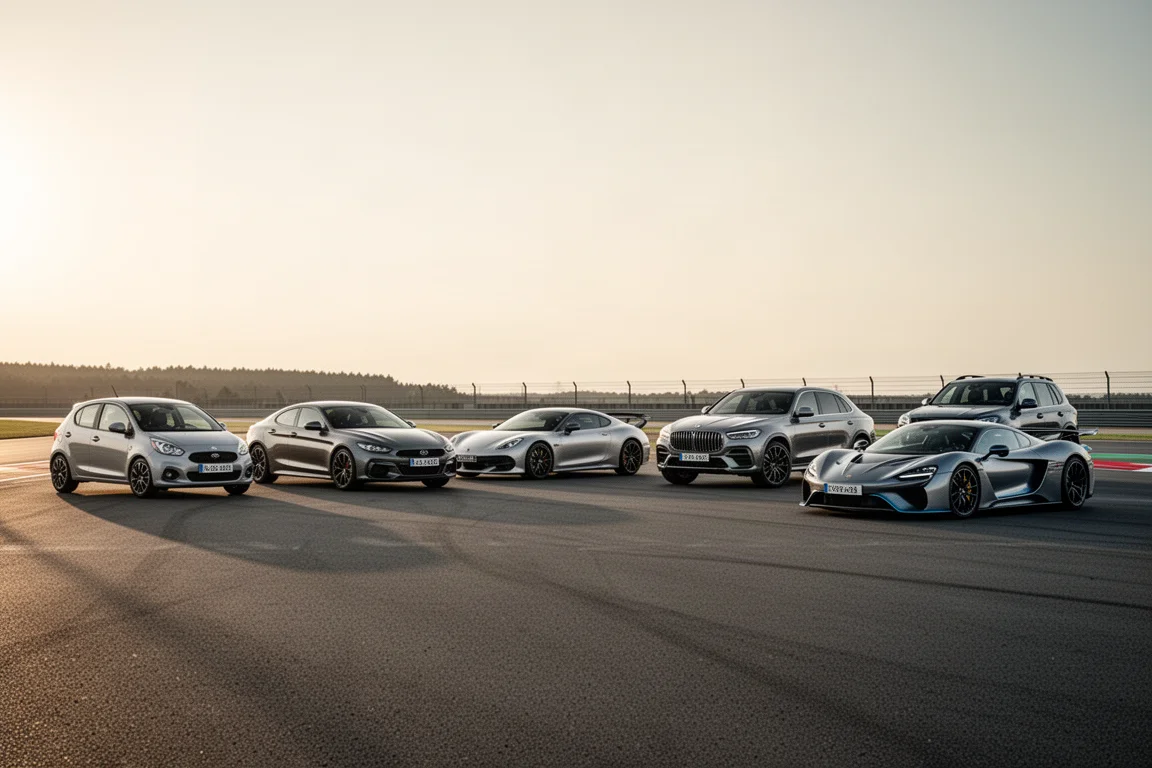
To get a proper sense of how far things have come, we pulled together seven of the most interesting all-wheel drive performance cars you can currently buy: a five-cylinder Audi hatchback, a BMW M car in CS spec, an AMG sports car, a hybrid Porsche 911, a 2.4-ton Bentley, a 2.5-ton Range Rover, and a V12 Lamborghini hybrid. Run on the same circuit, they make a compelling case that all-wheel drive is here to stay, and that it is sharper and more rewarding than ever.
Audi RS3: The Torque Splitter Party Trick
Audi RS models have always been associated with all-wheel drive, and the RS3 carries the spirit of the Quattro with its unique 2.5-litre five-cylinder engine producing 394 horsepower. It still sounds superb, with loads of guts and character, but the real story this generation is the chassis and the clever torque splitter rear axle.
The system can, in theory, send 100% of the torque to the outside rear wheel to help the car rotate into a corner and counteract understeer. It can also shift torque to the inside wheel to stabilize the car if you get loose mid-corner. The result is one of the most positive-feeling fast Audis in recent memory: a car that claws at the road, plays with oversteer and feels fully engaged with the surface.
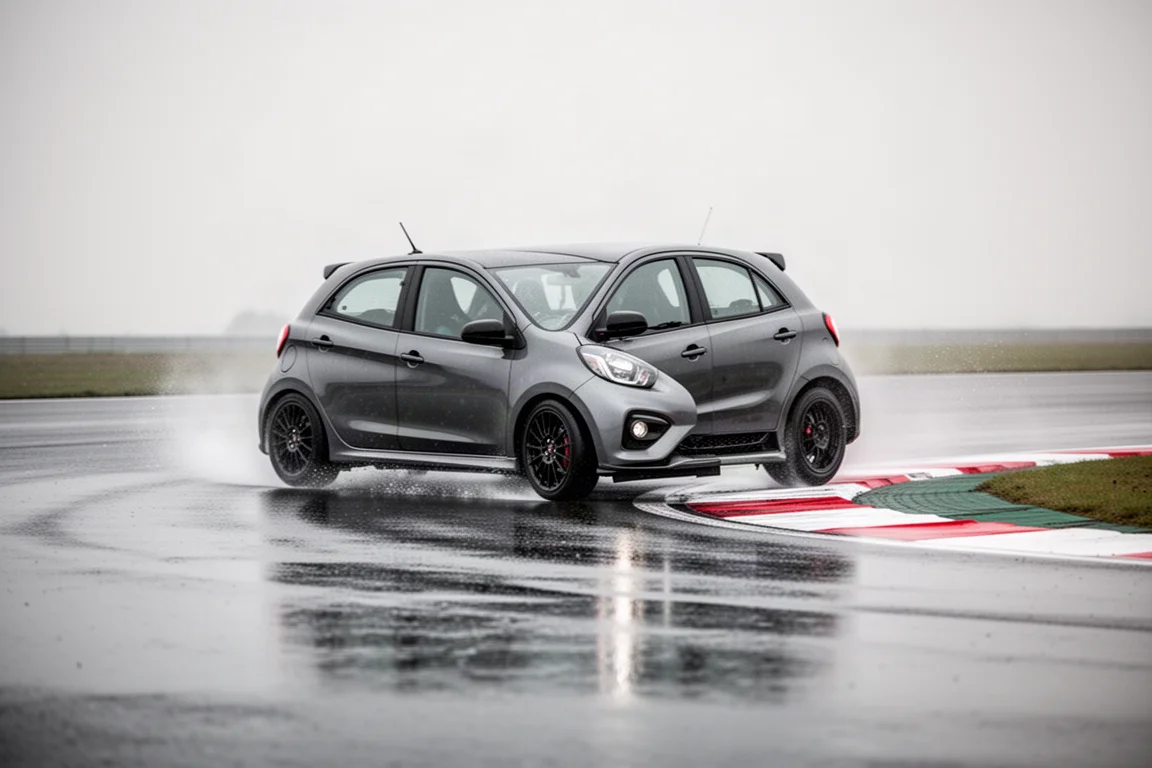
The party piece is torque rear mode, intended for the racetrack. In this mode the car sends exactly 100% of torque to the outside rear wheel on turn-in to unstick the rear and let you hold a slide. Very few front-based performance cars do anything like it, and it gives the RS3 a genuine point of difference. One caveat worth knowing: this generation launched in the mid-£50,000 bracket and has since risen to more than £60,000, which is a lot of money for a hatchback, however brilliant.
BMW M4 CS: Rear-Drive DNA With a Safety Net
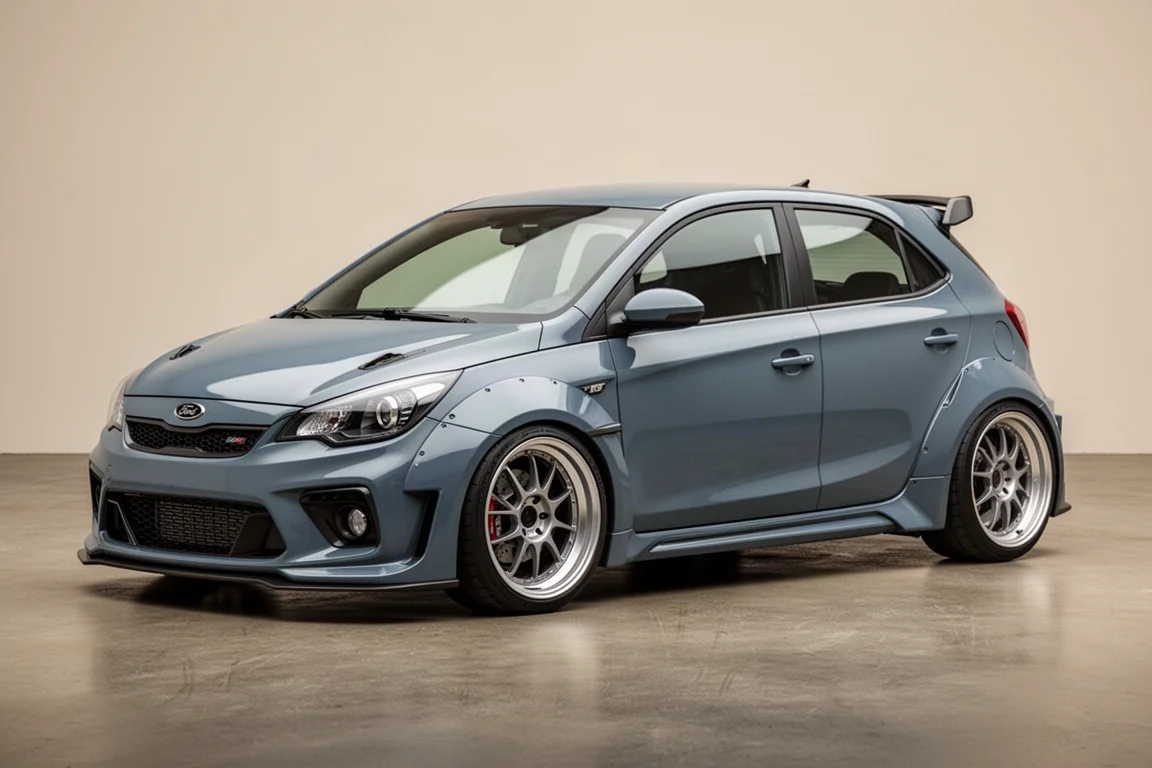
BMW is fiercely protective of its rear-drive motorsport heritage, so the M4’s adoption of xDrive is significant: it took BMW’s dynamic DNA and applied it to an all-wheel drive system. The familiar twin-turbo straight six works with an active M differential, and in the right mode the system will send 100% of everything to the rear wheels.
On top of that sits a variable traction control system that lets you be completely free or set limits and drive within them. In the rear-biased four-wheel drive sport setting, the CS is a bit of an animal: you can get on the throttle early, the car neutralizes beautifully, and it still wants to bite you a little while you keep going forwards. It is one of the best systems in any performance car because it gives you options without punishing you.
On a damp track, the difference is stark. Switch to two-wheel drive and a smooth throttle pickup out of a corner is enough to light the tires up at 80 mph. In four-wheel drive sport, roughly 80% of the time you would swear the car was purely rear-driven, yet it quietly drags the front axle into play when you need help straightening out. It is spiky and demanding, but the more you push, the more you trust it. Not as delicate as the 911, but more intuitive and aggressive than the AMG, and just as exciting as almost anything here.
Mercedes-AMG GT 63: Traction With a Trace of Corruption
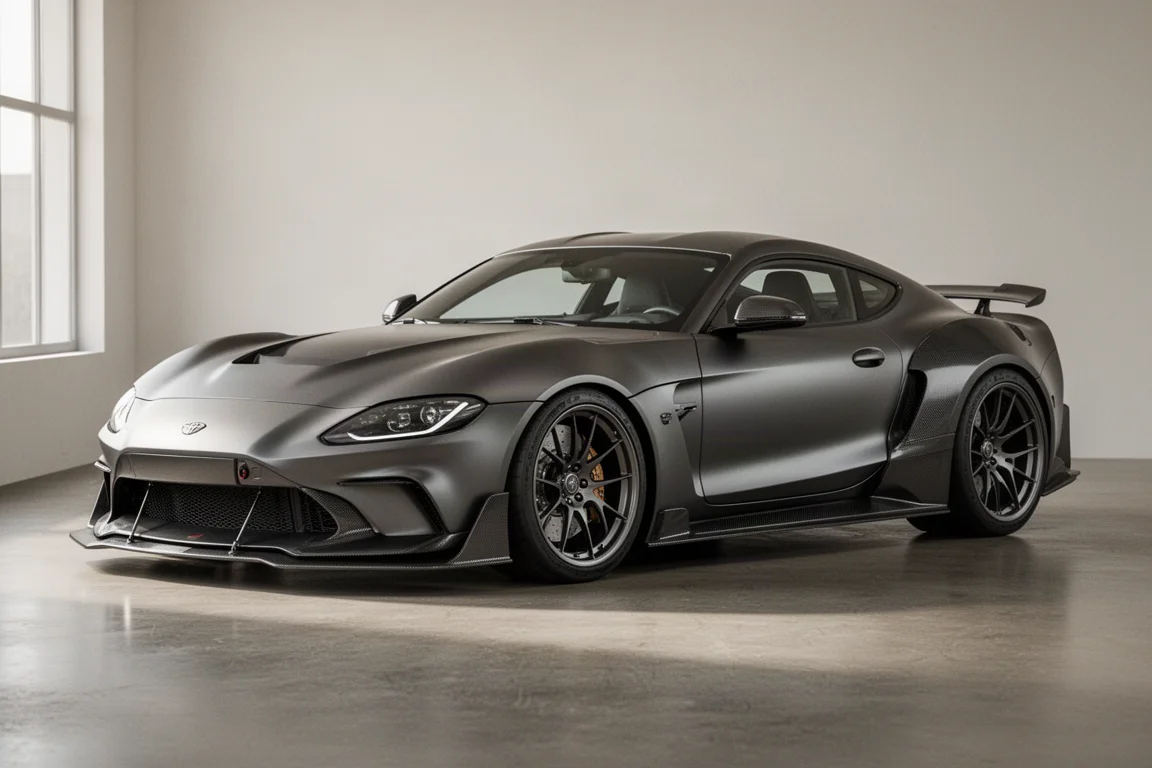
The original AMG GT was conceived as a resolutely rear-wheel drive sports car and AMG’s rival to the 911. This new generation has gone all-wheel drive while sticking with the 4.0-litre twin-turbo V8, producing a little under 580 horsepower in this 63 Fomatic Plus trim.
The system works in a broadly similar way to the BMW’s: up to a 50/50 front-to-rear split, but capable of sending everything rearward. There is a drift mode, engaged by pulling back on both paddles, which sends much more of the power rearward and makes the car behave far more like a conventional rear-driver. As a graphic illustration of what the car is dealing with, rear-drive mode is a lot of fun, but you are effectively carrying half the corner speed.
That said, for all the drama of drift mode, four-wheel drive is arguably where this car shines: it grips and goes, generates amazing traction and still oversteers when you ask. It is fundamentally a rear-drive car with front-axle help on call. The honest criticism is that you sense the tech fighting itself a little at times, a trace of corruption in an otherwise quick, capable and playful driving experience, and at nearly 1,900 kg it is a lot of car for a circuit.
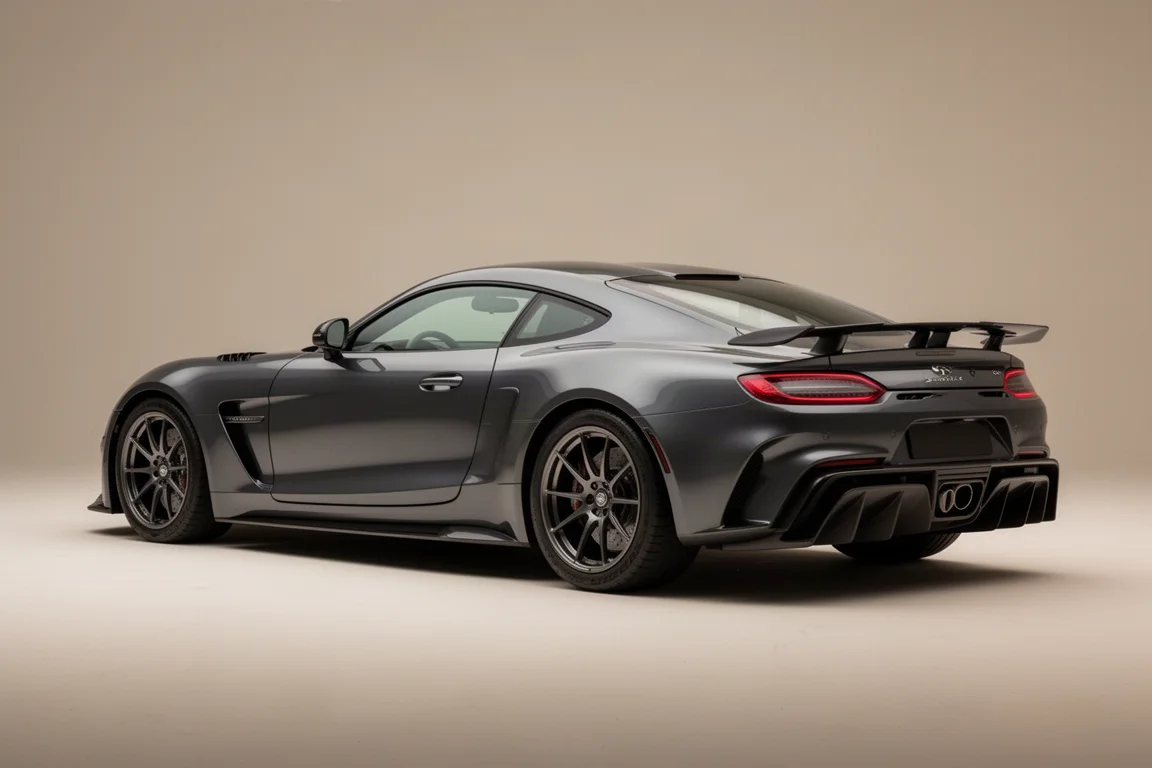
Porsche 911 Carrera 4 GTS: The Natural
Porsche was one of the first sports car makers to experiment with all-wheel drive back in the 1980s, and it has been a fixture in the 911 range since the end of that decade. This GTS is interesting for another reason too: it is the first mainstream 911 to go hybrid, and although the electric power does not drive the wheels directly, it is a big part of how the car makes its performance.
The system is best described as rear-wheel drive plus: the rear axle always drives, and a transfer case off the gearbox brings the front in when needed. There are not a huge number of modes; most things are controlled from a small rotary dial on the wheel. And that simplicity is precisely the appeal. You feel at home after just a couple of corners, the steering gives you real confidence, and you can drive on the limit almost immediately.
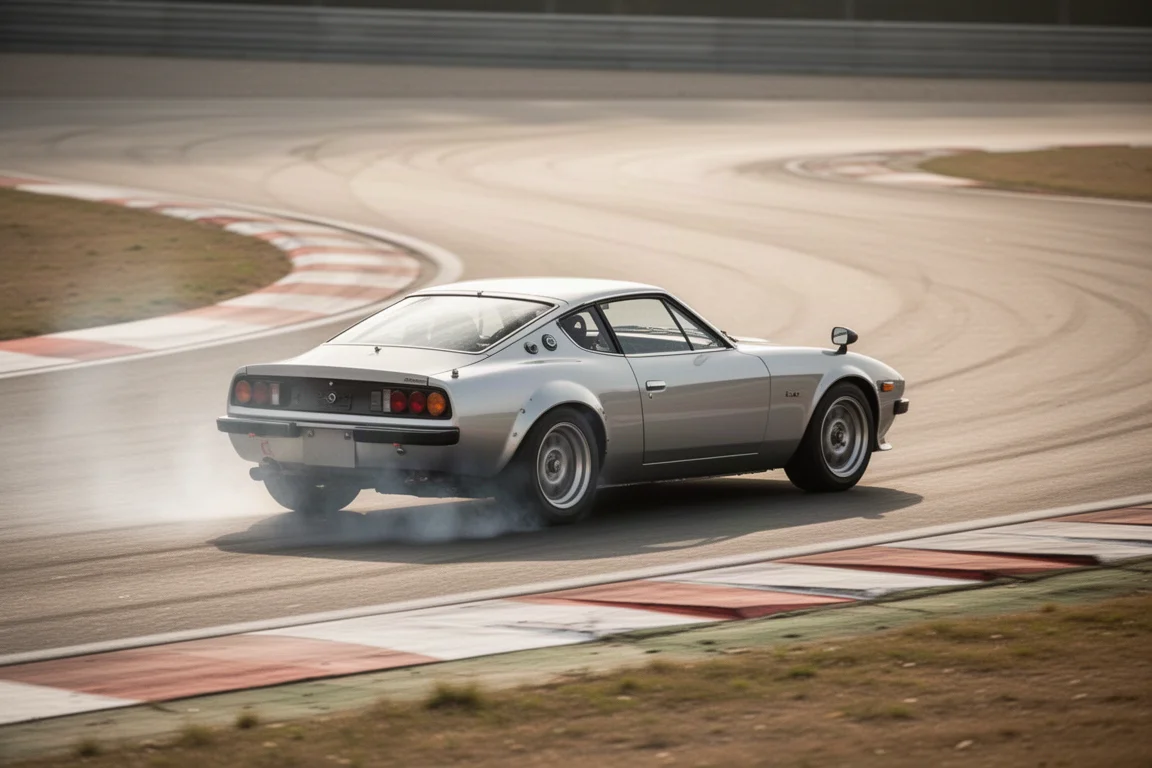
The pace is startling. Porsche says this hybrid GTS is as quick as the old 991-generation GT3, and that feels entirely believable as it pulls relentlessly through the gears. With the engine slung out the back, there is huge rear traction anyway, but the front-axle drive brings a whole new skill set, letting the car pivot, slide from the rear and drag itself through corners while still generating enormous propulsion. It is addictive, and it was the car that won hearts by the end of the test simply because it moulds to whatever you want to do with it.
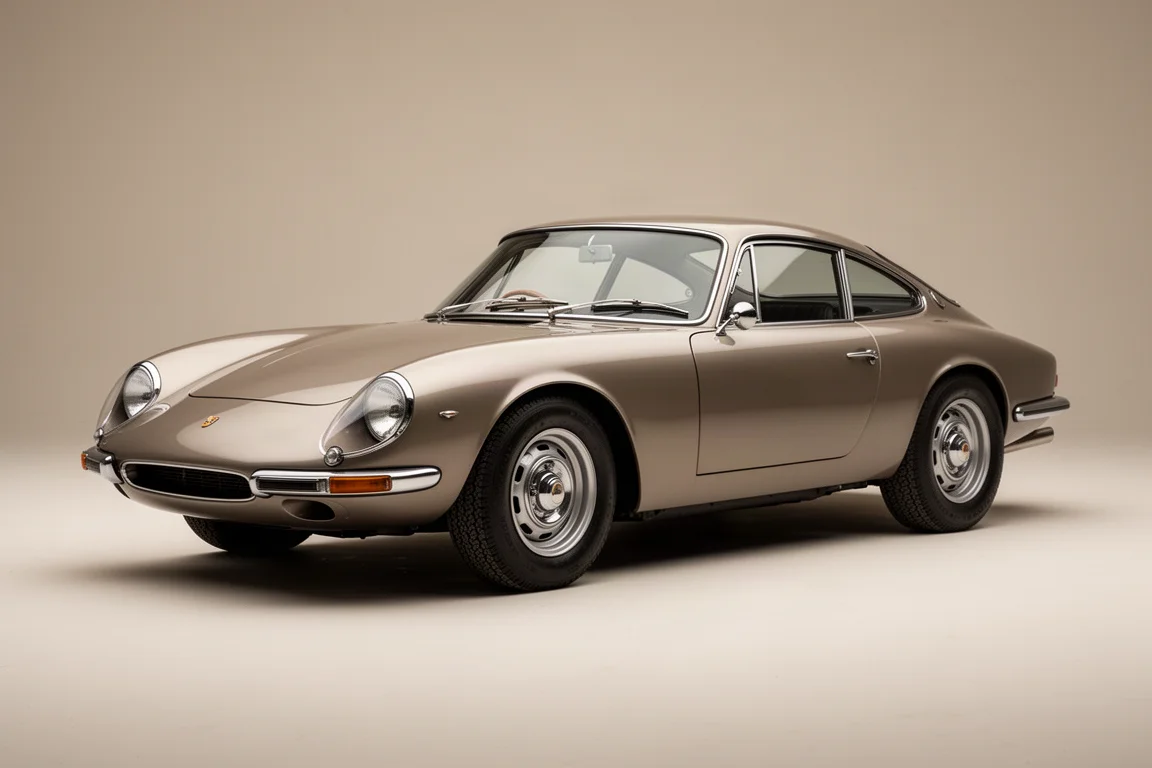
Bentley Continental GT Speed: The Confident Giant
The previous Continental GT Speed was a wake-up call that Bentley’s big luxury coupe could be a genuinely rewarding driver’s car. This new hybrid model carries that on with 771 horsepower from its 2.4-ton body. The all-wheel drive system can send 100% of the engine’s power and torque to the rear axle, and there is an electronic limited-slip differential at the back, combined with four-wheel steering and active anti-roll control.
On a circuit it obviously feels enormous after the cars above it in this list, and it is not where it is most at home. But the tech stack is designed to make the car handle when it really should not, and it pulls incredibly hard. Step out of a Cup-tired M4 and straight into this and you feel like a superhero: it is so big, secure and planted that you can push much harder than feels sensible.
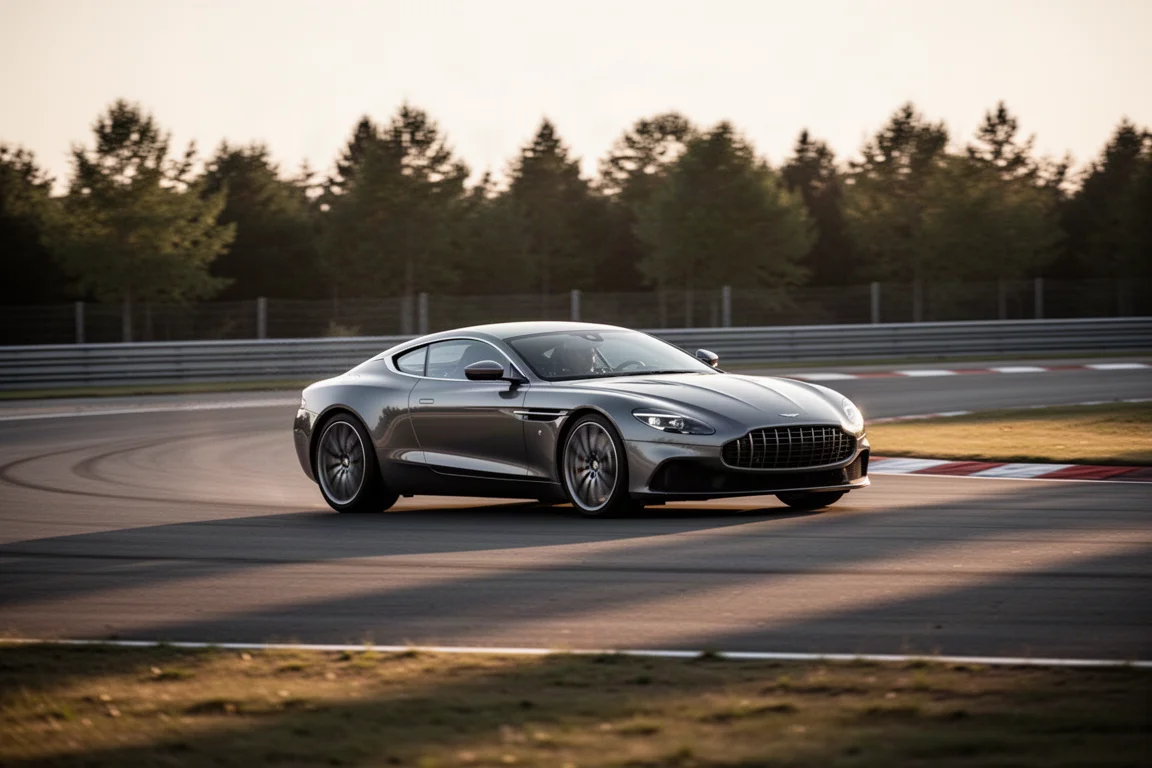
That security is really what the Bentley is about. In normal modes the rear end is absolutely planted and it just fires you out of corners with pure traction. In sport mode you start to get more adjustability. Crucially, all-wheel drive feeds what the car does best: daily usability. You can deploy all 771 horsepower without the car ever surprising you or biting back. All the luxury is still there, but there is a sports car hiding in it, and you can do slightly ridiculous things in it.
Range Rover Sport SV: The Playful Heavyweight
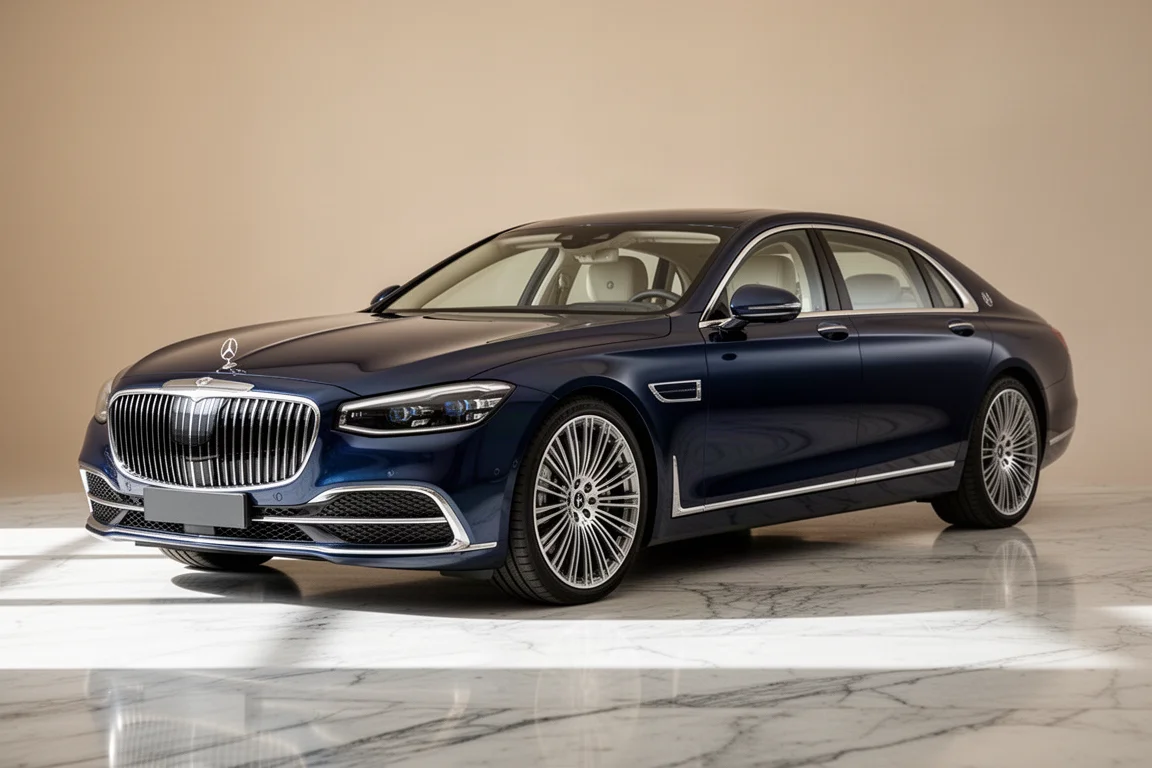
When you think of all-wheel drive, you think of SUVs, and the Range Rover Sport SV takes that concept to the extreme: a 2.5-ton SUV engineered to perform like a sports car on track, or at least to disguise its weight as well as physics allows. It packs hydraulically cross-linked suspension, active dampers, air suspension, adjustable roll bars, a “6D” dynamic controller with anti-roll and pitch control, and an electronic differential at the back that can send up to 80% of torque rearward.
It is probably the most capable Range Rover ever made, and arguably the most playful full-size Range Rover too, especially in the new SV drive mode. You never escape the sense of mass and size, and it jumps around a bit, but what the car will do is totally at odds with its weight, suppleness and comfort. It understeers early in a corner and only neutralizes toward the exit, so it is not the most throttle-adjustable car here, but sat that high, watching a Lamborghini in your mirrors as you brake for a hairpin, is an experience you do not forget.
The spec is an odd, appealing mix: carbon fibre wheels, carbon composite brakes, soft sporty near-track-focused tires, and the latest active chassis tech, all with genuine off-road ability that those same carbon wheels rarely get to use. As an outlier in the luxury world, it bookends this test perfectly against the Lamborghini.
Lamborghini Revuelto: The Star of the Show
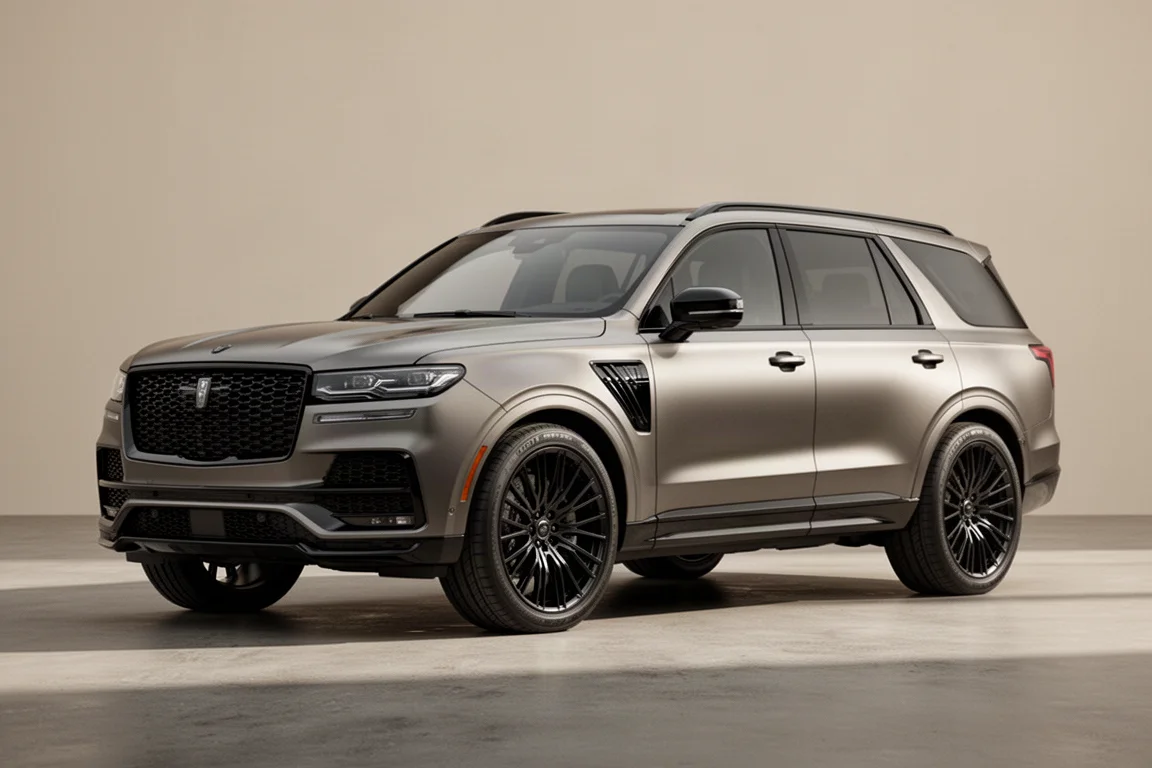
The Revuelto is the star of this test in many ways, starting with the V12 engine everyone falls in love with. Lamborghini has built all-wheel drive cars for decades, but nothing like this: it is the only car here with no physical propshaft connection between the engine and the axles. Drive at the front comes purely from electric motors coordinated electronically, combining with the V12 and a third electric motor at the rear for the full thousand-odd horsepower.
The engineering is spectacular. Four-wheel steering and torque vectoring across the front axles help the car rotate into corners, and the result is unlike any V12 Lamborghini before it: it turns in more keenly, exits corners more cleanly, and feels smaller, more agile and more responsive than any big flagship Lambo has ever managed. The balance feels natural rather than all-wheel-drive, in the way the R8 always did. Going hybrid has not diluted the character either; it still feels like a genuinely special thing.
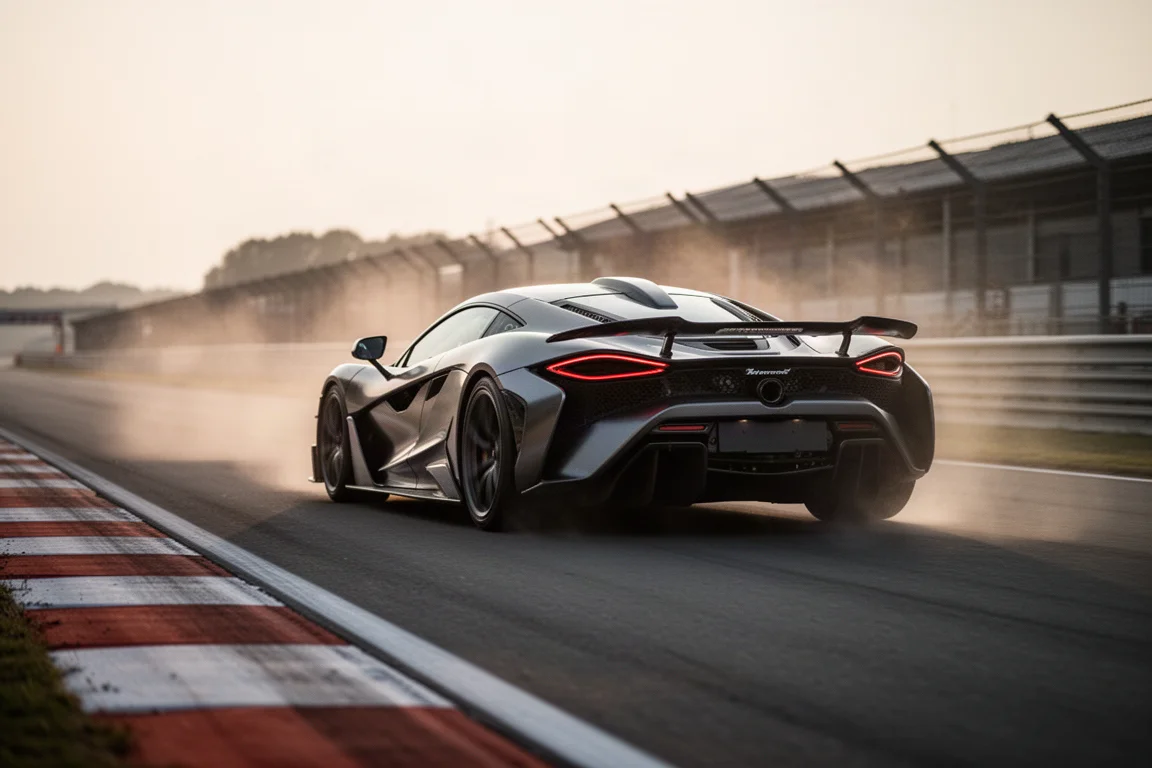
Driving it is an education in modes. Sport is the most playful, letting you play with the throttle with some ESP softening the rough edges, though it limits output to around 894 horsepower rather than the full figure. Coursa maximizes traction and keeps the car more neutral, and you can definitely feel the extra front-end bite and less understeer. With ESC off there is a real sense of trepidation with another hundred-odd horsepower in hand, but the car rotates beautifully on the brakes and gathers speed between corners like you would not believe. It is an absolute revelation of what can be done with a big, heavy, immensely powerful supercar, and it delivers the raw, dancing-on-the-limit excitement you hoped a Lamborghini would be like as a kid.
Buying Advice: Which One Fits Your Garage
If you want maximum engagement per pound and do not mind paying a premium for a hatchback, the RS3’s torque splitter makes it the most fun front-based performance car on sale. The M4 CS suits drivers who want rear-drive character with a brilliant, unobtrusive safety net. The AMG GT 63 delivers stunning traction and V8 drama, with the caveat of some tech fighting through the experience.
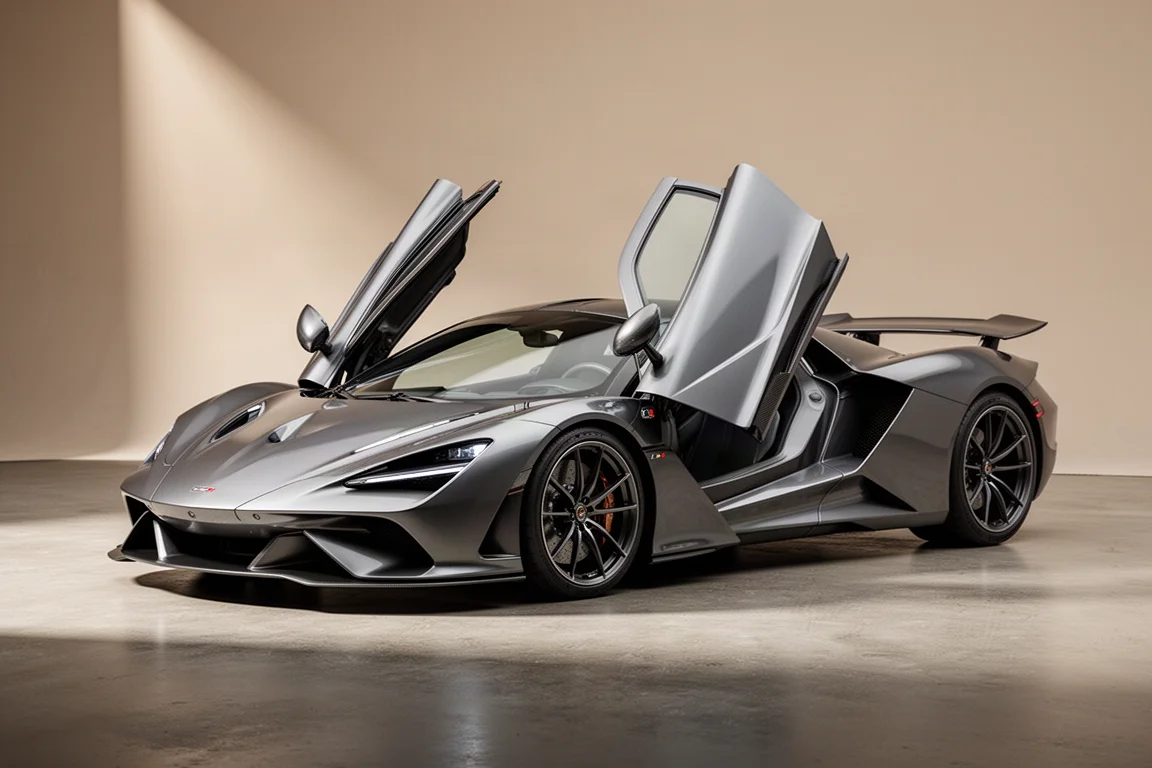
The 911 Carrera 4 GTS is the all-rounder: quick enough to embarrass supercars, intuitive from the first corner, and the car most drivers would gravitate back to. The Bentley and Range Rover are about deploying enormous power with total security, luxury intact, and both are far more capable on track than their mass suggests. And if budget is no object and you want the most spectacular expression of where all-wheel drive is heading, the Revuelto is in a league of its own.
Conclusion
The verdict from this test is clear: all-wheel drive is definitely here to stay, and it is only going to get sharper, more precise and more tunable. What was once the dull, stability-first option is now the technology making fast cars quicker, more playful and more rewarding than their rear-drive predecessors ever were. If hybrids are the next phase for the cars we love, and all-wheel drive comes with them, there is a lot to look forward to.
Further reading
Related Reviews
Performance Cars
From S2 Coupe to B7 RS4: Four Audi Legends That Built the Fast Estate
Four Audis that trace the line from the original Quattro legacy to the ultimate high-revving fast estate: the S2 Coupe, RS2, B5 RS4 and B7 RS4.
Performance Cars
BAC Mono R Review: The Most Focused Road Car Money Can Buy
An open-wheel road car from Liverpool with graphene bodywork, 342 horsepower, and a sub-600kg kerb weight. Here's what makes the Mono R so special.
Performance Cars
Best Driver Cars of the Year: Nine Cars, One Winner
From a Mazda MX-5 to a Porsche 911 S/T, nine standout driver's cars go head to head across mountain roads and a race circuit, with final scores for every entrant.