Backpacking Tents
Three Freestanding Two-Person Tents Compared: Nemo Dagger Osmo, Mountain Hardwear Aspect 2, Sea to Summit Telos TR-2
A practical comparison of three freestanding three-season tents, covering floorplan geometry, pole structure, ventilation, and storage so you can match the shelter to the trip.
Introduction
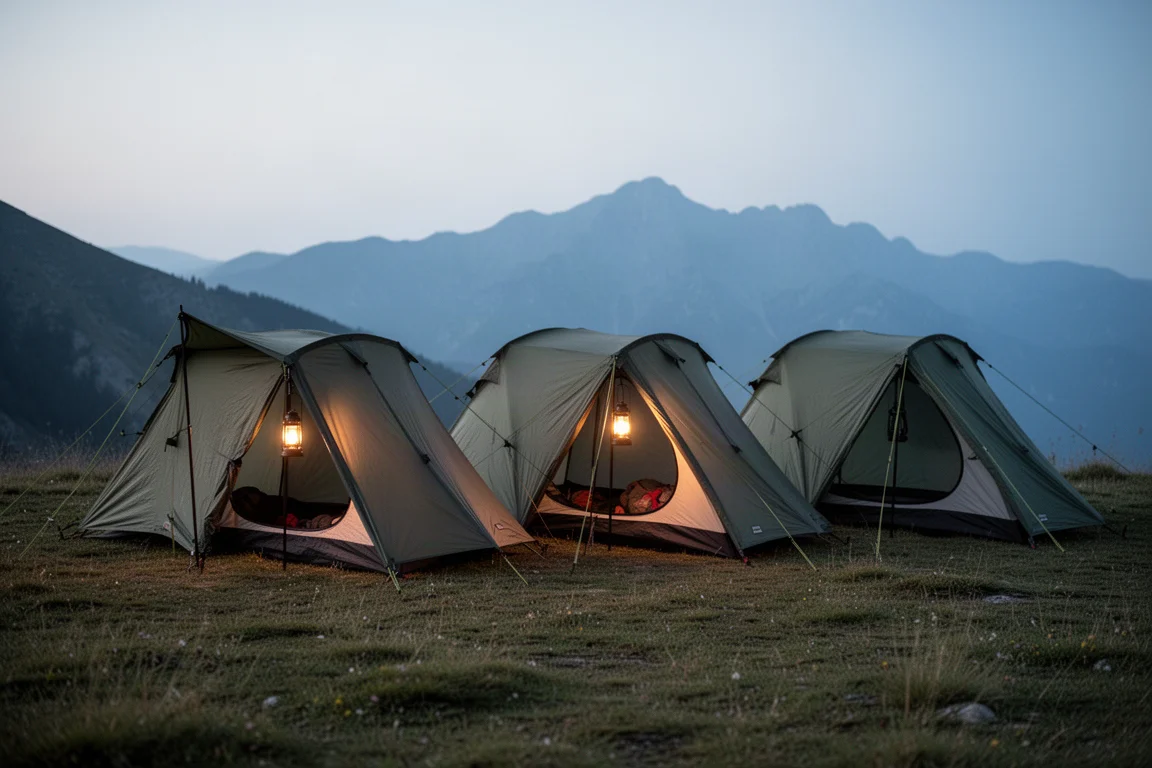
Tents look remarkably similar from the outside, and that similarity is exactly what makes the decision difficult. A two-person freestanding shelter is a two-person freestanding shelter until you pitch it, lay two sleeping pads inside, and spend a night in weather. The differences that matter are rarely the ones a headline specification captures. They live in floorplan geometry, pole architecture, how much of the wall can be opened, and where you are supposed to put a headlamp and a phone at two in the morning.
This comparison looks at three freestanding three-season shelters that are all genuinely capable in mild to moderate conditions, then breaks down the design decisions that separate them. None of them is a poor tent. They simply solve different problems, and the right one depends on whether you mostly share a shelter or mostly sleep alone.
How to Think About Tent Design
Four design decisions do most of the work when you compare shelters at this level.
Floorplan geometry comes first. A symmetrical tent keeps the same width at the head end as at the foot end, which is what allows two full-width rectangular pads to sit side by side without one sleeper pressed into a sloping wall. A tapered tent narrows toward the foot, which saves material and weight but changes who can comfortably share it.
Pole architecture decides how the shelter behaves when the weather turns. A dome with a corner-to-corner crossing structure plus a ridge or brow pole that pushes the walls outward is the traditional approach. A hub-and-ridge layout that rises through two legs and runs a single ridge pole across the centre produces a different and stiffer structure.
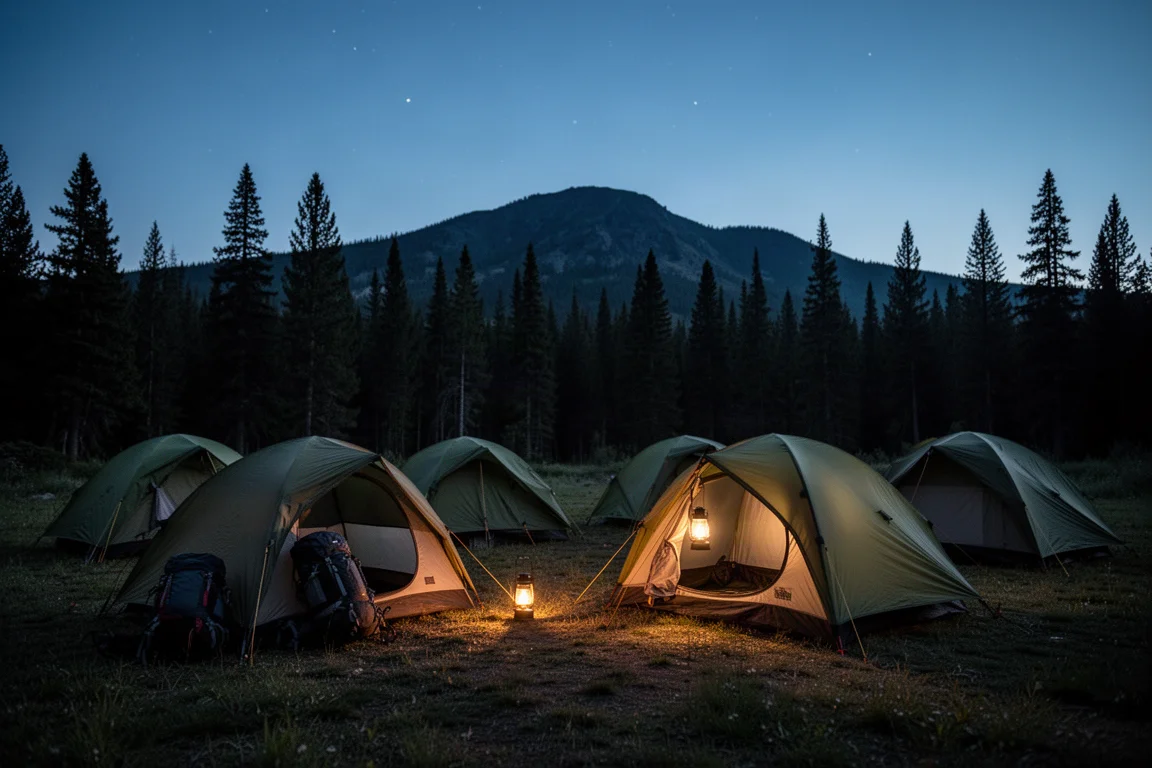
Ventilation and door design come next, and they matter more than most buyers expect. Being able to roll both doors fully back on a clear night turns a tent into a far more pleasant living space, while a fixed panel caps how much airflow you can open up.
Storage rounds out the list. Pockets, hang loops, and vestibule details are small features that decide whether your gear ends up off the floor or under your knees.
Nemo Dagger Osmo 2-Person Tent
The Dagger Osmo is the most liveable of the three when two people are sharing it. Its floor measures 88 inches long and 50 inches wide, and it holds that full 50-inch width at both the head end and the foot end. Two 25-inch wide sleeping pads fit side by side with room left over, which is the single biggest reason it feels noticeably less cramped than the alternatives here.
Its pole structure is also its own thing. Two legs rise into a hub, a single ridge pole runs across the centre, and a brow pole pushes the side walls outward. That combination gives the shelter more structure than a straightforward dome, which is exactly what you want when heavy rain, snow, or strong wind arrives.
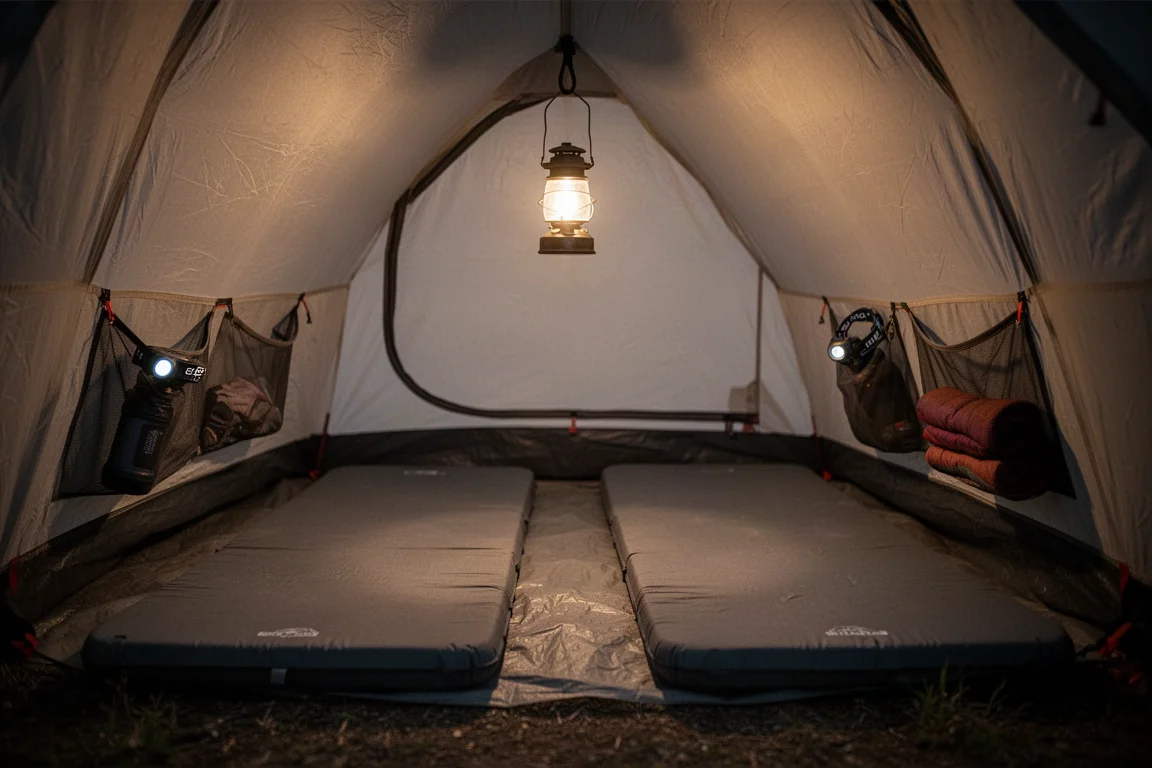
The details are where this tent earns its place. Both vestibule doors roll back completely, so on a beautiful evening you can open the shelter right up for maximum airflow and a better living experience. There is a loop at the apex for hanging a lantern, pockets distributed throughout the interior including at the foot end, and a sidecar-style vestibule compartment that keeps gear dry and clean without adding meaningful weight. Vestibule space is generous, entry and exit are easy, and peak height is plentiful.
Mountain Hardwear Aspect 2
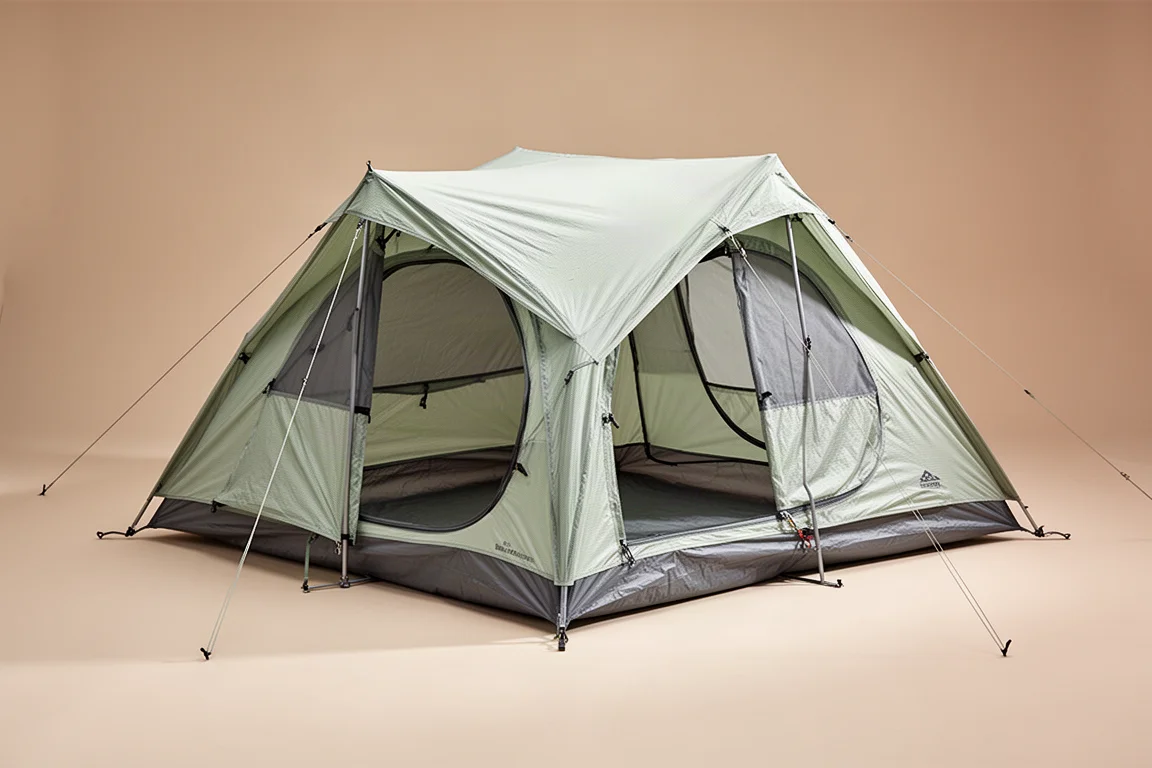
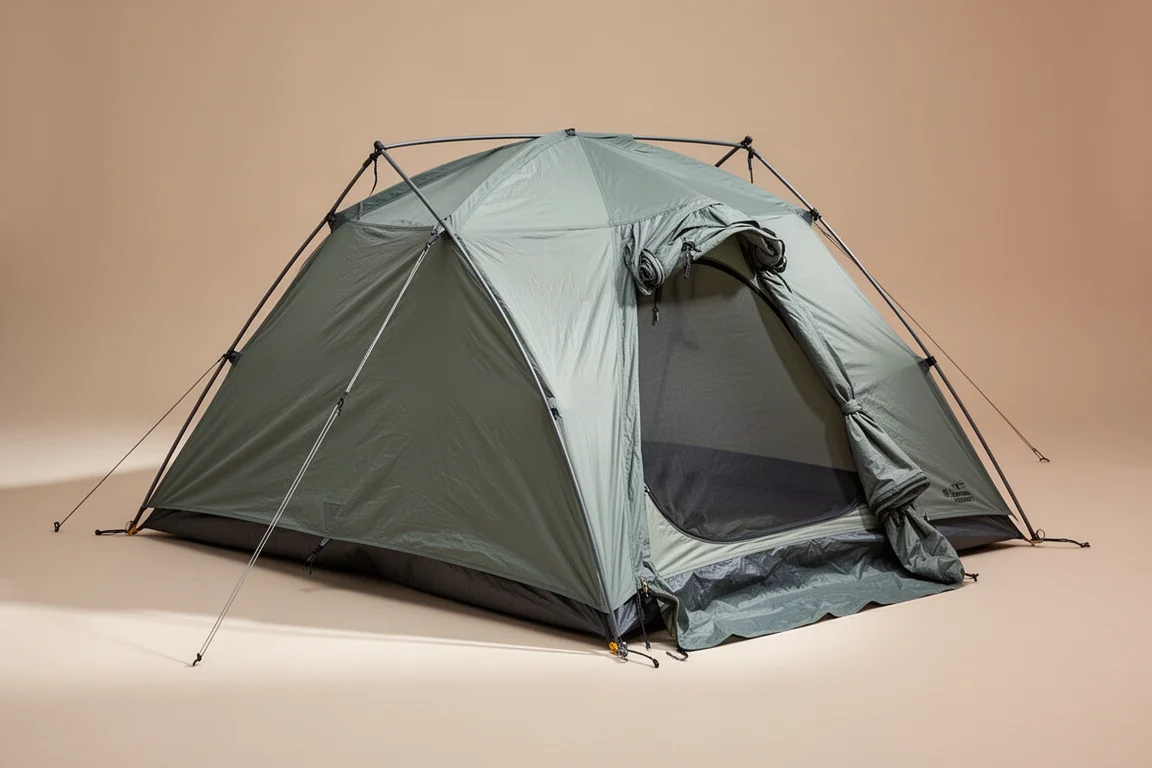
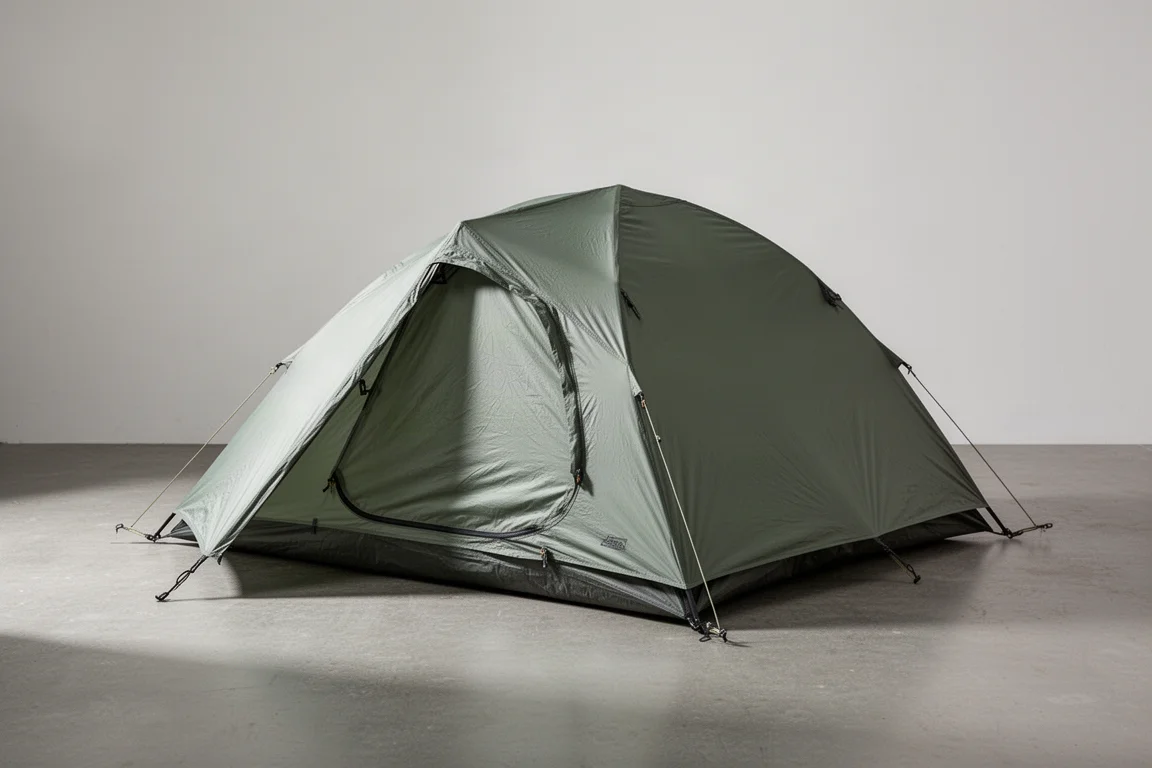
The Aspect 2 is the simplest and lightest of the three. It is a freestanding dome: a standard X-shaped pole structure running corner to corner, plus a ridge or brow pole that brings the side walls to a more vertical position. Peak height is still generous, but the dome geometry draws the walls in more steeply, so the interior feels tighter with two pads inside than the Dagger Osmo.
It is also shorter and narrower than the Dagger Osmo. The payoff is weight. The Aspect 2 uses very light materials and its total weight is notably low, which makes it a strong solo option that maximises usable space for one person without carrying more tent than a trip requires.
The compromises appear in the finer details. Storage is limited to one pocket at each end and one at the top, so there is less opportunity to get gear up off the ground. Each side has its own entry, but only one door can be rolled back while the other stays fixed in position, which limits how much ventilation you can open up on a warm, still night.
Sea to Summit Telos TR-2
The Telos TR-2 follows a similar hub-and-ridge concept to the Dagger Osmo, but takes ventilation much further. A large open vent sits at the apex of the shelter, something the Dagger Osmo does not offer at either end.
The defining difference is the floorplan. The Telos TR-2 is a tapered design, roughly 52 inches wide at the head end and about 42 inches at the foot end. That taper trims weight and removes wasted volume for a solo sleeper, but it changes who can share the tent. Two 25-inch pads will not fit; two occupants are limited to 20-inch mummy-shaped pads, and the interior feels noticeably more crammed with two people inside.
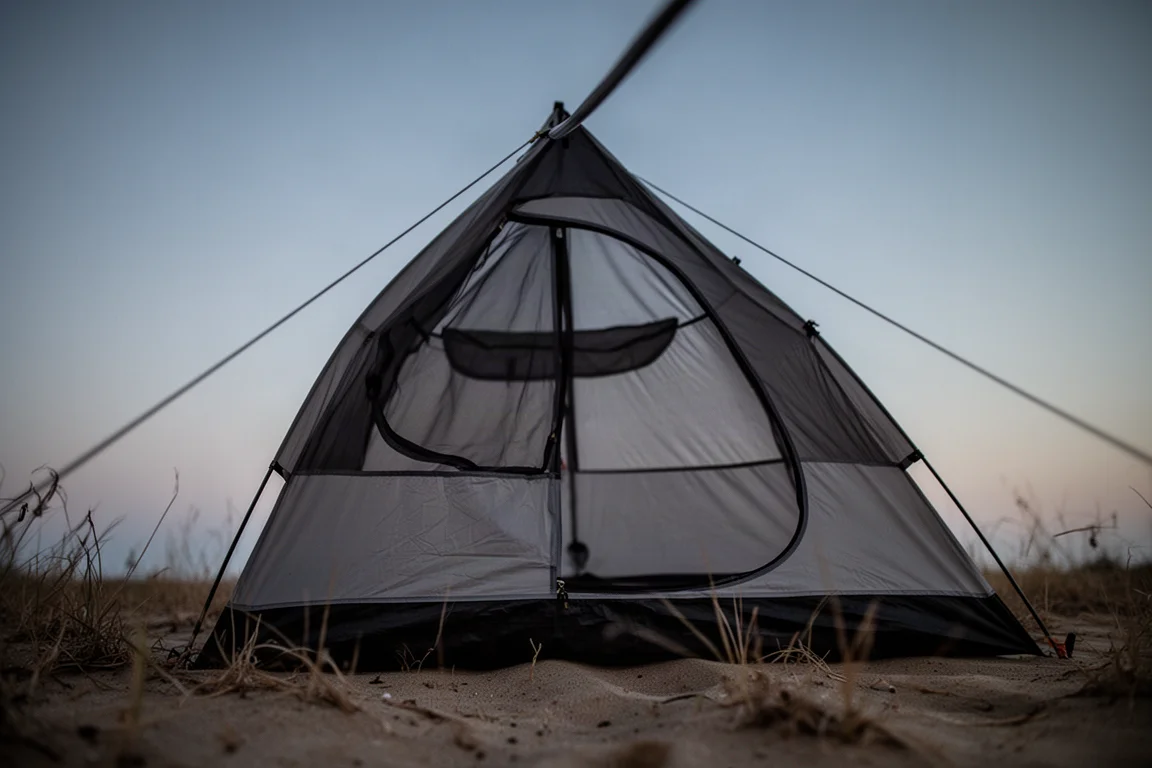
Doors roll back fully, and this is a two-door, two-vestibule tent. The trade-off for the generous mesh is exposure. With more mesh and less solid breathable sidewall, wind-driven sand, dirt, or snow can drift under the vestibule and into the sleeping area. On one sustained windy night, a substantial amount of sand collected inside, and a shelter with more high, breathable sidewall fabric would likely have reduced that. It is worth weighing carefully if you camp in exposed, sandy, or snowy terrain.
Which Tent Fits Which Trip
If you regularly share a shelter, choose geometry first. The Dagger Osmo’s symmetrical 88 by 50 inch floor is the one that accommodates two 25-inch pads and stays comfortable, and its pocket layout, dual roll-back doors, apex hang loop, and sidecar vestibule make it the most fully featured of the three.
If you mostly go solo and want to keep pack weight down, the Aspect 2 is the straightforward answer: light materials, a simple dome, and enough peak height to live in comfortably, with fewer features to carry. Simplifying can genuinely improve the overall experience when you are not sharing the tent.
If you are solo and want the most interior volume for the weight, the Telos TR-2 offers a palace of living space for one person, with apex ventilation and full roll-back doors, at the cost of a tapered floor that will not take two wide pads.
All three handle three-season conditions well, including rain, snow, and mild to heavy wind. Non-freestanding shelters can also work in those conditions, but they are more dependent on the ground you are able to stake into, so they demand more care in what you choose for a given pitch.
Conclusion
Start with a list of wants and needs, then match the design aspects to it. Symmetry and full-width doors for two-person comfort, low weight and simplicity for solo trips, and maximum ventilation with a tapered floor for solo campers who want volume without waste. Any of these three will perform well in three-season weather. The right pick is the one whose design details match the trips you actually take.
Further reading
Related Reviews
Backpacking Tents
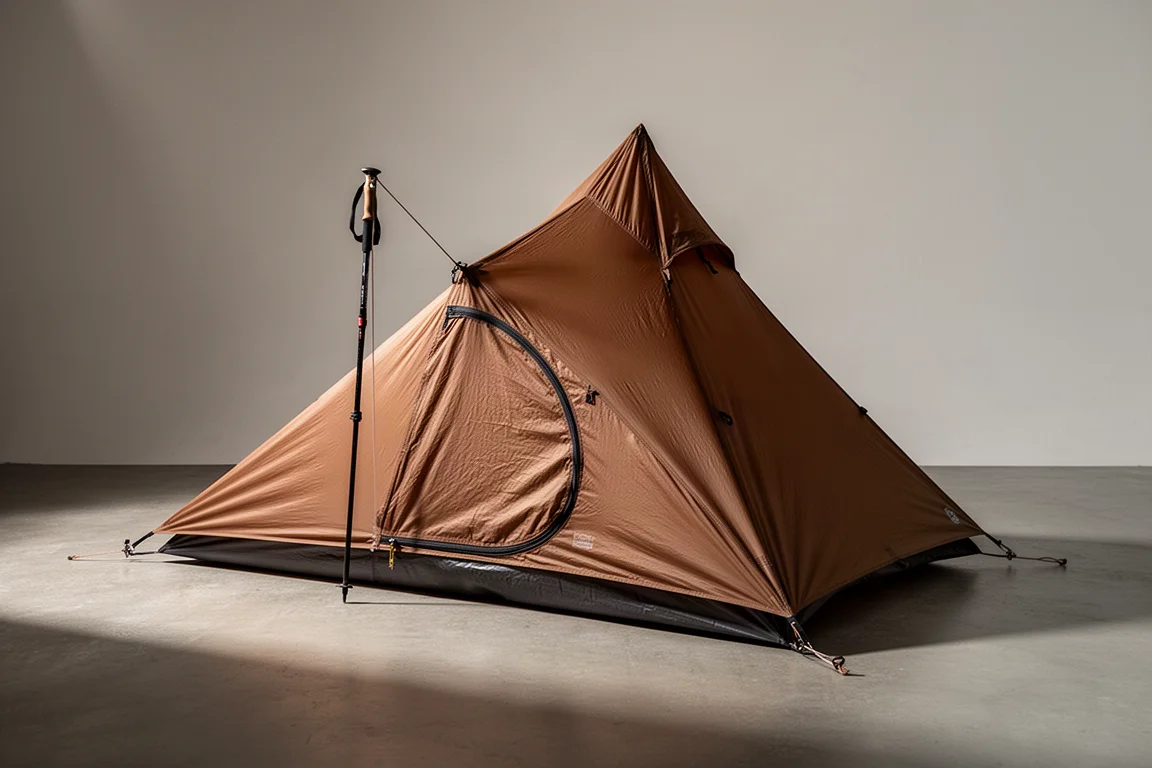
3F UL Lanchan Pro 1 Review: A 1 lb 8 oz Single-Wall Trekking Pole Tent
A practical look at the 3F UL Lanchan Pro 1, a single-wall trekking pole shelter with a 1 lb 8 oz weight, 20D silnylon fabrics, and a roomy 90 x 31 x 49 inch interior.
Backpacking Tents
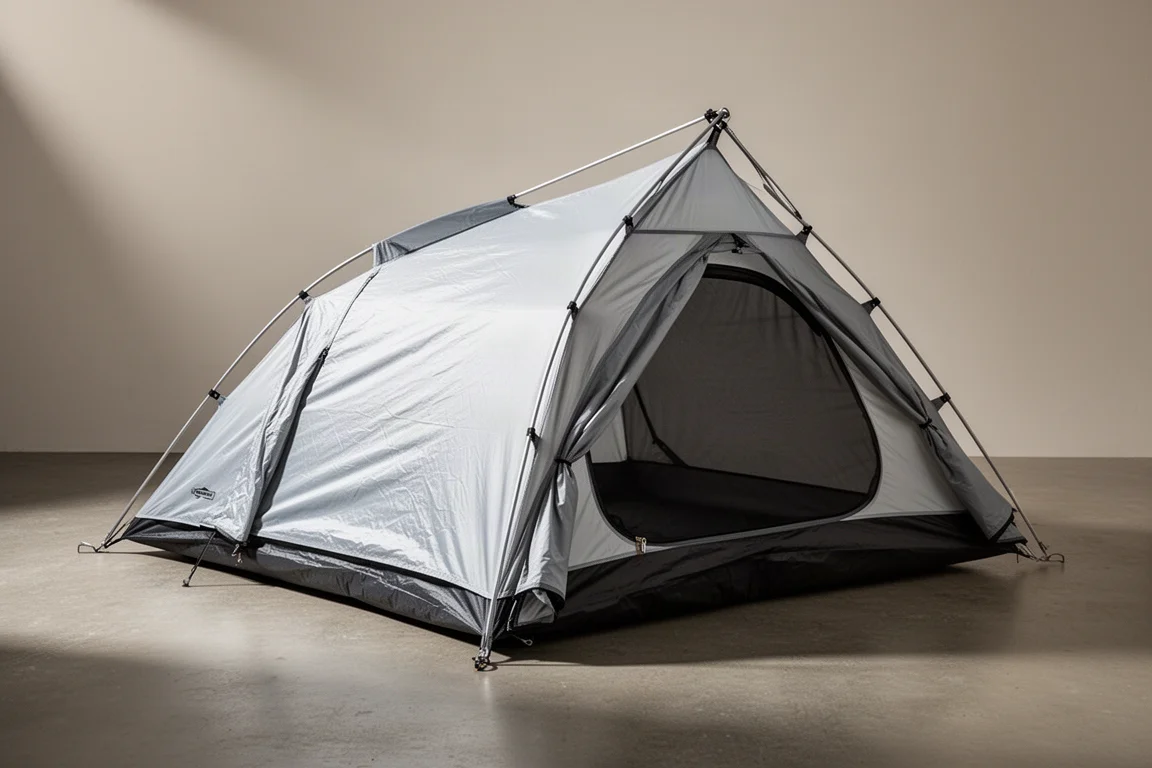
3F UL Taiji 2-Person Tent: A Convertible Backpacking Shelter Worth a Closer Look
A practical look at the 3F UL Taiji two-person tent, covering its materials, true two-person interior, fly-first pitching, and the seasonal inner swap that lets one shelter cover more of the year.
Backpacking Tents
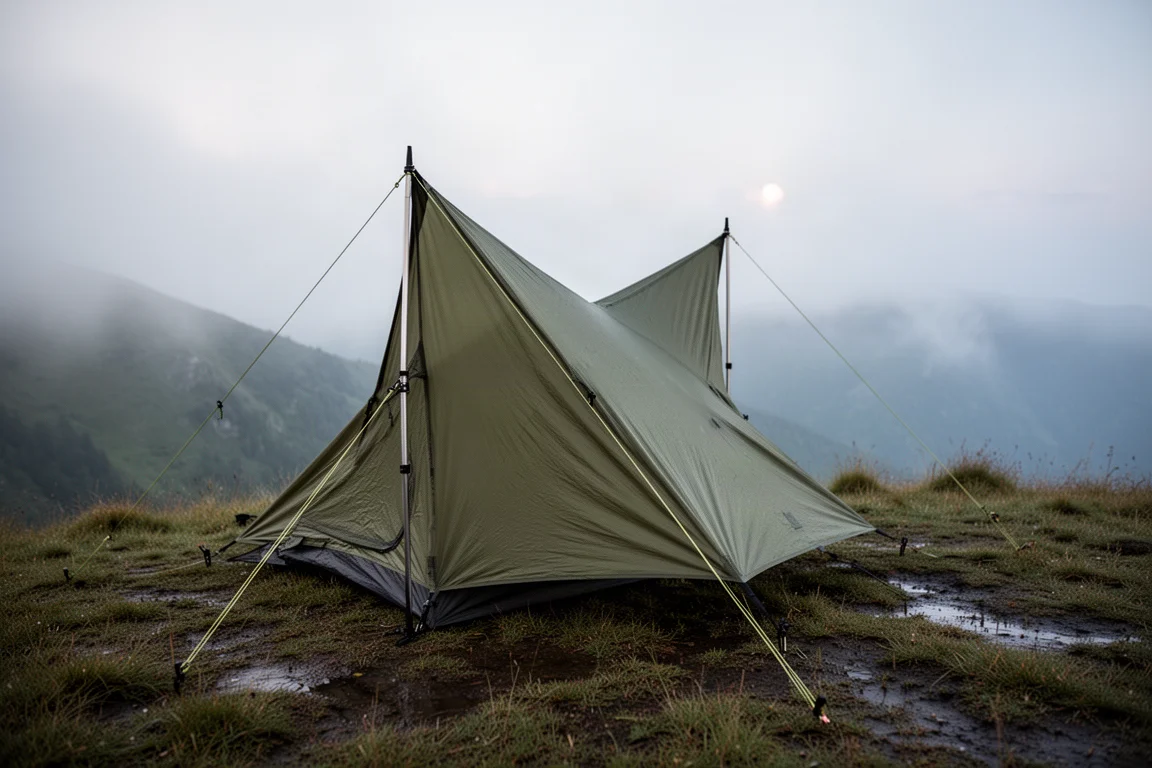
3FUL Lanshan Twoerson Pro Review: A Light Trekking Pole Shelter That Struggled in Rain
A two-person trekking pole shelter with a 2026 redesign, pitched with sticks and put through a night of steady rain. Here is what worked, what did not, and what to check before buying.