Backpacking Tents
Three Freestanding Backpacking Tents Compared: The Design Details That Matter
A practical comparison of the Nemo Dagger Osmo 2P, Mountain Hardwear Aspect 2, and Sea to Summit Telos TR-2, focused on floor shape, pole structure, ventilation, and storage.
Introduction
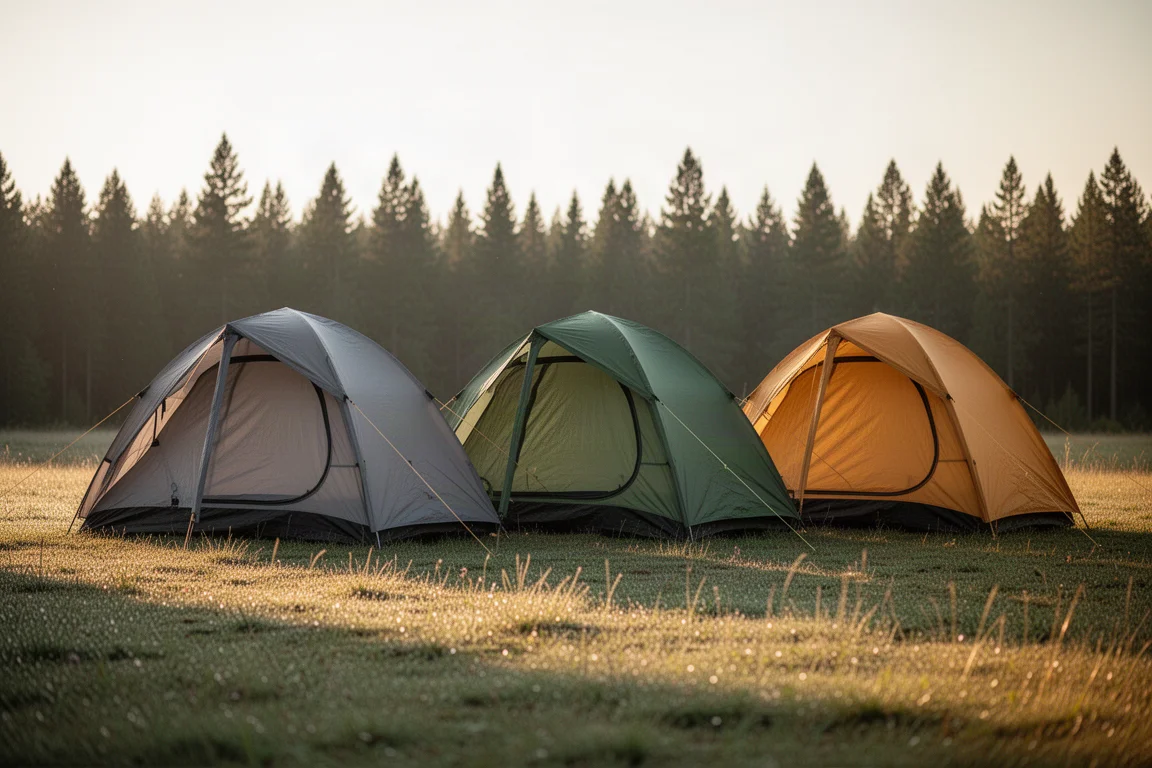
From a distance, nearly every backpacking tent looks the same: a low fabric shell stretched over a thin pole frame. Spend a night inside a few different models, though, and the small design decisions start to matter far more than the silhouette. Floor shape, pole architecture, ventilation, pocket placement, and vestibule layout all shape how a shelter feels after a long day on the trail.
Three freestanding, three-season shelters show how wide that range can be: the Nemo Dagger Osmo 2P, the Mountain Hardwear Aspect 2, and the Sea to Summit Telos TR-2. Each one is a capable tent in its own right. They simply prioritize different things, and understanding those priorities is more useful than comparing headline numbers alone.
What Separates One Tent From Another
The first thing to look at is the floor. Length and width determine which sleeping pads will actually fit side by side, and whether the floor is symmetrical or tapered changes how much usable space each occupant gets. A tent that measures generously at the head end but narrows at the foot behaves very differently from one with a consistent width from end to end.
Pole structure is the second variable. A conventional dome uses a corner-to-corner frame, sometimes with an added ridge or brow pole to push the walls outward. A hub-and-ridge design routes two legs into a central hub and then across the top, which generally produces a stiffer structure when wind, heavy rain, or snow load is part of the forecast.
Then there is ventilation and storage. Fully rollable doors, apex vents, and the ratio of mesh to solid breathable fabric all affect airflow and how much wind-driven sand, dirt, or snow can reach the sleeping area. Pockets and vestibule design decide whether gear stays organized or ends up scattered across the floor. These are the details that separate a tent that works from one that frustrates.
Nemo Dagger Osmo 2P: Symmetrical Space for Two
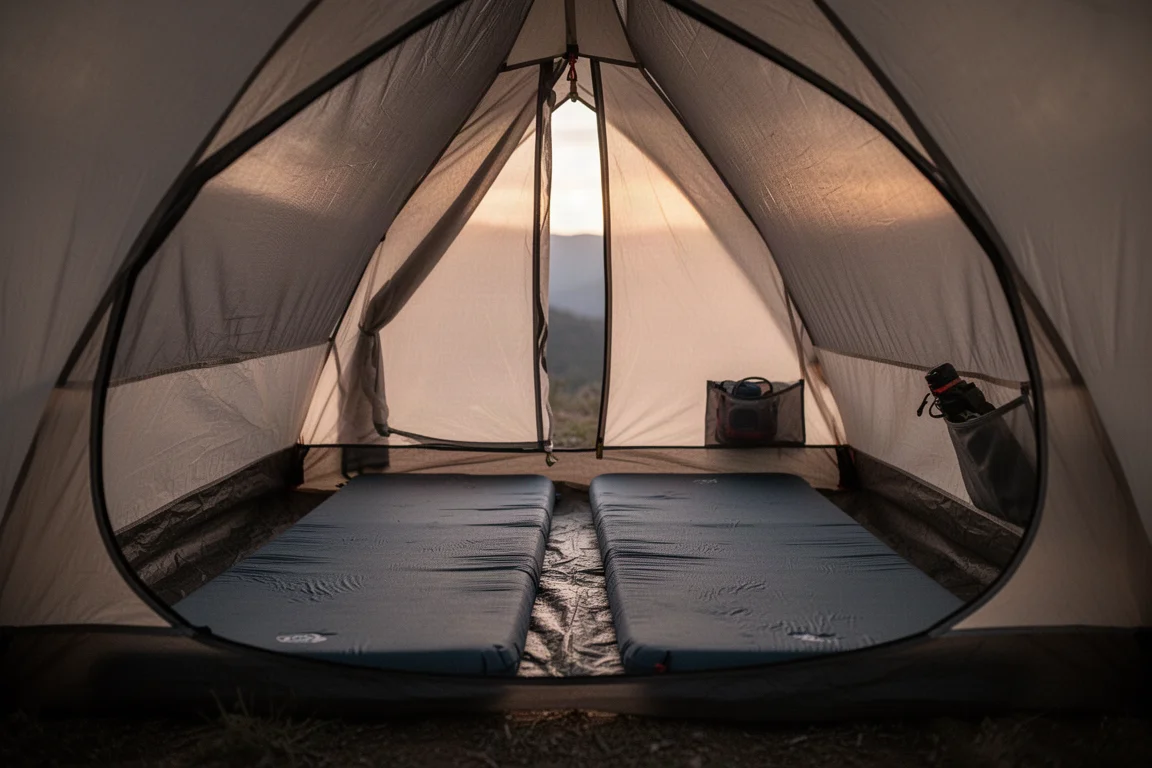
The Dagger Osmo 2P is built around a simple idea: the floor is the same width at the head end as it is at the foot end. At 88 inches long and 50 inches wide, it accepts two 25-inch sleeping pads side by side without either occupant feeling pinched. For a tent that is regularly shared, that symmetry is the difference between a tolerable night and a genuinely comfortable one.
Storage follows the same logic. There is a hang loop at the top for a lantern, and pockets run along the walls, including at the foot end, so smaller items can be lifted off the floor instead of getting lost under a sleeping bag.
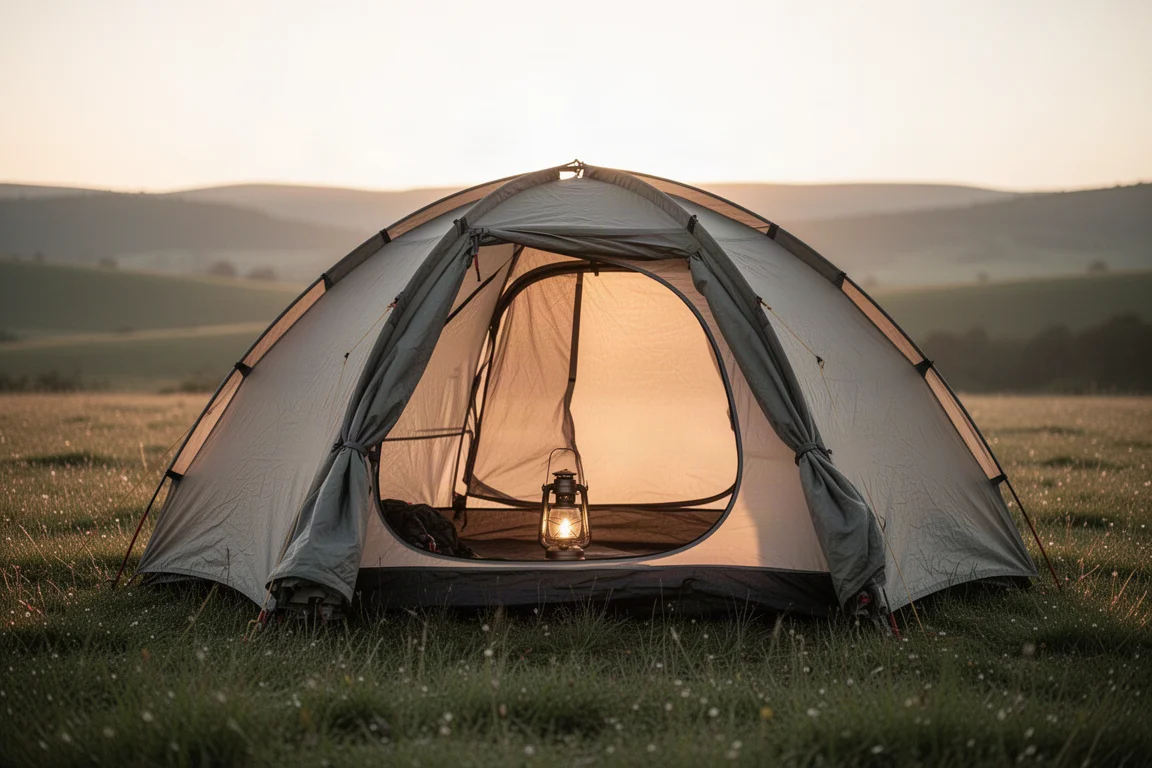
The pole structure is less conventional than a standard dome. Two legs rise into a central hub, a single ridge pole runs across the top, and a brow pole pushes the side walls outward. That geometry gives the Dagger Osmo more rigidity than a simple corner-to-corner frame, which is an advantage when wind, heavy rain, or snow is part of the forecast.
Ventilation is handled with fully rollable doors on both sides, and the side walls use a solid breathable fabric rather than an all-mesh panel. On warm, calm evenings both doors can be opened wide for airflow and a more open living space, and the same design helps limit how much wind-driven debris reaches the interior. The vestibule adds generous covered storage, and a small sidecar section keeps gear dry and separated from the sleeping area without adding meaningful weight. Peak height is generous enough to sit up comfortably.
Mountain Hardwear Aspect 2: Light and Simple
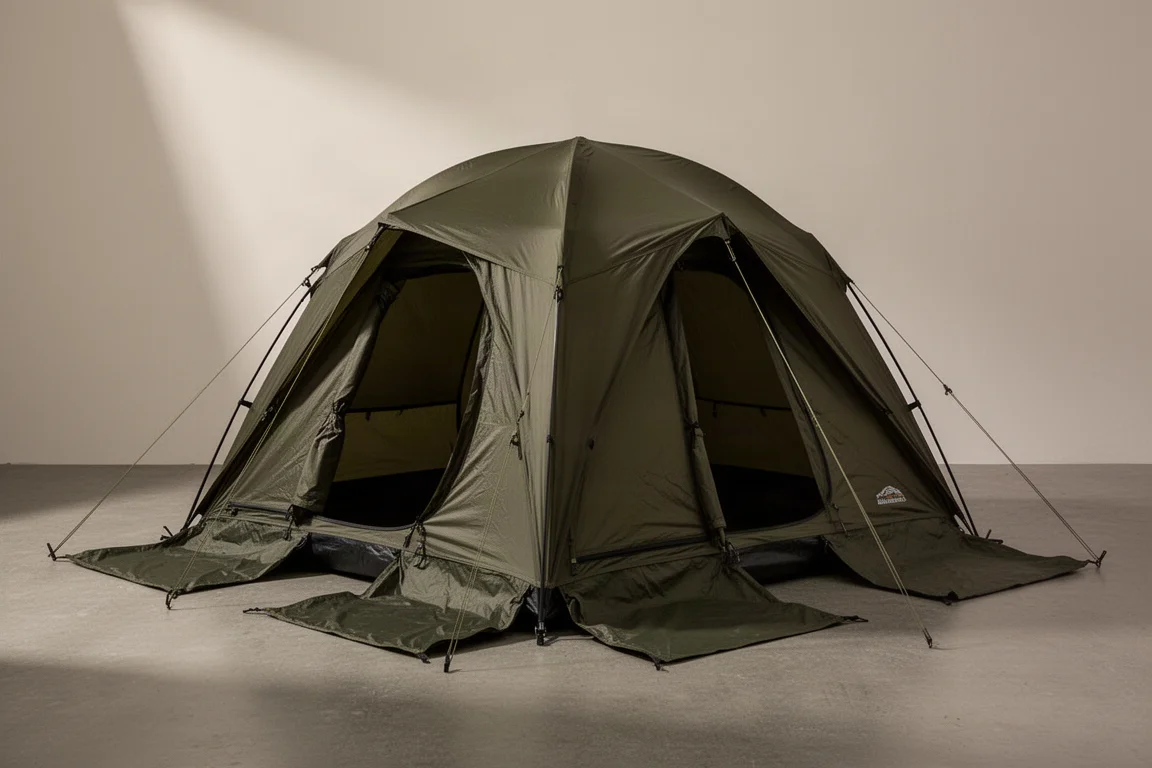
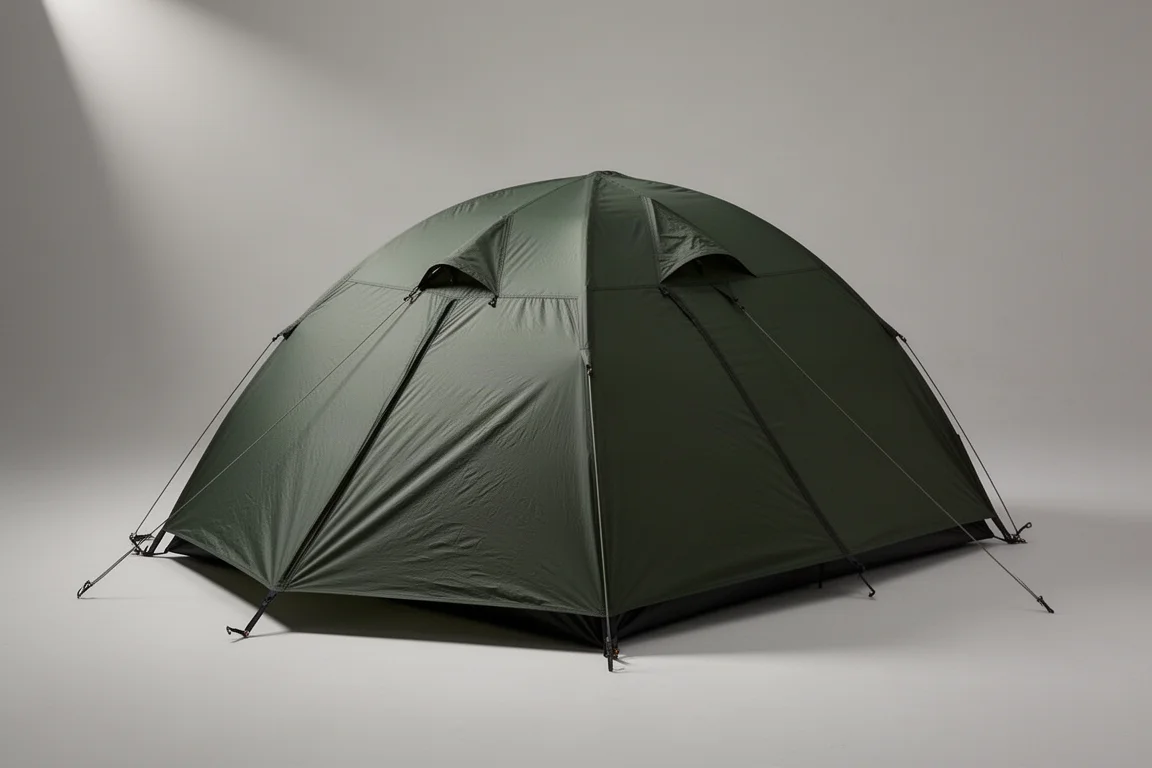
The Aspect 2 takes a more traditional route. Its frame is a standard X pattern running corner to corner, with a ridge or brow pole that pulls the walls more vertical and preserves a good peak height. It is a freestanding dome in the classic sense, and the material is light enough that total weight stays low.
The trade-offs show up in living space and ventilation. Because it is shorter and narrower than the Dagger Osmo, and because the dome walls curve inward more steeply, two sleeping pads feel noticeably tighter inside. Pocket options are limited to one at each end and one at the top, which leaves less room to organize gear. The doors are also less flexible: one side can be rolled back, but the other stays fixed, so on a warm evening the tent cannot be opened up as fully as some alternatives.
For a solo camper, though, that simplicity reads as an advantage. A very light freestanding shelter that pitches quickly and provides plenty of room for one person is often exactly what a trip calls for.
Sea to Summit Telos TR-2: Apex Vent and Tapered Floor
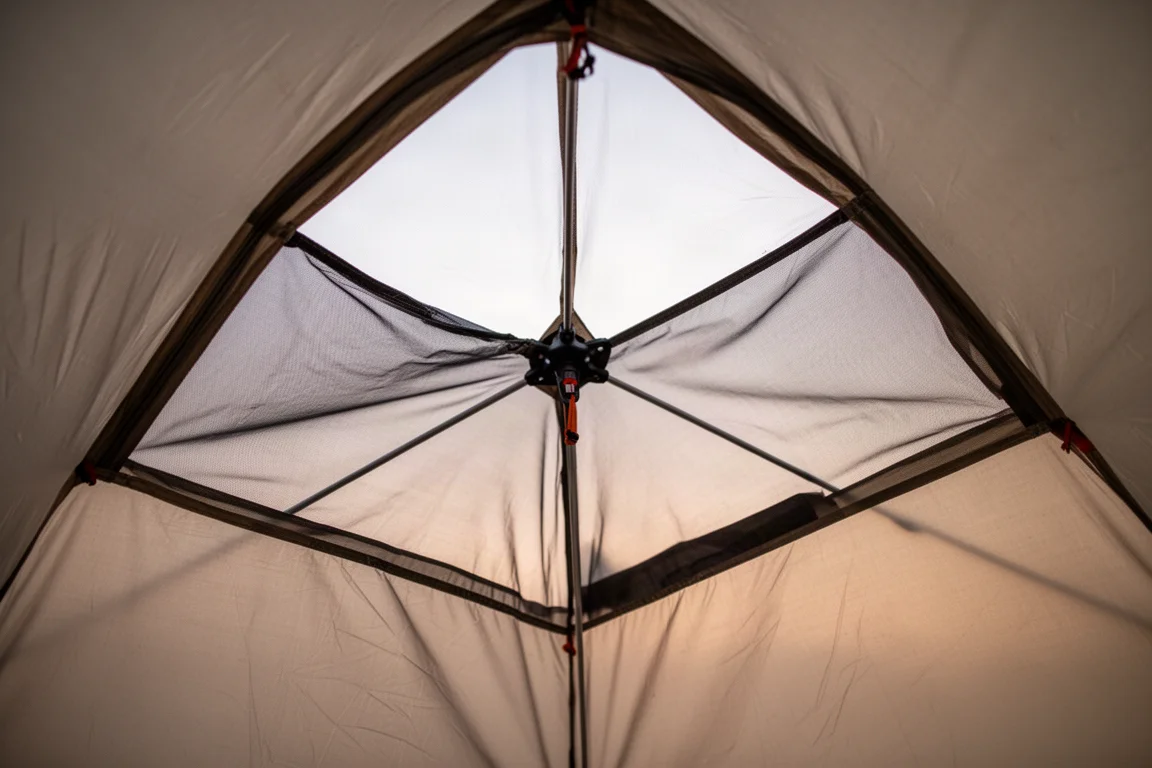
The Telos TR-2 shares the general hub-and-ridge approach of the Dagger Osmo, but it diverges in two important ways. The first is an open vent at the apex of the tent, a feature the Dagger Osmo does not offer at either the head or foot end. That vent moves a meaningful amount of warm, moist air out of the shelter.
The second is the floor shape. The Telos TR-2 is tapered: roughly 52 inches across at the head end and 42 inches at the foot end, a difference of at least 10 inches. That taper is what makes the tent lighter and more efficient for one person, but it also limits two-person use. Two 25-inch pads will not fit. Occupants are limited to 20-inch mummy-shaped pads, and the interior feels considerably more compact when two people are inside.
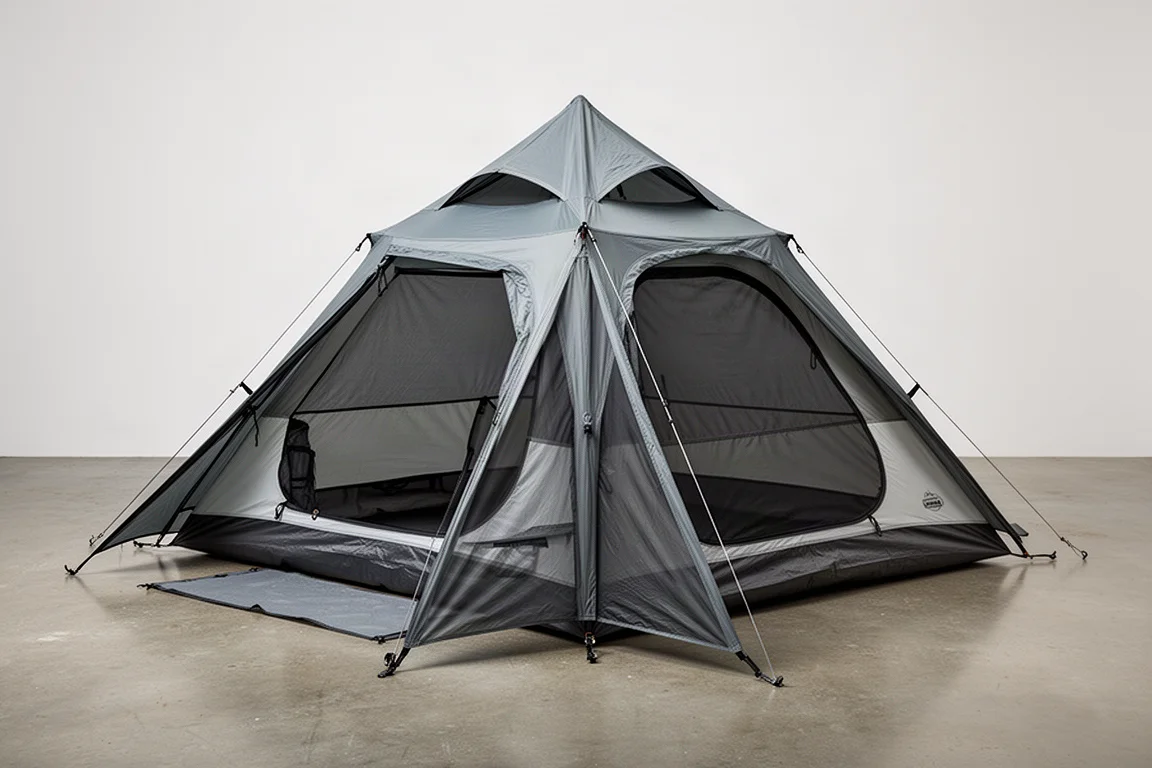
The Telos TR-2 has two doors and two vestibules, and like the Dagger Osmo its doors can be rolled fully open. One side carries a large mesh panel, which improves airflow but also means more exposure to whatever the weather is carrying. In heavy wind, sand, dirt, or drifting snow can work its way under the vestibule and into the sleeping area. A taller solid breathable sidewall, as on the Dagger Osmo, tends to reduce that problem.
Used solo, the tapered design reads very differently. It provides a generous amount of living space for one person while shedding the floor area a single occupant would never use.
Weather, Ground, and Three-Season Use
All three of these shelters are freestanding, three-season designs, and all three handle mild weather, rain or snow, and mild to heavy wind well. The Dagger Osmo has the most structural margin of the group thanks to its hub-and-ridge frame, which matters most when conditions turn. The Aspect 2 relies on conventional dome geometry and stays stable in ordinary three-season use. The Telos TR-2 leans on its apex vent and lighter build, and performs well in the same range of conditions.
Non-freestanding tents are a different conversation. Without a freestanding frame, pitch quality depends much more on the ground you are camping on and how reliably you can anchor stakes, so that choice becomes far more situational than the three tents here.
How to Choose Between Them
Start with the question of who will sleep in the tent. If it will usually be shared, the symmetrical floor of the Dagger Osmo is the more practical answer. Its 88 by 50 inch footprint fits two 25-inch pads, its pockets and vestibule storage keep a shared space organized, and its frame offers the most strength of the three.
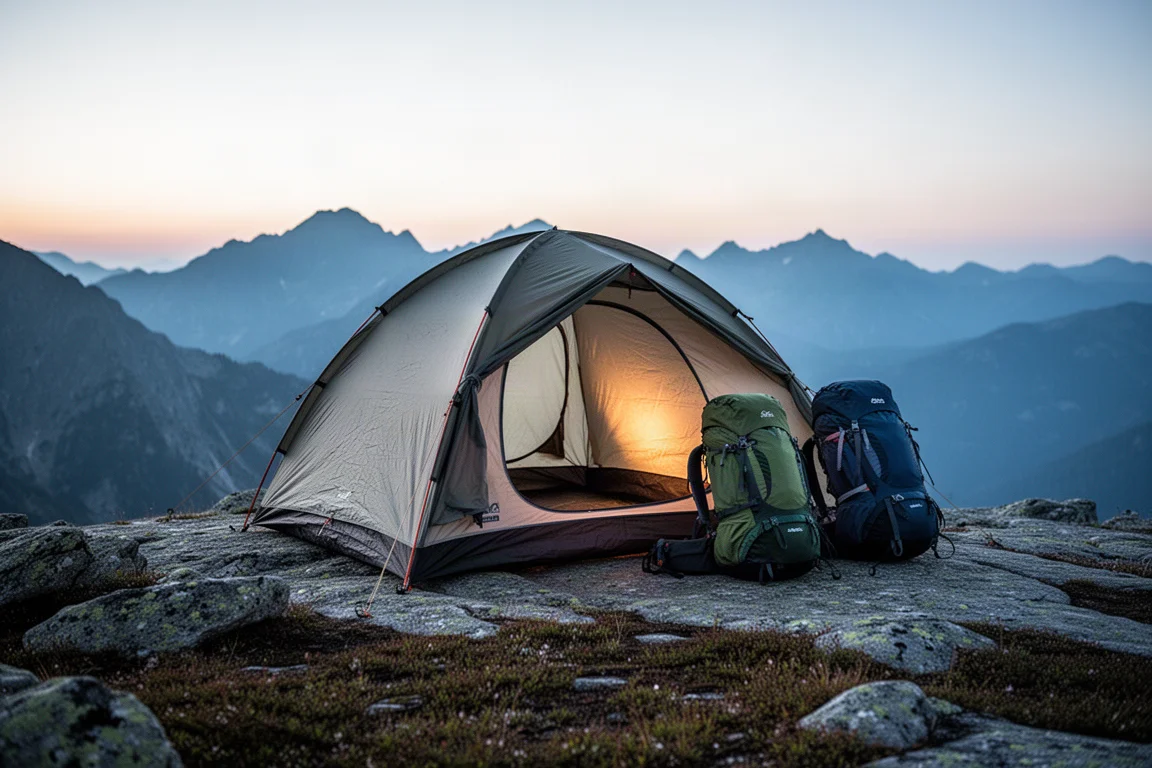
If the tent will mostly be used solo and the priority is maximizing living space while keeping weight down, the Telos TR-2 is the more efficient shape. Its taper removes floor area a single occupant would not use anyway, and the apex vent keeps air moving through the shelter.
For solo trips where simplicity matters more than features, the Aspect 2 is the lighter and more straightforward choice. It pitches easily and gives one person plenty of room, even if its pocket layout and one-sided door rollback are less generous than the alternatives.
Budget should set a ceiling rather than drive the decision. The more useful exercise is to list the conditions you actually camp in and the number of people who will sleep in the tent, then match the design details to that list.
Conclusion
Three freestanding tents, three different sets of priorities. The Dagger Osmo 2P is the most livable for two people and the most structurally capable. The Aspect 2 trades features for low weight and simplicity. The Telos TR-2 uses a tapered floor and an apex vent to serve solo campers who want space without excess bulk. None of them is a poor choice. The right one is simply the one whose design details line up with how you actually camp.
Further reading
Related Reviews
Backpacking Tents
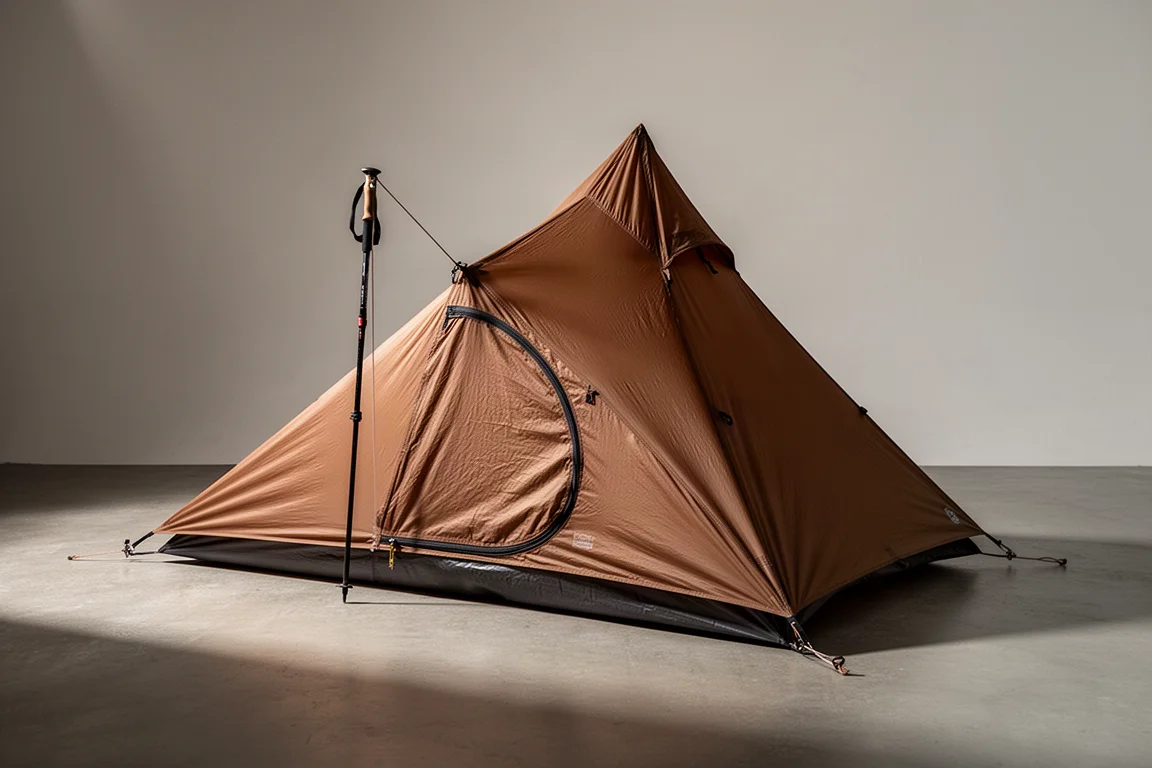
3F UL Lanchan Pro 1 Review: A 1 lb 8 oz Single-Wall Trekking Pole Tent
A practical look at the 3F UL Lanchan Pro 1, a single-wall trekking pole shelter with a 1 lb 8 oz weight, 20D silnylon fabrics, and a roomy 90 x 31 x 49 inch interior.
Backpacking Tents
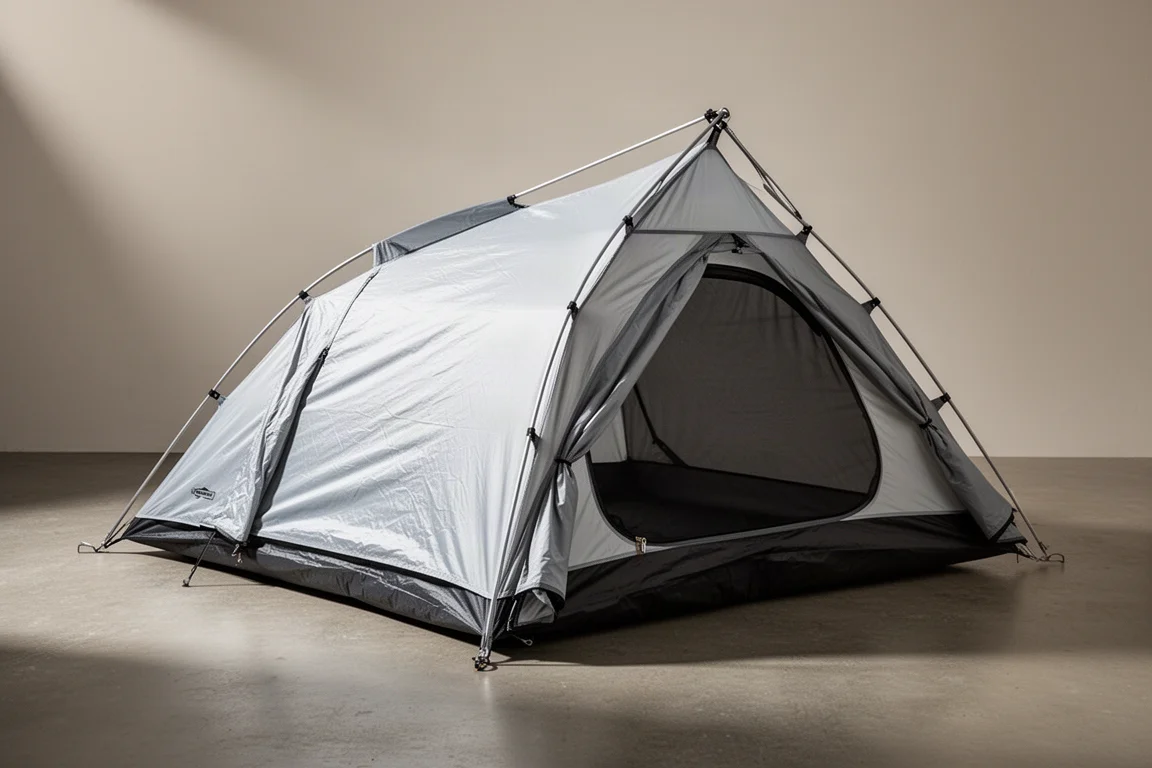
3F UL Taiji 2-Person Tent: A Convertible Backpacking Shelter Worth a Closer Look
A practical look at the 3F UL Taiji two-person tent, covering its materials, true two-person interior, fly-first pitching, and the seasonal inner swap that lets one shelter cover more of the year.
Backpacking Tents
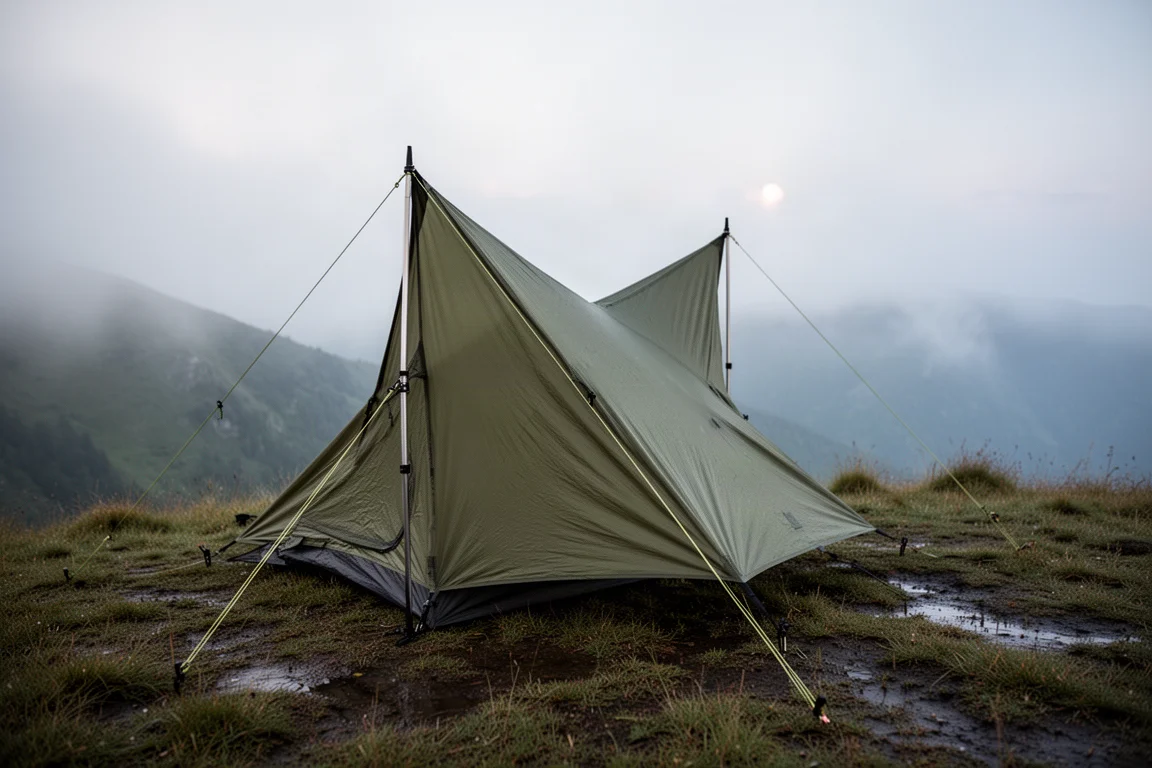
3FUL Lanshan Twoerson Pro Review: A Light Trekking Pole Shelter That Struggled in Rain
A two-person trekking pole shelter with a 2026 redesign, pitched with sticks and put through a night of steady rain. Here is what worked, what did not, and what to check before buying.