Trail Running Shoes
Three Trail Running Shoes That Failed to Live Up to the Hype
Three trail shoes that promised speed, grip, or comfort but left us underwhelmed on technical terrain, with the details to check before you buy.
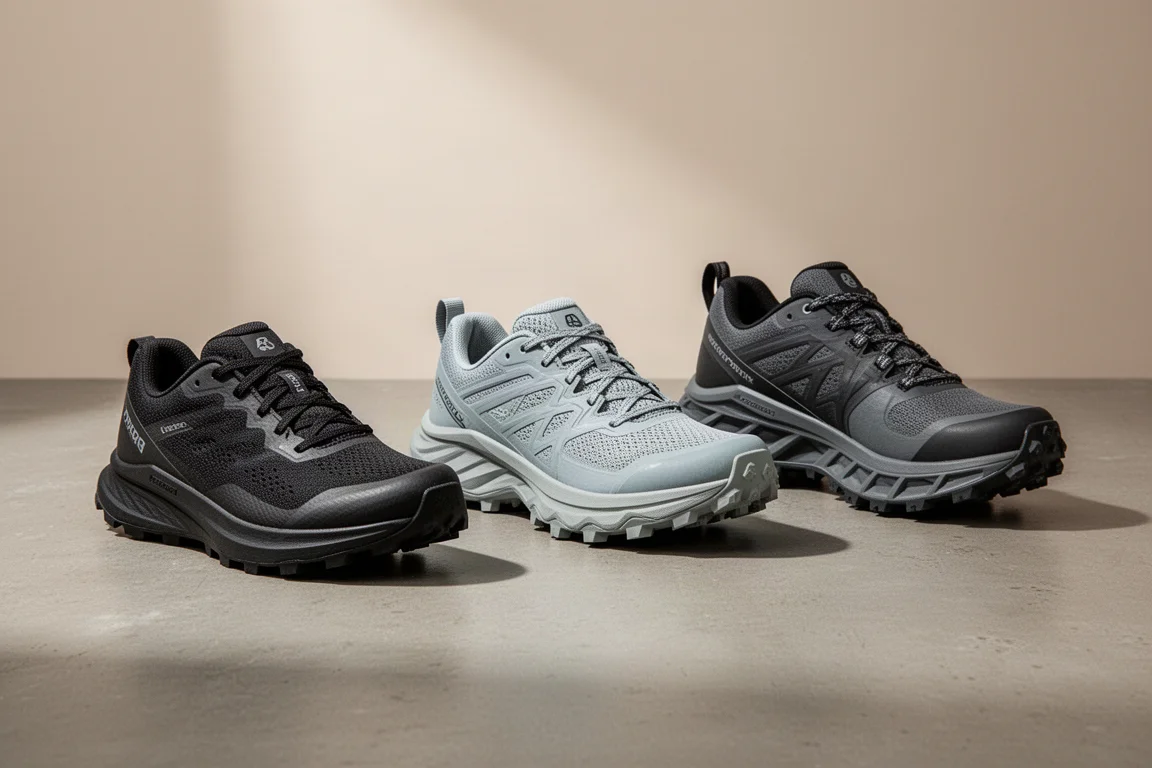
Introduction
Running shoe choice is deeply personal, and a shoe that disappoints one runner can be a favourite for another. Still, some shoes fall short in ways that are worth flagging openly. After extensive testing on rocky, technical trails, three models stood out for the wrong reasons: the Inov-8 Trailfly Speed, the Nike Zegama Trail 2, and the Scott Kinabalu 3. Here is what to know about each before you spend your money.
Inov-8 Trailfly Speed
Inov-8 rebranded this year with a new range of trail shoes built around a foot-shaped anatomical fit. The standard Trailfly impressed as one of the best all-round trail shoes the brand has made, so expectations were high for its faster sibling. Unfortunately, the Trailfly Speed is a confusing proposition.
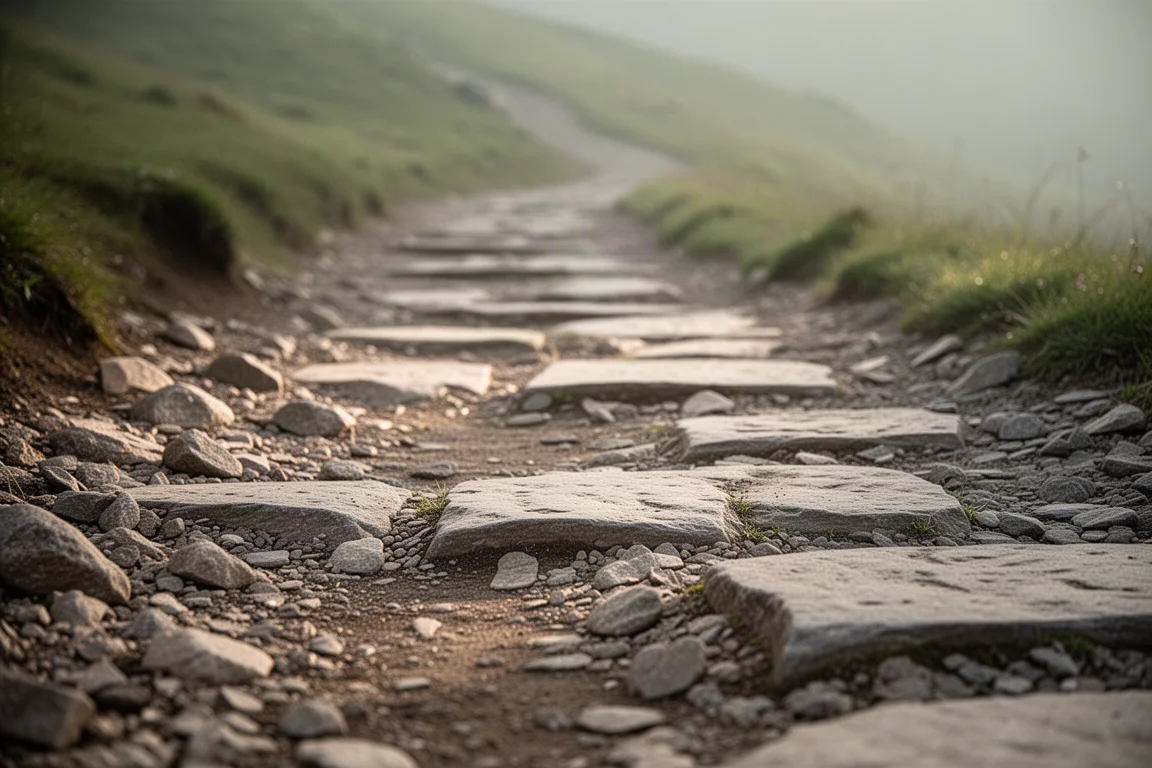
The brand markets it as a lighter, more responsive option for quick training runs and race day, but a UK 8.5 pair tips the scales at a hefty 301g. That is a lot of weight in a shoe built for speed. As the stripped-back version of the Trailfly, it offers less midsole cushioning, which sits you closer to the ground. On rocky or stony trails, every stone came straight through the midsole, even with upgraded footbeds installed.
Fit is another sticking point. Even in the standard fit option, the shoe felt too wide, and it was hard to get a secure lock-down around the midfoot, no matter how tight the laces were pulled. Those laces are also extremely long, needing multiple ties to stop them flapping. The shoe felt slappy underfoot and, despite a 4mm heel-to-toe offset, ran more like a zero-drop shoe, which will not suit every runner.
Nike Zegama Trail 2
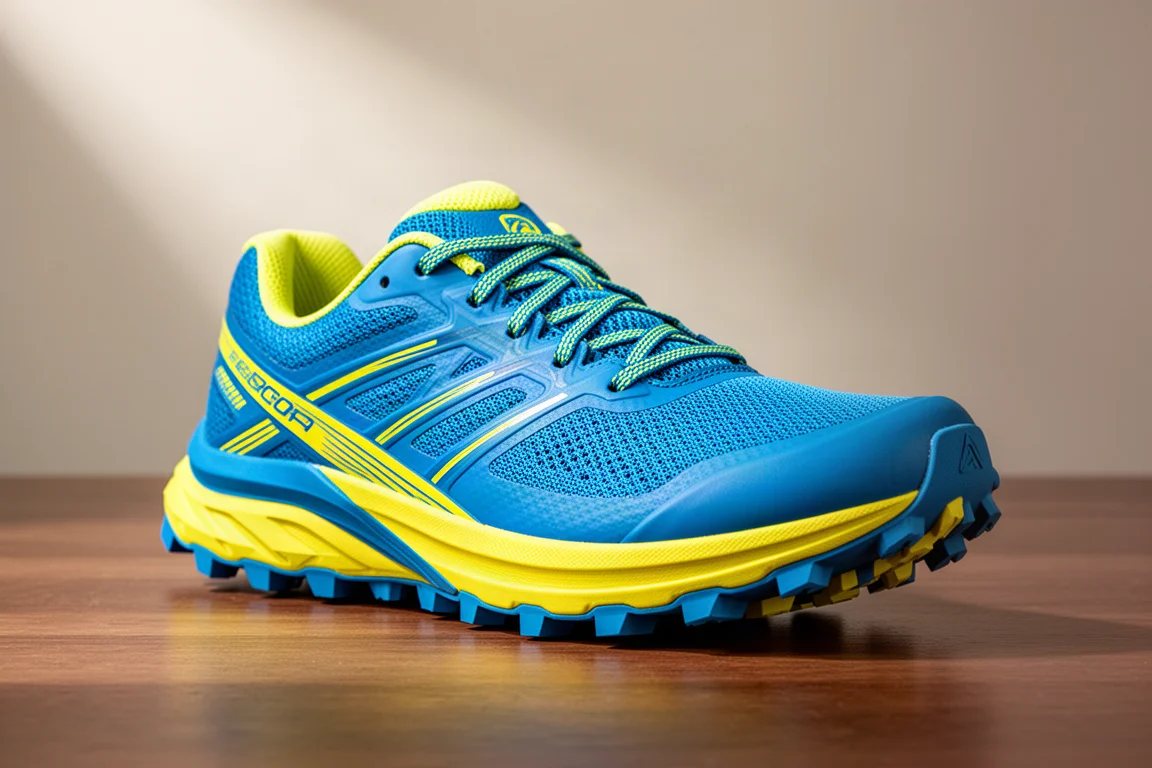
Nike claims the Zegama Trail 2 is the most tested trail shoe the brand has ever produced, and that it is designed to conquer steep ridges, jagged rocks, and race day. The original Zegama already felt unstable on technical terrain, nearly rolling an ankle on steep ridgelines, so the hope was that version two would fix the problem. Instead, Nike added more ZoomX foam to the midsole, lifting you even higher off the ground with less connection to the trail.
The midsole does feel comfortable, but on technical trails it feels unstable. Weight is a real problem too: a UK 9.5 pair weighs just shy of 340g, far too heavy for a shoe marketed as ultra responsive and built for race day. That mass becomes noticeable at the end of longer runs.
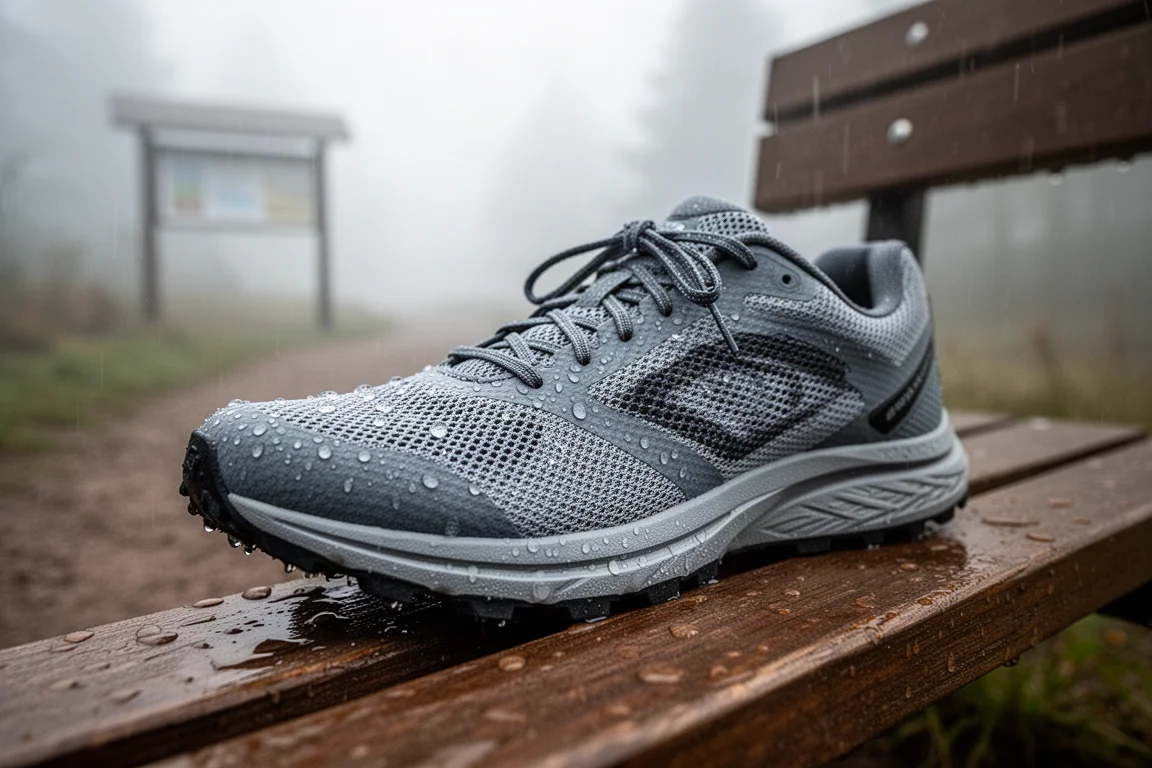
Then there is the upper. It is genuinely comfortable, with a hug-like secure midfoot feel, but in wet conditions it behaves like a sponge, soaking up every drop of water and holding on. Drainage is poor, which is a serious drawback for a trail shoe.
The one clear improvement is the outsole, where Nike added vibram-grip rubber, a brilliant move with a decent lug pattern and a big step up over the original. But the heavy build, technical instability, and drainage issue more than cancel it out.
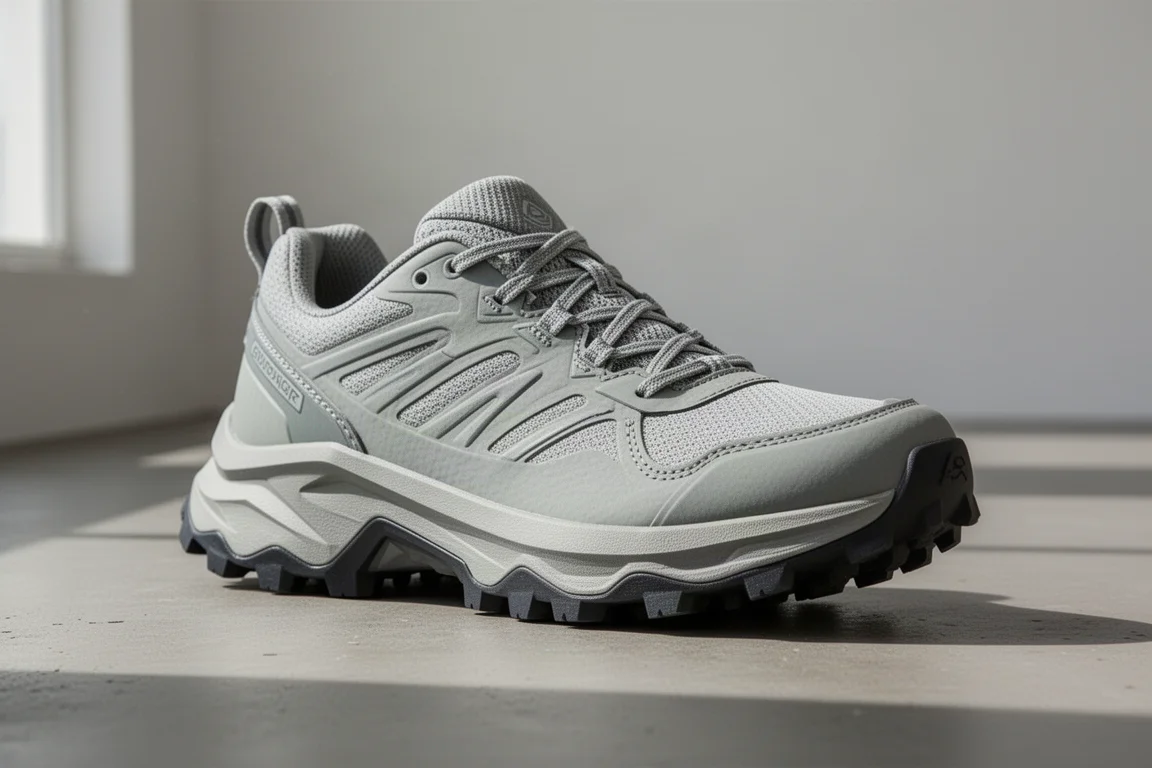
Scott Kinabalu 3
The Kinabalu 3 is the hardest of the three to recommend. It starts with an extremely stiff, rigid midsole and very firm cushioning, among the firmest and stiffest of any running shoe tested. With running shoe foams getting softer and more energetic elsewhere, this felt like running in a trail shoe from decades past.
Weight makes things worse. A UK 9.5 pair weighs a staggering 360g, far too heavy for a trail shoe today, and larger sizes would only compound the problem. Add the firm midsole and the result is a shoe that felt heavy and joyless from the first run.
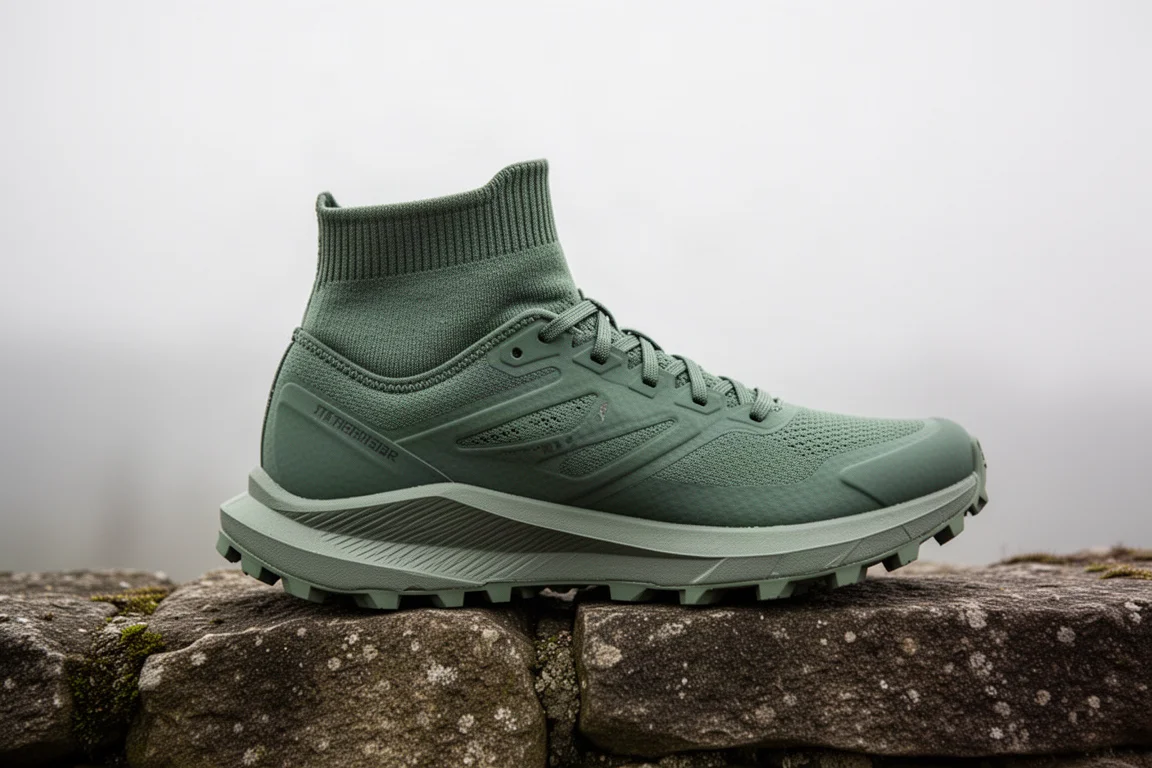
The irritation issues sealed it. The ankle collar sits high and stiff, and on uneven ground it dug into the ankle bone, becoming genuinely painful by the end of a run. This is a real shame, because past Scott trail shoes have performed very well, and it is hard to understand how this version made it through development. Overall, it ranks among the most uncomfortable and worst-performing running shoes tested.
Overall Buying Advice
None of these three is an automatic no for every runner, since fit and feel are highly individual. But there are clear patterns worth checking before you buy. If a shoe is marketed as light and race-ready, check the actual weight for your size. If it claims technical mountain capability, look at midsole stack height and stability rather than cushioning alone. And pay close attention to collar height, drainage, and midfoot lock-down if you run on rocky or wet terrain.

Trying shoes on with the socks you actually run in, and testing them on terrain similar to your usual routes, remains the most reliable way to avoid a disappointing purchase.
Conclusion
The Trailfly Speed confuses speed with weight and sacrifices comfort, the Zegama Trail 2 improves grip but stays heavy and unstable with poor drainage, and the Kinabalu 3 combines stiffness, weight, and an irritating collar. Each has a single redeeming quality, but the compromises are significant. Matching a shoe’s real characteristics to your terrain and fit preferences is the surest way to avoid ending up disappointed.
Further reading
Related Reviews
Trail Running Shoes
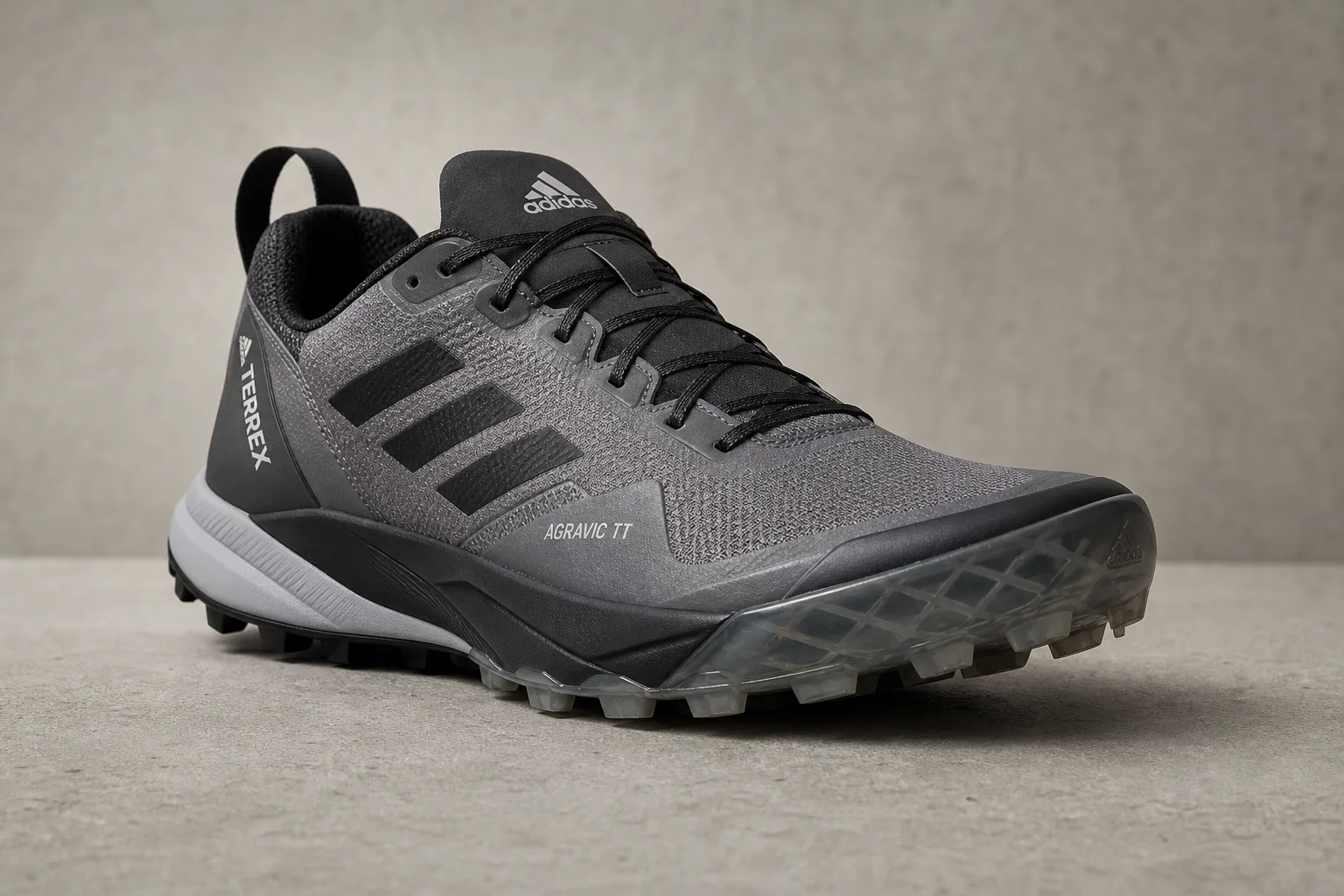
Adidas Terrex Agravic TT Review: A Technical Trail Shoe Built for Rocky Terrain
The Adidas Terrex Agravic TT combines a full-coverage rock plate with a firmer midsole to deliver protection and stability on technical, rocky trails. A capable choice for runners who prioritize underfoot defense over lightweight cushioning.
Trail Running Shoes
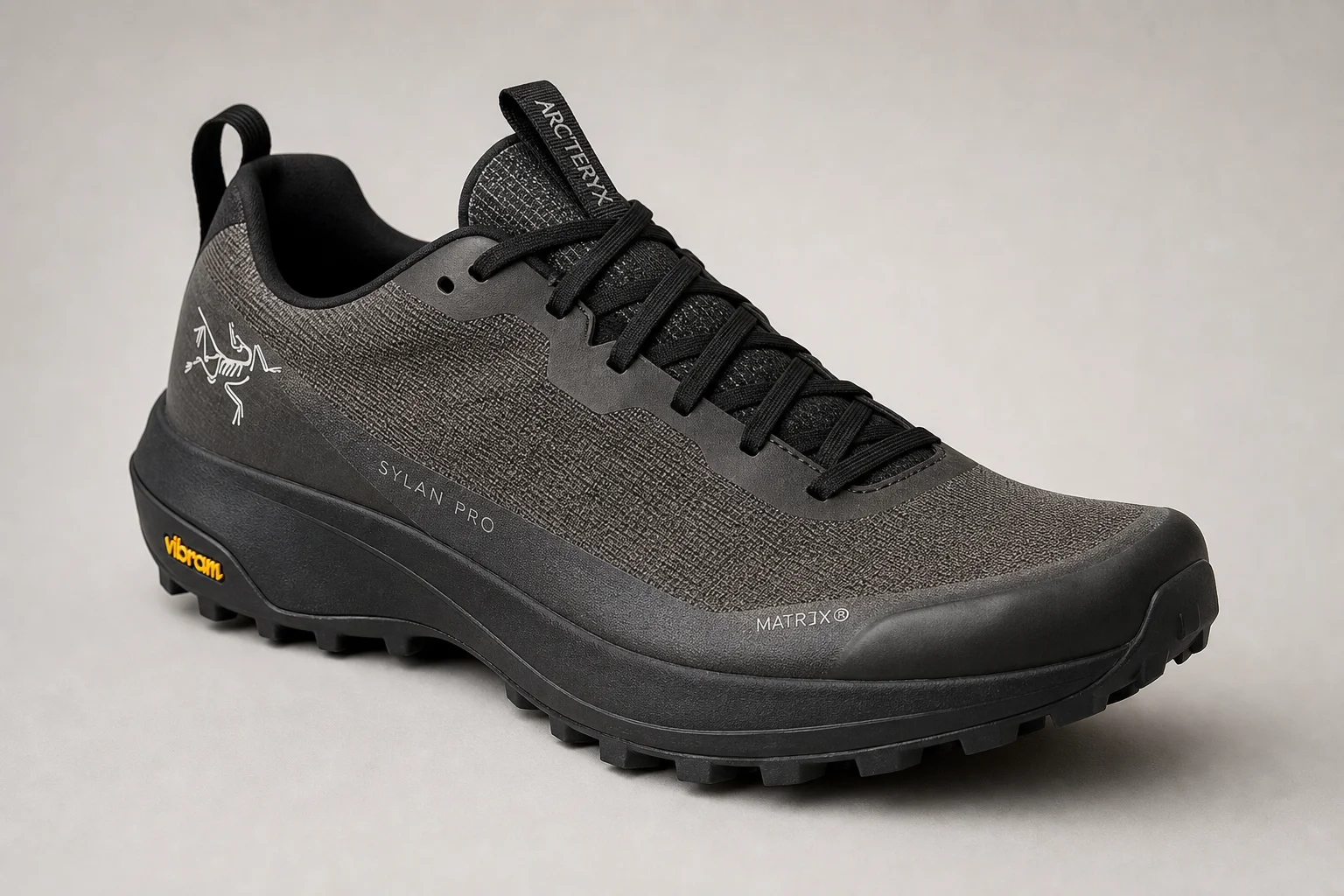
Arc'teryx Sylan Pro Review: A Rocker-Focused Mountain Running Shoe Tested on 20 Miles
The Arc'teryx Sylan Pro brings a pronounced rocker geometry and secure fit to mountain terrain. We tested it on a 20-mile Sawtooth loop to evaluate its climbing efficiency, protection, and handling of technical descents.
Trail Running Shoes
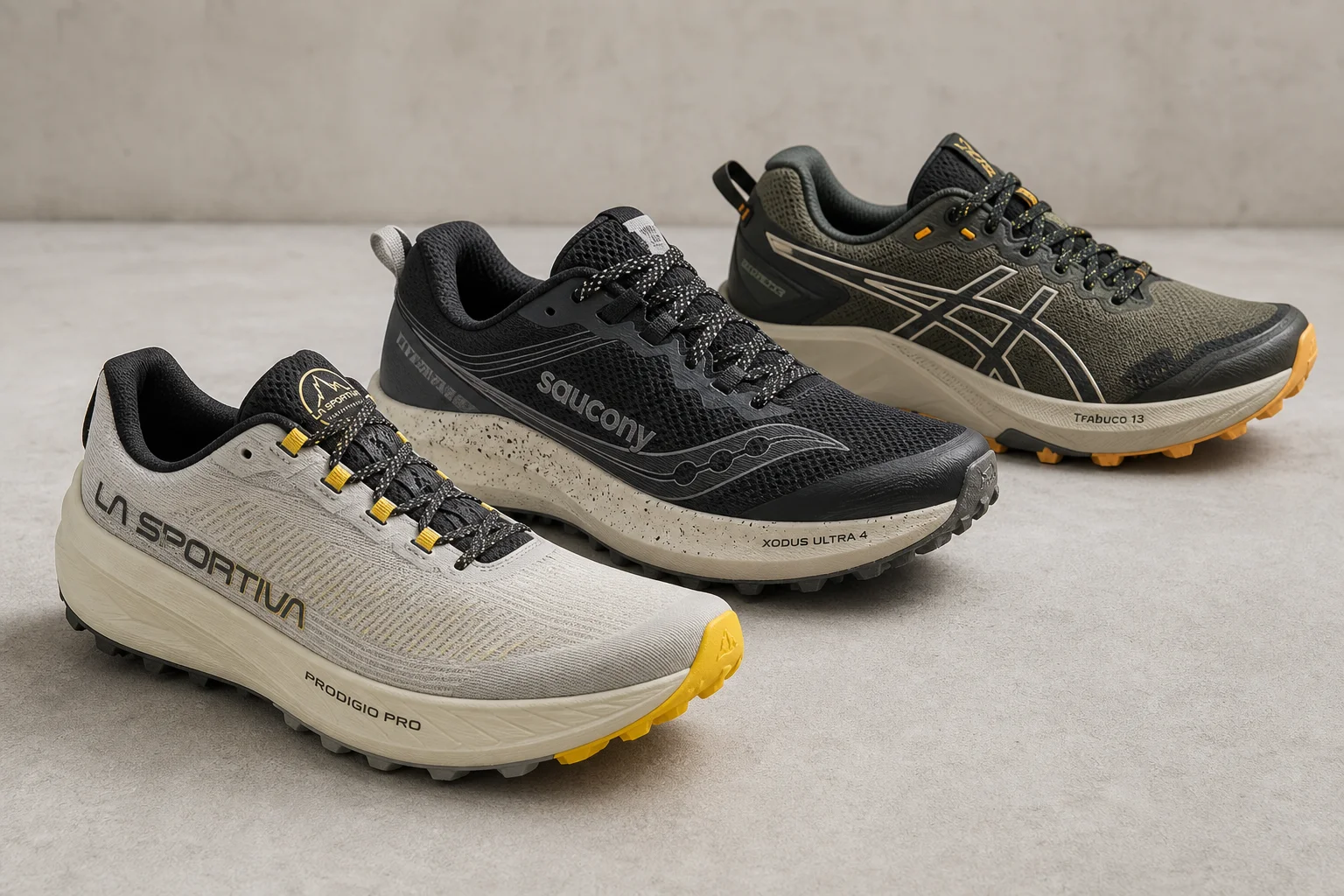
Best All-Mountain Trail Running Shoes: Three Versatile Options for Any Trail
A focused roundup of three all-mountain trail running shoes that handle technical terrain, long distances, and variable conditions with real strengths and practical trade-offs.