Running Shoes
3 Running Shoes That Underperformed in 2023: Where Big Hype Fell Short
Three heavily hyped running shoes that failed to live up to expectations in testing, with honest notes on what went wrong and who might still like them.
Introduction
Testing dozens of running shoes in a single year means a few disappointments are inevitable. Some shoes arrive with huge expectations attached, whether from a big price tag, a bold design, or a long marketing campaign, and a handful of them simply do not deliver on the road or trail.
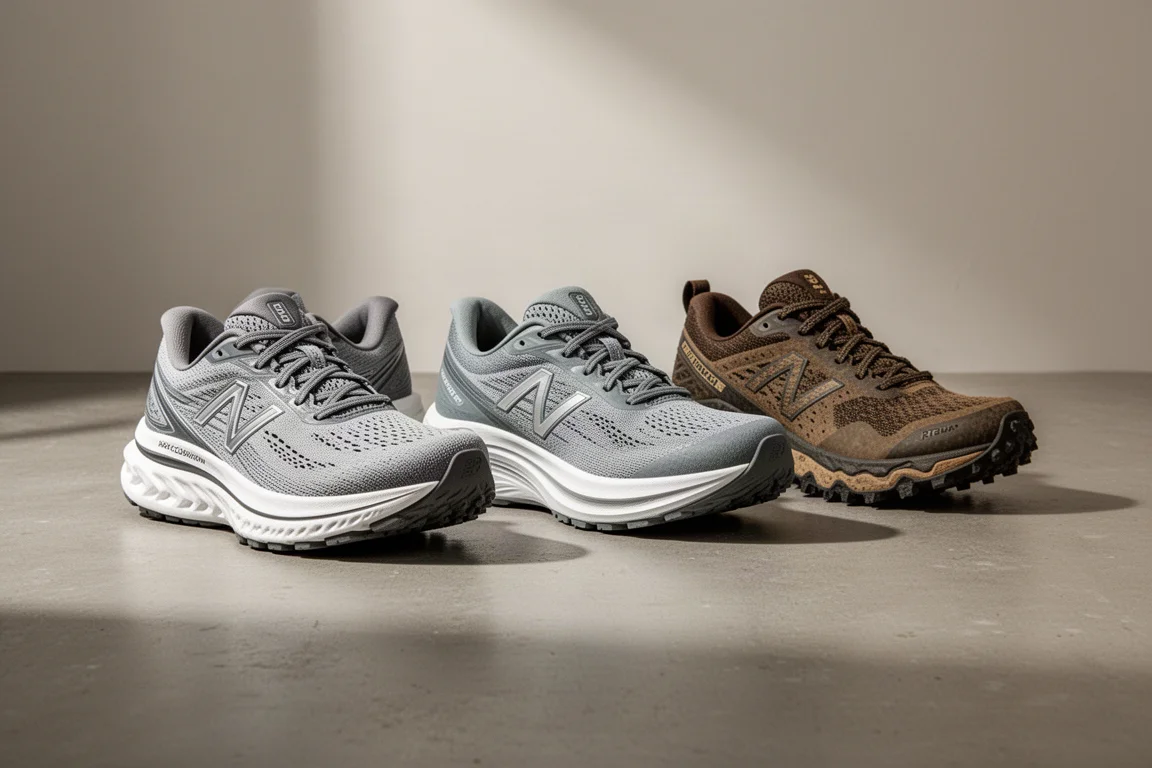
Here are three shoes that fell short in testing: a premium high-stack trainer from New Balance, a max-cushion road shoe from Altra, and the much-hyped Nike Ultrafly trail racer. Each one has genuine strengths, and for some runners they may still work well, but each had flaws significant enough to give us pause before recommending them outright.
New Balance SuperComp Trainer v2
The SuperComp Trainer v2 is a performance road trainer built with New Balance’s FuelCell foam and a carbon plate in the midsole, carried on a very substantial stack height. It retails for just under £210 in the UK, which puts serious pressure on any training shoe to perform.
On paper, the ingredients look excellent. In practice, the midsole felt too soft for a shoe pitched as a performance option. Combined with the tall stack, that softness made the shoe feel unstable on the run, even for a neutral runner who rarely has stability concerns. It also felt sluggish rather than quick, which undermines the whole point of a plated trainer.
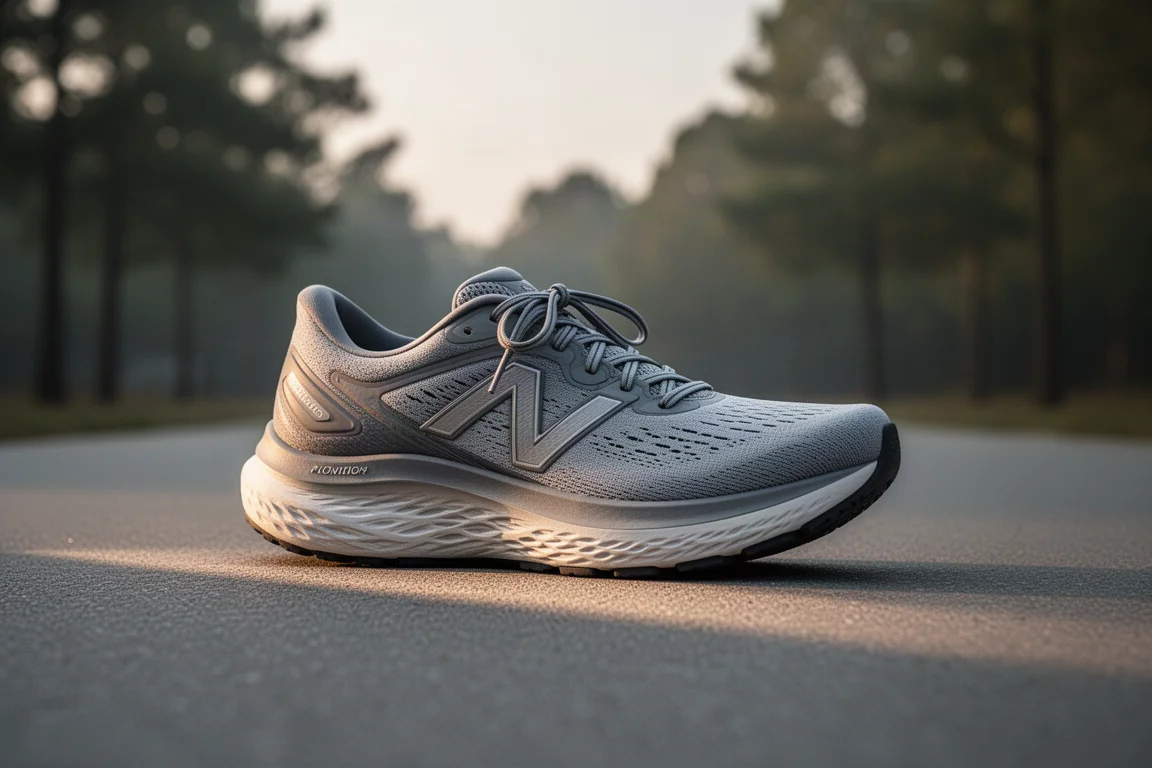
The most frustrating issue, though, is a design flaw: a large void in the centre of the midsole that acted as a stone trap. Across three test runs, every single run involved stopping to dig a stone out of that cavity. For a shoe at this price, that is a hard flaw to forgive.
Altra Via Olympus
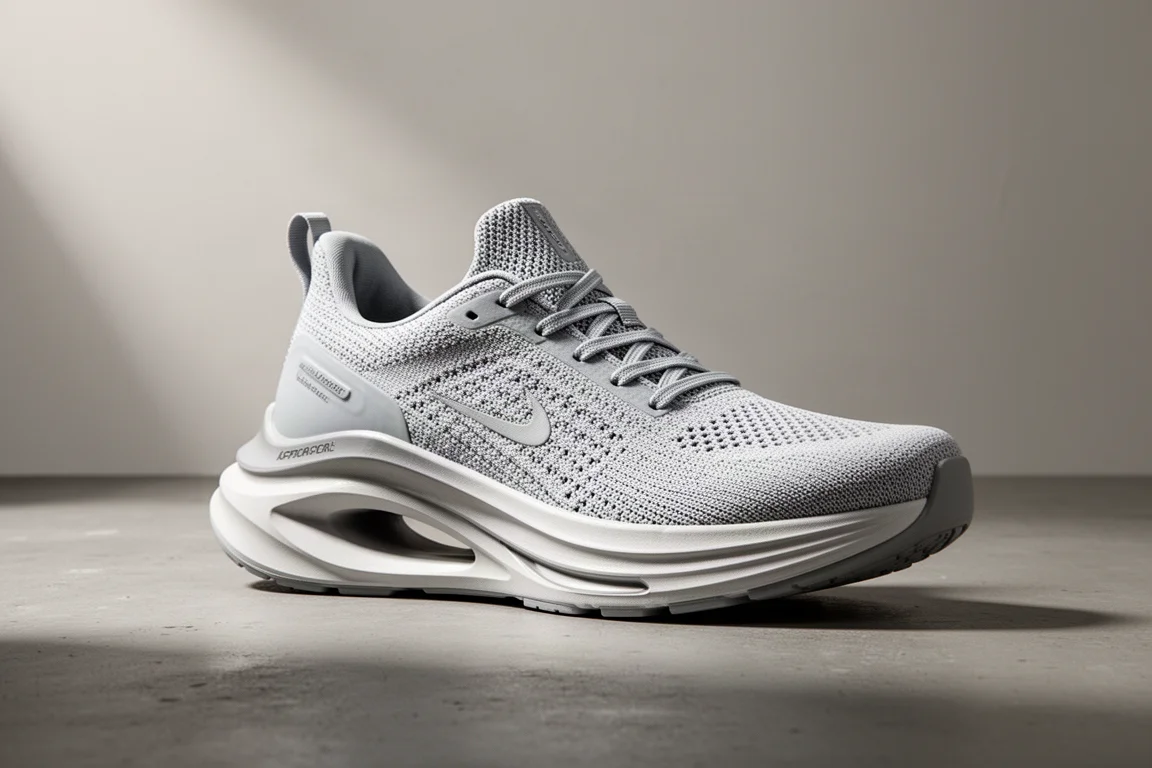
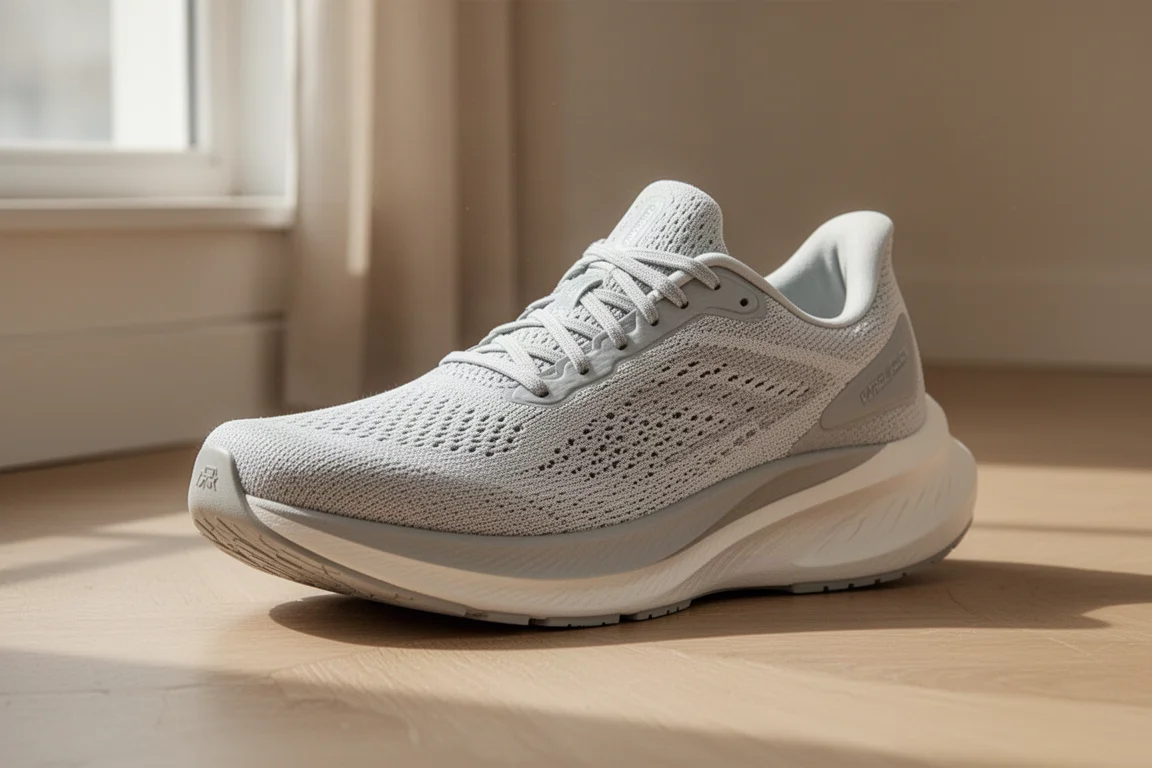
Altra positions the Via Olympus as the deeply cushioned road cousin of its popular Olympus trail shoe, and the first impression indoors was genuinely promising. The upper offered good padding, solid lockdown through the midfoot, a secure heel hold, and the brand’s famously wide, roomy toebox with plenty of toe wiggle room.
The run itself told a different story. Within the first mile, the Ego Max foam felt far firmer than expected for a shoe marketed as deeply cushioned, and the midsole was extremely stiff, with no flex at all through the midfoot. Expecting a bedding-in period, testing continued, but the experience got worse the further the run went.
By four to five miles, both feet had gone completely numb. It ranked among the most uncomfortable first runs in a new shoe, and that discomfort was enough to stop further lacing up. Worth noting for context: this was the second Altra road shoe that did not work out, which may simply mean the brand’s road platform is not a good match for this particular running style, even though the Olympus line remains popular with long-distance trail runners.
Nike Ultrafly
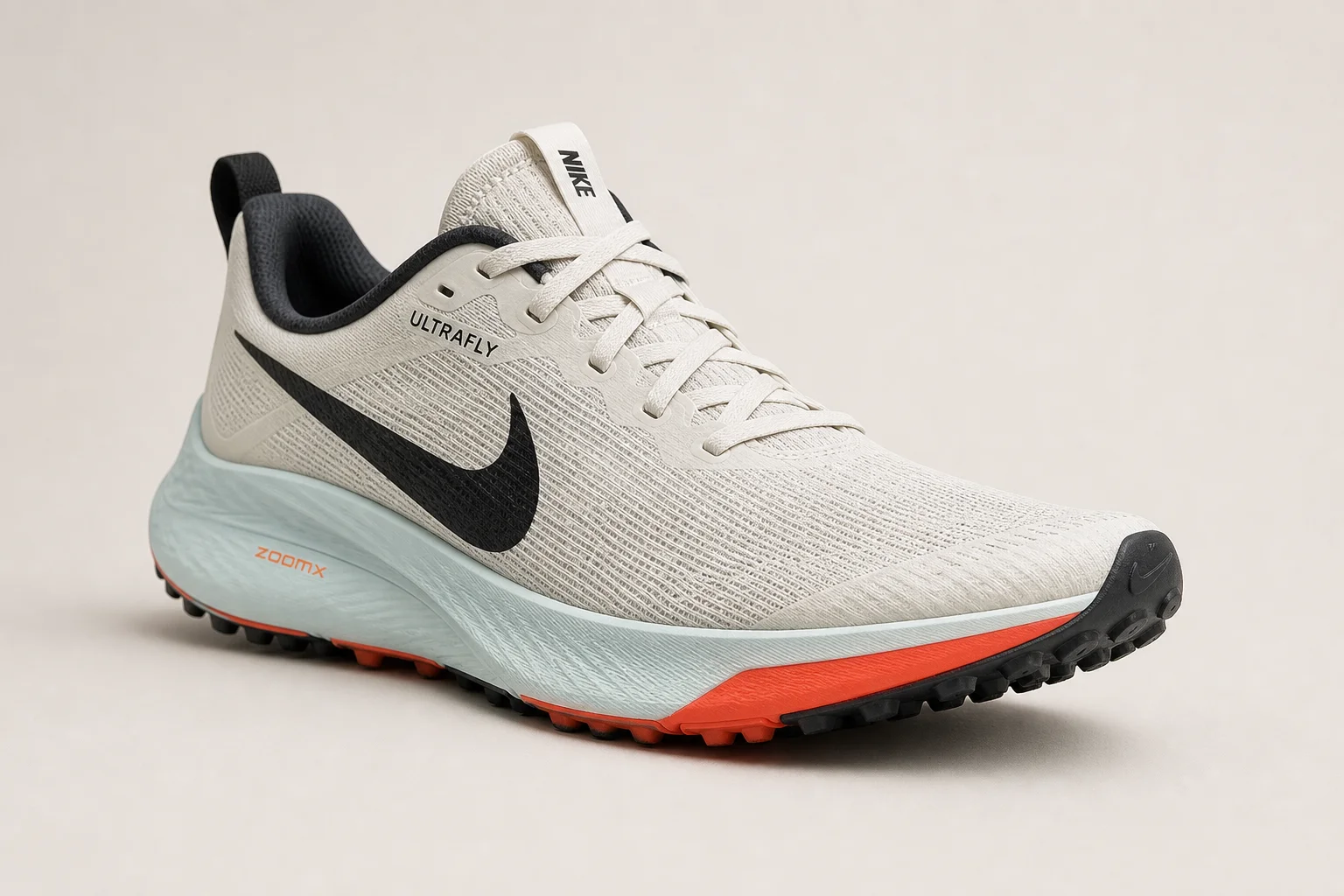
The Ultrafly carried the biggest hype of the year and the biggest price tag at £230. Nike positioned it as a long-distance, carbon-plated performance trail shoe, and the hope was for something like the Vaporfly 2 of the trails. In testing, it never came close.
First, it is heavy: around 305g in a UK 9.5, which is a lot for a performance trail shoe. Second, Nike’s ZoomX foam, usually bouncy and energetic, is covered in fabric here for durability and stability on trails. That covering changed the feel entirely, leaving the midsole firm, unresponsive, and lacking energy return, which largely defeats the purpose of using ZoomX in the first place.
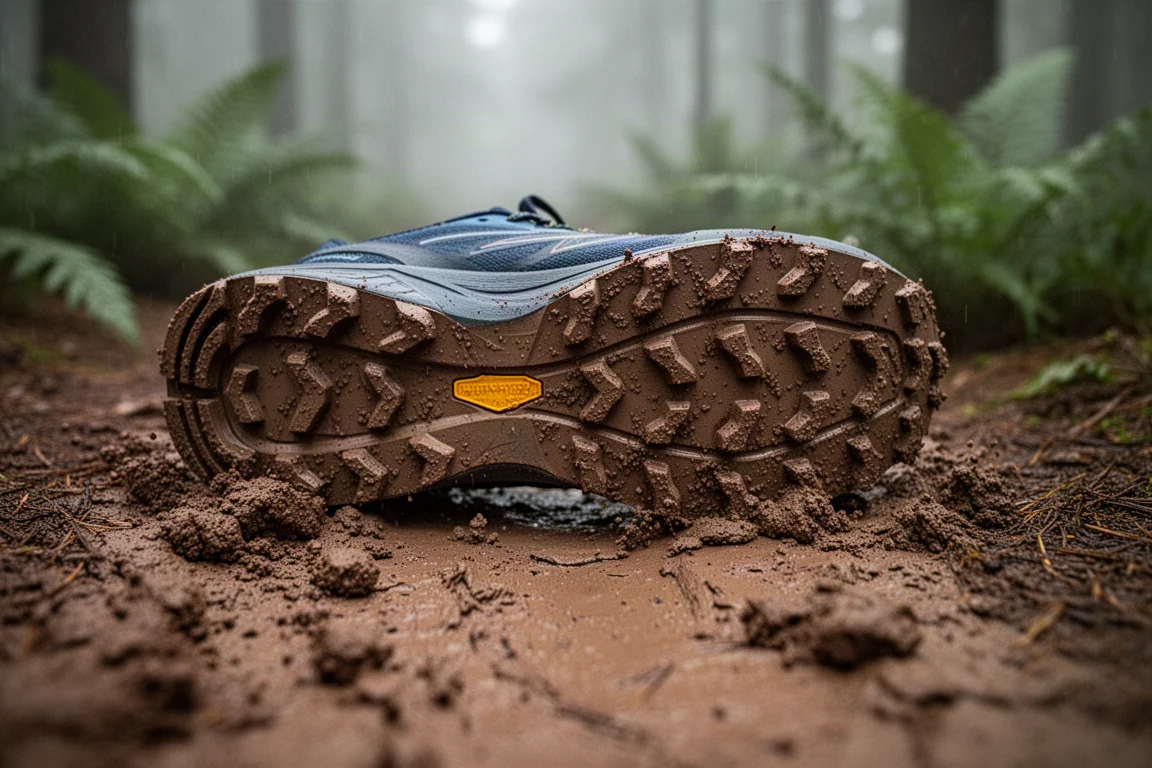
The carbon plate is also overly stiff, removing nearly all midfoot flex, which is not what most trail runners want. On the outsole, the Vibram Megagrip rubber is genuinely a step forward, offering strong grip on wet rock and rocky trails. But the shallow lugs handle mud badly, with poor traction in anything soft, and after 80 to 90 miles the soft rubber lugs on the heel had already worn away, a durability concern at this price.
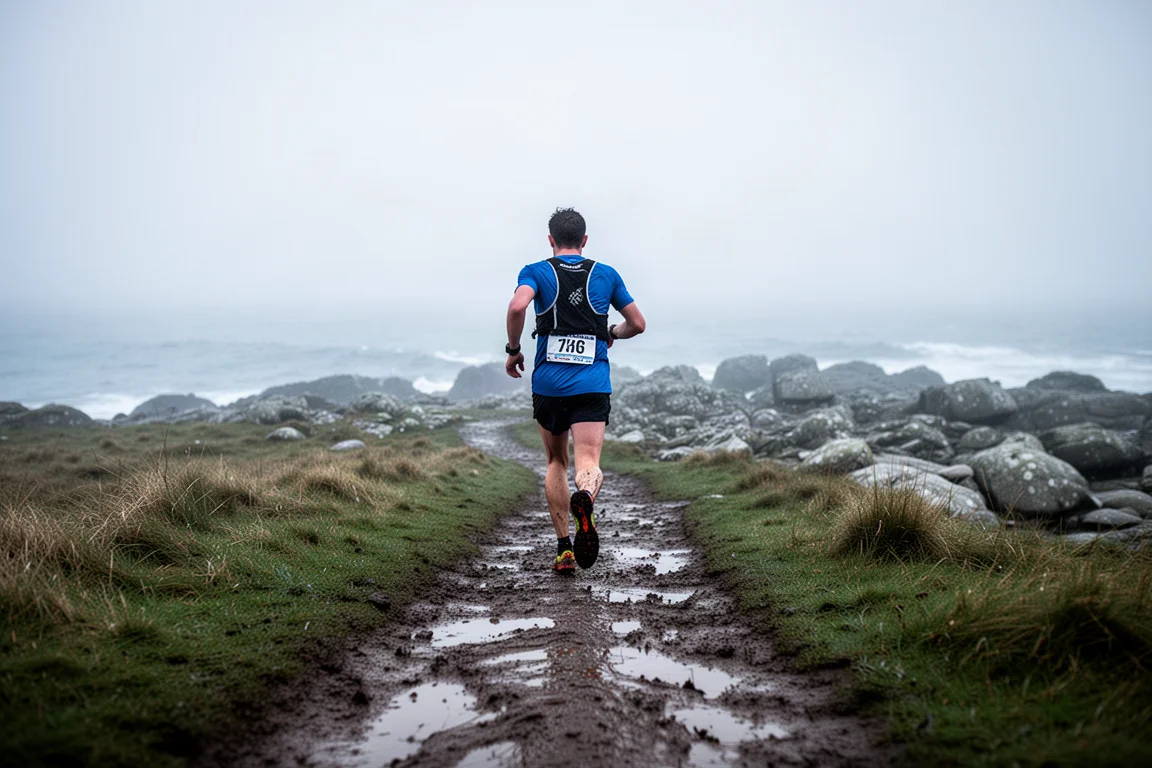
Given several chances to improve, the Ultrafly was even used for a tough 10-and-a-half-hour ultramarathon in poor conditions. It handled wet rock well but slipped badly in mud, and it was not a shoe worth racing in again. A performance shoe that is heavy, an ultramarathon shoe that is uncomfortable over distance: it is a shoe of contradictions, and the biggest disappointment of the year.
Final Thoughts on These Three Shoes
None of these shoes is without merit. The SuperComp Trainer v2 has premium materials and a serious build, the Via Olympus nails fit with its roomy toebox, and the Ultrafly brings real grip on wet rock thanks to Vibram Megagrip. But the flaws here are meaningful: an unstable, sluggish trainer with a stone-trapping void, a cushioned shoe that numbed feet within five miles, and a hyped trail racer that failed exactly where it was designed to excel.
If you are considering any of them, the Ultrafly only makes sense if your trails are rocky and rarely muddy, and you accept the weight and price. The other two are harder to recommend against better alternatives at similar or lower prices.
Conclusion
High expectations cut both ways: big promises make big disappointments more likely. These three shoes show that price and hype are no guarantee of performance, and that design details like midsole voids, foam feel, and lug depth matter more than marketing. Choose based on how and where you actually run, not on the story around the shoe.
Further reading
Related Reviews

Running Shoes
Best Road-to-Trail Running Shoes: Three Versatile Options for Mixed Terrain
A practical guide to three road-to-trail running shoes that handle both pavement and mild trails, with clear strengths and trade-offs for different runner types.

Running Shoes
Best Running Shoes for Achilles Tendonitis: Three Options Explained
Three running shoes with different heel drops and support features designed to help reduce Achilles tendon pain during walking and running.

Running Shoes
Best Running Shoes for Women: Five Top Choices Ranked
A ranked guide to five women's running shoes, from versatile daily trainers to high-performance racing options, with real strengths and trade-offs for each.