Backpacking Tents
Three Common Problems in Backpacking Tents and How to Choose Around Them
A practical look at the three most common backpacking tent problems, with three shelters that show how weight, weather performance, and living space trade off.
Introduction
Choosing a backpacking tent usually comes down to a handful of quiet trade-offs rather than one headline specification. A shelter that pitches beautifully on a granite slab can be awkward on sand. A tent that feels roomy on a mild summer night can leave you wiping condensation off the walls when the temperature drops. And a design that fits one sleeper perfectly may not fit two people using the pads they already own.
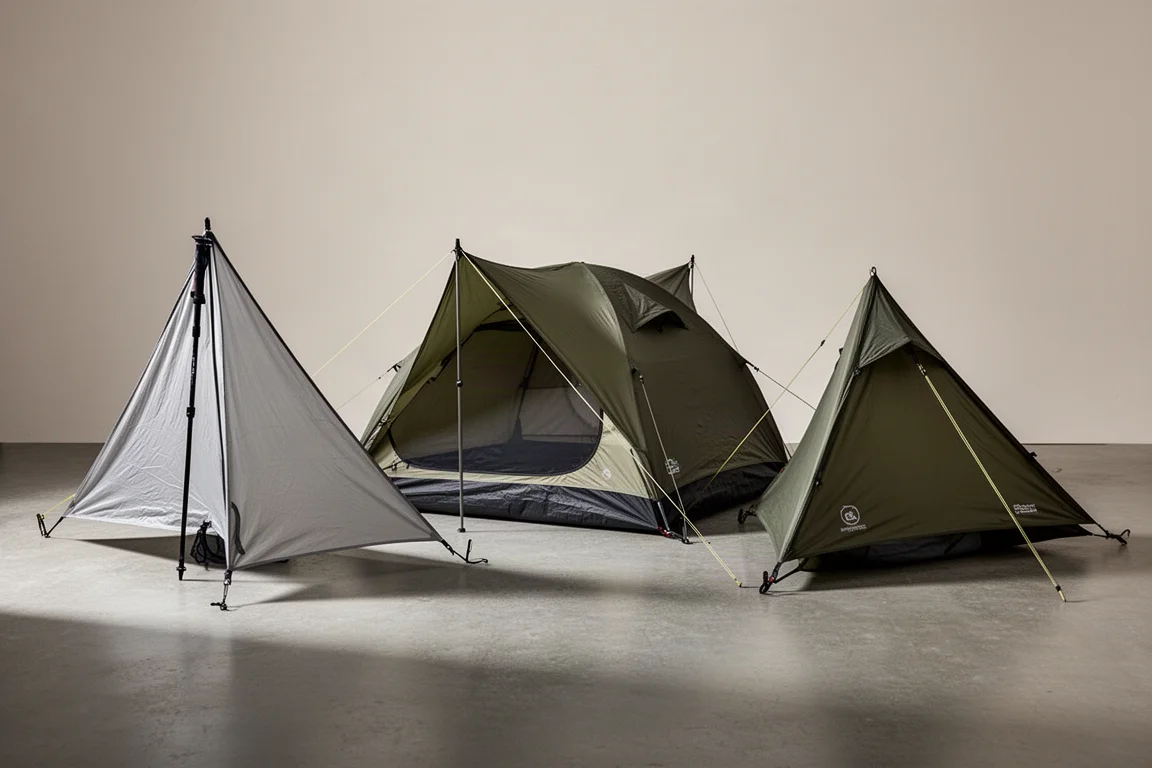
The three tents here each represent a different answer to those trade-offs: a trekking pole shelter built around minimum weight, a freestanding two-person tent built around weather protection, and a semi-freestanding one-person tent built around a balance of both. None of them is a bad tent. What matters is whether the design lines up with how you sleep and where you camp.
Three Common Problems in Backpacking Tent Design
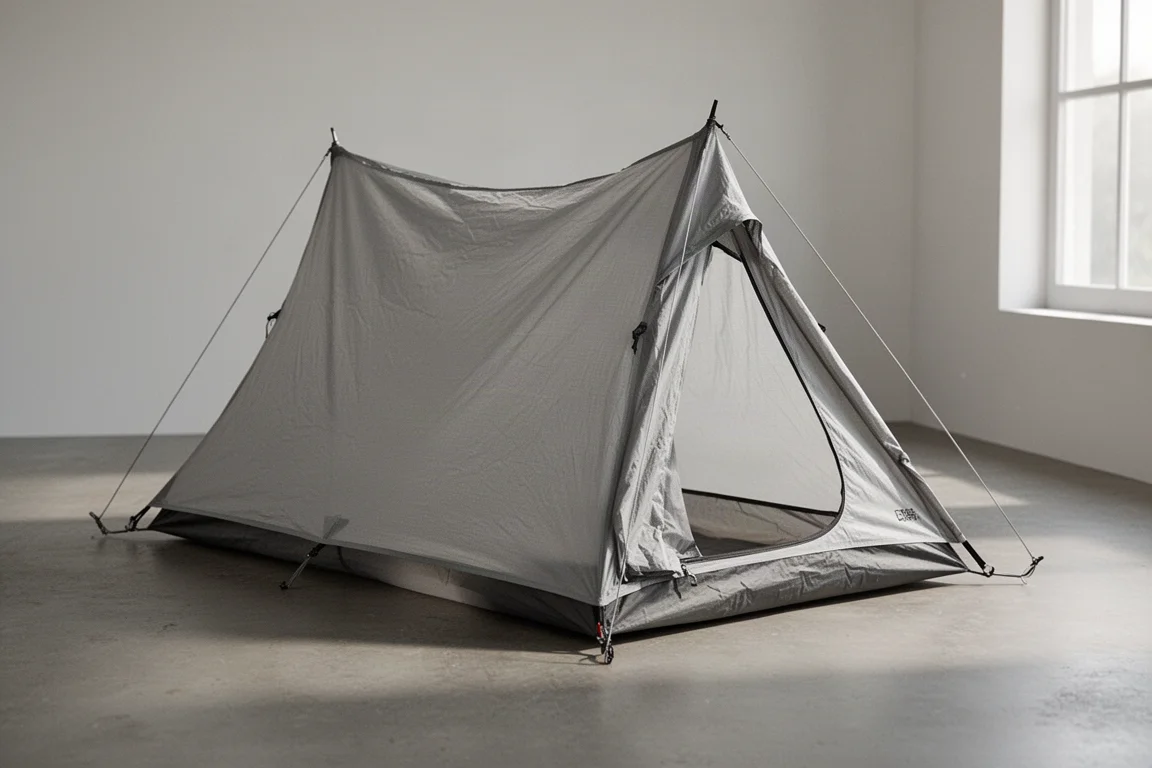
The first problem is a mismatch between the tent and the sleep system you have already invested in. A non-freestanding A-frame shelter has steeper sidewalls than many freestanding designs, and once a four-inch inflatable pad lifts you off the floor, your face ends up much closer to the fabric. Warm air from your body meets the colder wall and condenses, so the area around your face can end up damp and airflow is reduced. It is a subtle issue with real workarounds, such as using a trekking pole or a stick to push the wall further from your head, but the relationship between pad height and tent geometry is worth checking before you buy.
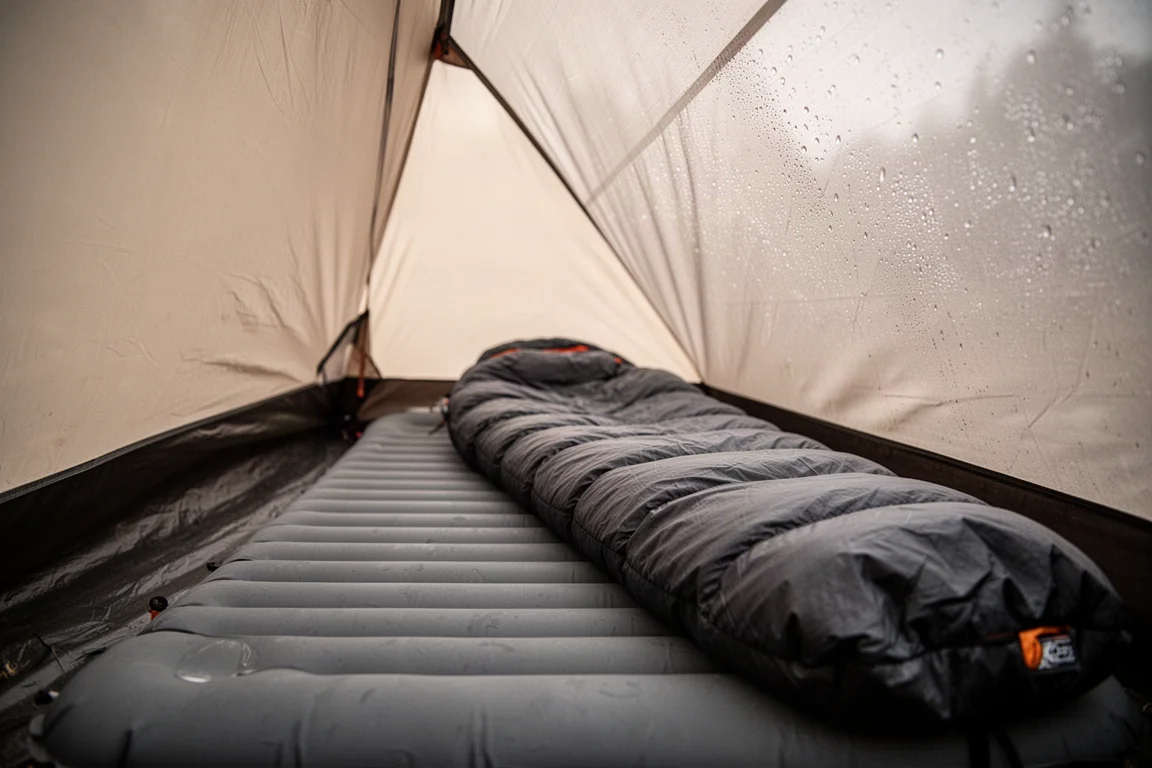
The second problem is a lack of features that support the tent’s own weather performance. A lightweight nylon shelter can absorb water over a long, wet night, and if the stakeout points offer no way to re-tension the fly, the fabric sags. A sagging fly can press against the inner tent and transfer moisture inside, which is exactly the situation you want to avoid during a storm. The third problem is living space traded away for weight. Very small one-person shelters can be genuinely uncomfortable when you have to wait out a weather event, because sitting up, changing clothes, or simply moving around becomes difficult. Each of these issues is avoidable, but only if you know which one your trip is most likely to expose.
Best Ultralight Option: Outdoor Vitals Fortius
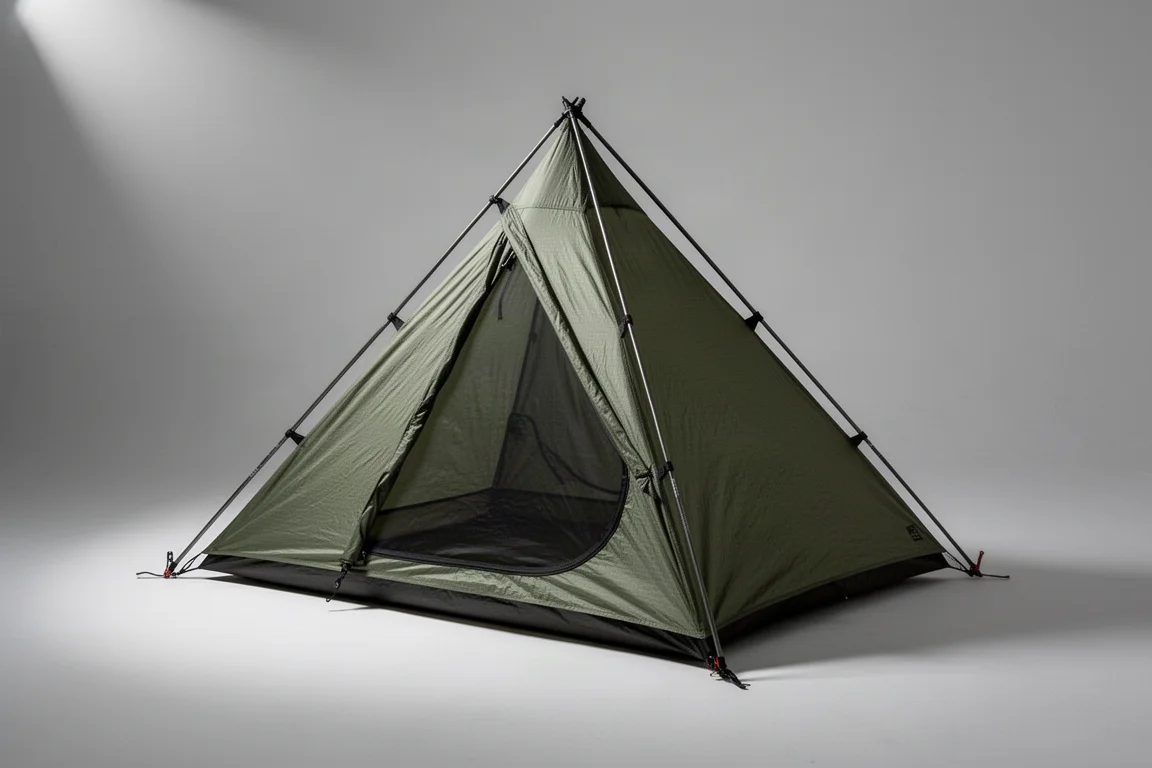
The Outdoor Vitals Fortius is a one-person, non-freestanding tent that pitches with trekking poles. Its A-frame shape creates noticeably steeper sidewalls than a typical freestanding dome, and it is the lightest option of the three, with the smallest footprint. That combination makes it appealing for weight-conscious trips where pack volume matters.
The same geometry is the main thing to think about. With a thicker inflatable pad, the steep wall sits closer to your face, which can increase condensation and reduce airflow around your head. It can also be more cumbersome to pitch depending on the ground you are working with, since a non-freestanding shelter depends more on good stake placements and tension. Backpackers who want the lightest possible shelter and are willing to adapt their setup will get the most from it.
Best Two-Person Freestanding Shelter: Sierra Designs Telos TR2
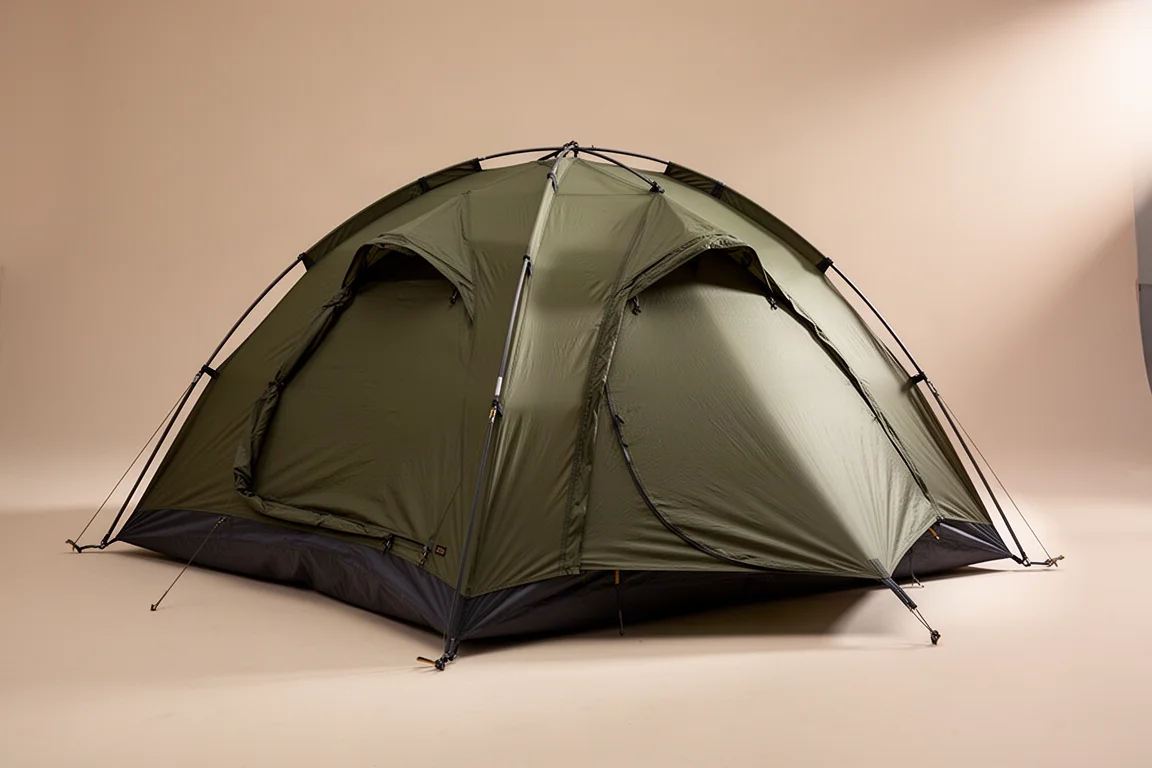
The Sierra Designs Telos TR2 is a freestanding two-person tent with strong weather performance and generous interior height at both the head and foot ends. Because the walls do not slope in sharply toward your face, it avoids the condensation-in-your-face problem that affects steeper A-frame designs. For a solo camper, there is enough interior volume to keep gear inside rather than leaving it in the vestibule.
The limitation is width at the foot end. The tent measures roughly 52 inches across at the head end and tapers to about 42 inches at the foot, which does not accommodate two 25-inch wide pads side by side. Since wider pads are becoming more common, that is the specification to check carefully if you plan to sleep two people in this tent. Used solo, or with narrower pads, the space works well.
Best Semi-Freestanding Ultralight Option: Big Agnes Tiger Wall UL1
The Big Agnes Tiger Wall UL1 is a semi-freestanding one-person tent built from nylon. It earns its place through livability: the interior is roomy enough that you can sit up and move around without feeling confined, and the double-wall design plus steep sidewalls help keep condensation away from you and off your face. It has held up well on cold trips.
Its weaknesses appear in severe weather. A semi-freestanding structure with a very light frame is less structurally sound in high wind, heavy rain, or snow load than a fully freestanding tent or a pyramid-style trekking pole shelter, and a Tiger Wall UL2 has been seen flattening overnight in a sandy campsite during strong wind. The nylon fly also absorbs more water than polyester or Dyneema, and the stakeout and tie-off points do not allow you to re-tension the shelter as the fabric stretches and sags. In a long storm, that can let the fly press against the inner tent and move moisture inside.
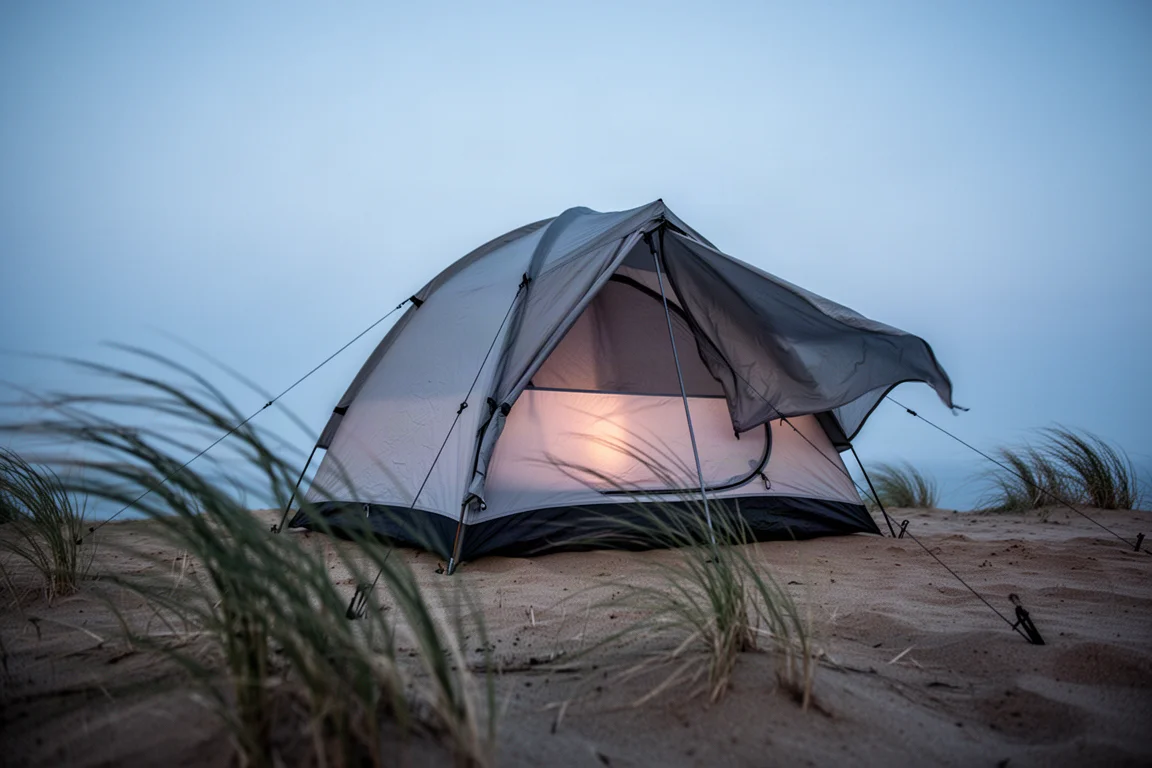
Pitching carefully and using every guy-out point helps, but the missing tension adjustment is the detail to weigh against the tent’s low weight and comfortable interior. For three-season trips in moderate conditions it is a pleasure to use, while exposed alpine nights may call for a stronger design.
Matching Tent Width to Your Sleep System
Pad width and pad height drive more tent decisions than most buyers expect. A 25-inch wide pad is comfortable on its own but demands real interior width when two of them share a floor, which is why a two-person tent with a 42-inch foot end will not work for that setup. Pad height matters in a different way: the thicker the pad, the closer you sleep to the tent wall, and the more noticeable condensation and reduced airflow become in a steep-sided shelter. Measure your pads, note their thickness, and compare those numbers against the tent’s stated dimensions at both the head and foot ends before committing.
Weather Performance and Tensioning
Weather performance is not only about pole count. Fabric behavior matters just as much. Nylon stretches and absorbs water over time, while polyester and Dyneema resist moisture more effectively. When a shelter’s stakeout points are fixed, with no way to shorten or lengthen the tension, a wet night can leave the fly loose against the inner tent, and that contact is what wicks water inside.
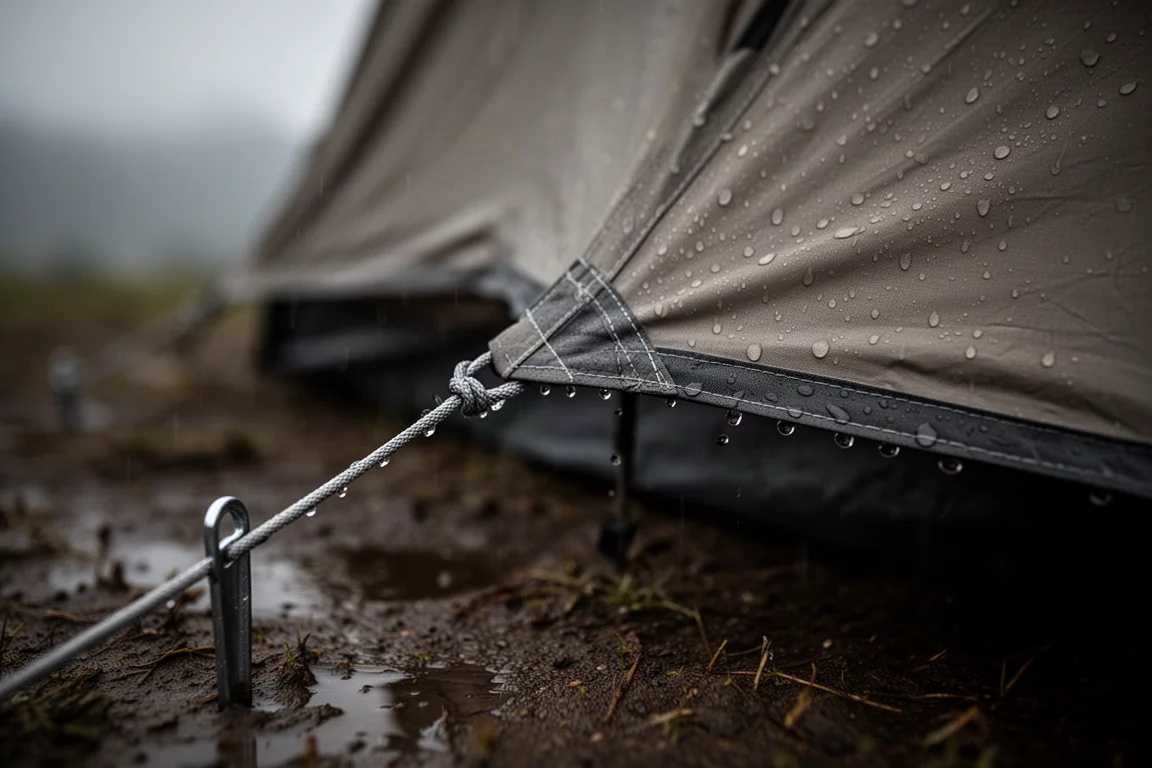
If you expect sustained rain or wind, look for a design that lets you re-tension the fly, and consider whether a freestanding tent or a pyramid-style trekking pole shelter offers the structural margin your trips require.
Weight, Living Space, and Setup Terrain
Every one of these considerations interacts with the others. Saving weight usually means less structure, less interior volume, or both. The Fortius gives you the lowest weight and the smallest footprint, which is a real advantage on tight pitches, but a non-freestanding shelter can be more awkward to set up on difficult ground. The Telos TR2 and the Tiger Wall UL1 add a modest amount of weight in exchange for freestanding or semi-freestanding pitching that works across more terrain types. The Tiger Wall UL1 protects livable interior space, though your sleeping system will occupy a good share of it, which may push more gear into the vestibule or outside.
Buying Advice: Matching a Tent to the Trip
Start with the trips you actually take. If minimum weight and pack size are the priority and you mostly camp on ground where stakes hold well, the Outdoor Vitals Fortius fits that brief. If you want freestanding pitching and strong weather performance, and you sleep solo or with narrower pads, the Sierra Designs Telos TR2 is the more capable shelter. If you want a comfortable one-person interior at a low weight and you camp in moderate three-season conditions, the Big Agnes Tiger Wall UL1 is a strong middle ground.
Once you have narrowed the list, look for detailed setup footage and long-term field reports on the specific model, and pay attention to how the tent handles the conditions you are most likely to meet. Understanding tensioning options, stakeout points, and interior dimensions ahead of time is the difference between a shelter that works for you and one you merely tolerate.
Conclusion
These three tents show how much give and take sits inside backpacking shelter design. Match the tent to your pad dimensions, your expected weather, and the space you need when you are stuck inside, and the compromises become predictable rather than surprising. None of the three problems here is a dealbreaker on its own, but knowing which one affects you most makes the choice much easier.
Further reading
Related Reviews
Backpacking Tents
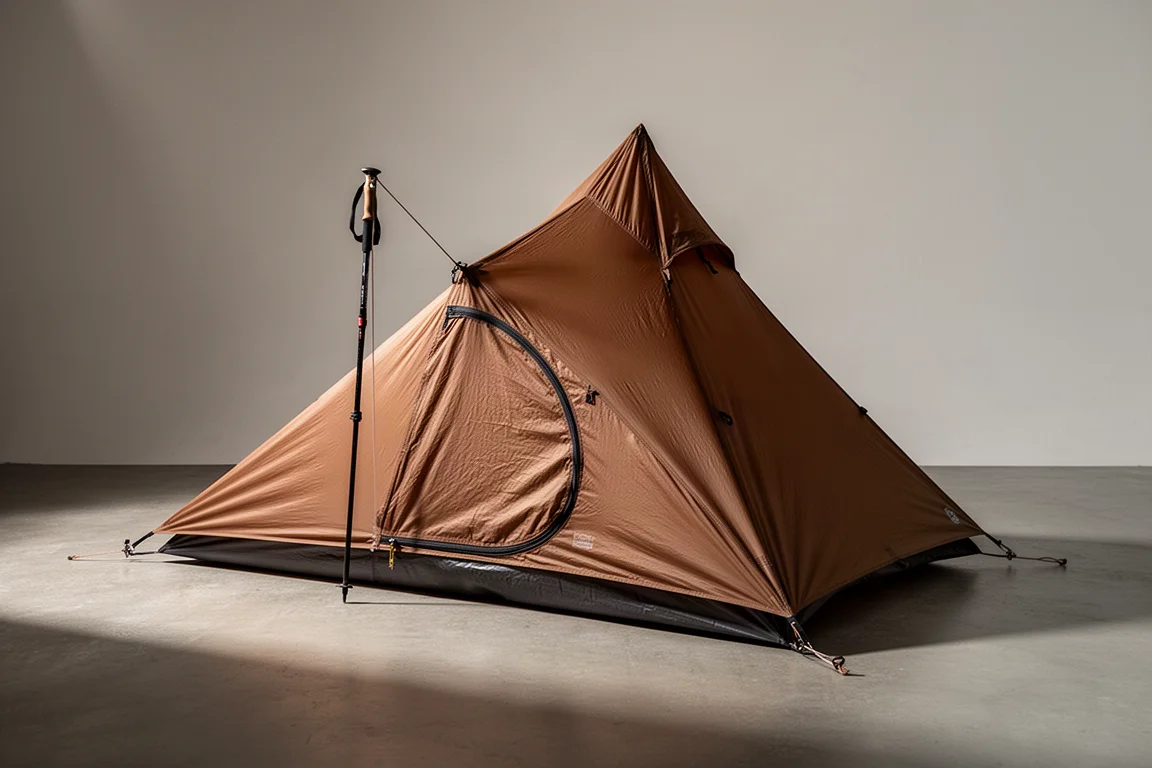
3F UL Lanchan Pro 1 Review: A 1 lb 8 oz Single-Wall Trekking Pole Tent
A practical look at the 3F UL Lanchan Pro 1, a single-wall trekking pole shelter with a 1 lb 8 oz weight, 20D silnylon fabrics, and a roomy 90 x 31 x 49 inch interior.
Backpacking Tents
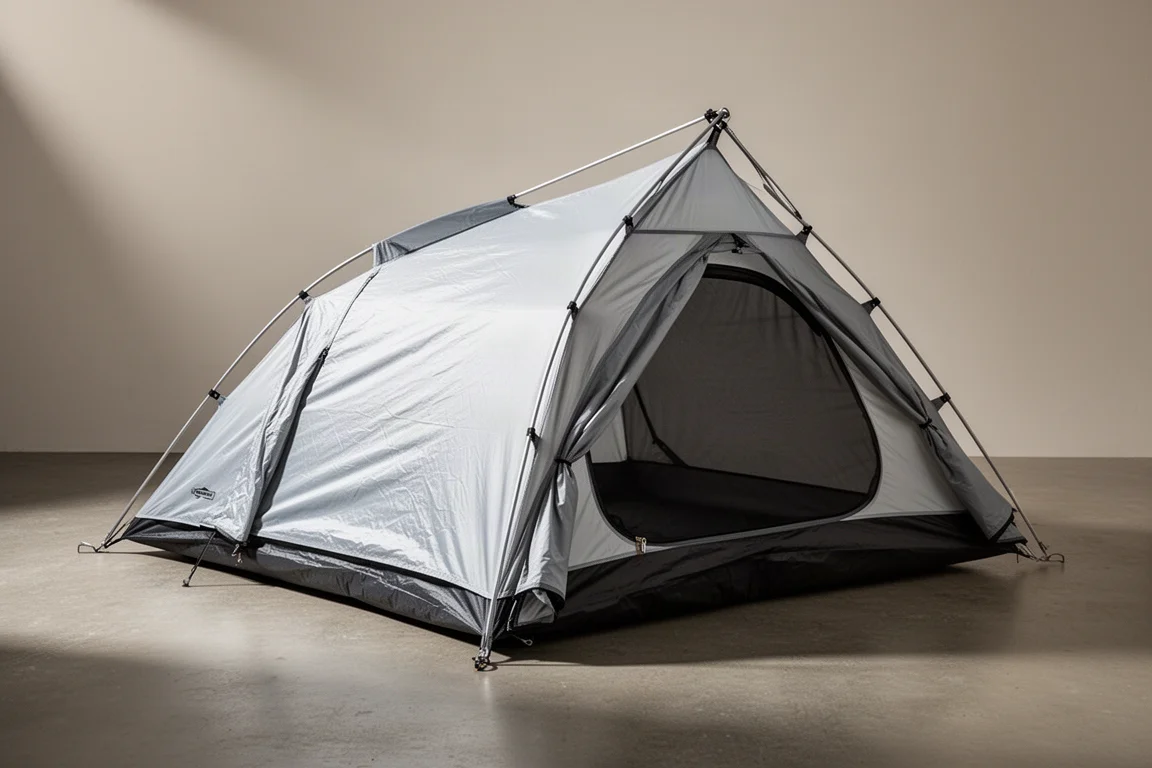
3F UL Taiji 2-Person Tent: A Convertible Backpacking Shelter Worth a Closer Look
A practical look at the 3F UL Taiji two-person tent, covering its materials, true two-person interior, fly-first pitching, and the seasonal inner swap that lets one shelter cover more of the year.
Backpacking Tents
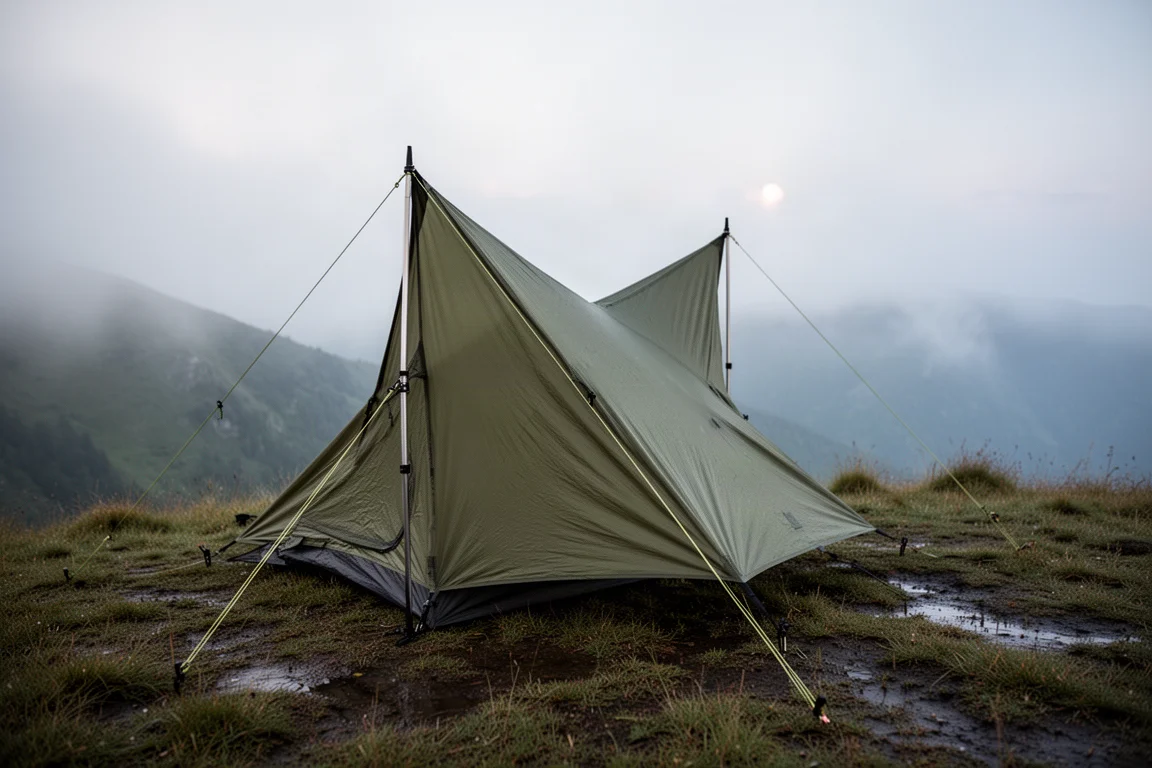
3FUL Lanshan Twoerson Pro Review: A Light Trekking Pole Shelter That Struggled in Rain
A two-person trekking pole shelter with a 2026 redesign, pitched with sticks and put through a night of steady rain. Here is what worked, what did not, and what to check before buying.